
How to Propagate Pothos: Step-by-Step Guide for Water and Soil Cuttings

To propagate pothos, take a healthy stem cutting with at least one node. Place the cutting in water or directly into moist soil until roots form. Keep in bright, indirect light and maintain consistent moisture. Once roots reach about 2-3 inches long, plant in well-draining soil and continue regular care.

Content may contain affiliate links. When you shop the links, we receive a small commission at no cost to you. Thanks for supporting my small business.
Pothos(Epipremnum aureum) are some of the most popular houseplants around, and for good reason! With their trailing vines and easygoing nature, pothos add a lush, vibrant touch to any room. Even better - they're one of the easiest plants to multiply.
Learning how to propagate pothos is simple and rewarding. With just a few healthy cuttings and a little patience, you can grow new plants in either water or soil. It's an easy way to turn one thriving pothos into a whole collection to share, gift, or fill every windowsill in your home.
Jump to:
About propagating plants
Did you know humans have been propagating plants for thousands of years? Ancient Egyptian hieroglyphics even show gardeners using cuttings as far back as 1250 BCE. Propagation is simply the process of growing new plants from existing ones using the plant's natural ability to regenerate.
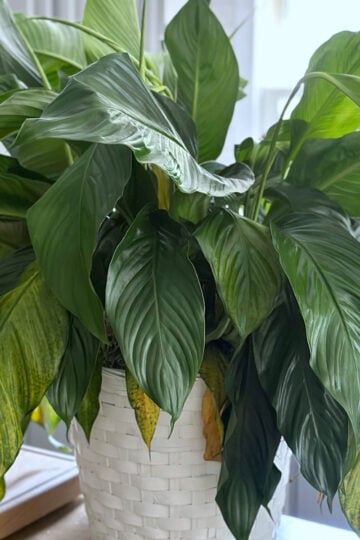
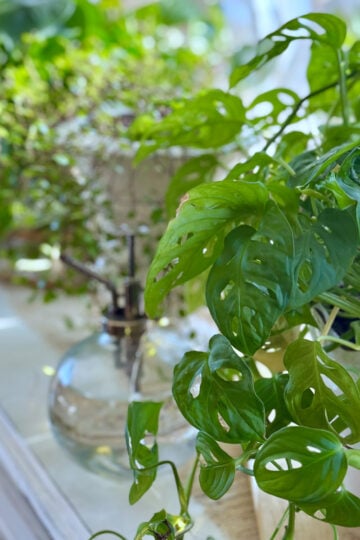
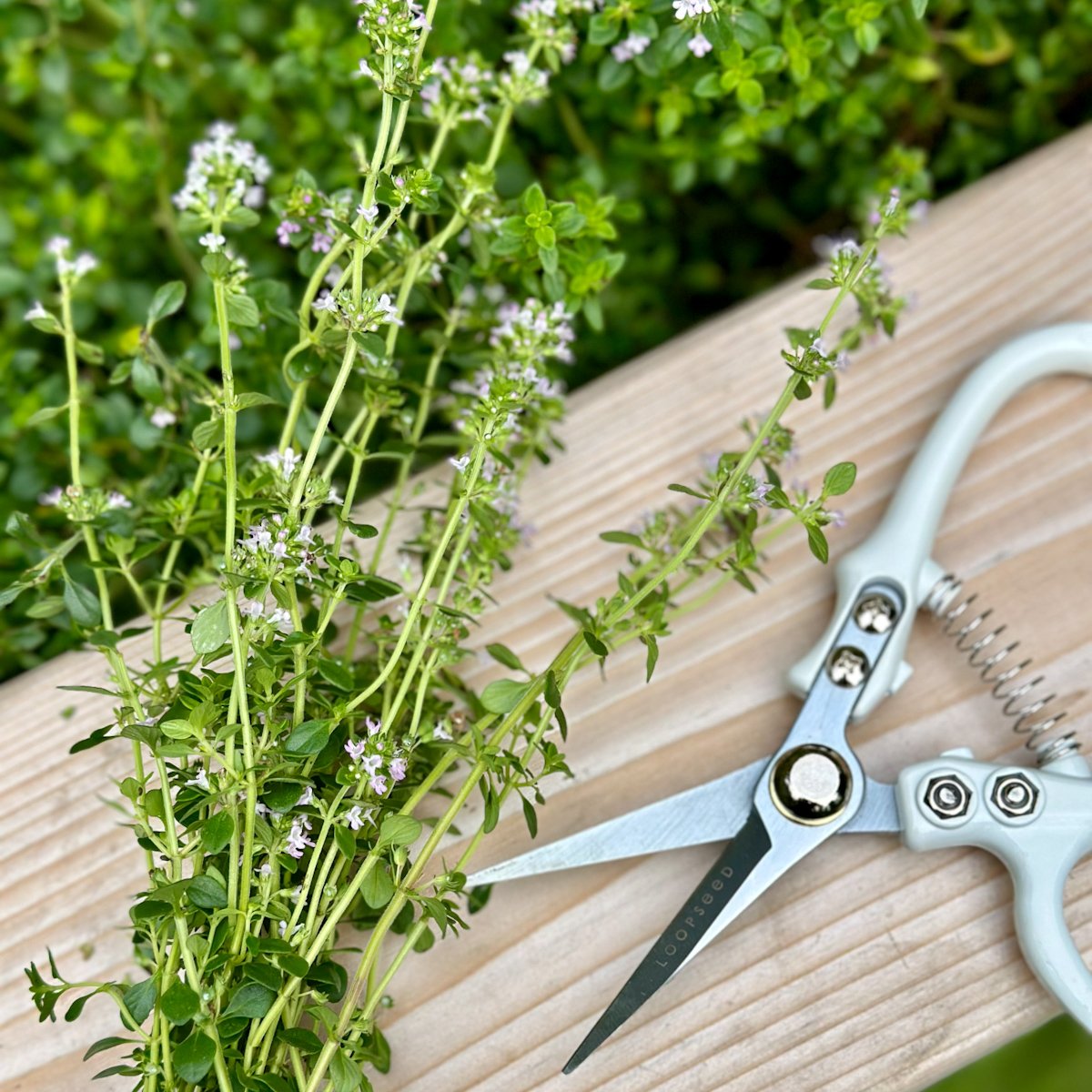
Some plants that propagate fabulously from cuttings include pothos, philodendrons, succulents, herbs, African violets, roses, and carnivorous plants. Among them, pothos, also known as Devil's Ivy, is one of the easiest and most rewarding to try. With just a snip and a little patience, you can watch new baby vines develop roots right on your windowsill. It really does feel like plant magic.
Day 1: Freshly snipped pothos cuttings in water
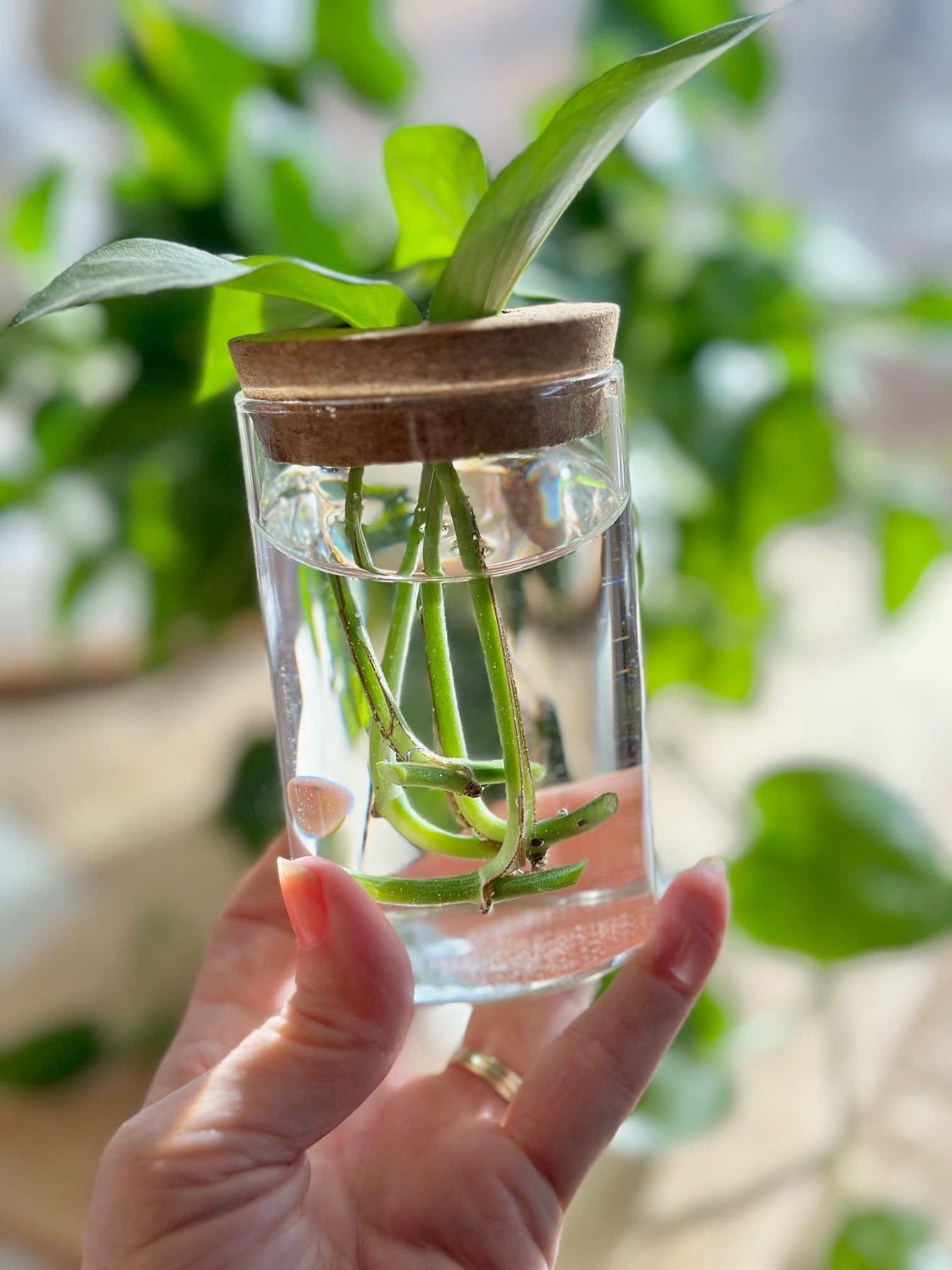
Day 21: Healthy new roots forming and ready for planting

Why you should propagate pothos
There are so many good reasons to try propagating your pothos.
Fuller, bushier parent plant: When you prune and propagate your pothos, it encourages the main plant to grow new leaves closer to the base instead of only sending out long vines. The result is a fuller, healthier-looking plant. With a few well-timed trims, your pothos can go from leggy to lush in no time.
An endless supply of new plants: Pothos vines seem to grow forever, which means endless opportunities to take cuttings. A single mature plant can produce dozens of new baby plants over time. You can keep them, share them, or spread them around your home for that instant jungle feel.
Simple and satisfying: Pothos propagation is one of the easiest plant projects to try. Within a few weeks, you'll start to see little white roots forming, and before long you'll have brand new plants. It's quick, low-cost, and incredibly rewarding to watch the process unfold.

Before you begin
Setting up your propagation station takes just a few simple supplies. Clean pruning shears or a sharp knife are key for making healthy cuts. Have jars, cups, or a small propagation station ready to hold your cuttings. You'll also need a good potting mix, small starter pots, and plastic bags to create mini greenhouse conditions. A rooting hormone is optional, but it can give your cuttings a helpful boost.
Choose a bright area for your setup, such as a windowsill or under a grow light. Warmth and steady light help your pothos stay in root-growing mode.
The best time to propagate is during spring and summer when light levels are naturally higher. However, you can still propagate successfully year-round by keeping your cuttings warm and well-lit. Just focus on creating those same ideal growing conditions indoors.

Step by step guide for propagating
Propagating pothos is simple once you know what to look for. Follow along and you will have new vines in no time.
Selecting cuttings
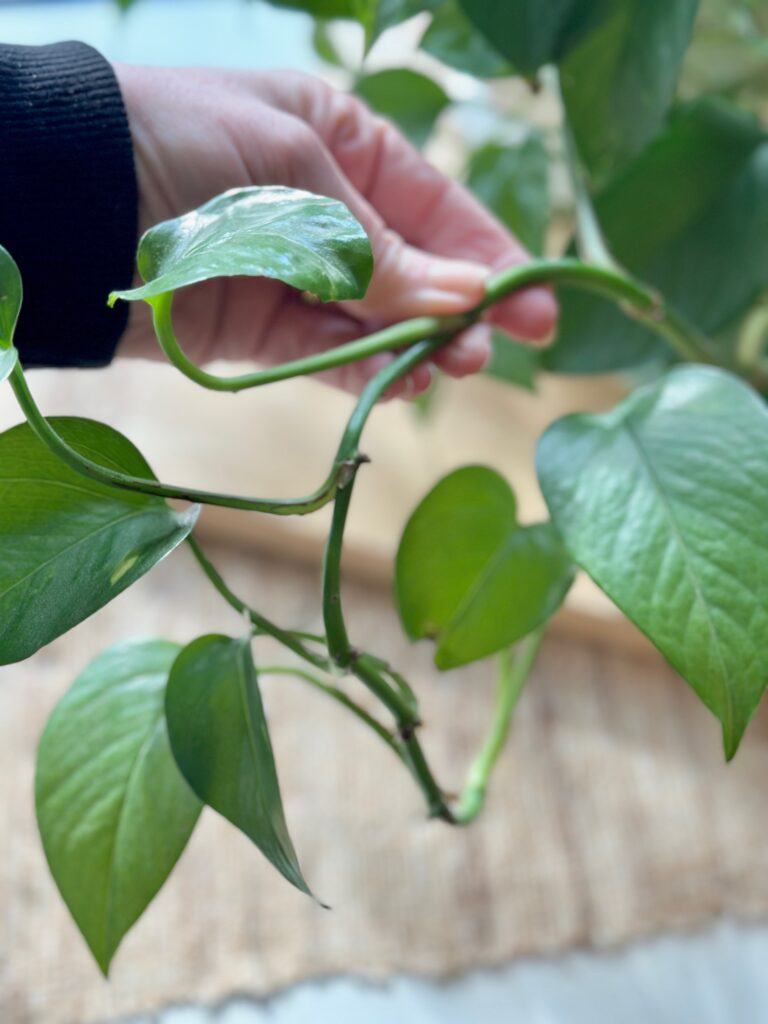
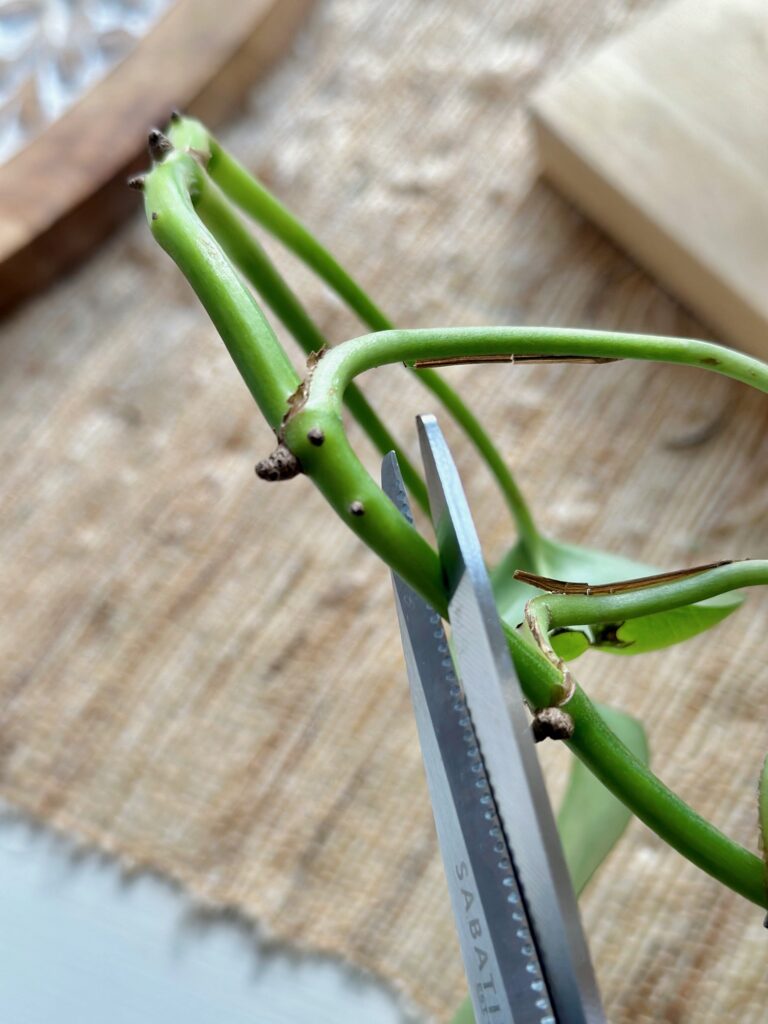
Choose a healthy vine and make a clean cut just below a node. A node is the little bump on the stem where roots will form.
- Length: aim for a 6 to 8 inch cutting with 3 or more leaves
- Prep: remove the lowest leaf so the node can sit in water or soil
- Tools: use clean pruners or a sharp knife for a smooth cut
- Optional: dip the cut end in rooting hormone if you plan to plant straight into soil
Take as many cuttings as you like, but leave enough growth on the mother plant so it can keep photosynthesizing and bounce back quickly.

Water propagation
Place your cuttings in a clear jar or vase of room temperature water. Make sure at least one node is submerged and the leaves stay above the waterline.
- Change the water every 2 to 3 days to keep it fresh and oxygenated
- Keep the jar in bright, indirect light
- Watch for small white roots forming at the node within 1 to 2 weeks
Once roots reach about 2 to 3 inches, move the cutting to a small pot with a light, well draining mix. Water well after planting, then let the top of the soil dry slightly before the next drink. If you want extra context, you can read more about choosing the right pothos soil and how often to water a pothos in my care guides.


Soil propagation
You can also skip the water step and plant your cuttings directly into starter pots with potting mix. Pat the soil gently around the stems and slip the whole pot into a plastic bag or under a glass cloche to create a greenhouse effect.
Remove the bag once roots form, usually in one to two weeks. The extra humidity helps kickstart growth.


How to plant pothos cuttings
As your pothos cuttings mature and develop strong roots, it's time to guide them into the next stage of their journey - potting them into their permanent homes. Whether you started in water or soil, this step ensures a smooth transition to a stable growing environment.

The pot
Choose a small, well-draining container with holes in the bottom. Pothos prefer slightly moist but not soggy soil, so drainage is key. Pick a pot just large enough for the roots to spread. Going too big can slow growth. Plastic or terra cotta pots both work well.
The right soil
Use a light, airy potting mix to promote drainage and airflow. For a deeper dive into creating the perfect mix, visit my detailed post on the best soil for pothos.
How to plant
Create a small hole in the soil with your finger or a stick. Carefully insert the cutting, making sure the node (where the leaf meets the stem) is buried just below the surface. This helps the roots establish firmly in their new home.

Watering your new pothos cuttings
Water well at first to prevent transplant shock, then let the soil dry slightly between waterings. The young plants will take a little time to adjust, so go easy while their root systems strengthen.
And that's it. Follow these steps and soon you'll have a new batch of thriving pothos plants.
Tip: Plant 2-3 cuttings or propagated plants in one pot for a faster, fuller plant.
Caring for new plants
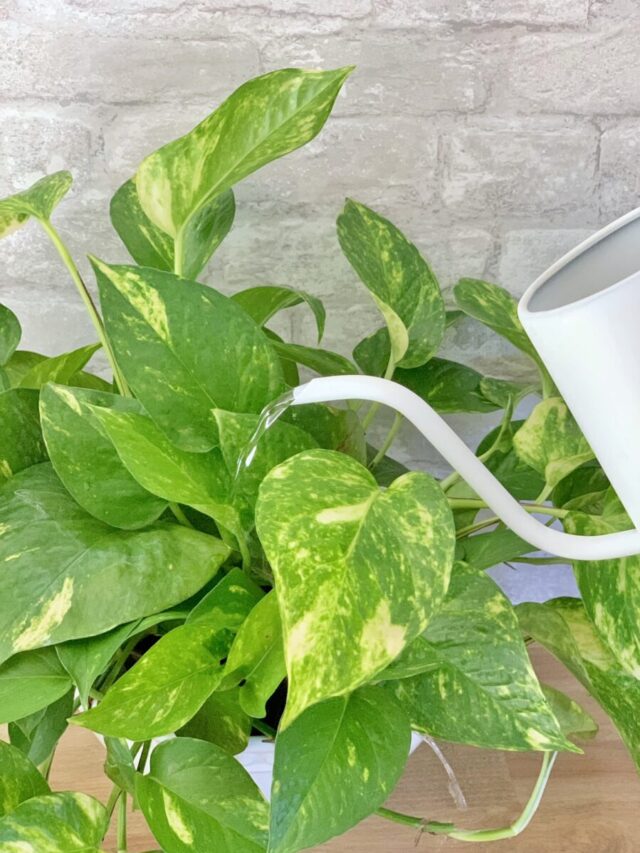
Your newly propagated pothos will need a little time to adjust to life in soil. Keep the soil moist but not soaked while the roots develop and anchor in. Water whenever the top inch or two feels dry. For more details, visit my post on how often to water a pothos plant.
Bright, indirect light is best. These trailing vines don't love direct sunlight, which can scorch their leaves.
Once your young plants have a few sets of new leaves, move them into slightly larger starter pots. As they continue to grow, you can shift them into bigger containers as needed. For guidance on feeding and ongoing care, check out my post on choosing the best fertilizer for pothos plants to keep your new plants thriving.
Tips and tricks
A few simple tips can make pothos propagation even more successful. Remember, patience and consistency are key. Not every cutting will root, so don't worry if a few don't make it. Keep your space warm at about 70°F and avoid placing cuttings in harsh, direct sunlight that can scorch new growth.
Consider using a rooting hormone powder or gel such as RootBoost before planting. It can speed up the process by stimulating root development. Dip the stem and node into the powder, then place the cutting in soil or water. Always follow the product instructions for the best results.
Mist your cuttings occasionally and keep the soil or water fresh. If they start looking a little tired, refresh the water or lightly amend the soil. And don't panic if a few early leaves yellow and drop. The plant is simply redirecting its stored energy toward growing new, healthy roots.


Common reasons your pothos cuttings fail to root
If your pothos cuttings are struggling to root, diagnose the issue using this at-a-glance table explaining the 7 most common causes of propagation failure, and actionable solutions.
| Cause of Issue | Explanation |
|---|---|
| Stem cuttings have no nodes submerged | Pothos roots grow from nodes where leaves emerge. A node must be under water/soil for roots to form. |
| Water not changed frequently enough | Roots need oxygen. Stagnant water becomes depleted of oxygen, suffocating and rotting cuttings. |
| Propagation area too dark | Pothos require bright, indirect light for photosynthesis to fuel growth of new roots. |
| Cutting taken from weak/damaged vine | For best success, source cuttings from vigorously growing, healthy mother plant. |
| Ambient temperature too cold | Pothos prefer warm environments with high humidity for rapid propagation success. |
| Delayed transition to soil | Water roots are delicate. Transplant to soil within months to avoid damaging shock. |
| Impatience | Rooting pothos cuttings takes 2- 4+ weeks minimum. Allow a month before assuming failure. |
Frequently asked questions
Cut just below a node, which is the small bump on the stem where leaves and aerial roots grow. This is where new roots will form once the cutting is placed in water or soil.
Both methods work well. Water propagation is easier to monitor because you can see the roots forming, while soil propagation skips the transition step and produces slightly stronger roots from the start.
Roots usually start to appear within one to two weeks. The process can take longer in cooler or low-light conditions. Once roots reach about two to three inches long, the cutting is ready to be planted in soil.
Yes, pothos is one of the easiest houseplants to propagate. It's very forgiving and tends to root quickly, making it perfect for anyone new to indoor gardening.


Propagating pothos is one of those simple, satisfying projects that reminds you why houseplants are so fun to grow. A few cuttings, a little patience, and before long you'll have fresh vines ready to fill new pots or share with friends.
Whether you start in water or soil, your pothos will reward you with quick growth and easy success. Once you see those roots forming, you'll be hooked.
Keep an eye on your cuttings, celebrate the small progress, and enjoy the process. Before you know it, you'll have a thriving family of pothos plants brightening up every corner of your home.
Keep Growing, Friends!