Honey for Charcuterie Board: What to Use and How to Serve It

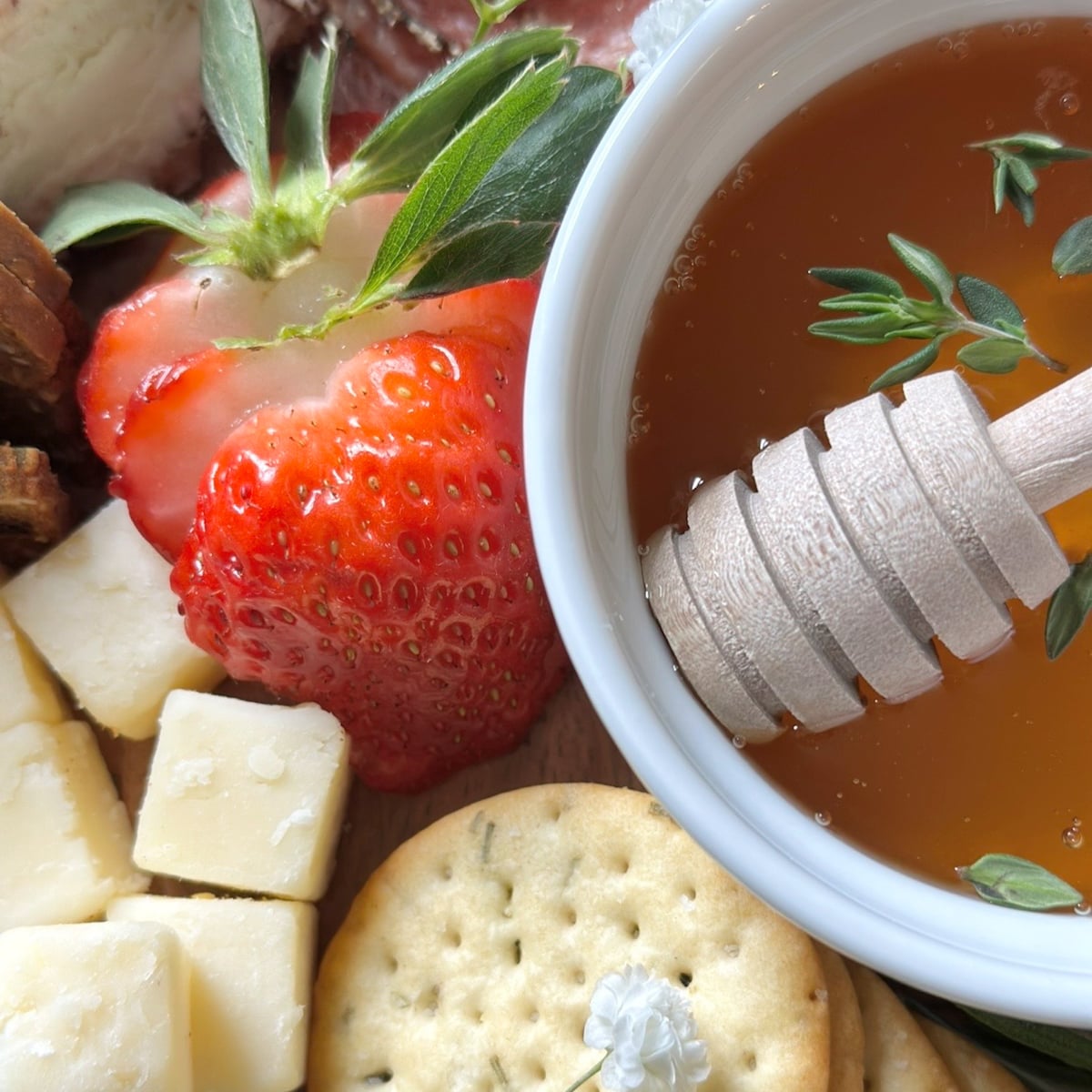
Honey for a charcuterie board adds sweetness and balance, making it a key pairing for salty meats and rich cheeses. Clover honey is the easiest, most crowd-friendly option, while wildflower, hot honey, or honeycomb can add more flavor and texture. Serve honey in a small bowl or drizzle it over cheeses like brie or goat cheese, then pair it with fruit, nuts, and cured meats for a simple but well-rounded board.
Content may contain affiliate links. When you shop the links, we receive a small commission at no cost to you. Thanks for supporting my small business.
Honey is one of those small details that makes a charcuterie board feel complete. It takes all the salty, creamy, and savory elements and adds just enough sweetness to balance everything out.
The best part is, it doesn't take much to get it right. One or two good honey choices, served the right way, can instantly make your board feel more thoughtful and put together without adding any extra work.
At a Glance: Honey for Charcuterie Board
_______________________
- Honey adds sweetness and balance to salty, creamy, and savory elements
- Stick with 1-2 types of honey to keep your board simple and cohesive
- Clover honey is mild and crowd-friendly, wildflower adds more flavor
- Honeycomb or hot honey can be used for texture or a bolder option
- Serve in a small bowl or drizzle directly over cheeses and spreads
- Pairs well with brie, goat cheese, blue cheese, prosciutto, and salami
- Complements fruit like figs, apples, and grapes, plus nuts
- Garnish with fresh herbs like thyme or rosemary for a finished look
- Place honey near cheeses or crackers so it's easy to access
- Add garnishes just before serving for the best presentation
Summarize and Save this content on:
Jump to:
- At a Glance: Honey for Charcuterie Board
- What honey to use on a charcuterie board
- Clover honey vs Wildflower honey (and which to use)
- What honey pairs well with
- How to Serve Honey on a Charcuterie Board
- How to garnish honey
- Where to place honey on the board
- When to add honey
- The difference honey makes
- Frequently asked questions
- More charcuterie guides to explore
What honey to use on a charcuterie board
Clover honey (mild and crowd-friendly)
- Light, neutral flavor
- Works with almost everything
I almost always reach for clover honey when I'm serving a group because it pairs well with both cheeses and meats without competing with anything else on the board.
Wildflower honey (a little more depth)
- Slightly floral, more interesting
- Adds a bit more personality
If I want the board to feel a little more elevated, I'll use wildflower honey since it has just enough flavor to stand out without overwhelming the other ingredients.
Honeycomb (for texture and visual impact)
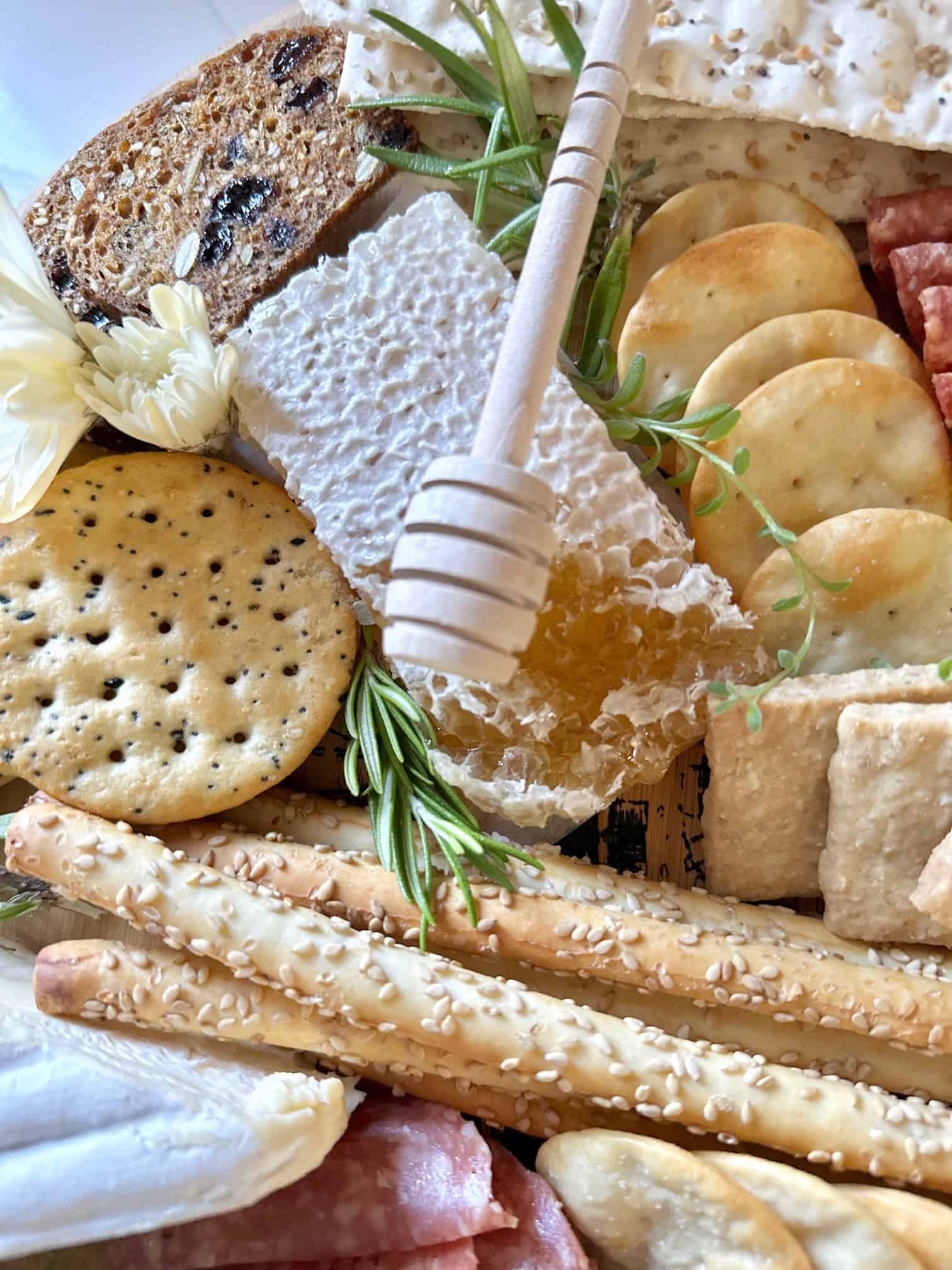
- Naturally sweet with a soft, waxy texture
- Adds both flavor and a beautiful focal point
I love adding a small piece of honeycomb when I want the board to feel a little more special, it instantly makes everything look more styled and gives guests something a little different to try.
Specialty honey (optional upgrade)
Raw honey or unfiltered honey
- Slightly thicker with a more natural, complex taste
- A good option if you want a more rustic, less processed feel
Manuka honey (premium option)
- Rich and more distinctive in flavor
- Best used in small amounts since it's more expensive
These are nice to include when you want something a little different, but they're not necessary for a great board.
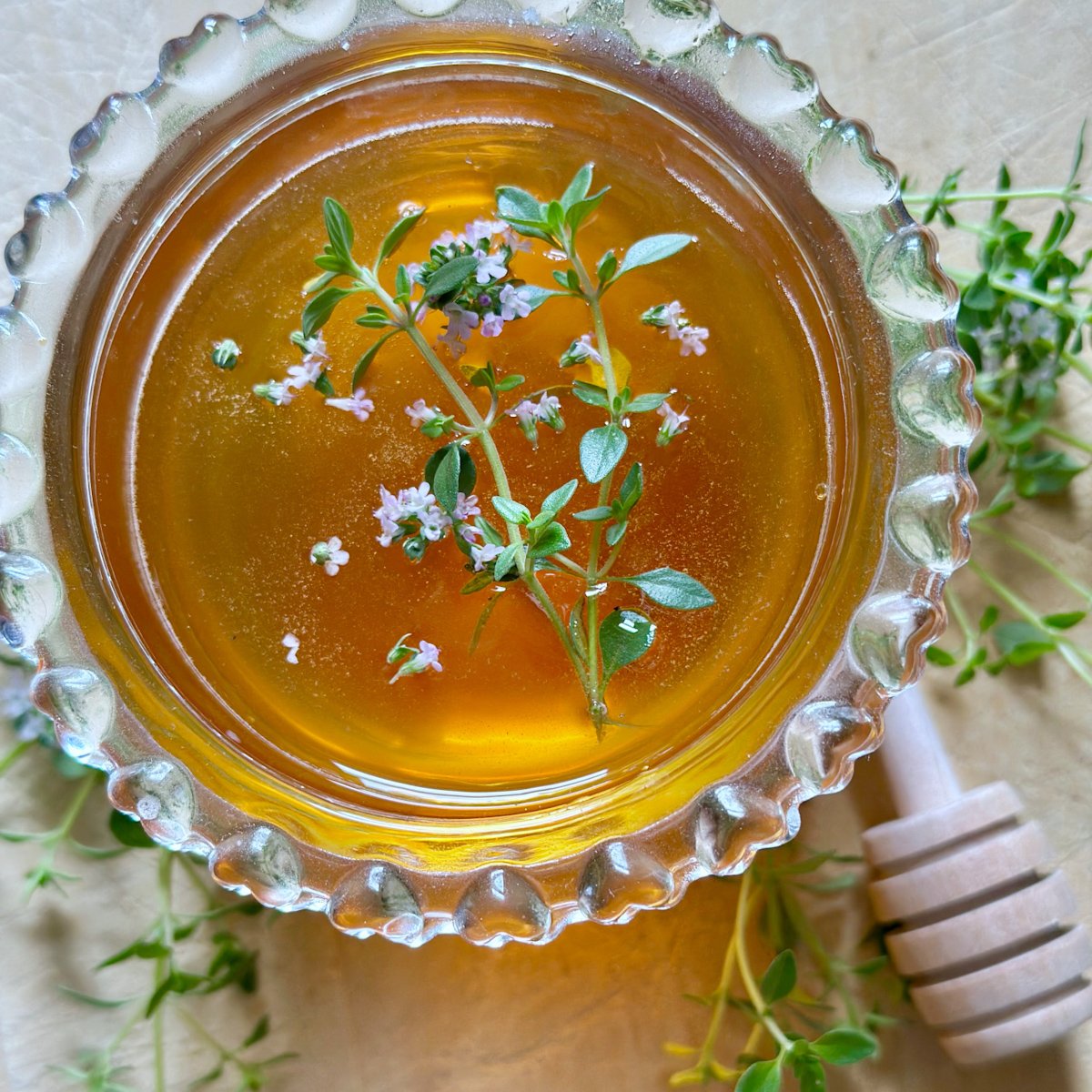
Clover honey vs Wildflower honey (and which to use)
Clover honey = mild, blends in
- Smooth, light flavor that won't compete with other ingredients
- Best when you want everything on the board to work together easily
I use clover honey most often when I'm building a board for a group, it's the safest choice and always works.
Wildflower honey = more flavor, stands out
- Slightly floral with more depth and variation
- Adds a little more character to the board
I reach for wildflower when I want the honey to feel more intentional and noticeable.
Here's my simple rule:
Serving a crowd → go with clover
Want a more elevated board → use wildflower
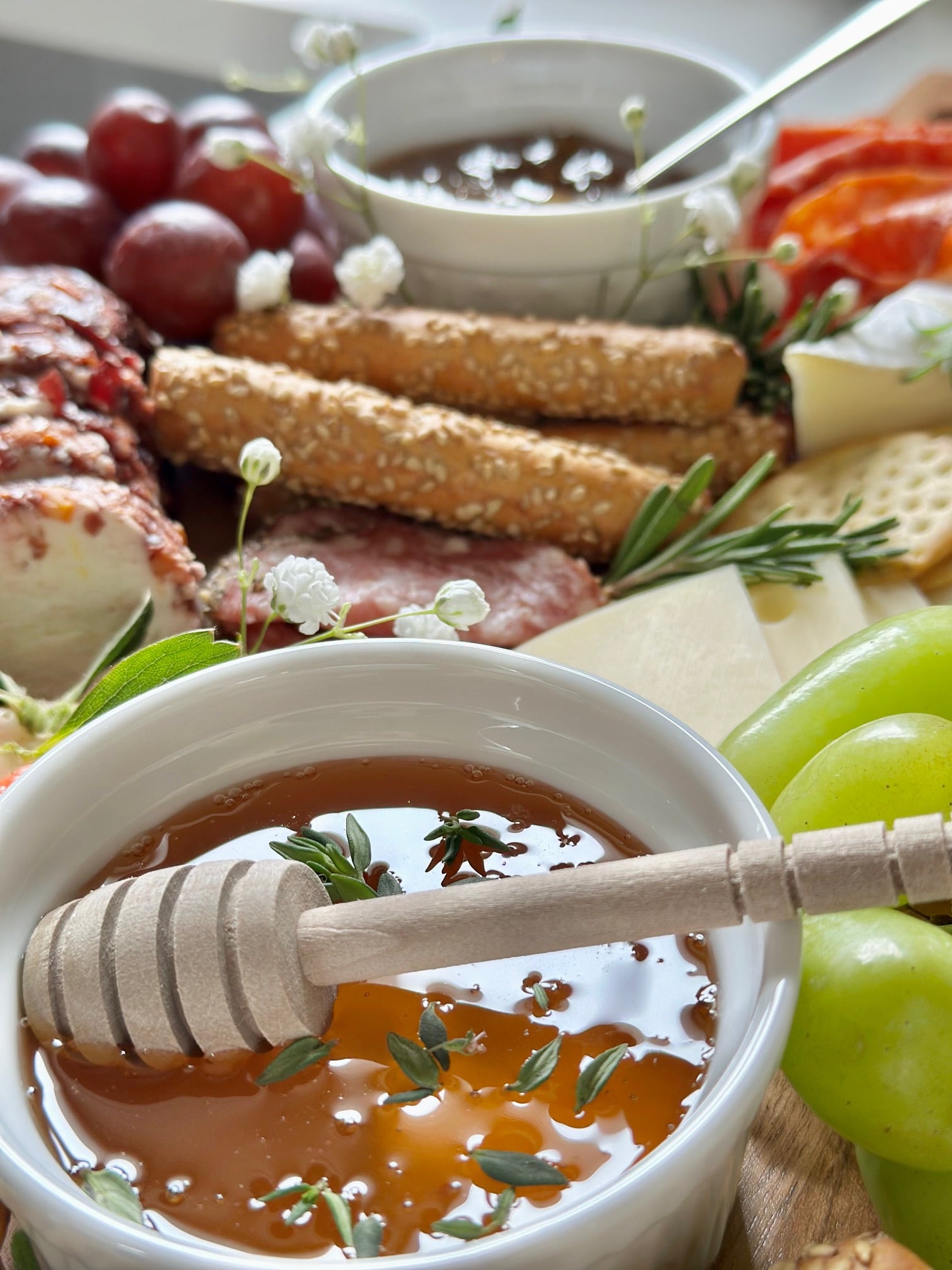
What honey pairs well with
Honey works best when it's balancing salty, creamy, and slightly sharp flavors. You don't need to overthink it, just focus on a few simple pairings that always work.
Cheese
- Brie
- Goat cheese
- Blue cheese
I almost always pair honey with at least one soft cheese like brie or goat cheese, it melts right into it and creates that perfect sweet and creamy bite.
Meat
- Prosciutto
- Salami
A light drizzle of honey over prosciutto is one of my go-to combinations, the sweet and salty contrast is what makes it so good.
Fruit
- Figs
- Apples
- Grapes
If I'm adding honey, I like to include fruit nearby so everything can be layered together, especially figs or apples which pair really naturally with both cheese and honey.
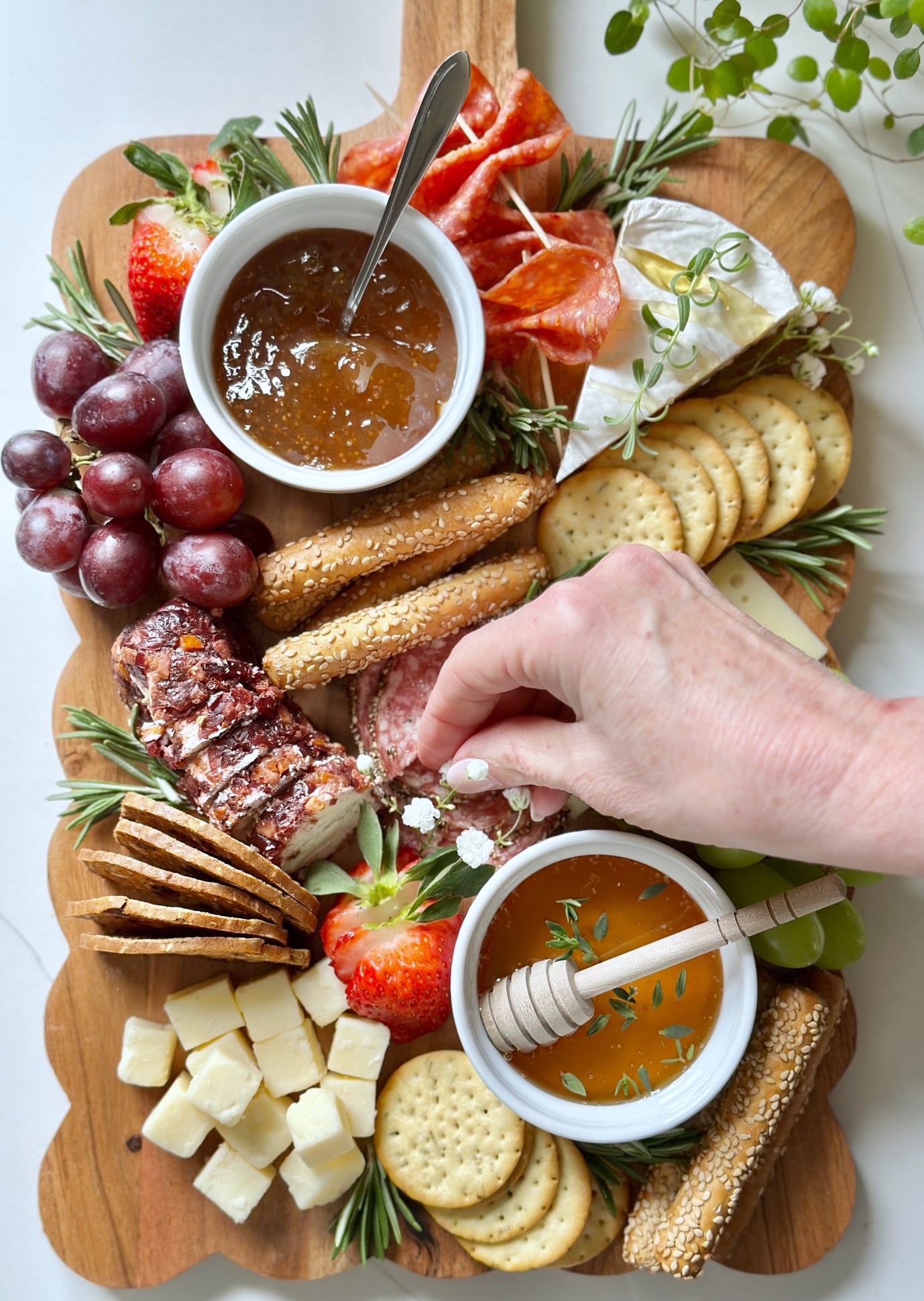
How to Serve Honey on a Charcuterie Board
In small bowls
- Clean and contained
- Easy for guests to use
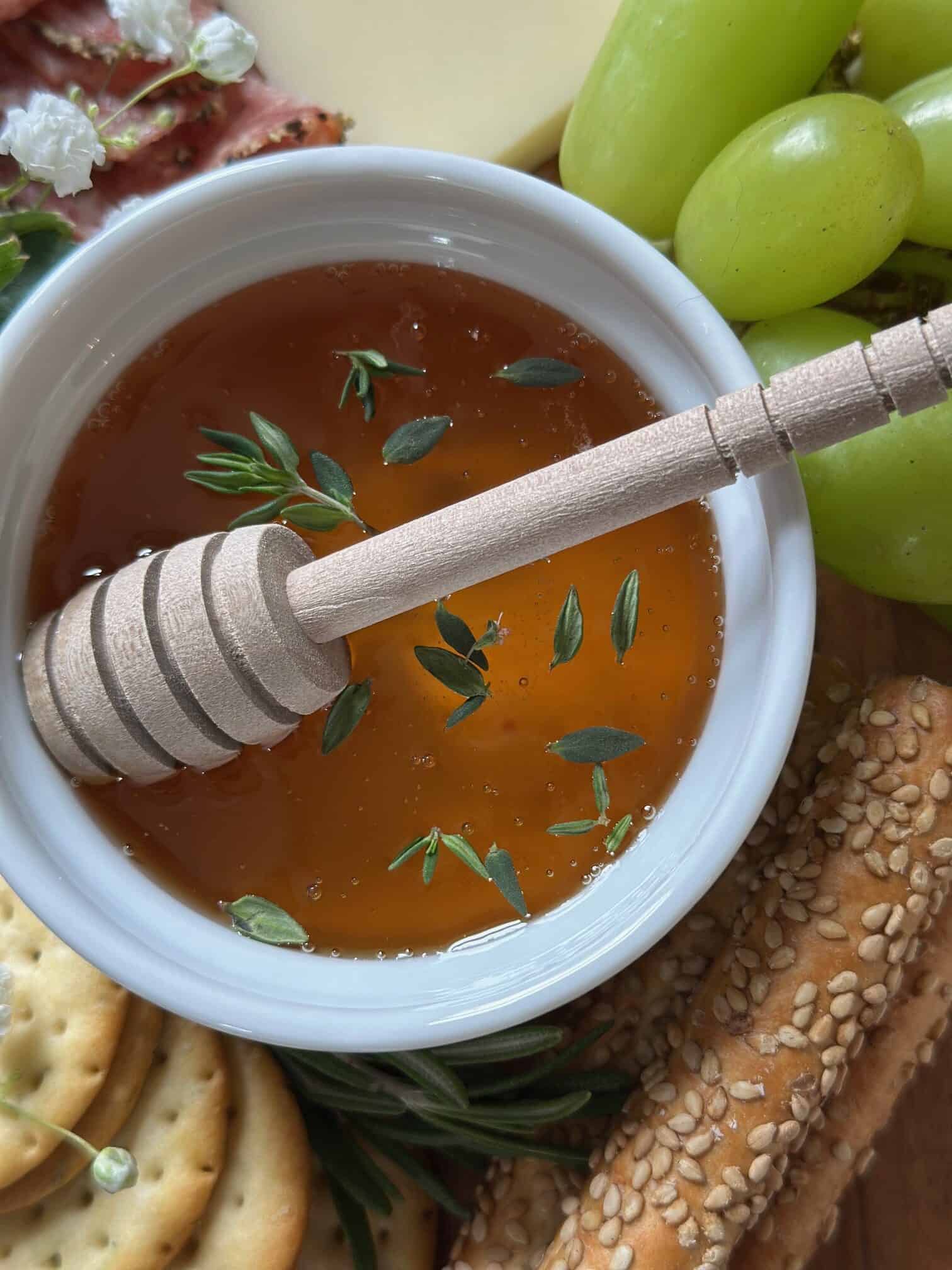
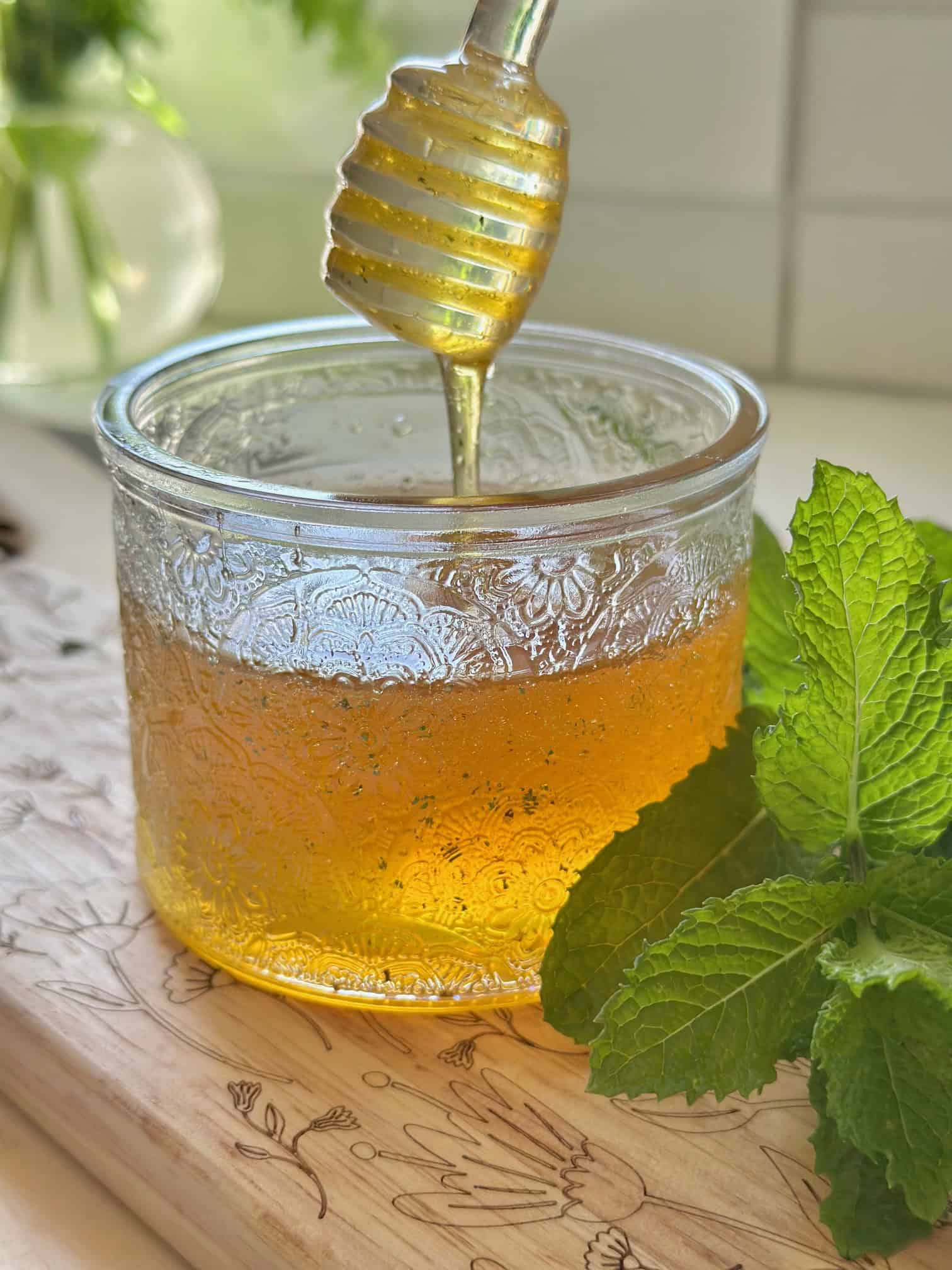
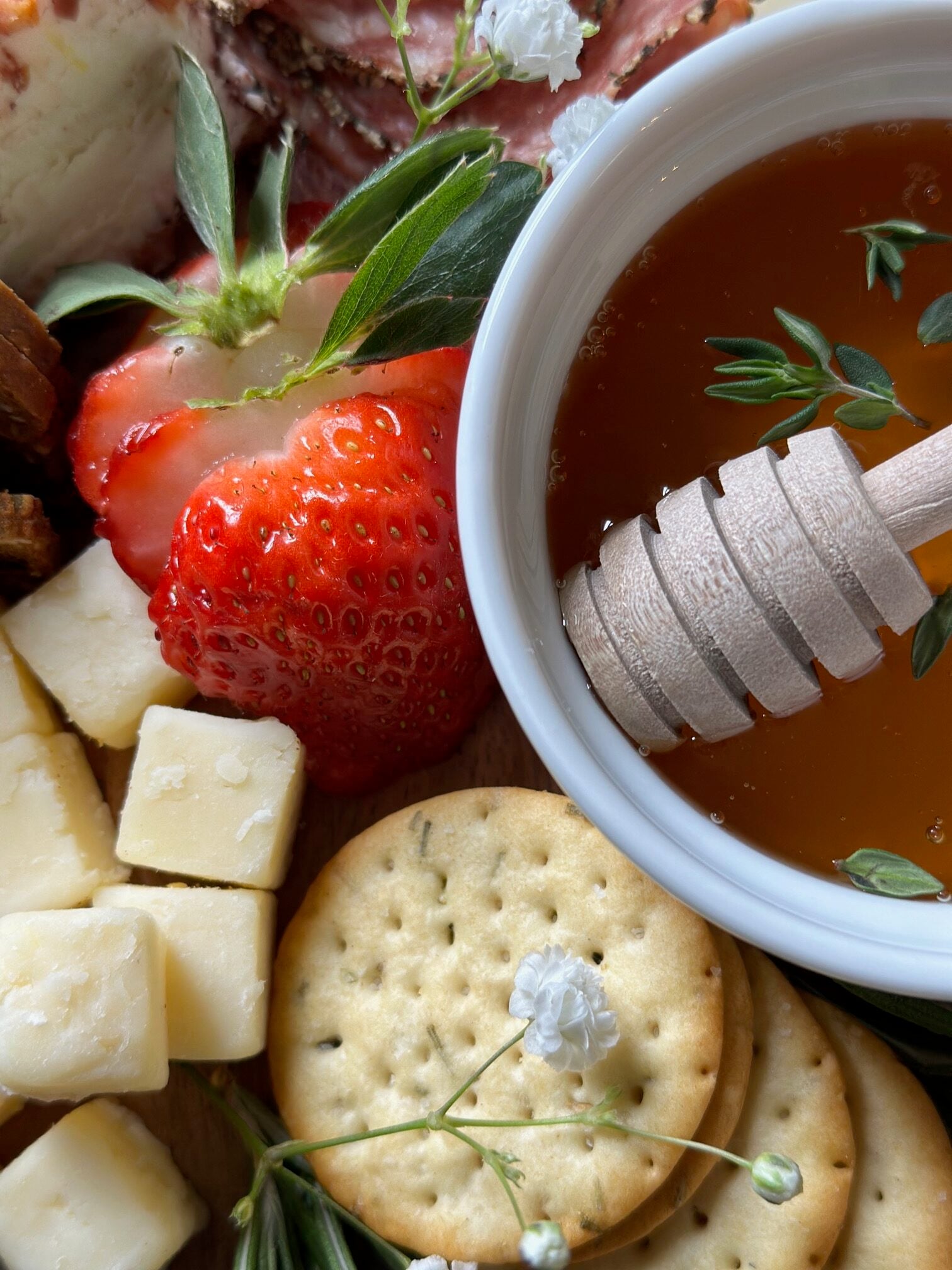
I almost always serve honey in a small bowl or ramekin, it keeps things neat and makes it easy for guests to drizzle or dip without making a mess.
Drizzled directly on food
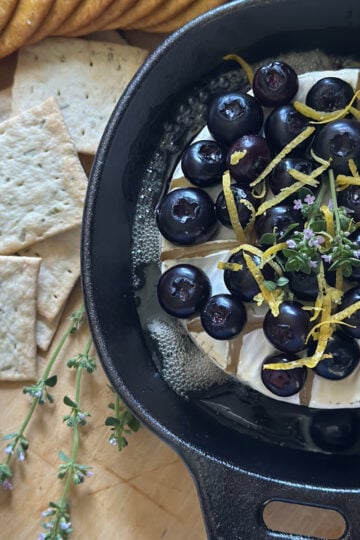
- Over brie
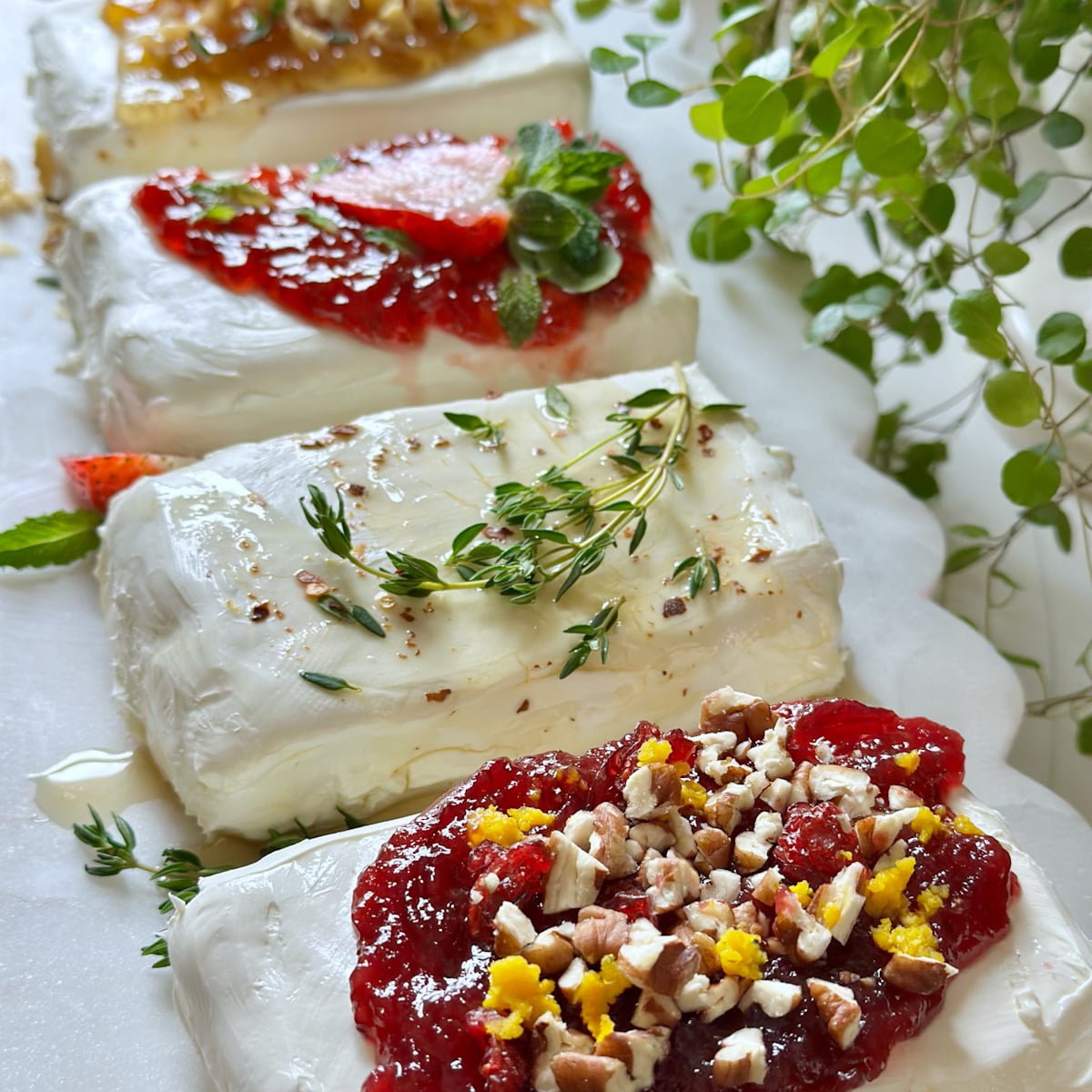
- Over cream cheese spreads
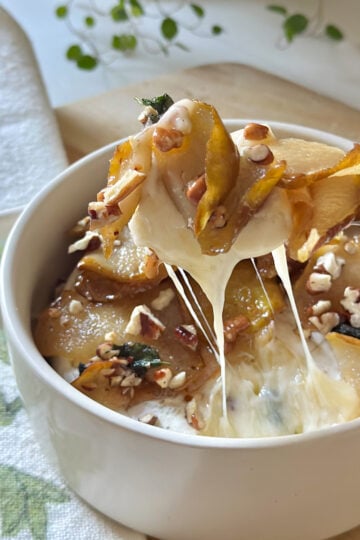
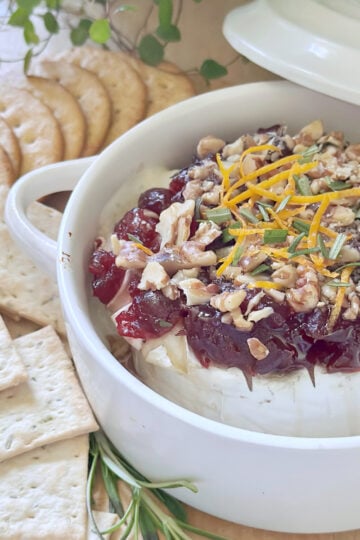
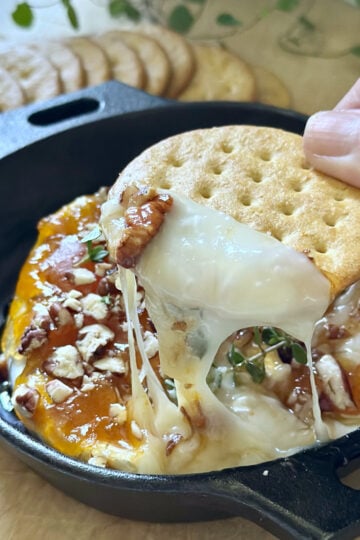
I like to drizzle honey right over brie or cream cheese spreads just before serving, it adds instant flavor and makes the board look more finished.
Honeycomb (optional)
- Adds texture and visual interest
If I'm using honeycomb, I'll place a small piece right on the board near the cheeses, it acts as both a serving option and a focal point that makes the whole board feel more styled.
Use the right serving tool
- Honey dipper (honey wand) or small spoon
- Keeps things neat and easy to control
I like to use a small honey dipper when I have one, it makes drizzling really easy and looks pretty on the board, but a small spoon works just as well and is often more practical for guests.
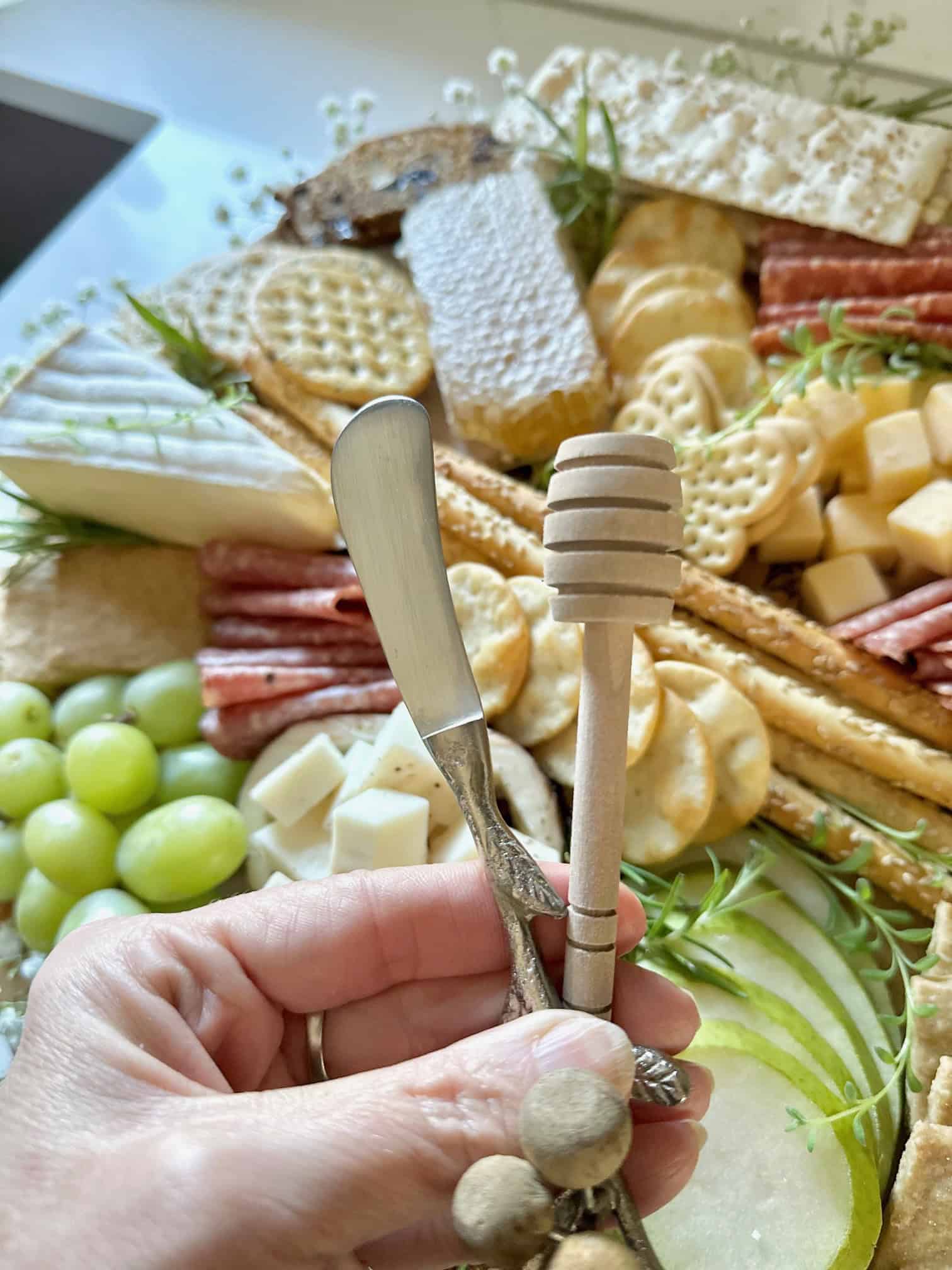
How to garnish honey
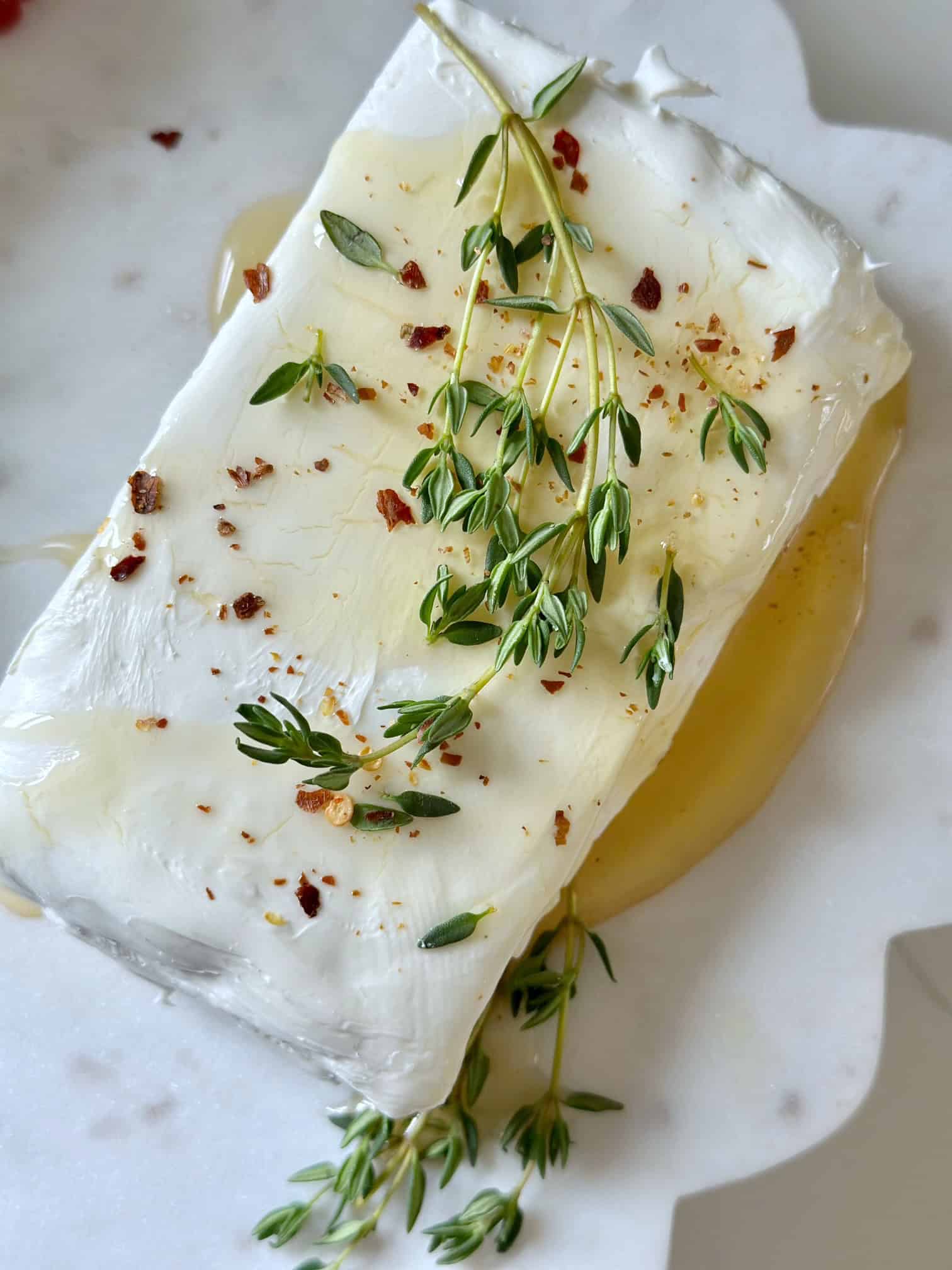
A simple herb garnish can make honey feel more intentional and tie it into the rest of your board.
Sprinkle thyme leaves on top: Adds a subtle, fresh contrast
Add a small herb sprig: Thyme, rosemary, or lavender work especially well
Keep it simple and intentional: A small touch is all you need to make it feel finished without overpowering the board
Where to place honey on the board
Where you place honey matters, it should be easy to reach and close to the foods it pairs with.
Near cheeses: Especially soft cheeses like brie or goat cheese
Near crackers or bread: So guests can build bites easily
Space it out so it's easy to access: Avoid crowding it into one corner of the board
When to add honey
Honey can be added ahead of time, but a few small details make it look and taste better.
Can be added ahead of time: Honey holds up well on the board and won't lose its texture
Garnish just before serving: Add herbs or final drizzles right before serving so everything looks fresh
The difference honey makes
Without honey, a charcuterie board can lean salty and a little one-note. Adding honey brings balance, softens sharper flavors, and creates that sweet and savory contrast that makes each bite more interesting. It also changes how the board looks. A small bowl of honey or a light drizzle over cheese makes everything feel more intentional and styled, rather than just placed on a board. It adds a sense of layering and polish that takes a simple spread and makes it feel more complete, like you really thought through the details.
Frequently asked questions
Clover honey is the easiest and most versatile choice because it has a mild flavor that works with almost everything. Wildflower honey adds a bit more depth, and options like hot honey or honeycomb can be used if you want more variety.
No, but it makes a big difference. Honey adds sweetness that balances salty meats and rich cheeses, helping the board feel more complete and well-rounded.
Serve honey in a small bowl or ramekin with a spoon or honey dipper. This keeps it contained and makes it easy for guests to drizzle or scoop without it spreading across the board.
Soft cheeses like brie and goat cheese pair especially well with honey, but it also works with stronger cheeses like blue cheese. The sweet and salty contrast is what makes these pairings work so well.
More charcuterie guides to explore

Honey is one of the easiest ways to elevate a charcuterie board without adding more work. It brings balance and adds a touch of sweetness. Whether you keep it simple with a mild clover honey or add something more interesting like wildflower or honeycomb, it's a small detail that makes a big difference.
Enjoy!