How to Start an Herb Garden: A Beginner-Friendly Guide

Starting an herb garden is simple when you focus on the basics: choose a sunny location, select beginner-friendly herbs like basil and thyme, use well-draining soil, and plant in containers or garden beds based on your space. Herbs are easy to grow, require minimal care, and can thrive indoors or outdoors with the right setup.
Content may contain affiliate links. When you shop the links, we receive a small commission at no cost to you. Thanks for supporting my small business.
There's something about stepping outside and snipping fresh herbs right when you need them that never gets old. Whether it's a handful of basil for dinner or a little thyme for roasting vegetables, having an herb garden just steps away makes everyday cooking feel a little more special.
The good news is, starting an herb garden is one of the easiest ways to begin gardening. You don't need a big yard or a complicated setup. A few pots on a patio, a sunny windowsill, or a small corner of your garden is more than enough to get started.
Over the years, I've grown herbs in just about every way possible, in raised beds, tucked into flower gardens, and in containers right outside my kitchen door. Some methods worked better than others, and I've learned that keeping things simple is usually the key to success.
In this guide, I'll walk you through exactly how to start an herb garden, from choosing the right herbs to setting up your space, along with tips that will help you avoid common mistakes and actually enjoy the process.
Note: If you're new to this, don't worry about getting everything perfect. Herb gardening is one of the easiest and most forgiving ways to learn, and a lot of it comes down to trying things, adjusting, and seeing what works in your space.
At a Glance: How to Start an Herb Garden
_______________________
- Choose a location with at least 6 hours of sunlight
- Decide between containers, raised beds, or garden planting
- Start with easy herbs like basil, mint, thyme, and parsley
- Use well-draining soil designed for herbs or vegetables
- Water based on each herb's needs, most prefer not to stay soggy
- Harvest regularly to encourage fresh growth
- Group herbs with similar light and water needs together
- Start small and expand as you gain confidence
Summarize and Save this content on:
Jump to:
- At a Glance: How to Start an Herb Garden
- How to start an herb garden
- Choose the right spot in your garden
- Containers, raised beds, or in-ground?
- Choose the best herbs to grow
- Should you start herbs from seeds or plants?
- When to plant your herb garden
- How to group and place your herbs
- Prepare the soil
- Plant your herb garden
- Watering and Fertilizing Herbs
- Make it beautiful from the start
- Growing herbs in containers and on patios
- Growing herbs indoors
- Common herb garden mistakes to avoid
- Harvesting and using your herbs
- Annual vs perennial herbs
- Preserving and storing herbs
- Frequently asked questions
- More herb garden inspiration
How to start an herb garden
Starting an herb garden is simpler than it sounds. Here's a quick step-by-step to get you going:
- Choose a sunny location (at least 6 hours of sunlight daily)
- Decide where to plant (containers, raised beds, or in-ground)
- Pick a few beginner-friendly herbs like basil, thyme, and mint
- Use well-draining soil suited for herbs
- Plant with proper spacing so each herb has room to grow
- Water lightly and avoid overwatering
- Harvest regularly to encourage new growth
Even a small herb garden can thrive with just a few well-placed plants.
Tip: I've put together a simple collection of guides to help you start an herb garden from scratch, including what to plant and how to set everything up.
My Latest Videos
Choose the right spot in your garden
Before you plant anything, take a minute to choose the right location. This step makes everything else easier.
Choose a sunny spot
Most herbs need at least 6 hours of direct sunlight each day. The more sun they get, the better they'll grow and the stronger their flavor will be.
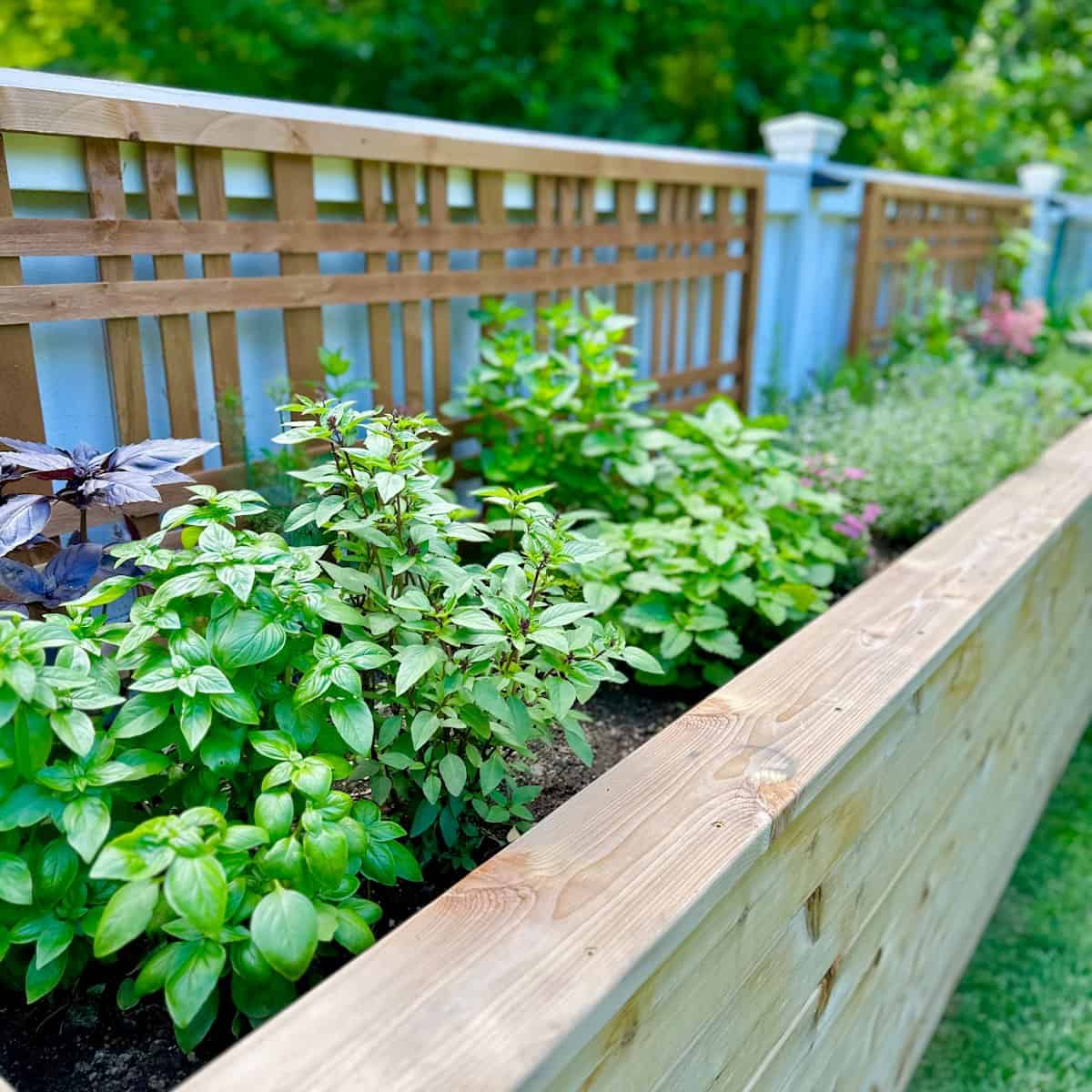
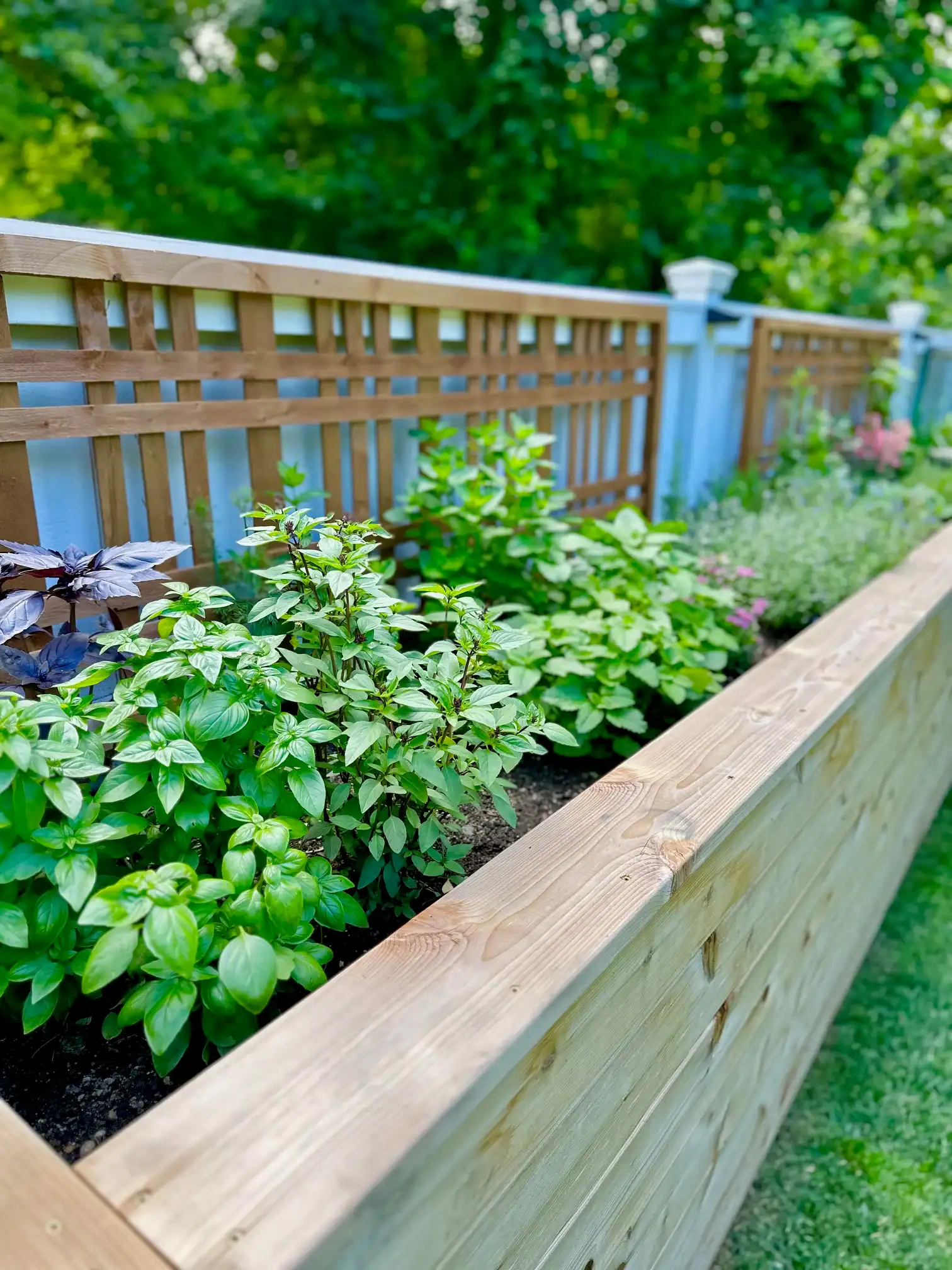
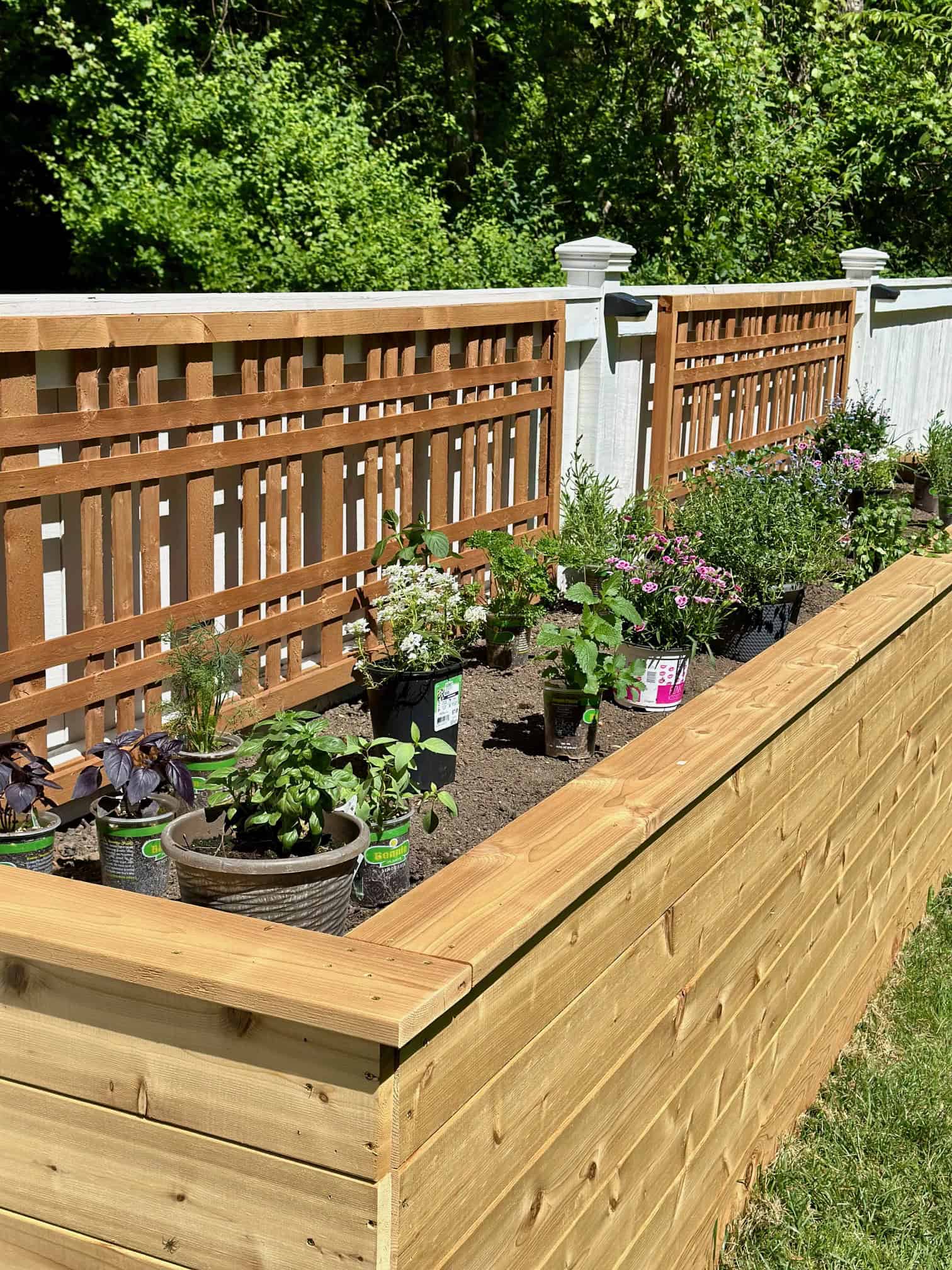
When we planned our raised herb garden bed, we ended up choosing a spot along the side yard because it consistently gets about 6 to 8 hours of sun. That made the decision pretty easy, and it's one of the reasons those herbs have done so well.
If your space isn't perfect, don't stress. Some herbs can handle a little shade. See my guide to shade-tolerant herbs if you're working with lower light.
Look for good drainage
Herbs don't like sitting in wet soil. In fact, too much moisture is one of the fastest ways to lose them.
If you're unsure about drainage, dig a small hole and fill it with water. If it drains within a few hours, you're good to go. If it stays soggy, you may want to use a raised bed or container instead.
Place your herbs where you'll actually use them
This one gets overlooked, but it matters. You'll use your herbs more and take better care of them if they're easy to access.
I like to plant mine close to the kitchen or along a path I walk often. The easier they are to grab, the more you'll actually enjoy growing them.

Containers, raised beds, or in-ground?
One of the first decisions you'll make is where to plant your herbs. The good news is, there's no wrong choice here, it just depends on your space and how you like to garden.
Start with containers if you're new
Containers are one of the easiest ways to start an herb garden. They give you control over soil, drainage, and placement, which makes them very beginner-friendly.
They're also perfect if you don't have a lot of space. A few pots on a patio, deck, or right outside your kitchen door can be more than enough to grow herbs successfully.
One of my favorite things about growing herbs in containers is how easy they are to move. If a spot isn't getting enough light, you can simply shift them until you find what works best. It takes a lot of the guesswork out of getting started.
Use raised beds for more space and better control
Raised beds give you more room to grow while still keeping things manageable. You can control the soil quality and drainage much more easily than in the ground, which herbs love.
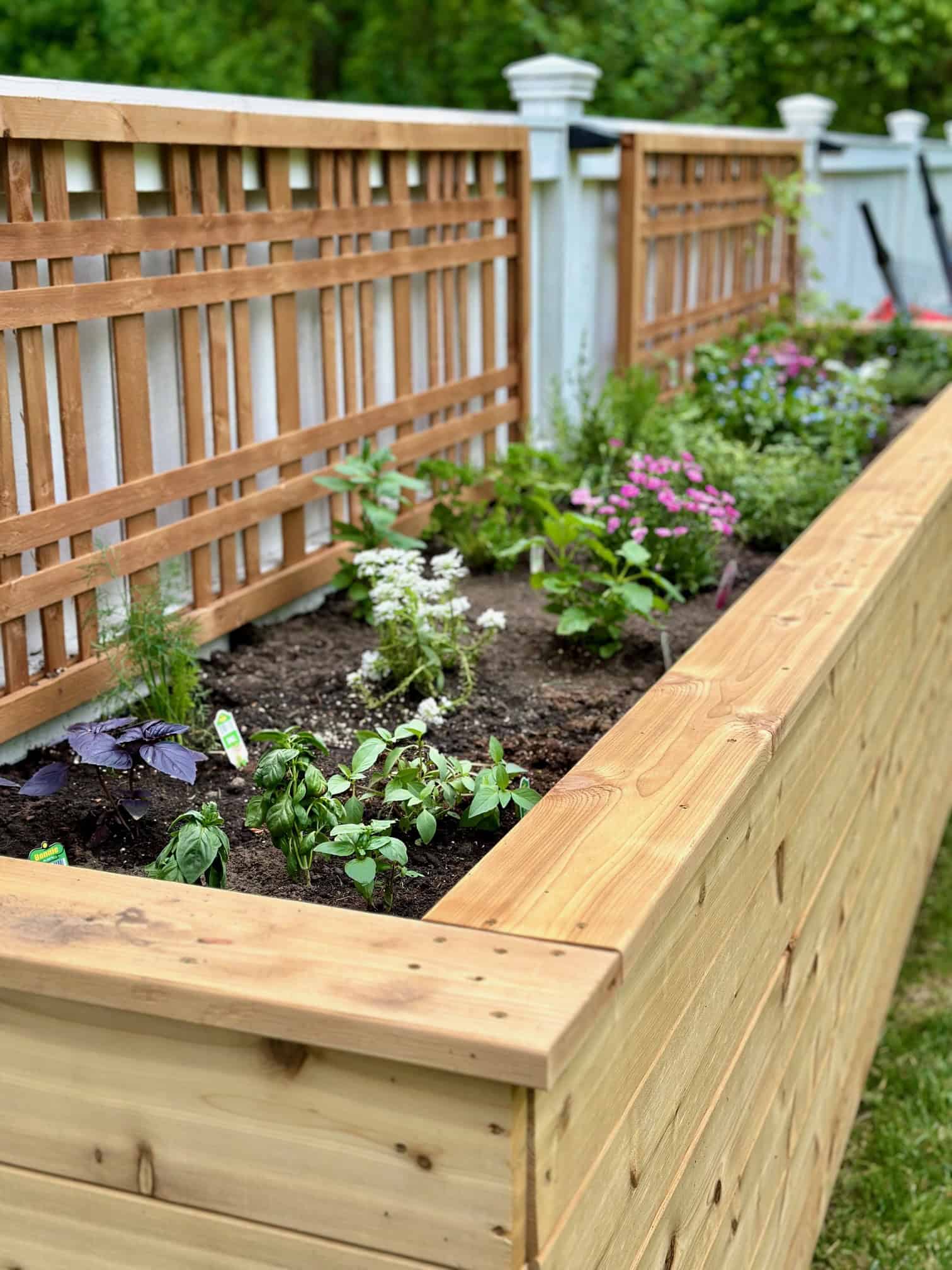
I've had the best success with herbs in a raised bed. We built ours at waist height, which makes it incredibly easy to plant, maintain, and harvest without constantly bending over. It's one of those upgrades that made gardening more enjoyable almost immediately.
It also solved a big issue for me, our native soil wasn't great. Being able to fill the bed with a well-draining mix made a noticeable difference in how well my herbs grew.
If you want a dedicated herb garden with fewer headaches, raised beds are a really reliable option.
Plant in the ground if you have the right conditions
If your soil drains well and gets plenty of sun, planting directly in the ground works beautifully. This option requires the least setup, but it depends on your existing soil conditions.
If your soil is heavy or tends to stay wet, you may have better success with containers or raised beds instead.
Choose the best herbs to grow
When you're just getting started, it's tempting to plant everything. But the easiest way to succeed is to start with a few herbs that are known to grow well.
You can always expand later.
Start with herbs you love to cook with
If you regularly use basil, parsley, or rosemary in your cooking, those are great places to start. Growing herbs you already enjoy makes your garden feel useful right away and keeps you coming back to it.
Even a small garden can make a big impact when it's filled with herbs you use often.
Add a few easy, beginner-friendly herbs
If this is your first herb garden, begin with herbs that are forgiving and grow quickly. Basil, mint, and parsley are great choices and give you quick wins early in the season.
These are the herbs that help you build confidence because you'll see results fast.
Group Mediterranean herbs together
Herbs like thyme, rosemary, and oregano naturally grow in dry, sunny conditions. They prefer well-draining soil and don't need much water once established.
Planting these together makes care much easier since they all like the same environment.
Mix fast growers with slower herbs
Some herbs grow quickly (like basil and mint), while others take their time (like rosemary and thyme). Mixing both types gives your garden a balanced feel and ensures you always have something ready to harvest.
Just be mindful that faster growers don't crowd out slower ones.
Should you start herbs from seeds or plants?
One of the biggest decisions when starting an herb garden is whether to grow from seeds or buy young plants. Both options work, but they're very different experiences.
Starting with plants is easiest for beginners
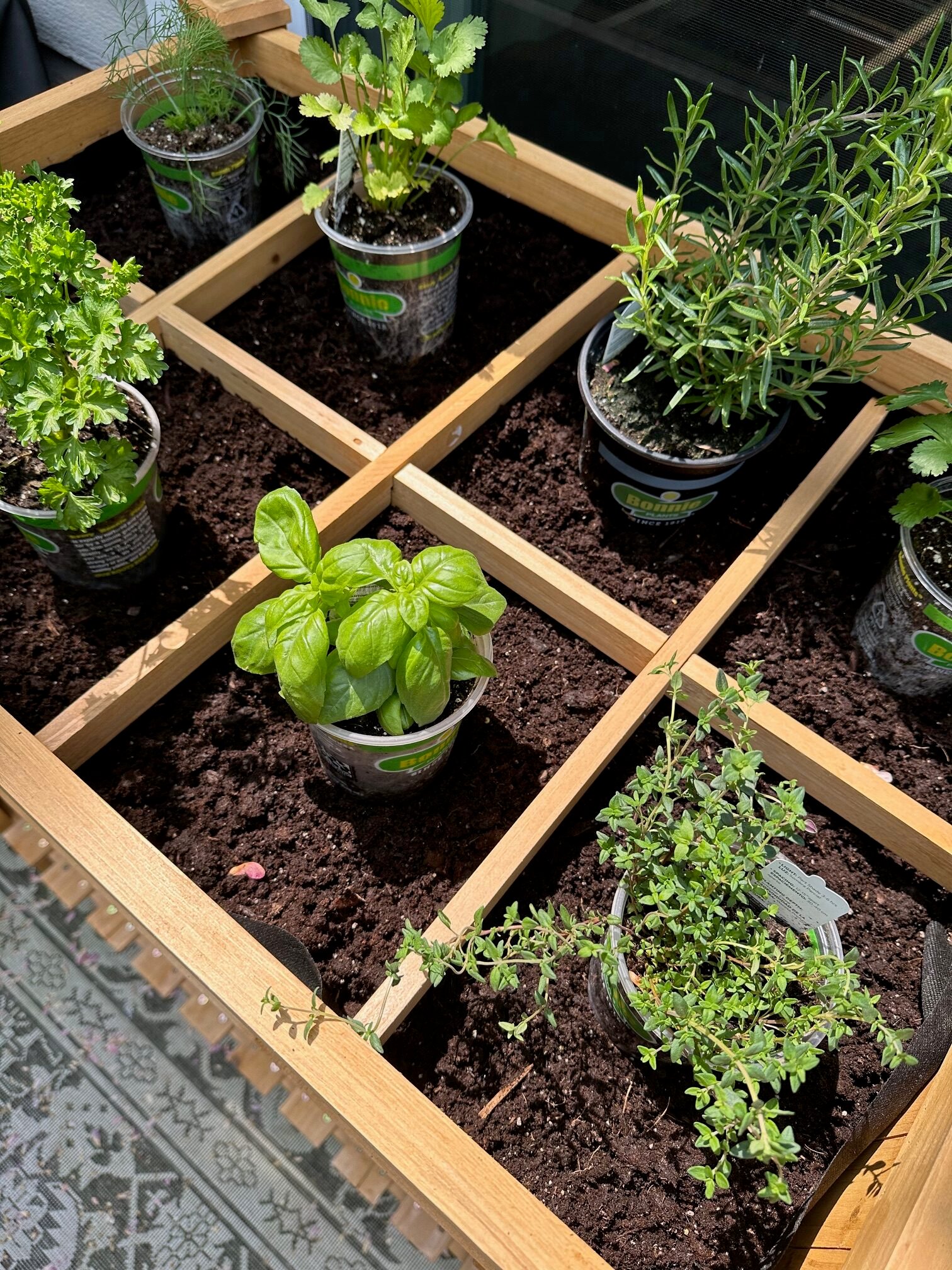
If you're new to gardening, I highly recommend starting with small plants from a garden center or nursery. They're already established, which means you can skip the most delicate early stages and see results much faster.
This is the easiest way to build confidence and get your herb garden going successfully.
Seeds take more time and patience
Growing herbs from seed can be rewarding, but it does add another layer. Seeds need the right light, temperature, and consistent moisture to germinate and grow well.
Some herbs, like basil, grow easily from seed, while others can be slow or unpredictable.
Timing matters when buying plants
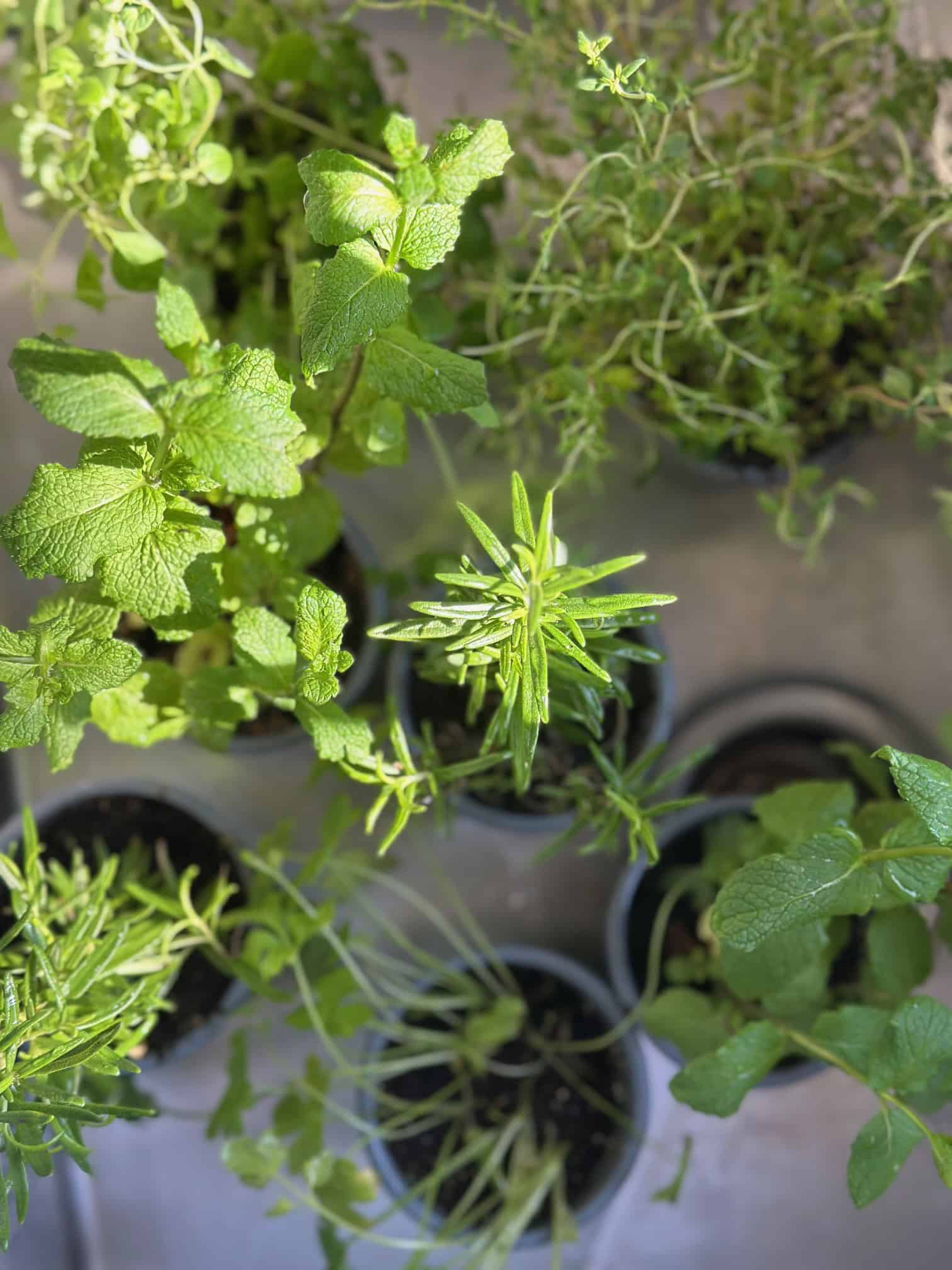
If you're starting with plants, try to buy them close to your local planting season. Bringing herbs home too early can make them harder to care for indoors before they're ready to go outside.
I learned this the hard way. I used to get excited at the first sight of herbs at the garden center and bring them home way too early. Then I'd spend weeks trying to keep them alive indoors, and they never really thrived. Now I've learned to wait until the timing lines up so I can bring them home and plant them right away.
If you're not sure when that is, your local garden center is usually a great guide.
When to plant your herb garden
Timing your herb garden makes a big difference in how well your plants do, especially if you're planting outdoors.
Wait until after your last frost
Most herbs are sensitive to cold, so it's best to plant them outside after your area's last frost date. Planting too early can stress young plants or even kill them if temperatures drop overnight.
If you're not sure when your last frost is, a quick search for your zip code or asking at a local garden center can help.
Watch nighttime temperatures
Even after frost has passed, herbs prefer consistent warmth. I've found that waiting until nighttime temperatures are staying above about 50°F makes a big difference in how quickly they settle in and start growing.
Start earlier with seeds (optional)
If you're growing from seed, you can start some herbs indoors a few weeks before your last frost date. This gives them a head start so they're ready to go outside when the weather warms up.
A little patience goes a long way
I've definitely rushed this before and paid for it. Bringing herbs home too early or planting too soon usually just means extra work trying to keep them alive.
Now I wait until the spring timing lines up so they can go straight into the garden and take off.
How to group and place your herbs
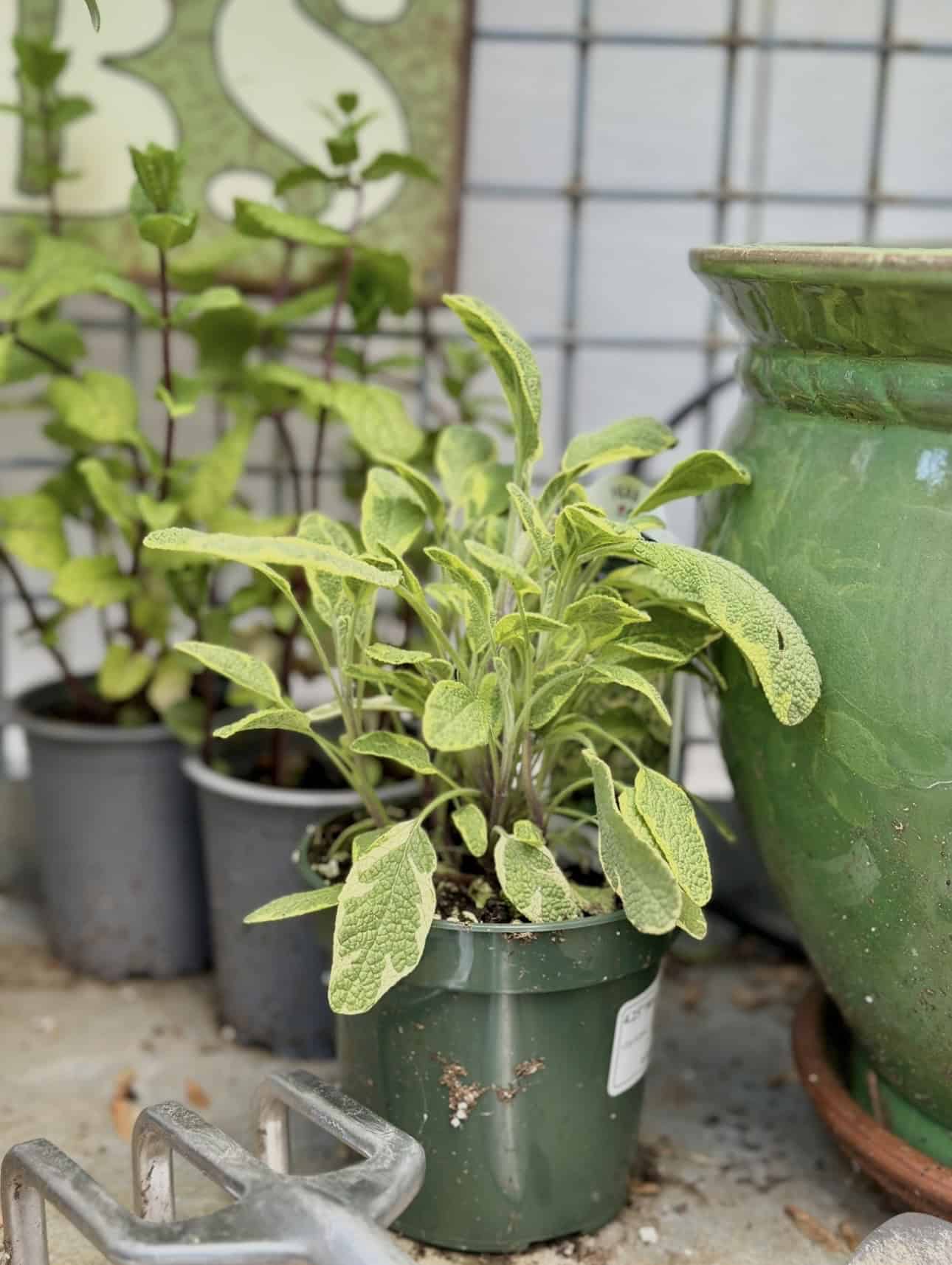
Once you've chosen your herbs, the next step is figuring out where they go. This doesn't have to be complicated, a few simple guidelines will make your garden easier to care for and more successful.
Group herbs with similar water needs
This is one of the most important things to get right. Herbs like thyme, rosemary, and oregano prefer drier soil, while basil and parsley like a bit more moisture.
Planting herbs with similar needs together makes watering much easier and helps prevent problems.
If you're wondering what herbs grow well together, grouping by water and sunlight needs is the simplest way to get it right.
Place taller herbs in the back, shorter ones in front
Give each plant the sunlight it needs by thinking about height. Taller herbs like rosemary or dill should go toward the back of a bed or the center of a container, while lower-growing herbs like thyme work well along the edges.
This simple layout keeps everything visible and easy to harvest.
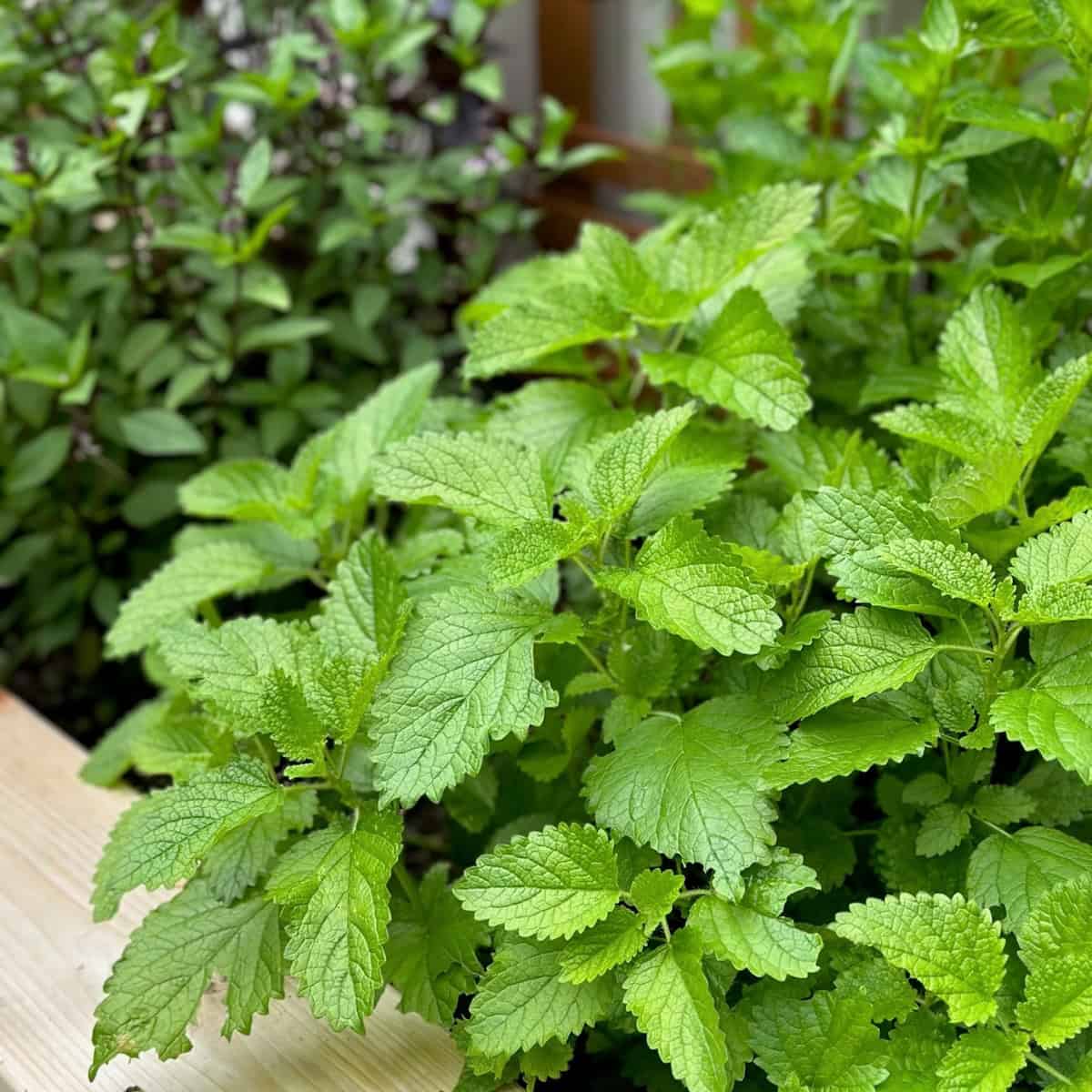
Keep aggressive herbs contained
Some herbs love to spread, especially mint and lemon balm. If you plant them directly in your garden, they can quickly take over.
The easiest solution is to grow these in containers, even if the rest of your herbs are planted in the ground.
Companion planting can also help you decide what grows well together. If you want to go deeper, I share more in my guide to companion planting with herbs.
Prepare the soil
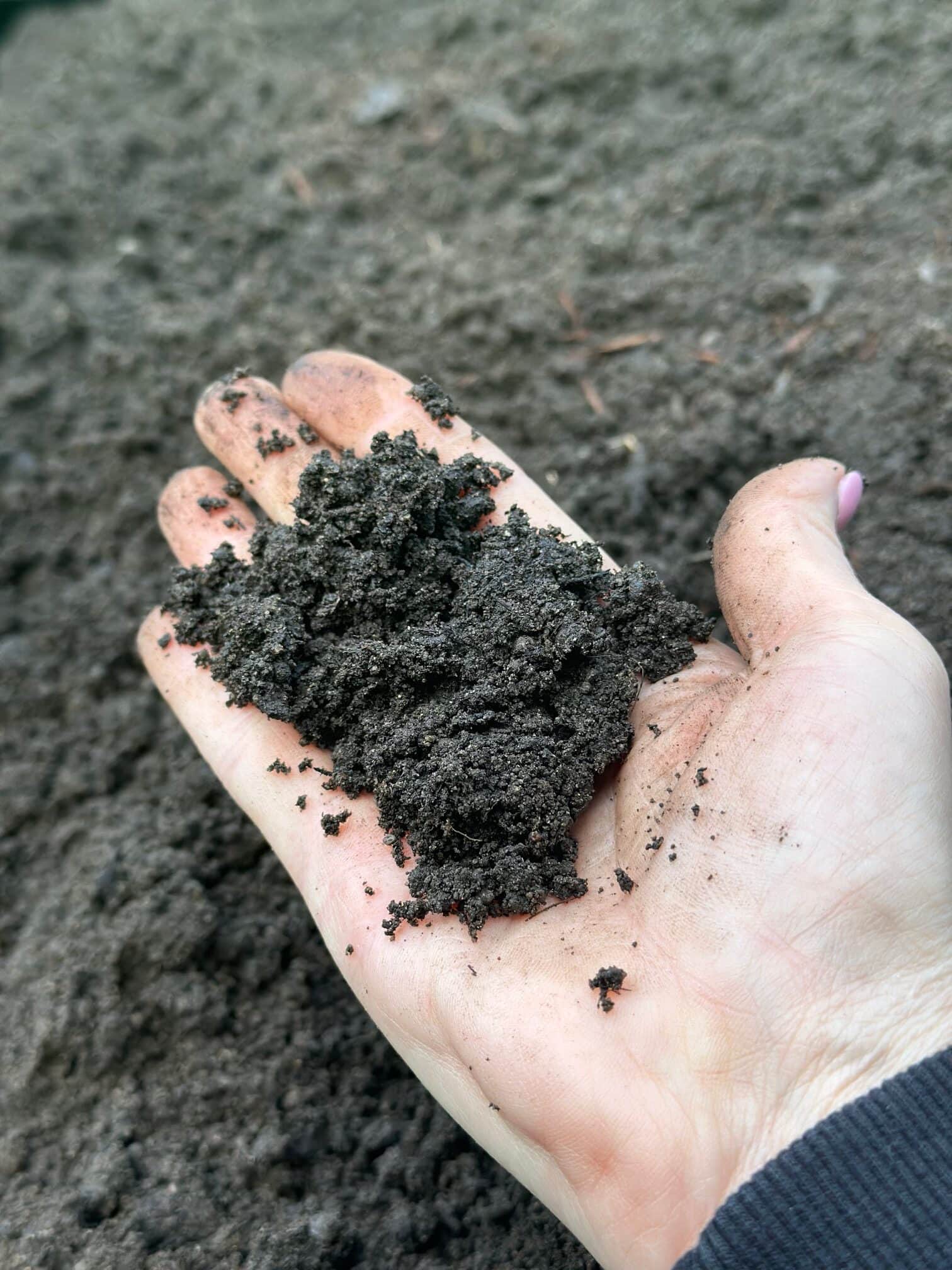
Good soil makes a big difference in how well your herbs grow, but it doesn't have to be complicated.
Focus on well-draining soil
Most herbs prefer soil that drains easily. If water sits too long, roots can rot quickly, especially with herbs like thyme and rosemary.
If your soil feels heavy or stays wet after rain, consider mixing in sand or perlite, or growing your herbs in containers instead.
Don't make the soil too rich
It's a common mistake to overdo it with rich soil or fertilizer. Many herbs, especially Mediterranean ones like thyme, oregano, and rosemary, actually prefer leaner conditions.
Too many nutrients can lead to lots of leafy growth but weaker flavor.
Adjust for containers vs garden beds
If you're planting in containers, use a quality potting mix that drains well. Garden soil alone is usually too dense for pots.
For raised beds or in-ground gardens, you can improve your soil over time by adding compost, but keep it light and well-balanced.
Plant your herb garden
Now that everything is set up, it's time to plant. This part is simple, and you don't need to overthink it.
Give each plant enough space
If I'm being honest, this is the part I'm not very good at. I always want a full garden right away. But spacing really does matter.
Check the tag or label that comes with your herbs and follow the recommended spacing. Most herbs need a little room to grow and good airflow to stay healthy.
It might feel like you're spacing them too far apart at first, but they'll fill in quickly.
Plant at the right depth
A good rule of thumb is to plant your herbs at the same depth they were growing in their container.
Avoid planting too deep, especially with herbs like basil, which can struggle if the stem is buried.
Water gently after planting
Once everything is in place, give your herbs a light watering to help settle the soil around the roots.
After that, let the soil dry slightly between waterings, most herbs prefer it that way.
Tip: Don't forget to label your herbs: It's surprisingly easy to forget what you planted where, especially once everything starts to grow in. I always add simple garden markers when I plant so I know exactly what's what later in the season. You can see a few easy ideas in my guide to herb garden markers.
Watering and Fertilizing Herbs
Once your herbs are planted, care becomes pretty simple. Most herbs actually do better with less attention than you might expect.
Don't overwater
This is the most common mistake, especially for beginners. Most herbs prefer soil that dries out slightly between waterings rather than staying constantly wet.
A good way to check is to stick your finger about an inch into the soil. If it still feels moist, wait another day. Herbs like thyme, rosemary, and oregano are especially sensitive to too much water.
Herbs prefer lean soil
Unlike many garden plants, most herbs don't need rich soil or frequent feeding. In fact, too much fertilizer can lead to lots of leafy growth with less flavor.
Mediterranean herbs in particular tend to thrive in simpler conditions with fewer nutrients.
Fertilize lightly, if needed
If your herbs start to look pale or slow down in growth, a light feeding can help. For container herbs, nutrients wash out more quickly, so they may need occasional support.
I share exactly how I approach fertilizing herbs (without overdoing it) in this guide.

Make it beautiful from the start
An herb garden doesn't have to be purely practical. It can be one of the prettiest parts of your home if you design it with a little intention from the beginning.
Mix herbs with flowers
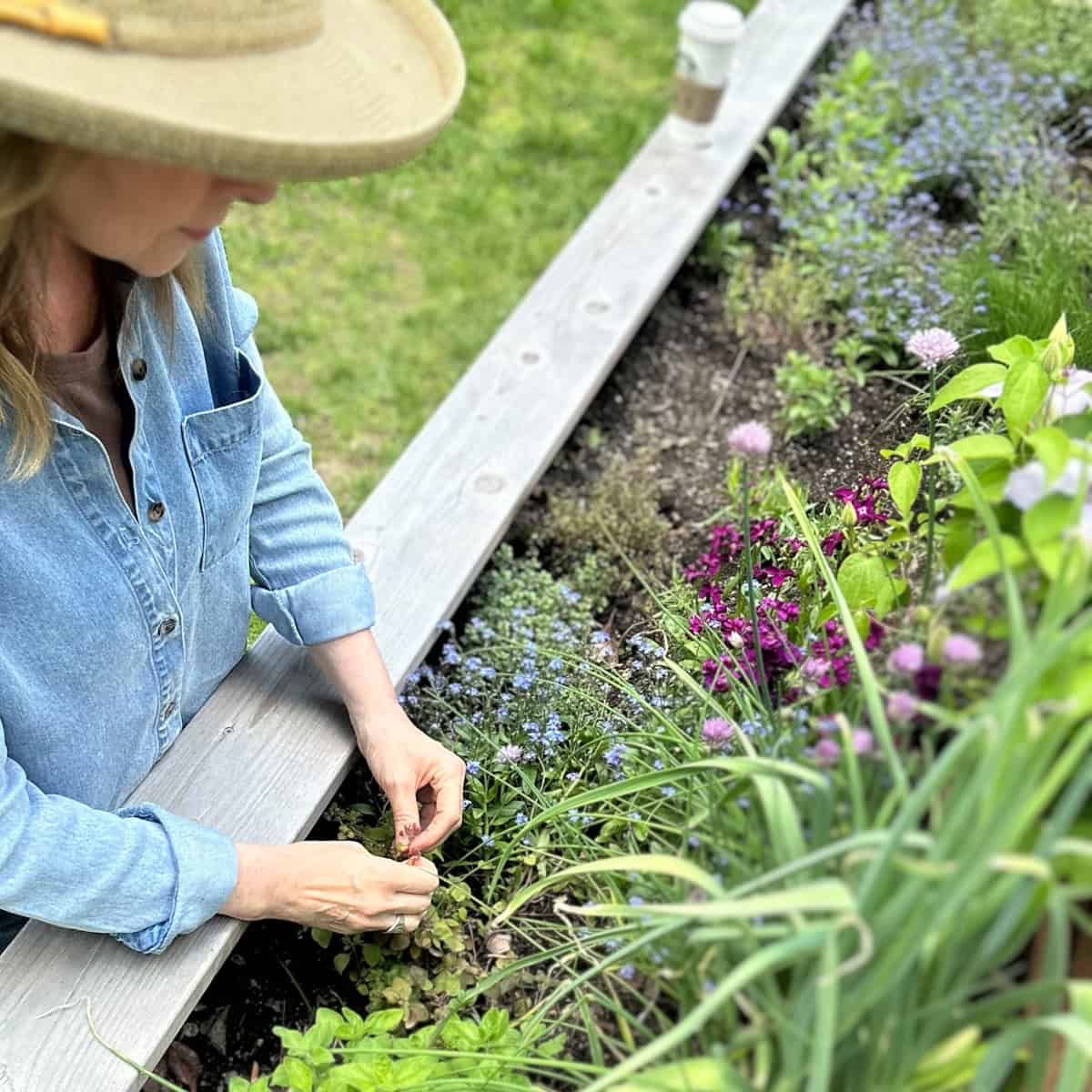
One of my favorite things to do is tuck flowers in among my herbs. Not only does it soften the look, but it also brings in pollinators like bees and butterflies, which help your garden thrive.
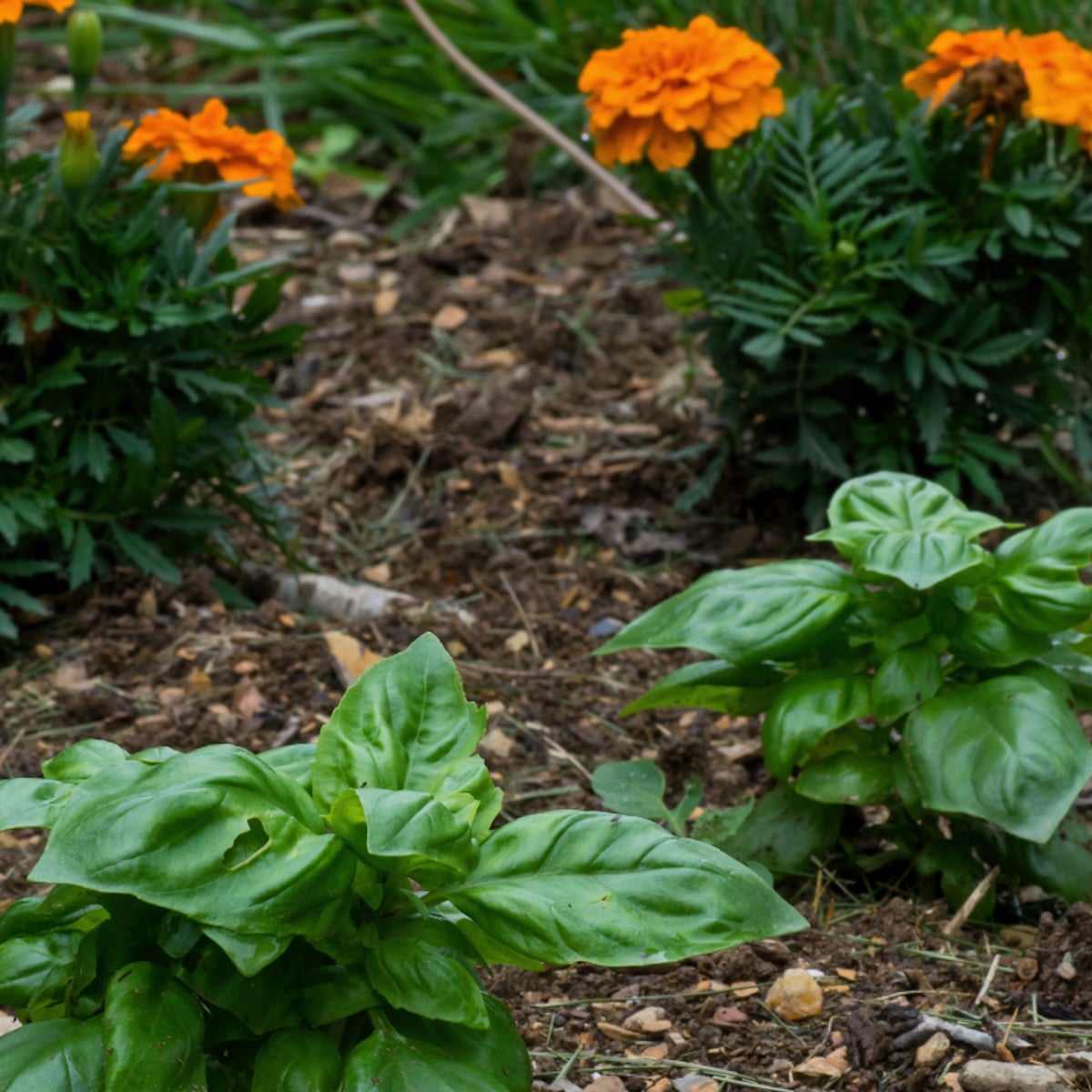
Simple blooms like marigolds, nasturtiums, or even a few trailing flowers can completely change the feel of your garden.

Use containers as part of your design
If you're planting in pots, think of them as part of your decor. Terracotta, aged planters, or simple neutral containers all work beautifully with herbs.
Grouping a few pots together at different heights instantly creates a layered, finished look.
Think in layers and texture
Herbs naturally have different shapes and textures, and that's something you can lean into. Pair soft, leafy herbs like parsley with more structured ones like rosemary or thyme.
Let some spill over the edges while others grow upright to create that relaxed, collected feel.
One simple project I love is creating a small butterfly and bee bath using things I already have on hand. I'll flip a pot upside down, add a saucer on top, fill it with a few stones, and float flowers like chamomile. It's an easy way to add something beautiful while also supporting pollinators.

Growing herbs in containers and on patios
If you don't have space for a traditional garden, containers and patios are one of the easiest ways to grow herbs. In fact, many herbs do just as well, if not better, in pots.
Containers are perfect for small spaces
Whether you're working with a patio, deck, or even a small corner by your door, containers make it easy to grow a variety of herbs without needing a full garden bed.
They're also great for beginners since you can control the soil, drainage, and placement more easily.
Move your herbs to follow the sun
One of the biggest advantages of container gardening is flexibility. If a spot isn't getting enough light, you can simply move your pots until you find the right location.
This is especially helpful early in the season as sunlight shifts.
Create a simple, layered look
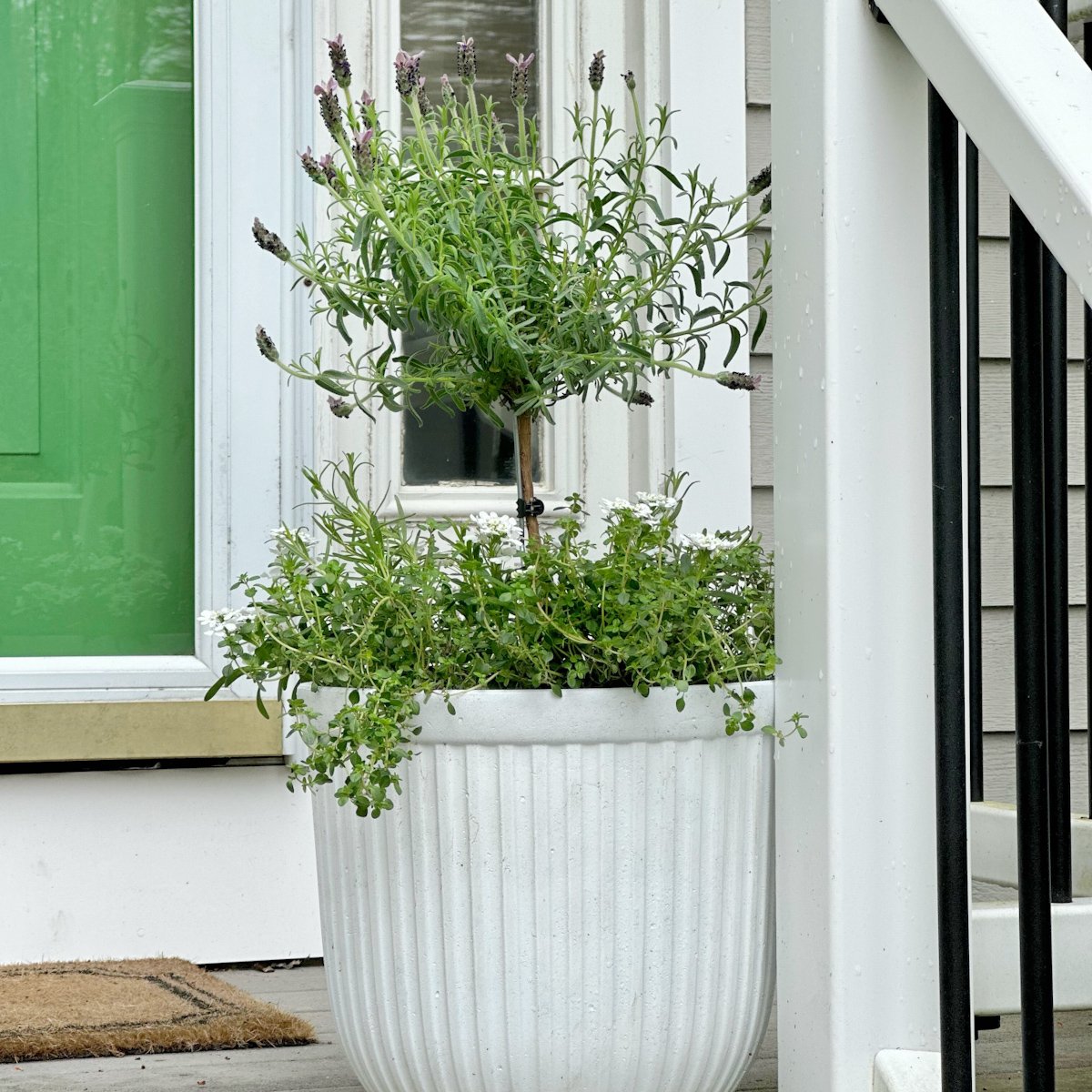
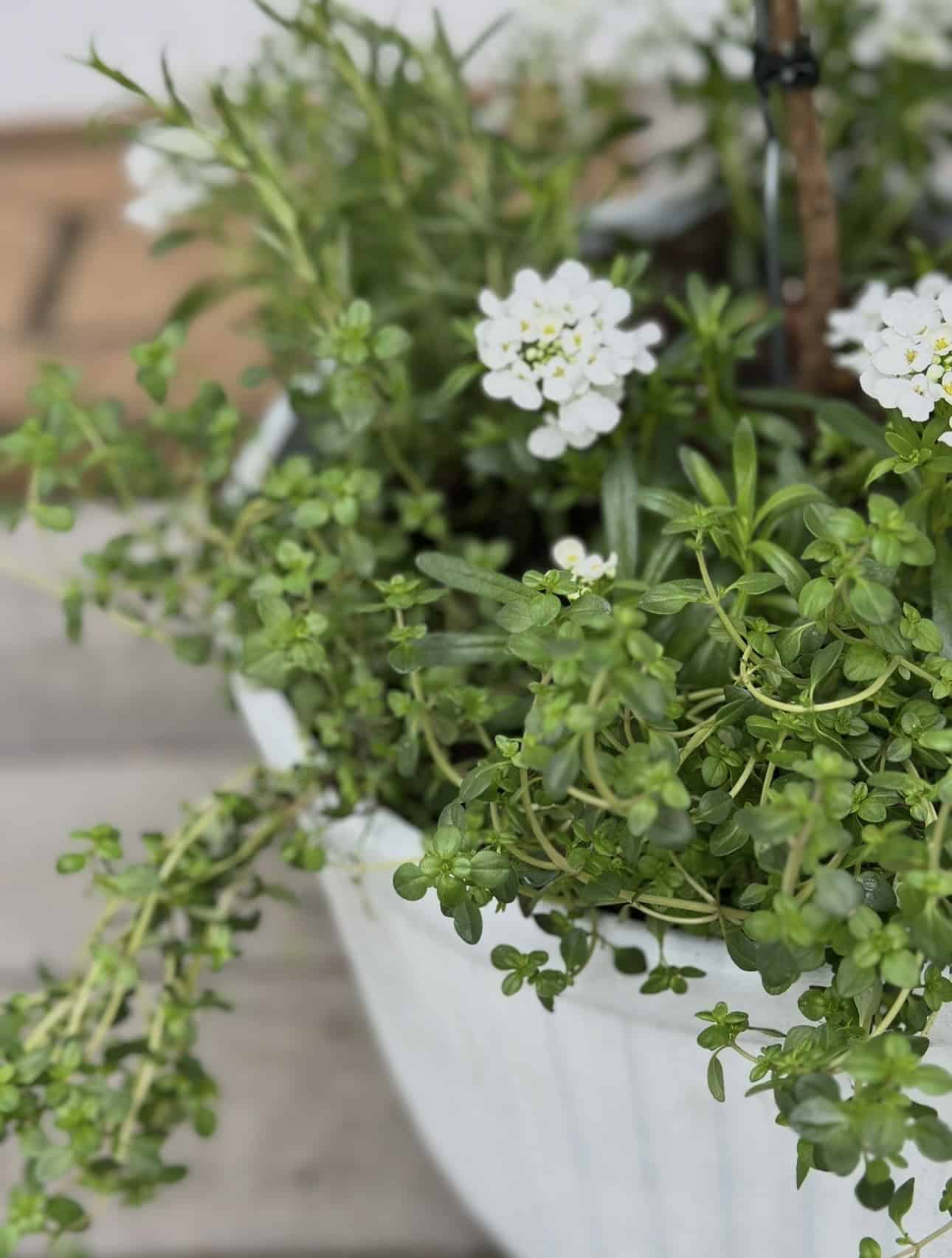
Grouping a few containers together instantly makes your space feel more finished. Try mixing different heights and sizes, and combine upright herbs with trailing ones for a more natural, relaxed look.
This is one of my favorite ways to make an herb garden feel like part of your outdoor space, not just something practical.
For a unique container idea, try creating a mint topiary using a grapevine wreath as a support. Alternatively, you could make a fun tiered planter with different levels of herbal goodness.
Growing herbs indoors
Growing herbs indoors sounds simple, but it can be a little more challenging than growing them outside. Most herbs naturally thrive in full sun, and that's not always easy to replicate inside a home.
Light is the biggest factor
Most herbs need at least 6 hours of strong, direct sunlight each day. A bright window can help, but depending on the time of year and your location, it may not be enough.
If your herbs start to look leggy or stop growing, it's usually a sign they need more light. In many cases, a simple grow light can make a big difference.
Not all herbs grow well indoors
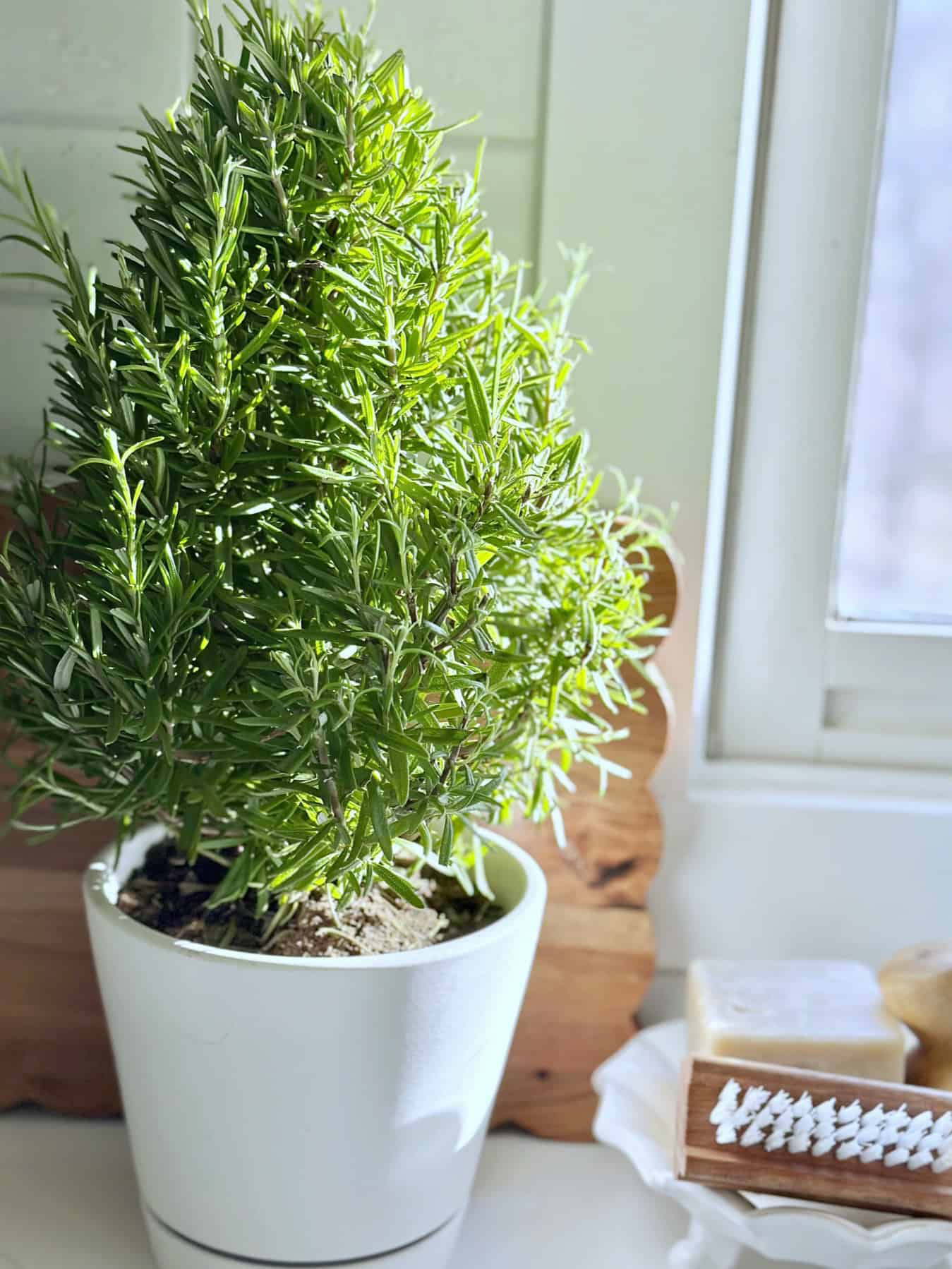
Some herbs adapt better than others. Mint, parsley, and chives tend to do well inside, while Mediterranean herbs like rosemary and lavender can be more difficult to keep happy long term.
These sun-loving herbs often struggle without the intensity of outdoor light.
Start simple and adjust as you go
If you want to try growing herbs indoors, start with one or two plants and see how they do in your space. You'll learn quickly what works and what doesn't.
In my experience, herbs really do love being outdoors, so think of indoor growing as something to experiment with rather than something that has to be perfect.
Common herb garden mistakes to avoid
Even with the best setup, a few herb garden mistakes can trip you up. The good news is, most of them are easy to fix once you know what to look for.
Overwatering your herbs
This is by far the most common issue. Herbs prefer soil that dries out slightly between waterings, and too much moisture can lead to root rot.
If you're unsure, it's almost always better to wait another day before watering.
Planting in the wrong location
Herbs need plenty of sunlight to grow well. If they're planted in a shady spot, they may become leggy, weak, or stop producing altogether.
If your garden isn't getting enough sun, consider moving to containers so you can adjust placement more easily.
Overcrowding your plants
It's tempting to plant everything close together, especially when the plants are small. But herbs need space for airflow and growth.
Giving them room from the start helps prevent disease and makes harvesting much easier.
Mixing herbs with different needs
Not all herbs like the same conditions. Mediterranean herbs like thyme and rosemary prefer drier soil, while others like basil and parsley need more moisture.
Grouping herbs with similar needs makes watering and care much simpler and helps everything thrive.
Harvesting and using your herbs
One of the best parts of growing herbs is actually using them. The more you harvest, the more your plants will produce.
Harvest often to encourage growth
Regular harvesting helps herbs grow fuller and prevents them from becoming leggy. Most herbs respond well to being trimmed back, especially during the growing season.
A good rule of thumb is to never remove more than one-third of the plant at a time.
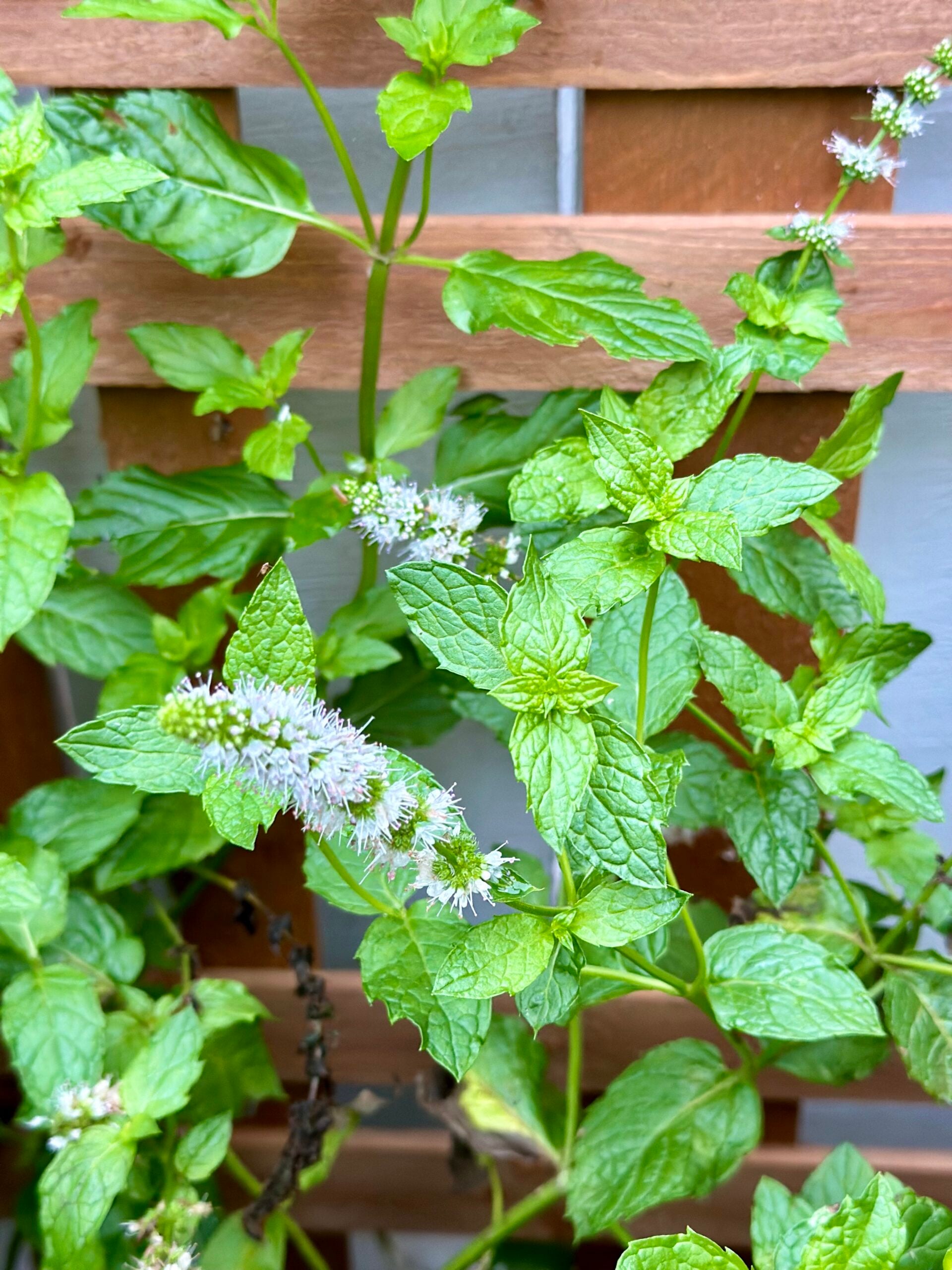
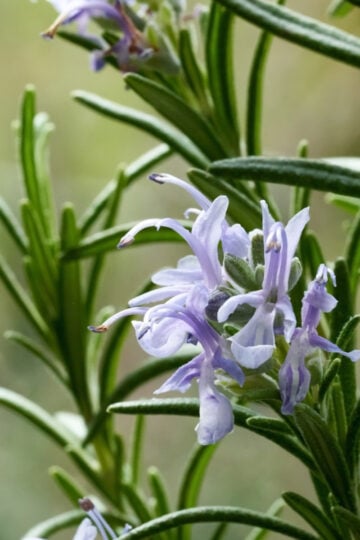
Don't worry if your herbs start to flower
It's completely normal for herbs to flower as they mature. While the flavor of the leaves can change slightly, they're still usable, and in many cases, the flowers are too.
If you prefer a milder flavor, you can pinch off the flowers to encourage more leafy growth. Otherwise, feel free to let them bloom and enjoy them.
Use fresh herbs in everyday cooking
Fresh herbs can completely change the flavor of simple dishes. Snip what you need right before cooking to get the best flavor and aroma.
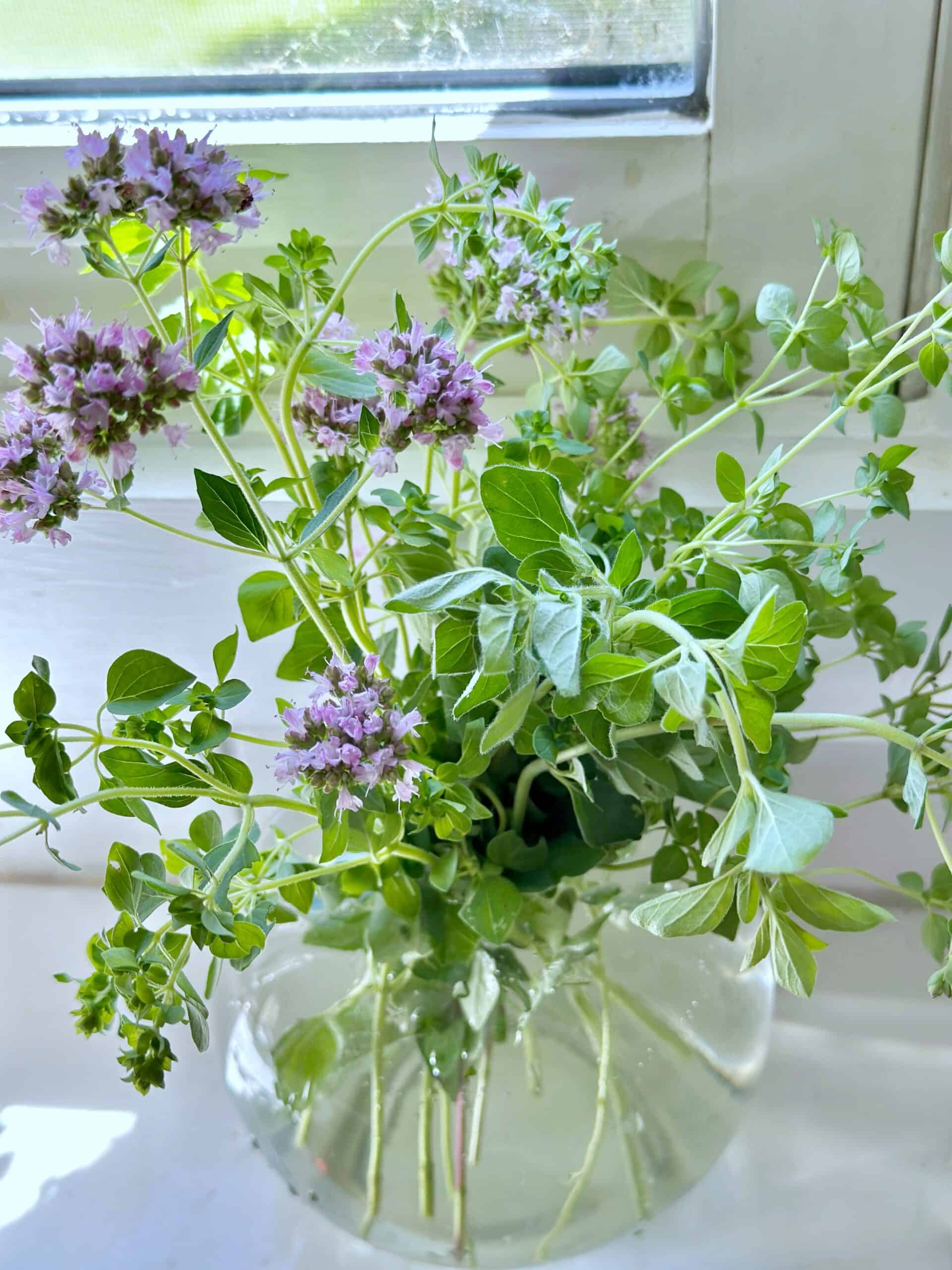
I like to cut a small mix of culinary herbs and keep them in a simple vase in my kitchen. It looks beautiful on the counter, and I can grab a few sprigs while I'm cooking without having to run outside every time.
Even a small herb garden can supply more than you expect once it gets going.
Annual vs perennial herbs
As you spend more time growing herbs, you'll start to notice that some come back every year while others need to be replanted. Understanding the difference can help you plan your garden a little more intentionally over time.
Annual vs. Perennial Chart
| Herb | Annual/Perennial |
|---|---|
| Basil | Annual |
| Cilantro | Annual |
| Dill | Annual |
| Summer Savory | Annual |
| Rosemary | Perennial |
| Thyme | Perennial |
| Sage | Perennial |
| Oregano | Perennial |

Preserving and storing herbs
Once your herbs start producing, you may find yourself with more than you can use right away. A few simple methods can help you save that extra harvest for later.
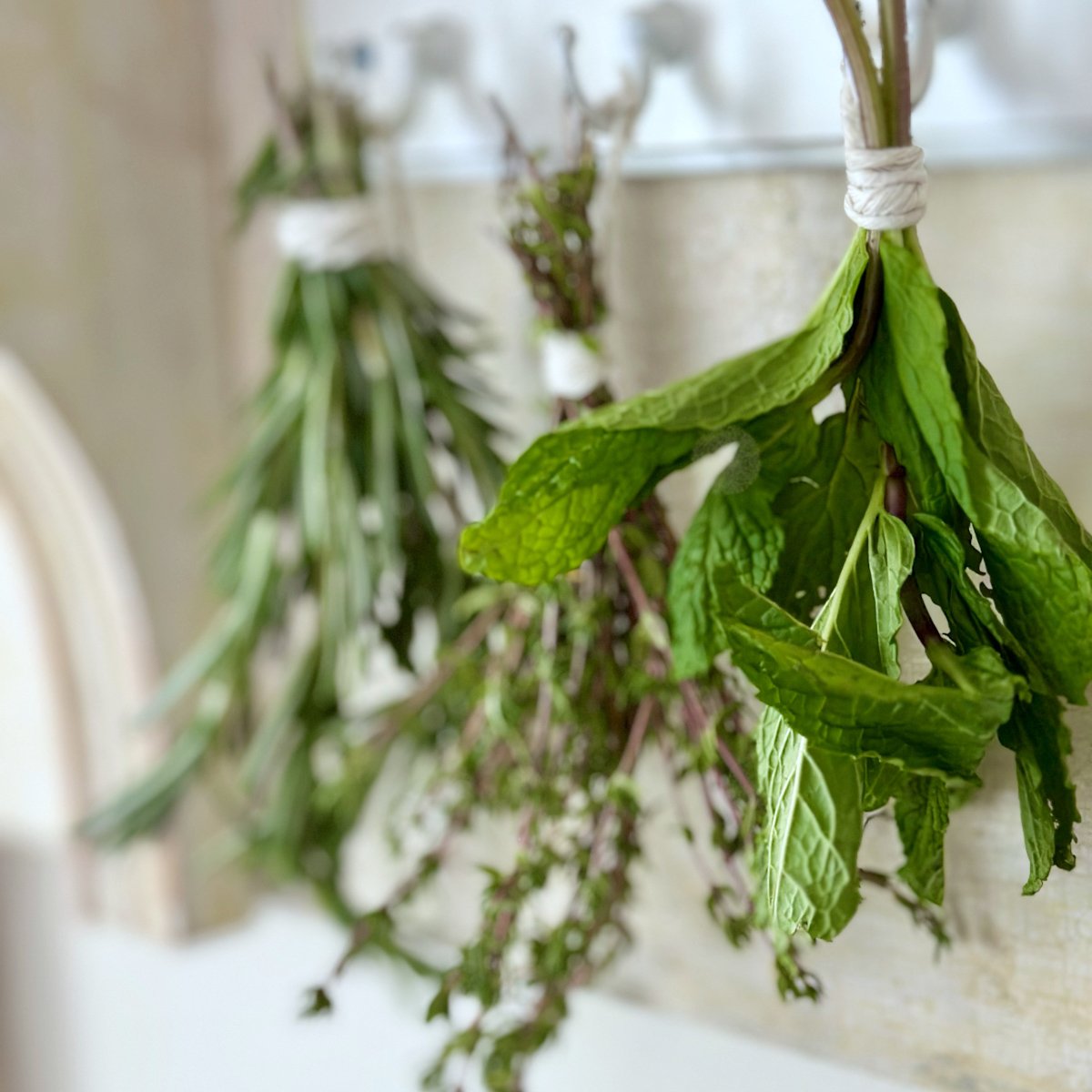
Drying herbs for long-term storage
Drying is one of the easiest ways to preserve herbs. It works especially well for woody herbs like thyme, rosemary, and oregano.
Once dried, herbs can be stored in jars and used for months in cooking.
Freezing herbs for fresh flavor
Freezing helps herbs keep more of their fresh flavor and color. This method works well for softer herbs like basil and parsley.
You can freeze them whole, chopped, or even in olive oil for easy use later.
Frequently asked questions
For vegetable gardens, consider planting common culinary herbs like basil, cilantro, and parsley, as they complement a wide range of dishes and provide essential flavor. Visit my post on herb companion planting for more information on well matched plants.
Most herb plants thrive in full sun, so select a sunny location with at least 6 hours of direct sunlight daily for optimal growth and productivity in your garden beds.
Ensure garden beds have well-drained soil by amending clay soil with organic matter and incorporating drainage holes or raised beds to prevent waterlogging and promote healthy root development.
Yes, lemon balm can be grown in garden beds, provided they receive partial shade to full sun and have well-drained, moist soil conditions.
Utilize small pots or window boxes to grow kitchen herbs in limited spaces, ensuring they receive enough sunlight and water for healthy growth near a sunny windowsill or kitchen window.
Opt for Mediterranean herbs like rosemary, thyme, and sage, which thrive in full sun and well-drained soil conditions, perfect for outdoor garden beds or containers.
Water herb plants in garden beds when the soil feels dry to the touch, ensuring they receive enough water without becoming waterlogged or experiencing excess moisture.
Herb plants in garden beds may suffer from fungal diseases due to poor soil conditions or excess water, so ensure proper drainage and airflow to prevent such issues.
Yes, woody herbs like sage and rosemary can be grown in larger containers to accommodate their growth and ensure they have enough space to develop healthy root systems.
More herb garden inspiration
There you have it, a simple way to start your own herb garden. You really can do this. Start small, learn as you go, and don't worry about getting everything perfect. That's part of the process.
If you ever have questions, feel free to reach out. I'm always happy to help. And if you haven't already, be sure to join our community of herb lovers where we share ideas, tips, and what's growing in our gardens.
Happy planting! 🌿