
Where to Buy Herb Plants (and How to Choose the Healthiest Ones)

If you're planning to buy herb plants, choosing healthy, well-grown pots can make all the difference. Small potted herbs are often easier and more reliable than starting from seed, especially for beginners. Look for vibrant green leaves, compact growth, and strong roots, and avoid plants that are leggy, yellowing, or already flowering. Buying at the right time and from the right place helps ensure your herbs thrive once you bring them home.
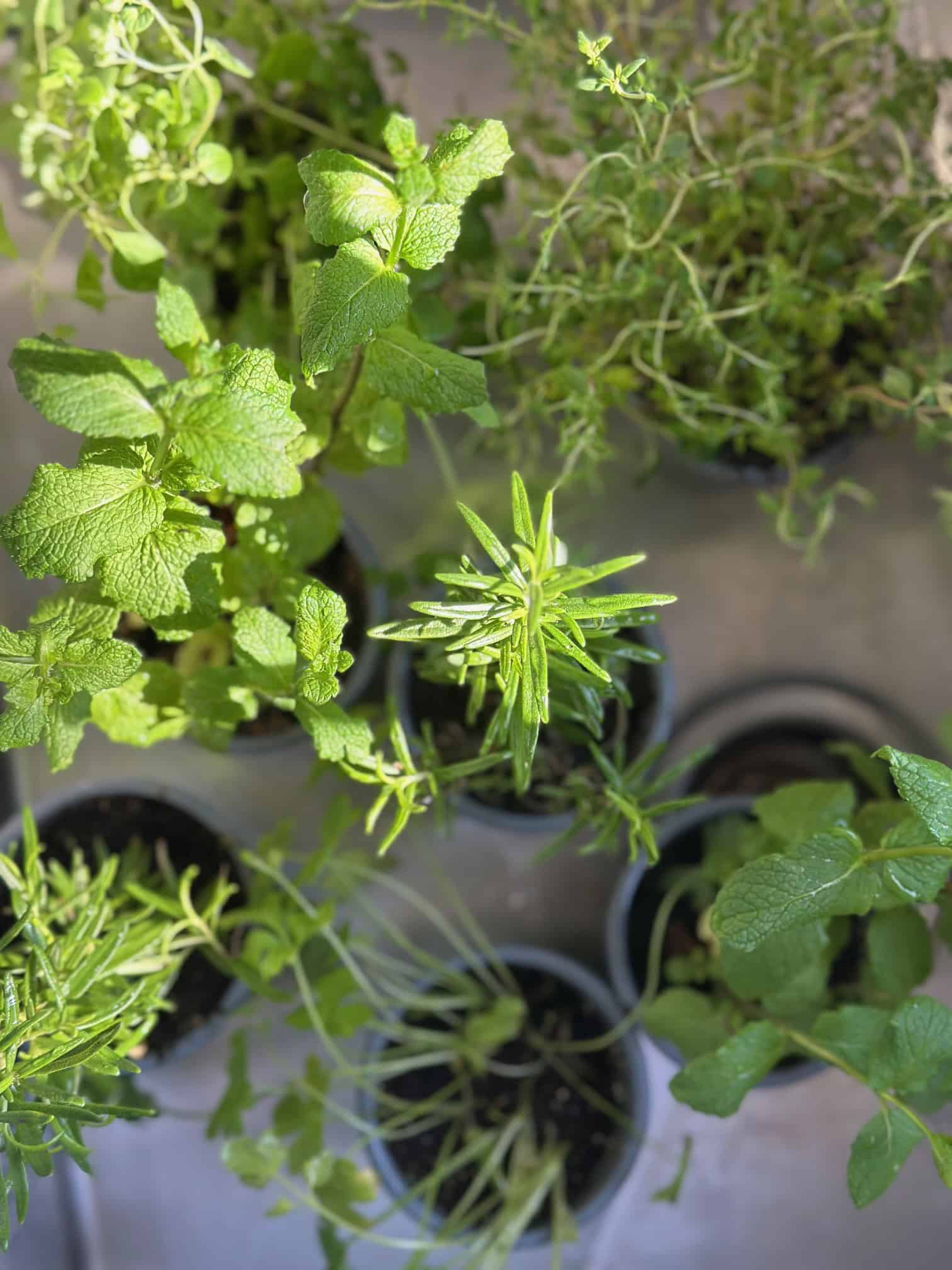
If you're planning to buy herb plants, I've done this enough times to know what's worth bringing home and what to skip. This is something I do every single spring, and over time I've figured out how to spot the healthiest plants and avoid the ones that struggle.
I almost always start my herb garden bed with small potted herbs instead of seeds. For me, it's faster, easier, and a lot more reliable, especially with our New England growing season. I've picked up herbs everywhere from grocery stores to big box stores to local garden centers, and I've definitely made my share of mistakes along the way.
The good news is, once you know what to look for, it's actually pretty easy to choose plants that will thrive. I'll walk you through where I shop, when I buy, and exactly what I look for so you can bring home herb plants that grow well from the start.
At a Glance: Where to Buy Herb Plants
_______________________
- Best approach: Buy small potted herbs instead of starting from seed for faster, more reliable results
- Ideal size: Look for healthy 4-inch pots that are easy to transplant and establish quickly
- Where to shop: Start with budget-friendly stores, then check big box stores and local garden centers for the best selection
- When to buy: Purchase close to your planting date, after the risk of frost has passed for most herbs
- Buy early: Grab cilantro and dill early in the season before they disappear from stores
- What to look for: Vibrant green leaves, compact growth, moist (not soggy) soil, and fresh scent
- What to avoid: Yellowing leaves, leggy stems, pests, mushy roots, or plants already flowering
- Quick tip: Gently check the roots if possible, healthy roots should be light in color and not tightly circling
- After bringing home: Water if needed and plant or repot as soon as you can
Summarize and Save this content on:
Jump to:
- At a Glance: Where to Buy Herb Plants
- Why I buy herb plants instead of starting from seed
- Where to buy herb plants
- When to Buy Herb Plants (Timing Matters More Than You Think)
- What to look for when buying herb plants
- What to avoid when buying herb plants
- Grocery store herbs vs nursery plants
- Can you split store-bought herb plants?
- Annual vs perennial herbs (what to expect next year)
- What to do after you bring herb plants home
- Best herbs to buy if you're just starting out
- Frequently asked questions
- More herb garden start guides
Why I buy herb plants instead of starting from seed
I almost always buy herb plants instead of starting from seed, and a big part of that comes down to how I like to garden. I love an abundant garden that feels full right away, and if I'm being honest, I'm also a little impatient.
Starting with small potted herbs just works better for me.
Faster results
I can plant them and start harvesting much sooner. No waiting weeks for seeds to sprout and grow into usable plants.
More reliable
Seeds can be unpredictable, especially for beginners. I've had uneven germination and seedlings that didn't make it, so starting with established plants takes out a lot of that guesswork.
Easier timing
Here in New England, the growing season can feel short. Buying herb plants close to planting time makes it much easier to stay on track without worrying about indoor seed starting schedules.
Affordable and practical
Those small pots are usually inexpensive, and for what you get, they're often worth it. You're starting with a healthy, established plant instead of investing time and supplies into seeds.
Less maintenance upfront
Seed starting requires more attention in the early stages, like watering, light, and temperature. With starter plants, most of that work is already done.
When growing from seed does make sense
There are times when seeds are a great option, especially for:
Why I like 4-inch pots
This is the size I almost always grab.
- easy to handle
- simple to transplant
- affordable
- established enough to take off quickly once planted
I do hope to grow more from seed in the future. As Ray and I continue to plan our greenhouse, that will make it a lot easier and give me more flexibility to experiment. For now though, buying herb plants gives me the full, productive garden I want without the wait.

Where to buy herb plants
Over the years, I've settled into a pretty simple routine when I go out to buy herb plants. I don't go straight to one place, I work my way through a few different types of stores depending on what I'm looking for.
This approach has helped me build a full, healthy herb garden without overspending.
Budget-friendly places to start
I almost always start here:
- Walmart
- Ocean State Job Lot
- Trader Joe's
These are great for picking up the basics at a really reasonable price.
What they're good for:
- common herbs like basil, parsley, chives, mint, oregano, and thyme
- inexpensive starter plants
- filling out your garden or container garden quickly without a big investment
I've found that if you check the plants carefully (which we'll get into next), you can get some really solid herbs from these stores.
Big box stores
Next, I'll usually check:
- The Home Depot
- Lowe's
These stores tend to have a wider selection, especially as the season gets going.
What to expect:
- a larger variety of herbs
- bigger plants as the season progresses
- more consistent availability
This is often where I'll find the herbs that weren't available at the smaller stores.
Local garden centers
If I'm looking for something a little more special, I always make a stop at a local garden center.
Why they're worth it:
- healthier, better-maintained plants
- unique or hard-to-find varieties
- more consistent care and watering
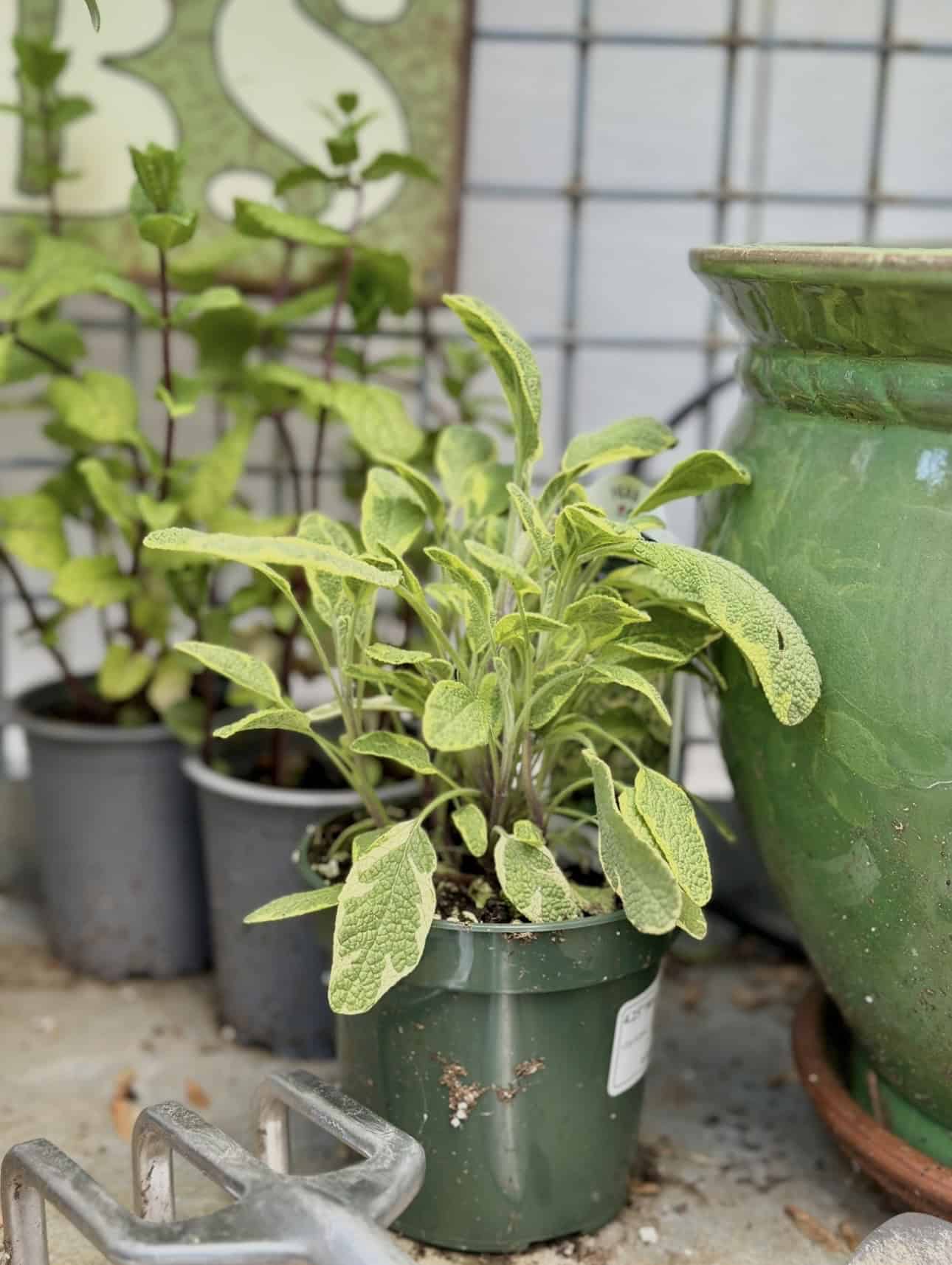
This is where you're more likely to find things like specialty mints, different thyme or sage varieties, or more established rosemary plants.
My simple strategy: I start with the budget-friendly stores to grab the basics, then check big box stores for a wider selection, and finish at a local garden center if I want something specific or a little more unique. It's a simple approach, but it works every time and helps me build a full herb garden without overthinking it.
Tip: If you're just getting started, I've put together a simple collection of guides to help you start an herb garden from scratch, including what to plant and how to set everything up.
When to Buy Herb Plants (Timing Matters More Than You Think)
Timing really does make a difference when you buy herb plants, and it's a bit of a balancing act.
On one hand, you don't want to buy them too early. Small potted herbs need a fair amount of attention to stay healthy before they're planted. They can dry out quickly, get leggy indoors, or just struggle if they're sitting around waiting for the weather to cooperate. If you bring them home too soon, you're signing up to babysit them.
On the other hand, waiting too long isn't ideal either. Garden centers and stores are doing their best, but herbs are not always the easiest plants to keep looking fresh on display. As the season goes on, you'll start to notice more yellowing leaves, stretched-out growth, and plants that just look a little tired.
Buy close to your planting date
I try to buy herb plants as close as possible to when I can actually plant them outside.
Here in New England, that usually lines up with Mother's Day. It's a good general marker for when the risk of frost has passed and it's safe to get most herbs in the ground or into containers.
Warm vs cool season herbs
Not all herbs follow the same timeline.
- Warm-season herbs like basil do best when the weather is consistently warm, so I wait until after the danger of frost has passed.
- Cool-season herbs can handle a little chill and can be planted earlier.
Herbs to buy early before they disappear
Some herbs don't stick around long in stores, so it's worth grabbing them when you see them.
- cilantro
- dill
These tend to show up early in the season and can be harder to find later on, especially once the weather heats up.
The goal is to find that sweet spot, not too early that you're struggling to keep them alive indoors, and not so late that you're picking through stressed plants.

What to look for when buying herb plants
Once you know what to look for, it becomes much easier to buy herb plants that will actually grow well once you get them home. A quick check of the leaves, shape, soil, and even the roots can tell you a lot in just a few seconds.
Healthy leaves
Start with the leaves, they're usually the first sign of a healthy plant.
- deep green color
- no yellowing or browning
- no spots, holes, or visible damage
If the leaves don't look good, the plant is already struggling.
Compact growth (not leggy)
Look at the overall shape of the plant.
- short and sturdy stems
- full, bushy growth
- not tall, thin, or stretched out
Leggy herbs often mean they haven't been getting enough light, and they can be harder to recover once planted.
Soil condition
Take a quick look at the soil in the pot.
- slightly moist to the touch
- not soaking wet
- not completely dry and pulling away from the edges
Soil that's too wet or too dry can both be signs of stress.
Smell test
This is one of my favorite quick checks.
Gently rub a leaf between your fingers.
- you should get a strong, fresh herbal scent
If the plant barely has a smell, it may not be as healthy or flavorful.
Check the roots (if possible)
If you can, gently slide the plant out of its pot or peek at the drainage holes.
- roots should be white or light tan
- evenly spread, not tightly circling the pot
Avoid plants with dark, mushy roots or ones that are tightly wound around the bottom, which can mean they're rootbound.
Taking a minute to check these things in the store can save you from bringing home herbs that struggle from the start.

What to avoid when buying herb plants
Knowing what to skip is just as important as knowing what to look for. Even if a plant is inexpensive, it's usually not worth bringing home if it's already struggling.
Here are the biggest red flags I watch for when I buy herb plants:
Yellowing leaves
- pale or yellow leaves
- brown edges or spots
This is often a sign of stress, poor watering, or nutrient issues.
Leggy growth
- long, thin stems
- sparse leaves
- stretched or floppy appearance
Leggy plants haven't been getting enough light and can be harder to bounce back.
Signs of pests
Take a quick look before you buy.
- check under the leaves
- look along the stems
- scan the soil surface
Common pests include aphids, spider mites, and fungus gnats. Even a small infestation can spread quickly once you bring the plant home.
Mushy stems
- soft or collapsing stems
- dark or wet-looking areas near the base
This can be a sign of rot, and those plants usually don't recover well.
Rootbound plants
- roots tightly circling the bottom of the pot
- very little soil visible
These plants have been sitting too long and can struggle to establish after transplanting.
Already flowering heavily
- lots of blooms, especially on herbs like basil, cilantro, or dill
While it might look appealing, flowering often means the plant is shifting away from leaf production. You'll get less usable growth once you bring it home. Read more about flowering herbs.
It can be tempting to try to "save" a struggling plant, but I've found it's almost always better to start with one that already looks healthy and strong.

Grocery store herbs vs nursery plants
You'll usually find herb plants in a few different places, including grocery stores and nurseries, and they're not quite the same. I've used both, and each has its place depending on what you need.
Grocery store herbs
These are the small pots you'll see in the produce or floral section.
Pros:
- inexpensive
- easy to grab while you're already shopping
- great for common herbs like basil, parsley, and cilantro
Cons:
- often crowded with multiple plants in one pot
- smaller root systems
- not always well cared for long-term
When they're fine:
Grocery store herbs are a good option if you want something quick and simple. I'll often grab them for basic herbs, especially if I plan to use them soon or split them into separate plants once I get home.
Nursery plants
These are what you'll find at garden centers and plant nurseries.
Pros:
- stronger, more established plants
- better root systems
- wider selection, including specialty varieties
Cons:
- more expensive
- sometimes limited early or late in the season
When to invest in nursery plants:
If I'm looking for something specific, like a certain variety of thyme or a more established rosemary plant, I'll go straight to a nursery. They're also a better choice if you want plants that are ready to grow quickly with less effort.
How I decide
For me, it usually comes down to the plant and the purpose.
I'll use grocery store herbs for convenience and everyday varieties, and I'll choose nursery plants when I want something stronger, more reliable, or a little more unique.
Both can work well, it just depends on what you're trying to get out of your herb garden.

Quick tip: Don't leave herbs in their original potting mix
Most herb plants are sold in a lightweight growing medium, not true potting soil or nutrient-rich garden soil.
This mix is designed for:
- easy transport
- fast greenhouse growth
- short-term holding in stores
It's not meant to support long-term growth at home.
What this means for you:
- the plant can dry out quickly or stay unevenly moist
- it may not have the nutrients your herbs need
- roots can struggle if left in it too long
What to do instead:
- plant your herbs as soon as you can
- or repot them into a good-quality potting mix if you're not planting right away
This one small step can make a big difference in how well your herbs take off once you bring them home.

Can you split store-bought herb plants?
Yes, you can, and in many cases, you should.
A lot of store-bought herb plants, especially from grocery stores, are actually several plants crowded into one small pot. They look full and lush at first, but they're competing for water, nutrients, and space.
Herbs that are easy to split
These are the ones I separate most often:
- basil
- cilantro
- parsley
Why it helps
Splitting them gives each plant more room to grow.
- less competition for water and nutrients
- better airflow around the plants
- stronger root development
- healthier, longer-lasting herbs
If you leave them crowded, they often struggle or burn out more quickly.
How to split them (quickly and gently)
You don't need to overthink this.
- Gently slide the plant out of the pot
- Loosen the root ball with your fingers
- Separate into smaller sections (you don't need to pull every stem apart individually)
- Replant each section in its own space or container
- Water well after planting
It might feel a little rough the first time you do it, but these herbs are surprisingly resilient. Once they have more space, they usually bounce back quickly and grow much better.

Annual vs perennial herbs (what to expect next year)
One thing that surprises a lot of people when they buy herb plants is that not all herbs come back the next year.
A simple way to think about it:
- Annual herbs grow for one season, then they're done
- Perennial herbs come back year after year
Annual herbs
These will need to be replanted each season.
Common examples:
You'll enjoy them all summer, but once the season ends, they won't return next spring.
Perennial herbs
These are the ones that keep going year after year.
Common examples:
Once established, they'll come back each season, often a little bigger and fuller.
A quick note on rosemary: Rosemary falls somewhere in between. It's technically a perennial, but it doesn't always survive cold winters, especially in colder climates like New England. Some people treat it as an annual, while others bring it indoors or protect it over winter.

What to do after you bring herb plants home
What you do right after you buy herb plants can make a big difference in how well they adjust and grow.
Don't leave them in a hot car
This one is easy to overlook. Even a short stop can heat up your car quickly and stress or damage the plants. If you can, head home soon after buying them or bring them inside with you.
Water if needed
Check the soil as soon as you get home.
- if it feels dry, give it a good watering
- if it's already moist, you're fine to leave it for now
Store-bought herbs can dry out faster than you'd expect.
Plant or repot as soon as you can
These plants aren't meant to stay in their original pots for long.
- plant them in your garden or containers
- or move them into a larger pot with good-quality soil
The sooner they're in better soil, the better they'll do.
Harden off if needed
If your plants have been indoors or in a protected greenhouse, they'll need a little time to adjust to outdoor conditions.
- start with a few hours outside in a sheltered spot
- gradually increase sun and exposure over a few days
This helps prevent shock and gives your herbs a smoother transition.
A little attention right at the start goes a long way in helping your herb plants settle in and take off.

Best herbs to buy if you're just starting out
If you're new to gardening, it's a good idea to start with herbs that are easy to grow and forgiving. These tend to establish quickly, don't require a lot of fuss, and give you a nice return so you can actually use what you're growing.
Here are some of the best herbs to start with:
- basil
- parsley
- chives
- thyme
- oregano
- mint
These herbs are reliable, widely available, and work well in containers or garden beds.
Mint is one exception to keep in mind, it grows very aggressively, so it's best to keep it in its own pot rather than planting it in the ground.
Starting with a few of these makes it easy to build confidence and get into the rhythm of growing and using fresh herbs.

Frequently asked questions
You can buy herb plants at grocery stores, big box stores, and local garden centers. Budget stores are great for common herbs, while garden centers usually offer healthier plants and more unique varieties.
It's best to buy herb plants close to your planting date. In cooler climates, that's usually after the risk of frost has passed. Buying too early means more maintenance, while waiting too long can leave you with lower-quality plants.
Look for vibrant green leaves, compact growth, and slightly moist soil. Avoid plants that are yellowing, leggy, or showing signs of pests. If possible, check the roots to make sure they're light in color and not tightly bound.
For most beginners, it's easier to buy herb plants. They give you a head start, are more reliable, and require less early care. Seeds can be a good option for certain herbs or if you want to grow larger quantities.
Buying herb plants is one of the easiest ways to start an herb garden that actually works. With a few simple checks and a little attention to timing, you can skip a lot of the frustration and start with plants that are ready to grow.
For me, it comes down to keeping it simple. I start with small potted herbs, look for healthy, compact plants, and try to buy them right when I'm ready to plant. That combination has given me the best results year after year.
If you focus on choosing strong plants from the start, everything that comes next gets easier. Your herbs establish faster, grow better, and are ready to use sooner, which is really the whole point.
Once you get the hang of it, buying herb plants becomes a quick, enjoyable part of the season, and the start of a garden you'll actually use and enjoy.
Happy growing season!