Cut Hydrangeas: Florist Tips for Longer Lasting Blooms

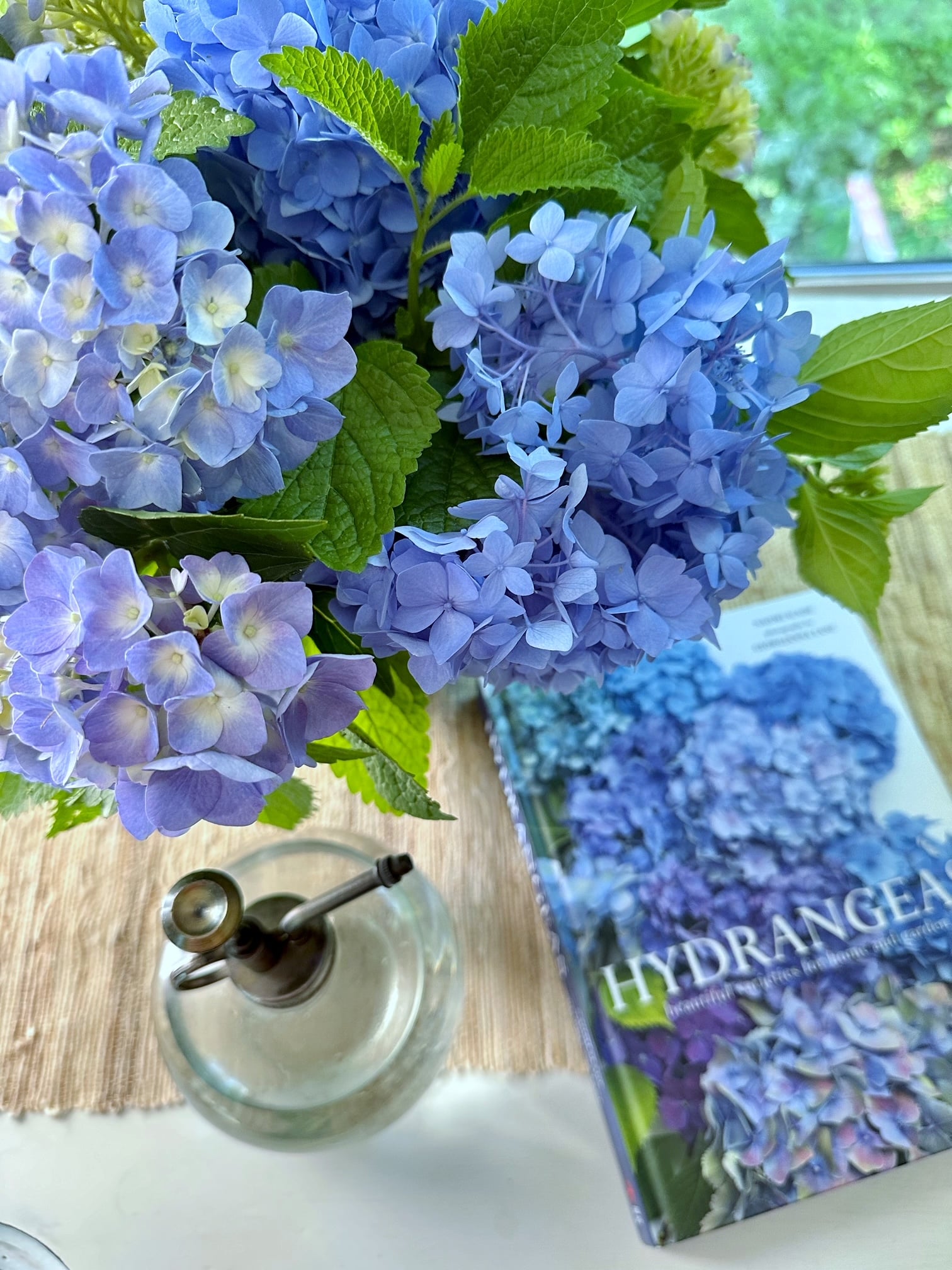
Cut hydrangeas are beautiful but can be surprisingly temperamental once they're brought indoors. As a former florist, I've learned that success starts before the flowers ever reach the vase. Choosing mature blooms, preparing the stems correctly, and knowing how to revive wilted flowers can dramatically extend their vase life. In this guide, I'm sharing the florist techniques I use for cutting hydrangeas from the garden, selecting fresh blooms, preventing premature wilting, and bringing drooping hydrangeas back to life.
Content may contain affiliate links. When you shop the links, we receive a small commission at no cost to you. Thanks for supporting my small business.
Every summer, right around hydrangea season, I find myself filling vases with armloads of blooms gathered from the garden. Their oversized flower heads, soft colors, and cottage garden charm make them one of my favorite flowers to bring indoors. Of course, if you've ever worked with cut hydrangeas, you already know they can be a little dramatic.
As a former florist, I've worked with hydrangeas sourced from backyard gardens, flower markets, florist coolers, and grocery stores. While the source may be different, the goal is always the same: keeping those beautiful blooms hydrated, fresh, and looking their best for as long as possible.
The good news is that a few simple techniques can make a tremendous difference in the vase life of cut hydrangeas. Whether you're cutting fresh blooms from your own hydrangea bushes or bringing home a bunch from the florist, proper preparation is the key to success.
In this guide, I'll share the methods I've used over the years to choose the best blooms, prepare the stems, prevent premature wilting, and even revive drooping hydrangeas that look beyond saving. Because while hydrangeas may occasionally behave like Victorian ladies fainting onto a chaise lounge, they're often much easier to bring back to life than most people realize.
At a Glance: Cut Hydrangeas
_______________________
- Best time to cut: Early morning
- Ideal bloom stage: Fully mature blooms with a slightly papery feel
- Average vase life: 5 to 10 days
- Best hydration tip: Place stems in water immediately after cutting
- Common mistake: Cutting blooms too early or waiting too long to revive wilted flowers
- Florist techniques: Crushed stems, hot water treatment, or alum powder
- Can wilted hydrangeas be revived? Often, yes. The sink-soaking method is surprisingly effective.
- Best display method: A vase with plenty of fresh water rather than floral foam whenever possible
- Perfect for: Garden bouquets, centerpieces, everyday arrangements, and wedding flowers
Summarize and Save this content on:
Jump to:
- At a Glance: Cut Hydrangeas
- Why do cut hydrangeas wilt so easily?
- The biggest mistake people make with cut hydrangeas
- How to cut hydrangeas from the garden
- How to choose fresh hydrangeas from a florist or grocery store
- Three florist techniques for longer lasting hydrangeas
- How to revive wilted hydrangeas
- Florist tips for longer vase life
- Frequently asked questions
- More fresh cut flower design and care topics
Why do cut hydrangeas wilt so easily?
Hydrangeas are beautiful, but they're also notoriously thirsty flowers. Those large flower heads require a constant supply of water, which is why hydrangeas often wilt faster than many other cut flowers.
As a former florist, I've found that most hydrangea problems come down to hydration. When water isn't reaching the bloom, the flower head quickly begins to droop.
Common causes of wilting include:
- Cutting blooms before they are fully mature
- Leaves competing with the bloom for water
- Air trapped in the stem
- Too little water in the vase
- Heat and direct sunlight
The good news? A wilted hydrangea isn't always a lost hydrangea. In many cases, these dramatic blooms can be revived with the right technique.
The biggest mistake people make with cut hydrangeas
Cutting blooms too early
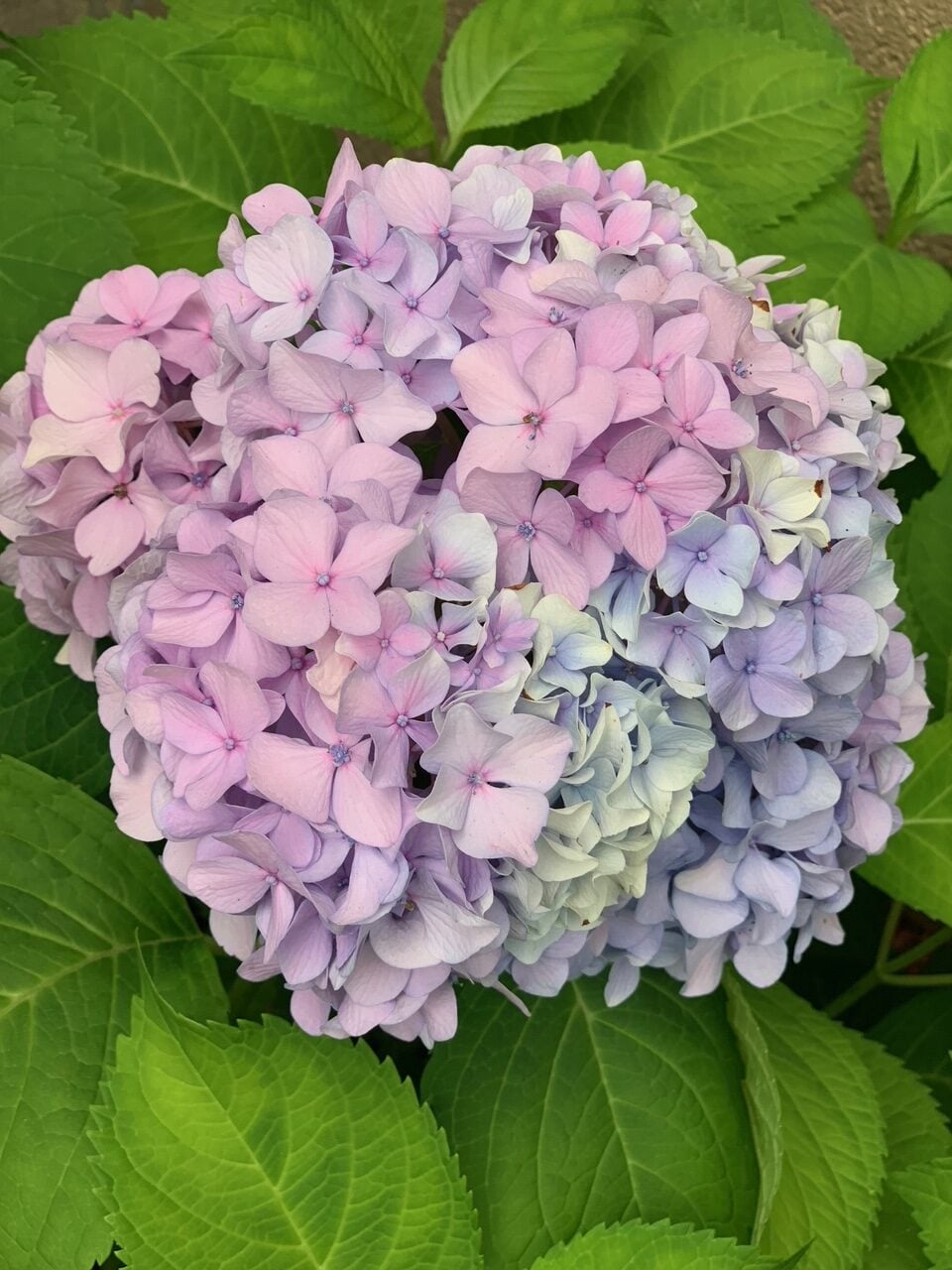
One of the biggest mistakes people make is cutting hydrangea blooms before they are fully mature.
While it's tempting to bring those fresh flowers indoors as soon as they open, young blooms often struggle to stay hydrated and may wilt prematurely.
How to identify a mature hydrangea bloom
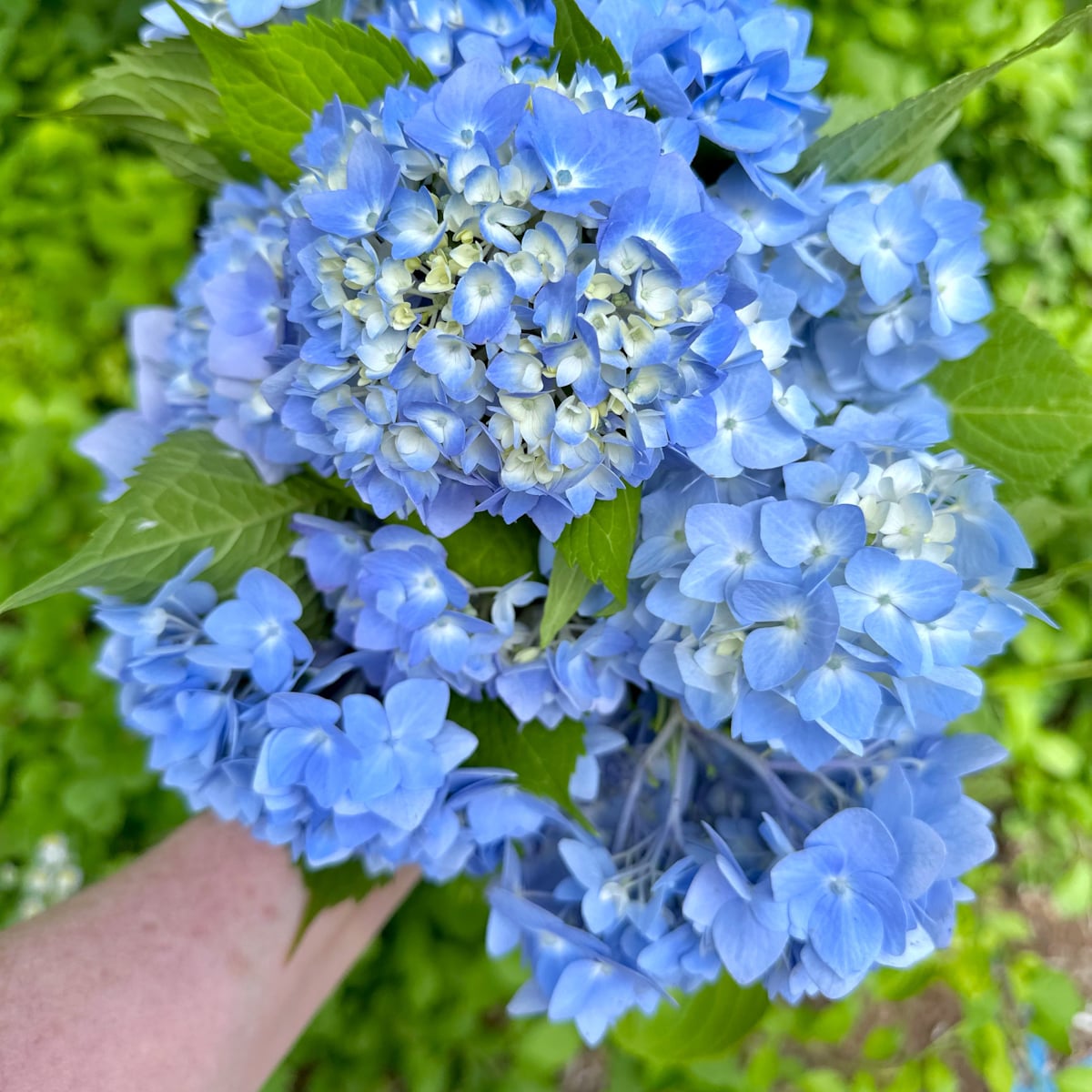
When harvesting hydrangeas from the garden, look for blooms that are fully developed and firm.
The florets should appear open and sturdy rather than soft and newly emerged. In my experience, mature blooms consistently outlast younger blooms in the vase.
What does "papery" mean?
Gardeners often describe mature hydrangeas as feeling "papery."
Run your fingers gently across the florets. Young blooms feel soft and almost velvety, while mature blooms have a slightly crisp, papery texture. That change in texture is one of the best indicators that the flower is ready to be cut.
Waiting too long to revive a wilted bloom
The second mistake is waiting too long to take action when a hydrangea begins to droop.
I've learned that hydrangeas respond best when they're revived at the very first sign of wilting. Don't wait until the flower head has completely collapsed.
The sooner you begin the rehydration process, the greater the chance the bloom will recover. In many cases, a hydrangea that looks beyond saving can be restored if you act quickly.
How to cut hydrangeas from the garden
The best time of day to harvest
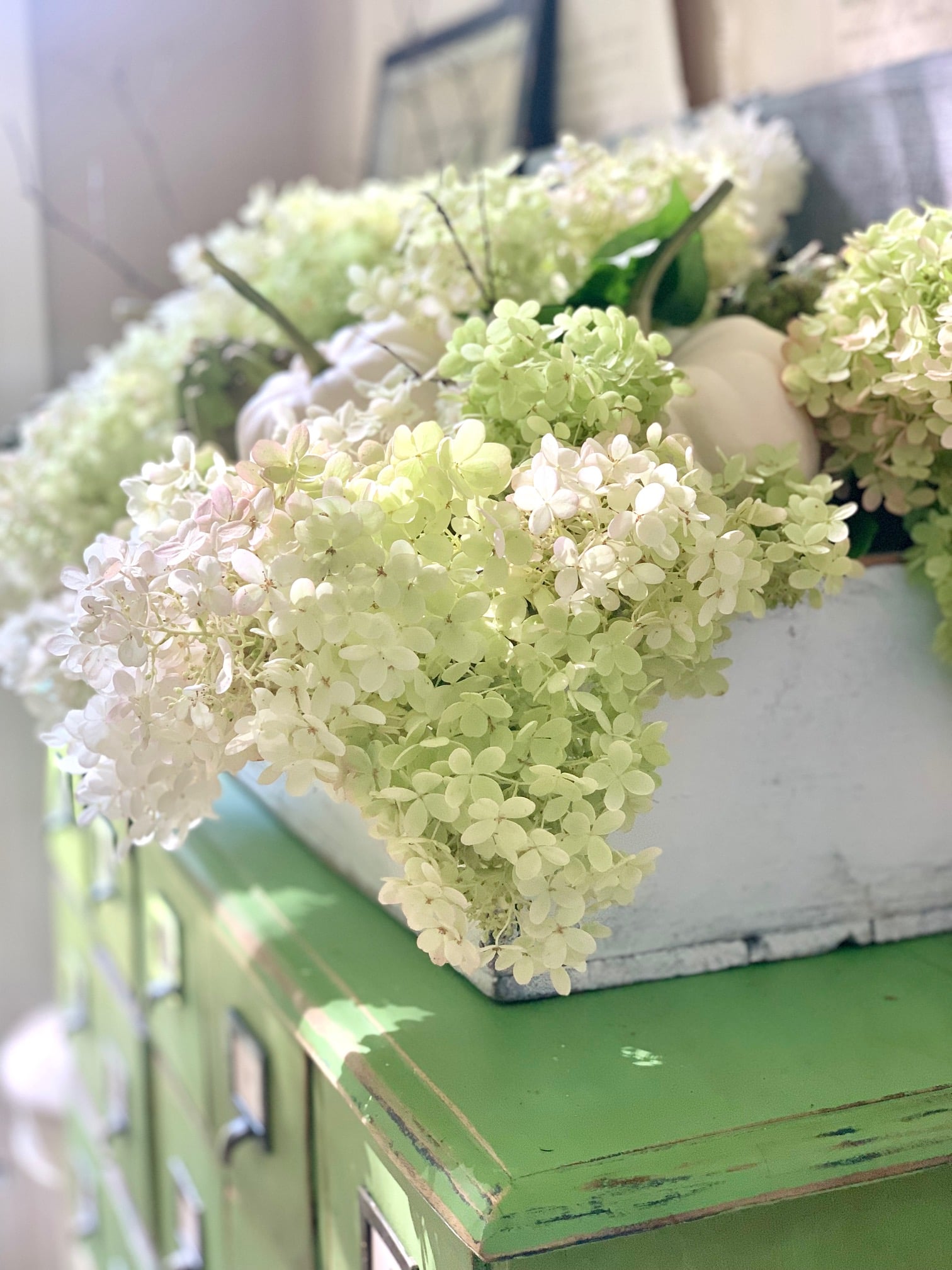
The best time to cut hydrangeas is early in the morning before the heat of the day arrives. At this time, the plant is well hydrated and the blooms are less likely to wilt after cutting.
Tools you'll need
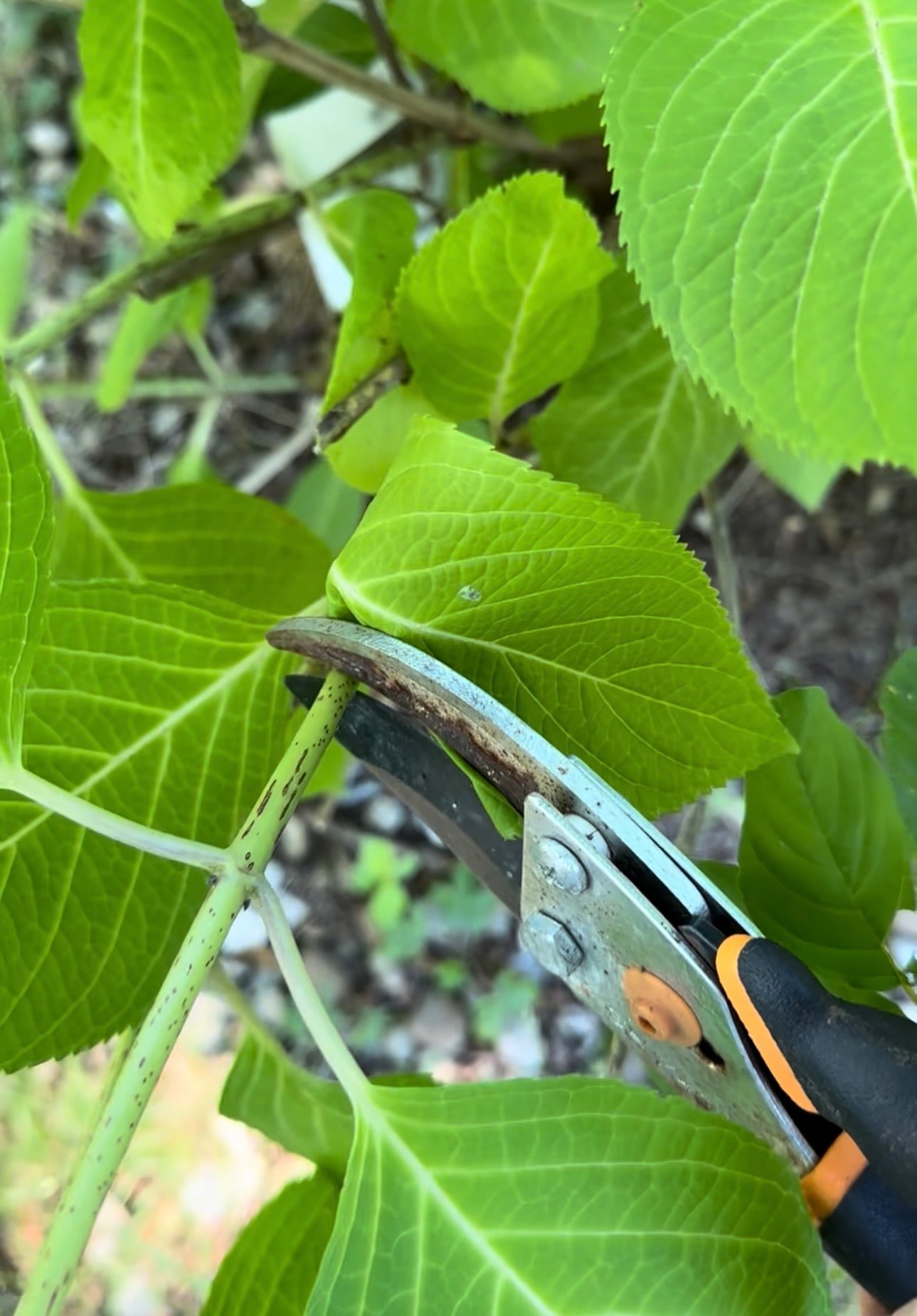
Gather a pair of clean pruning shears, garden snips, or sharp scissors. You'll also want a bucket or vase filled with water before you head out into the garden.
Bring water with you
One of the simplest ways to improve vase life is to place each stem into water immediately after cutting.
As a florist, I've found that minimizing the time between cutting and hydration makes a noticeable difference, especially during hot summer weather.
Choose mature stems
Look for blooms that are fully open and feel slightly papery to the touch. Avoid newly opened flowers, which tend to wilt more quickly after cutting.
Select healthy stems with strong flower heads and no signs of browning or damage.
Decide how long to cut the stems
The length of the stem depends on how you plan to use the flowers.
For tall floor vases or large arrangements, cut longer stems. For smaller vases and centerpieces, shorter stems are perfectly fine.
Care for the blooms immediately after cutting
Once you've finished harvesting, bring the hydrangeas indoors and begin conditioning them right away.
Give the stems a fresh cut, remove any foliage that will sit below the water line, and place the blooms into a clean vase filled with fresh water.
From my years as a florist: Hydrangeas are some of the thirstiest flowers you'll ever work with. The faster you can get water to the bloom, the happier it will be.
How to choose fresh hydrangeas from a florist or grocery store
Look for healthy blooms
Choose hydrangeas with full, firm flower heads and vibrant color. The florets should feel sturdy and well hydrated, not limp or fragile.
Fresh hydrangeas should look crisp and lively, with no signs of drooping.
Know what to avoid
Pass on blooms that are already wilting, browning around the edges, or shedding florets.
Hydrangeas don't always recover from severe dehydration, so it's best to start with the freshest flowers available.
Check the foliage and florets
Take a close look at both the leaves and the flower head.
Healthy foliage should be bright green and free from yellowing or excessive spotting. The florets should appear opaque and fresh, not transparent or shriveled.
From my years as a florist: I often learned more from the leaves than the flower itself. If the foliage looked tired, chances were the bloom was already struggling too.
Transport them home carefully
Hydrangeas dislike heat and dehydration. Try not to leave them sitting in a hot car while running errands.
Once you arrive home, place the stems in water as soon as possible and begin conditioning them right away. The sooner they can rehydrate, the better they'll perform in the vase.
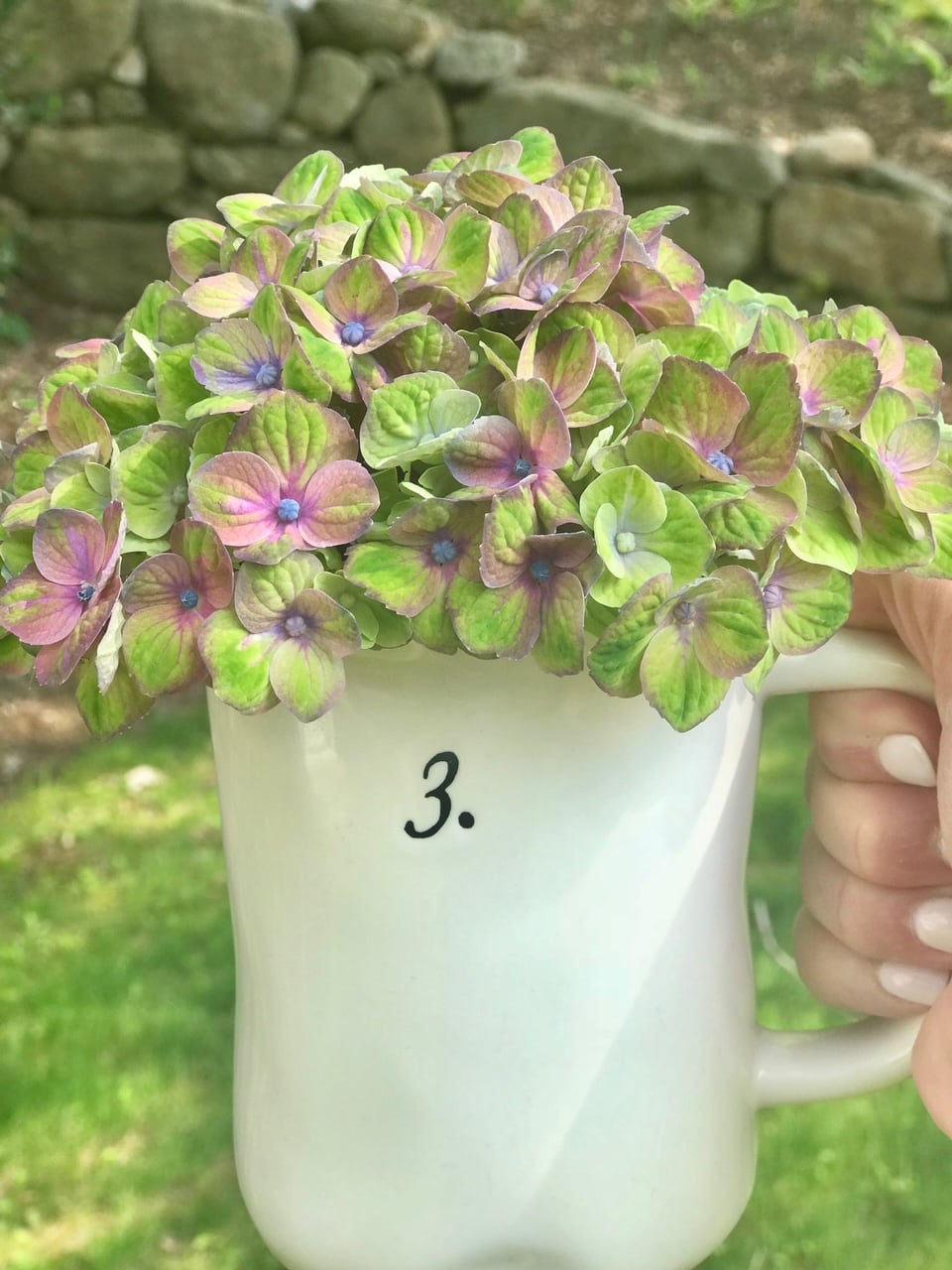
Three florist techniques for longer lasting hydrangeas
Over the years, I've used several different methods to help hydrangeas stay hydrated and extend their vase life. Some florists swear by one technique over another, but all three are worth trying to see what works best for you.
Technique #1: Strip leaves and smash stems
Start by removing most of the leaves from the stem. Hydrangea foliage requires a surprising amount of water, and removing it allows more moisture to reach the bloom.
Next, give the stem a fresh angled cut. If the hydrangea has a woody stem, place the cut end on a hard surface and gently crush the bottom inch or two with a hammer or mallet. This helps open the stem and improves water uptake.
If the hydrangea has a fresh green stem, there is no need to crush it. Simply make a fresh angled cut and place it directly into water.
Technique #2: Use a hot water treatment
Hydrangea stems naturally produce a sap that can interfere with water absorption.
After giving the stem a fresh cut, place the bottom inch of the stem into very hot water for about 30 seconds. Then transfer the stem directly into a vase of fresh water.
Many florists believe the hot water helps dissolve or loosen the sap, allowing water to move more freely through the stem.
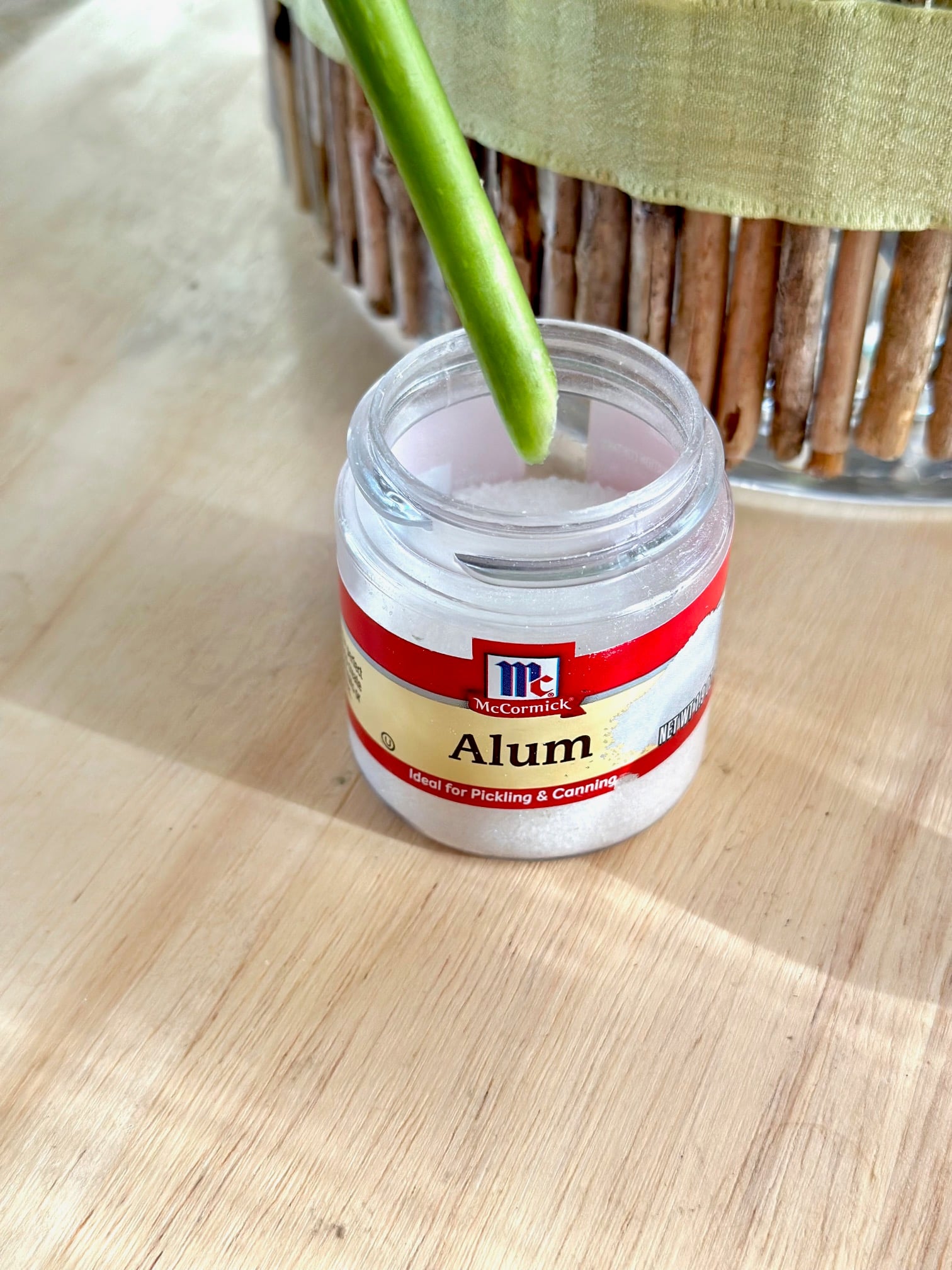
Technique #3: Dip stems in alum powder
Alum powder, commonly found in the spice aisle, is another traditional florist trick.
After making a fresh angled cut, dip the bottom of the stem into alum powder and place it directly into water.
Some florists use alum in place of the hot water method because it is quick, easy, and helps prevent the stem from sealing itself off after cutting.
Florist tip: Hydrangeas are among the thirstiest flowers I ever worked with. Whenever possible, I prefer displaying them in a vase with a direct water source rather than floral foam. While hydrangeas can be used in foam arrangements, they generally perform better when they have constant access to water through their stems.
How to revive wilted hydrangeas
Why hydrangeas can often be saved
Unlike many cut flowers, hydrangeas have the unique ability to absorb water through their blooms as well as their stems. That's why a wilted hydrangea isn't necessarily a lost hydrangea.
In many cases, even severely drooping blooms can be brought back to life with a little patience and plenty of water.
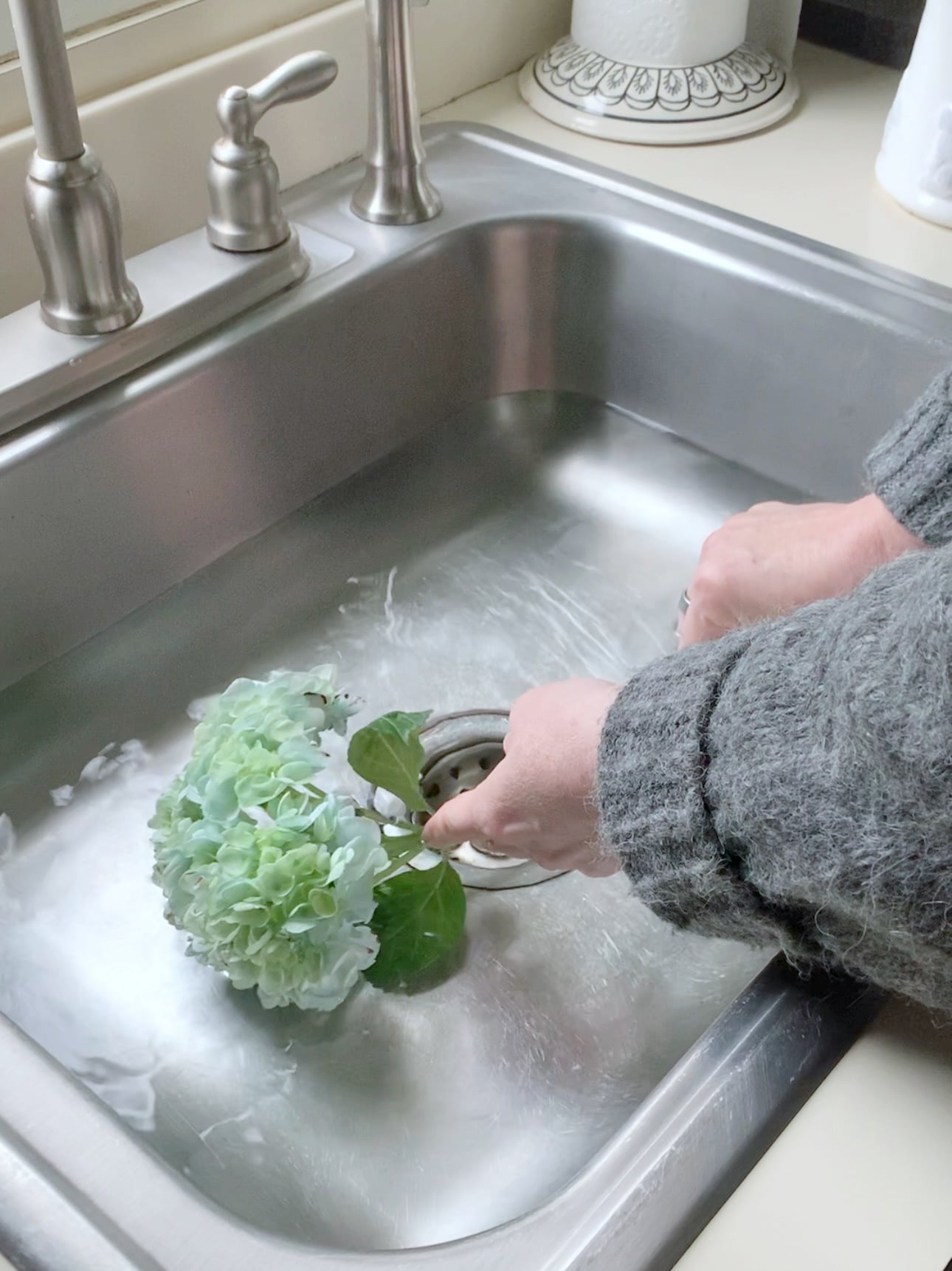
Use the sink-soaking method
At the first sign of wilting, remove the stem from the arrangement and give it a fresh cut.
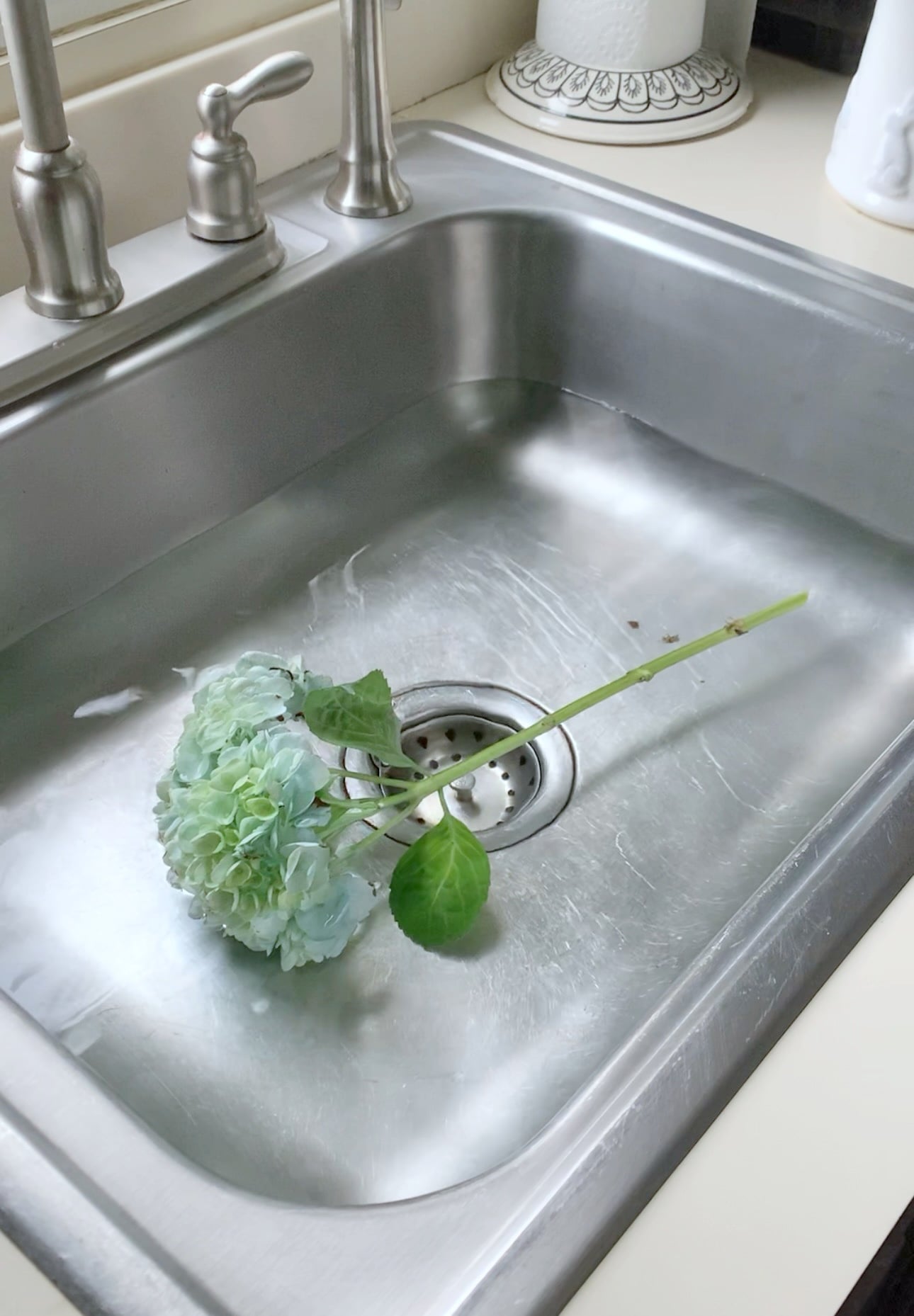
Fill a clean sink with cool water and gently submerge the entire bloom and stem. Allow the hydrangea to float in the water for at least an hour.
If the bloom is severely wilted, leave it soaking for several hours or even overnight.
When this method works best
The sink-soaking method is most successful when you catch wilting early.
As a florist, I learned not to wait. The sooner a drooping hydrangea is rehydrated, the better the chance it will fully recover.
I've seen blooms that looked completely spent return to their original beauty after a good soak.
When it probably won't work
Unfortunately, not every hydrangea can be saved.
If the bloom was cut too early, has been without water for an extended period, or is simply reaching the end of its natural vase life, recovery may be limited.
Even so, I think it's always worth trying. Hydrangeas are surprisingly resilient flowers, and they often bounce back when you least expect it.
Florist tips for longer vase life
Change the water frequently
Fresh water is one of the easiest ways to extend the life of cut hydrangeas.
Replace the water every couple of days and give the vase a quick rinse before refilling. Clean water helps prevent bacteria from building up inside the vase.
Keep hydrangeas out of direct sunlight
While hydrangeas love sunshine in the garden, cut blooms last longer when kept out of direct afternoon sun.
Too much sunlight can speed up dehydration and cause blooms to wilt prematurely.
Avoid heat sources
Keep arrangements away from heating vents, radiators, fireplaces, and other sources of heat.
Warm air causes moisture to evaporate more quickly, shortening the life of the flowers.
Recut stems when needed
If a bloom begins to look tired, try giving the stem a fresh angled cut before returning it to clean water.
This simple step can improve water uptake and often perks up the arrangement.
Remove fading blooms
As individual blooms begin to fade, remove them from the arrangement.
Not only does this keep the arrangement looking fresh, but it also allows the remaining flowers to be the focal point.
From my years as a florist: Hydrangeas aren't difficult flowers, they're just thirsty flowers. Most of the care techniques in this guide come back to one simple goal: getting as much water as possible to those beautiful blooms.
Curious about what blue hydrangeas symbolize?: Blue hydrangeas are often associated with gratitude, understanding, friendship, and heartfelt emotion. If you've ever wondered why these beloved blooms hold such special meaning, read my article on the meaning of blue hydrangeas and the memories, traditions, and emotions they evoke.
Frequently asked questions
It's best to wait until the blooms are fully mature before cutting. Mature blooms develop a slightly papery texture and generally last much longer in a vase than newly opened flowers.
With proper care, cut hydrangeas typically last between 5 and 10 days. Mature blooms, clean water, and prompt hydration can help extend their vase life.
Yes. I recommend removing most of the foliage, especially any leaves that will sit below the water line. Hydrangea leaves consume a significant amount of water, and removing them allows more moisture to reach the bloom.
Hydrangeas are a popular choice for wedding bouquets and centerpieces because their large blooms create a full, romantic look. As a florist, I used hydrangeas regularly in wedding work, but they require careful hydration, especially during hot summer events. Keeping the blooms well watered is key to their success.
More fresh cut flower design and care topics



Whether you're cutting hydrangeas from your own garden or bringing home a bouquet from the florist, a little preparation goes a long way toward keeping these beautiful blooms fresh.
The key is understanding what hydrangeas need most: water. Choose mature blooms, hydrate them quickly, and don't wait to take action if you notice the first signs of wilting.
As a former florist, I've learned that hydrangeas may have a reputation for being dramatic, but they're also surprisingly resilient. With the right care, these classic summer flowers can provide days of beauty indoors, and sometimes even bounce back when they look completely beyond saving.
Happy arranging, friends!