Chamomile Flower Meaning: What This Gentle Bloom Stands For

Chamomile just gives off calm energy, doesn't it? Tiny flowers, soft scent, the kind of plant that makes you want to exhale a little. It's been used for centuries to soothe everything from nerves to upset stomachs. But it also has a deeper meaning that's stuck around through the years. Let's explore chamomile flower meaning!
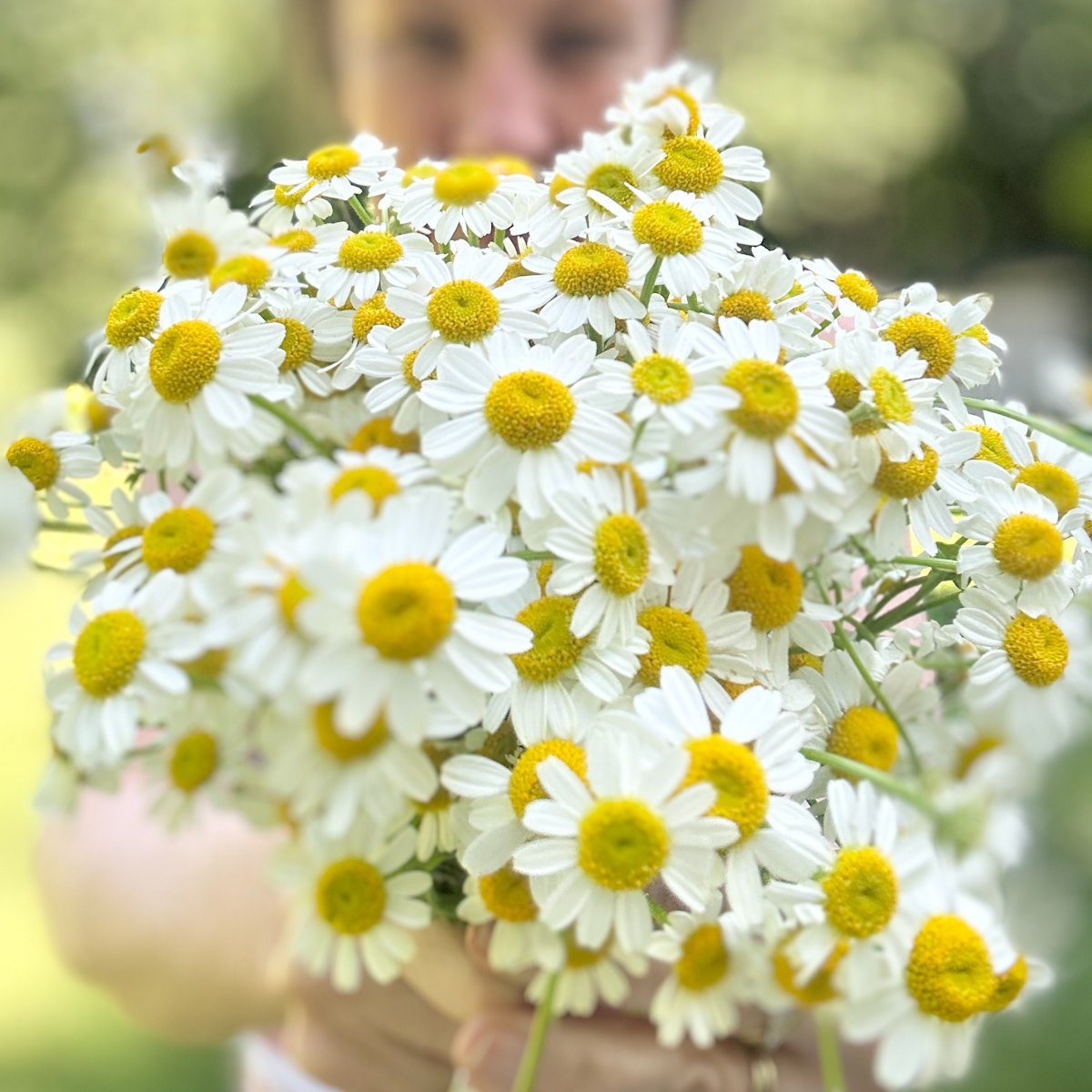
In this post, I'm diving into what chamomile really stands for. In folklore, in rituals, and in the way we still use it today. Nothing too woo woo. Just some flower magic and symbolism from someone who loves learning what our herbs are trying to tell us.
Safety and Disclaimers: If you're sensitive to ragweed, chamomile might cause a reaction. It's also not recommended during pregnancy. This post is about traditional symbolism and plant meaning, not medical advice.
Jump to:
- Chamomile flower meaning at a glance
- The old soul side of chamomile
- German vs. Roman chamomile (and what they each symbolize)
- Chamomile and spiritual uses
- How chamomile is used symbolically today
- Is chamomile a lucky or protective herb?
- Growing chamomile and bringing its energy into your space
- Frequently asked questions
- Explore more herbs and their meanings
Chamomile flower meaning at a glance
Chamomile (Matricaria chamomilla and Chamaemelum nobile) has always had a calm, steady presence. It's the kind of plant that feels like a deep breath. It's often linked with emotional traits like peace, clarity, resilience, and a general sense of everything's going to be okay.
These days, you'll find it woven into all kinds of self-care routines. From skincare to essential oils to, of course, a warm cup of herbal tea, chamomile has become a go-to for winding down and feeling grounded.
It's also a flower that's associated with gentleness, especially when it comes to sleep and stress relief. There's something about those tiny daisy-like petals that says, take a minute, you're alright.
Traditionally, chamomile has symbolized "patience in adversity." It's not a showy plant, but it always shows up. And sometimes, that's exactly the kind of energy we need.
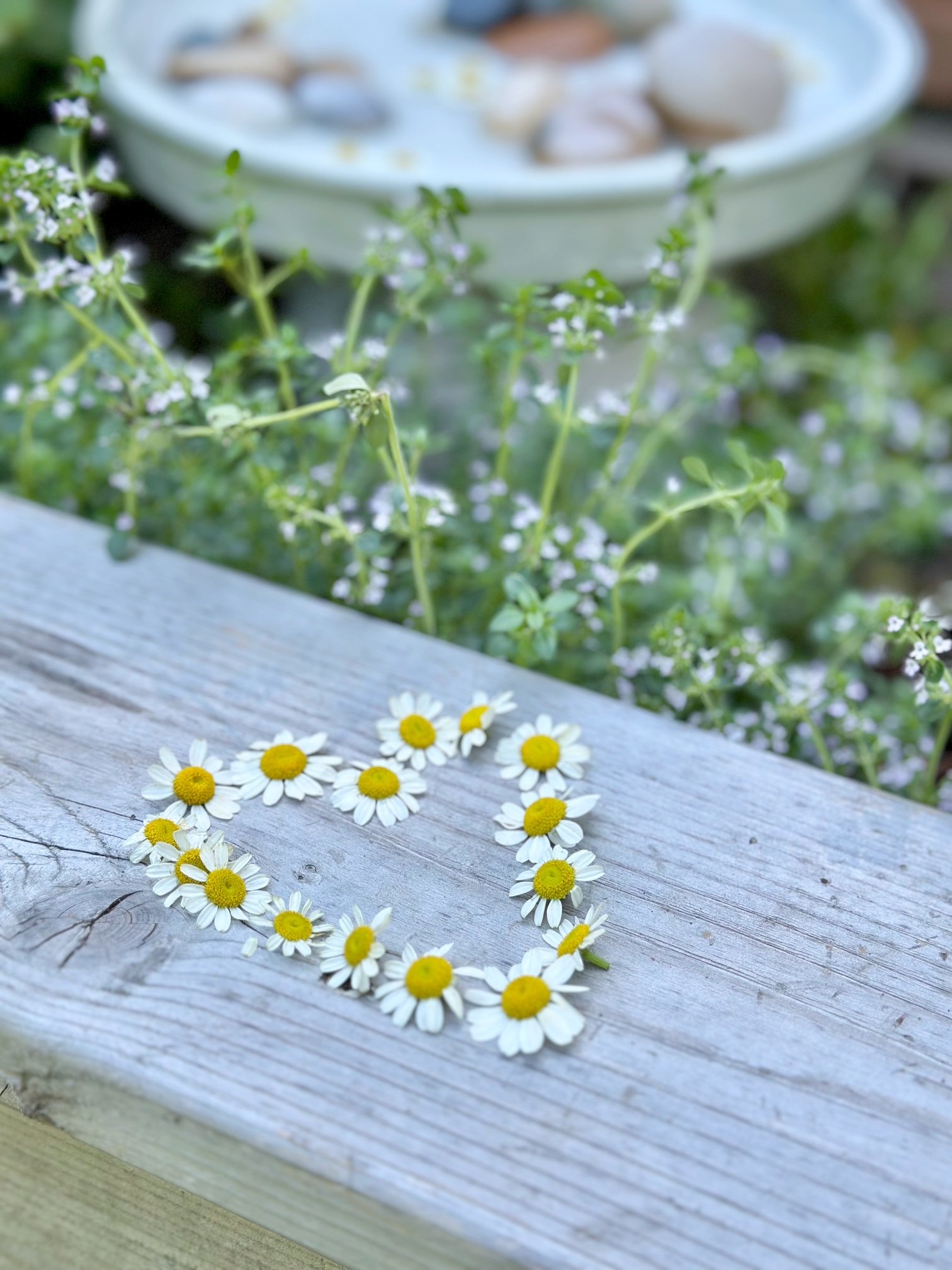
The old soul side of chamomile
Chamomile might be known for tea and sleepytime blends today, but its roots go way, way back. This little flower has been part of healing traditions, sun rituals, and sacred gardens for centuries. Here's a quick look at where it all started.
A gift to the sun gods
In ancient Egypt, chamomile was considered sacred. It was offered to the sun god Ra and used in healing blends, especially for fevers and inflammation. People believed it carried the warmth and light of the sun, which explains why it's often associated with comfort and renewal.
Chamomile in greek and roman medicine
The Greeks used chamomile for everything from calming nerves to easing digestion. It was one of those plants that always seemed to have a use, whether in a poultice or a bath. Later, the Romans brought it into their gardens and herbal practices. That's where Roman chamomile gets its name.
A staple in medieval herb gardens
During the Middle Ages, chamomile was a must-have in monastic gardens and traditional cottage plots. It was used in strewing herbs, brewed into tonics, and believed to protect the home. In Elizabethan England, people even planted it in garden paths because it gave off a lovely scent when crushed underfoot.
A flower of light
Chamomile has always had a solar connection. It's been tied to the sun not just in name, but in meaning too. Think warmth, quiet strength, and light in dark places. That solar energy still feels present when you grow chamomile at home or use it in a calming ritual.
German vs. Roman chamomile (and what they each symbolize)
There are two main types of chamomile you'll hear about: German chamomile and Roman chamomile. They're closely related but have their own personalities, both in how they grow and what they represent.
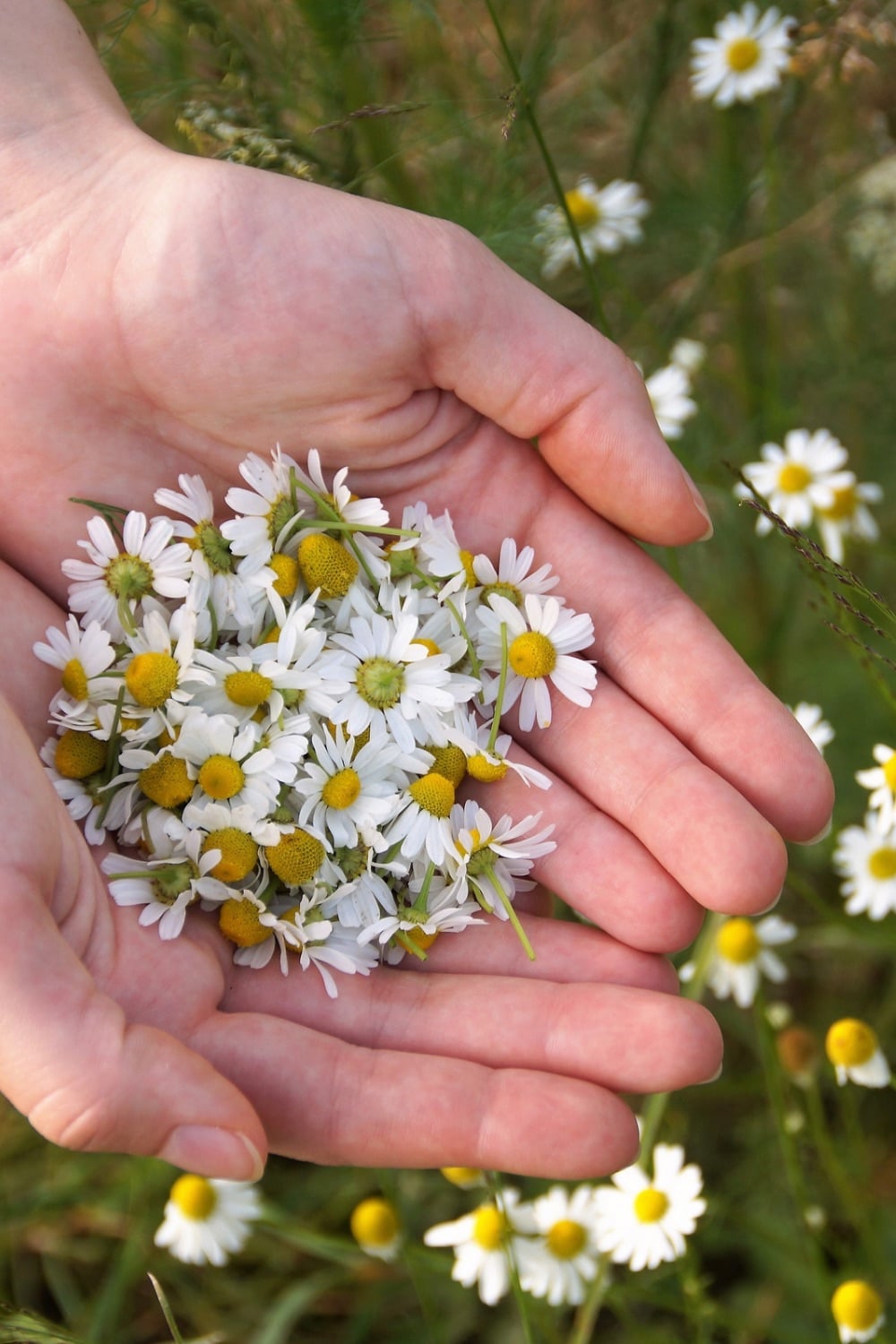
German chamomile (Matricaria chamomilla) is the wilder one. It grows tall and airy, often popping up in meadows and along roadsides. It's a little more spontaneous, a little more free-spirited. Symbolically, it's often seen as adaptive, light, and resilient. The kind of energy that bends but doesn't break.
Roman chamomile (Chamaemelum nobile) is lower to the ground and more compact. It's a garden staple, tidy and structured, and tends to grow in neat little mounds. This variety brings a more grounding energy. It symbolizes calm, order, and a sense of being rooted where you are.
If you're the kind of person who loves layering meaning into your garden or rituals, these subtle differences can be a fun way to add depth to how you work with chamomile.
Chamomile and spiritual uses
Chamomile has always had a quiet kind of magic. In folk traditions, it was used for purification and warding, often added to bath blends or burned in bundles to clear negative energy. People believed it brought peace to a space and softened heavy emotions.
It also shows up in simple symbolic rituals, especially those tied to emotional healing or rest. Chamomile is gentle, but it holds space for things like grief, burnout, and overwhelm. It's the kind of herb you turn to when you need comfort and clarity at the same time.
In herbal folklore, chamomile was often combined with plants like lavender, rose, and basil for rituals related to love, herbs for luck, and herbs for protection. Each one brings something different to the mix, and chamomile helps soften and support the energy of the others.
Whether you're lighting a candle, drawing a bath, or planting a few herbs in a pot on your windowsill, chamomile is a lovely plant to invite in when you want to feel safe, settled, and just a little more grounded.
How chamomile is used symbolically today
Even though chamomile has deep roots in folklore, it's still very much a part of modern life. These days, it shows up in ways that feel gentle, meaningful, and personal.
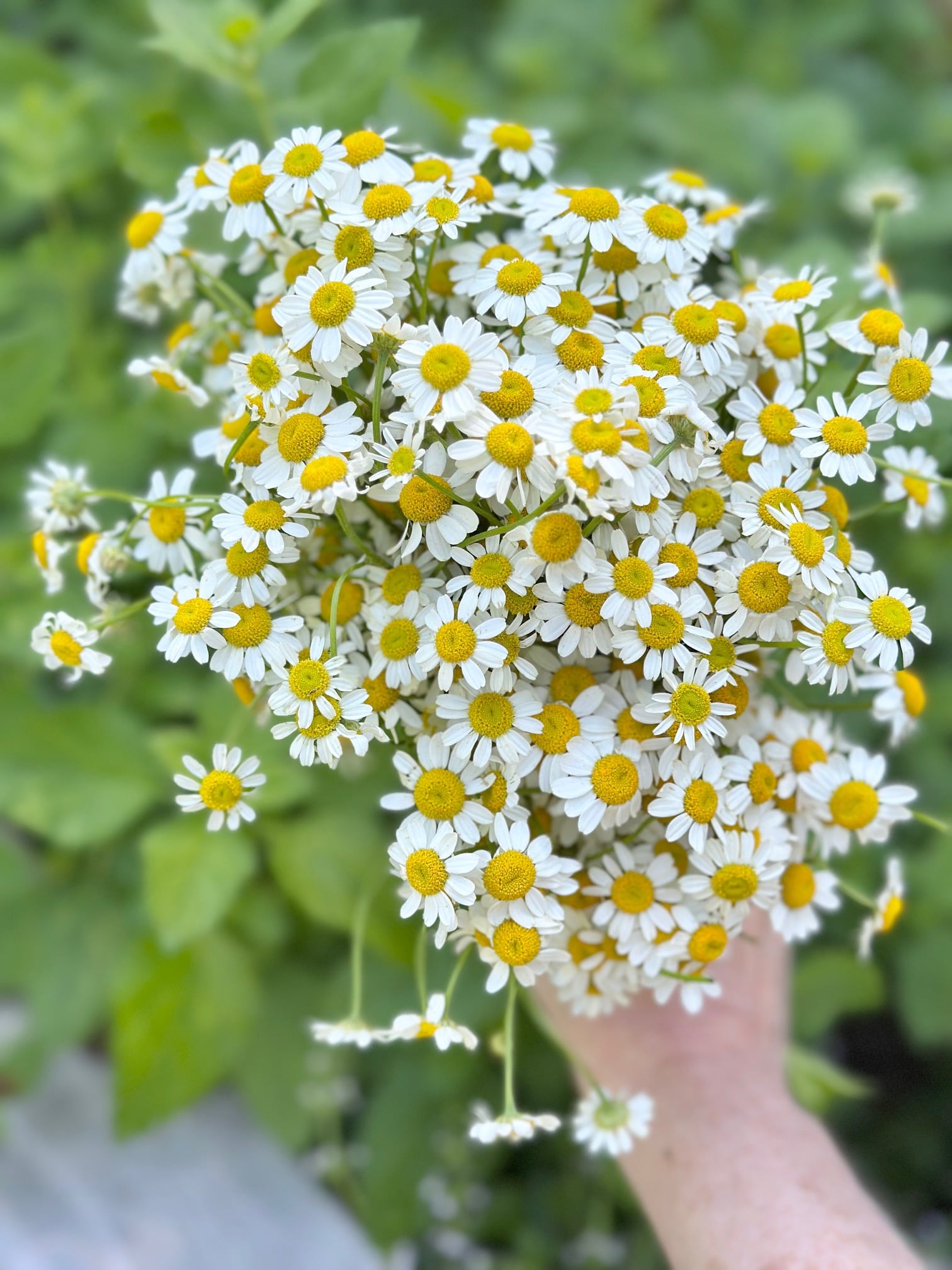
In the language of flowers, chamomile can be a lovely way to say "be well" or "take care." You'll see it tucked into dried bouquets, gifted in tea blends, or included in wellness boxes as a quiet nod to peace and calm. It's a sweet, subtle way to show support.
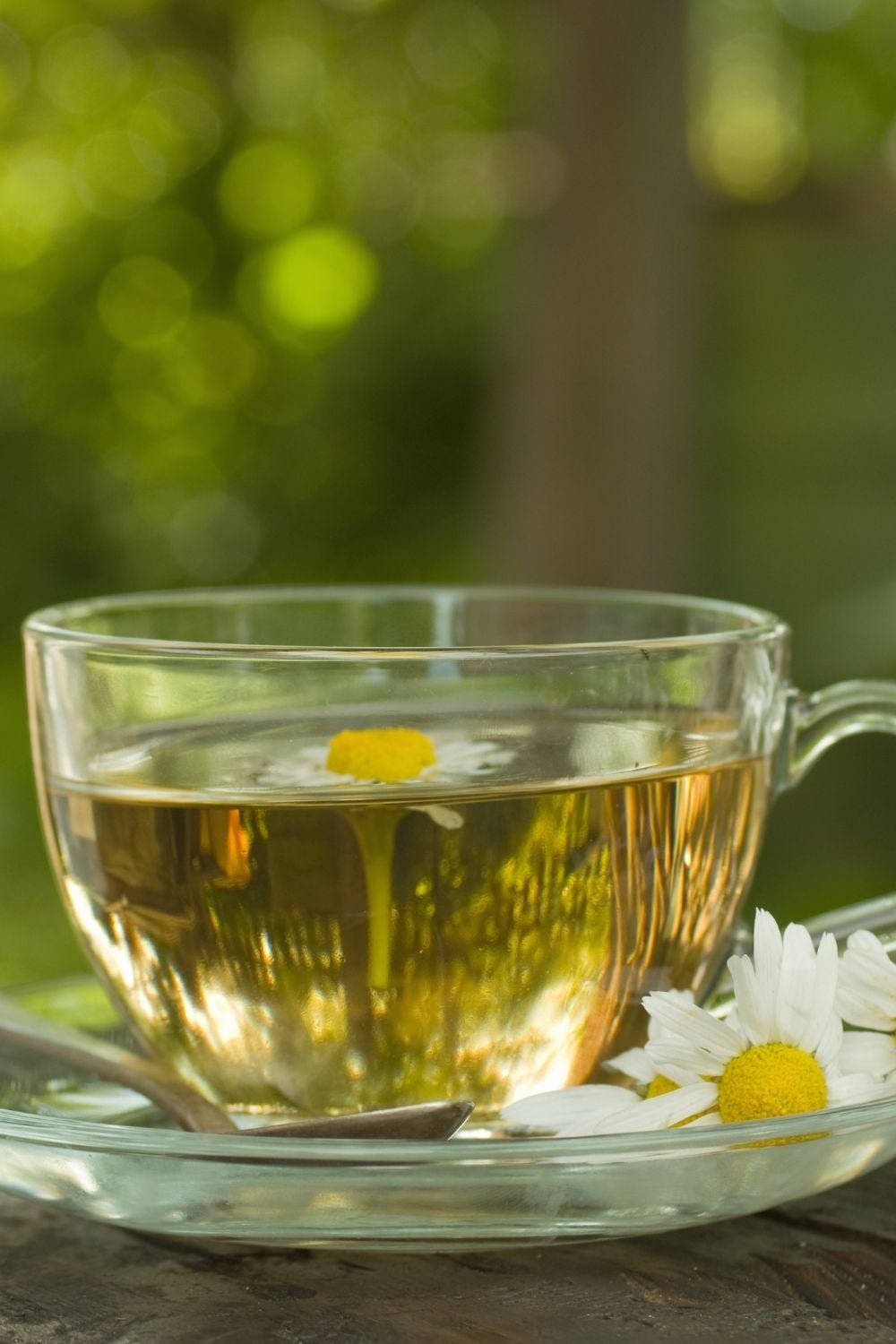
Symbolically, chamomile is often used in bath blends, sleep sachets, and herbal teas. Whether it's calming your nerves after a long day or helping you fall asleep a little faster, the meaning is always the same - rest, release, and restore.
Some people also place chamomile in meditation corners, near the bed, or in a cozy nook where they wind down at the end of the day. If you associate plants with intention or energy, chamomile brings a soft, grounding presence that helps everything feel just a little more settled.
Be sure to check out our other flower meaning posts, including the meanings of blue hydrangeas and peonies.
Is chamomile a lucky or protective herb?
Chamomile might not be the first plant that comes to mind when you think of luck or protection, but it quietly fits both roles. It's soft, calming, and nurturing - which is exactly the kind of energy you want when life feels chaotic or uncertain.
In rituals tied to love, chamomile is known for soothing the heart. It's not flashy or dramatic, but it creates a sense of safety and calm that allows love to grow, especially self-love. That's powerful in its own way.
For protection, chamomile has long been used to calm the nervous system and settle the energy in a space. People have placed it by doorways, brewed it in cleansing teas, or added it to baths when they needed to reset and recharge.
It even plays a role in success rituals. Not in a "win the lottery" kind of way, but in helping you stay clear-headed and emotionally steady. When you're not running on fumes, you're more likely to show up as your best self.
While it won't cast a spell, chamomile might soften your stress just enough to help you shine. And honestly, that feels like its own kind of magic.
Growing chamomile and bringing its energy into your space
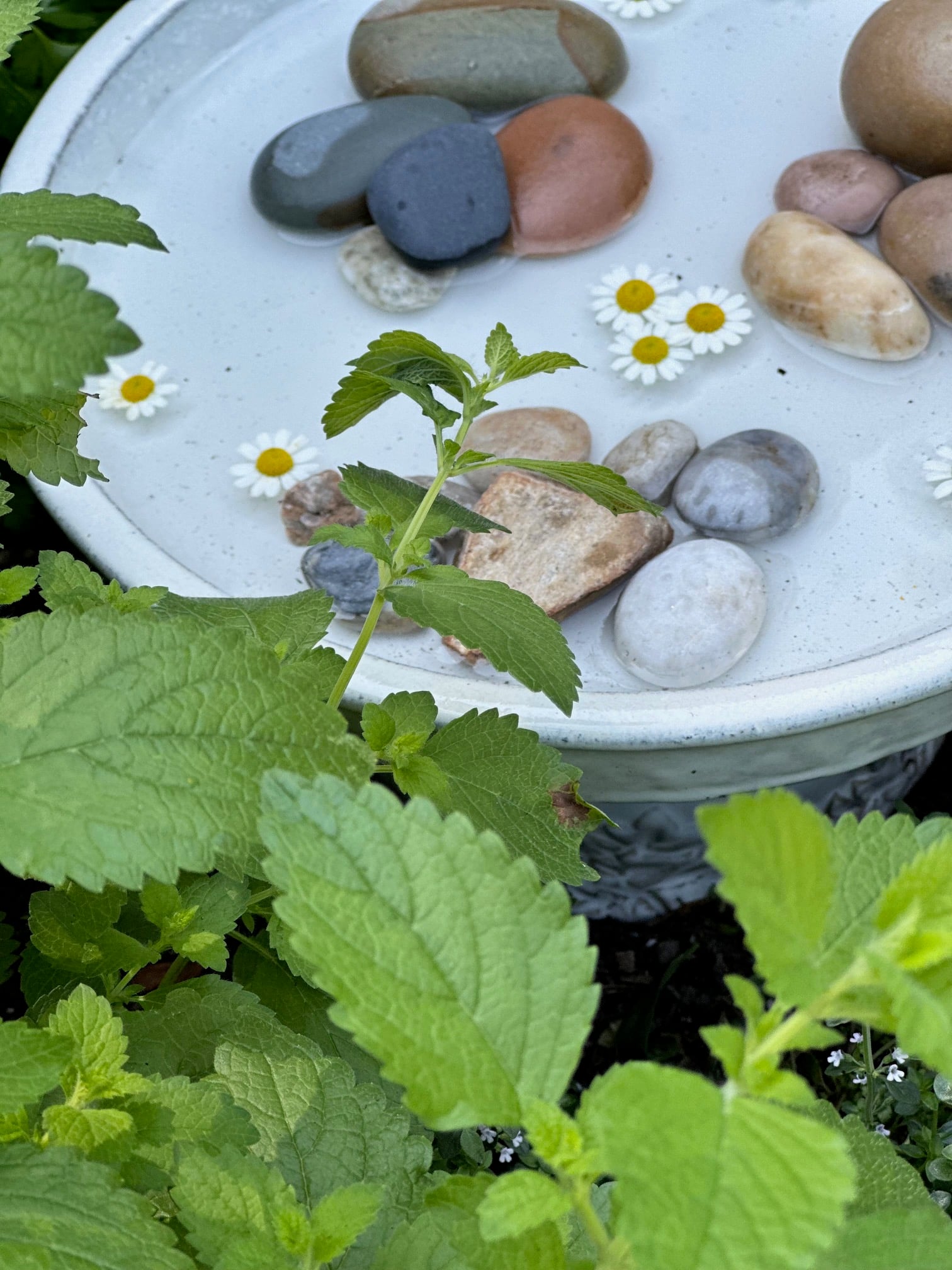
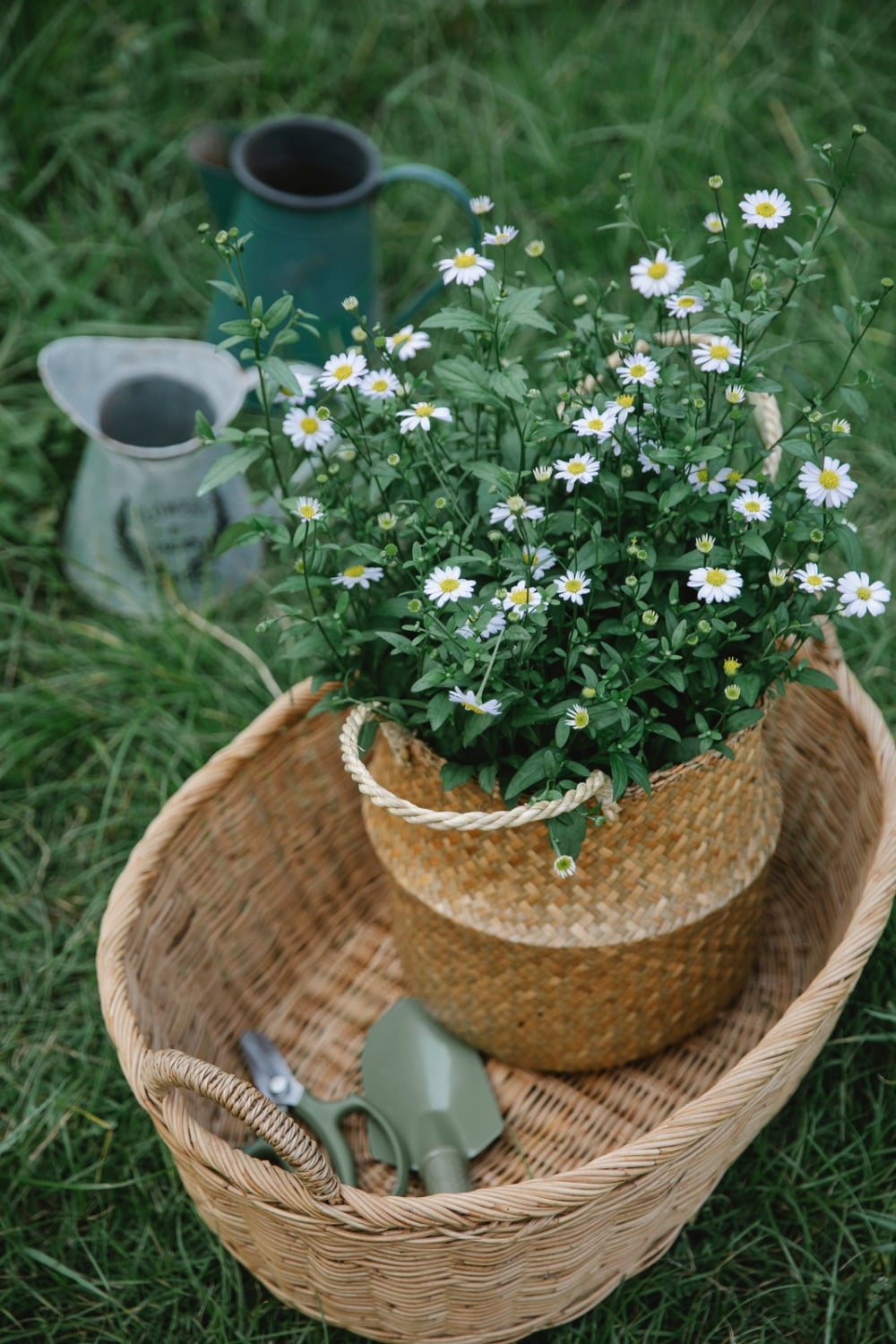
Chamomile is easy to grow, which is part of its charm. It loves full sun, well-draining soil, and a light touch when it comes to watering. Whether you're working with a garden bed or a sunny container, it doesn't ask for much. Just warmth and a little room to breathe.
You can grow it from seed or pick up a starter plant from a local nursery or a trusted source like The Grower's Exchange or RHS. Either way, it's a low-maintenance herb that gives a lot back.
If you're not ready for a full herb garden, try keeping a small pot of chamomile on your windowsill. It's lovely near a kitchen tea station or in a cozy bedroom corner where you wind down at night. The scent alone adds a soft, sunny feel to the space. And there's something meaningful about having it nearby.
Chamomile isn't just easy to care for. It's a reminder to slow down, soften your space, and let little rituals bring more calm into your day.
Frequently asked questions
Chamomile flowers are often seen as symbols of peace, calm, and quiet resilience. They're the kind of bloom that brings emotional softness and clarity, especially during stressful or uncertain times. It's the plant version of a deep breath.
Spiritually, chamomile is used for purification, emotional healing, and gentle protection. It's believed to clear negative energy and create a peaceful atmosphere, which is why it's often used in bath blends, teas, and rituals for rest and renewal.
Chamomile symbolizes patience, endurance, and inner strength. In traditional folklore, it was linked to the sun and thought to carry warmth and light. Today, it still carries that quiet strength, making it a favorite in both gardens and self-care routines.
Chamomile means different things depending on the culture, but most agree it represents healing, calm, and comfort. It's one of those herbs that shows up in both ancient remedies and modern rituals because it's simple, steady, and deeply soothing.
Explore more herbs and their meanings
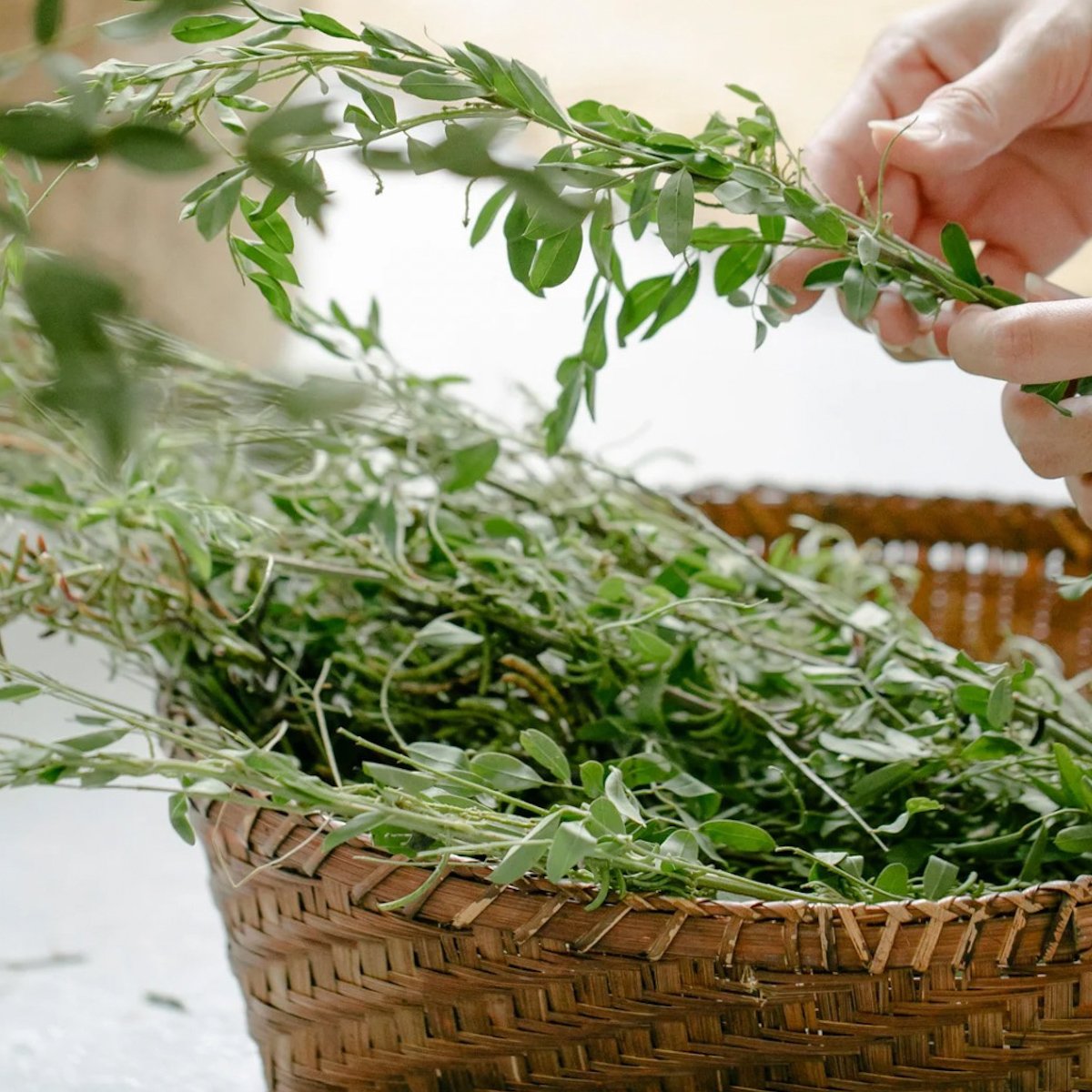
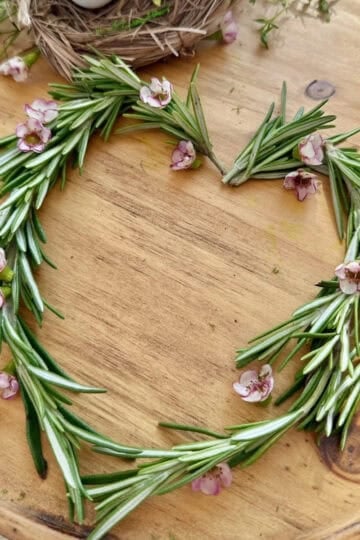

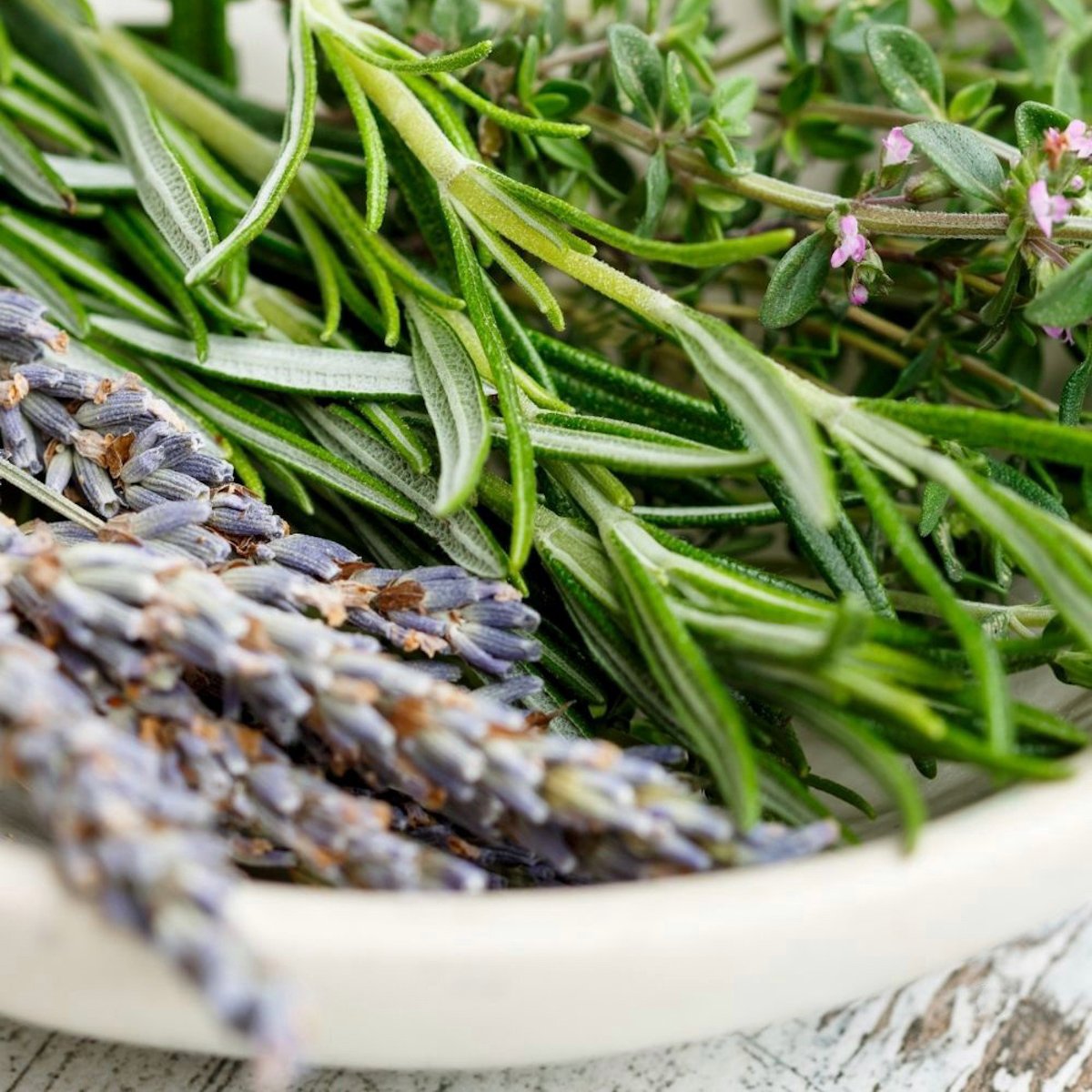
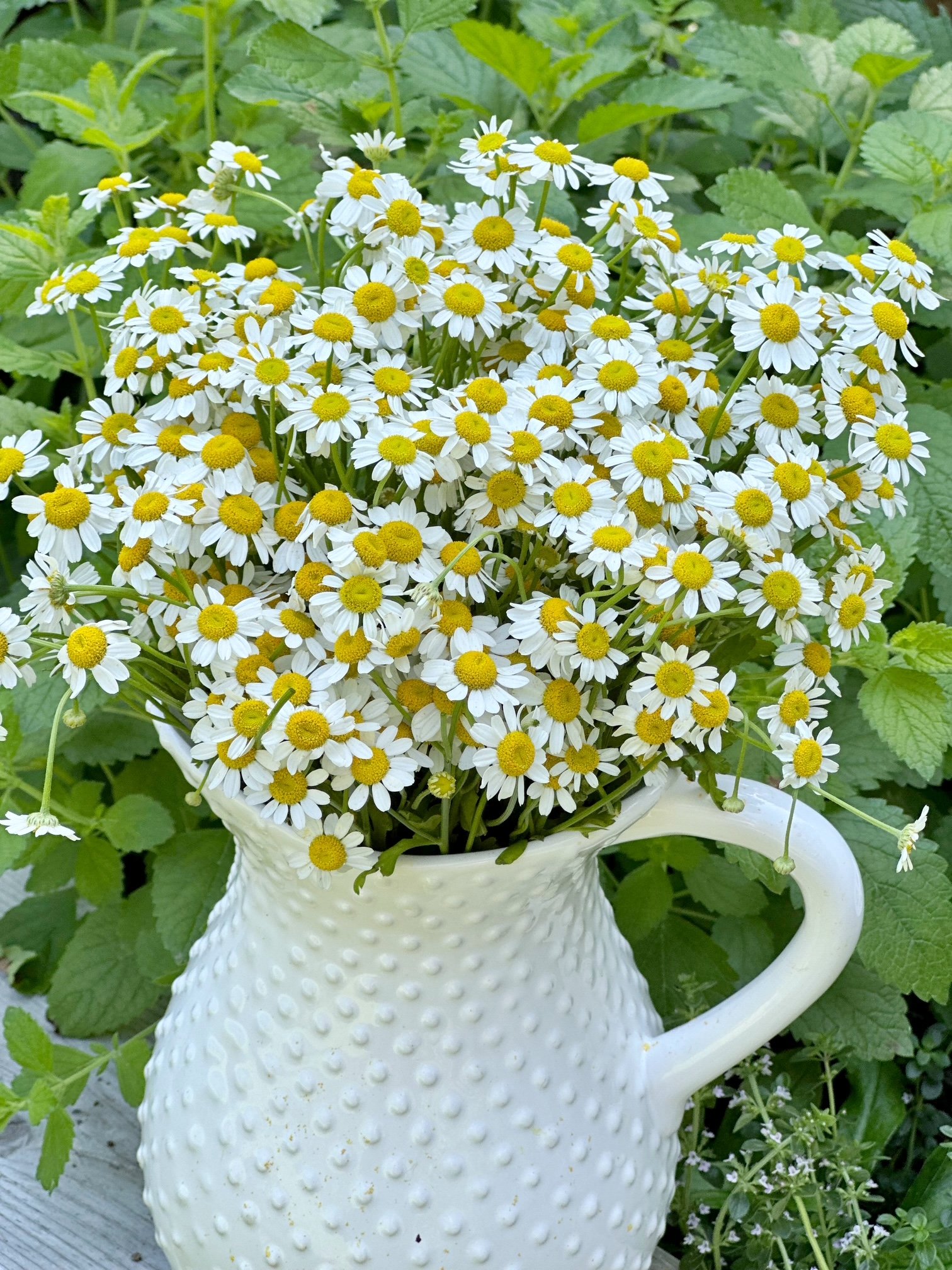
Chamomile is soft, but it's strong too. That's what makes it so special. It brings a steady kind of comfort that shows up when you need it most.
Do you grow chamomile or use it in your home? I'd love to hear how it fits into your own rituals or garden. What does it mean to you?
Happy Growing Friends!