Lavender Tree Care: How to Grow One Indoors or Outdoors

A lavender tree is not a true tree but a lavender plant trained into a topiary form, with a single woody stem and a rounded crown of fragrant foliage and purple blooms. Often sold as "lavender trees" at garden centers, these compact plants thrive in full sun and well-draining soil and can be grown outdoors or kept indoors part of the year. With proper pruning and care, lavender trees stay small, add structure to patios and gardens, and return each season in suitable climates.
Content may contain affiliate links. When you shop the links, we receive a small commission at no cost to you. Thanks for supporting my small business.
I've spent years growing lavender in garden beds and containers, both indoors and outdoors. Along the way, I also dry lavender and use my harvest in baking and simple home projects.
One of my favorite ways to grow lavender is as a lavender tree, sometimes called a lavender topiary, because it brings both structure and softness to a space with its upright form and fragrant blooms.
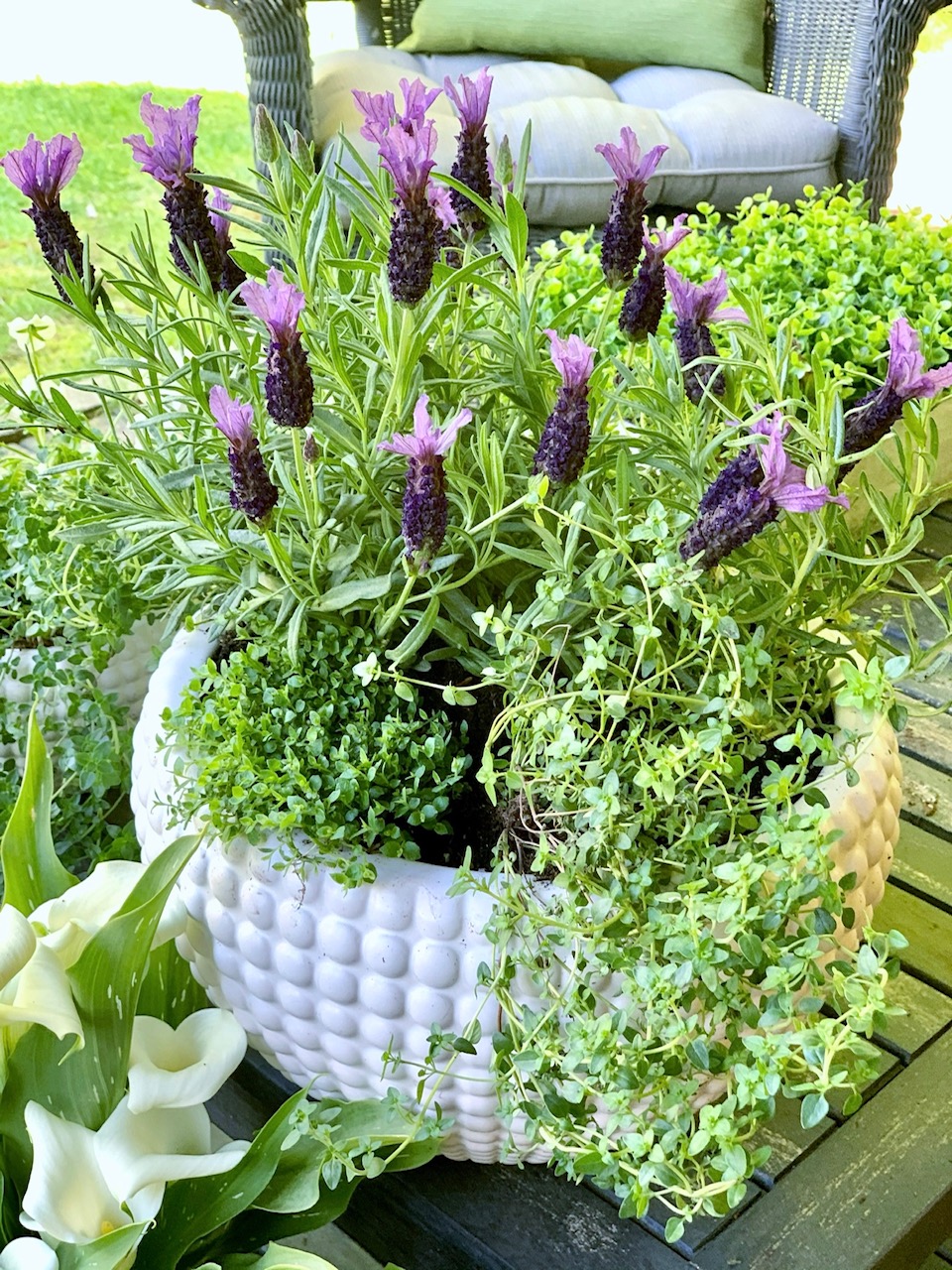
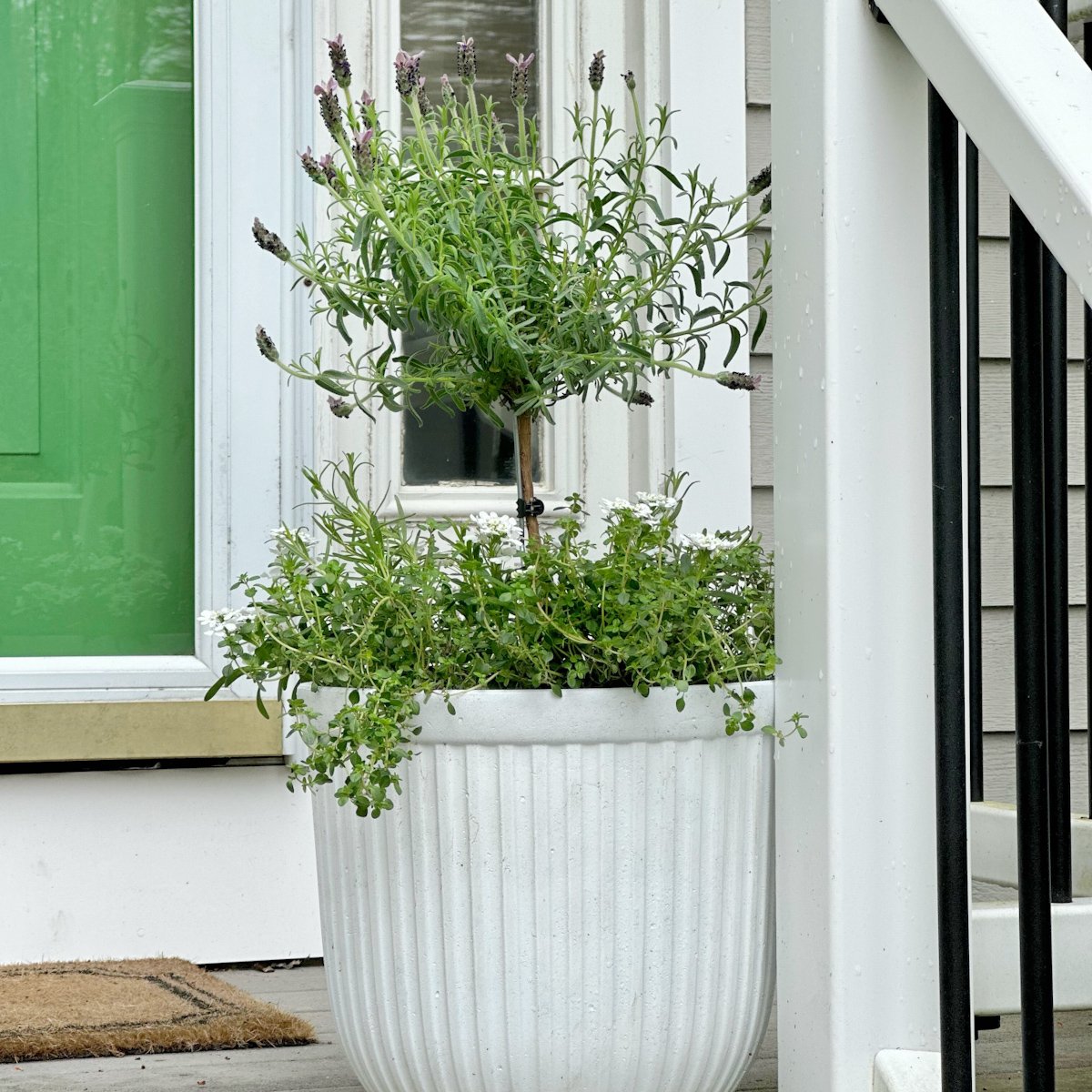
A lavender tree has the same silvery foliage and purple flowers as traditional lavender, but it's trained into a single stem with a rounded top, giving it a more architectural look. You'll often see them styled in pots on patios, porches, or sunny indoor spaces, where they add height and interest without taking up much room.
The good news is that lavender trees are not difficult to care for once you understand the basics. Light, drainage, watering habits, and pruning matter far more than complicated routines, and care can vary slightly depending on whether your tree is grown indoors or outdoors.
Jump to:
- What is a lavender tree?
- Lavender tree care at a glance
- Best varieties for lavender trees
- Purchasing a lavender tree
- Tips for planting your lavender tree
- Indoor lavender tree care
- Outdoor lavender tree care
- Lavender tree planters and companion plants
- Seasonal care for lavender trees
- Outdoor lavender tree care by season
- Transitioning between indoors & outdoors
- Maintenance and pruning
- Troubleshooting common lavender tree problems
- Frequently asked questions
- Expand your lavender growing know how
This growing guide is part of our full Herb Index, where you'll find care instructions, propagation tips, and harvesting timelines for each herb.
What is a lavender tree?
A lavender tree starts as a standard lavender plant, but instead of growing outward as a shrub, it's trained through pruning to grow upward on a single stem with a rounded crown of foliage and flowers. While traditional lavender grows as a low, bushy shrub, these upright forms are shaped through regular pruning to grow up instead of out.
The most common varieties used for lavender trees are English lavender (Lavandula angustifolia) and Spanish lavender (Lavandula stoechas), though French lavender can also be trained successfully. English lavender is a perennial in many climates and tends to be more cold hardy, which makes it a better choice for outdoor lavender trees in cooler regions, including Zone 6.
Lavender trees typically grow about 2 to 3 feet tall, with a rounded top that spreads 1 to 2 feet wide. Their compact size makes them ideal for containers, patios, small gardens, and anywhere you want added height without taking up much ground space.
Lavender tree care at a glance
Short on time? These are the basic care needs for a healthy lavender tree.
Indoor Trees:
Pot: Choose a container 1 to 2 inches wider than the root ball with excellent drainage
Light: Bright, direct light. A south-facing window is ideal
Water: Allow the top 2 inches of soil to dry between waterings
Soil: Use a fast-draining mix with added perlite or sand
Prune: Remove shoots from the trunk and shape the top regularly
Outdoor Trees:
Location: Full sun, at least 6 hours per day
Soil: Well-draining soil amended with grit or perlite
Water: Deep but infrequent watering once established
Winter: Bring potted trees indoors in zones below 7
Prune: Shape after flowering and remove trunk shoots promptly
Common Mistakes to Avoid:
- Overwatering, the most common cause of failure
- Using regular garden soil that holds too much moisture
- Growing in low light, which leads to leggy growth
- Over-fertilizing, which reduces flowering
Wondering what to plant with your lavender tree?
Once your tree is healthy and established, adding the right companion plants can turn it into a beautiful, full container. I put together a guide with my favorite filler and spiller combinations.
→ What to plant with a lavender tree

Best varieties for lavender trees
Not all lavender varieties are well suited for training into tree form. Some grow too densely, others spread too wide, and a few simply refuse to hold a clean, rounded shape. After growing and testing many varieties over the years, these are the ones that perform most reliably as lavender trees.
For beginners:
- 'Hidcote' English lavender: Compact growth and sturdy stems
- 'Munstead' English lavender: Naturally upright habit makes training easier
- 'Anouk' Spanish lavender: Quick-growing with distinctive flower shape
For cold climates:
- 'Arp' English lavender: Survives down to zone 5 outdoors
- 'Phenomenal' English lavender: Handles humidity better than most
For indoor trees:
- 'Goodwin Creek Grey': Tolerates indoor conditions well
- 'Silver Anouk': Attractive silvery foliage even when not blooming
In general, smaller-leaved varieties are easier to maintain as lavender trees. Large, sprawling lavenders may look impressive in the ground, but they tend to flop or lose their shape when trained as standards.

Purchasing a lavender tree
Lavender trees are often sold already trained into topiary form, which makes them a great option if you want the look without the time it takes to shape one yourself. Garden centers and nurseries typically carry them seasonally, especially in spring.
When choosing a pre-trained lavender tree, look for a plant with a straight, sturdy trunk and healthy growth at the top. The foliage should be full and green, with no large woody or bare patches. Avoid plants sitting in soggy soil or containers without proper drainage, as excess moisture is one of the fastest ways to lose a lavender tree.
Pay more attention to the health of the roots and overall structure than the decorative pot it comes in. A healthy lavender tree can always be repotted, but poor root health is difficult to correct later.

Tips for planting your lavender tree
Whether you've purchased a pre-trained lavender tree or grown your own, proper planting plays a major role in long-term success. Lavender trees prefer dry roots, excellent drainage, and a setup that allows air to move freely around the base.
For container growing
- Choose a pot only 1 to 2 inches wider than the root ball
- Make sure the container has excellent drainage
- Use terra cotta or unglazed ceramic pots when possible
- Avoid oversized containers that hold excess moisture
For garden planting
- Select a location with full sun, at least 6 hours per day
- Amend soil with grit or sand to improve drainage
- Create a slight mound if your soil tends to stay wet
- Space lavender trees at least 2 feet apart
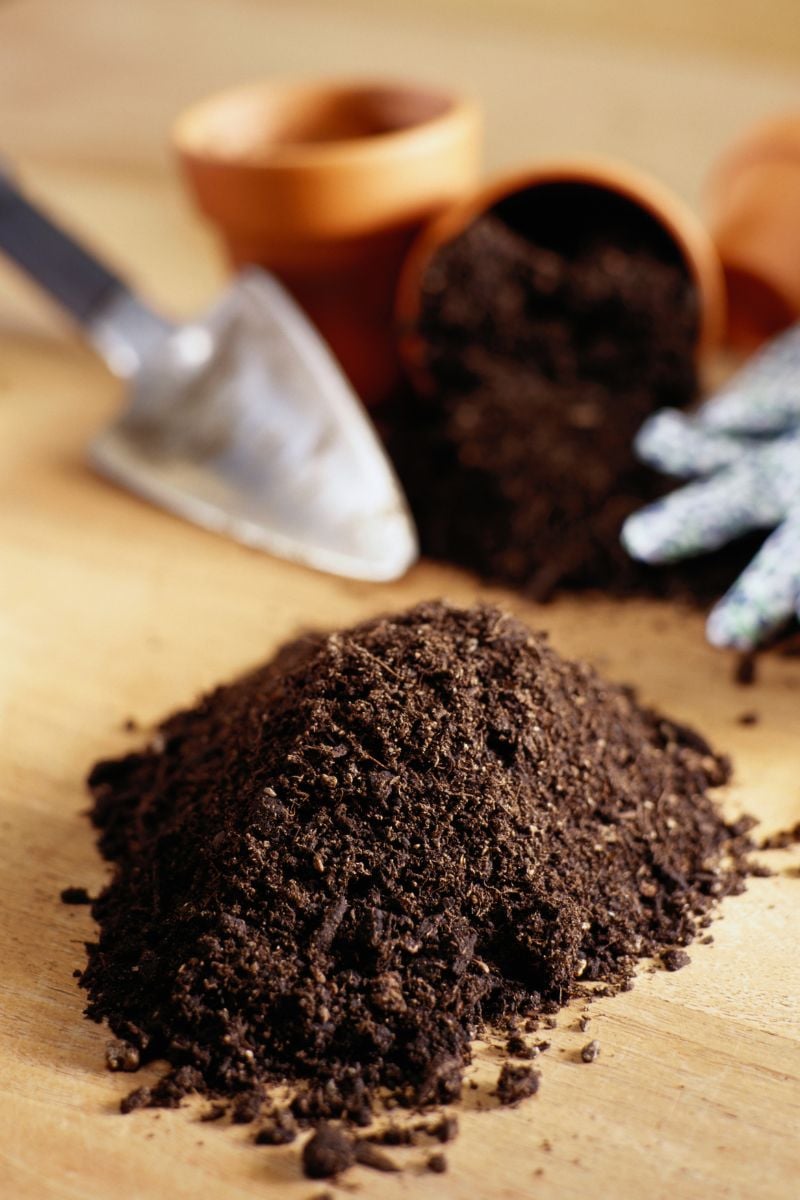
Lavender grows best in lean, fast-draining soil. A simple planting mix using potting soil combined with perlite and sand works well, especially for containers. Avoid rich composts or heavy garden soil, which hold too much moisture and can lead to root problems.
Tip: When planting or transplanting, handle the trunk carefully and set the plant at the same depth it was growing before. Water lightly after planting, then allow the soil to dry before watering again. Overwatering is the most common cause of failure with lavender trees.

Indoor lavender tree care
Lavender trees can grow successfully indoors with the right conditions. The goal is to provide strong light (mine do best in my south facing window), excellent drainage, and an environment that stays on the dry side rather than overly cozy or humid.
Choose the right container
Use a pot that is only 1 to 2 inches wider than the root ball. Lavender prefers slightly snug conditions, and oversized containers hold excess moisture that can lead to root problems.
Terra cotta or unglazed ceramic pots work especially well because they allow moisture to evaporate more easily than plastic containers.
Indoor potting soil
Lavender does best in fast-draining soil. A lightweight mix that does not retain excess moisture is key for indoor growing.
A simple option is a blend of standard potting soil mixed with sand or grit and perlite to improve drainage. Avoid rich, moisture-holding mixes, which can cause roots to stay wet for too long.
Light requirements
Light is the most important factor for indoor lavender trees. Place your plant in the brightest location possible, ideally a south-facing window where it can receive at least 6 hours of direct sunlight per day.
If adequate natural light is not available, a grow light is recommended, especially during fall and winter months. Insufficient light leads to weak, leggy growth and reduced flowering.
Temperature and humidity
Lavender prefers moderate indoor temperatures with cooler nights, ideally around 60°F. Avoid placing your tree near heating vents, drafty doors, or areas with frequent temperature fluctuations.
Humidity should remain low to moderate. Lavender does not benefit from humidifiers and generally performs well in dry indoor air.
Air circulation
Good airflow helps prevent pest issues and fungal problems. Stagnant indoor air can stress lavender, especially in winter when windows remain closed.
A gentle fan nearby is sufficient to keep air moving. Avoid strong or direct airflow on the plant.
Common indoor pests
Lavender is relatively pest-resistant, but indoor conditions can occasionally attract spider mites, aphids, or fungus gnats. Check the undersides of leaves and the soil surface regularly.
If pests appear, allow the soil to dry slightly between waterings and use simple controls such as neem oil sprays or gently wiping leaves with a damp cloth.
Preventing leggy growth
Leggy growth is a sign of inadequate light. If stems begin stretching toward the window, increase light exposure or add a grow light.
Rotating the pot every few days helps maintain even growth. Light pinching of new growth encourages a fuller, more compact shape.
Fertilizing indoor lavender trees
Indoor lavender trees require minimal fertilization. Overfeeding encourages soft growth and fewer blooms.
Apply a light, diluted fertilizer only during the active growing season in spring and early summer. Skip fertilizing entirely in fall and winter. Lavender performs best when nutrients are kept modest and soil remains well-drained.

Outdoor lavender tree care
Lavender trees thrive outdoors when given full sun, excellent drainage, and minimal interference. Whether your tree lives outside year-round or spends summers outdoors, these guidelines will keep it healthy and well-shaped.
Choosing the right location
Lavender requires full sun to perform well outdoors. Choose a location that receives at least 6 to 8 hours of direct sunlight each day.
The site should be open and bright with good air circulation, especially while the tree is establishing. Avoid low spots where water collects after rain. If your soil stays consistently damp, container growing or raised planting is a better option.
Planting in the ground
Dig a hole the same depth as the root ball and about twice as wide. Set the tree so the top of the root ball sits level with the soil surface. Do not bury the trunk.
Space lavender trees at least 2 feet apart to allow airflow and reduce disease pressure.
Backfill with amended soil, press gently to remove air pockets, and water lightly to settle the roots. Avoid deep or frequent watering during establishment.
Outdoor soil requirements
Lavender prefers lean, fast-draining soil. Rich or moisture-retentive soil leads to weak growth and root problems.
A reliable outdoor mix includes native soil amended with coarse sand or crushed granite and a small amount of perlite to improve drainage.
Avoid compost, manure, or heavily amended garden soil. If your soil is clay-heavy, plant on a slight mound or in a raised bed to improve drainage.
Managing weather and seasonal stress
Lavender trees are more delicate than bush lavender. In windy areas, stake young trees during their first season to prevent trunk damage.
In colder climates, outdoor lavender trees require protection. In zones 5 to 7, trees should be planted in sheltered locations and mulched lightly at the base with gravel or straw. Avoid covering the trunk.
Container-grown trees should be moved to a protected garage, porch, or indoor space before hard freezes. In spring, reintroduce them outdoors gradually to prevent stress.
Pests and diseases
Lavender is naturally resistant to most pests, but outdoor plants may occasionally encounter aphids or spittlebugs. These are easily managed with water sprays or manual removal.
Fungal issues are almost always related to excess moisture. Yellowing leaves, wilting, or soft stems often indicate poor drainage or overwatering. Correct soil conditions rather than applying treatments.
Fertilizing outdoor lavender trees
Outdoor lavender trees require very little fertilizer. For in-ground trees, one light application of a balanced, slow-release fertilizer in early spring is sufficient for the entire growing season.
If growth appears weak or flowering declines, lightly top-dress with compost placed away from the trunk or add a small amount of calcium-rich amendment such as crushed eggshells. Avoid frequent feeding, as excess nutrients reduce flowering and weaken structure.

Lavender tree planters and companion plants
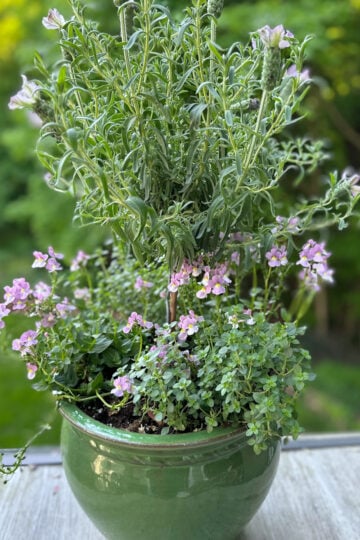
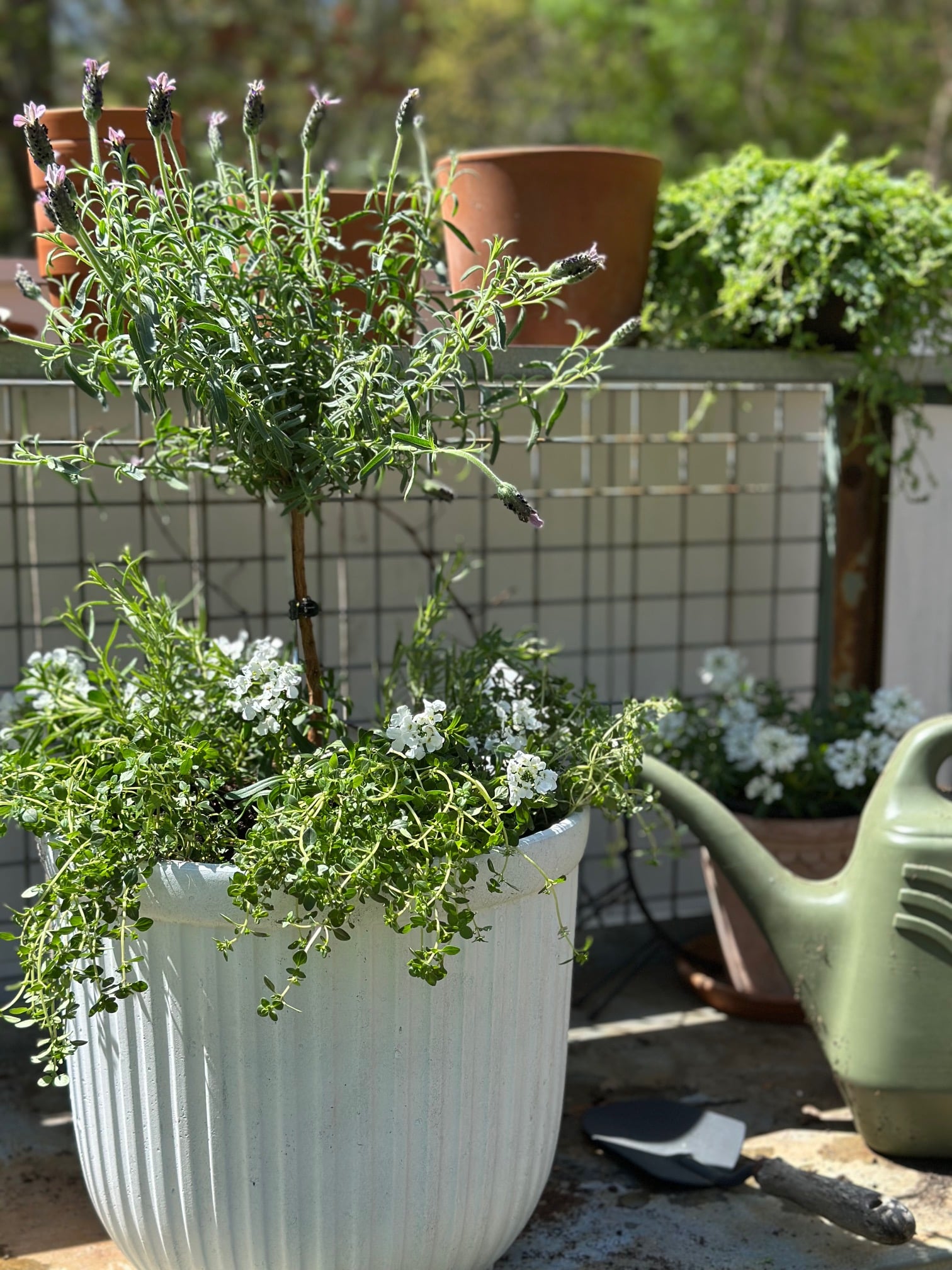
Lavender trees look beautiful on their own, but they also work well as the focal point in a mixed container when planted thoughtfully.
If you choose to plant companions around your lavender tree, keep these guidelines in mind:
- Use a container at least 12 to 16 inches wide with excellent drainage
- Choose plants that prefer full sun and dry soil
- Leave 2 to 3 inches of open space around the trunk for airflow
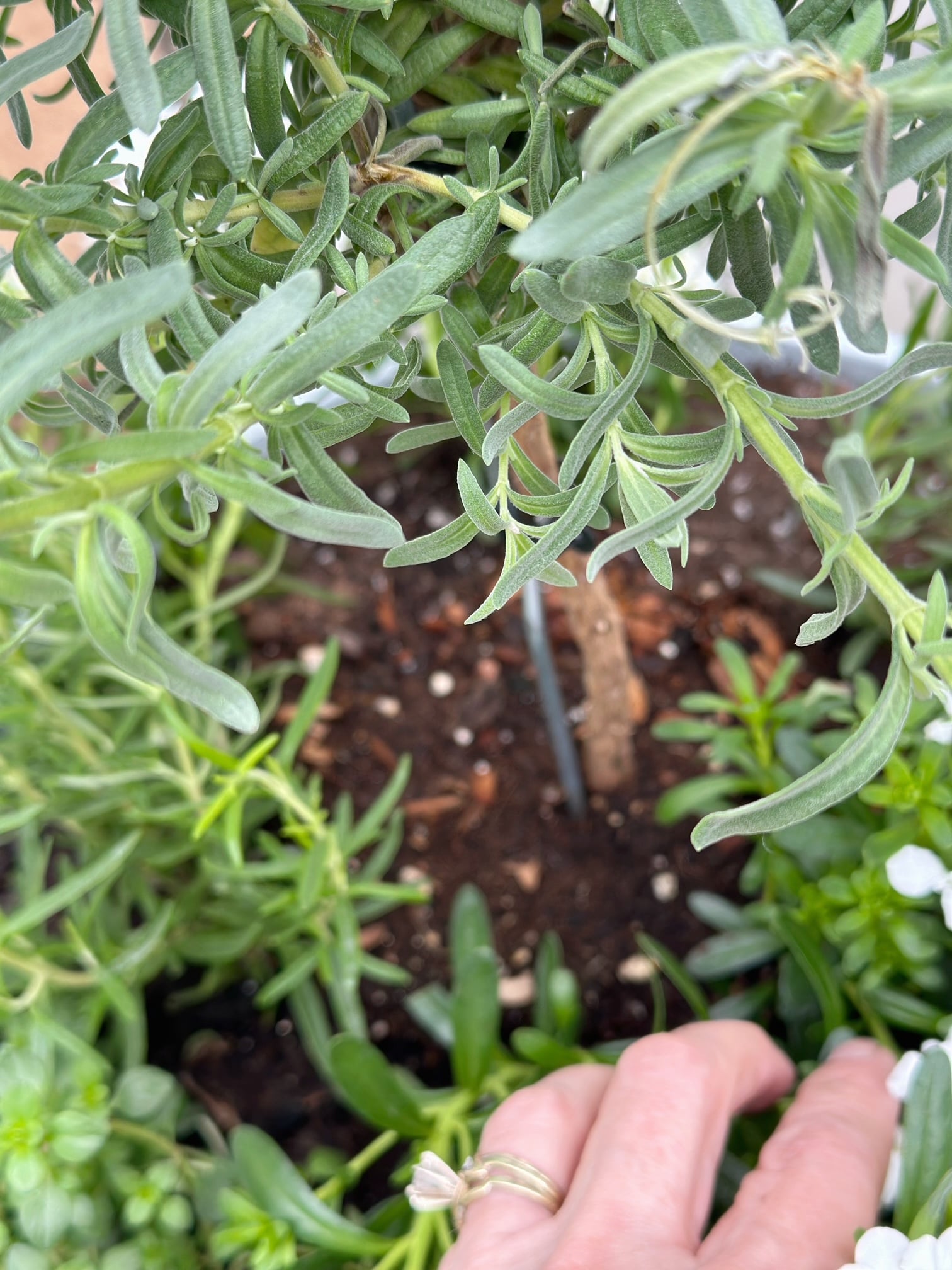
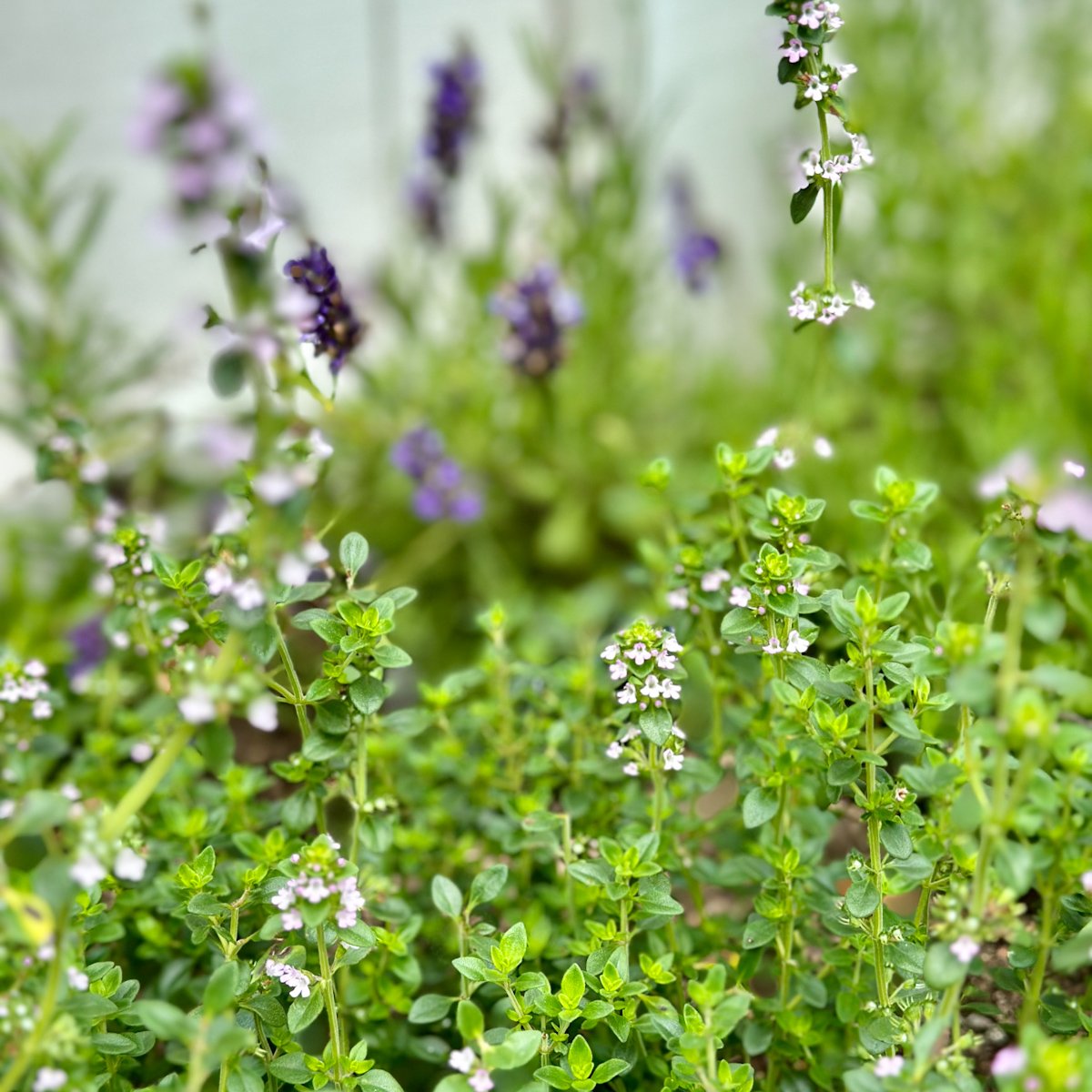
Good companion options for lavender include creeping thyme, sweet alyssum, sedum, and silver-foliage plants that will not compete for moisture.
If you want detailed planter layouts, seasonal combinations, and companion plant ideas, see my full guide on creating lavender tree planters.
Seasonal care for lavender trees
Lavender trees don't need constant attention, but their care does change slightly throughout the year. This seasonal overview helps you stay on track without overthinking it.
Spring
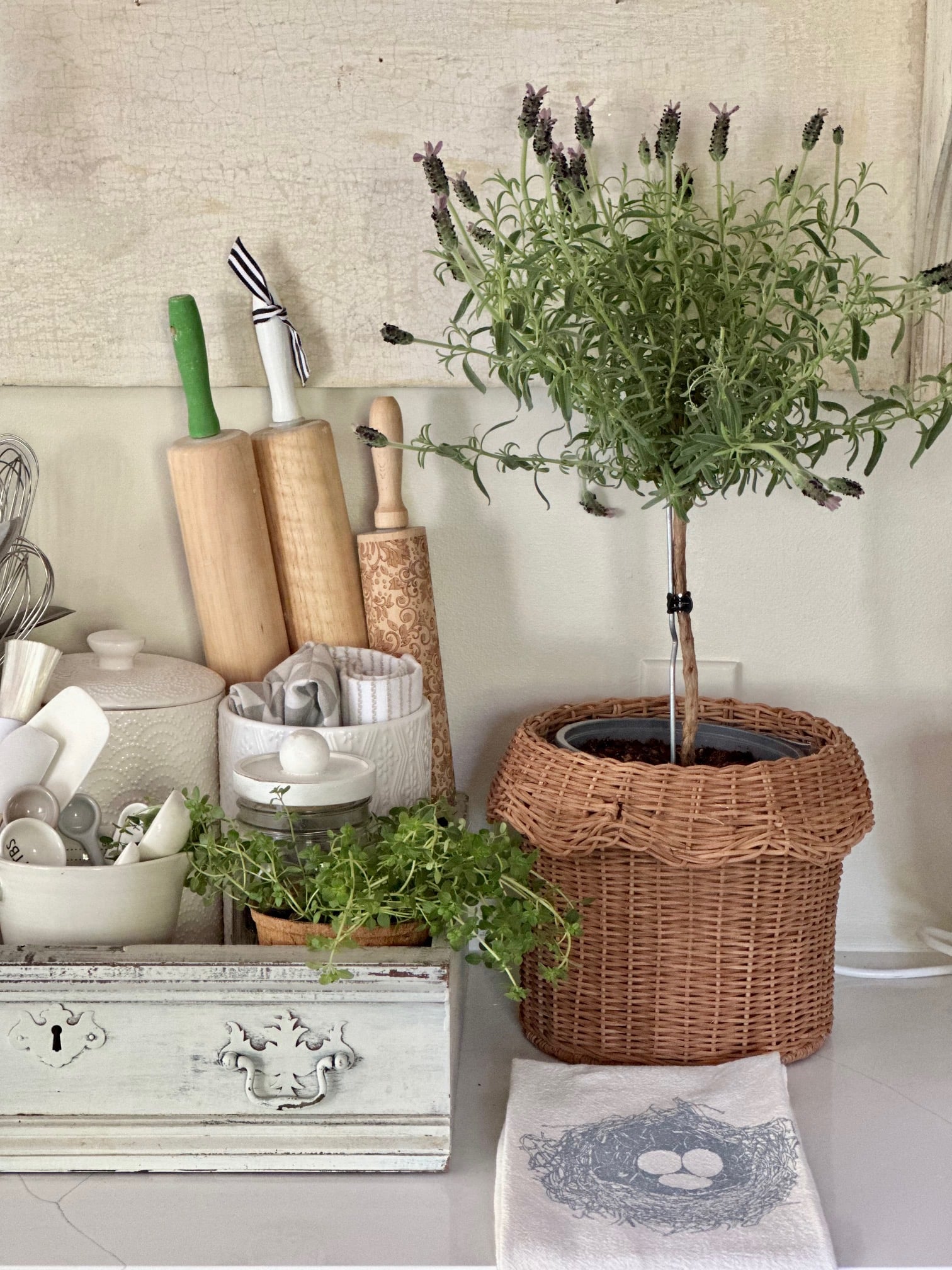
Move your lavender tree to a brighter spot as daylight increases. Resume light pruning to maintain shape and begin feeding once a month with a diluted fertilizer if new growth appears. Check for root binding and repot only if necessary.
Summer
Water when the top inch of soil feels dry. If possible, gradually move your plant outdoors for the summer, allowing it to acclimate slowly to prevent sun stress. Continue light pruning and watch for spider mites or aphids in dry indoor air.
Fall
Bring your lavender tree indoors before nighttime temperatures drop below 45°F. Reduce watering and stop fertilizing so the plant can naturally slow down. Give it a final light prune and rotate the pot weekly to keep growth even.
Winter
Place your lavender tree in the brightest window available. Water sparingly, usually every 10 to 14 days. Skip fertilizer entirely and check occasionally for pests that thrive in dry indoor conditions.
Outdoor lavender tree care by season
Spring
- Prune dead or woody growth before new leaves appear
- Top-dress with a bit of lime if your soil leans acidic
- Re-stake if wind or snow knocked things around
- Check drainage after spring rains
Summer
- Water deeply but infrequently (once a week is often plenty)
- Deadhead blooms to encourage more flowers
- Watch for fungal issues in humid climates, keep airflow strong
- Pinch off any growth trying to sprout from the trunk
Fall
- Stop fertilizing by late summer
- Prune lightly to maintain shape (don't cut back too hard)
- In colder zones, move pots to a sheltered spot or prep for wrapping
- Mulch the root zone (not the trunk!) with gravel or straw
Winter
- For in-ground trees in mild zones, wrap with burlap if temps dip below 20°F
- For container trees, bring them into an unheated garage or bright indoor spot
- Water sparingly, just enough to keep roots from drying out completely
- Skip pruning and let it rest (like you, lavender needs a break)
Transitioning between indoors & outdoors
Moving your lavender tree in and out each year? Here's how to keep it from going into shock:
Spring move-out:
- Start with a few hours in dappled sun each day
- Increase sun exposure gradually over 1-2 weeks
- Hold off on fertilizing for a week after the move
- Re-acclimate to wind and temp swings slowly
Fall move-in:
- Bring inside before nighttime temps drop below 45°F
- Inspect for hitchhiking pests (spider mites love a free ride)
- Trim lightly to reduce stress
- Place in a bright spot and reduce watering frequency right away
Maintenance and pruning
Proper maintenance and pruning are essential for keeping your lavender tree in top shape, whether it's indoors or outdoors. Pruning helps maintain a neat, tree-like appearance, encourages healthy growth, and prevents your lavender from reverting to its bushy form. Here's what you need to know for both settings:
Indoor lavender tree pruning
• Focus on light, regular pruning to maintain a clean trunk and rounded top
• Remove any shoots forming along the trunk
• Prune primarily in early spring, with light touch-ups after flowering
• Avoid heavy pruning in winter
Outdoor lavender tree pruning
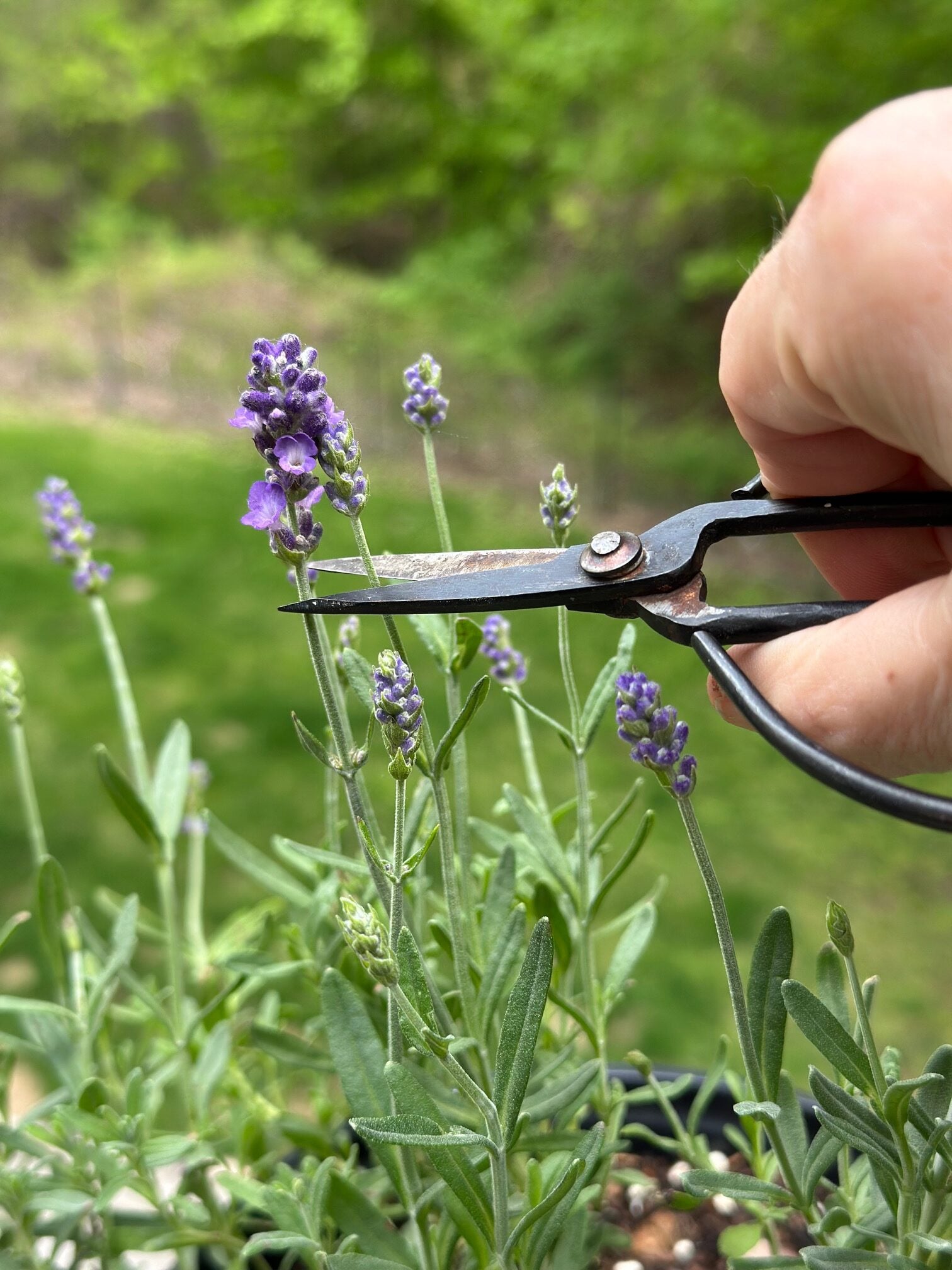
• Prune after flowering to remove spent blooms
• Maintain the tree shape by trimming lightly rather than cutting hard
• Remove any growth forming at the base of the trunk
• Avoid cutting into bare, woody stems without green growth
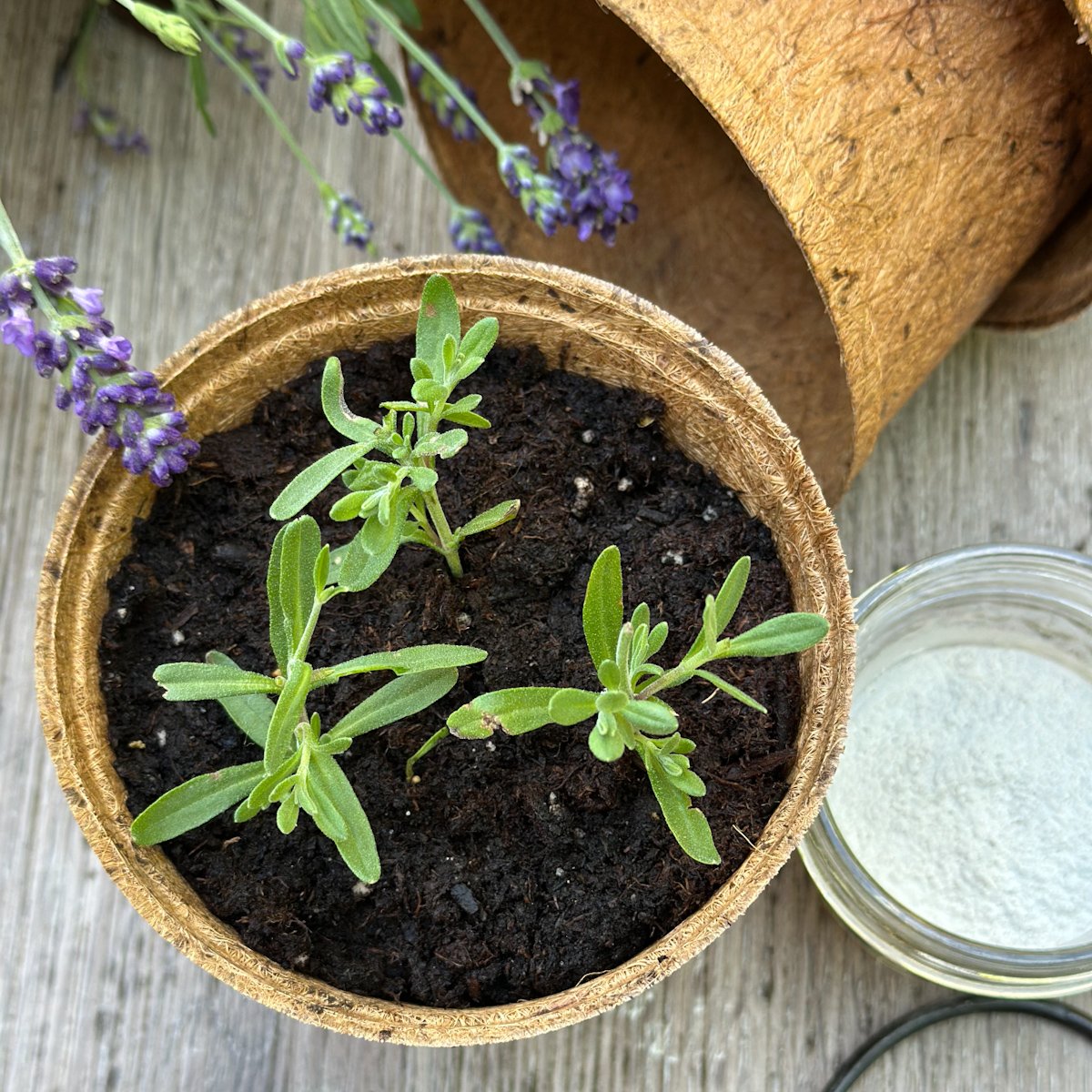
Tip: When I prune my lavender trees, I always save the cuttings and propagate them instead of tossing them. I've had the best success taking cuttings from healthy, established plants, and it's an easy way to grow new lavender from what would otherwise be waste.
Troubleshooting common lavender tree problems
Most lavender tree issues come down to light, water, or drainage. If your plant looks unhappy, check these common symptoms and quick fixes before making big changes.
Yellowing leaves
Yellow leaves are most often caused by overwatering or poor drainage. Let the soil dry out between waterings and make sure excess water can escape freely from the pot or planting area.
Leggy or stretched growth
Long, thin stems with sparse foliage usually mean the plant is not getting enough light. Move your lavender tree to a brighter location and prune lightly to encourage compact growth.
Drooping or wilting leaves
Wilting can be caused by either too much or too little water. Check the soil moisture before watering and adjust gradually rather than drastically.
Poor flowering
A lack of blooms is typically related to insufficient sunlight or overfertilizing. Lavender trees need at least six hours of direct sun and minimal feeding to flower well.
Pests
Spider mites, aphids, and fungus gnats can appear when air circulation is poor or conditions stay too damp. Improve airflow, allow soil to dry slightly, and treat infestations early with insecticidal soap if needed.
For a detailed troubleshooting chart with indoor and outdoor comparisons, see my complete guide to lavender tree problems and solutions.
Frequently asked questions
Lavender trees can come back each year, but it depends on the variety and climate. In warmer zones (typically zones 7-10), lavender trees can remain outdoors year-round if planted in the ground or protected containers. In colder climates, potted lavender trees need to be brought indoors or moved to a sheltered space for winter to survive.
Most lavender trees stay relatively compact, usually reaching about 2 to 3 feet tall with a rounded top that spreads 1 to 2 feet wide. Growth can vary depending on the variety, pruning habits, and whether the tree is grown indoors or outdoors.
Yes. A lavender tree is the same plant as standard lavender, but it has been pruned and trained into a tree or topiary form. Botanically, lavender remains a woody perennial shrub. The "tree" shape is created through regular pruning and maintenance, not genetics.
Lavender trees can survive winter outdoors only in mild climates and with the right conditions. English lavender varieties are the most cold-hardy, but even they may struggle in freezing temperatures. In colder regions, lavender trees should be overwintered indoors, in a garage, or in a protected area to prevent root damage.
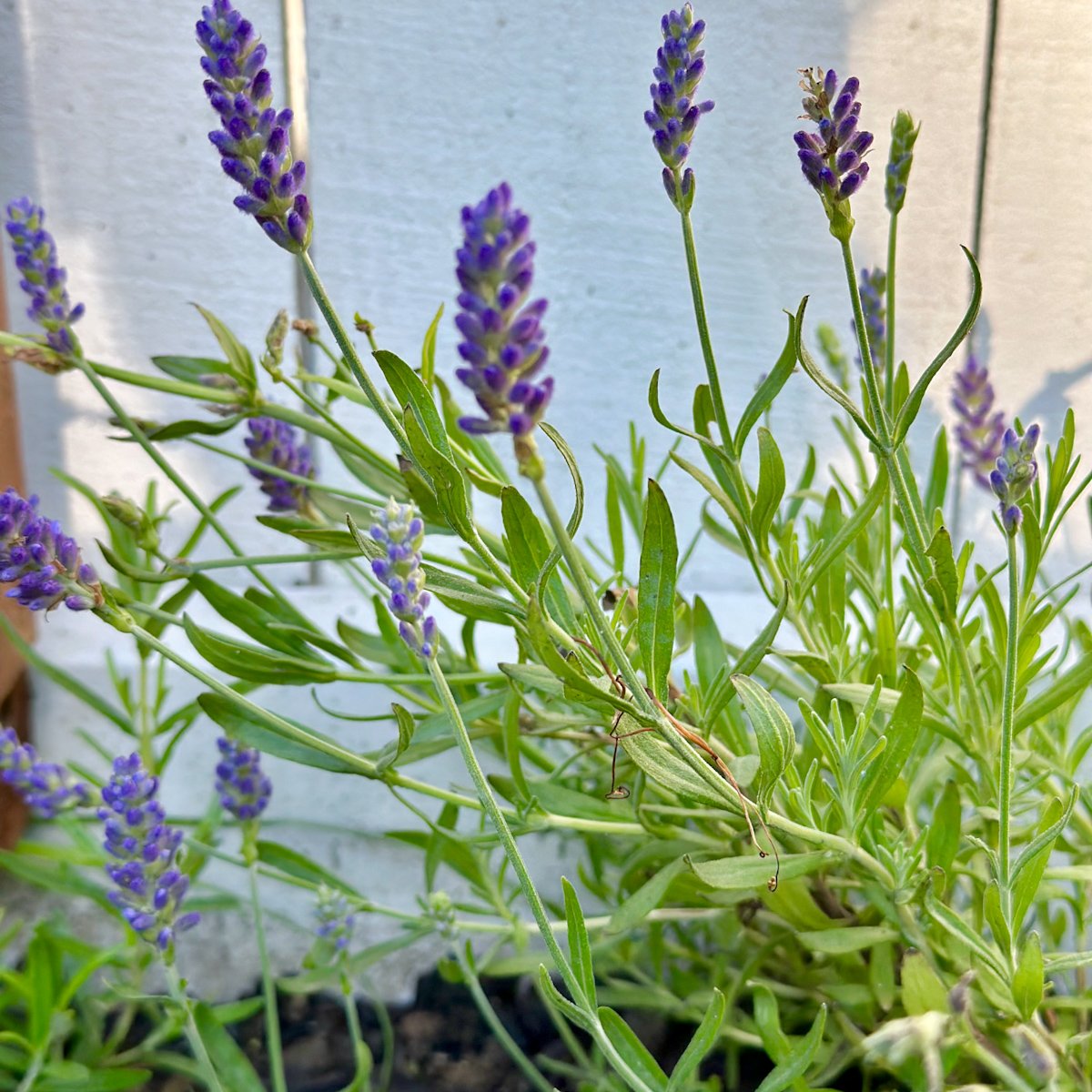


Whether you're growing a lavender tree indoors or out, success comes down to the basics: well-drained soil, plenty of hours of sun, and a little proper care. With the right conditions, your lavender will reward you with those signature upright flower spikes and that unmistakable fragrance we all love. It's a plant that looks fancy but doesn't ask for much, just a sunny spot and a gardener who isn't too heavy-handed with the watering can. You've got this!
Happy growing!