Chive Blossom Vinegar (And Why I Make It Every Spring)

Chive blossom vinegar is one of my favorite ways to preserve spring from the garden. Made by steeping fresh chive blossoms in vinegar, this simple infusion develops a beautiful rosy color and a delicate flavor that's far milder than most people expect. I use Prosecco white wine vinegar for a softer taste and love turning the finished vinegar into homemade salad dressings. If your chives are blooming, this easy recipe is a wonderful way to capture their brief season before the flowers fade.
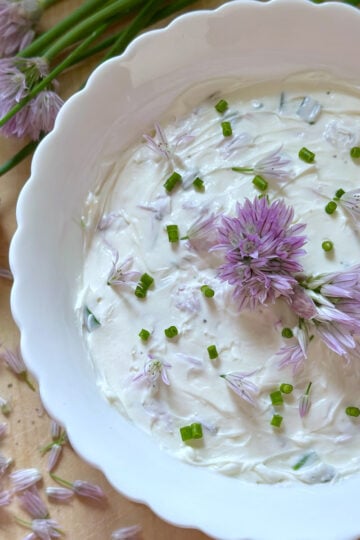
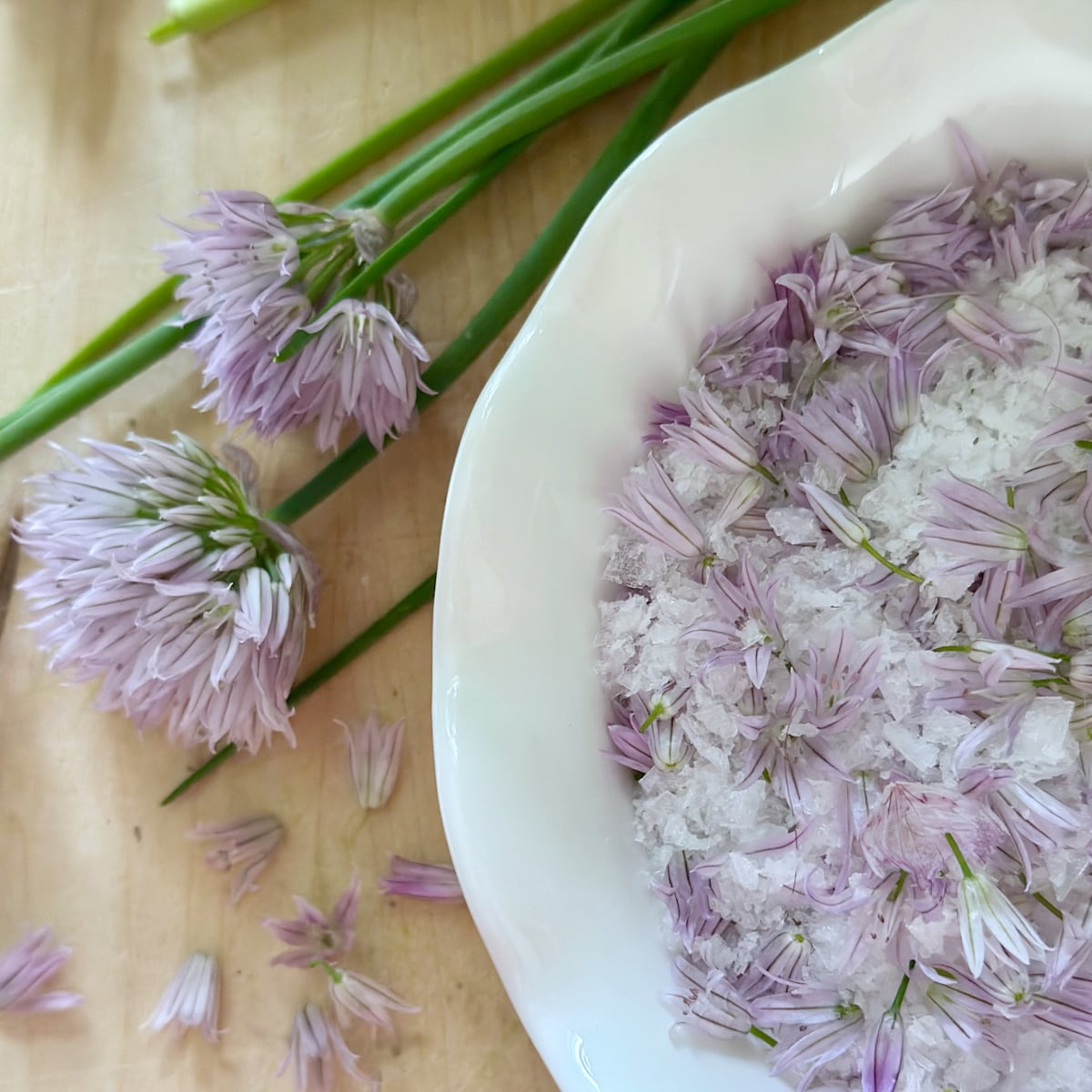
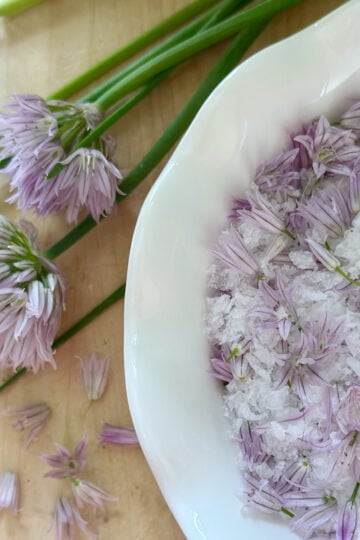
Every spring, as soon as my chives begin producing their cheerful purple blossoms, I start planning what I'll make with them. Some chive flowers get turned into chive blossom salt, others find their way into homemade chive butter or a batch of creamy chive dip, but my favorite use is chive blossom vinegar.
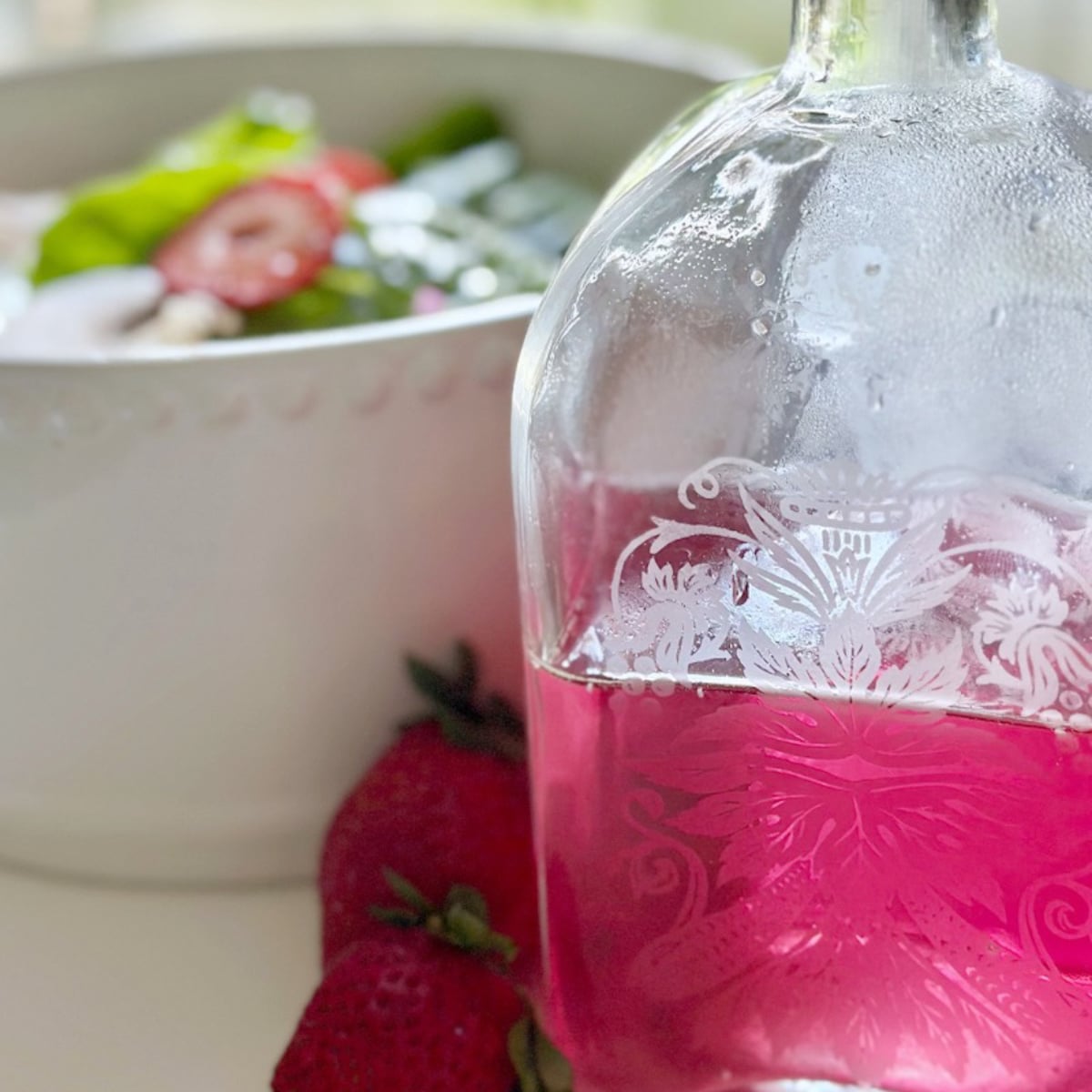
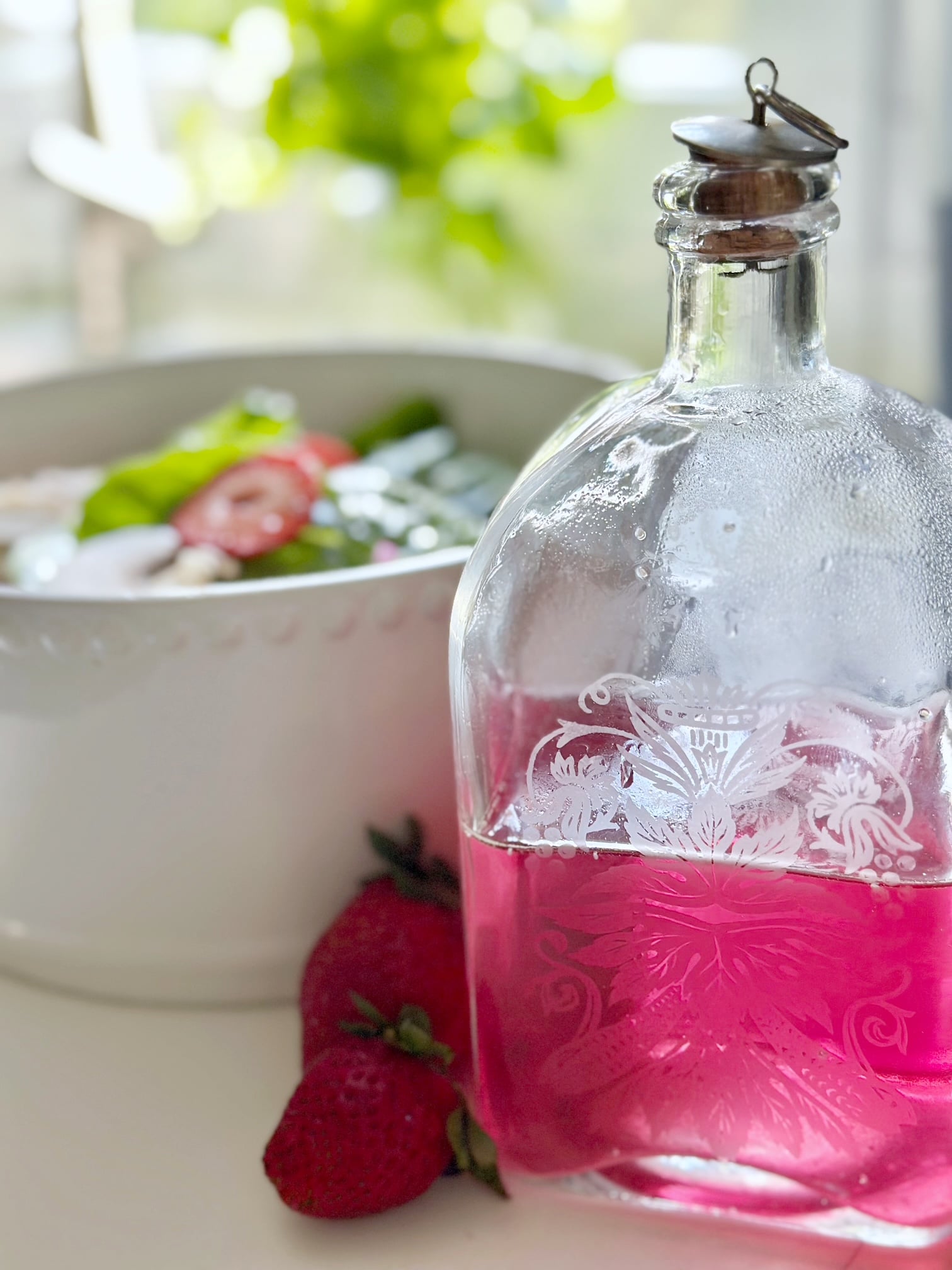
I make it every year because it's one of the simplest ways to preserve the beauty of the season. A handful of blossoms and a bottle of vinegar transform into a vibrant pink infusion that captures both the color and subtle flavor of the flowers long after they've faded from my herb garden.
This year, I used Prosecco white wine vinegar for a softer, more delicate flavor. The finished vinegar was surprisingly mild, with just a hint of chive rather than the strong onion flavor many people expect. It's lovely in homemade salad dressings and makes a beautiful homemade gift for fellow gardeners and food lovers.
If your chives are in bloom, now is the time to make it. The flowers don't last long, and once they begin drying on the plant or forming seeds, you've missed the best window for both color and flavor.
At a Glance: Chive blossom vinegar
_______________________
- Made with just 2 ingredients: chive blossoms and vinegar
- Ready in 7 to 14 days
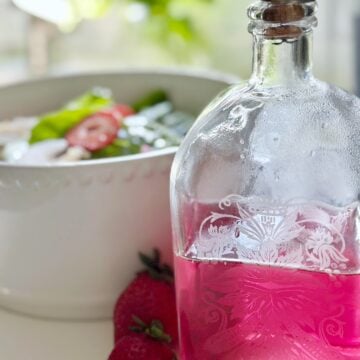
- Naturally turns a beautiful rosy pink color
- Mild flavor with subtle chive notes
- Perfect for homemade salad dressings and marinades
- A lovely way to preserve spring chive blossoms
- Makes a thoughtful homemade gift
- Best enjoyed within 6 to 12 months
Summarize and Save this content on:
Jump to:
- At a Glance: Chive blossom vinegar
- What is chive blossom vinegar?
- Why I make chive blossom vinegar every spring
- Why you'll love this recipe
- Ingredients
- Before you start: Check for tiny hitchhikers
- How to make chive blossom vinegar
- From Stephanie
- What does chive blossom vinegar taste like?
- My favorite way to use chive blossom vinegar
- Storage tips
- Frequently asked questions
- More herb infused recipes to explore
- Chive Blossom Vinegar
What is chive blossom vinegar?
Chive blossom vinegar is a simple herb-infused vinegar made by steeping fresh chive flowers in vinegar for one to two weeks. During that time, the blossoms gradually release their color and flavor, transforming the vinegar into a beautiful rosy pink infusion.
While the vibrant color is what first catches most people's attention, the flavor is equally appealing. Chive blossom vinegar has a light, delicate taste that's far milder than the onion flavor many people expect from chives.
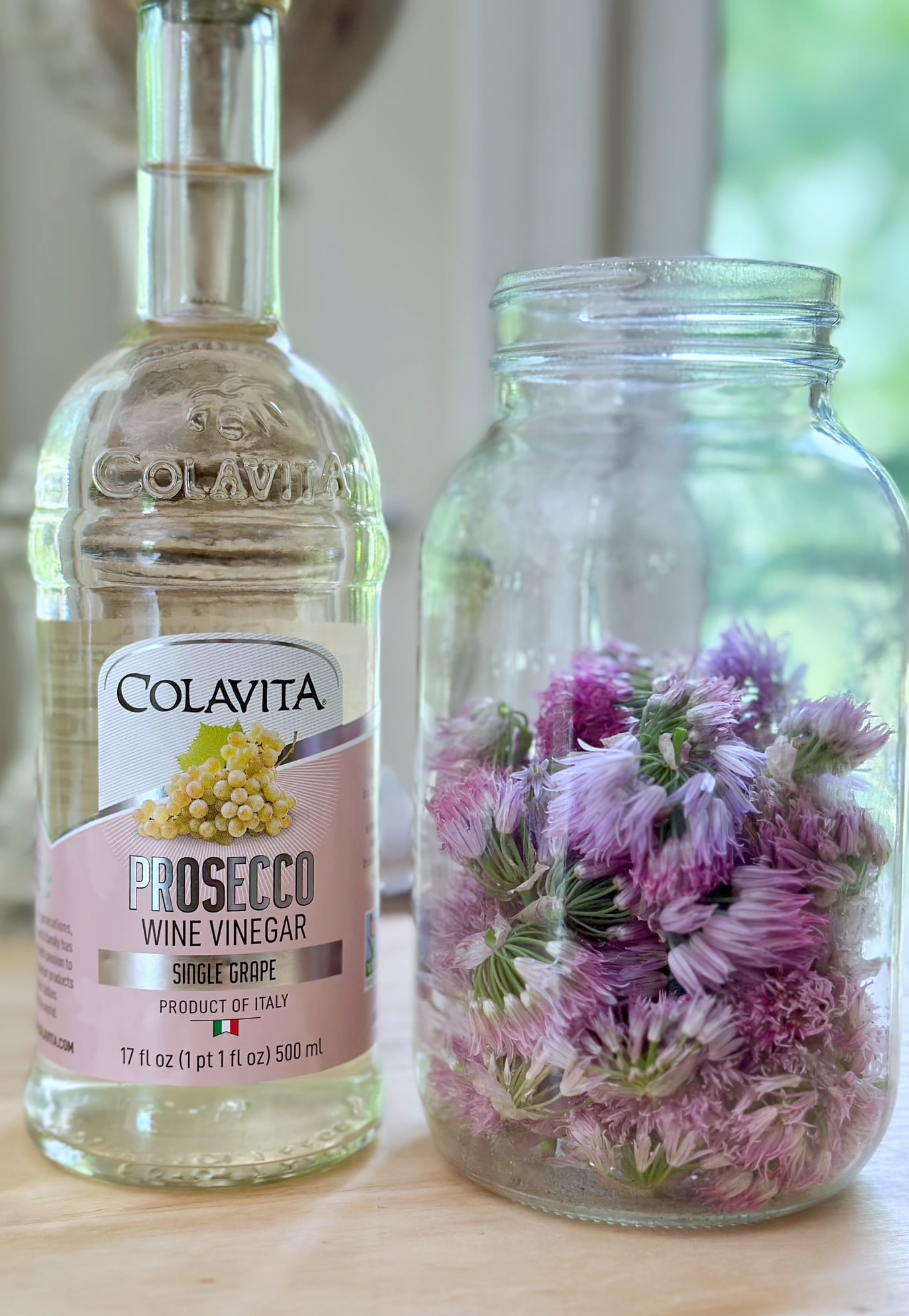
I like making it with Prosecco white wine vinegar because it creates a softer flavor than distilled white vinegar while still allowing the color of the blossoms to shine through.
Once strained, the vinegar can be used in homemade salad dressings, marinades, and other recipes where you'd normally use vinegar. It's one of the easiest and prettiest ways to preserve the short-lived beauty of chive blossoms each spring.
Why I make chive blossom vinegar every spring
Chives are one of the first herbs to put on a show in my garden each spring. Almost overnight, the plants are covered with cheerful purple blossoms that attract pollinators and add color to the herb bed. As beautiful as they are, the bloom season is surprisingly short. Before long, the flowers begin to fade, the plants are cut back, and another year of chive blossoms has come and gone.
That's why I make chive blossom vinegar every spring.
It's one of the simplest ways I've found to preserve the harvest and enjoy those blooms long after they've disappeared from the garden. With just a handful of flowers and a bottle of vinegar, I can capture both the color and a hint of the flavor of the season.
I also love that the finished vinegar is as beautiful as it is practical. The rosy pink color looks lovely bottled in a glass jar and makes a thoughtful homemade gift for fellow gardeners, food lovers, or anyone who appreciates seasonal kitchen projects.
Most importantly, it actually gets used. I whisk it into homemade salad dressings, drizzle it into vinaigrettes, and use it anywhere I want a little brightness and tang. Unlike some garden projects that end up tucked away on a shelf, chive blossom vinegar quickly becomes part of my everyday cooking.
Why you'll love this recipe
- Just two ingredients. All you need are fresh chive blossoms and vinegar to create this beautiful spring infusion.
- Easy to make. Simply fill a jar, pour over the vinegar, and let time do the work.
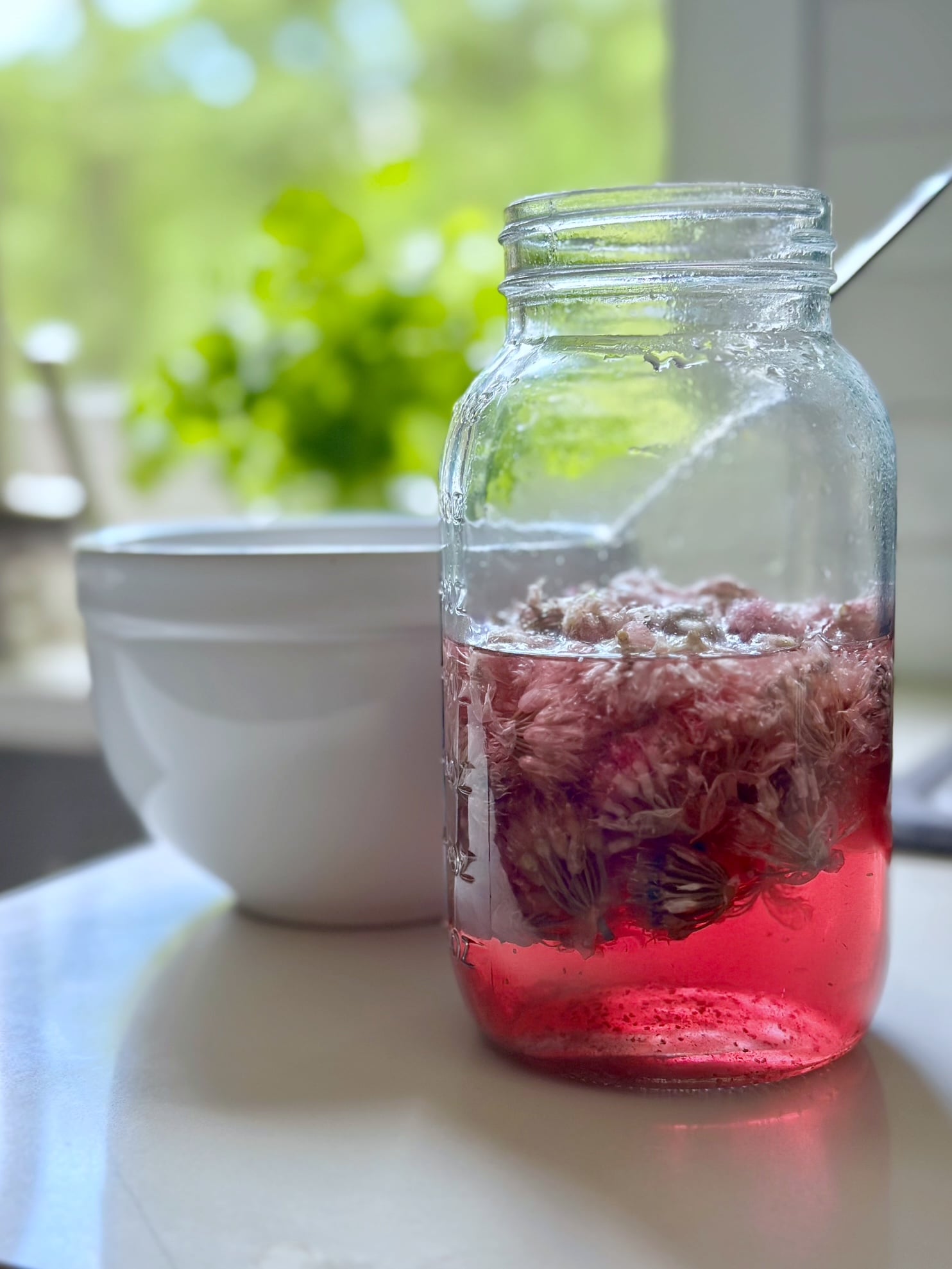
- Naturally beautiful. The blossoms gradually transform the vinegar into a stunning rosy pink color without any artificial ingredients.
- A wonderful homemade gift. Bottled in a pretty glass container, chive blossom vinegar makes a thoughtful gift for gardeners, cooks, and food lovers.
- A practical way to use edible flowers. If your chives are blooming, this recipe is an easy way to enjoy the harvest rather than letting the flowers fade in the garden.
- Surprisingly versatile. Use it in homemade salad dressings, marinades, and vinaigrettes for a touch of color and flavor.
- Preserves a fleeting season. Chive blossoms don't last long, making this a simple way to enjoy a little piece of spring long after the blooms are gone.
Ingredients
Chive blossoms
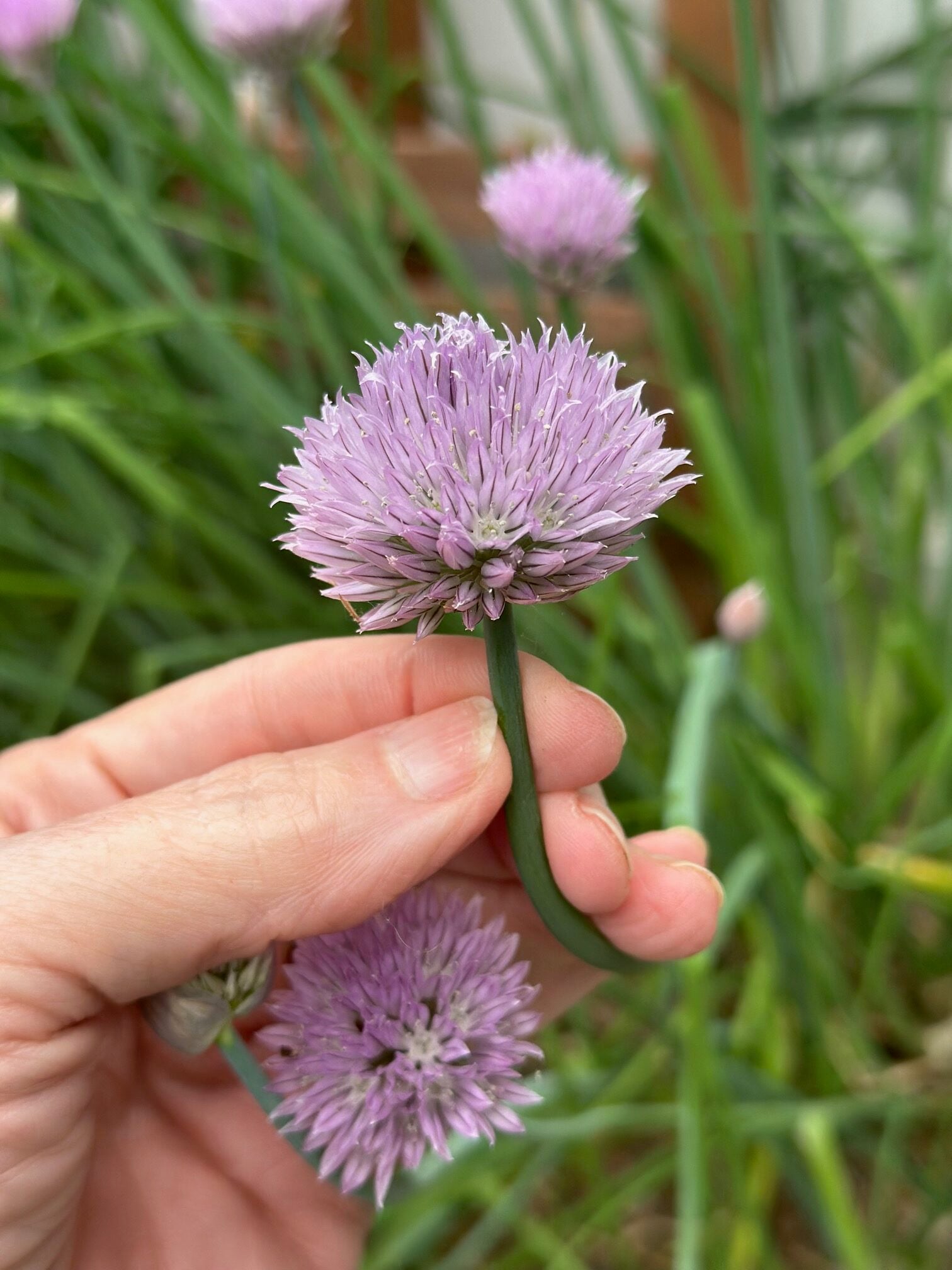
Harvest fresh chive blossoms from the garden when the flowers are fully open and at their peak. The blossoms should be bright purple, fragrant, and free from signs of drying or seed formation. I've found that younger blossoms produce the prettiest color and freshest flavor.
Vinegar
For this batch, I used Prosecco white wine vinegar, which created a delicate flavor and beautiful pink color. You can also use:
- White wine vinegar for a clean, mild flavor
- Champagne vinegar for a light, elegant taste
- Apple cider vinegar for a fruitier flavor and slightly darker finished color
I would avoid distilled white vinegar if possible. While it works perfectly well, I find that wine-based vinegars produce a more balanced flavor and allow the subtle character of the chive blossoms to shine through.
Before you start: Check for tiny hitchhikers
One thing I've learned from growing chives is that the blossoms are often just as attractive to ants as they are to gardeners. It's not unusual to find a few tiny visitors tucked among the florets, especially on flowers harvested straight from the garden.
Before bringing the blossoms indoors, I give each flower head a gentle shake outside to encourage any hitchhikers to move along. Once inside, I take a quick look over the blossoms as I remove the florets and prepare them for the jar.
Don't let a few ants discourage you from making chive blossom vinegar. It's simply part of harvesting flowers from the garden and takes only a minute to address. A quick inspection before you begin is usually all that's needed.
How to make chive blossom vinegar
Making chive blossom vinegar couldn't be easier. Simply cover fresh chive blossoms with vinegar and allow them to infuse for 1 to 2 weeks. Once strained, you'll have a beautiful rosy pink vinegar that's perfect for homemade dressings and marinades.
Detailed measurements and instructions can be found in the recipe card below.
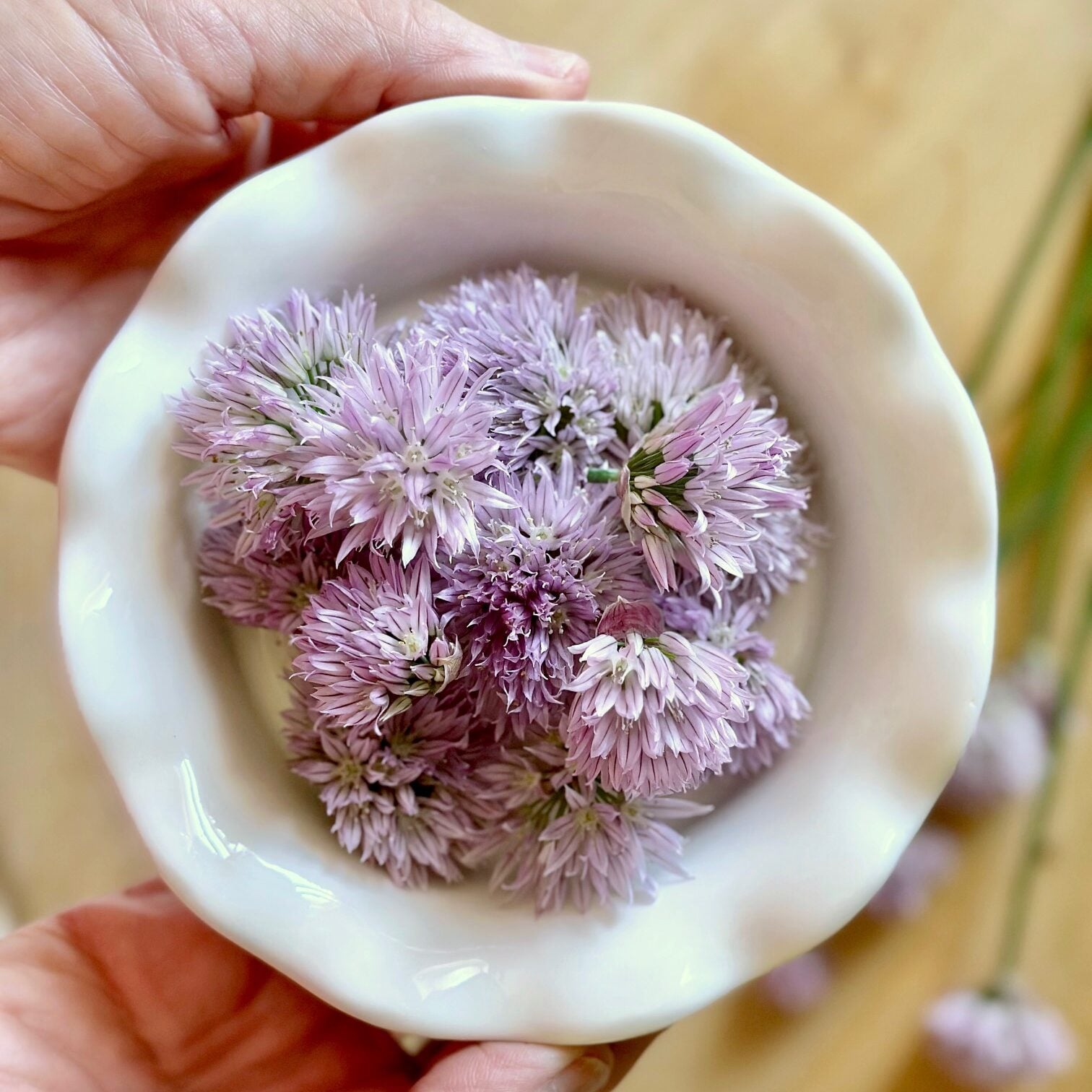
Step 1: Harvest and Prepare the Chive Blossoms
Harvest fresh chive blossoms when the flowers are fully open and vibrant purple. Give the blossoms a gentle shake outdoors to remove any tiny insects, then rinse them under cool water. Pat the flowers completely dry with a clean kitchen towel or allow them to air dry before using. Excess moisture can dilute the vinegar and shorten its shelf life.
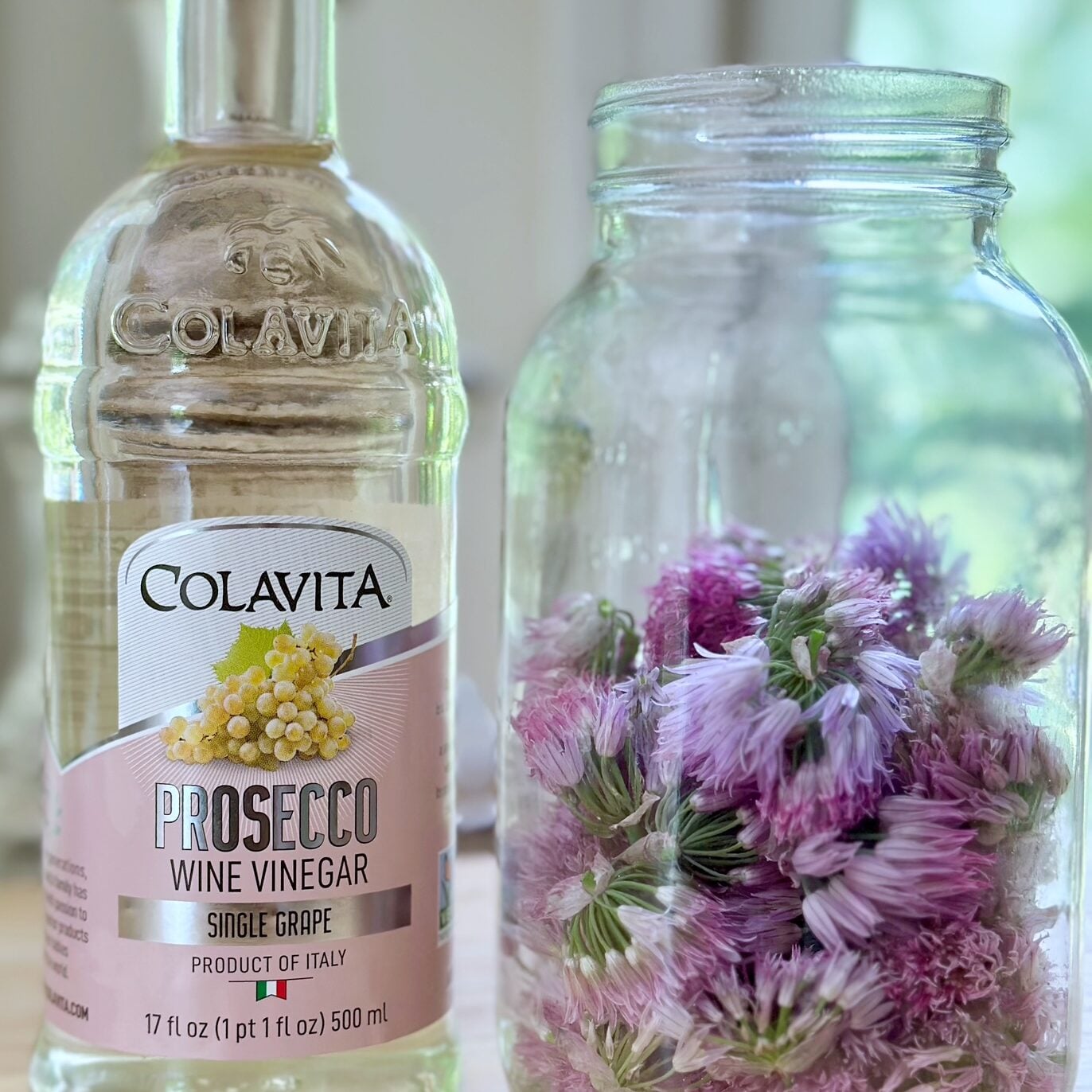
Step 2: Fill the Jar
Place the prepared chive blossoms into a clean glass jar, filling it about halfway to three-quarters full. Don't worry if the jar seems packed. The flowers will shrink considerably once covered with vinegar.
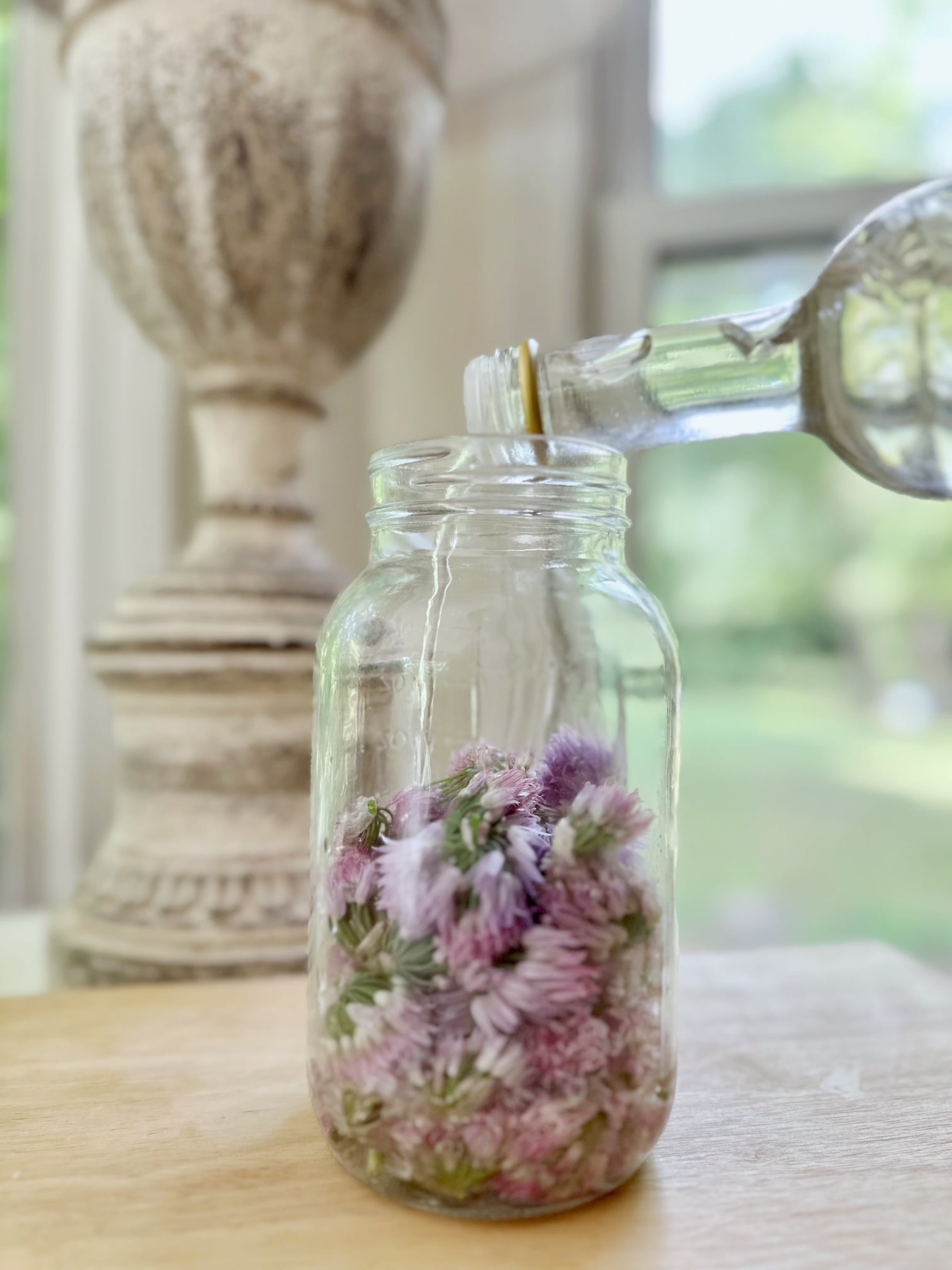
Step 3: Add the Vinegar
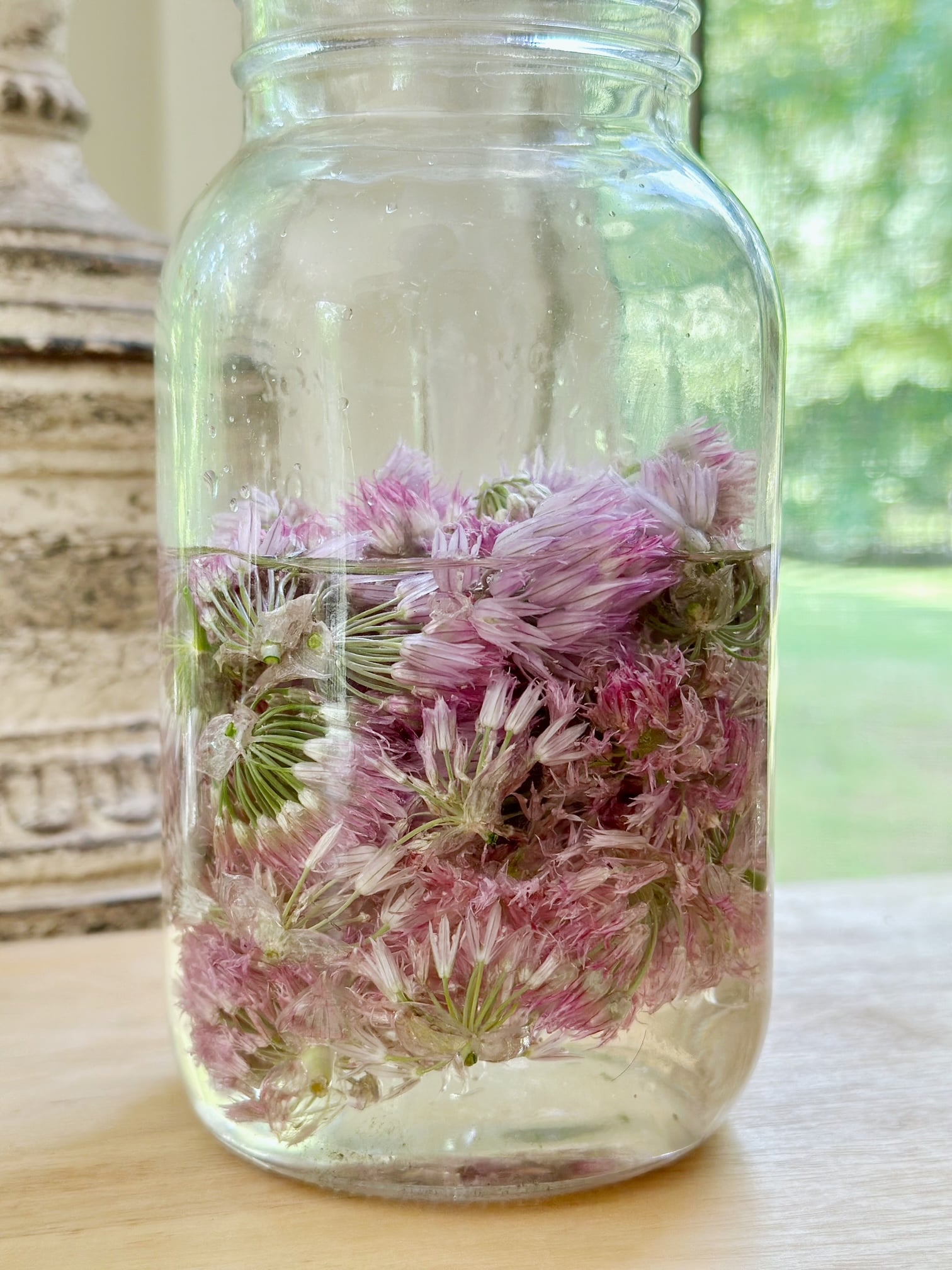
Pour the vinegar over the blossoms until they are completely submerged. Use a clean spoon if needed to gently press any floating flowers below the surface.
Step 4: Let the Vinegar Infuse
Seal the jar and place it in a cool, dark location for 7 to 14 days. If your jar has a metal lid, place a piece of parchment paper or plastic wrap between the jar and the lid before sealing. Vinegar is acidic and can react with metal over time.
As the vinegar infuses, it will gradually develop a beautiful rosy pink color and delicate chive flavor.
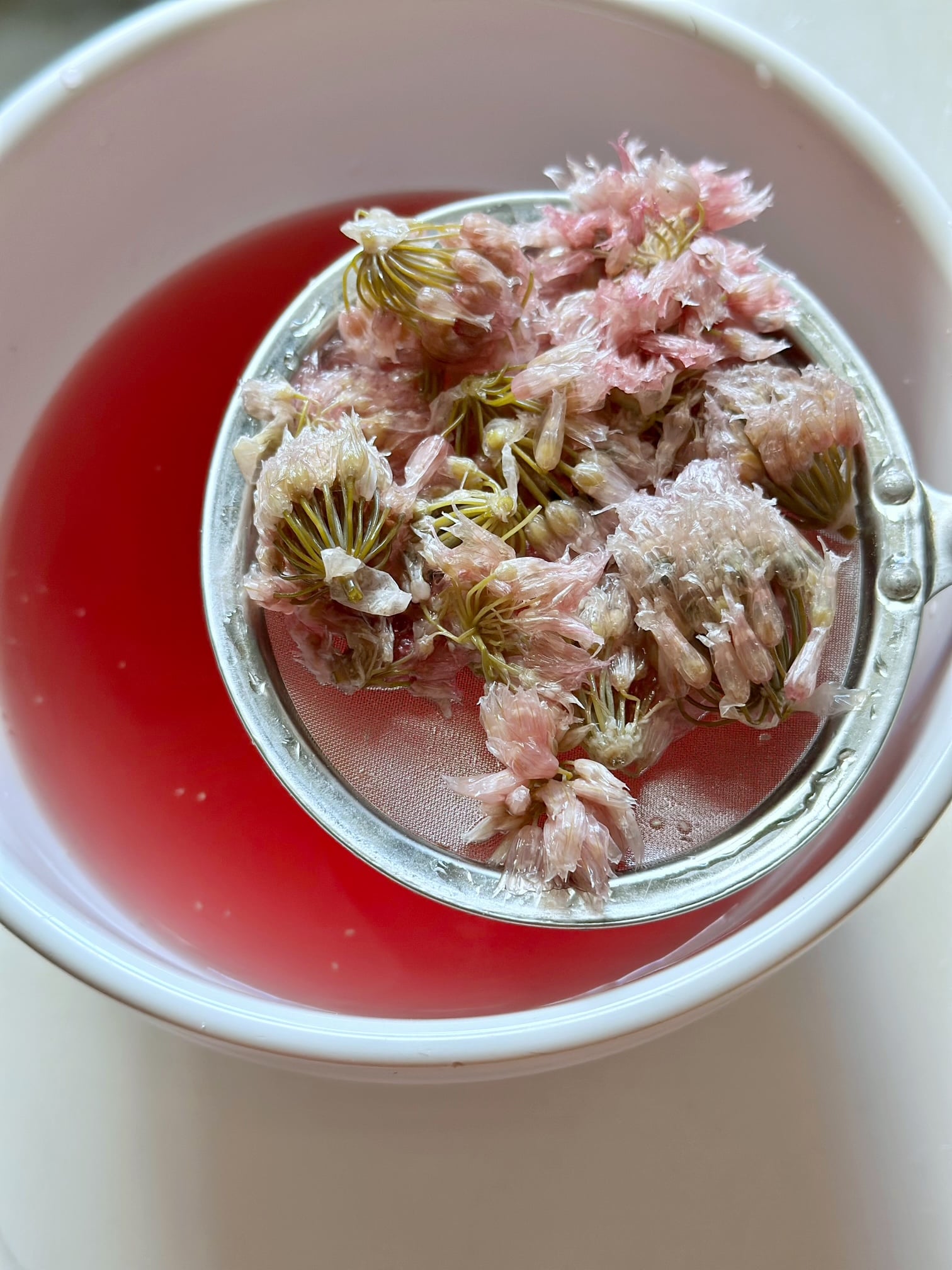
Step 5: Strain and Bottle
Once the vinegar has reached your desired color and flavor, strain out the blossoms using a fine mesh strainer. Transfer the finished vinegar to a clean bottle or jar and store until ready to use.
Step 6: Gift or Enjoy
Pour the finished vinegar into a pretty glass bottle and add a simple tag if gifting. The vibrant color makes it a thoughtful homemade gift for gardeners, food lovers, or anyone who appreciates seasonal kitchen projects.
From Stephanie

This year's chive blossoms seemed to bloom all at once.
For a week or two every spring, the herb garden turns purple and the bees seem just as excited about it as I am. I usually head outside with a small basket, cut a handful of blossoms, and inevitably bring a few ant hitchhikers back into the kitchen with me.
The first time I made chive blossom vinegar, I expected it to taste strongly of onions. Instead, what surprised me most was how delicate it became. The flavor is subtle and fresh, and the color transforms day by day into the prettiest shade of rosy pink.
One thing I've learned is not to worry if the flowers seem to disappear. A jar that looks packed full on the first day can look half empty by the second. The blossoms shrink dramatically once submerged, but that's completely normal.
For this batch, I used Prosecco white wine vinegar and loved the softer flavor it produced. It's become one of those little seasonal traditions that marks the beginning of summer in my garden.
Happy gardening,
Stephanie
What does chive blossom vinegar taste like?
Before making my first batch, I expected chive blossom vinegar to have a strong onion flavor. Since chives belong to the onion family, I assumed the finished vinegar would be quite pungent. I was pleasantly surprised to discover that it was much milder than expected.
The flavor is lightly savory with a subtle chive note, but it's far from overpowering. The blossoms contribute a delicate flavor that complements the vinegar rather than dominating it. I also detect a faint floral quality, though the exact flavor will vary depending on the type of vinegar you use.
For this recipe, I chose Prosecco white wine vinegar, which produced a softer, more delicate flavor. White wine vinegar and champagne vinegar will yield similarly light results, while apple cider vinegar creates a slightly fruitier flavor profile.
The finished vinegar adds brightness and tang to salad dressings and marinades without tasting strongly of onions, making it surprisingly versatile in the kitchen.
My favorite way to use chive blossom vinegar
The first thing I made with my chive blossom vinegar was a sweet poppy seed dressing for a spinach salad topped with sliced strawberries and mushrooms. The dressing reminded me of one my Aunt Andrea has made for years, sweet, tangy, and perfect for summer gatherings.
I whisked together chive blossom vinegar, olive oil, a little sugar (or honey), poppy seeds, and thinly sliced red onion. The result was light, flavorful, and a beautiful way to showcase the vinegar without competing ingredients.
In fact, it was the dressing I served at our Father's Day brunch, and it paired perfectly with the fresh berries and spinach. The chive blossom vinegar added brightness and just enough acidity while letting the sweetness of the dressing shine through.
Sweet poppy seed dressing with chive blossom vinegar
Ingredients
- 3 tablespoons chive blossom vinegar
- ⅓ cup olive oil
- 1 tablespoon sugar or honey
- 1 tablespoon very thinly sliced red onion
- 1 teaspoon poppy seeds
- Pinch of salt
Instructions
Whisk all ingredients together until combined. Drizzle over a spinach salad with strawberries and mushrooms, or your favorite summer greens.
Other ways to use chive blossom vinegar
While this dressing is my favorite use, chive blossom vinegar is also delicious in:
- Green salads
- Cucumber salads
- Potato salads
- Homemade vinaigrettes
- Marinades for chicken or fish
- Coleslaw and slaws
- Grain and pasta salads
Storage tips
Once strained, transfer your chive blossom vinegar to a clean glass bottle or jar with a tight-fitting lid. I like storing mine in a decorative glass bottle so it's easy to reach for when making homemade dressings and vinaigrettes.
Store the vinegar in a cool, dark pantry away from direct sunlight and heat. Refrigeration is not necessary because the acidity of the vinegar helps preserve it, though you can refrigerate it if you prefer.
For the best color and flavor, use your chive blossom vinegar within 6 to 12 months. While it may remain safe to use beyond that time, the vibrant pink color can gradually fade and the delicate flavor may become less pronounced.
If gifting, be sure to use a thoroughly cleaned bottle and include the date it was made so the recipient can enjoy it at its freshest.
Frequently asked questions
Yes, distilled white vinegar will work, but I prefer white wine vinegar, champagne vinegar, or Prosecco white wine vinegar because they produce a milder flavor that allows the delicate character of the chive blossoms to shine through.
Most batches are ready in 1 to 2 weeks. I recommend checking the color after about a week. Once the vinegar has developed a vibrant pink hue and a subtle chive flavor, strain out the blossoms and transfer the vinegar to a clean bottle.
The most common reason is using older blossoms that have already begun drying out or forming seeds. Fresh, fully open purple blossoms produce the best color. The type of vinegar used can also affect the final shade.
Yes. After harvesting, gently shake the blossoms outdoors to remove any insects, then rinse them under cool water. Be sure to dry them thoroughly before adding them to the vinegar, as excess moisture can dilute the infusion.
Chive Blossom Vinegar
Ingredients
- 1 cup fresh chive blossoms
- 2 cups Prosecco white wine vinegar
Instructions
- Harvest fresh chive blossoms when the flowers are fully open and vibrant purple. Shake the blossoms gently outdoors to remove any insects, then rinse under cool water and dry thoroughly.
- Place the chive blossoms in a clean glass jar, filling it about halfway to three-quarters full.
- Pour the Prosecco white wine vinegar over the blossoms until they are completely submerged.
- Seal the jar and place it in a cool, dark location for 7 to 14 days. The vinegar will gradually develop a beautiful rosy pink color as it infuses.
- Strain out the blossoms using a fine mesh strainer and transfer the vinegar to a clean bottle or jar.
- Store in a cool pantry or pour into a decorative bottle for gifting.
Notes
- White wine vinegar or champagne vinegar may be substituted for the Prosecco white wine vinegar. Apple cider vinegar can also be used but will produce a darker color and slightly different flavor.
- Harvest chive blossoms when they are fully open and bright purple for the best color and flavor.
- Shake the blossoms outdoors and inspect them before bringing them inside, as chive flowers often attract small ants.
- Be sure the blossoms are completely dry before adding them to the vinegar.
- The flowers will shrink considerably during the infusion process, so don't be surprised if the jar looks much less full after a day or two.
- For a lighter flavor, strain after 7 days. For a deeper pink color and stronger flavor, allow the vinegar to infuse for up to 14 days.
- Store the finished vinegar in a cool, dark pantry and use within 1 year for the best quality.
Nutrition
Chive blossom vinegar is one of those simple seasonal projects that feels a little magical every time I make it. With just a handful of blossoms and a bottle of vinegar, you can transform a fleeting spring bloom into something both beautiful and useful.
Whether you use it in homemade salad dressings, share it as a gift, or simply enjoy watching the vinegar turn shades of pink on your kitchen counter, it's a lovely way to make the most of chive blossom season.
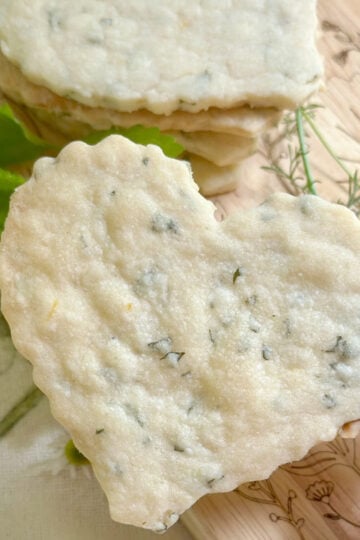
If your garden is overflowing with blooms, don't stop here. Try making chive blossom salt, homemade chive butter, or my favorite creamy chive dip to enjoy even more of this short-lived spring harvest.
Enjoy, friends!