Lemon Lavender Pound Cake (with Fresh Thyme)

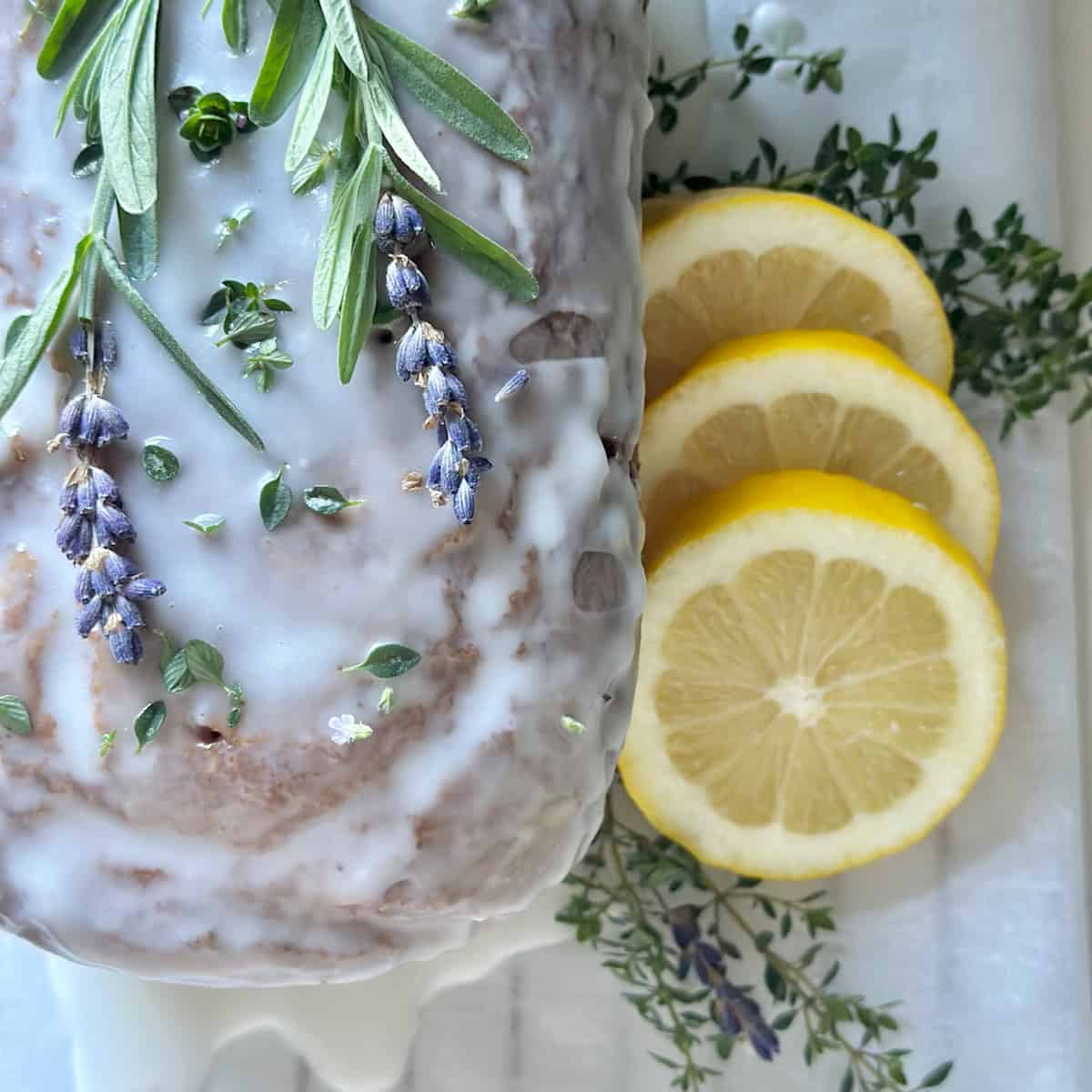
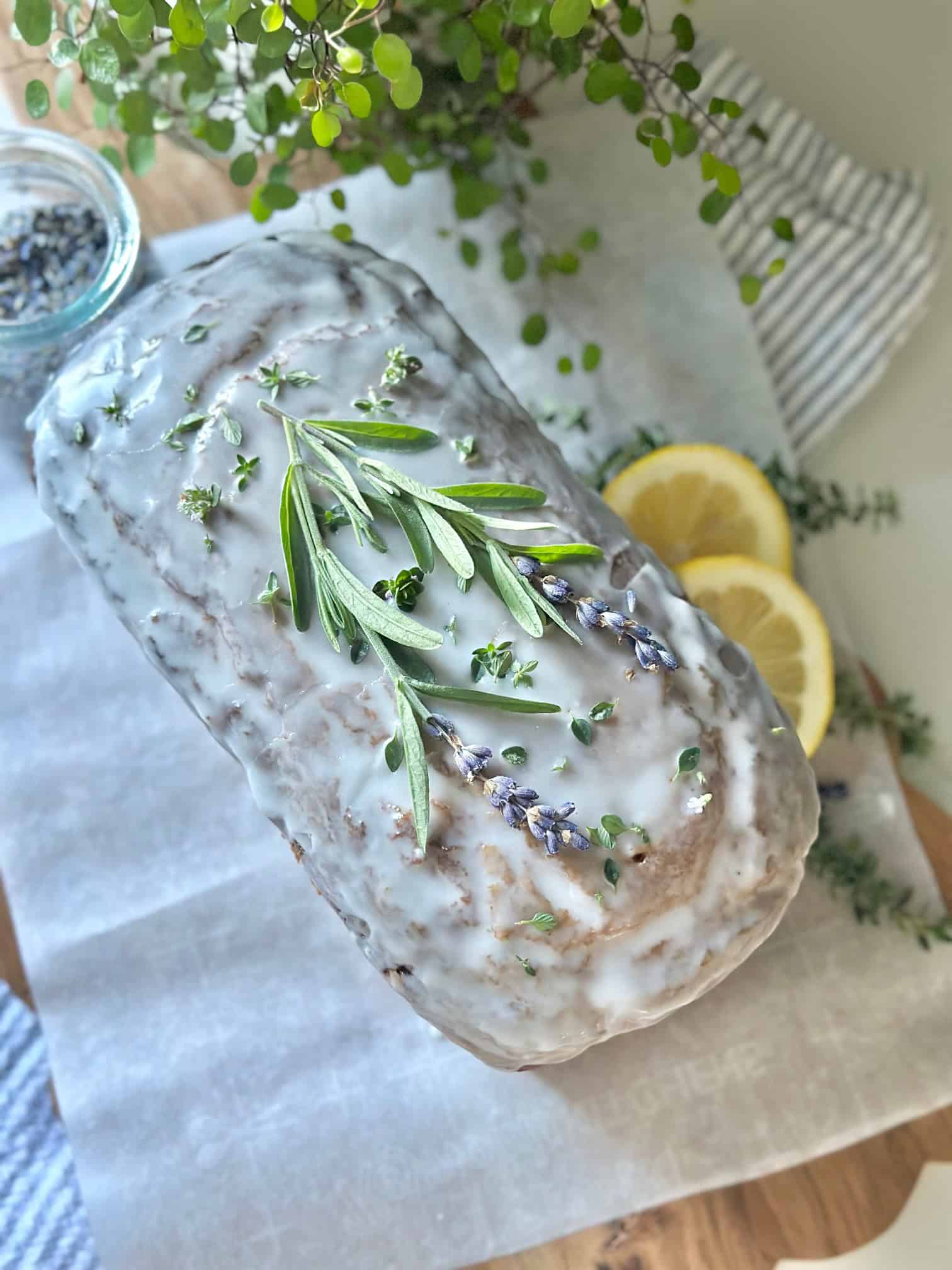
This lemon lavender pound cake with fresh thyme is bright, fragrant, and perfectly tender, with a floral twist on a classic dessert that has been carefully tested and perfected in my kitchen.
Content may contain affiliate links. When you shop the links, we receive a small commission at no cost to you. Thanks for supporting my small business.
There is something so fun about having family as taste testers. For this lemon lavender pound cake with fresh thyme, my sisters and aunts bravely sampled my first batch and shared their honest thoughts. Thanks to their feedback, I made a few tweaks to perfect the flavor and floral notes. Now I am excited to share the improved version with you, and I definitely owe them a much better cake for putting up with the first one.
One of my favorite things about baking is being able to bring the garden straight into the kitchen. Fresh herbs add so much more than flavor; they carry a little bit of the season and a lot of personality. Lemon thyme is a staple in my garden and a must for this cake, lending a bright, citrusy note that pairs beautifully with the gentle floral aroma of lavender. Baking with lavender is always a little bit of an adventure because it can quickly go from soft and fragrant to chalky or soapy if you use too much. I love experimenting with it, testing different amounts, and figuring out the perfect balance so that every bite has just the right hint of floral flavor without overpowering the lemon and thyme.
Jump to:
- Why you'll love this recipe
- What you'll need to make this recipe
- Shop tools for making this cake
- Step-by-step instructions
- Tips for success
- Optional variation / Personal notes
- Storing & Make-ahead
- Frequently asked questions
- Lemon Lavender Pound Cake with Fresh Thyme
- Love baking? Check out these popular recipes
Why you'll love this recipe
- Bright, citrusy flavor from fresh lemon zest perfectly balances the subtle floral notes of lavender and the herbal freshness of thyme.
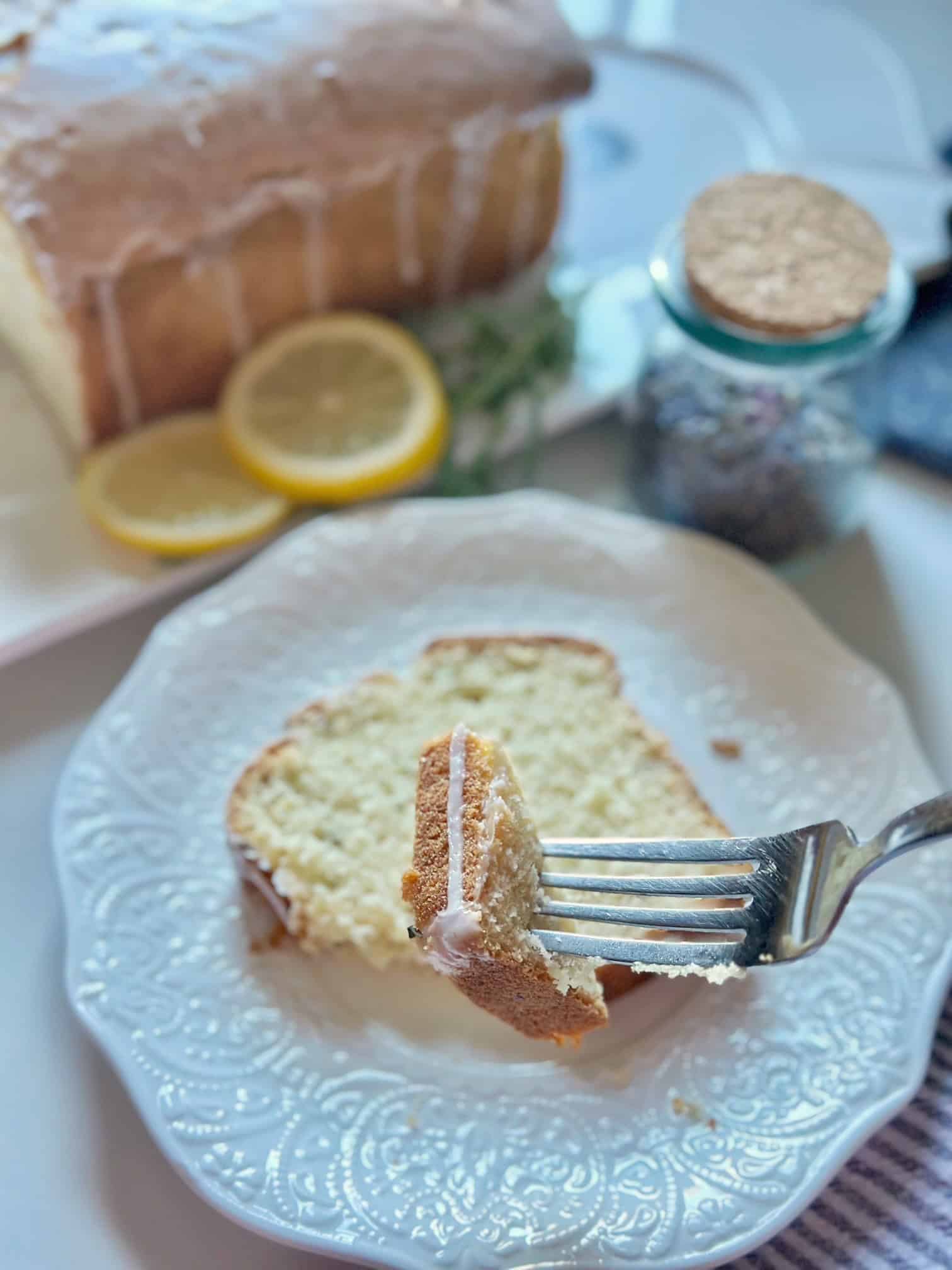
- Tender and moist crumb that holds together beautifully while still feeling light and soft in every bite.
- A fragrant, garden-inspired dessert that brings the fresh flavors of your herb garden straight to the table.
- Easy to make, with thoughtful steps that ensure even baking, a tall dome, and a perfect glaze every time.
- Fun for experimentation if you enjoy tweaking flavors, adding a little more lavender, or trying different herb combinations.
- Perfect for gifting or sharing with family and friends, because it's as beautiful as it is delicious.
What you'll need to make this recipe
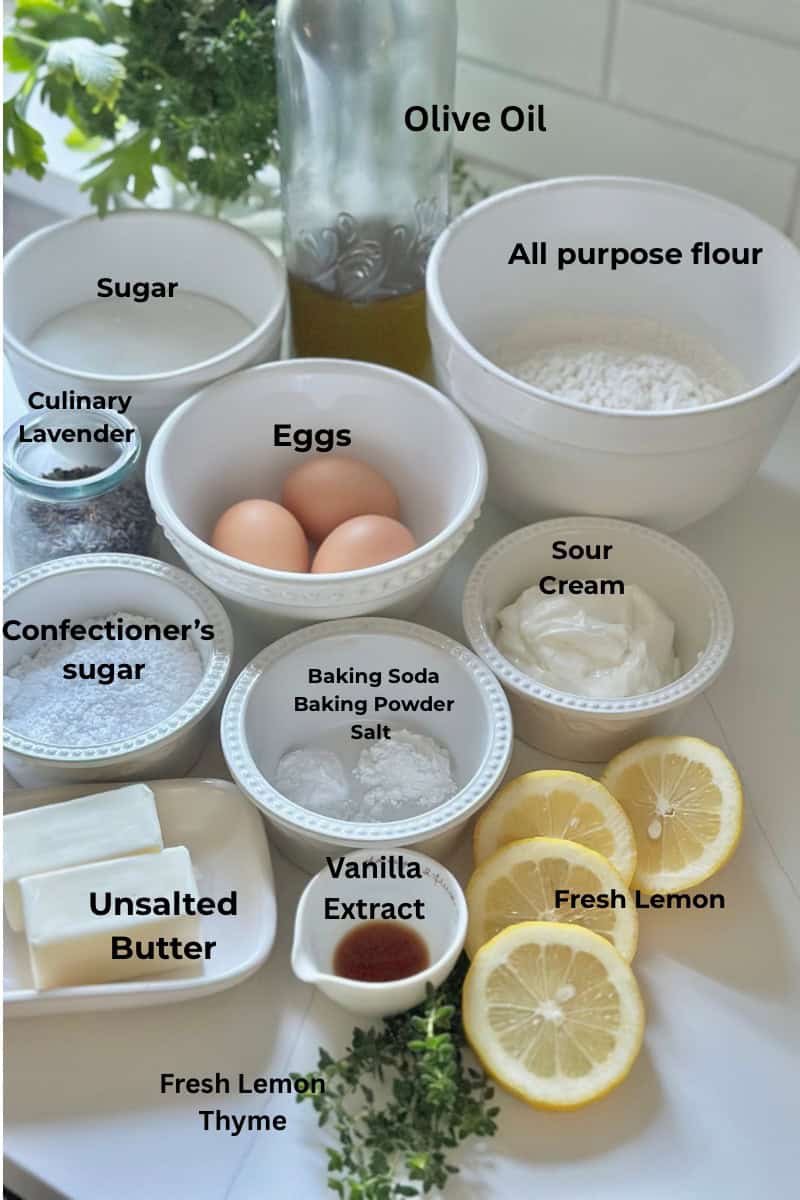
- Unsalted butter, at room temperature - Using room temperature butter helps it cream smoothly with the sugar, creating a light and tender crumb for your pound cake. Unsalted butter also allows you to control the salt in the recipe.
- Eggs (room temperature): Using room temperature eggs helps them blend more easily with the butter and sugar, creating a smooth, airy batter and a tender, evenly baked loaf.
- Granulated sugar infused with herbs and zest - Before adding, we mix sugar with finely chopped lemon thyme, lightly crushed dried lavender, and lemon zest. This releases the natural oils and fragrance, ensuring the flavor is evenly distributed throughout the cake.
- Fresh lemon thyme - Finely chopped to bring out its bright, citrusy aroma. Fresh from the garden is ideal, but store-bought works too.
- Culinary lavender - Lightly crushed to release the floral notes without becoming bitter or soapy. Start with a small amount and adjust for taste in future batches.
- Lemon zest - I used my favorite channel-style lemon zester for this recipe, which creates long, curly strips of zest instead of finely grated pieces. At first, I worried these strips might stay chewy in the pound cake, but they softened beautifully as the cake baked and added gentle bursts of bright, fragrant lemon flavor. I usually dread zesting lemons, but this tool makes it so much easier. You could also use a microplane or small wand grater - that would give a more uniform, intense lemon flavor, but it won't create the pretty curls or those little pockets of gentle citrus in each bite.
- Sour cream - Adds moisture and tenderness, keeping the crumb soft and rich without weighing it down. I recommend full fat sour cream for this recipe.
These are the ingredients I like to highlight and share tips about. For the complete list and exact measurements, scroll down to the recipe card at the bottom of the post!
Shop tools for making this cake

Step-by-step instructions
Follow these simple steps to create a tender, fragrant lemon lavender pound cake with fresh thyme. Each step is designed to guide you through the process and ensure the best results.
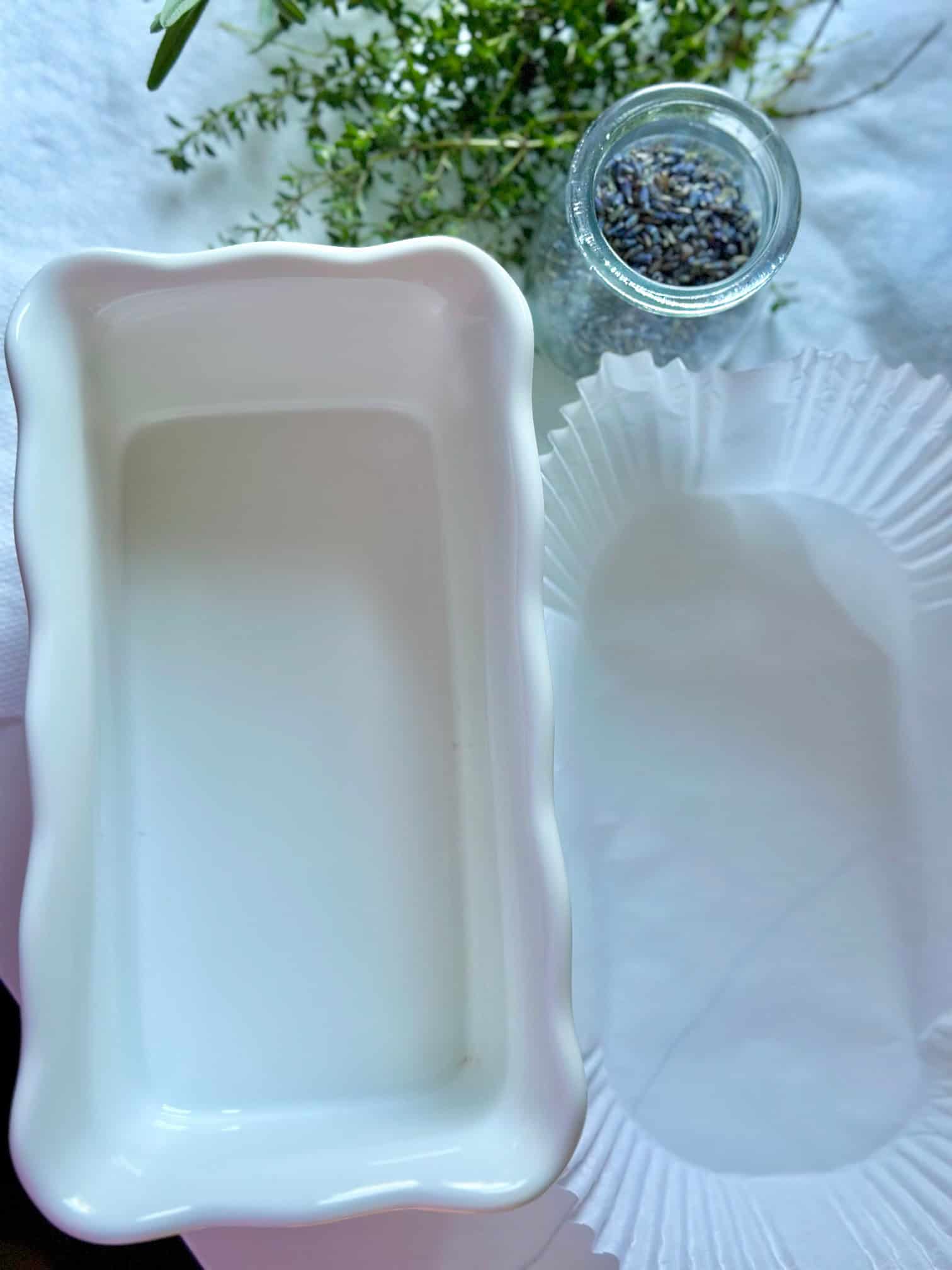
Step 1: Prep the oven and pan - Preheat oven to 325°F. Grease a 9×5-inch loaf pan generously with butter and lightly dust with flour if not using parchment paper. Lining with parchment is ideal for easy removal, but the greasing and flouring method works well too.

Step 2: Infuse the sugar - Combine the sugar, lemon zest, finely chopped thyme, and crushed lavender. Using your fingers, rub the mixture for about a minute until it feels slightly damp and fragrant, releasing the natural oils and fully infusing the flavors.

Step 3: Cream butter and sugar - Room temperature butter beaten with infused sugar until light and fluffy.
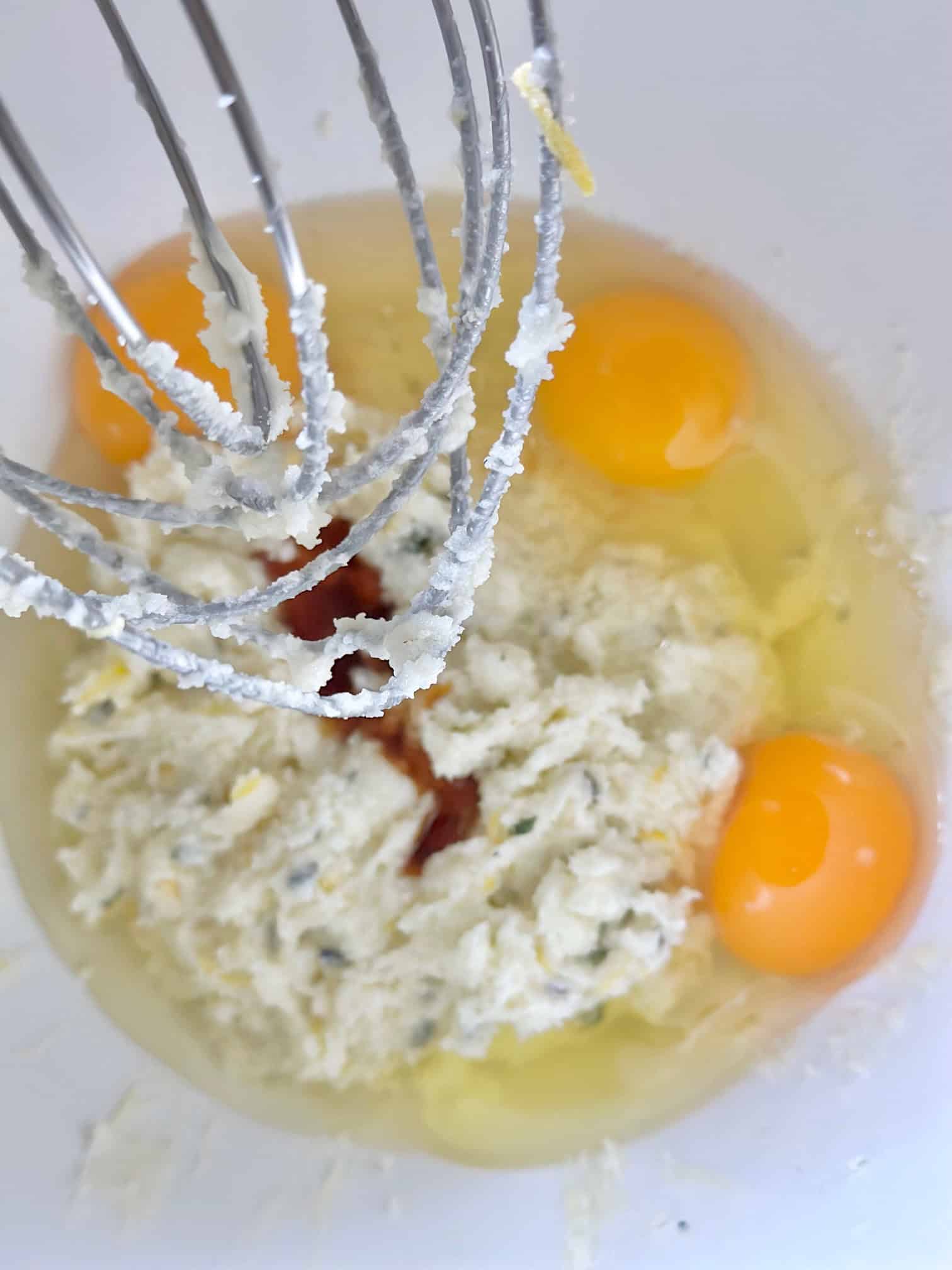
Step 4: Add eggs and vanilla - Eggs added one at a time, followed by vanilla, mixed until incorporated.
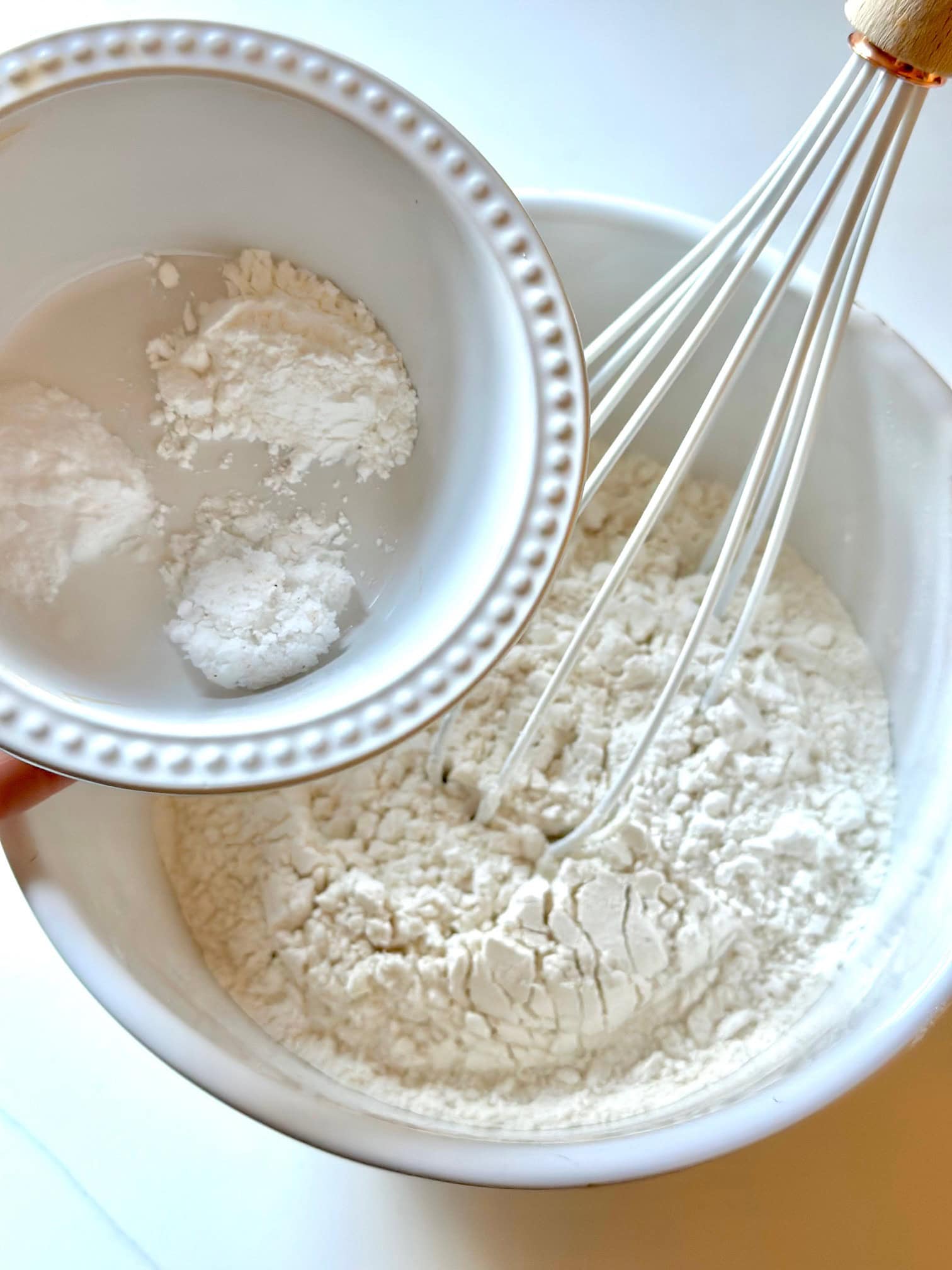
Step 5: Mix dry ingredients - Flour, baking powder, baking soda, and salt whisked together.
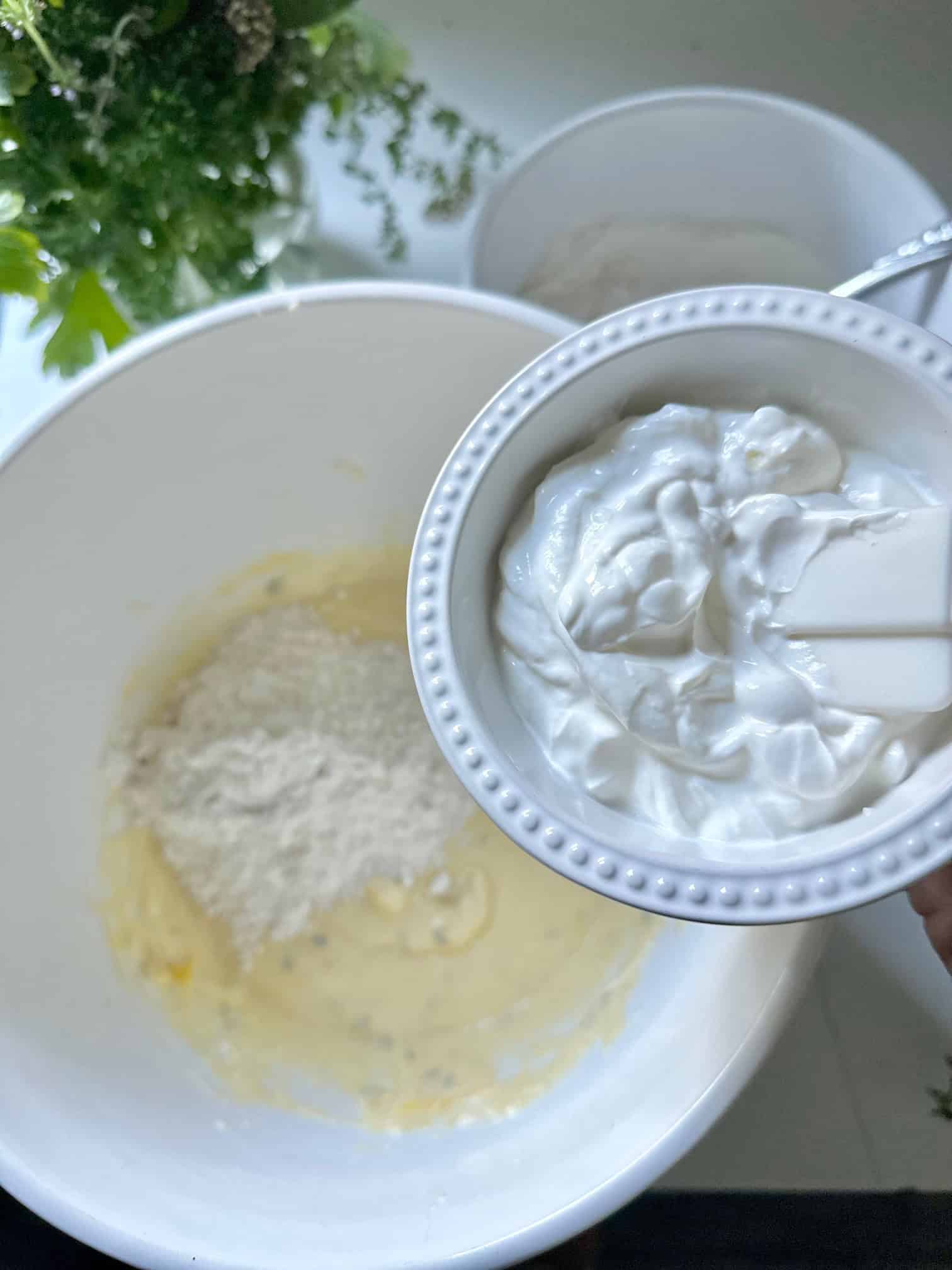
Step 6: Combine wet and dry - Dry ingredients added in three parts, alternating with sour cream, mixed gently on low speed.
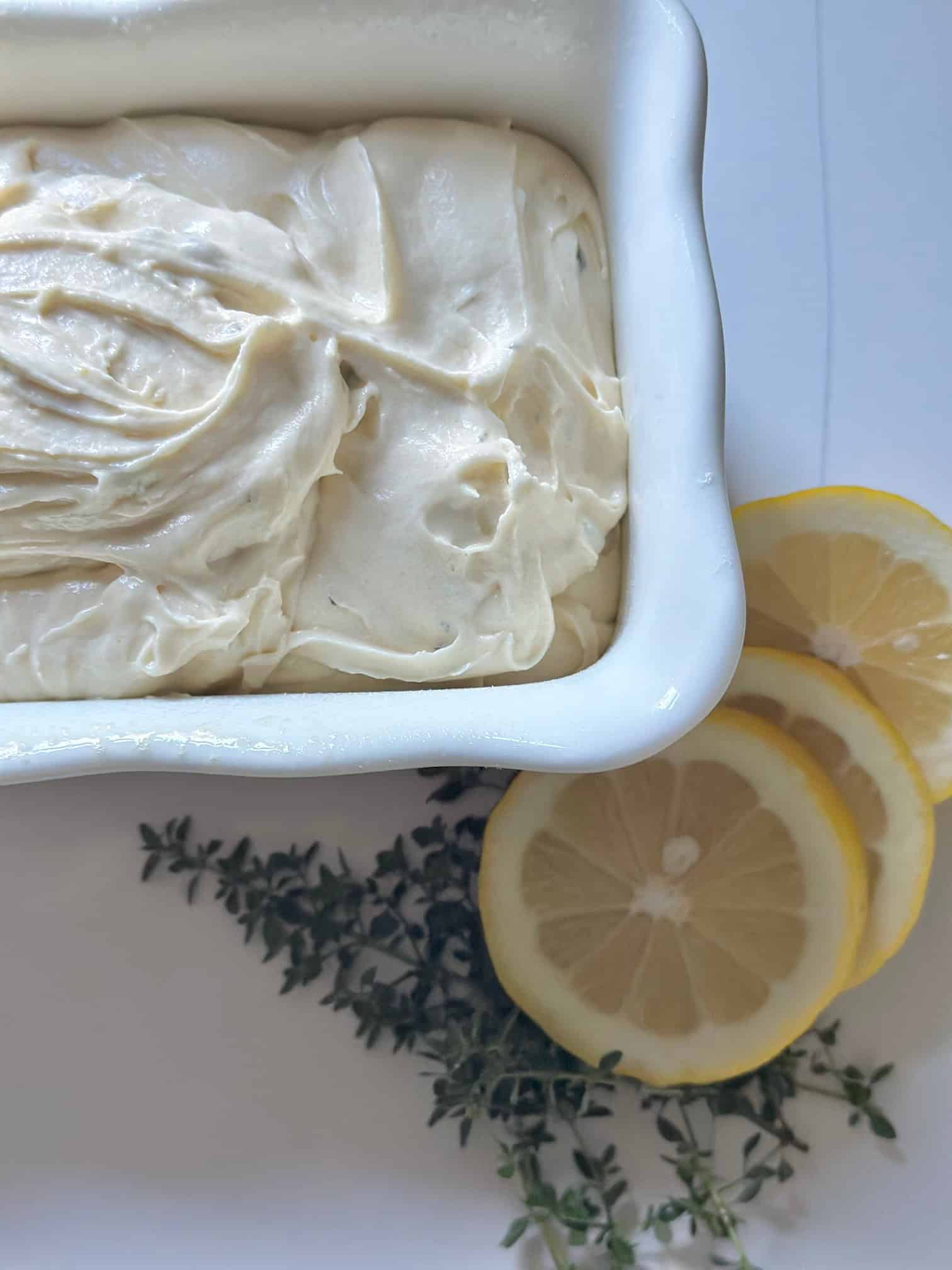
Step 7: Pour batter and smooth - Batter poured into prepared pan, top smoothed, ready for oven.
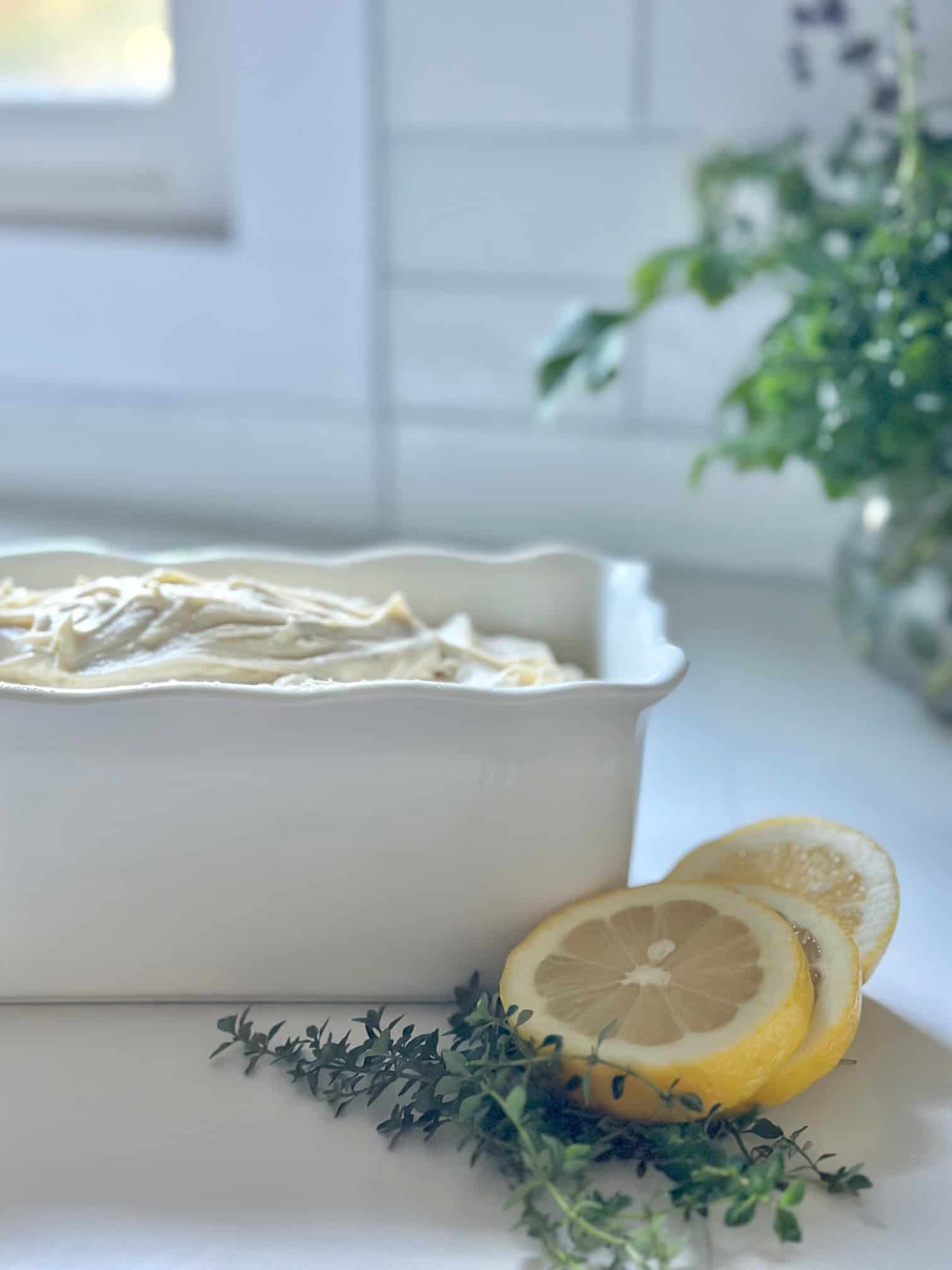
Step 8: Bake the cake - Batter in the prepared pan, placed on the lower-middle rack of the oven. Bake until a skewer inserted in the center comes out with just a few moist crumbs.
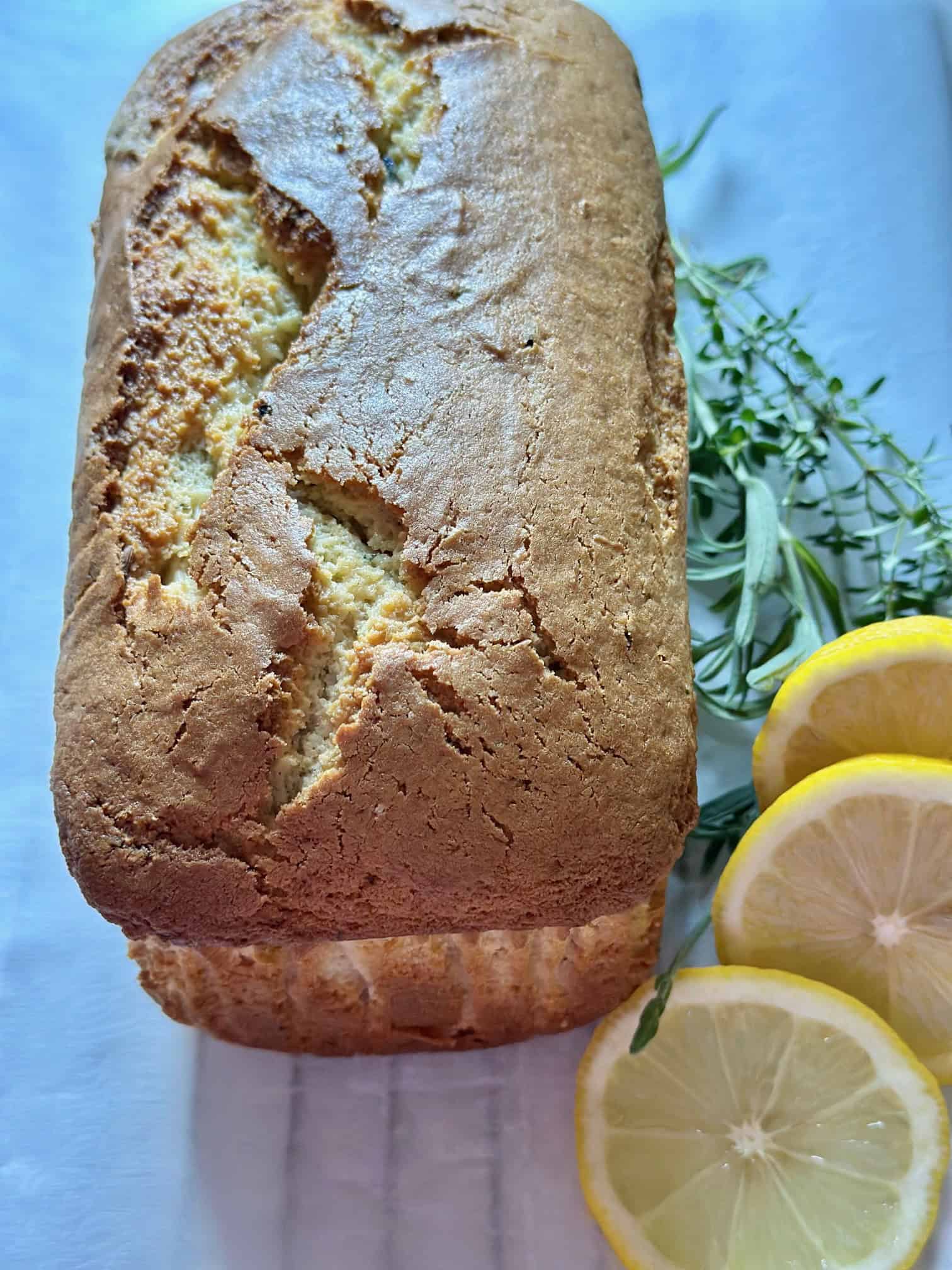
Step 9: Cool in pan - Remove the cake from the oven and let it rest in the pan for 15 minutes. Then lift it out using the parchment liner (or carefully loosen the sides with a knife if not using parchment) and remove the parchment liner. Place the loaf on a wire rack lined with fresh parchment paper to cool completely.
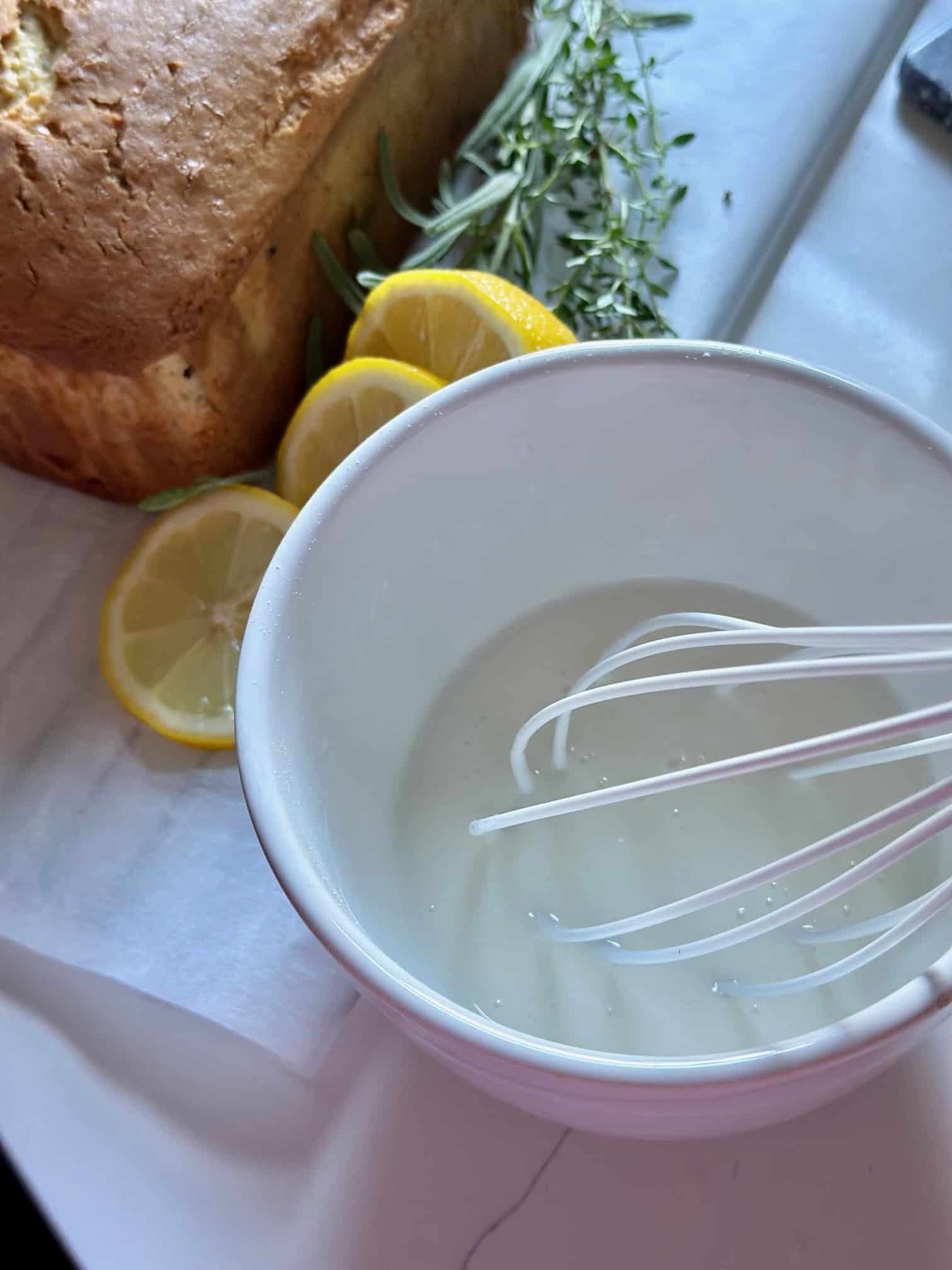
Step 10: Make the glaze - In a small bowl, whisk together the confectioner's sugar, lemon juice, and milk or cream until smooth and pourable. Keep the glaze nearby for the next step.
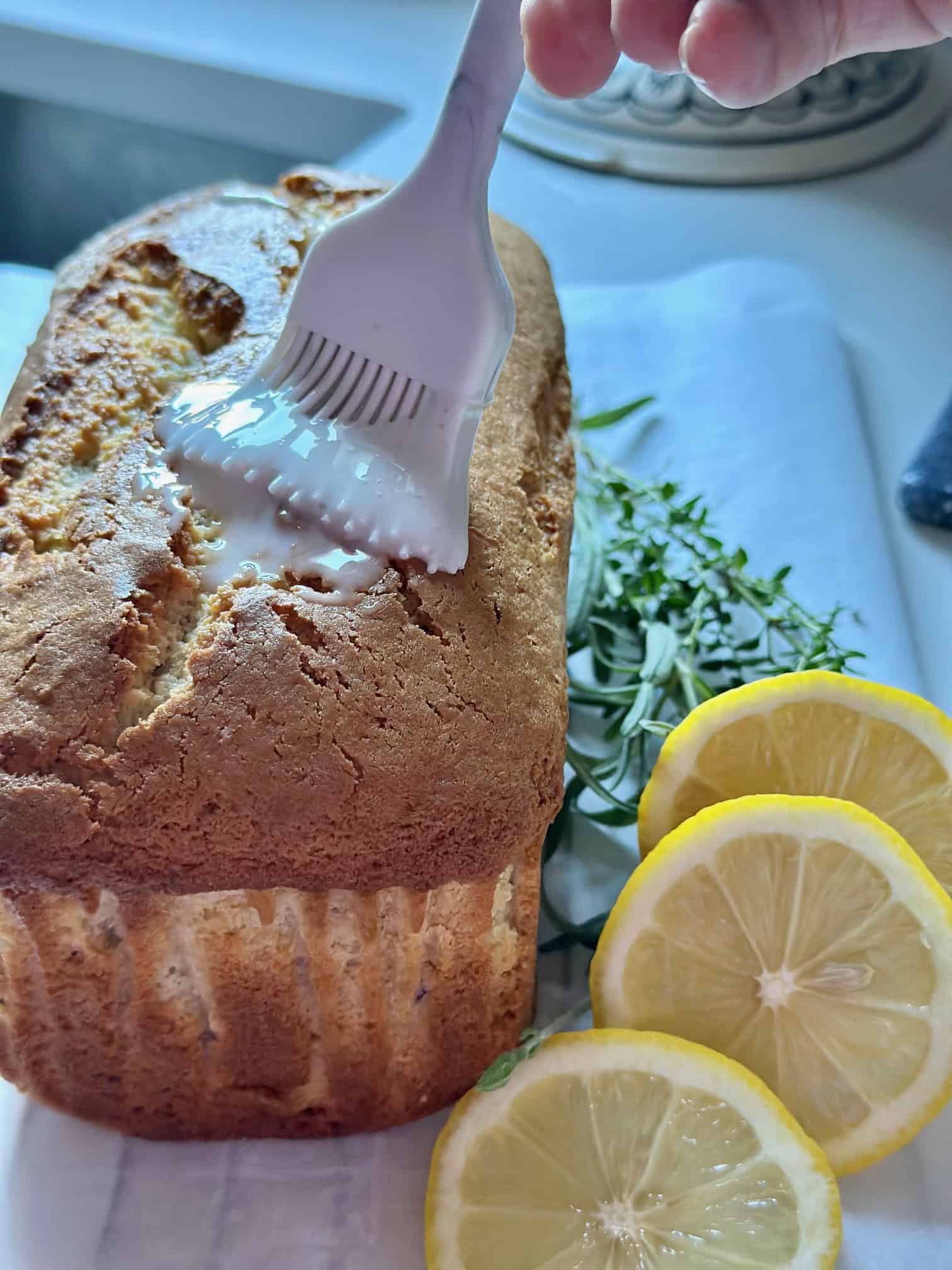
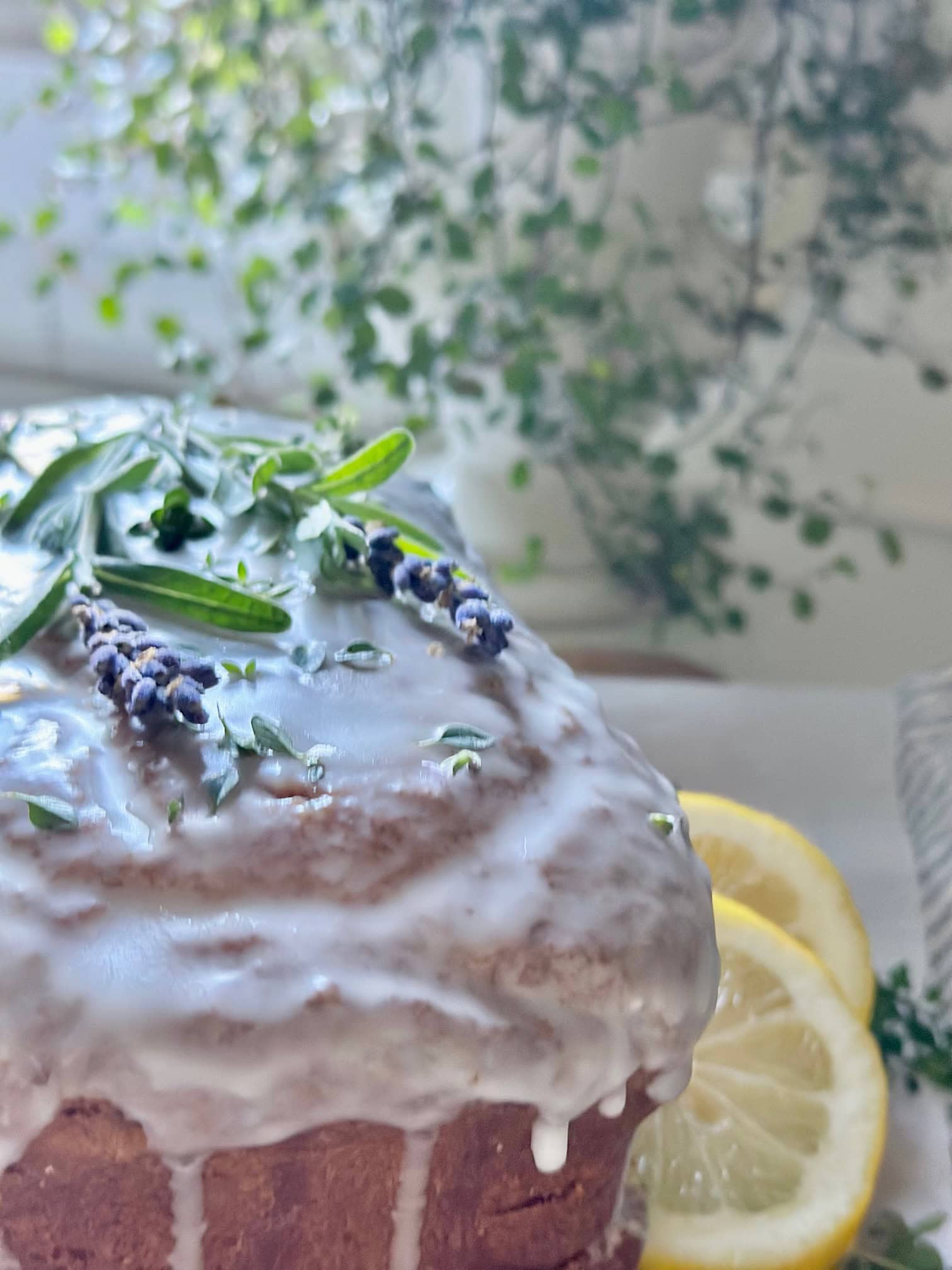
Step 11: Glaze the cake - Using a toothpick, poke a few holes in the top of the cooled loaf to allow the glaze to seep in. Slowly pour or brush the glaze over the top, letting it drip down the sides. Allow the glaze to set for 20-30 minutes.
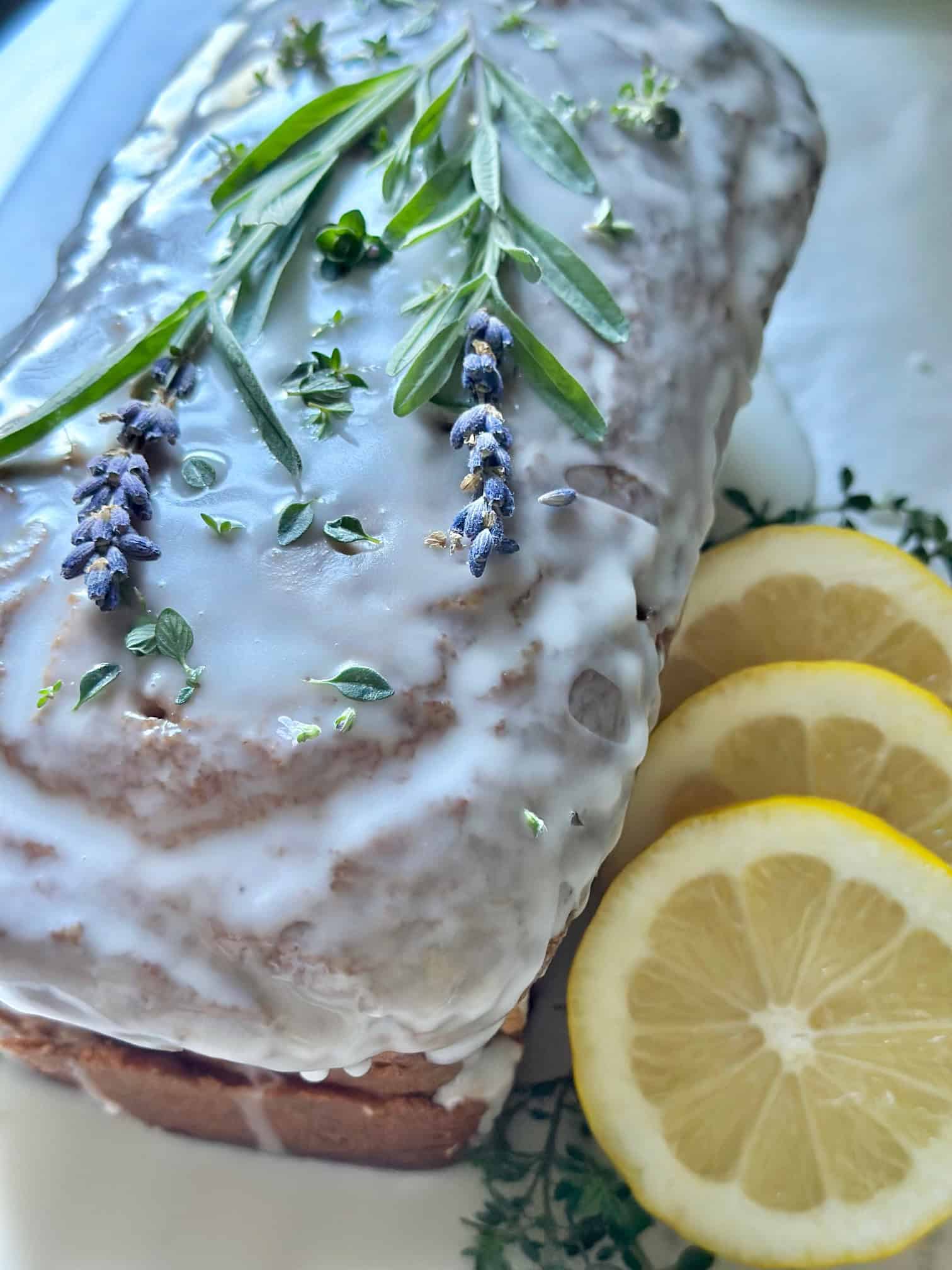
Step 12: Slice and serve - Once the glaze has set, carefully transfer the loaf to a serving platter if desired. Slice and serve. Tip: Placing the loaf on parchment while glazing helps catch any drips and keeps your work surface clean.
Baking temperature tip
This pound cake bakes best at 325°F, which allows the center to cook fully while creating a golden, tender crust. If you need to bake at 350°F because your oven is already in use, you can do so. Keep a close eye on the top, and if it starts browning before the center is done, loosely cover the loaf with foil. Check the center with a skewer and adjust the bake time as needed to ensure the cake is fully cooked.
Tips for success
- Measure flour correctly: Fluff your flour in the container, spoon it into the measuring cup, and level with a knife. Do not pack the flour, as overmeasuring can make the cake dry.
- Avoid overmixing: Mix the batter just until the ingredients are combined. Overmixing after adding the flour can develop gluten and make the cake dense or dry.
- Use properly softened butter: Fully softened butter, not melted, ensures a light, tender crumb.
- Prevent sticking: Use parchment paper loaf pan liners whenever possible, as this cake can be sticky. If not using parchment, grease generously and dust with flour.
- Bake at a gentle temperature: A lower temperature allows the tall dome to cook evenly without burning the crust.
- Test for doneness: Insert a skewer in the center of the cake, not just at the top.
- Tent if needed: Cover with foil if the top begins to brown before the center is fully baked.
- Cool completely: Let the cake cool fully before glazing to prevent the glaze from sliding off.
- Infuse sugar and herbs properly: Finely chop the thyme and crush the lavender buds. Rub them into the sugar with the lemon zest for about a minute until slightly damp and fragrant. This releases the natural oils and ensures the flavors are evenly infused into the batter.

Optional variation / Personal notes
- Add a lemon curd layer - For an extra burst of citrus, you can swirl in a few spoonfuls of homemade or store-bought lemon curd before baking. It creates a lovely surprise in each slice.
- Try different herb or floral combinations - While lemon thyme and lavender are my favorites, you can experiment with other herbs from your garden. A little rosemary or mint can create a unique twist, but remember that herbs can quickly overpower delicate flavors, so start small.
- Lavender lessons learned - Baking with lavender is always an adventure. Too much can create a soapy or chalky flavor, but just the right amount gives a gentle, floral note. I usually start with a teaspoon of dried culinary lavender buds and adjust in future batches, testing as I go.
- A tip from experience - Crushing the lavender and rubbing it with the sugar really helps release its fragrance evenly. It's a small step that makes a big difference in flavor.
- For fun - This cake is a great excuse to experiment and play in the kitchen. And if it doesn't come out perfectly the first time, consider it part of the testing process… just like the many times my family has had to taste-test my experiments!
Storing & Make-ahead
Room temperature:
Store the cake in an airtight container at room temperature for 2-3 days. This keeps the crumb soft and the flavors fresh.
Refrigerator:
You can refrigerate the glazed cake for up to a week. Be sure it is tightly wrapped or stored in an airtight container to prevent it from drying out. Bring it to room temperature before serving for the best flavor and texture.
Freezing:
If you want to make the cake ahead of time, you can freeze the unglazed cake for up to 2 months. Wrap it tightly in plastic wrap and then in foil. Thaw at room temperature, and once fully defrosted, add the glaze before serving.
Make-ahead tips:
- Bake the cake a day in advance and glaze it the next day to allow flavors to fully develop.
- Avoid freezing the glazed cake, as the glaze may not retain its texture after thawing.
Frequently asked questions
Lemon thyme is ideal because it adds a subtle citrusy note that complements the lemon and lavender. If you only have regular thyme, you can use it, but the flavor will be less bright and citrusy. You might consider adding an extra teaspoon of lemon zest to balance it.
Yes, but use less since dried herbs are more concentrated. For this recipe, substitute about 1 teaspoon dried thyme for the 2 teaspoons of fresh lemon thyme.
Yes, you can use fresh culinary lavender, but make sure it is specifically labeled as edible or culinary lavender. Common varieties like English lavender (Lavandula angustifolia) are safe for baking, but ornamental lavenders are often treated with pesticides or can have a bitter, soapy taste. Use about 3 teaspoons of finely chopped fresh lavender buds to replace the 1 teaspoon of dried buds in this recipe. Be sure to crush or finely chop the buds to release the flavor evenly.
Absolutely! You can use a channel-style zester (like I did, which creates curls of zest), a microplane or small wand grater (creates fine shreds), or even a vegetable peeler followed by finely chopping the peel. Each method will slightly affect texture and flavor intensity, but all work.
Absolutely! Lavender is strong, so start with 1 teaspoon of dried buds as in the recipe. If you want a stronger floral note, you can increase slightly in future batches, but be careful - too much can taste soapy.
Use parchment paper in your loaf pan if possible. If not, grease generously and dust with flour. This ensures a smooth release and keeps your beautiful loaf intact.
Using parchment paper is highly recommended for this cake because it can be sticky. You can use regular parchment paper by cutting a rectangle slightly larger than the bottom and sides of your loaf pan. Press it into the corners and sides as best you can, letting a little overhang on the ends for easy lifting.
If you prefer, you can also purchase pre-cut parchment loaf liners, which are designed to fit standard 9×5-inch pans perfectly. Either method works, but using parchment ensures the cake lifts out cleanly and keeps your loaf intact.

Lemon Lavender Pound Cake with Fresh Thyme
Equipment
- 1 9×5-inch loaf pan
- 1 Parchment paper (optional, but recommended)
- 1 Parchment paper loaf pan liner (optional but helpful)
- 1 Mixing bowls
- 1 Stand mixer or hand mixer
- 1 Whisk
- 1 Spatula
- 1 Microplane or channel-style lemon zester
- 1 Small bowl for sugar infusion
- 1 Measuring cups and spoons
- 1 Wire cooling rack
- 1 Toothpick (for poking holes in the cake before glazing to let the glaze seep in)
- 1 Handheld citrus squeezer (optional but helpful)
Ingredients
Cake
- ½ cup (1 stick) unsalted butter, at room temperature
- 1 ¼ cups granulated sugar
- 2 teaspoon finely chopped fresh lemon thyme
- 1 teaspoon dried culinary lavender buds, lightly crushed
- 4 teaspoon finely grated lemon zest (from about 2 lemons)
- 3 lg eggs, at room temperature
- 1 teaspoon vanilla extract
- 2 cups all-purpose flour
- ½ teaspoon baking soda
- 1 teaspoon baking powder
- ½ teaspoon salt
- ¾ cup sour cream, plus 1 tablespoon extra for moisture
Glaze
- 1 cup confectioner's sugar, sifted
- 2 tablespoon fresh lemon juice
- 1 tablespoon milk or cream (for a white, opaque finish)
Instructions
- Prep the oven and pan: Preheat oven to 325°F. Grease a 9×5-inch loaf pan generously and lightly dust with flour if not using parchment. Lining with parchment is ideal for easy removal.
- Infuse the sugar: In a small bowl, combine the sugar, lemon zest, finely chopped thyme, and crushed lavender. Using your fingers, rub the mixture for about a minute until it feels slightly damp and fragrant, releasing the natural oils and fully infusing the flavors.
- Cream butter and sugar: In a stand mixer, beat the butter with the infused sugar until light and fluffy, about 3 minutes.
- Add eggs and vanilla: Beat in the eggs one at a time, mixing well after each addition. Stir in the vanilla.
- Mix dry ingredients: In a separate bowl, whisk together flour, baking soda, baking powder, and salt.
- Combine wet and dry: Add the dry ingredients to the butter mixture in three parts, alternating with the sour cream. Begin and end with the dry mixture. Mix gently on low speed until just combined - do not overmix.
- Pour batter and smooth: Pour the batter into the prepared pan and smooth the top.
- Bake the cake: Place the pan on the lower-middle oven rack. Bake for 65-75 minutes, or until a skewer inserted in the center comes out with just a few moist crumbs.
- Cool in pan: Allow the cake to cool in the pan for 15 minutes. Then lift it out using the parchment liner (or carefully loosen with a knife if not using parchment) and remove the parchment liner. Place the loaf on a wire rack to cool completely.
- Make the glaze: In a small bowl, whisk together the confectioner's sugar, lemon juice, and milk or cream until smooth and pourable.
- Glaze the cake: Using a toothpick, poke a few holes in the top of the cooled loaf to allow the glaze to seep in. Slowly pour or brush the glaze over the top, letting it drip down the sides. Allow the glaze to set for 20-30 minutes.
- Slice and serve: Once the glaze has set, slice carefully and enjoy.
Notes
- Using parchment paper is highly recommended because the cake can be sticky.
- Tent with foil if the top begins to brown before the center is done.
- Properly crushing the lavender and finely chopping thyme ensures even flavor.
- Channel-style lemon zester creates beautiful curls that soften in the cake; a microplane will work too but produces a more uniform flavor.
- Experiment with other herbs or floral notes, like mint or rosemary, for a unique twist.
- For extra moisture, you can add an additional tablespoon of sour cream to the batter.
Nutrition
Love baking? Check out these popular recipes



I made this lemon lavender pound cake with fresh thyme to bring to my aunt Sue Ellen's birthday tea that my sister Cynthia was hosting. It was the perfect cake - fragrant, tender, and full of subtle citrus and floral notes. Whether you stick to the recipe or add your own herb-inspired twist, I hope it brings a little sunshine to your table. Grab your loaf pan and whip up a batch to enjoy with family and friends.
Enjoy!!