How to Chop Thyme (Quick and Easy)

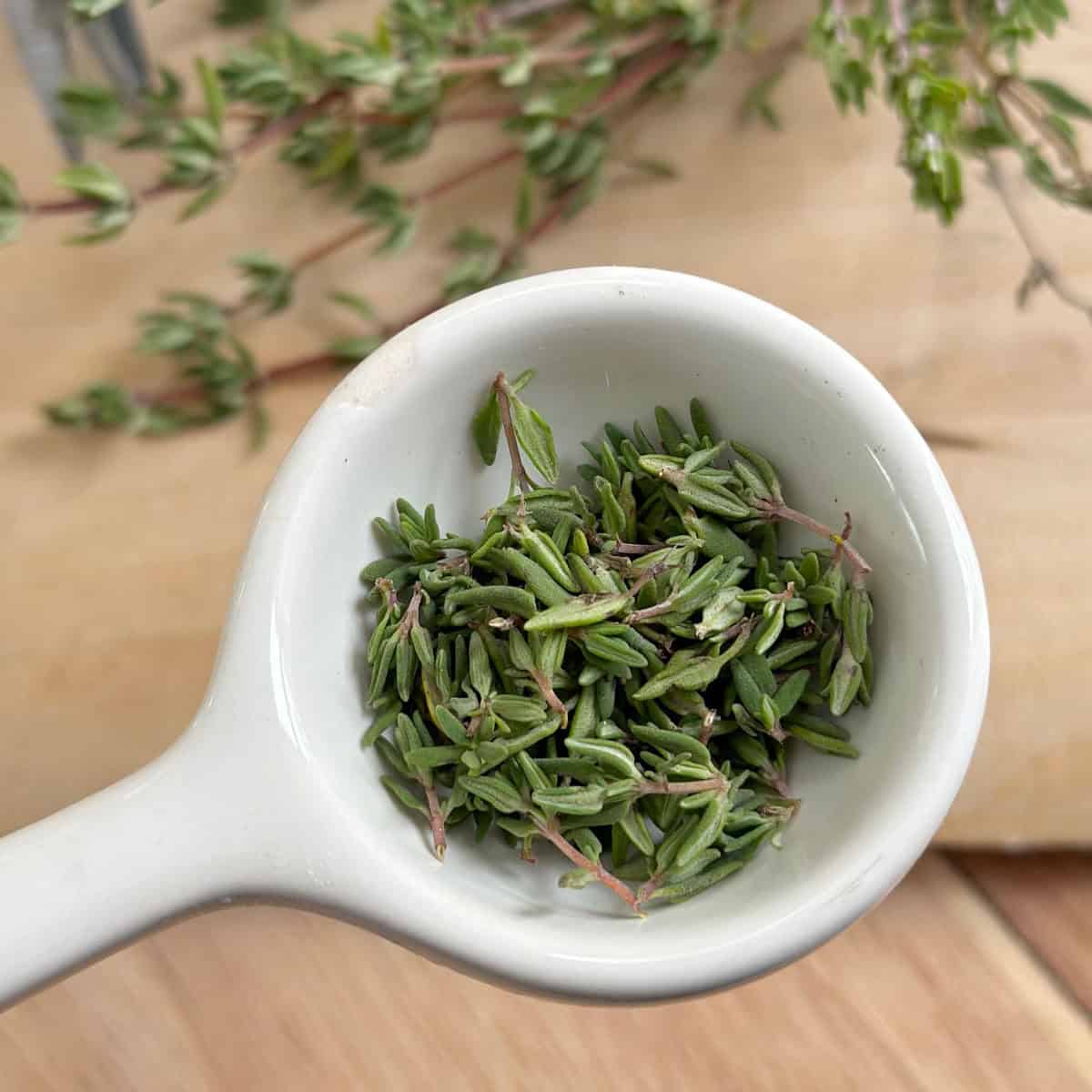
Learning how to chop thyme starts with removing the tiny leaves from the stem, then deciding whether to leave them whole or finely chop them for your recipe. Tender stems can be stripped by hand, while woody stems are easier with an herb stripper. Once removed, thyme leaves can be used whole for flavor infusion or chopped to release more oils and distribute evenly in dishes.
Content may contain affiliate links. When you shop the links, we receive a small commission at no cost to you. Thanks for supporting my small business.
Learning how to chop thyme is one of those small kitchen skills that makes a big difference in your cooking. This fragrant culinary herb adds incredible flavor to everything from roasted carrots to marinades and even baked brie, but those tiny leaves can be frustrating if you're not sure how to handle them.
In this guide, I'll walk you through the easiest way to remove thyme leaves from the stem and how to chop them for cooking. You'll also learn when to leave thyme whole, how to use it in recipes, and simple tips for storing fresh thyme so it stays flavorful.
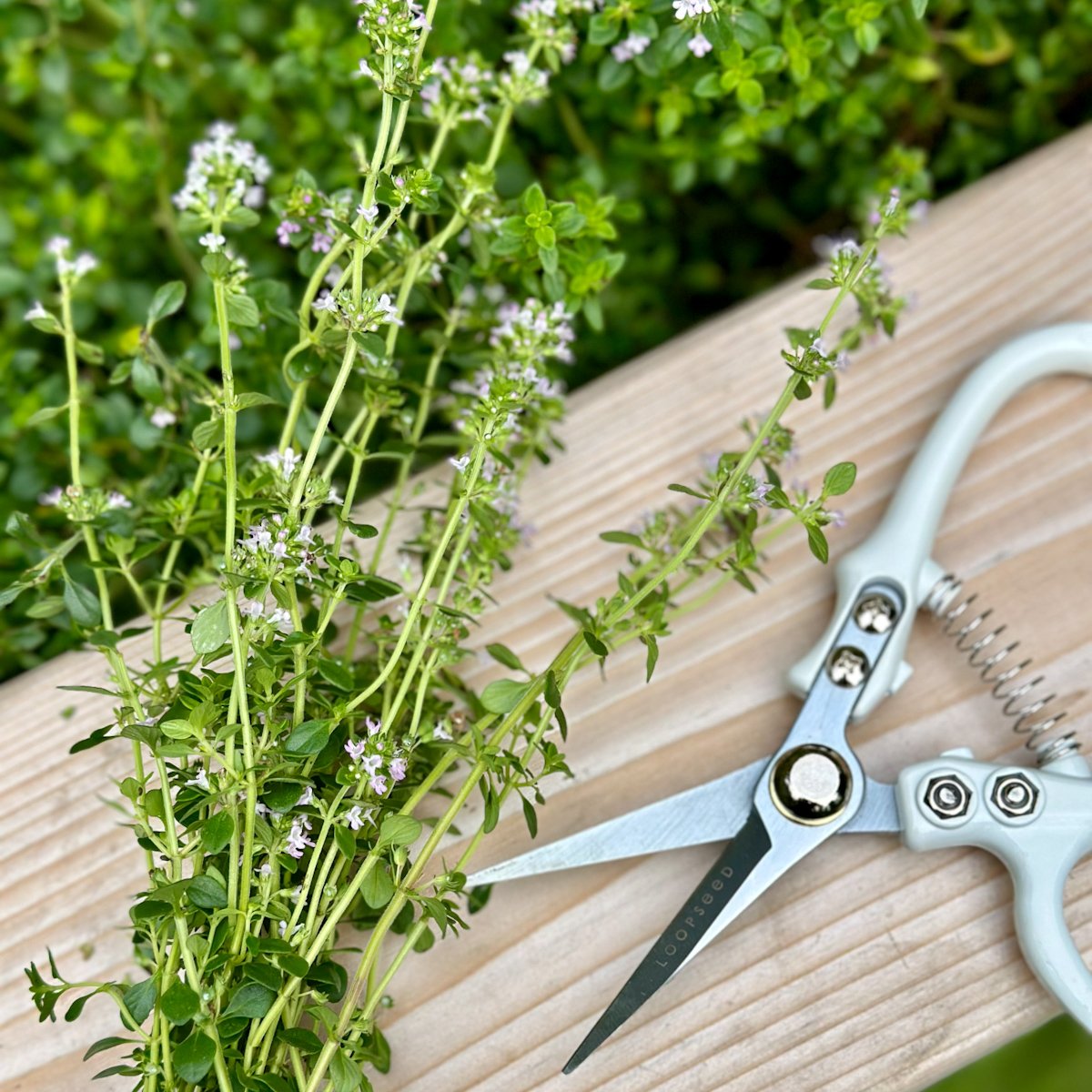
If you're cutting thyme straight from the garden, you may also want to read my guide on how to harvest thyme the right way. And if you're working with dried herbs, here's how to dry thyme for later use.
At a Glance: How to Chop Thyme
_______________________
Strip the leaves from the stem, then chop or use whole depending on your recipe.
Best method: Pinch or strip leaves from the stem, then finely chop with a knife
Tools needed: Fingers, chef's knife, or herb stripper
Tender stems: Strip easily by hand
Woody stems: Use an herb stripper or pull firmly down the stem
Chop or leave whole:
- Chop for even flavor in sauces, dressings, and fillings
- Leave whole for garnishes, roasts, and infusing flavor
Flavor tip: Chopping releases more oils and stronger thyme flavor
Common mistake: Leaving woody stems in your dish (they're tough and not pleasant to eat)
Storage: Store fresh thyme in the fridge wrapped in a damp paper towel or freeze for later use
Summarize and Save this content on:
Jump to:
How to remove thyme leaves from the stem
Before you can chop thyme, you'll need to remove the tiny leaves from the stem. This is the most important step, and once you get the hang of it, it's quick and easy.
The method you use depends on the type of stem. Tender stems near the top are soft and easy to handle, while lower stems are woodier and a bit tougher.
Using an herb stripper
For woody stems, an herb stripper can make the job much faster. Simply pull the stem through the appropriate hole, letting the tool strip the leaves as you go. Be gentle so you don't bruise the leaves.
Tip: Give your thyme a quick rinse and pat dry before stripping to remove any dirt.
Classic pinching and stripping method
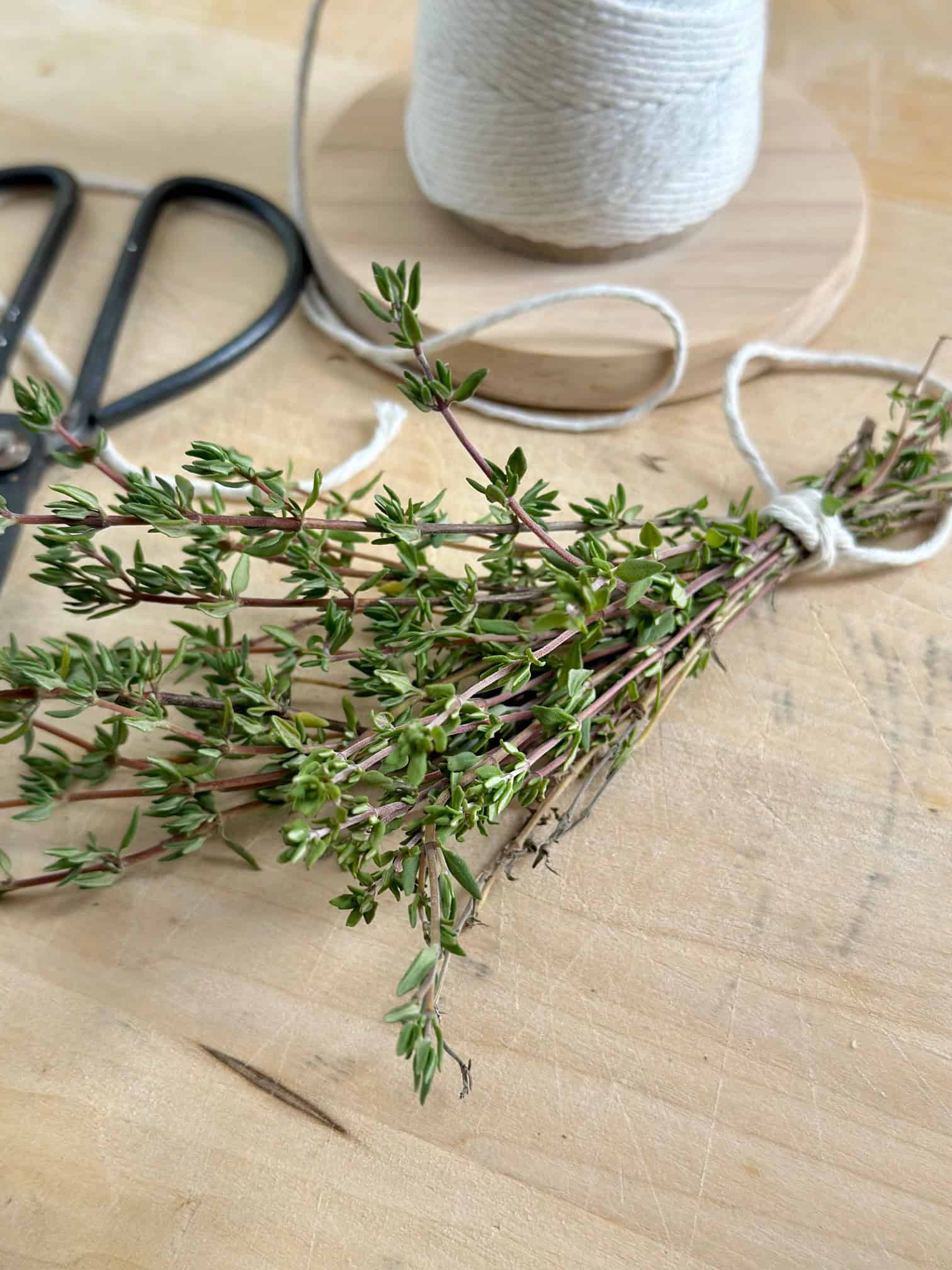
For tender stems, the easiest method is to strip the leaves by hand. Hold the top of the stem with one hand, then run your fingers down the stem in the opposite direction of growth to pull the leaves off.
If you're working with multiple sprigs, try bundling a few stems together to speed things up.
Which method is best?
Both methods work well. An herb stripper is faster for woody stems, while hand stripping is gentler and perfect for delicate growth. Most home cooks end up using a combination of both.
Once the leaves are removed, place them on a cutting board or plate so they're ready to chop. Thyme leaves are small and tend to scatter, so working over a surface makes things much easier.
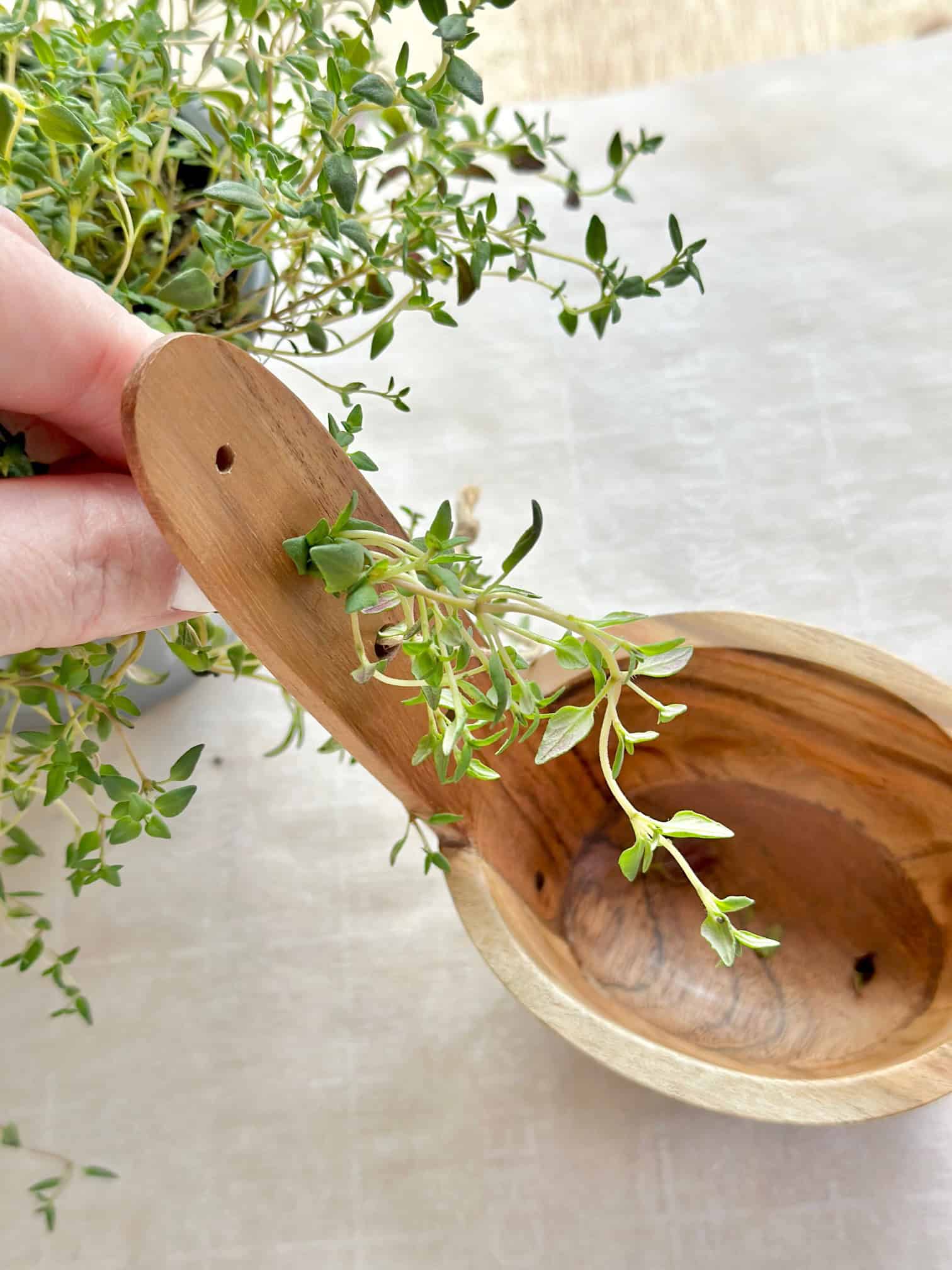
Shop this Acai herb stripper .
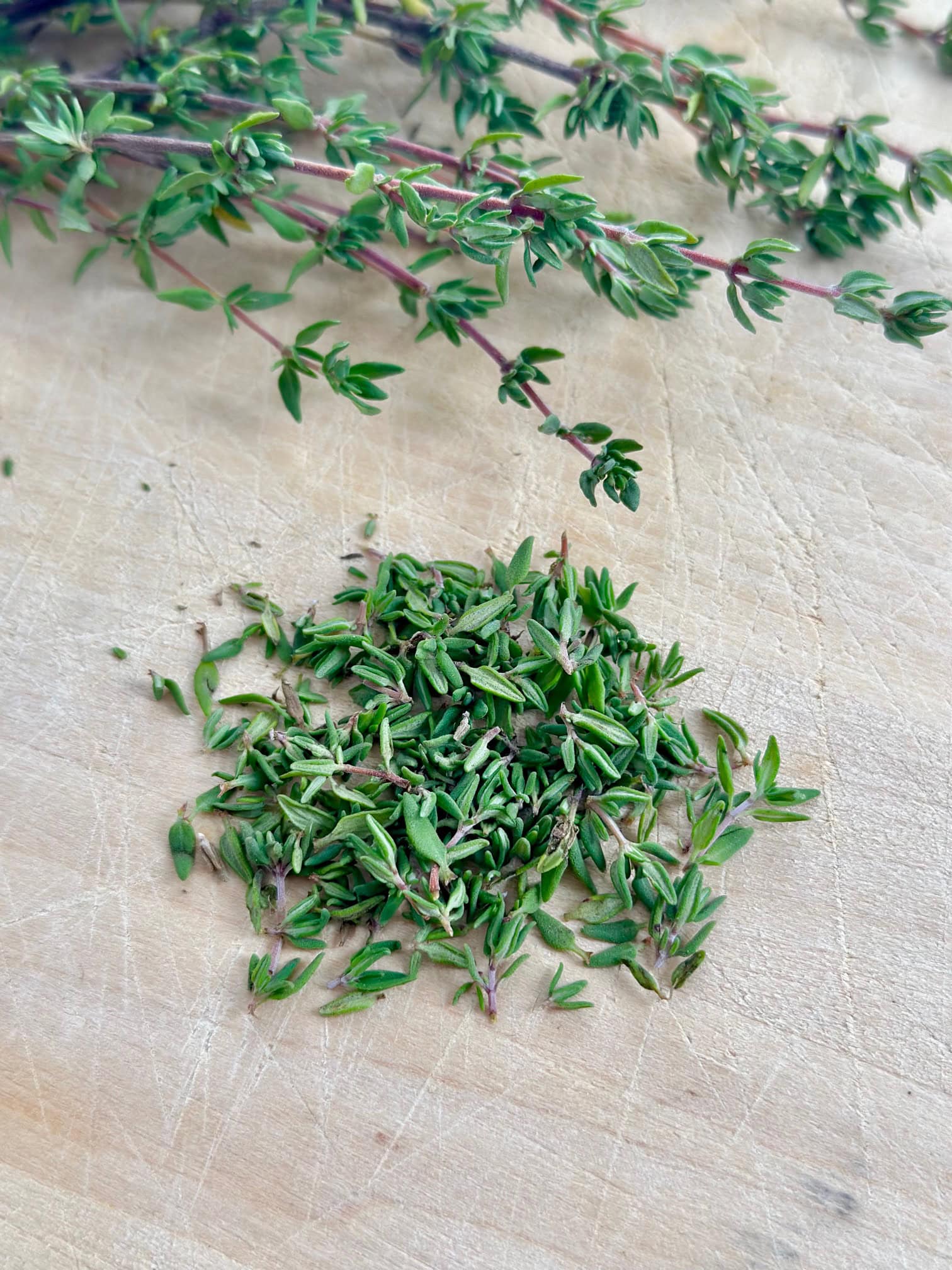
How to chop thyme (quick method)
- Strip the leaves from the stem using your fingers or an herb stripper
- Gather the leaves into a small pile on a cutting board
- Use a sharp knife to finely chop using a gentle rocking motion
- Run your knife through the pile once or twice more for a finer texture, if needed
That's it. Thyme leaves are small, so they don't need much chopping. For many recipes, a quick pass with the knife is all you need to release their flavor.
When to chop thyme, leave it whole, or use sprigs
Once your thyme leaves are removed, the final step is deciding how to use them in your recipe. Both options work, it just depends on your recipe.
When to chop thyme
Chopping thyme helps distribute flavor evenly and releases more of its natural oils. This is the best choice when you want the herb fully incorporated into a dish.
Use chopped thyme for:
- Salad dressings and sauces
- Compound butters
- Fillings and marinades
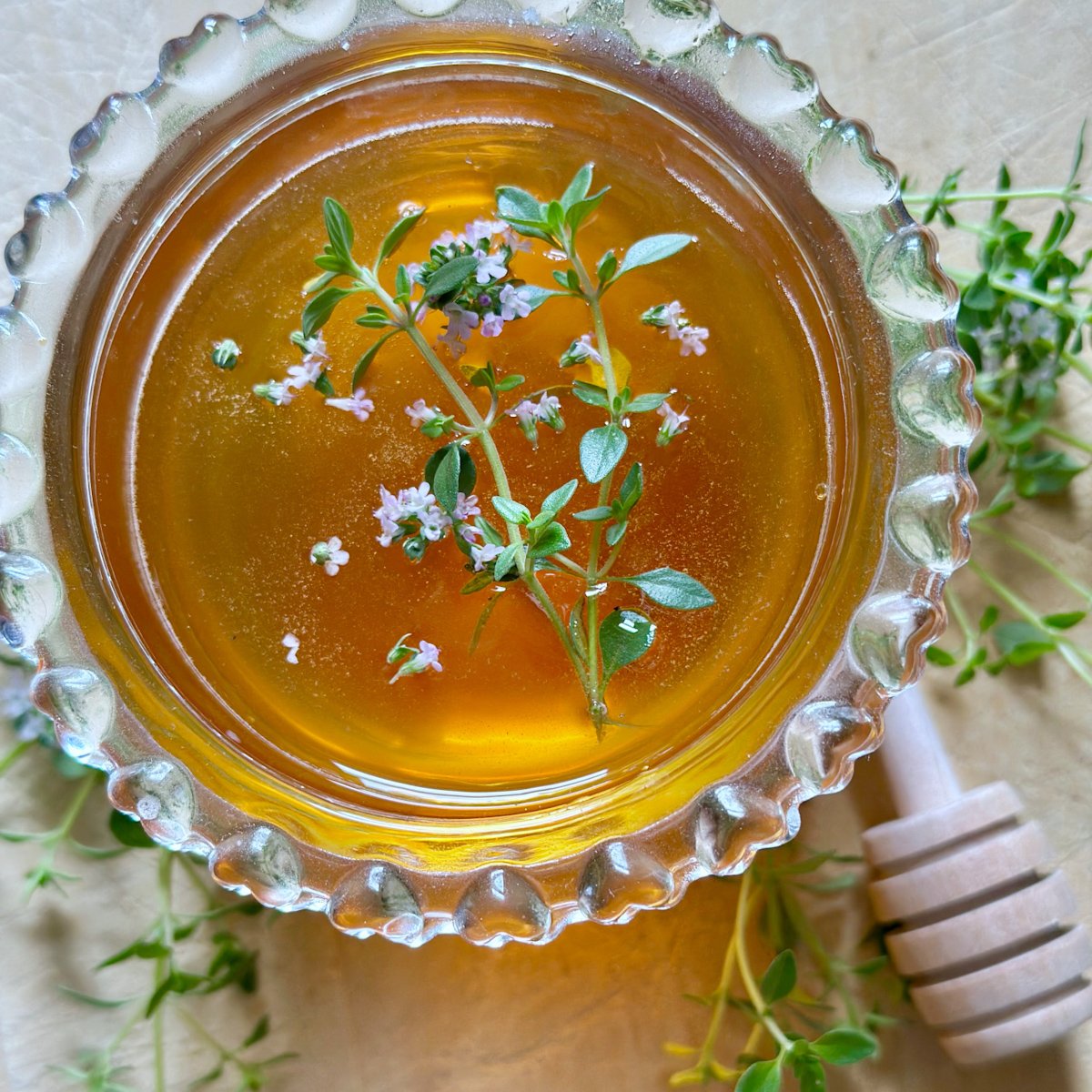
- Infused honey
To chop thyme, gather the leaves into a small pile and use a rocking motion with a sharp knife to mince them finely.
When to leave thyme leaves whole
Whole thyme leaves add small bursts of flavor and a bit of texture. Because they're so tiny, they often don't need chopping at all.
Use whole leaves for:
- Garnishing soups and finished dishes
- Roasted vegetables or potatoes
- Sprinkling over breads like focaccia
A simple rule
If you want a stronger, more even flavor, chop the thyme.
If you want light texture and visual appeal, leave the leaves whole.
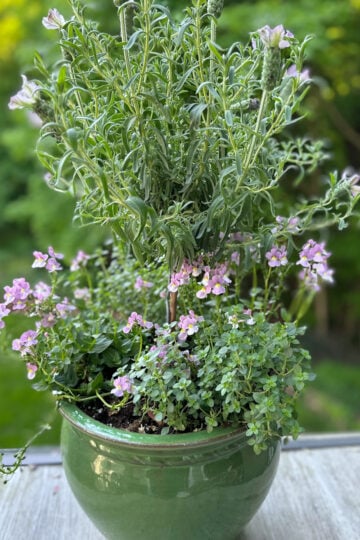
Bonus tip: Don't forget the flowers: Thyme flowers are edible and have a mild, slightly sweet flavor. Snip them just below the bloom and use them as a garnish for salads, roasted vegetables, or even infused oils.
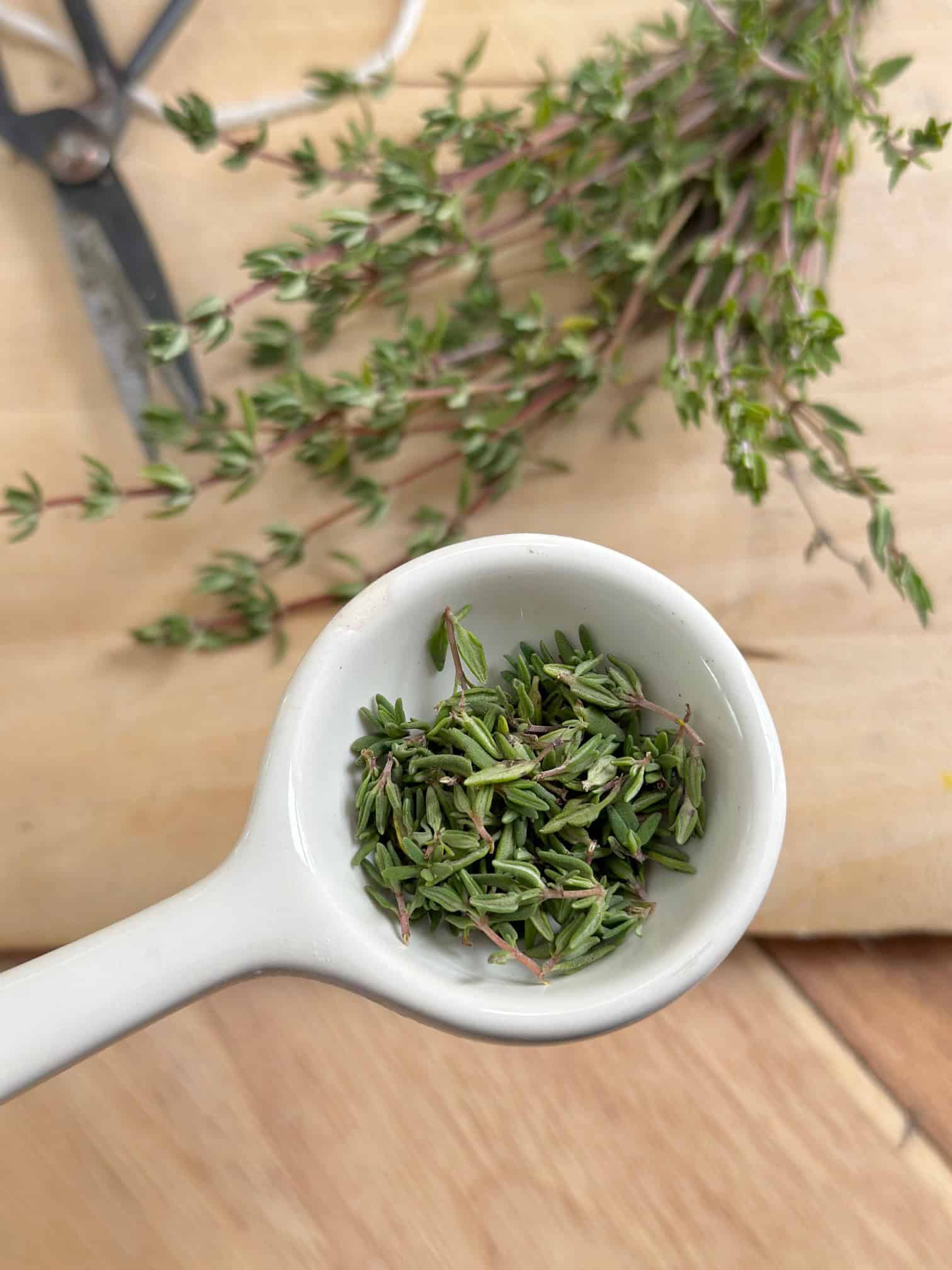
A Delicious Way to Use Fresh Thyme: Now that you've chopped your fresh thyme, put it to good use in my Baked Brie with Preserves. I used apricot preserves, buttery pecans, and a sprinkle of fresh thyme to create an easy appetizer that's ready in about 20 minutes. The thyme adds the perfect fresh, savory finish to the warm, creamy Brie.
Storing fresh thyme
To keep your fresh thyme at its best, try refrigerating it wrapped in a damp paper towel and stored in a plastic bag. For longer-term storage, freezing thyme in ice cube trays or airtight containers works wonders. If you prefer dried thyme, you can use a dehydrator, air-drying, or oven-drying methods. Once dried, store it in airtight containers in a cool, dark place for optimal freshness. Enjoy the vibrant flavor of thyme in your dishes anytime!
Tip: Looking to preserve your thyme harvest? Check out my post on drying thyme for tips on how to dry thyme leaves effectively, store them for future use, and enjoy the convenience of having dried herbs on hand whenever you need them.
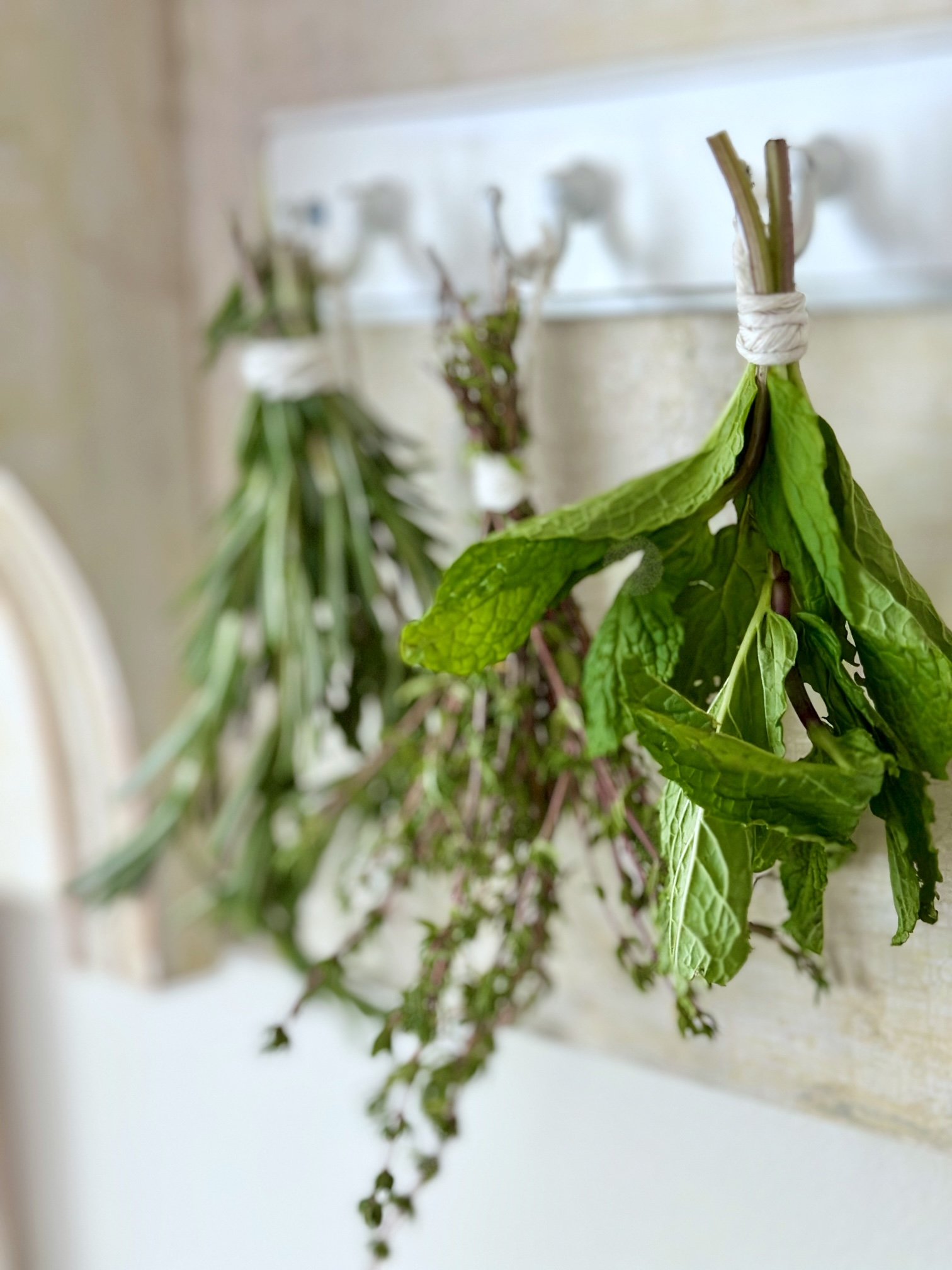
Don't let extra thyme go to waste.
Fresh thyme adds a wonderful earthy fragrance to homemade simmer pots. Paired with lavender, citrus, or berries, it's an easy way to bring the scent of the garden indoors. Explore these simple simmer pot recipes for inspiration.
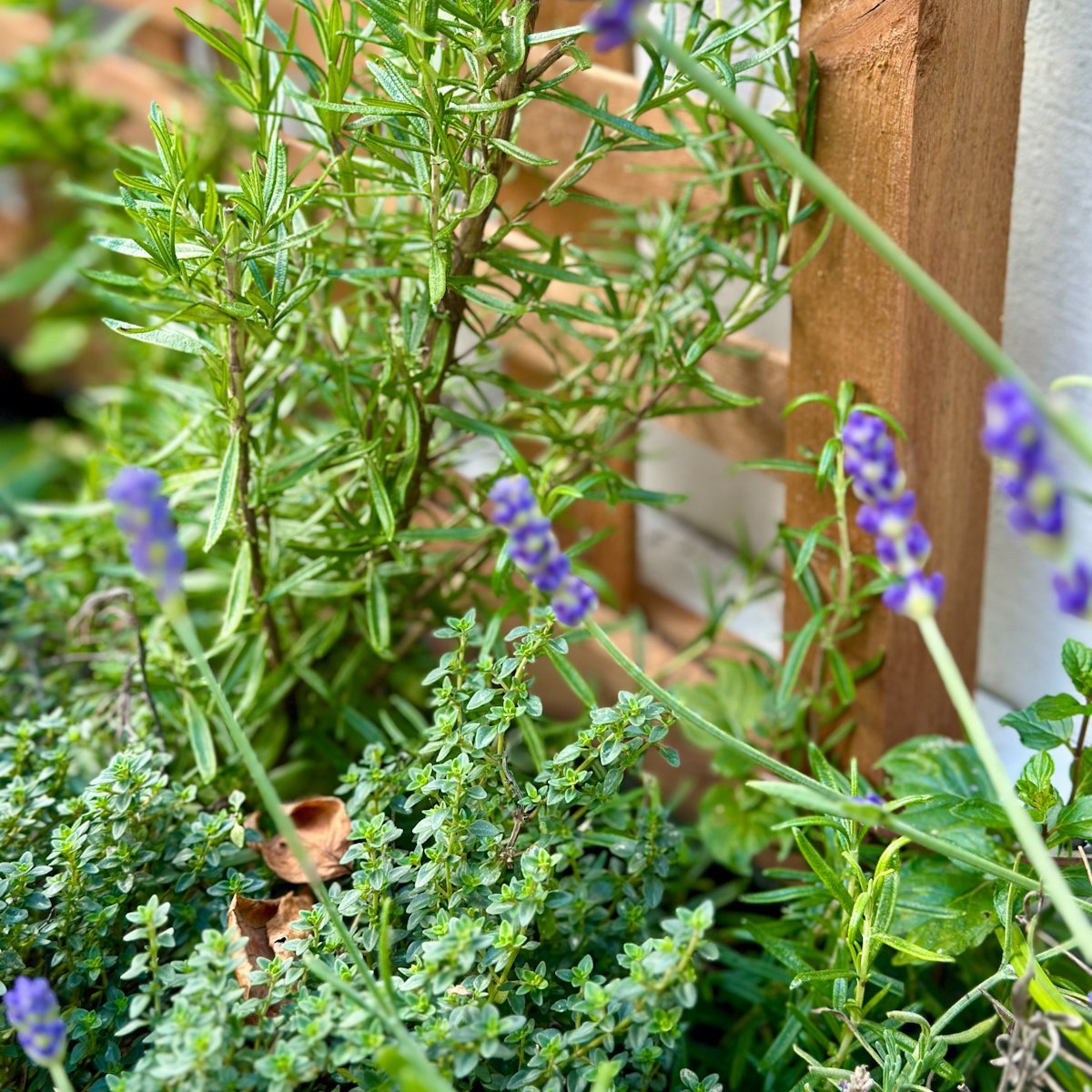

Store freshly cut thyme in a cool, dry place in an airtight container to preserve its delicate flavor and fragrance. With its versatility and tons of flavor, thyme is a must-have in any herb garden, adding a touch of Mediterranean cuisine to your dishes.
Do you enjoy growing and harvesting thyme? Let me know in comments and please share any tricks you have on how to cut thyme.