Creeping Thyme Planting: When and How to Grow It Successfully

Creeping thyme planting is easiest when timed around warm soil and full sun. Plant seeds indoors 8-10 weeks before your last frost, or sow outdoors once soil temperatures reach the high 60s°F. For best results, use well-draining soil, space plants 8-12 inches apart, and provide light moisture until established. Once rooted, creeping thyme becomes a low-maintenance, drought-tolerant ground cover that thrives in poor soil and sunny locations.

If you're planning creeping thyme planting, timing and technique both matter. Whether you're starting from seed or planting young plants, getting it into the ground at the right time helps ensure strong roots, healthy growth, and reliable flowering.
I've been growing creeping thyme (Thymus serpyllum) here in Massachusetts for over 30 years, and it's one of the easiest, most rewarding ground covers in my garden. In this guide, I'll walk you through exactly when to plant creeping thyme, how to plant it successfully, and what's worked best for me over the years.
At a Glance: Creeping Thyme Planting
_______________________
- Best time to plant: Spring after last frost or early summer
- Seed starting: Indoors 8-10 weeks before last frost
- Direct sowing: Late spring when soil reaches high 60s°F
- Sunlight: Full sun (tolerates light shade)
- Soil: Well-draining, average to poor soil
- Spacing: 8-12 inches apart
- Watering: Keep lightly moist until established, then minimal
- Growth habit: Low-growing ground cover, 2-3 inches tall
- Hardiness zones: USDA zones 4-9
Summarize and Save this content on:
Jump to:
- At a Glance: Creeping Thyme Planting
- When to plant creeping thyme
- How to plant creeping thyme (step-by-step)
- Planting creeping thyme from seed
- Planting creeping thyme for ground cover (spacing and layout)
- Hardiness zones for creeping thyme
- Best growing conditions for creeping thyme
- Best types of creeping thyme for planting
- Planting creeping thyme from seed
- Fertilizing creeping thyme
- Maintaining your creeping thyme
- Common creeping thyme problems and solutions
- Frequently asked questions
- More herb garden care guides
When to plant creeping thyme
The best time to plant creeping thyme is in spring, after the last frost, when the soil has started to warm up. In my Massachusetts garden, that usually means mid to late May. Planting at this time gives creeping thyme a full growing season to settle in, develop strong roots, and prepare for winter.
You can continue planting through early summer as long as you keep new plants watered while they establish. I have had the best success when planting in that spring to early summer window, before the hottest, driest part of the season sets in.
Fall planting can also work, especially in milder climates. If you plant in fall, try to give creeping thyme at least 6 to 8 weeks before your first frost so the roots have time to establish. In colder areas like mine, spring is usually the safer and more reliable choice.
If you are starting creeping thyme from seed, timing is a little different. Seeds can be started indoors 8 to 10 weeks before your last frost date, then transplanted outside once the weather warms. You can also direct sow outdoors in late spring when soil temperatures reach the high 60s°F.
In general, the right planting time comes down to three things: warm soil, no danger of frost, and a sunny, well-drained spot. If those conditions are in place, creeping thyme usually gets off to a strong start.
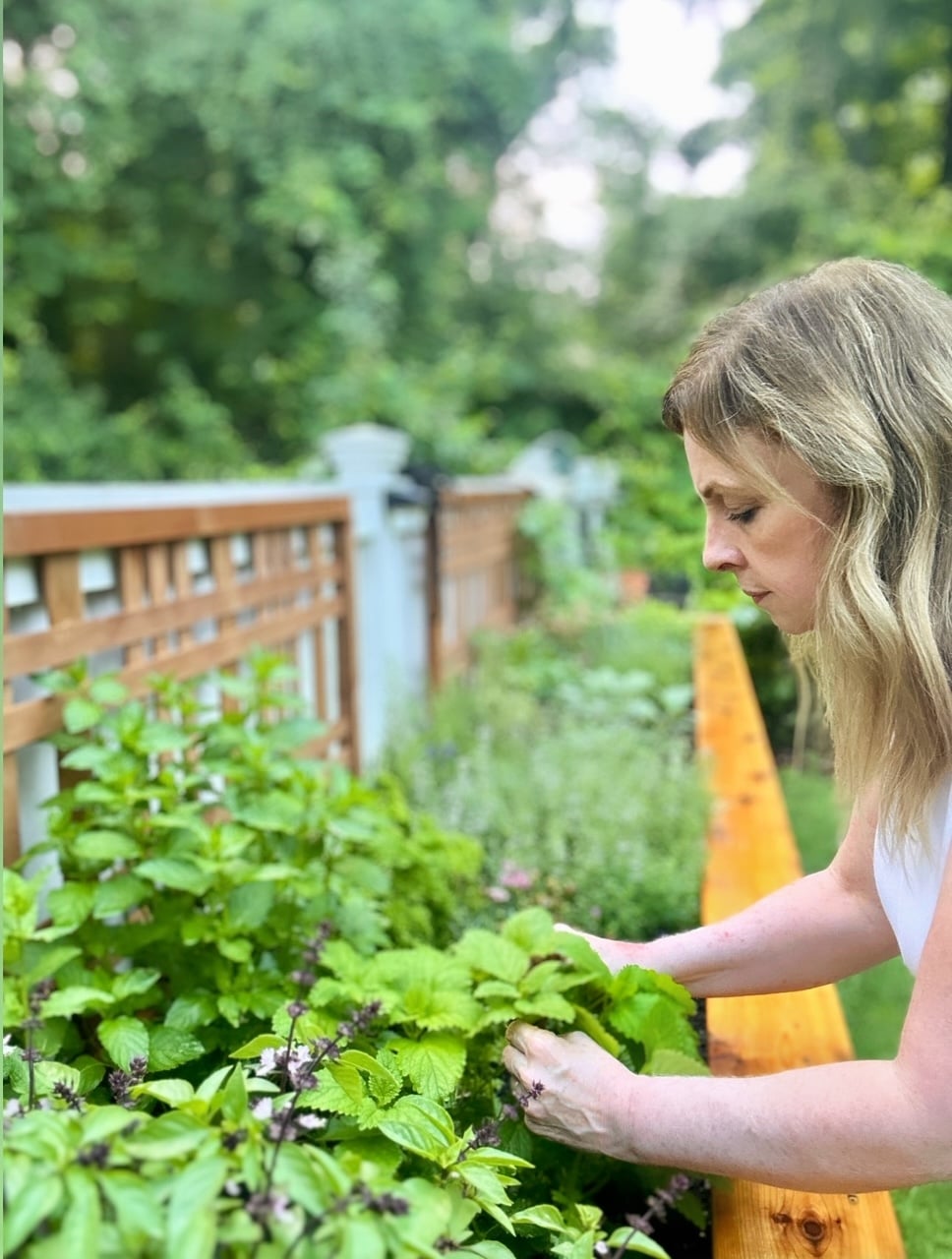
How to plant creeping thyme (step-by-step)
Planting creeping thyme is simple, but a few small steps make a big difference in how quickly it establishes and spreads. Here is the method that has worked best for me over the years.
1. Choose a sunny, well-drained spot
Creeping thyme grows best in full sun and soil that drains well. This is one plant that really does not like wet feet. I have found it performs beautifully in poor, sandy soil, but it struggles in low spots that stay damp after rain.
2. Prepare the soil
Before planting, loosen the soil and mix in a little compost if needed. This is especially helpful if your soil is heavy or compacted. You do not need rich soil, but you do want a planting area that drains easily and gives the roots room to settle in.
3. Space plants 8 to 12 inches apart
Give each plant enough space to spread. Creeping thyme may look small at first, but it gradually fills in and forms a low mat over time. I usually space plants about 8 to 12 inches apart, depending on how quickly I want the area to fill in.
4. Dig holes slightly larger than the root balls
Make each planting hole just a little wider than the root ball. If the roots are tightly wound in the pot, gently loosen them with your fingers before planting. This helps the plant start growing outward into the surrounding soil.
5. Plant at the same depth as the container
Set each plant into the hole so the top of the root ball sits level with the surrounding soil. Do not bury it deeper than it was growing in the pot. Backfill with soil, then gently firm it around the roots.
6. Water well after planting
Give new plants a thorough watering right after planting to help settle the soil around the roots. For the first few weeks, keep the soil lightly moist but not soggy. Once you see new growth, you can ease up on watering.
7. Let it establish before expecting fast spread
Creeping thyme is not a fast grower right away. The first year, it usually focuses on building roots rather than spreading quickly. Once established, though, it becomes a tough, low-maintenance ground cover that needs very little care.
If you are planting creeping thyme as a ground cover, patience is part of the process. It may look sparse at first, but with sun, good drainage, and a little time, it will gradually fill in and flower beautifully.
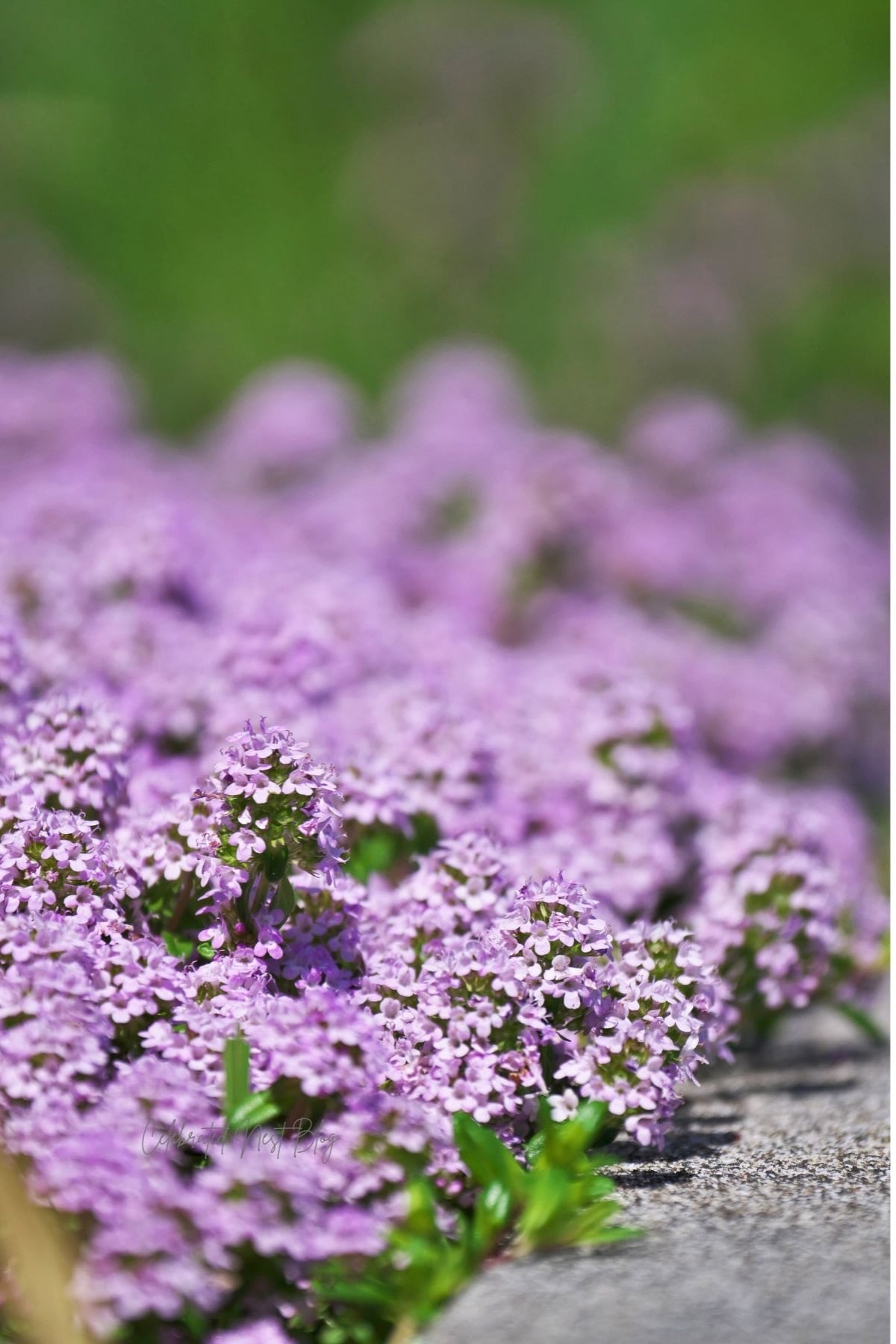
Planting creeping thyme from seed
If you're starting creeping thyme from seed, timing is slightly different. Start seeds indoors 8 to 10 weeks before your last frost, or sow outdoors once soil temperatures reach the high 60s°F. I'll walk through the full seed starting process below.
Planting creeping thyme for ground cover (spacing and layout)
If you're planting creeping thyme as a ground cover, spacing and layout make all the difference in how quickly it fills in and how full it looks over time. This is one of the most common questions I get, because when you first plant it, it can look a little sparse.
How far apart to plant creeping thyme
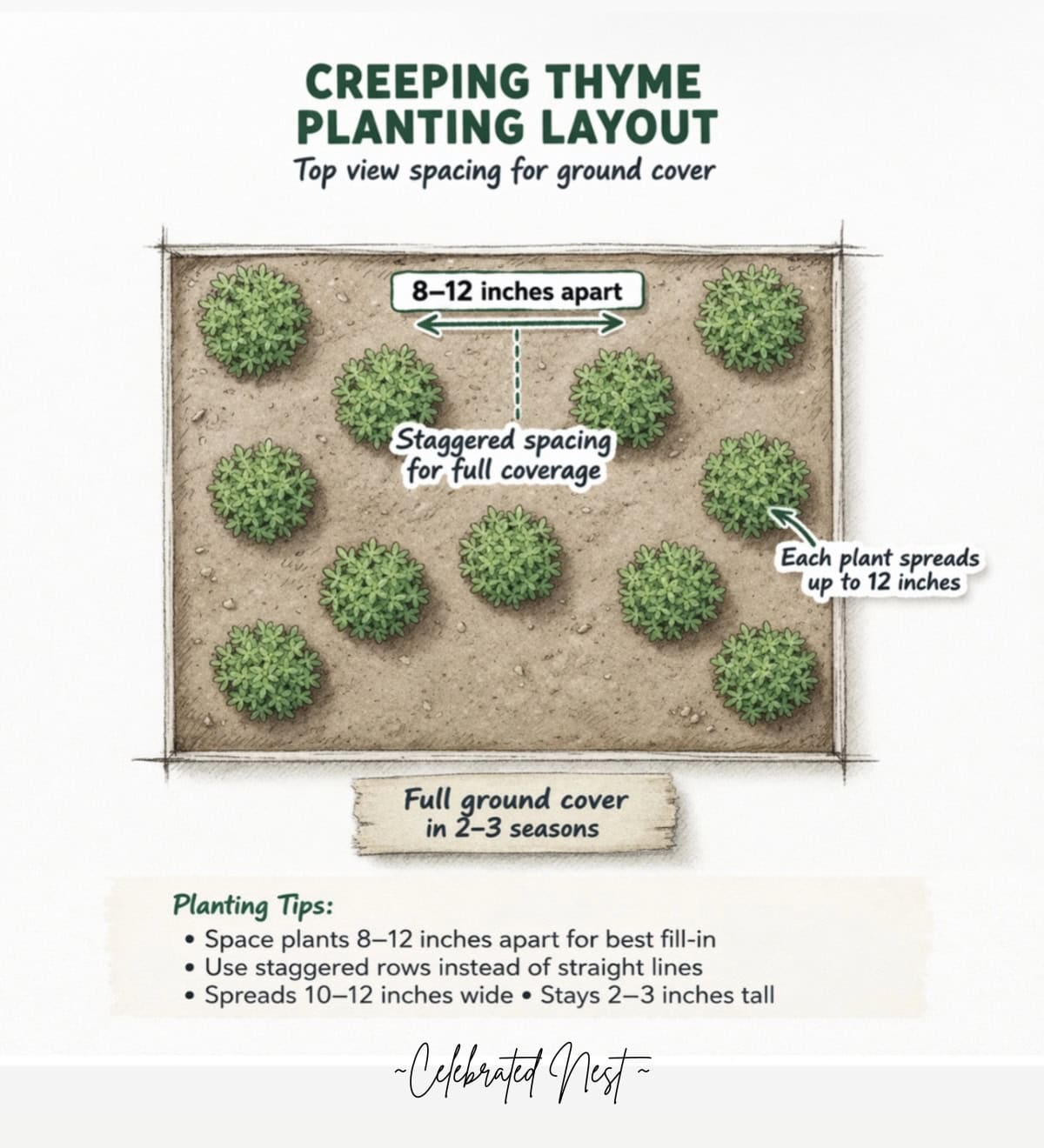
For most situations, space plants 8 to 12 inches apart.
- 8 inches apart: faster fill-in, fuller look sooner
- 12 inches apart: more budget-friendly, but takes longer to spread
In my garden, I usually land somewhere in the middle. If I'm planting along a visible edge or pathway where I want it to look established quickly, I plant closer together. For larger areas, I space them out a bit more and let time do the work.
How creeping thyme spreads
Each plant will gradually spread outward, forming a low mat about 10 to 12 inches wide. It stays very low to the ground, usually around 2 to 3 inches tall, which is what makes it such a good choice for paths, borders, and between stepping stones.
The key thing to understand is that creeping thyme spreads slowly at first. During the first year, most of the growth happens below the surface as the roots establish. By the second season, you'll start to see it fill in more noticeably.
How to lay out your plants
When planting for ground cover, think in terms of even coverage, not rows.
Instead of lining plants up in straight lines, stagger them slightly in a zigzag pattern. This helps them fill in more naturally and avoids visible gaps as they grow.
If you're planting between stepping stones or pavers, place one plant in each gap and give it room to spread outward. I've found that overcrowding early on actually slows things down, so it's better to give each plant its own space.
How long it takes to fill in
Creeping thyme is not an instant ground cover, but it is a reliable one.
- Year 1: small plants, minimal spread
- Year 2: noticeable filling in
- Year 3: fuller coverage, especially in good conditions
If you want faster results, you can plant more densely at the start. If you're willing to wait, wider spacing works just as well over time.
Tips for faster coverage
If your goal is to create a thick, carpet-like look, a few small adjustments can help:
- Plant slightly closer together (closer to 8 inches)
- Start with healthy, well-established plants instead of seeds
- Make sure the soil drains well, creeping thyme will not spread in soggy conditions
- Keep weeds down early on so new plants aren't competing
Once established, creeping thyme becomes very low maintenance and will continue to spread on its own.
Hardiness zones for creeping thyme
Creeping thyme is hardy in USDA zones 4 to 9, making it a reliable choice across most of the country. I grow it in Massachusetts (zone 6), where it handles cold winters and hot summers without any special protection.
If you're within this range, creeping thyme is generally very easy to establish and maintain, especially when planted in the right conditions.
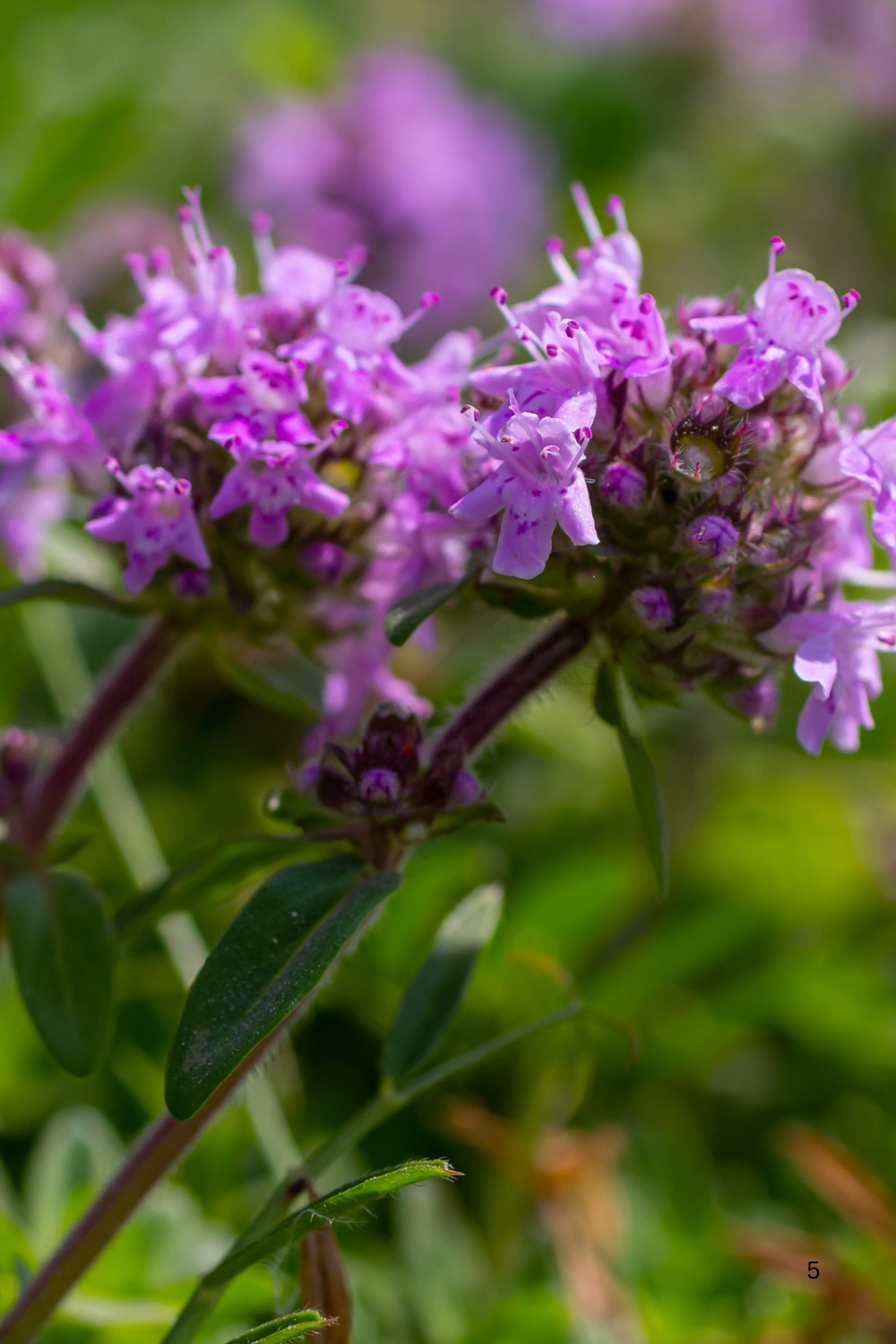
Best growing conditions for creeping thyme
Creeping thyme planting is most successful when you start with the right conditions.
I've found it grows best in full sun, though it can tolerate partial shade. I do have a patch that gets about 4 hours of sun, and while it survives, it doesn't flower nearly as well as the plants in full sun.
Soil quality matters less than drainage. This is one of the easiest plants to grow in poor, sandy soil, but it will struggle in heavy or wet conditions. I learned this the hard way when I planted some in a low spot that stayed damp after rain. The plants turned yellow and never established.
Creeping thyme prefers well-draining soil with a neutral pH, around 6.5 to 7.5. Once established, it's extremely drought-tolerant and requires very little attention.
It stays low to the ground, typically about 2 to 3 inches tall, which makes it ideal for paths, borders, and planting between stepping stones.
Best types of creeping thyme for planting
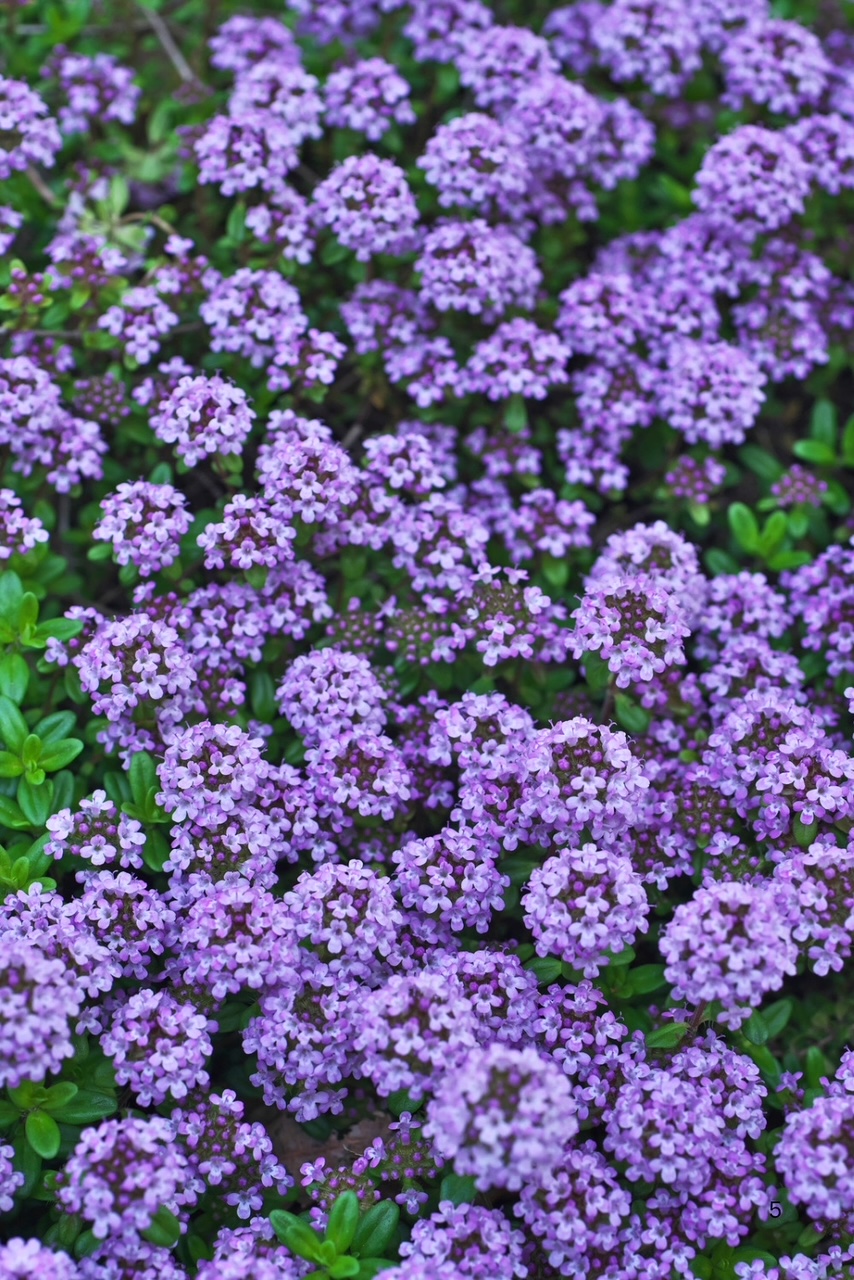
If you're planning creeping thyme planting, choosing the right variety can make a big difference in how your space looks and fills in over time.
After growing different types over the years, I've found that while all creeping thymes function as ground covers, they vary in height, texture, and overall look.
Here are a few of my favorites:
- Red Creeping Thyme - Lowest growing with deep pink flowers. This is my go-to for path edges and areas where I want a dense, colorful mat.
- Woolly Thyme - Soft, fuzzy gray leaves with a more muted look. It's beautiful in rock gardens and dry, sunny areas.
- Elfin Thyme - Very tiny leaves and a compact growth habit. Perfect for planting between stepping stones or tight spaces.
- White Creeping Thyme - Clean white flowers that brighten planting areas. I like using this when I want a lighter, softer look.
Unlike common thyme (Thymus vulgaris), which grows upright and is mainly used for cooking, creeping thymes stay low and spread outward, making them ideal for ground cover.
If fragrance matters to you, I've found Red Creeping Thyme has the strongest scent. Plant it where you'll brush against it, and it releases that classic thyme aroma.
Planting creeping thyme from seed
Growing creeping thyme from seed takes a little patience, but it's one of the most cost-effective ways to fill a larger area. I've done this many times when I needed ground cover, and while it's slower than planting nursery starts, it's absolutely worth it.
When to start creeping thyme seeds
For best results, start seeds indoors about 8 to 10 weeks before your last frost date. In my Massachusetts garden, that usually means late February to early March.
You can also sow seeds directly outdoors in late spring, once soil temperatures reach the high 60s°F and all danger of frost has passed. That said, I've had much better success starting indoors, where conditions are easier to control.
How to start creeping thyme seeds indoors
Creeping thyme seeds need light to germinate, which is one of the most important things to know. I gently press them onto the surface of the soil without covering them.
Keep the soil consistently moist and the temperature around 70°F. Germination can take time, usually between 14 and 28 days, so don't worry if you don't see sprouts right away.
Once seedlings appear, give them plenty of light. I keep mine under grow lights or in a bright window, and water carefully so the tiny plants aren't disturbed.
Transplanting and early care
When seedlings have a couple sets of true leaves, thin them to one plant per cell. After the last frost, harden them off gradually, then transplant them into the garden using the same method as established plants.
Space them about 8 to 12 inches apart to allow room for spreading.
What to expect the first year
Creeping thyme grows slowly from seed, especially in the first season. Most of the plant's energy goes into developing strong roots, so you may only see small plants, about 2 to 3 inches tall, by the end of the year.
The real growth happens in the second season. Once established, creeping thyme becomes hardy, drought-tolerant, and fills in beautifully over time.
Pro Tip: Starting seeds in late winter gives you the longest possible growing season. If you're direct sowing outdoors, wait until soil temperatures warm up and all danger of frost has passed. For the best success rate, prepare your soil by mixing in 2-3 inches of compost or aged manure before planting.

Fertilizing creeping thyme
Here's something I love about creeping thyme - it doesn't need much fertilizing at all. In fact, too much fertilizer can make plants grow soft and floppy, which isn't what you want in a ground cover.
I give my plants a single application of balanced, all-purpose fertilizer in early spring when new growth starts. Sometimes I skip the commercial fertilizer entirely and just work some compost into the soil instead. Either way works fine.
If your plants are growing in really poor soil, you might want to give them a light feeding. But remember - these plants naturally grow in lean soil conditions. I've learned that too much kindness with fertilizer just leads to weak growth and fewer flowers.
Pro Tip: Skip feeding altogether if your creeping thyme is growing well. These plants are true low-maintenance champions, and in most cases, less really is more when it comes to fertilizer.

Maintaining your creeping thyme
One reason I love creeping thyme? It's about as low-maintenance as plants get. After 30 years of growing it, I can tell you it needs very little attention to thrive.
Regular care
During the growing season, I pretty much leave it alone. It doesn't need fertilizer, and once established, it's drought-tolerant. I only water during extremely dry spells, and even then, it usually bounces back on its own.
Pruning and trimming
After flowering, I give my plants a light trim to keep them tidy and encourage new growth. You can use garden shears or even a weed trimmer set on high - I've done both with good results. This quick haircut helps prevent woody stems from developing too quickly.
Winter and seasonal care
Here in Massachusetts, my creeping thyme handles winter just fine without any special care. The plants go dormant, but they've survived some pretty brutal winters. In spring, I clean up any dead spots and trim back woody stems to make way for new growth.
Pro Tip: After about 3-4 years, you might notice the centers of your plants getting woody and less vigorous. That's normal. I divide these older plants in early spring, replanting the healthy outer edges and discarding the woody centers.
Common creeping thyme problems and solutions
After decades of growing creeping thyme, I've encountered most problems you might face. While it's generally a trouble-free plant, here are the main issues I've dealt with and how to fix them.
| Problem | What It Looks Like | Cause | Solution |
|---|---|---|---|
| Root Rot | Yellow leaves, wilting plants, mushy roots | Poor drainage, overwatering | Plant in well-draining soil, reduce watering. I learned to check soil moisture before watering |
| Spider Mites | Tiny webs on leaves, yellowing, stippled leaves | Hot, dry conditions | Spray plants with water, introduce beneficial insects. I spray down plants weekly during dry spells |
| Woody Centers | Middle of plant dies out, looks bare | Natural aging | Divide plants in spring, replant healthy outer sections |
| Poor Growth | Plants stay small, few flowers | Compacted or poor soil | Add organic matter when planting. I mix in compost every spring |
| Leaf Spot | Brown spots on leaves | Too much moisture on leaves | Water at base of plant, improve air circulation |
| Winter Damage | Dead patches in spring | Harsh winter conditions | Plant in protected areas, avoid wet winter soil |
Pro Tip: Most problems I've encountered came from poor drainage or overcrowding. Give your plants good air circulation and well-draining soil, and they'll usually stay healthy on their own.

Frequently asked questions
Creeping thyme is low-maintenance, but it does have a few drawbacks. It spreads slowly, especially in the first year, so it's not ideal if you want instant ground cover. It also requires well-draining soil, since it will struggle or die in wet conditions. While it tolerates light foot traffic, it cannot handle heavy use like a traditional lawn.
Creeping thyme spreads slowly at first, then fills in more quickly once established. In the first year, most of the growth happens below the surface as the roots develop. By the second year, you'll start to see noticeable spreading, and by the third season, it can form a fuller ground cover in the right conditions.
You can sow creeping thyme seeds directly on the ground, but they need proper conditions to germinate. The seeds must be pressed onto the soil surface, not covered, because they require light to sprout. For best results, plant when soil temperatures reach the high 60s°F and keep the soil lightly moist until germination. Starting seeds indoors is usually more reliable.
Creeping thyme is best planted in spring after the last frost. In colder climates like Massachusetts, that's typically mid to late May. You can also plant in early summer, as long as new plants are kept watered while they establish. In milder climates, early fall planting can work if there are at least 6 to 8 weeks before the first frost.
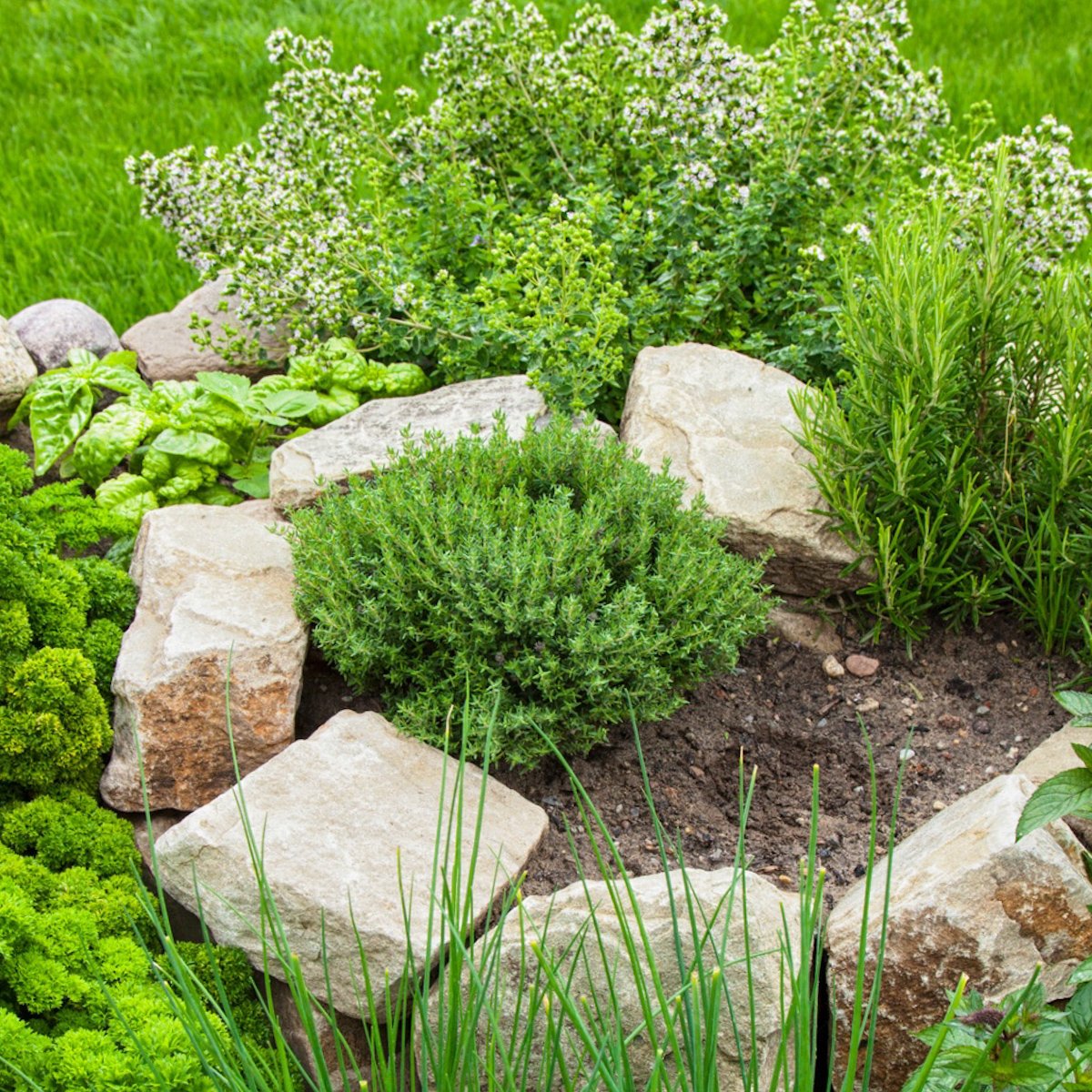
Growing creeping thyme has brought me years of garden joy - from the beautiful purple blooms in spring to the wonderful scent when I walk on it in summer. Whether you plant it between stepping stones, use it as a ground cover, or add it to your herb garden, this tough little plant won't let you down. Just give it sun, good drainage, and a little room to spread. Before you know it, you'll have a carpet of fragrant, flowering thyme that takes care of itself. Ready to get started? Your local garden center should have plants, or try growing some from seed - either way, you're in for a treat with this easy-care perennial.
Happy gardening!