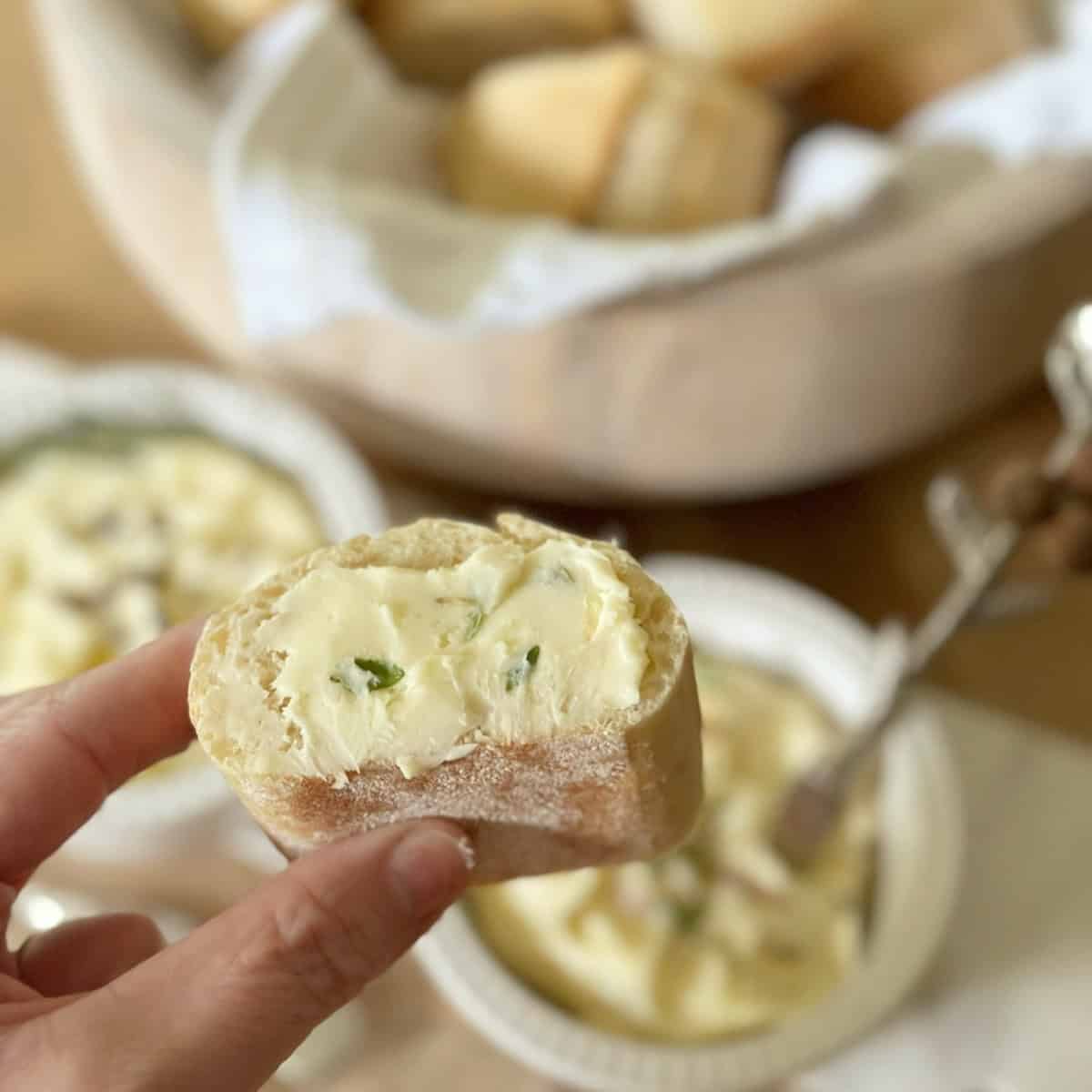
Herb Butter Recipes (Easy Whipped Butter with Fresh Herbs)

Herb butter is a compound butter made by blending softened butter with fresh or dried herbs. It can be prepared as a traditional butter or whipped for a lighter texture and is used to add flavor to bread, vegetables, meats, and simple dishes. Herb butter variations may include additional ingredients like garlic, shallots, or honey, depending on whether a savory or lightly sweet flavor is desired.
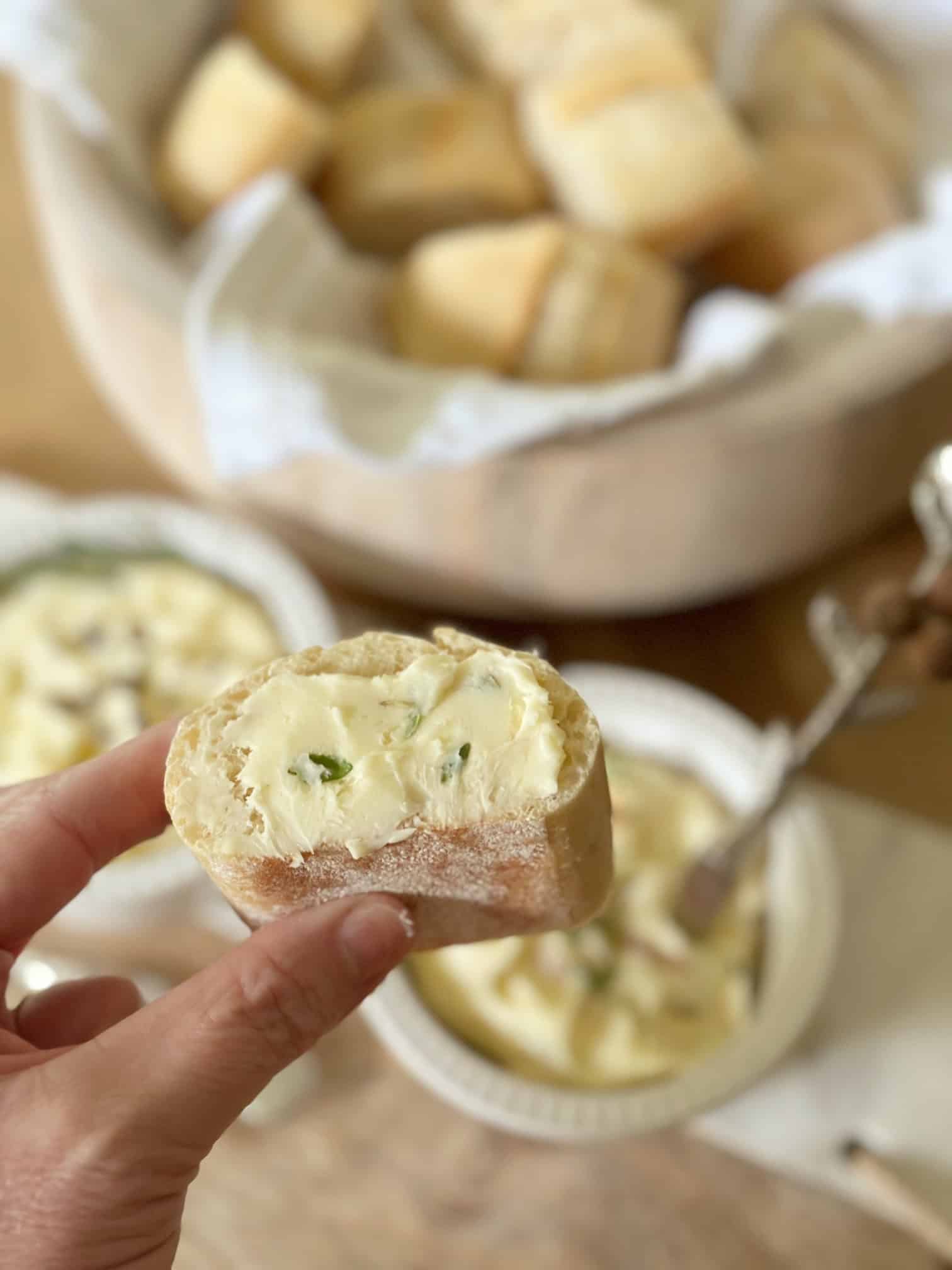
If you love adding a little extra flavor to warm bread, muffins, or biscuits, this herb butter is an easy place to start. Made with softened butter and fresh herbs, it can be prepared whipped for a lighter texture or kept classic and creamy, depending on how you plan to use it. Either way, herb butter instantly elevates even the simplest meal or snack.
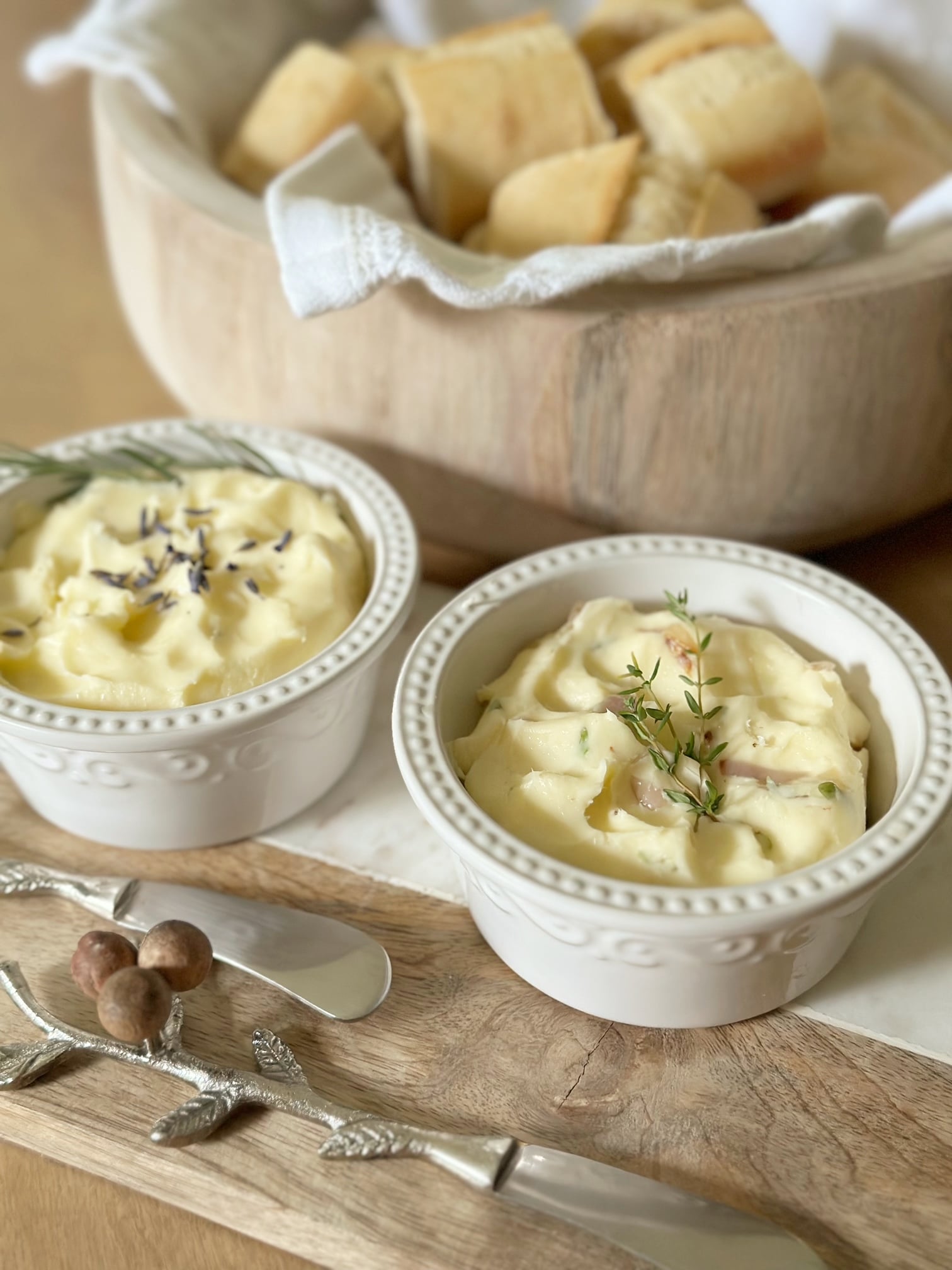
While many herb butter recipes lean savory, this version includes a lightly sweet variation with honey and lavender, creating a subtle floral note that works beautifully with both sweet and savory dishes. You can keep it simple with fresh herbs alone, roll it in edible flowers for a more decorative finish, or experiment with different infused honeys to create your own custom flavor combinations.
Jump to:
- Whipped butter vs. traditional herb butter
- What is herb butter?
- Essential ingredients for herb butter
- Choosing the right butter and flavorings for herb butter (whipped or traditional)
- Equipment needed for herb butter
- Preparation steps for whipped herb butter
- Honey Lavender Herb Butter
- Serving suggestions
- Storage and shelf life
- More herb infused recipes
Whipped butter vs. traditional herb butter
The main difference between whipped and traditional herb butter is texture. Traditional herb butter is dense and creamy, while whipped herb butter has more air incorporated, making it lighter and easier to spread.
Whipped butter becomes fluffy by beating softened butter until air is incorporated, creating a softer texture that blends easily with herbs and seasonings. This lighter consistency helps distribute flavors evenly, allowing herbs like lavender, rosemary, or garlic to stand out in every bite.
Because whipped herb butter is lighter, you may find that a little goes a long way while still delivering rich flavor. Both methods work well, and choosing between whipped or traditional herb butter simply depends on how you plan to serve it.
What is herb butter?
Herb butter is a compound butter made by blending softened butter with fresh or dried herbs. It can be prepared as a traditional butter or whipped for a lighter texture, and flavors may be savory or lightly sweet depending on the herbs and add-ins used. Herb butter is commonly served with bread, vegetables, meats, and simple dishes where the herbs can shine.
Essential ingredients for herb butter
Herb butter is made with just a few simple ingredients, allowing the herbs to be the main focus. At its most basic, all you need is high-quality butter and herbs, with optional additions depending on the flavor direction you prefer.
Butter
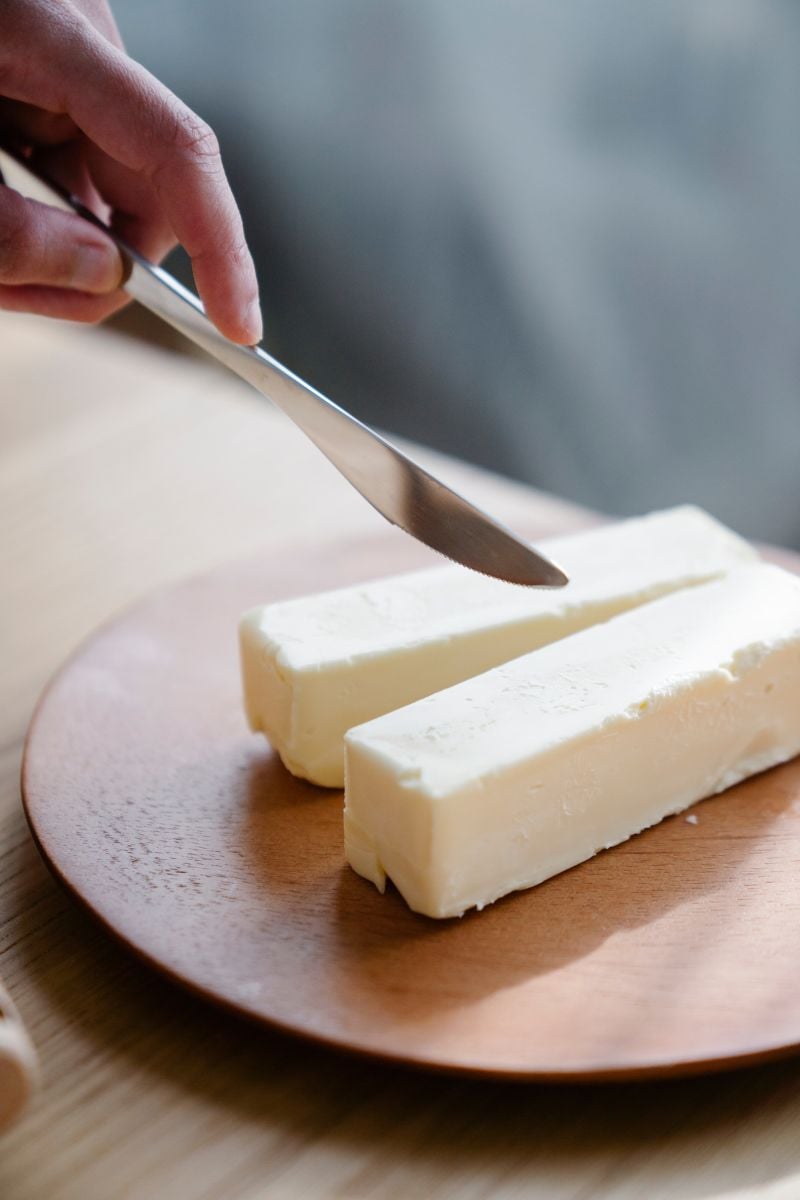
Start with softened, unsalted butter. Unsalted butter gives you full control over seasoning and allows the flavor of the herbs to shine. You can also use European-style or cultured butter for a richer, more complex taste.
Herbs and optional flavor add-ins
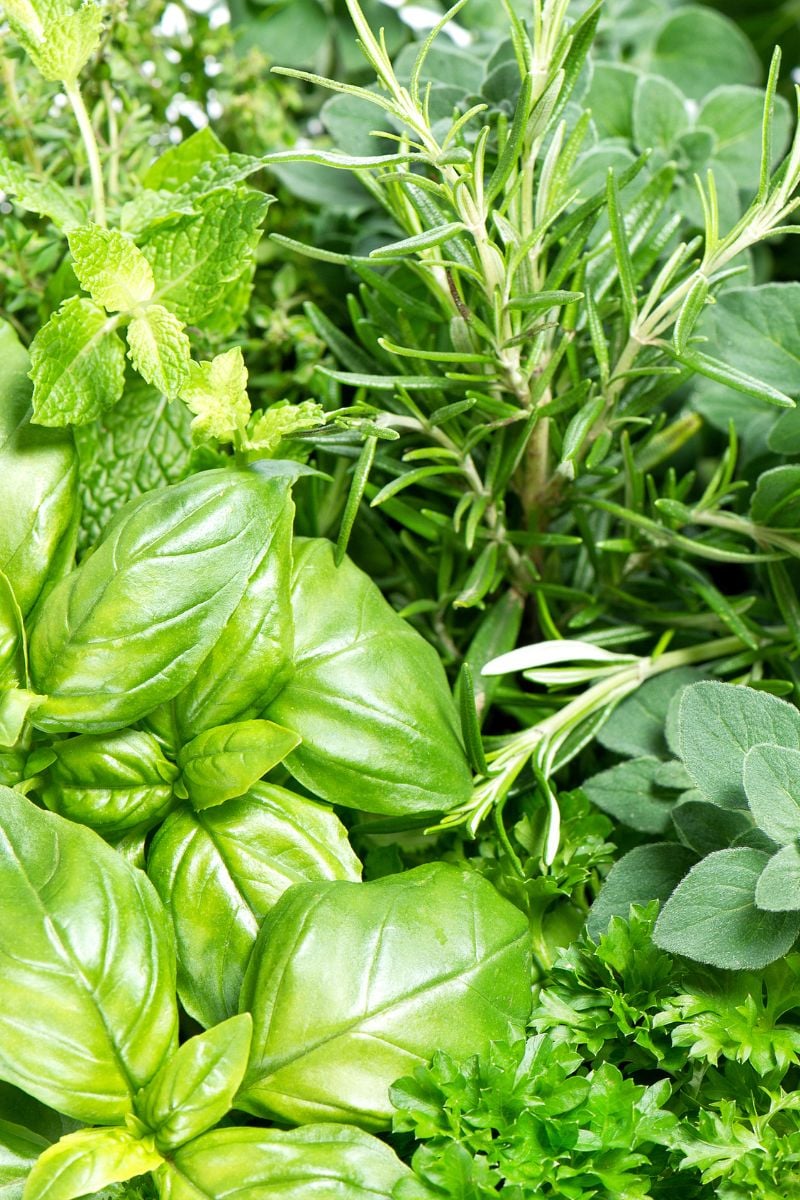
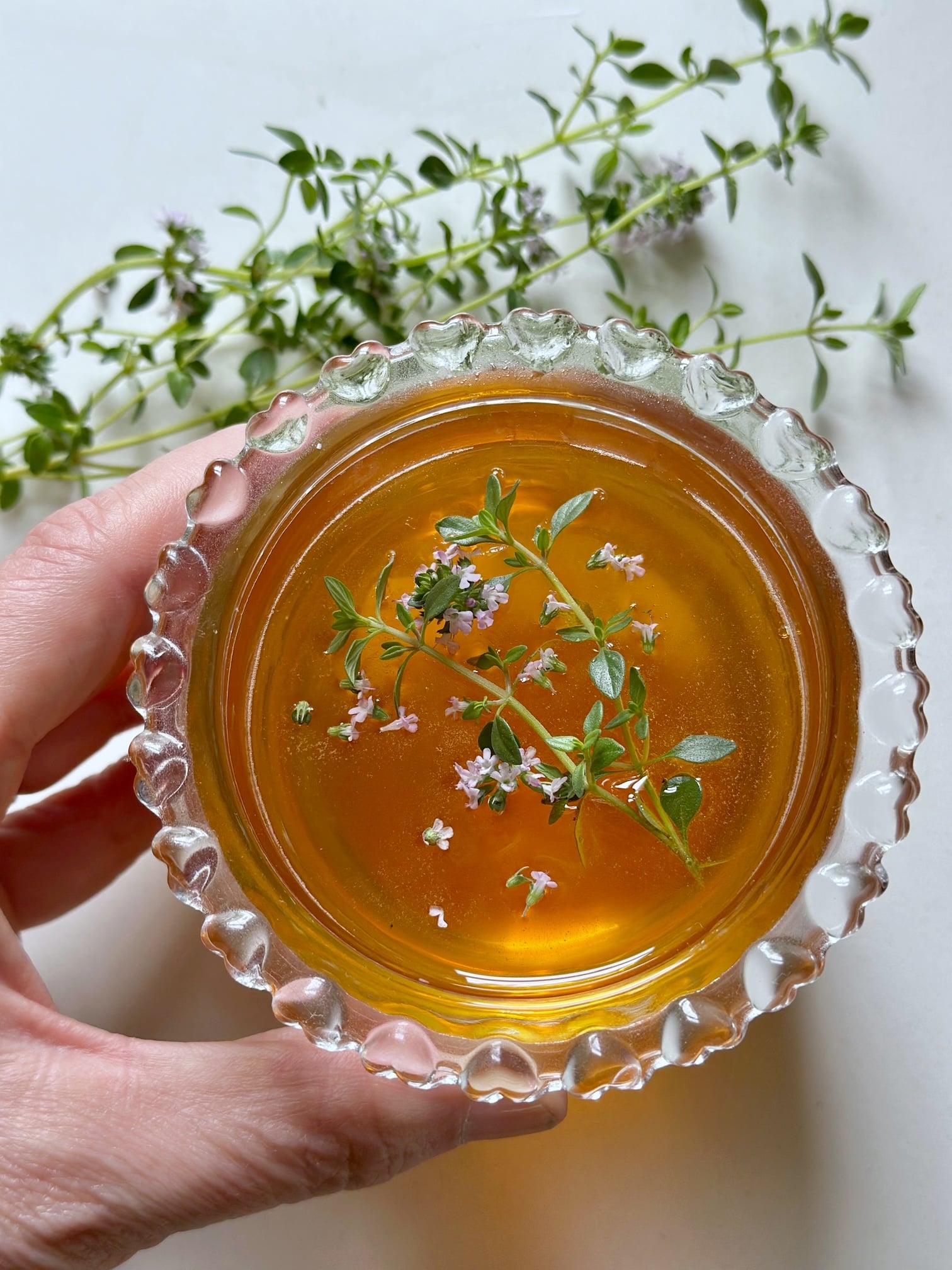
Fresh or dried herbs such as thyme, rosemary, lavender, or basil add flavor and aroma to herb butter. For certain variations, optional additions like honey, citrus zest, or infused honey can be used to create a lightly sweet or floral profile. These extras are not required, but they offer an easy way to customize herb butter for different uses.
Choosing the right butter and flavorings for herb butter (whipped or traditional)
When making herb butter, start with a high-quality unsalted butter. Unsalted butter allows you to control the seasoning and lets the flavor of the herbs stand out, whether you're making a whipped or traditional version.
European-style or cultured butter can also be used for a richer, more nuanced flavor, especially if the butter will be served simply with bread or vegetables.
To customize your herb butter, add finely chopped fresh or dried herbs such as thyme, rosemary, or lavender. Optional additions like a pinch of lemon zest or a small amount of honey or infused honey can be used for certain variations, depending on whether you prefer a savory or lightly sweet flavor. Start with a little, taste as you go, and adjust gradually for a balanced, aromatic spread.eate a balanced, aromatic spread.
Equipment needed for herb butter
Making herb butter is a simple process that requires only a few basic tools. Whether you're making a traditional or whipped version, these are the essentials you'll need.
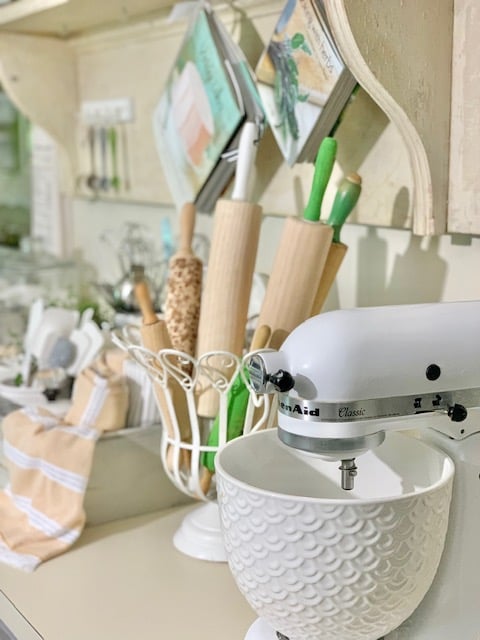
1. Mixing Bowl: A medium-sized mixing bowl works well for making herb butter. Ceramic, glass, or stainless steel bowls are ideal. Choose a bowl that's deep enough to prevent splatters if you plan to whip the butter.
2. Electric Mixer (Optional): An electric mixer is helpful if you want to make whipped herb butter. You can use a stand mixer or a handheld mixer. If you're making traditional herb butter, a mixer is optional and everything can be mixed by hand.
3. Spatula: A spatula is useful for scraping down the sides of the bowl and folding in herbs or other add-ins. Choose a sturdy, heat-resistant spatula for easy mixing.
4. Measuring Spoons: Measuring spoons help ensure accurate amounts when adding herbs, salt, honey, or other optional flavorings.
5. Storage Container: Once your herb butter is ready, store it in an airtight container in the refrigerator. A glass jar with a tight-fitting lid works well, but any food-safe, airtight container will do.
Preparation steps for whipped herb butter
Before making whipped herb butter, take a few minutes to prepare your ingredients. Starting with properly softened butter and measured add-ins will make the process quick and smooth.
Soften the butter: Remove the butter from the refrigerator and let it sit at room temperature for about 30 minutes, until soft but not melted. Softened butter blends more easily and creates a smooth, fluffy texture when whipped. If needed, you can soften butter briefly in the microwave using very short intervals, being careful not to melt it.
Prepare herbs and optional add-ins: Measure and finely chop any herbs you plan to use, such as lavender, thyme, or rosemary. If you're making a lightly sweet variation, measure optional add-ins like honey or infused honey. A pinch of salt or citrus zest can also be prepared at this stage.
Mixing technique: Place the softened butter in a mixing bowl. Use a stand mixer or hand mixer to beat the butter until light and fluffy. Gradually add herbs and any optional flavorings, mixing until everything is evenly incorporated. Scrape down the sides of the bowl as needed to ensure a consistent texture.
Serving and storage: Once whipped, herb butter can be served immediately or transferred to an airtight container and refrigerated. It's delicious spread on bread, muffins, vegetables, or used as a finishing touch for both sweet and savory dishes.
Honey Lavender Herb Butter
Ingredients
- 1 stick unsalted butter, softened
- 1 teaspoon raw honey
- ½ teaspoon dried English lavender buds (food-grade or culinary quality)
- ¼ teaspoon salt
Instructions
- In a mixing bowl, whip the softened butter with an electric mixer for 3 to 5 minutes, until light and fluffy.
- Add the honey and salt, mixing until fully incorporated.
- Gently fold in the lavender buds, ensuring even distribution throughout the butter.
- Garnish with additional lavender flowers if desired.
- Store in an airtight container in the refrigerator for up to two weeks.
Notes
- Nutrition information is estimated and may vary based on ingredients used.
- Use culinary-grade lavender only. Lavender grown for crafts or fragrance is not suitable for cooking.
- A little lavender goes a long way. Start with the listed amount and adjust to taste to avoid overpowering the butter.
- For a lighter texture, whip the butter longer. For a denser, more traditional texture, mix just until combined.
- Honey is optional. You can omit it for a more savory herb butter or substitute infused honey for added flavor.
- Store herb butter in an airtight container in the refrigerator for up to two weeks, or freeze for longer storage.
Nutrition

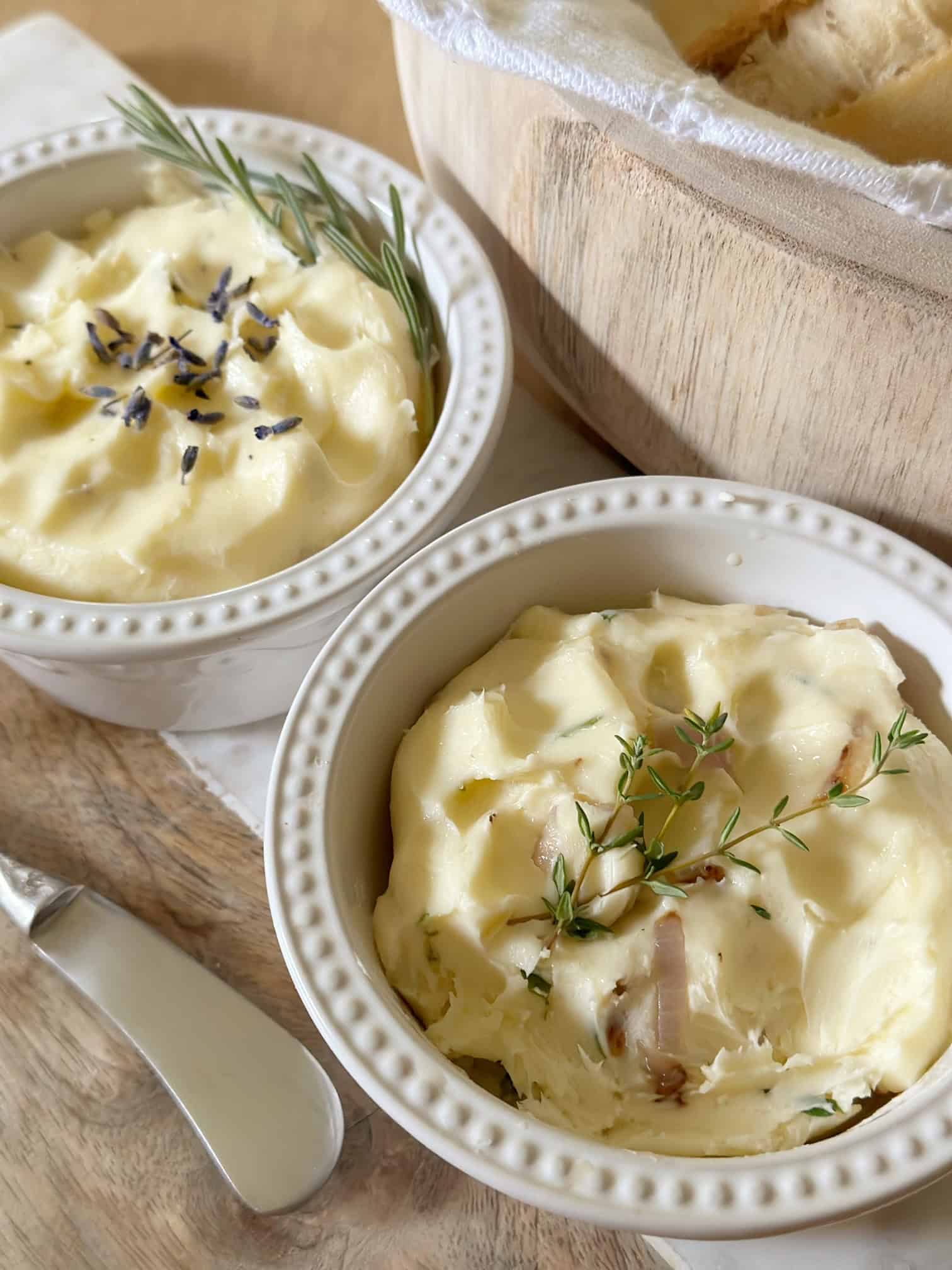
If you're looking for another delicious way to enjoy whipped butter, try my thyme butter with sautéed shallots. It pairs beautifully with roasted vegetables or warm bread. You can also use dried thyme from your garden - here's how to dry thyme.
Serving suggestions
Once your herb butter is ready, there are plenty of simple and delicious ways to enjoy it. Whether you've made a savory version or a lightly sweet variation, these ideas let the flavors shine.
Bread and rolls: Spread herb butter on warm bread or rolls and let it melt in. It's especially good on toasted or grilled bread for extra flavor.
Vegetables: Melt herb butter over roasted or steamed vegetables such as carrots, sweet potatoes, or broccoli. It adds richness and a subtle herbal finish.
Meat and seafood: Finish grilled chicken, fish, or steak with a small dollop of herb butter just before serving. It's also delicious melted over baked or roasted potatoes.
Pasta: Toss cooked pasta with melted herb butter for a simple sauce. Add fresh herbs or grated Parmesan for an easy, flavorful dish.
Popcorn: For a fun twist, drizzle melted herb butter over freshly popped popcorn. Sweet or savory variations both work well, depending on how the butter is flavored.

Storage and shelf life
Once you've made your herb butter, storing it properly will help it stay fresh and flavorful.
Storage
- Keep the butter in an airtight container in the fridge. It will stay fresh for up to two weeks.
- For longer storage, wrap it tightly in plastic wrap or aluminum foil, place it in a freezer bag, and freeze for up to six months.
- Thaw frozen butter in the fridge overnight before using.
Shelf life
- The shelf life depends on the freshness of your ingredients. High-quality butter and honey will help your whipped honey butter last longer.
- Watch for any signs of spoilage such as mold or an off smell. If you notice either, discard the butter.
- When in doubt, give it a sniff. If it smells fresh and slightly sweet, it is good to use.
With proper storage, your herb butter can be enjoyed for weeks of breakfasts, dinners, and snacks.
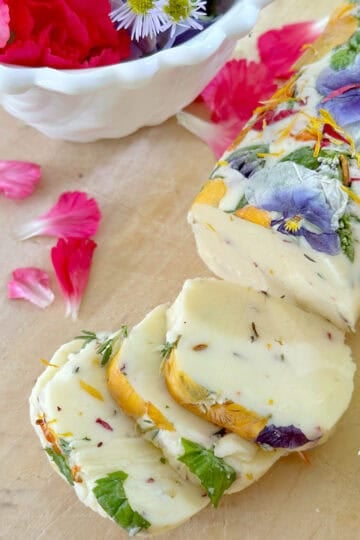
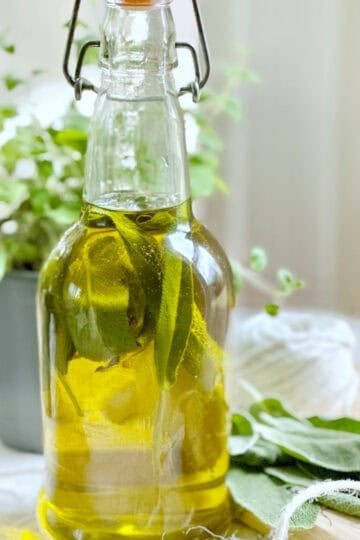
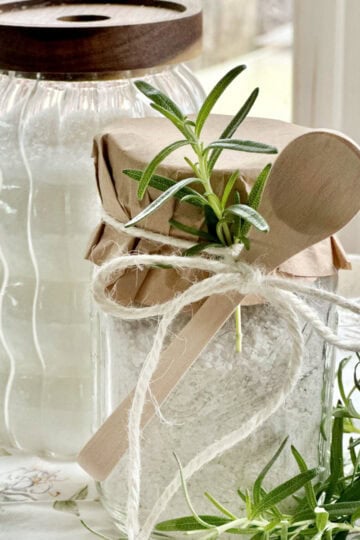
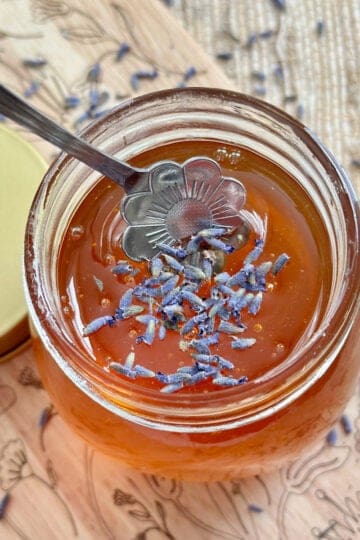
Whipping up flavored butter at home is a simple way to elevate your cooking. Whether you want to impress guests with lavender cranberry rolls or add a touch of sweetness to weeknight vegetables, a whipped herb butter boost can infuse any dish with gourmet flavor using ingredients from your pantry.
I hope this recipe shows how easy it can be to create your own infused butters. As you experiment with herbs, honey, and other aromatics, trust your senses, taste as you go, and adjust until you find your perfect creamy spread. The possibilities for butter flavor are endless. Now spread your culinary wings and let your unique creations shine.
Enjoy!