
This Is How You Make a 1980s Oak Kitchen Feel Fresh Again

Updating a 1980s oak kitchen does not require a full remodel. Simple changes like painting or refinishing cabinets, swapping outdated hardware, refreshing wall color, updating lighting, adding a backsplash, and introducing new decor can dramatically change the look of a space. Even small updates help break up heavy wood tones and make an oak kitchen feel brighter and more current.
Content may contain affiliate links. When you shop the links, we receive a small commission at no cost to you. Thanks for supporting my small business.
If you live in a home built in the late eighties or early nineties, you probably know the look. Honey oak cabinets, oak floors, lots of grain, and everything blending into one warm sweep across the room. These kitchens feel heavy because the wood tones match a little too well. It is the design version of wearing jeans with a denim shirt. Nothing breaks up the color, so the space ends up looking flat and dated.
The good news is that you do not need to tear out cabinets or invest in a full renovation to make an oak kitchen feel fresh. A few thoughtful updates can completely shift the look. Some are quick changes you can finish in an afternoon. Others take a little more time but add huge visual payoff. All of them work together to brighten the room, add contrast, and soften the orange tone that so many homeowners struggle with.
If you are ready to update your oak kitchen without replacing everything, here are simple ideas that can make a big difference.
1. Change the Hardware
Small detail, major transformation. Many 1980s oak kitchens either had tiny brass knobs or no hardware at all. Ours didn't have any hardware when we moved in, and just adding it immediately made the cabinets feel more intentional and finished. Switching out dated knobs or pulls is one of the fastest ways to pull a kitchen out of the nineties and break up long stretches of solid wood.
Matte black, champagne bronze, brushed nickel, or even a soft antique brass all work beautifully with oak and add just enough contrast to modernize the look without overpowering it.
Tip: Choose a finish that coordinates with your faucet or lighting for a more cohesive feel.

2. Paint the Cabinets
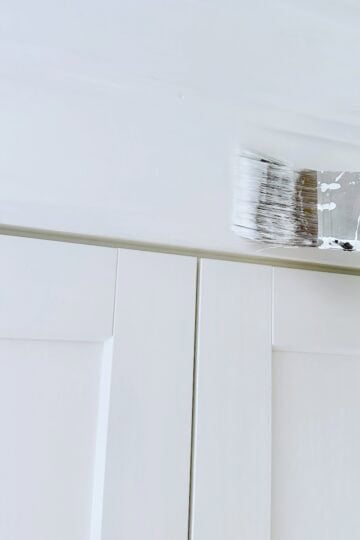
If you want the biggest impact in an oak kitchen, paint is hands down the answer. Oak cabinets have great bones and strong construction, they just need a fresh color to balance all those warm wood tones. This is one of those changes where the room truly starts to feel different the moment the paint goes on.
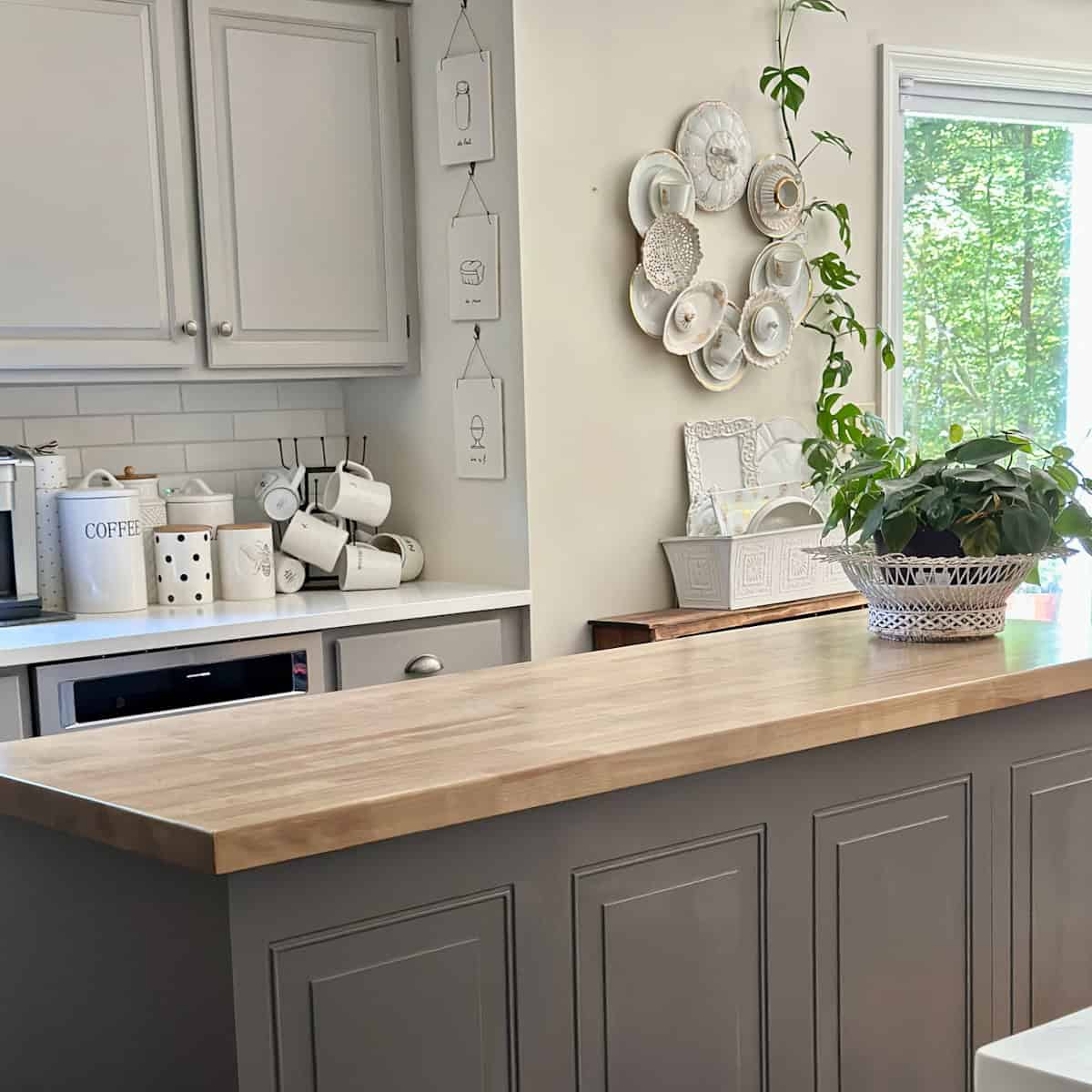
Light gray, creamy white, soft greige, and even muted sage tones all work beautifully to modernize oak. Our DIY kitchen island is painted a deeper gray, and it's a perfect example of how painting cabinets can completely transform a space.It is one of those changes that photos explain better than words.
A little prep goes a long way with oak, especially when you are dealing with strong orange undertones. Proper cleaning, sanding, and priming help keep that color from bleeding through and give you a smooth, durable finish that lasts.


3. Add a Kitchen Rug
When I talk about adding a rug to an oak kitchen, I am not talking about the small mats people usually place in front of the sink. I mean a real rug. In open kitchens, that might be a larger area rug placed under a table or in a wide walking zone. In kitchens with an island that creates natural pathways, runners work beautifully to define those walkways.
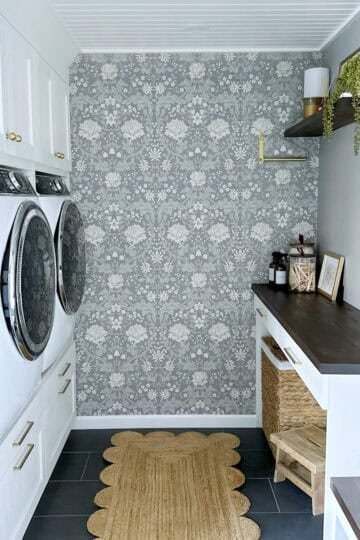
A rug introduces pattern, texture, and color into an otherwise hard-surface space. More importantly, it breaks up the visual wall of oak between the cabinets and the floor. That contrast alone helps the entire kitchen feel lighter and more layered.
My go-to Loloi rugs are perfect for kitchens for the same reason they work so well in homes with pets. They are durable, washable, and hold up beautifully in high-traffic areas. I also link my favorite runners here for long, narrow kitchen layouts where a traditional rug would not quite fit.
This is one of the highest impact fixes you can make with almost no effort.

4. Replace Outdated Lighting
Many older oak kitchens still have dated dome lights or heavy iron chandeliers. Updating the lighting is often much easier than tackling a full remodel, and it instantly helps bring the space into the present. Lighting is also a powerful design tool because it naturally draws the eye up.
Updated pendants over an island, a simple milk glass shade, or a clean flush mount can completely change the feel of a kitchen. Even one new fixture can alter how the oak looks by shifting the color temperature and softening the grain.
I also love adding a small cordless lamp on the counter for a little extra warmth and ambiance in the evenings. It is a simple touch, but it makes the kitchen feel cozy and layered instead of purely functional.

5. Update the Backsplash
When the cabinets and floors are similar in tone, the backsplash becomes the natural place to add contrast. A lighter tile brightens the room and helps break up all of that warm wood. Simple subway tile, creamy rectangular tiles, or matte stone options all work beautifully with oak.
Peel-and-stick tile is also a great temporary solution for renters or anyone who wants a low-commitment update. It adds style without the mess or permanence of traditional tile.
This is a mid-level project that delivers a surprisingly large visual reward.

6. Add Decor that Brings Texture and Balance
Oak kitchens tend to swing to one of two extremes. They either feel very bare or they quickly become visually busy, especially on the countertops and along the tops of the cabinets. The key is not more decor, it is more intentional decor.
A few well-chosen matte pieces, a wooden cutting board, a simple utensil crock, or a vase with fresh greens go a long way. Oak actually handles decor beautifully when you introduce the right tones to balance the grain. Soft whites, black accents, and natural textures help ground the warm wood instead of competing with it.
In our own kitchen, we chose to take the cabinets all the way to the ceiling. I love this approach because it removes that awkward space above the cabinets altogether and automatically creates a cleaner look. That said, it is also perfectly fine to leave the tops of your cabinets completely undecorated. Empty space can feel just as intentional as styled space.
If you do choose to decorate above your cabinets, keeping it curated and minimal makes all the difference. The same goes for your countertops. A few purposeful pieces will always feel calmer and more cohesive than a collection of unrelated items.

7. Consider Partial Painting
If painting all of the cabinets feels like too big of a project, partial painting is a great middle ground. It allows you to introduce contrast and color without taking on a full kitchen transformation all at once.
One of the simplest and most effective options is painting the kitchen island. Because it is a separate element from the main run of cabinets, it naturally works as an accent. A painted island adds instant visual interest and breaks up all the surrounding oak without overwhelming the room. It is also a very manageable project for someone who feels nervous about larger DIYs.
Some homeowners also choose to paint only certain sections of cabinetry to create contrast while keeping the rest of the wood intact. Partial painting makes updating an oak kitchen feel much more doable and often gives you just enough change to completely shift the look and feel of the space.
Another simple option many homeowners overlook is painting the oak trim, especially around kitchen windows and doorways. When the cabinets, floors, and trim are all the same wood tone, everything blends together. Painting the trim a soft white or warm neutral creates an instant visual break and helps the rest of the kitchen feel lighter without touching the cabinets at all.

8. Refresh the Wall Color
Wall color plays a powerful supporting role in an oak kitchen. A cool gray or soft greige can help neutralize orange tones, while a warm creamy white can instantly brighten the entire room. Even a subtle shift in paint color can change how the cabinets and floors read.
This is an easy weekend update with a surprisingly big payoff.
Frequently asked questions
Oak kitchens never fully went away, but the way they are styled has changed. Today's oak kitchens feel lighter and more intentional, with added contrast through hardware, paint, lighting, rugs, and backsplash choices. When the heavy matching tones are broken up, oak can feel warm and current instead of dated.
That depends on the look you love and how much change you want. Painting offers the biggest visual transformation and instantly modernizes a space. Staining keeps the wood visible and works best when the goal is to soften or adjust the tone rather than completely change it. Both can be beautiful when done thoughtfully.
You can make a big difference without paint by changing the hardware, updating the backsplash, refreshing the wall color, improving lighting, adding a rug, and styling with intentional decor. These smaller updates help break up heavy wood tones and brighten the room while keeping the cabinets natural.
Oak trim can be refreshed by adjusting the surrounding wall color, adding contrast through flooring, rugs, or furnishings, and keeping decor clean and minimal. Even small shifts in nearby colors and textures can make oak trim feel more intentional and less overpowering without painting it.


Small updates do more for an oak kitchen than most people realize. Contrast, light, and texture are the key ingredients. Once you start breaking up the matching tones, the whole space feels brighter and more intentional. You can transform a dated kitchen without replacing a single cabinet. Start with one change or try a few together. Either way, you will begin to see the room in a completely new way.
Happy updating, friends!