Does Mint Flower? Should You Let Mint Bloom (and Can You Still Use It?)

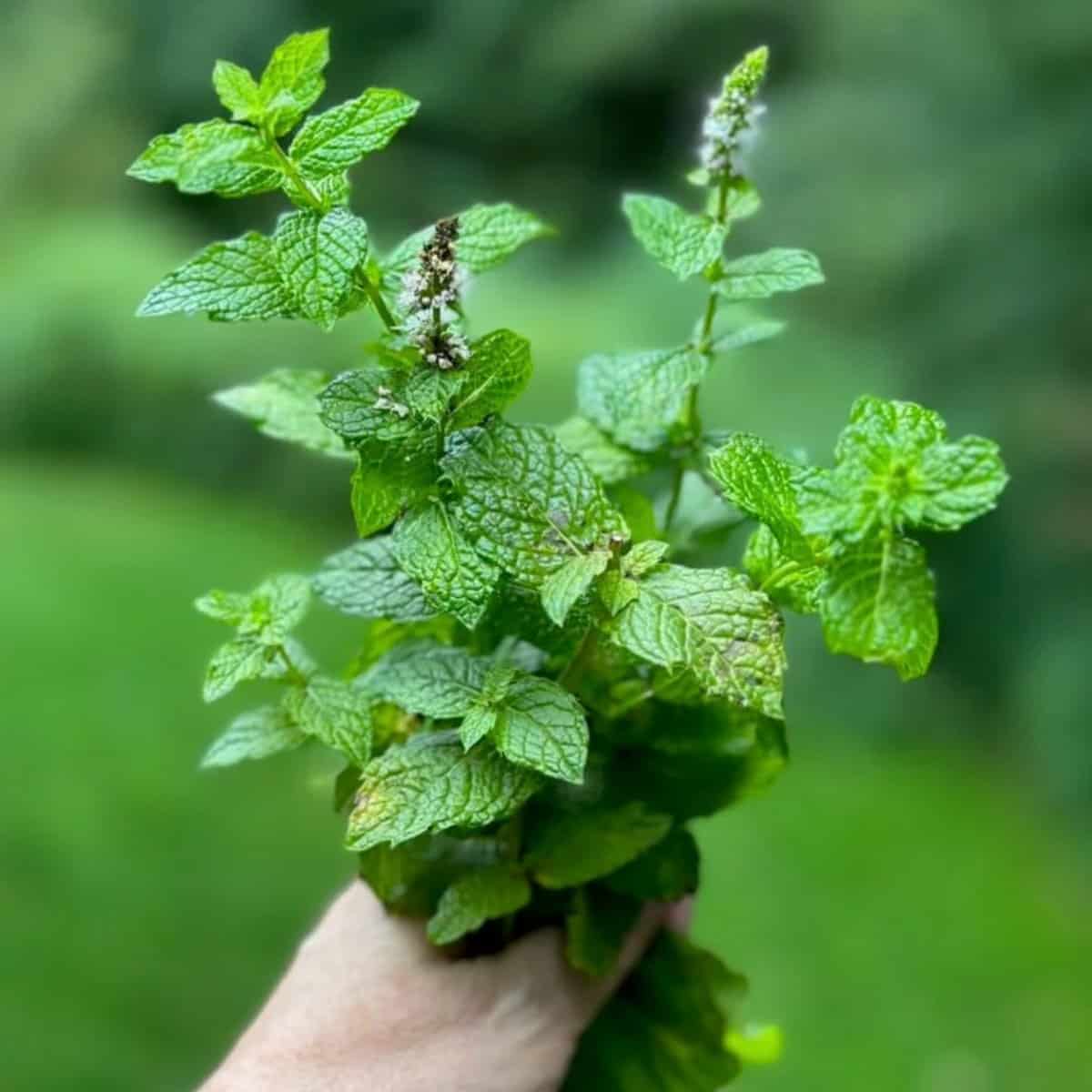
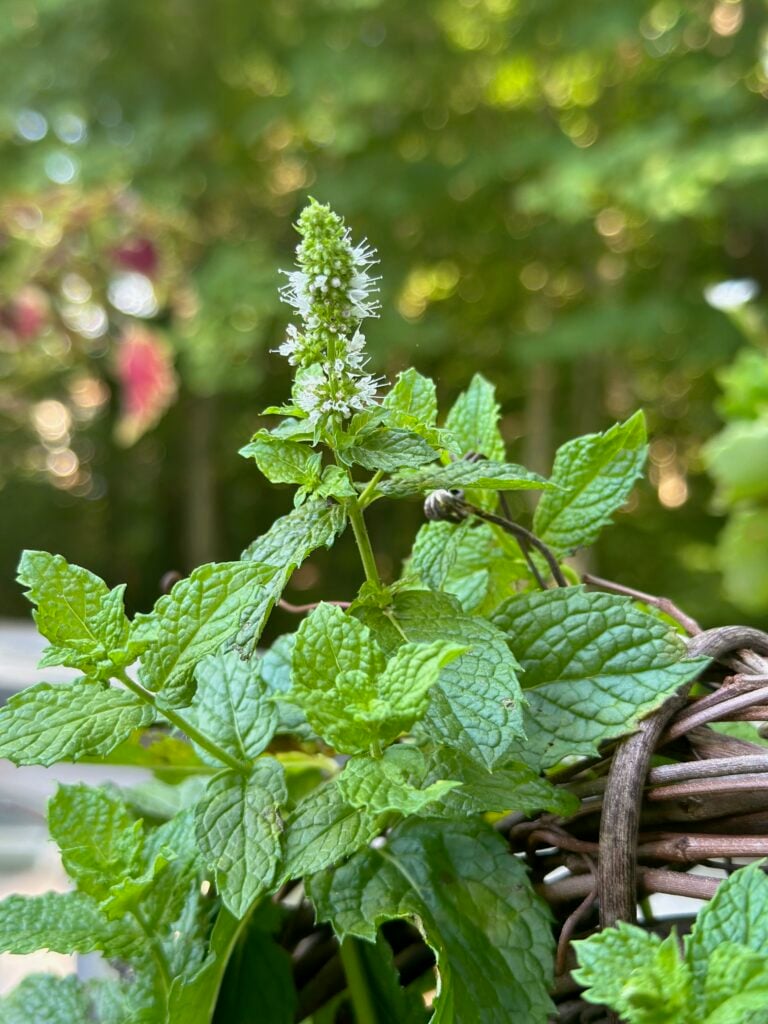
Does mint flower? Yes, it's completely normal. Mint flowers appear when the plant is mature and growing well. You can still use both the leaves and flowers after mint blooms. If you want the best leaf production, harvest regularly and trim the flower spikes. Otherwise, let the blooms stay, they're edible and attract bees, butterflies, and other pollinators.
Content may contain affiliate links. When you shop the links, we receive a small commission at no cost to you. Thanks for supporting my small business.
Flowers on mint can surprise people the first time they see it. It's very common to hear "Oh no, my mint is flowering… did I mess something up?" or "Does this mean I can't use it anymore?" But mint blooming is not a sign of decline or stress. Mint flowers when the plant is established, growing well, and has settled comfortably into its space.
Here at Celebrated Nest, we celebrate herbs at every stage. The flowers are beautiful, the pollinators love them, and yes, you can still use the leaves and the blossoms in your kitchen. The flavor may soften slightly later in the bloom cycle, but mint remains fragrant and usable.
So instead of rushing to cut the plant back before you know what's happening, let's talk about what mint flowering actually means, how it affects flavor, and when (and if) you should trim the blooms.
At a Glance: Does Mint Flower?
_______________________
Is it normal? Yes, mint flowers are a natural sign that the plant is mature and healthy
When mint blooms: Typically in mid to late summer as the plant reaches full growth
Can you still use the leaves? Yes, mint leaves are still edible after the plant flowers
Can you eat mint flowers? Yes, the flowers are edible and can be used in teas, desserts, and garnishes
Flavor tip: Harvest mint regularly and trim flower spikes if you want the leaves to stay bright and tender
Pollinator benefit: Mint flowers attract bees and other helpful garden pollinators
Gardener's choice: You can trim the flowers to encourage new leafy growth or let them bloom for beauty and pollinator support
Summarize and Save this content on:
Jump to:
- At a Glance: Does Mint Flower?
- Yes, mint plants do flower, and it's completely normal
- Should you remove the flowers? (It depends on your goal)
- Do all types of mint flower?
- How to keep mint from flowering too quickly
- Can you use mint leaves and flowers after the plant flowers
- How to use mint flowers
- How and when to harvest mint to keep it full and healthy
- Frequently asked questions
- Other herbs you may see flower in your garden
Yes, mint plants do flower, and it's completely normal
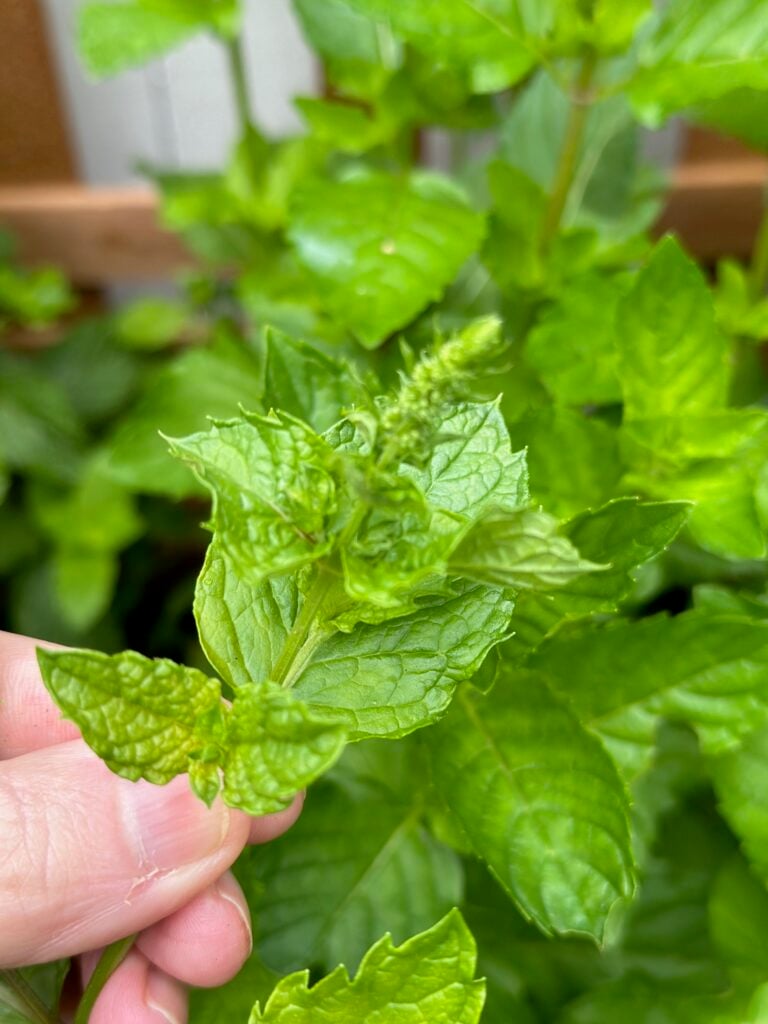
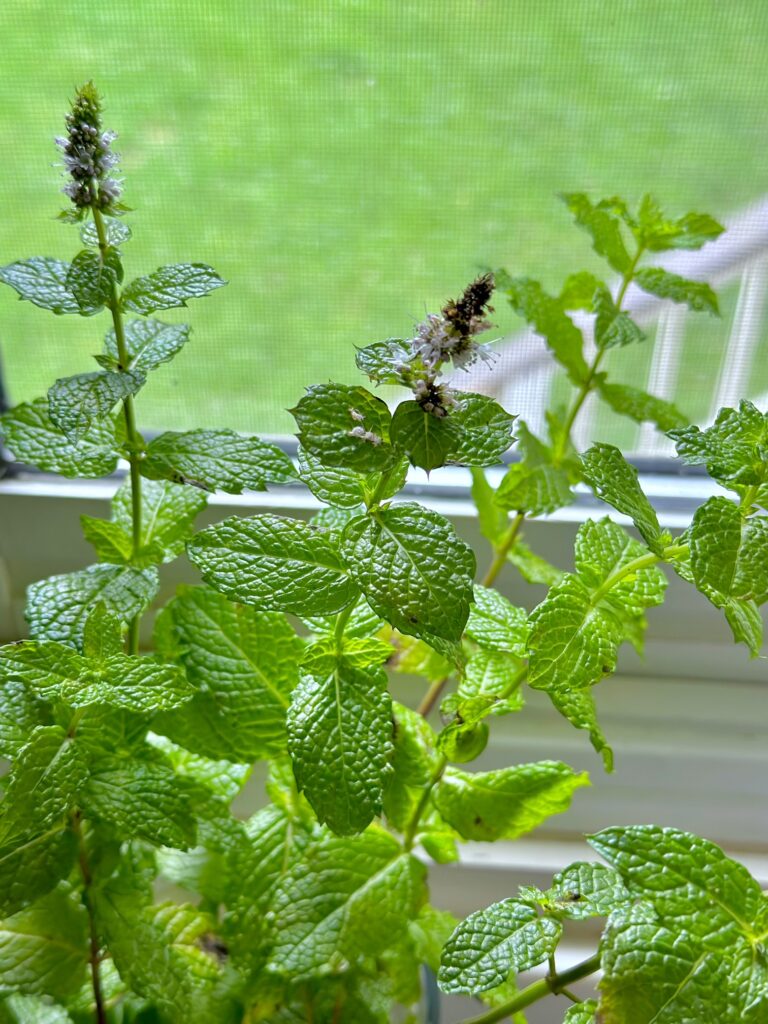
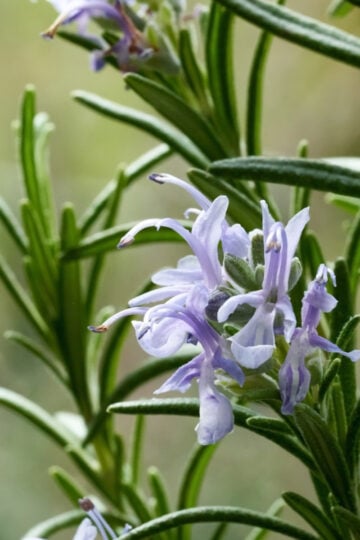
Mint naturally produces flower spikes when it matures, usually in mid to late summer. The blooms can be pale purple like rosemary blooms, pink like oregano flowers, or white, and they are simply part of the plant's normal life cycle. If your mint is flowering, it's not a problem. It means your plant is settled and growing well in its environment.
Why mint produces flowers
The purpose of the flowers is reproduction. The plant is preparing to create seeds. The blooms help attract pollinators such as bees and butterflies, which transfer pollen and help the plant produce new offspring. Flowering is a natural, healthy part of the mint's growth cycle.
Does flowering change the flavor of the leaves?
A little. Once mint begins to flower, the plant sends more of its energy toward seed production rather than producing new tender leaves. The leaves may taste slightly milder and may be a bit less soft. The flavor is still fresh and cooling, and the leaves are still completely usable in teas, drinks, salads, baking, and garnishes.
Should you remove the flowers? (It depends on your goal)
When mint begins to flower, you get to decide what happens next. There isn't one "right" approach here. It simply depends on how you use your mint and what you value most in the garden.
If you grow mint for strong flavor
If your mint is mainly for cooking, muddling, or garnishing drinks, you may want to keep the plant focused on producing fresh new leaves.
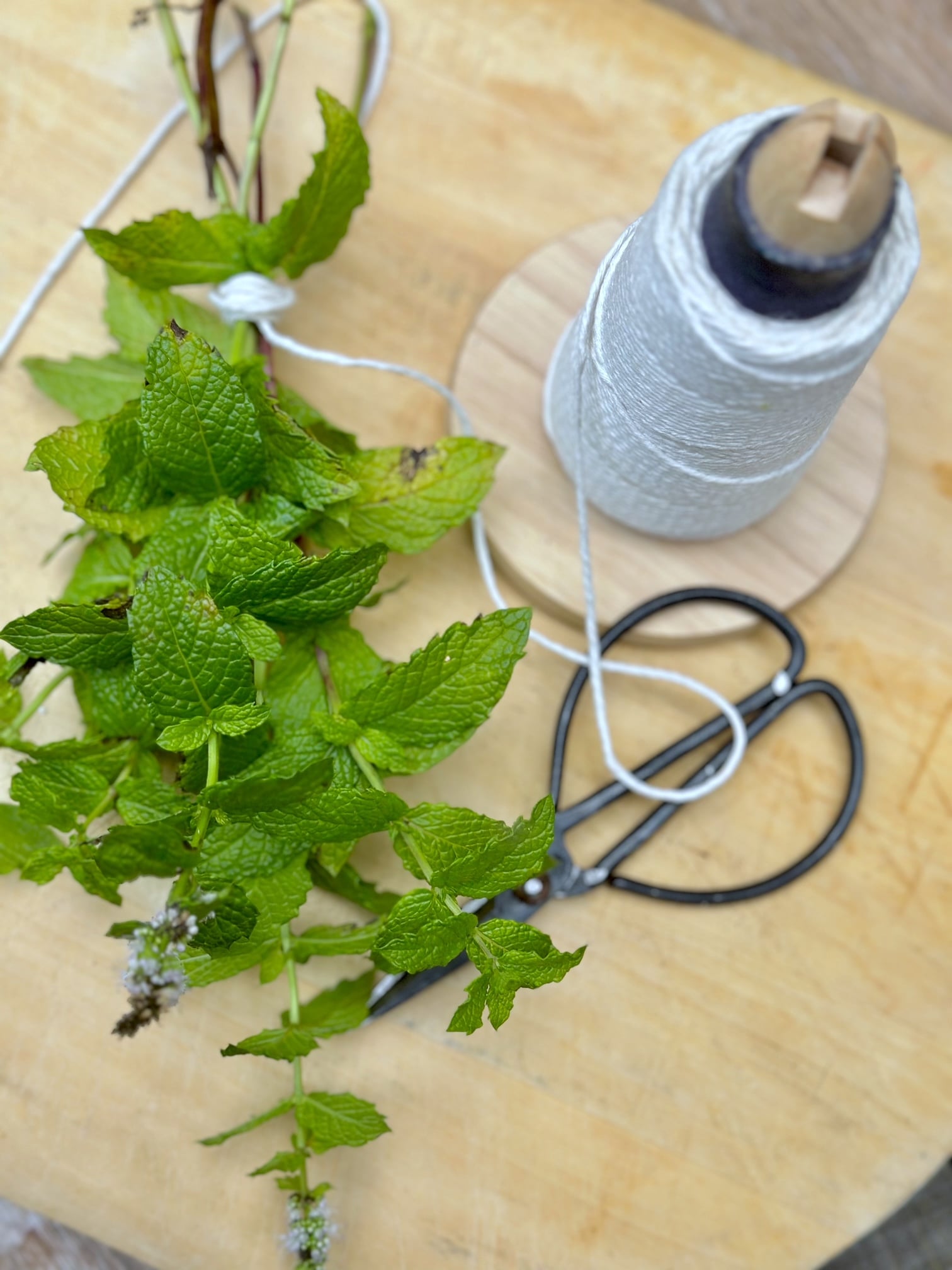
When you see flower spikes starting to form, gently pinch them off using your fingers or a small pair of scissors. This encourages the plant to send its energy back into leaf growth. You will continue to get a steady supply of tender, aromatic leaves throughout the season.
This doesn't have to be a big gardening project. Just make it part of your regular harvesting rhythm. Snip a few sprigs, remove any flower buds you see, and your mint will keep producing beautifully.
If you want a pollinator-friendly garden
If your garden is a spot for bees, butterflies, and other pollinators, you may choose to leave the flowers right where they are.
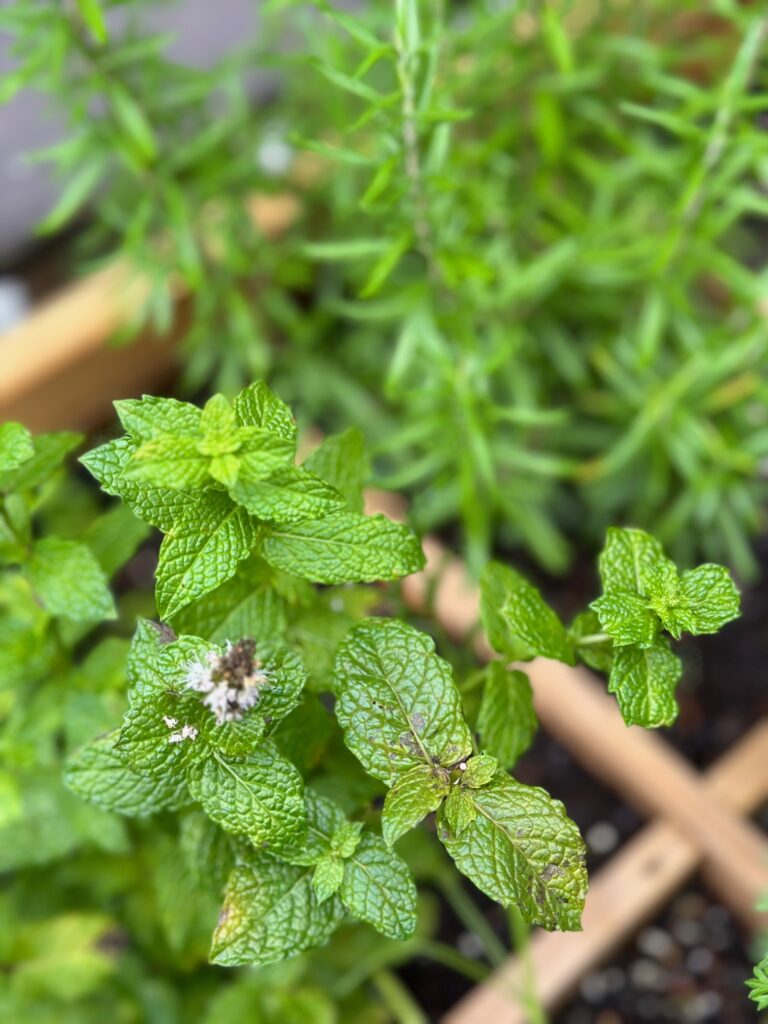
In my raised herb garden bed, mint blooms are a wonderful food source, especially in midsummer when nectar can be scarce. Bees adore mint flowers. You will often see them buzzing happily from blossom to blossom around my butterfly bath, and it brings so much life and movement to the garden.
Leaving the flowers does mean the leaves may take on a slightly lighter flavor, but they are still completely usable. And the joy of watching pollinators enjoying your herb garden is often worth it.
Do all types of mint flower?
All common types of mint will eventually produce flowers once the plant matures. This includes popular varieties such as spearmint, peppermint, chocolate mint, pineapple mint, and orange mint. The flowers may vary slightly in color or timing, but the blooming process is the same across the mint family. In most gardens, mint begins flowering in mid to late summer if the plant is not regularly harvested or trimmed back.
Common mint varieties that bloom:
- Spearmint
- Peppermint
- Chocolate mint
- Pineapple mint
- Orange mint
- Apple mint
When mint flowers, both choices are equally good. If flavor matters most, pinch the blooms. If supporting pollinators brings you joy, let them flourish. You are not doing anything wrong either way.
How to keep mint from flowering too quickly
Mint tends to grow fast, and once it settles into its space, it often wants to flower. If your goal is to keep the leaves as flavorful as possible, you can gently guide the plant to stay leafy rather than blooming. This is less about strict control and more about steady upkeep.
Harvest regularly
One of the easiest ways to prevent mint from flowering early is to use it often. Snip sprigs for drinks, salads, teas, and garnishes. Every time you harvest, you encourage the plant to create fresh new leaves. A simple weekly trim can keep flower spikes from forming for quite a while.
Give mint the right sun and water balance
Mint loves sun, but in very hot climates, intense afternoon light can stress the plant and push it to flower sooner. If you are in a warm region, try giving your mint morning sun and light afternoon shade. Water mint consistently so the soil stays slightly moist but not soggy. Stress, whether from too little water or too much direct heat, can cause early blooming.
When to prune back hard
If your mint has already grown tall and leggy or has flowered heavily, a gentle reset can help. Trim the plant back by about one third. This encourages a fresh flush of leaves and helps the plant stay compact and healthy. Mint responds very well to pruning, so don't worry. It will bounce back quickly.
In containers vs. in the garden
Mint behaves a little differently depending on where it's growing. In the garden, mint spreads freely and can mature faster, which often leads to earlier flowering. In containers, the plant grows more slowly, which can delay blooms. If you are trying to manage flowering closely, growing mint in a pot can make it easier to keep an eye on growth and trim as needed.
Reviving a woody mint plant
If your mint plant starts to look woody at the base, don't give up on it. Cut the entire plant back to just a few inches above the soil and water well. Within a couple of weeks, you should see tender new growth emerging. Mint is resilient and responds beautifully to an occasional fresh start.
With consistent harvesting and a few small adjustments, you can keep your mint leafy, full, and flavorful all season long, while still choosing when and if the flowers get their moment.
Shop this Raised Garden Bed 8 Pocket Herb Garden
Can you use mint leaves and flowers after the plant flowers
Yes, you can absolutely continue to use mint even after it flowers! Both the leaves and the flowers are edible and safe to enjoy. Flowering does not make the plant harmful or unusable. The flavor does shift slightly, but not in a dramatic or unpleasant way.
If you taste a leaf from a flowering plant and compare it to a leaf from a younger plant, you may notice that the flavor is a little softer and more floral. The leaves are still refreshing and minty, just not as intense as when the plant is in its early growth stage. Many people actually like the subtle flavor at this point, especially for tea, salads, or muddling into drinks.
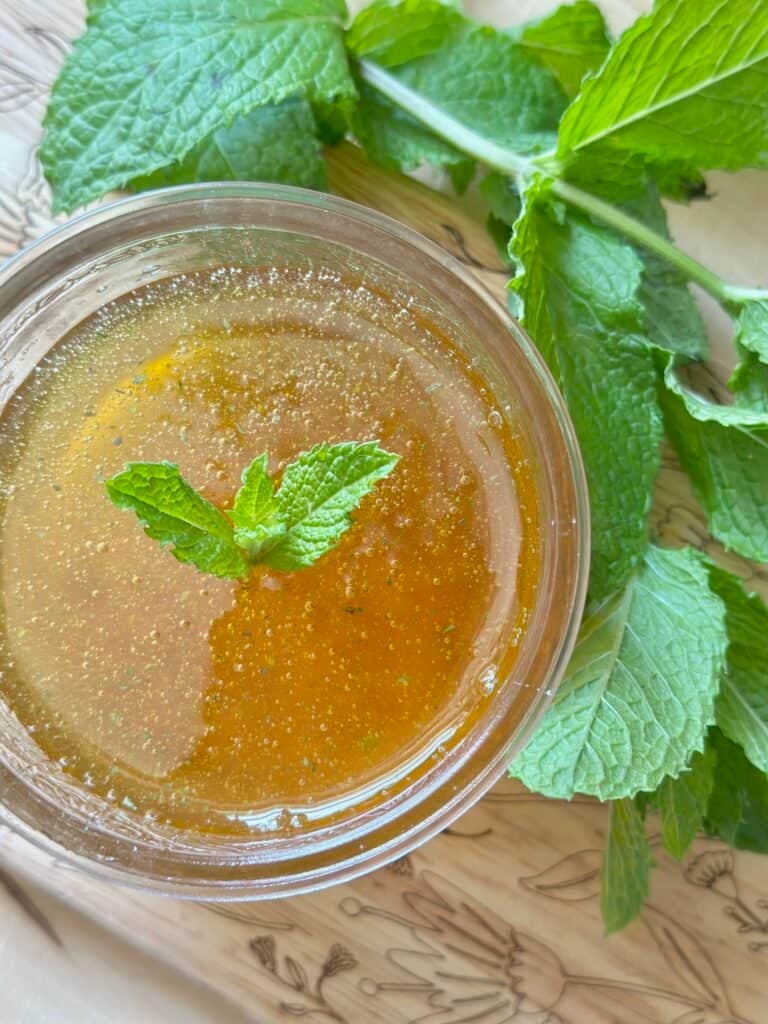
The flowers themselves are edible and beautiful. They have a gentle herbal sweetness and make a lovely garnish. Sprinkle them over fruit, desserts, cocktails, or even mix them into a small jar of honey to infuse a light mint essence.
There is no need to discard a mint plant just because it is blooming. If you want stronger mint flavor, simply pinch the flowers off and let the plant redirect its energy into new leaf growth. If you enjoy the blooms for pollinators or visual interest, leave them on and continue using the leaves as you normally would.
Mint is generous, forgiving, and easy to work with. You have options either way.
How to use mint flowers
Mint flowers are one of those quiet little garden joys. They are beautiful, edible, and surprisingly versatile. If you have ever grown herbs and wondered how to use the blossoms, this is where mint really shines. Here are some simple ways to enjoy them in your kitchen and around your home.
As a cocktail or drink garnish
Mint flowers look delicate and pretty floating in a glass. Try them with:
- Mojitos
- Iced tea
- Herb-infused water
- Homemade lemonade
Just drop a few blooms on top after stirring. They add a gentle mint flavor and make even everyday drinks feel special.
On charcuterie or snack boards
Scatter the blossoms lightly across a cheese board or grazing tray. They pair beautifully with:
- Fresh berries
- Soft cheeses like brie or goat cheese
- Honey (especially rosemary honey, lilac honey or herb-infused honey)
It gives your board a fresh, garden-to-table feel without any extra work.
In floral ice cubes
This is such a simple trick and it looks stunning. Place a few mint flowers in each ice cube compartment, fill with water, freeze, and add to drinks.
Perfect for summer hosting or brunch.
In simmer pots
Mint flowers add a bright herbal note to simmer pots. Combine with lemon slices, rosemary sprigs, and a cinnamon stick for a calming kitchen scent.
To decorate desserts
Use mint flowers the same way you would edible violets or lavender flowers. Sprinkle them over:
- Cupcakes
- Fruit bowls
- Whipped cream
- A simple cake
It looks intentional and elevates even very simple desserts.
In bath salts or drying bundles
Mint flowers dry well and hold their scent. Add them to:
This is a lovely way to enjoy your herbs beyond the growing season.

How and when to harvest mint to keep it full and healthy
Regular harvesting is one of the best ways to keep mint lush, leafy, and growing strong. Mint responds beautifully to being cut back. The more you use it, the more it grows.
Harvest in the morning
For the best flavor, harvest mint in the morning once the dew has dried. This is when the essential oils in the leaves are at their peak. The aroma and taste are bright and fresh, which makes a noticeable difference in tea, drinks, and cooking.
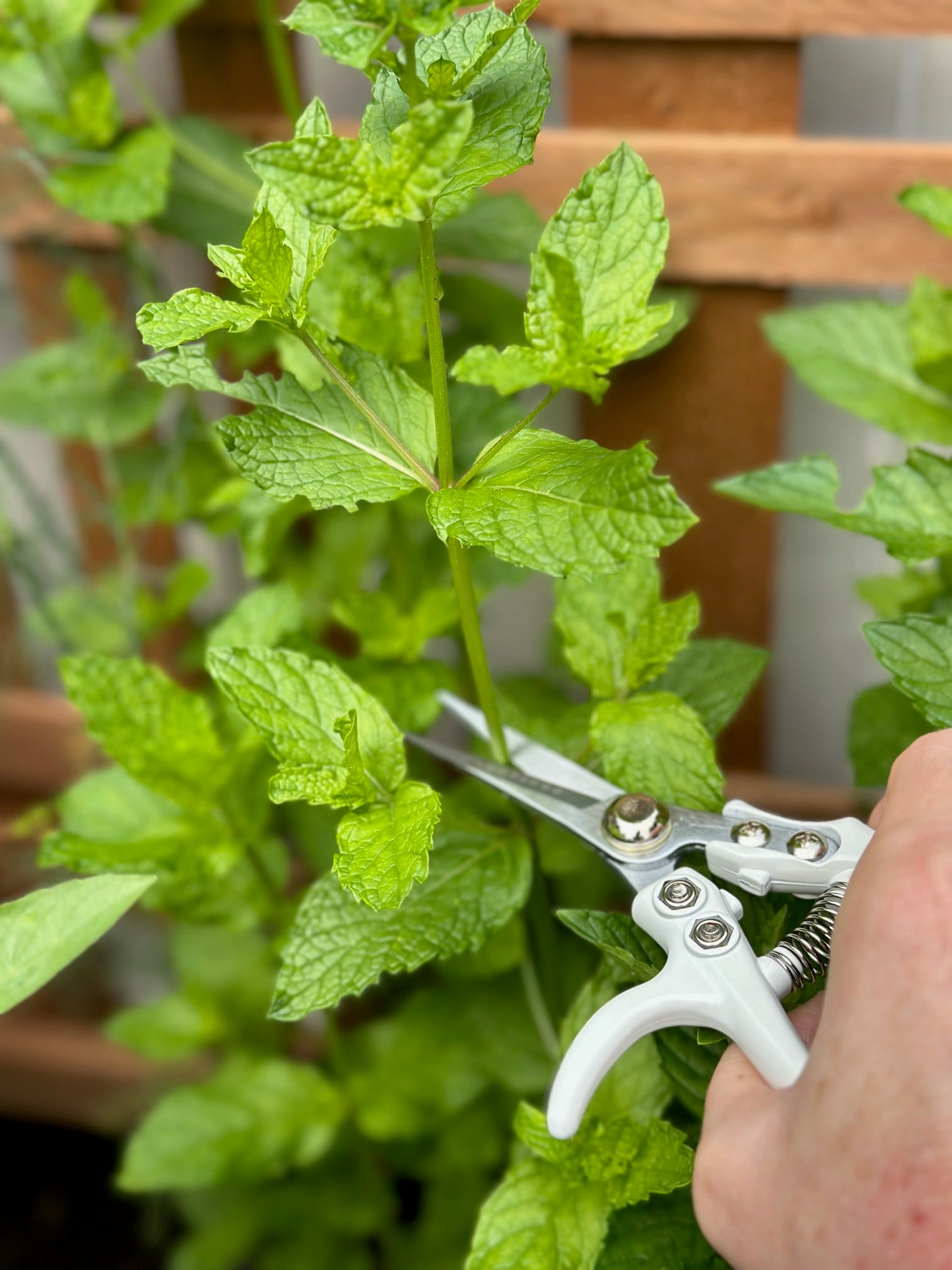
Snip just above a leaf node
When you harvest, look for a pair of leaves along the stem. Snip the stem just above that leaf node. This is where the plant will naturally split and create two new stems, which helps your mint grow fuller instead of tall and leggy.
You do not need special tools. Kitchen scissors or garden snips work perfectly.
How often to cut back
You can harvest mint throughout the growing season. A light trim once a week keeps the plant full and encourages ongoing new growth. If your mint starts to stretch or look thin, simply give it a bit more of a trim when you harvest.
This gentle, steady rhythm keeps the plant from rushing into flower too early.
How to rejuvenate an overgrown mint plant
If your mint has gotten tall, woody, or overgrown, it may benefit from a bigger cut. Trim the entire plant back to about one third of its height. Water well afterward.
Mint is very resilient and bounces back quickly. Within a couple of weeks, you should see tender new growth and a fuller shape returning.

As summer transitions into autumn the stems may appear less bushy and more woody.

Frequently asked questions
Yes, you can let your mint plant flower. Mint blooms are completely normal and they attract bees and other pollinators. If you want the strongest possible mint flavor for cooking, pinch off the flower spikes to encourage new leaf growth. If you enjoy supporting pollinators and don't mind a slightly softer flavor, leave the flowers in place. Both choices are correct. It simply depends on your goal.
Yes, mint is still good after it flowers. The leaves remain edible and safe to use. The flavor becomes a little more mellow and floral, but it is still refreshing and delicious. You can continue using the leaves in drinks, salads, sauces, and tea. The flowers are edible too and make a beautiful garnish.
Mint flowers as part of its natural growth cycle. Flowering usually means the plant is mature and growing well. It is not a sign of disease or decline. If flowering happens very early in the season, the plant may need more regular harvesting or a little more consistent watering and sun to stay leafy.
Harvest routinely. Snip sprigs regularly to encourage new leaf growth. Mint flowers faster when it becomes tall, stressed, or overgrown. Give it consistent sun and moisture, prune lightly through the season, and trim the plant back by about one third if it gets woody or leggy. Mint responds quickly and grows back full.
No, mint does not die after it flowers. Mint is a hardy perennial that can continue growing for many years. If the plant looks tired after flowering, trim it back and it will send up fresh new growth.
Yes, mint flowers are edible. They have a gentle mint flavor that is softer than the leaves. Sprinkle them on salads, fruit, iced tea, cocktails, and desserts. They also work beautifully in floral ice cubes, simmer pots, herb salts, and drying bundles.
A light weekly harvest works well. Snip stems just above a pair of leaves to encourage branching. Regular trimming keeps the plant bushy and prevents it from stretching or flowering early.
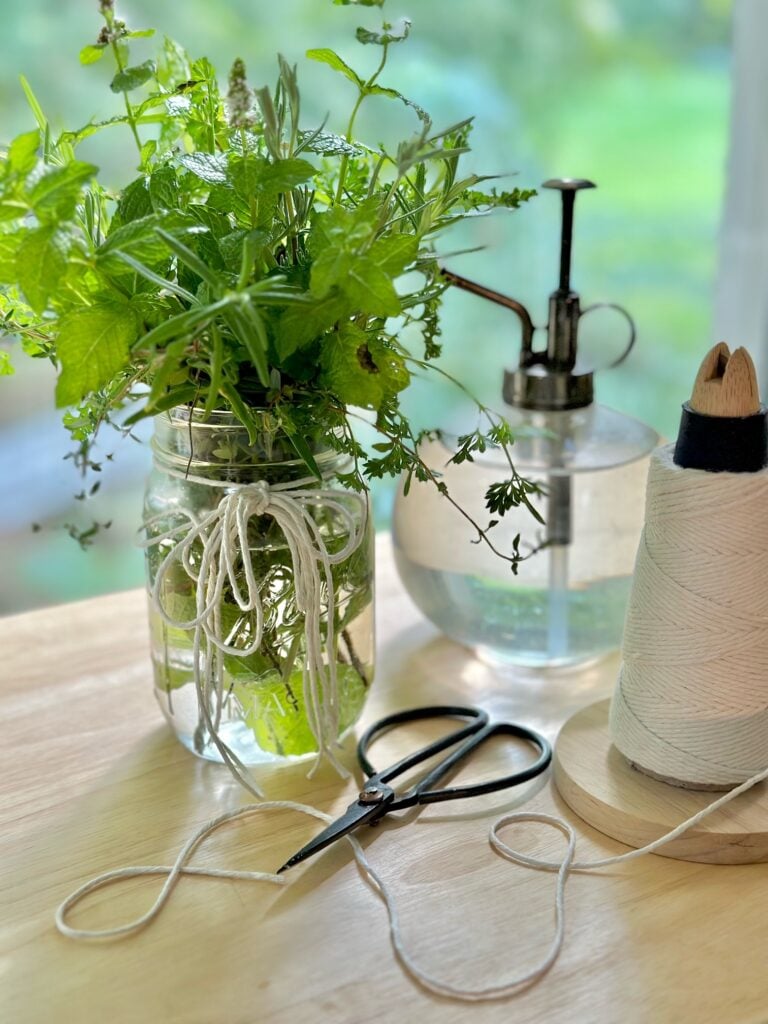
Mint flowers in a Herb Gift Jar
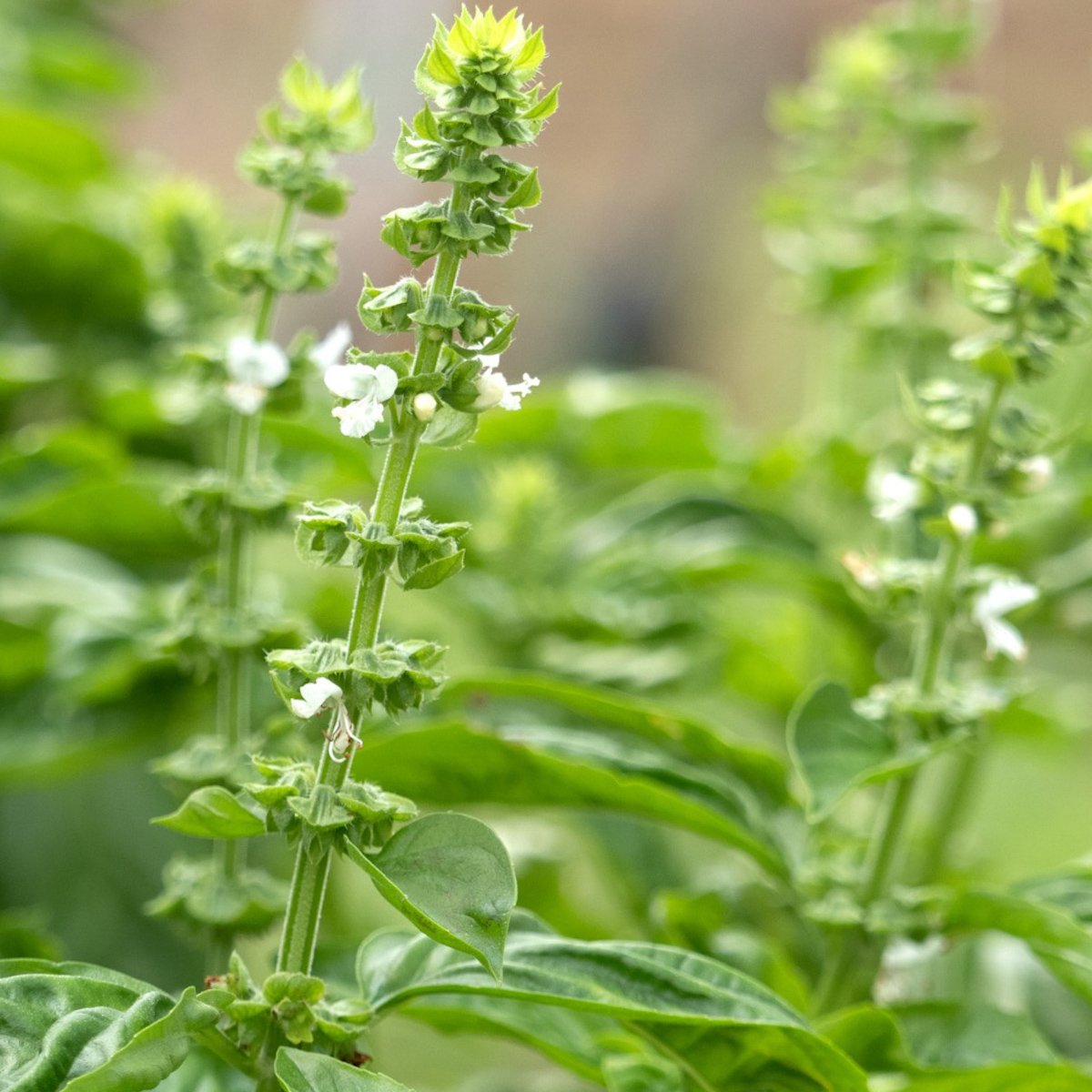


If your mint is flowering, there is nothing to worry about. It is simply part of the plant's natural growth cycle, and it often means your plant is well-established and thriving. You can continue using the leaves just as you always have, and the flowers themselves are a lovely, edible bonus.
Whether you choose to pinch the blooms for stronger flavor or leave them to support pollinators, both approaches are completely right. Mint is a forgiving, generous herb. It gives us beauty, fragrance, flavor, and life in the garden.
So let your mint be mint. Harvest it, enjoy it, and let it bring that bright freshness to your kitchen and your garden all season long.
Happy gardening, friends.