
Herb-Infused Olive Oil Recipe (Easy Homemade Sage Infusion)

Herb-infused olive oil is an easy way to add fresh, garden-inspired flavor to everyday cooking. This simple recipe uses fresh sage and extra virgin olive oil to create a savory infused oil that's perfect for dipping bread, drizzling over roasted vegetables, whisking into salad dressings, or using in marinades. Learn how to safely infuse olive oil, store it properly, and customize it with other favorite culinary herbs.
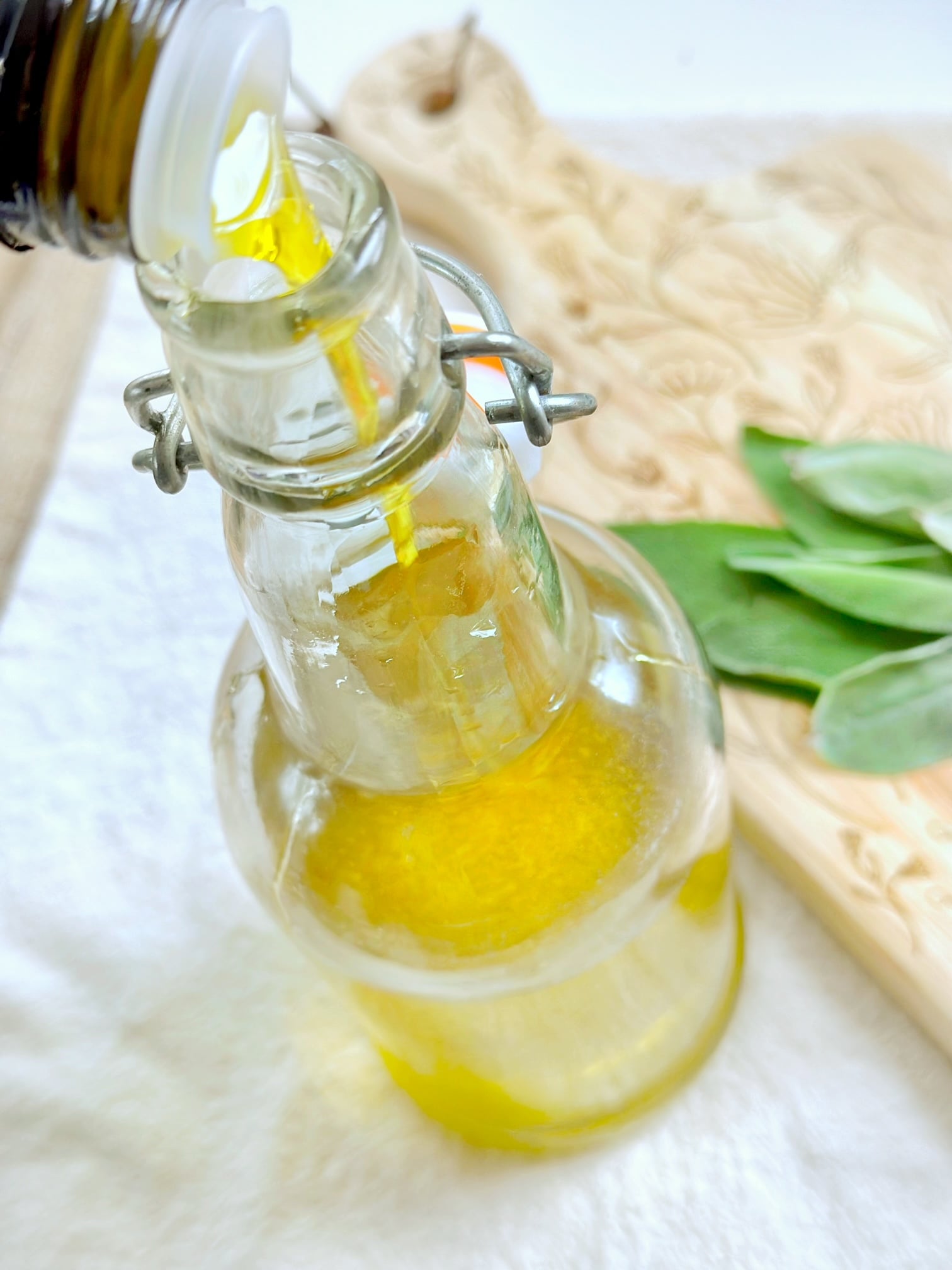
Homemade herb-infused olive oil is one of the easiest ways to add fresh, garden-inspired flavor to everyday cooking. Made with just a few simple ingredients, this versatile condiment can be drizzled over roasted vegetables, whisked into salad dressings, used as a marinade, or served alongside warm bread for dipping.
While many herbs work well for infusing olive oil, sage is one of my favorites. Its earthy, savory flavor pairs beautifully with everything from roasted potatoes and soups to chicken and pork. If you grow sage in your garden, this is a wonderful way to preserve and enjoy its flavor beyond the growing season.
In this tutorial, I'll show you how to make herb-infused olive oil using fresh sage and extra virgin olive oil. You'll also find tips for storage, safety, and ways to customize the recipe with other culinary herbs such as rosemary, thyme, oregano, and basil.
At a Glance: Herb-Infused Olive Oil
_______________________
- Prep Time: 10 minutes
- Infusion Time: 2 weeks
- Yield: 2 cups
- Best Herbs: Sage, rosemary, thyme, basil, oregano
- Storage: Refrigerate
- Shelf Life: 1-2 weeks
Summarize and Save this content on:
Jump to:
Basics of herb olive oil infusion
Making your own herb-infused olive oil is an easy way to add fresh flavor to everyday cooking. With just a few ingredients, you can create a versatile infused oil that's perfect for dipping, drizzling, marinating, and more.
Choosing your base oil
The first step in making herb-infused olive oil is choosing a good-quality olive oil. Extra virgin olive oil is the most popular choice because of its rich flavor and versatility in the kitchen. It works beautifully for dipping bread, drizzling over roasted vegetables, whisking into salad dressings, and finishing pasta dishes.
When selecting olive oil, look for a fresh, high-quality product with a clean flavor. Since the herbs will infuse directly into the oil, starting with a good olive oil will give you the best flavor in the finished infusion. For this recipe, I recommend using extra virgin olive oil, but light olive oil can also be used if you prefer a milder flavor.
Selecting the right herbs
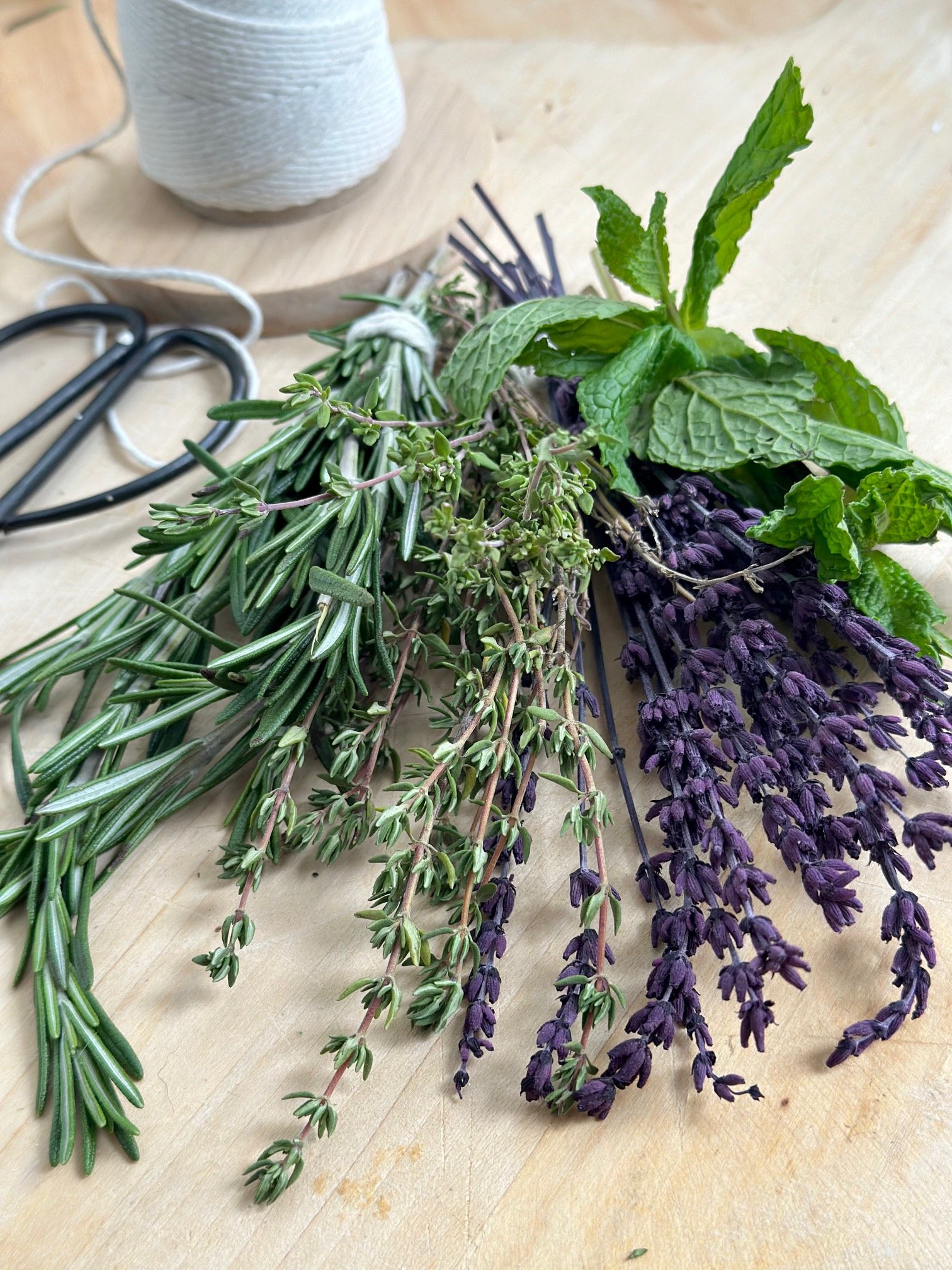
The next step is selecting the right herbs for your infusion. You can use fresh or dried herbs, but dried herbs are often preferred as they contain less water and are less likely to spoil. Some popular herbs for infusing oil include rosemary, thyme, basil, lavender, and peppermint.
When selecting your herbs, it's important to choose high-quality herbs that are free from any mold, mildew, or insect damage. You can also mix and match herbs to create your own unique blends, but be sure to choose herbs that complement each other in flavor and aroma.
In my garden, I most often use sage, rosemary, thyme, oregano, and basil when making herb-infused olive oil. Sage is one of my favorites because its earthy flavor pairs beautifully with roasted vegetables and homemade bread.
Preparation techniques
When it comes to making herb oil, there are two main preparation techniques: cold infusion and hot infusion. Each method has its own unique benefits and drawbacks, so it's important to understand the differences between them before deciding which one to use.
Cold infusion method
The cold infusion method is the easiest and most straightforward way to make herb oil. To prepare herb oil using this method, simply combine your chosen herbs and oil in a jar, and let it sit for several days to infuse. This method is ideal for delicate herbs that can be damaged by heat, such as basil, cilantro, and parsley.
To make cold-infused herb oil, follow these steps:
- Choose your herbs: Choose fresh herbs that have been washed and dried thoroughly. You can use a single herb or a combination of herbs, depending on your preference.
- Select your oil: Choose a high-quality oil with a mild flavor, we recommend olive oil.
- Combine the herbs and oil: Fill a jar with your chosen herbs and pour in enough oil to cover them completely.
- Infuse the oil: Seal the jar tightly and let it sit in a cool, dark place for several days, shaking it occasionally to help the herbs infuse into the oil.
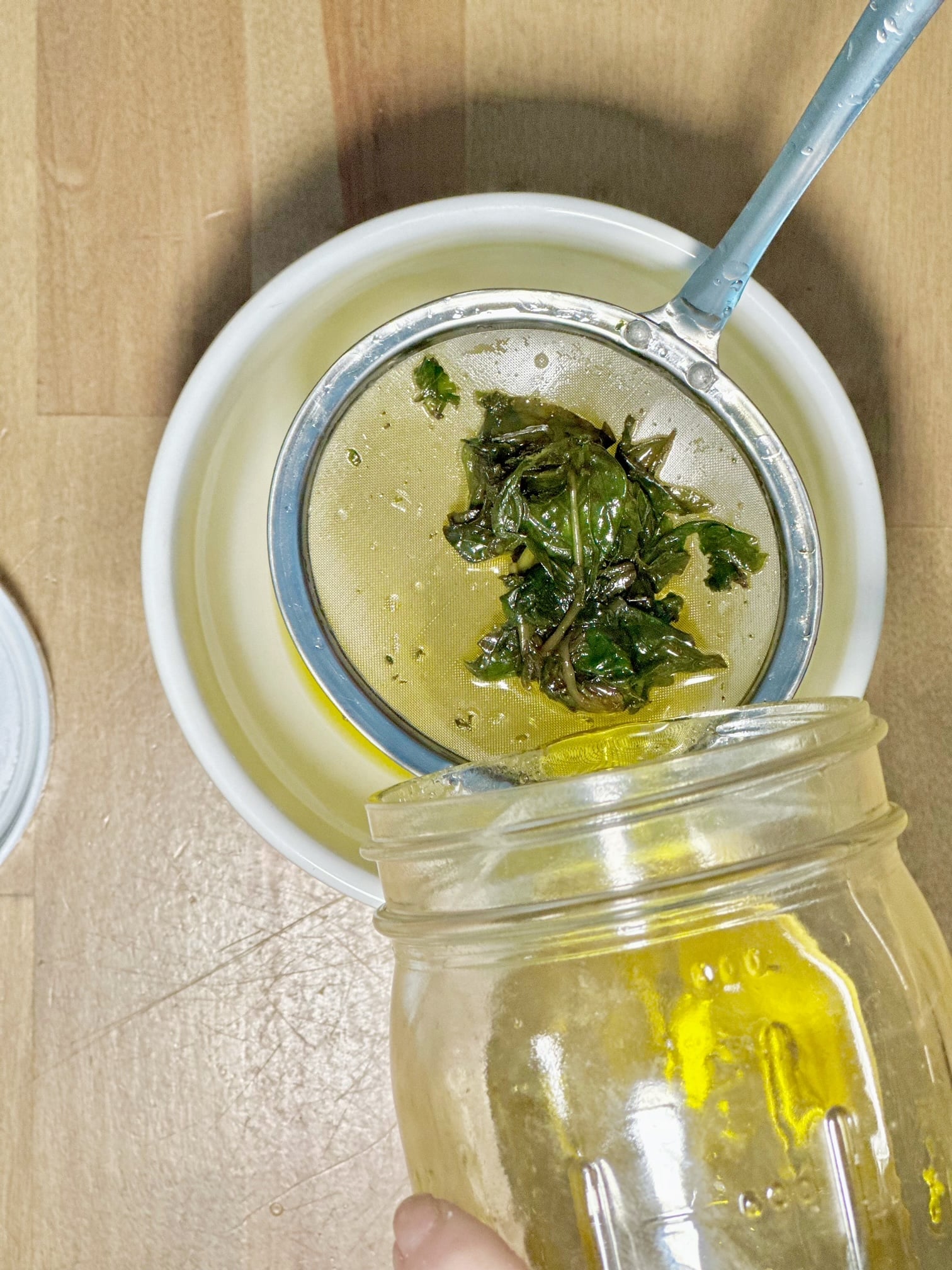
- Strain the oil: After several days, strain the oil through a cheesecloth or fine-mesh strainer to remove the herbs.
Hot infusion method
The hot infusion method involves heating the herbs and oil together to extract the flavors and beneficial compounds from the herbs. This method is best for hardier herbs that can withstand heat, such as rosemary, thyme, and oregano.
To make hot-infused herb oil, follow these steps:
- Choose your herbs: Choose fresh herbs that have been washed and dried thoroughly. You can use a single herb or a combination of herbs, depending on your preference.
- Select your oil: Choose a high-quality oil with a mild flavor, such as olive oil.
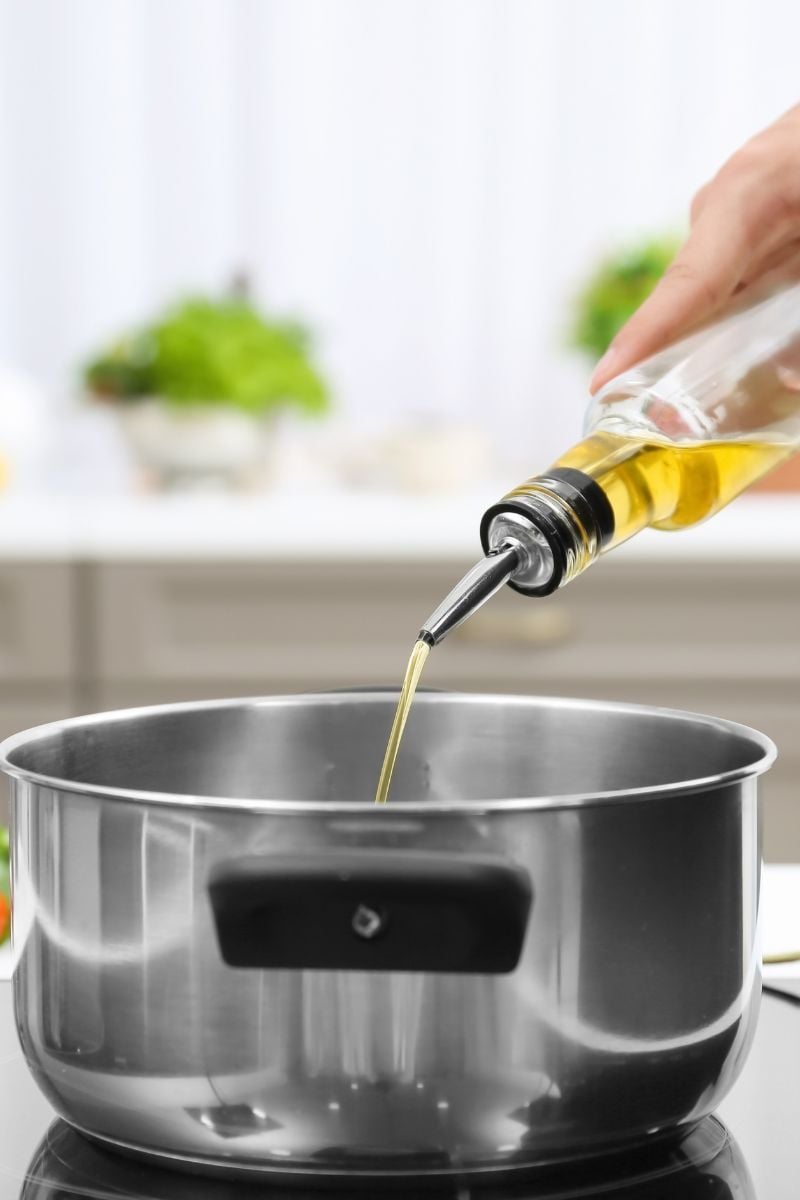
- Heat the oil: Pour the oil into a saucepan and heat it over low heat until it reaches a temperature of around 140°F.
- Add the herbs: Add your chosen herbs to the oil and let them simmer for 20-30 minutes, stirring occasionally.
- Strain the oil: After the herbs have infused into the oil, strain the mixture through a cheesecloth or fine-mesh strainer to remove the herbs.
Both the cold infusion and hot infusion methods can be used to create delicious and flavorful herb oils that can be used in a variety of dishes. Experiment with different herbs and oils to find your favorite combinations.
How to make sage infused olive oil
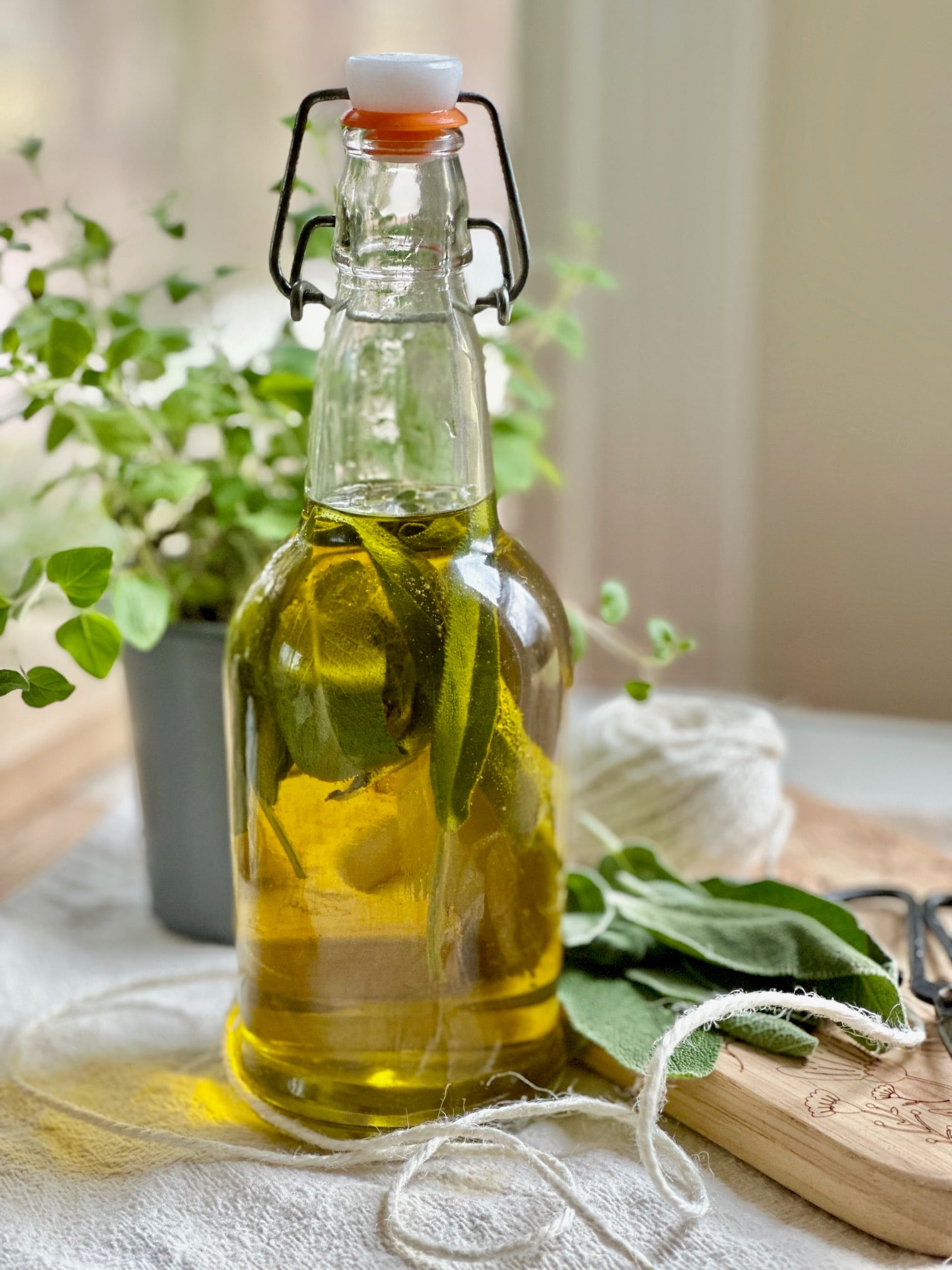
This aromatic green-hued oil captures the woodsy, herbal essence of fresh sage through long steeping in extra virgin olive oil. Slow infusion fully extracts the antioxidant polyphenols and savory flavor. Here's how you can make it:
Ingredients:
- 1 cup fresh sage leaves, loosely packed
- 2 cups extra virgin olive oil
Directions:
- Gently rinse and pat dry fresh sage leaves.
- Place leaves evenly into a glass jar with lid. Pour over olive oil until leaves are fully submerged.
- Seal jar tightly. Store in a cool, dark place, shaking gently once a day for 2 weeks.
- Strain oil through cheesecloth or fine mesh sieve. Compost sage leaves.
- Store infused olive oil in an airtight container.
- Store in the refrigerator for up to 2 weeks.
Ways to use sage infused olive oil
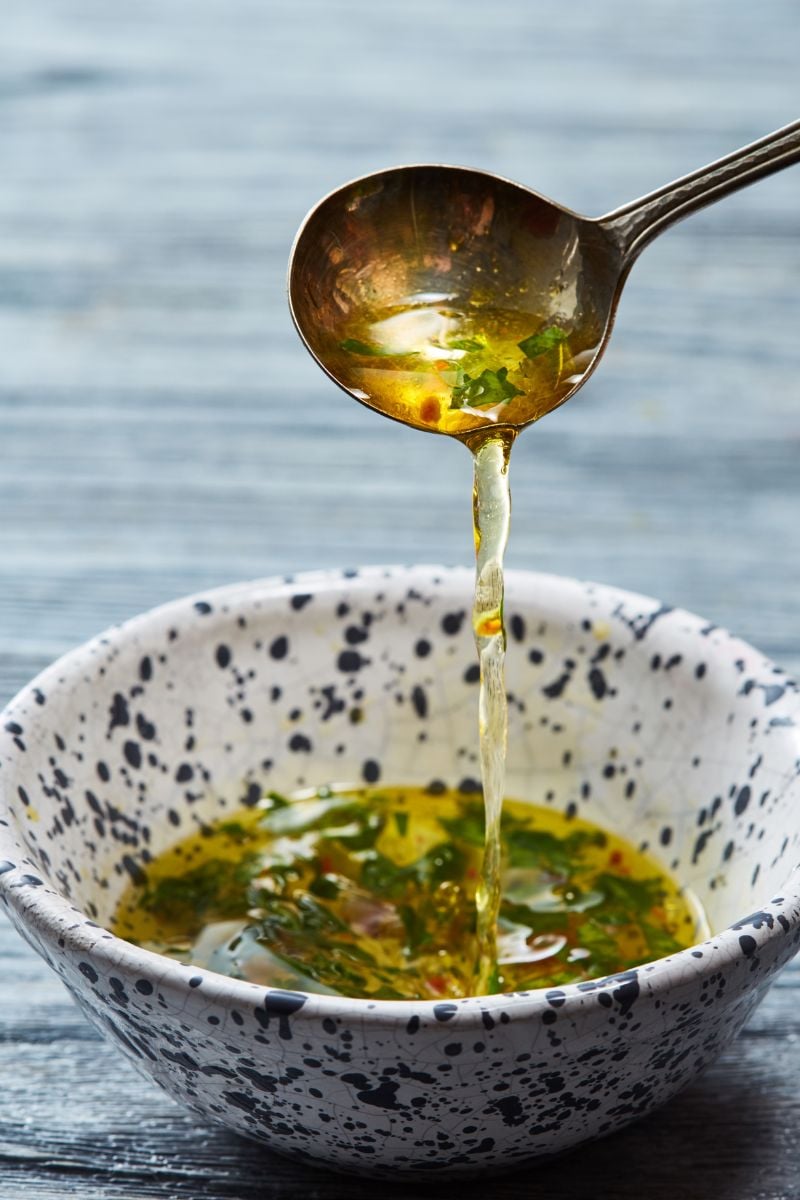
- Drizzle over roasted vegetables before serving
- Brush onto chicken, pork, or steak before grilling
- Toss with roasted potatoes or root vegetables
- Whisk into vinaigrettes and salad dressings
- Drizzle over butternut squash soup or creamy soups
- Use as a bread dipping oil with a sprinkle of flaky salt
- Brush on focaccia or rustic bread before baking
- Stir into mashed potatoes for extra flavor
Storage and preservation
Proper storage helps preserve the flavor and quality of homemade herb-infused olive oil. Because fresh herbs contain moisture, it's important to store infused oils carefully and use them within a reasonable timeframe.
Refrigeration tips
Transfer the strained oil to a clean, airtight container and store it in the refrigerator. Label the container with the date it was made so you can keep track of freshness.
Olive oil may become cloudy or partially solidify when refrigerated. This is completely normal and does not mean the oil has spoiled. Simply allow it to sit at room temperature for a few minutes before using.
Shelf life considerations
Homemade herb-infused olive oil made with fresh herbs is best used within 1 to 2 weeks. Always discard the oil if it develops an off odor, unusual appearance, or signs of spoilage.
To help maintain the best quality:
- Use fresh, high-quality extra virgin olive oil.
- Make sure herbs are thoroughly washed and completely dry before infusing.
- Store the oil in a clean, airtight container.
- Keep the infused oil refrigerated when not in use.
Following these simple storage guidelines will help you enjoy your herb-infused olive oil safely and at its best flavor.
Frequently asked questions
Homemade herb-infused olive oil is best used within 1 to 2 weeks when made with fresh herbs and stored in the refrigerator. If you use completely dried herbs, the oil may last longer, but freshness and flavor are always best when enjoyed sooner rather than later. Discard the oil if it develops an off smell, cloudiness, or signs of spoilage.
Many culinary herbs work beautifully in olive oil. Some of the most popular choices include sage, rosemary, thyme, oregano, basil, and parsley. Each herb creates a slightly different flavor profile, making infused olive oil a simple way to add garden-fresh flavor to breads, marinades, salad dressings, and roasted vegetables.
Yes, fresh herbs can be used to infuse olive oil, but they should be clean and completely dry before adding them to the oil. Any moisture left on the herbs can shorten the shelf life of the infusion. For longer storage, many people prefer to use dried herbs, which contain less moisture and reduce the risk of spoilage.
Herb-infused olive oil can be stored safely when prepared properly and kept refrigerated. Because fresh herbs contain moisture, homemade infused oils should not be stored at room temperature for extended periods. For the best quality and safety, refrigerate the oil and use it within a couple of weeks.

Sage-Infused Olive Oil
Ingredients
- 2 cups extra virgin olive oil
- 1 cup fresh sage leaves
Instructions
- Wash the sage leaves and pat them completely dry. Any moisture left on the leaves can shorten the shelf life of the infused oil.
- Place the sage leaves in a clean glass jar with a tight-fitting lid.
- Pour the olive oil over the sage, making sure all of the leaves are fully submerged.
- Seal the jar and store it in a cool, dark place for 1 to 2 weeks. Gently shake the jar every day to help the flavors infuse.
- Strain the oil through a fine-mesh sieve or cheesecloth, discarding the sage leaves.Transfer the infused oil to a clean bottle or jar and refrigerate.Use within 1 to 2 weeks for the best flavor and quality.
- Transfer the infused oil to a clean bottle or jar and refrigerate.Use within 1 to 2 weeks for the best flavor and quality.
- Use within 1 to 2 weeks for the best flavor and quality.
Notes
- Be sure the sage leaves are completely dry before adding them to the oil.
- Fresh sage creates the best flavor, but rosemary, thyme, oregano, or basil can also be used.
- Keep all herbs fully submerged in the oil during the infusion process.
- Store the finished oil in the refrigerator and use within 1 to 2 weeks.
- This infused oil is delicious drizzled over roasted vegetables, pasta, soups, and crusty bread.
One of my favorite things about growing herbs is finding new ways to use them beyond the garden. Herb-infused olive oil is an easy project that transforms a handful of fresh herbs into something both beautiful and useful in the kitchen. Whether you're drizzling it over roasted vegetables, dipping warm bread, or adding it to your favorite recipes, I hope this simple infusion encourages you to make the most of the herbs growing just outside your door.
For more herb-forward recipes and projects, check out the Herb Index.
Enjoy!