
Are Oregano Flowers Edible?

Oregano flowers are completely normal and edible. When oregano plants flower, they produce small white, pink, or purple blooms that are safe to eat and often milder in flavor than the leaves. Flowering usually happens in mid to late summer and does not mean the plant is unhealthy. You can use oregano flowers fresh, dry them, or let them bloom to support pollinators.
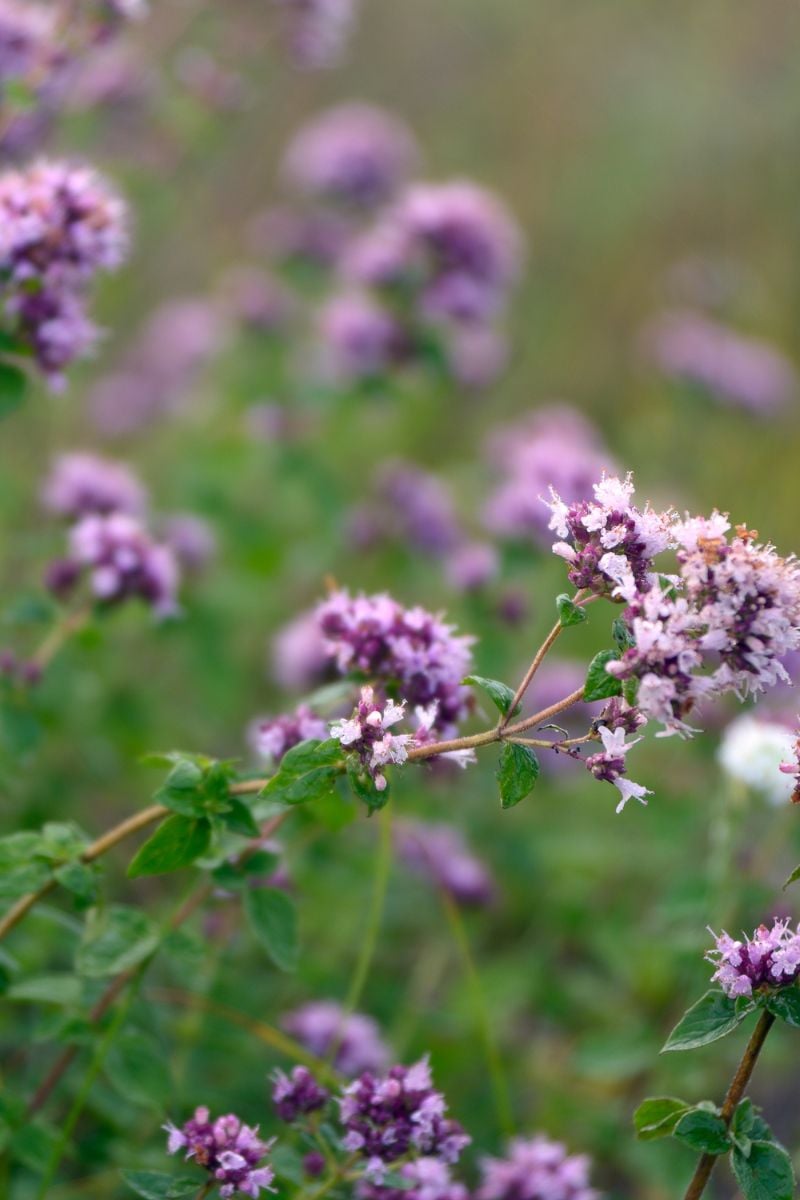
I have to admit, I'm fascinated by flowering herbs. Maybe it's the floral designer in me, but I love seeing blooms just as much as the leafy greens in my garden. There's something especially beautiful about oregano when it flowers, with tiny white, pink, or pale purple blooms rising above the foliage.
If you've ever noticed your oregano plant flowering and wondered whether those blooms are edible, you're not alone. It's a common question, and the good news is that oregano flowers are completely normal and safe to eat. In fact, they offer a milder, slightly sweeter flavor than the leaves and can be used in a surprising number of ways.
In this post, I'm sharing everything you need to know about oregano flowers, including when they bloom, how they taste, and how to use them in the kitchen. Whether you're growing oregano for cooking, enjoying its flowers in the garden, or simply curious about what happens when herbs bloom, this guide will help you make the most of your plant from garden to plate.
Jump to:
- Understanding oregano plants
- What oregano flowers look like, when they bloom, and how they taste
- Are oregano flowers edible?
- 5 culinary uses for oregano flowers
- Harvesting and preserving oregano flowers
- Other benefits of oregano flowers
- Growing oregano for its flowers
- Frequently asked questions
- More Flowering herb guides
Understanding oregano plants
Oregano is a perennial herb, meaning it comes back year after year in my garden. I love this about oregano - plant it once, and you'll have a steady supply for seasons to come. It's a hardy plant that's pretty forgiving, but it does have some preferences.
Growing conditions for oregano are pretty straightforward. It thrives in full sun, soaking up those rays for 6-8 hours a day. In my experience, the more sun it gets, the more flavorful the leaves. Oregano likes it well-drained Soil. I've found that adding some sand or gravel to my garden bed helps prevent water-logged roots, which oregano hates. For best results, pair oregano with compatible plants like thyme, rosemary, and tomatoes that share similar growing conditions and benefit from oregano's pest-repelling properties. For more detailed information on growing Oregano visit my, How to Grow Oregano: Essential Tips for Flavorful Results Post.
There are several varieties of oregano, each with its own unique characteristics:
- Greek oregano (Origanum vulgare var. hirtum) is what I use most in my cooking. It has a strong, spicy flavor that's perfect for Mediterranean dishes. The flowers are typically white.
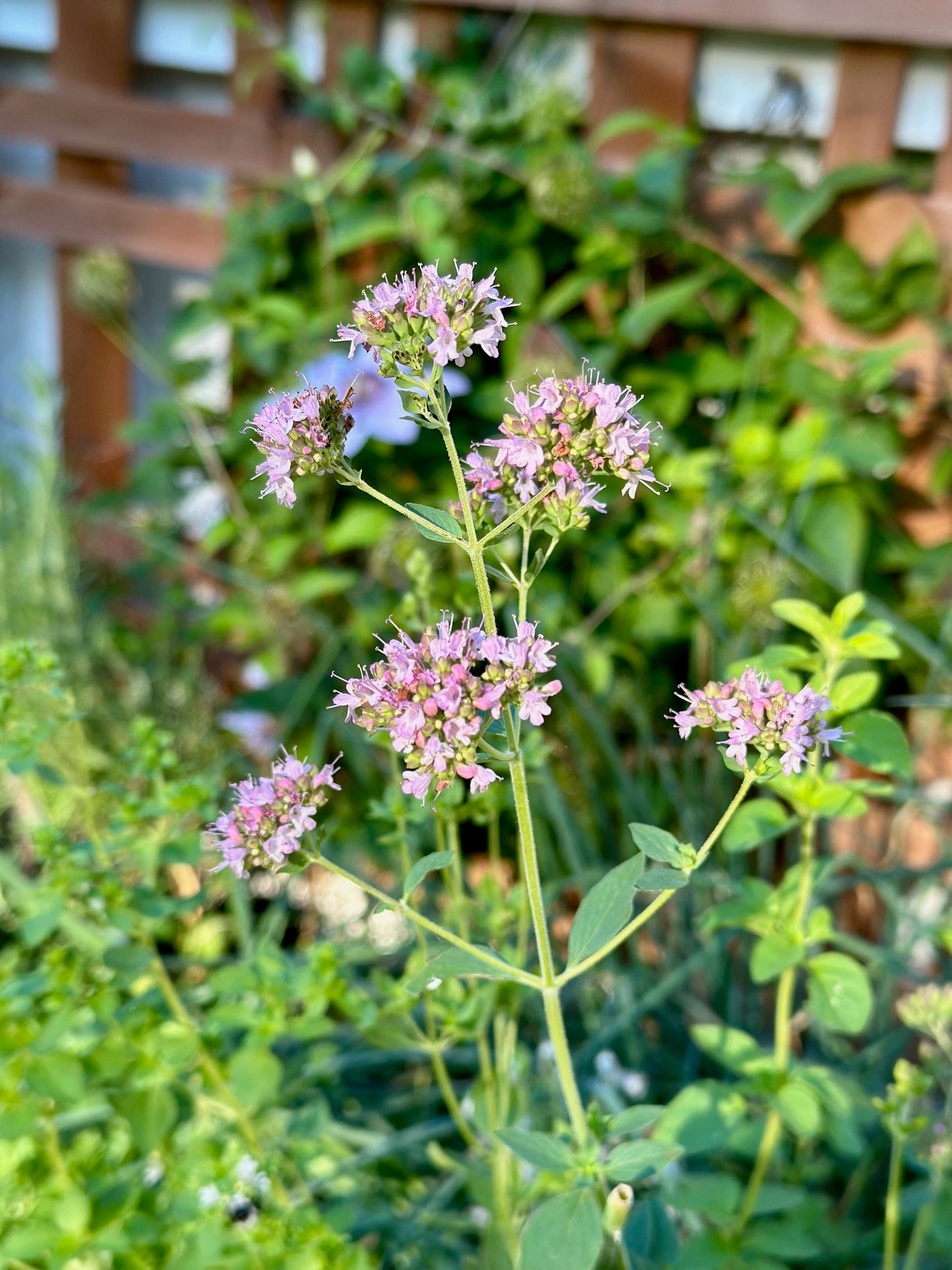
- Italian oregano (Origanum x majoricum) has a milder flavor. I find it's a great all-purpose oregano in the kitchen. It produces light pink flowers.
- Golden oregano (Origanum vulgare 'Aureum') is as much ornamental as it is culinary. Its leaves are a beautiful golden color, making it a standout in the garden. The flavor is mild, and it produces light pink flowers.
Note: Each of these varieties will produce edible flowers, though the flavor can vary slightly between them. In my garden, I grow all three for both culinary use and visual appeal.

What oregano flowers look like, when they bloom, and how they taste
Description of oregano flowers
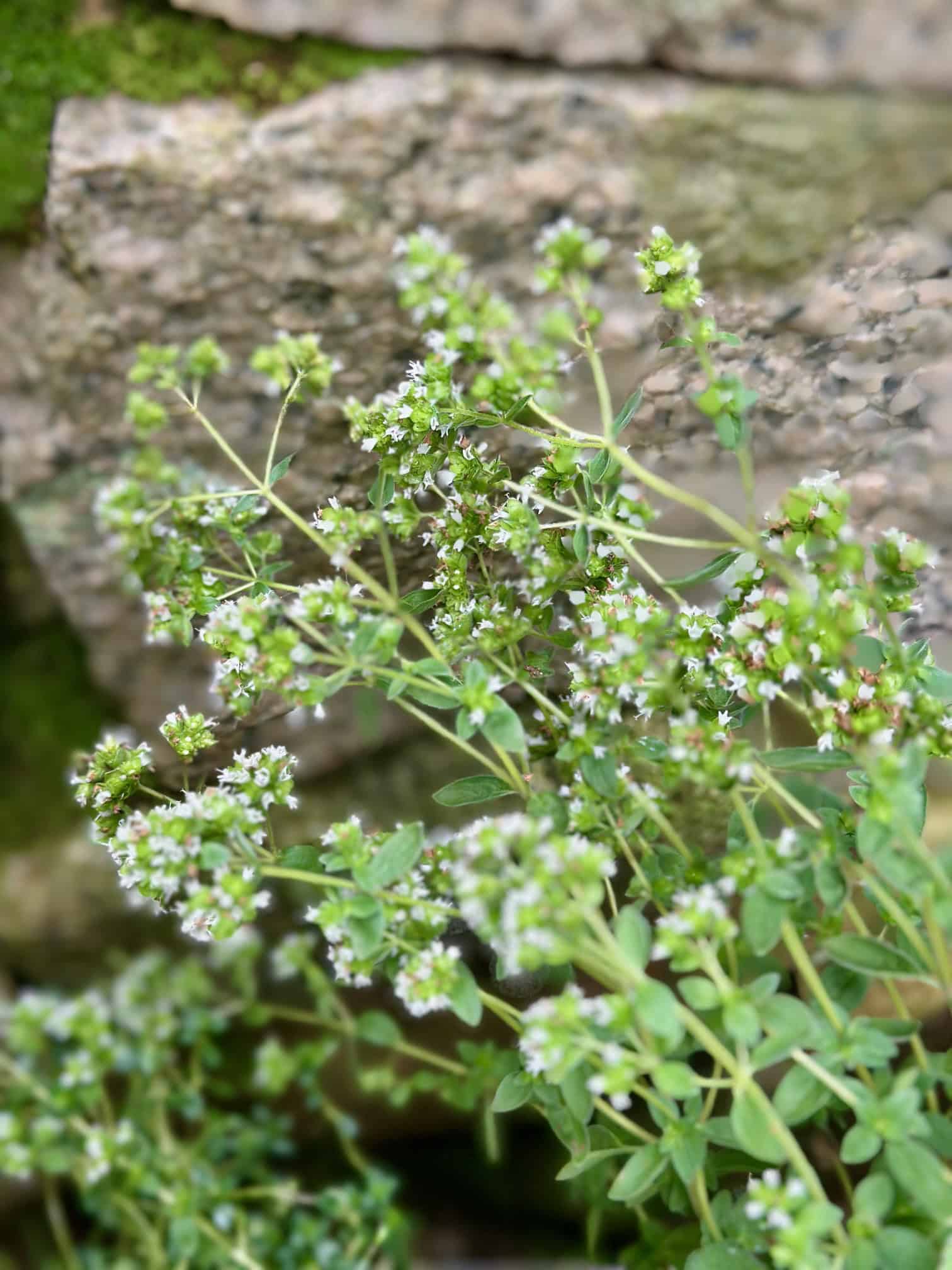
Oregano flowers are tiny but charming. They grow in clusters at the end of the stems, creating delicate spikes of color. In my garden, I've seen them range from white to pink to lavender, depending on the variety. Each individual flower is only about 3-4 millimeters across, but together they create a beautiful display that attracts bees and butterflies.
When oregano typically blooms
In my experience, oregano starts blooming in late spring, usually around May or June, and continues into early summer. The exact timing can vary depending on your climate and when you planted your oregano. I've noticed that established plants tend to bloom earlier and more prolifically than younger ones.
Differences between leaf and flower flavors
While oregano leaves are known for their strong, spicy flavor, the flowers offer a more subtle taste experience. I find the flowers to be milder and slightly sweeter than the leaves. They still have that distinctive oregano flavor, but it's less intense. This makes them perfect for dishes where you want a hint of oregano without overpowering other flavors.
I've also noticed that the flowers have a slightly different texture than the leaves. They're more delicate and add a unique quality to dishes. When I use them in salads, they provide little bursts of flavor and a visual appeal that the leaves alone don't offer.
Are oregano flowers edible?
Confirmation of edibility
Yes, oregano flowers are absolutely edible! I was thrilled when I first discovered this. Not only are they safe to eat, but they're also a delightful addition to many dishes. I've been using them in my cooking for years now, and they never fail to impress dinner guests who are often surprised to learn they can eat these pretty little blossoms.
Note: Speaking of pretty little blossoms, be sure the visit my, Do Mint Plants Flower post to see how to use Mint flowers in your culinary adventures!
Nutritional value
While oregano flowers haven't been studied as extensively as the leaves, they share many of the same nutritional benefits. According to this informative Healthline article, 6 Science-Based Health Benefits of Oregano, they're rich in antioxidants and contain vitamins A, C, and K, as well as fiber and minerals like iron and calcium. I think of them as little nutritional powerhouses that add both flavor and health benefits to my meals.
Flavor profile compared to leaves
The flavor of oregano flowers is similar to the leaves but with some notable differences. In my experience:
- The flowers have a milder, more delicate oregano flavor than the leaves.
- There's a subtle sweetness to the flowers that you don't get with the leaves.
- The floral notes are more pronounced, adding a complexity to the flavor.
I find that the flowers work wonderfully in dishes where you want a hint of oregano without overwhelming other flavors. They're perfect for salads, garnishes, or any dish where you'd typically use fresh herbs. The milder flavor means you can use them more liberally without fear of overpowering your dish.
Remember, the exact flavor can vary slightly depending on the variety of oregano and growing conditions. I always recommend tasting a flower or two before adding them to your dish to get a sense of their flavor profile.
5 culinary uses for oregano flowers
Oregano flowers are incredibly versatile in the kitchen. Here are some of my favorite ways to use them for culinary purposes:
1. As a garnish
I love using oregano flowers as a garnish. They add a pop of color and a subtle flavor to dishes. I sprinkle them over:
- Pasta dishes
- Grilled vegetables
- Focaccia bread
- Homemade pizzas
The flowers not only make the dish look more appealing but also add a hint of oregano flavor with each bite.
2.In salads
Oregano flowers are a great addition to salads. I toss them into:
- Green salads for added flavor and visual interest
- Grain salads like tabbouleh or quinoa salads
- Tomato and mozzarella salads for an extra Mediterranean touch
The flowers add a mild oregano taste without overwhelming the other ingredients.
3. Infused in oils or vinegars
Infusing oregano flowers in olive oil or vinegar is a great way to capture their flavor:
- I add a handful of flowers to a bottle of good quality olive oil
- For vinegars, I use white wine or apple cider vinegar as a base
These infusions are great for salad dressings or as a finishing touch for grilled meats and vegetables.
4. In herbal teas
Oregano flower herbal tea is both delicious and soothing:
- I steep a tablespoon of fresh flowers in hot water for about 5 minutes
- It's great on its own or mixed with other herbs like mint or lemon balm
This tea is particularly comforting when I'm feeling under the weather. For more information on making herbal tea, visit: How to Make Herbal Tea From Fresh Herbs: A Beginner's Guide
5. Incorporation into Italian cuisine
Oregano flowers work wonderfully in Italian dishes:
- I sprinkle them over homemade pizza just before serving
- They're great in tomato-based pasta sauces
- I use them in herb mixtures for seasoning grilled meats
The flowers add a subtle oregano flavor that complements many Italian dishes without overpowering them.
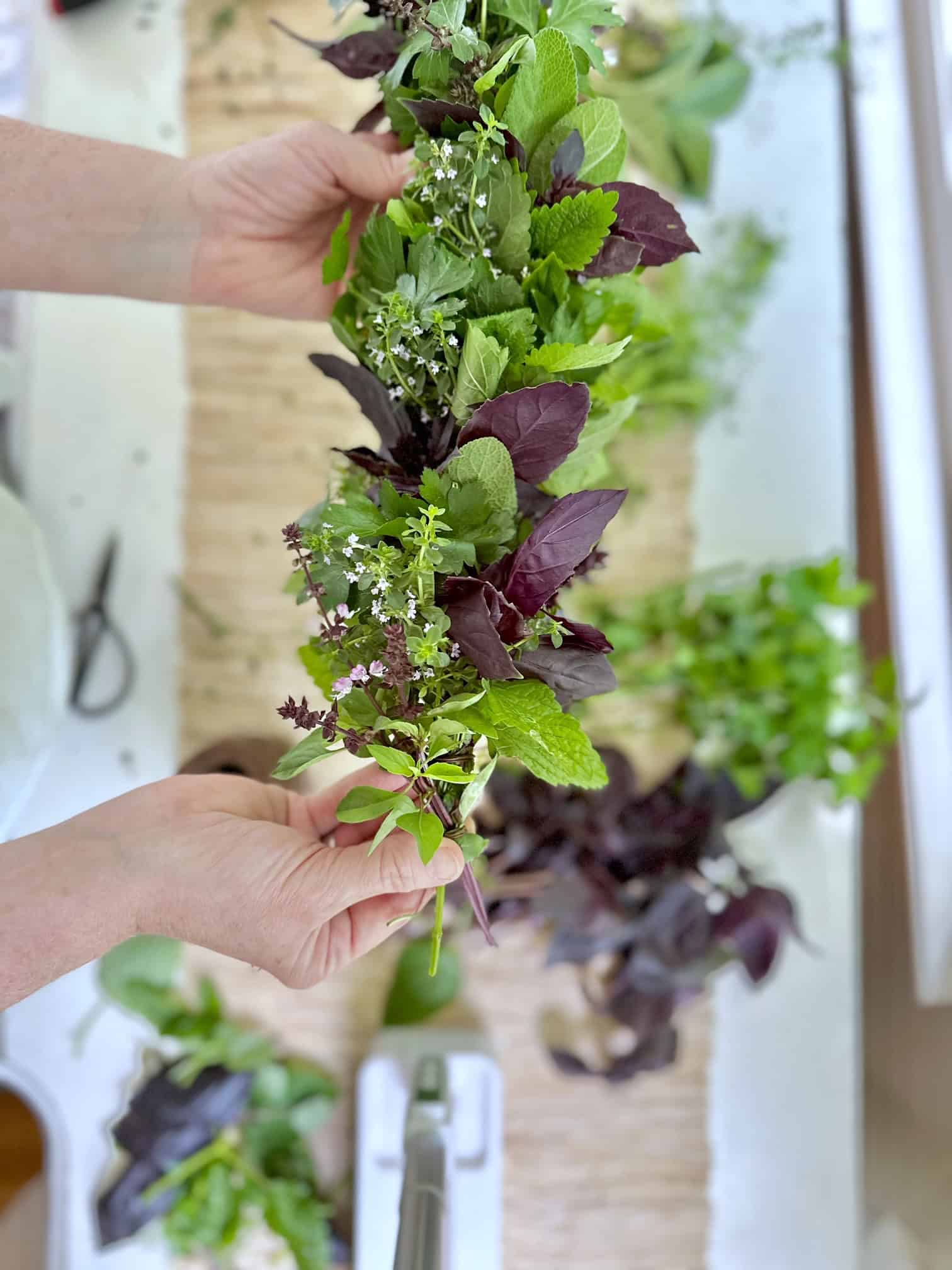
For non-culinary uses add oregano flowers to an DIY herb garland or share some with friends in an herb gift jar!
Harvesting and preserving oregano flowers
Harvesting oregano flowers:
The best time to harvest oregano flowers is in the morning, just after the dew has dried but before the heat of the day sets in. I've found this is when the essential oils are most concentrated, giving you the best flavor.
Here's my process for harvesting:
- Wait until the flower buds have just opened for the best flavor.
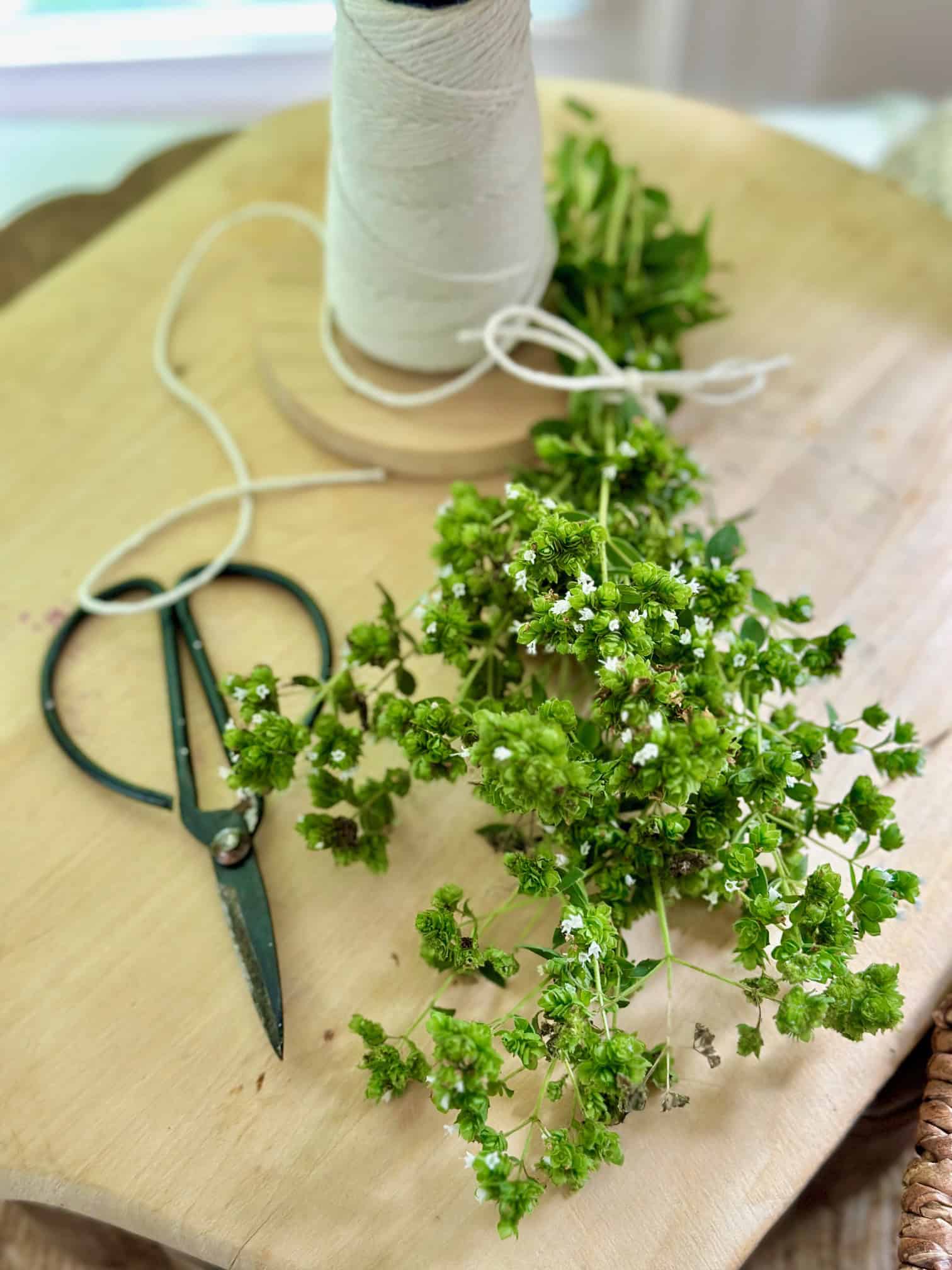
- Use clean, sharp scissors to cut the flower stems.
- Leave some flowers on the plant for pollinators and to allow the plant to reseed.
For sustainable harvesting, I never take more than a third of the plant's flowers at once. This ensures the plant remains healthy and continues to produce.
Preserving oregano flowers:
To enjoy oregano flowers year-round, I use these preservation methods:
Drying:
- Using string or rubber bands, hang small bunches upside down in a warm, dry place with good air circulation.
- Once completely dry (usually 1-2 weeks), store in an airtight container.
For more information on drying oregano visit: How to Dry Oregano in the Oven: A Quick and Easy Method

Freezing:
- Freeze flowers in ice cube trays with a bit of water.
- Alternatively, lay them flat on a baking sheet to freeze, then transfer to a freezer bag.
Infusing in olive oil:
- Fill a clean jar with oregano flowers.
- Cover completely with olive oil.
- Store in a cool, dark place for 2-4 weeks, then strain.
Each method preserves the flowers differently. Dried flowers are great for teas and cooking, frozen ones maintain their shape for garnishes, and oil infusions are perfect for dressings and marinades.
Other benefits of oregano flowers
Oregano flowers aren't just culinary superstars; they offer a range of benefits that extend beyond the kitchen. Here's what I've discovered:
Attracting beneficial insects to the garden
One of my favorite things about oregano flowers is how they bring life to my garden. They're like tiny magnets for pollinators:
- Bees absolutely love them, especially native bees
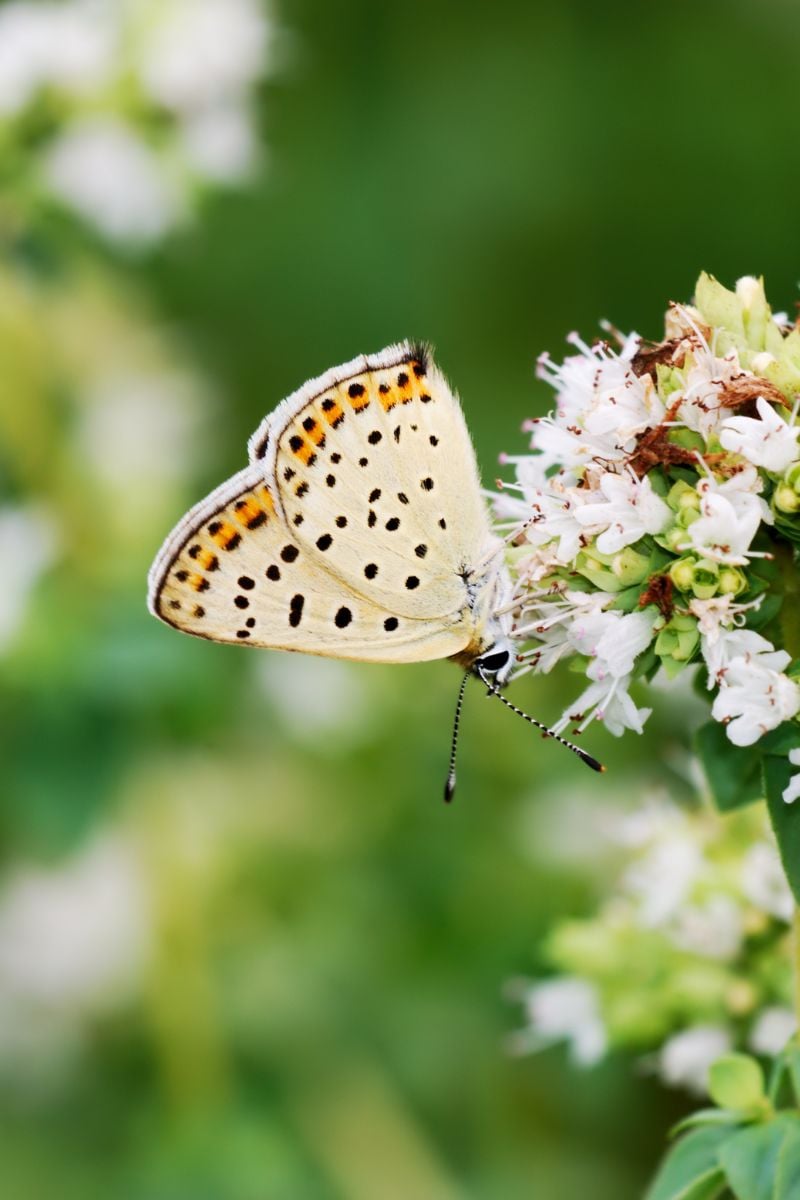
- Butterflies frequently visit, adding a beautiful flutter to the garden
- Beneficial predatory insects like ladybugs and lacewings are also attracted, helping to keep pest populations in check
I've noticed that since letting my oregano flower, I've had fewer issues with pests on nearby plants. It's like having a natural pest control system!
Potential medicinal uses
While I'm not a medical professional, oregano has been used traditionally for various health purposes:
- As a tea, it's often used to soothe sore throats
- Some people use it to aid digestion
- It's known for its antimicrobial properties
Always consult with a healthcare provider before using any herb medicinally, but it's fascinating to think about the potential healing properties growing in our gardens.

Growing oregano for its flowers
If you're like me and love the idea of a garden filled with oregano flowers, here are some tips I've picked up over the years:
Tips for encouraging blooming
To get the most flowers from your oregano:
- Provide full sun - I've found oregano blooms best with at least 6 hours of direct sunlight daily.
- Don't over-fertilize - Oregano prefers poor soil. Too much fertilizer promotes leaf growth at the expense of flowers.
- Prune regularly - I trim my oregano plants in early spring to encourage bushier growth and more flowers.
- Water sparingly - Oregano prefers dry conditions. Overwatering can lead to fewer blooms.
Companion planting suggestions
Oregano plays well with others in the garden. I've had success planting it near:
- Tomatoes - Oregano can repel pests that often bother tomato plants.
- Peppers - They seem to thrive in similar conditions.
- Roses - Oregano can help deter aphids.
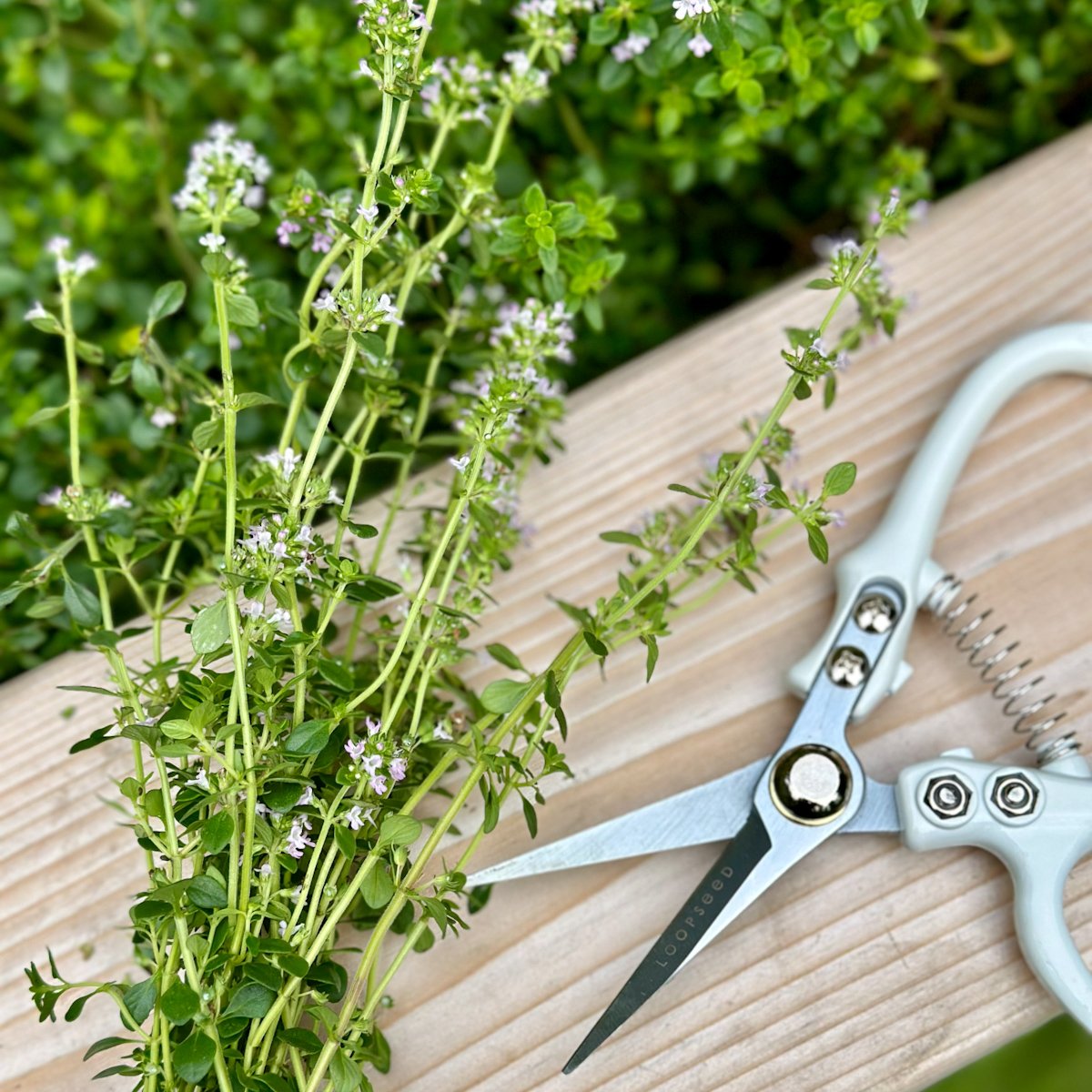
- Other Mediterranean herbs like thyme and marjoram - They have similar care requirements.
Using oregano flowers in mass plantings
Oregano flowers can create stunning effects when used in mass plantings:
- As a flowering ground cover - I've used it to fill in spaces between stepping stones.
- In rock gardens - It thrives in the well-drained conditions and adds soft color.
- As a border plant - It creates a beautiful, fragrant edge along pathways.
- In wildflower meadows - Mixed with other flowering herbs and native plants, it adds diversity and attracts pollinators.
Keep in mind, different varieties of oregano have different growth habits. Some spread more aggressively than others, so choose the right variety for your space.
I love the way mass plantings of oregano create a sea of tiny flowers, adding a soft, romantic touch to the garden while also serving practical purposes in the kitchen and for local wildlife.
Frequently asked questions
Yes, oregano is still good when it flowers. Flowering does not mean the plant has gone bad or is unusable. The leaves may become slightly milder or less intense, but they are still perfectly edible. Many gardeners continue harvesting both the leaves and flowers throughout the blooming period.
Oregano flowers are edible and versatile. You can use them fresh as a garnish, toss them into salads, sprinkle them over pasta or pizza, infuse them into oils or vinegars, or steep them in herbal tea. Their flavor is similar to oregano leaves but milder and slightly sweeter, which makes them ideal for light, fresh dishes.
Oregano does not usually become bitter after flowering, but the leaves can lose some of their intensity. The essential oils shift slightly as the plant puts energy into blooming. If you prefer the strongest flavor, harvest leaves before full flowering. If you enjoy a softer, more delicate taste, flowering oregano is still an excellent choice.
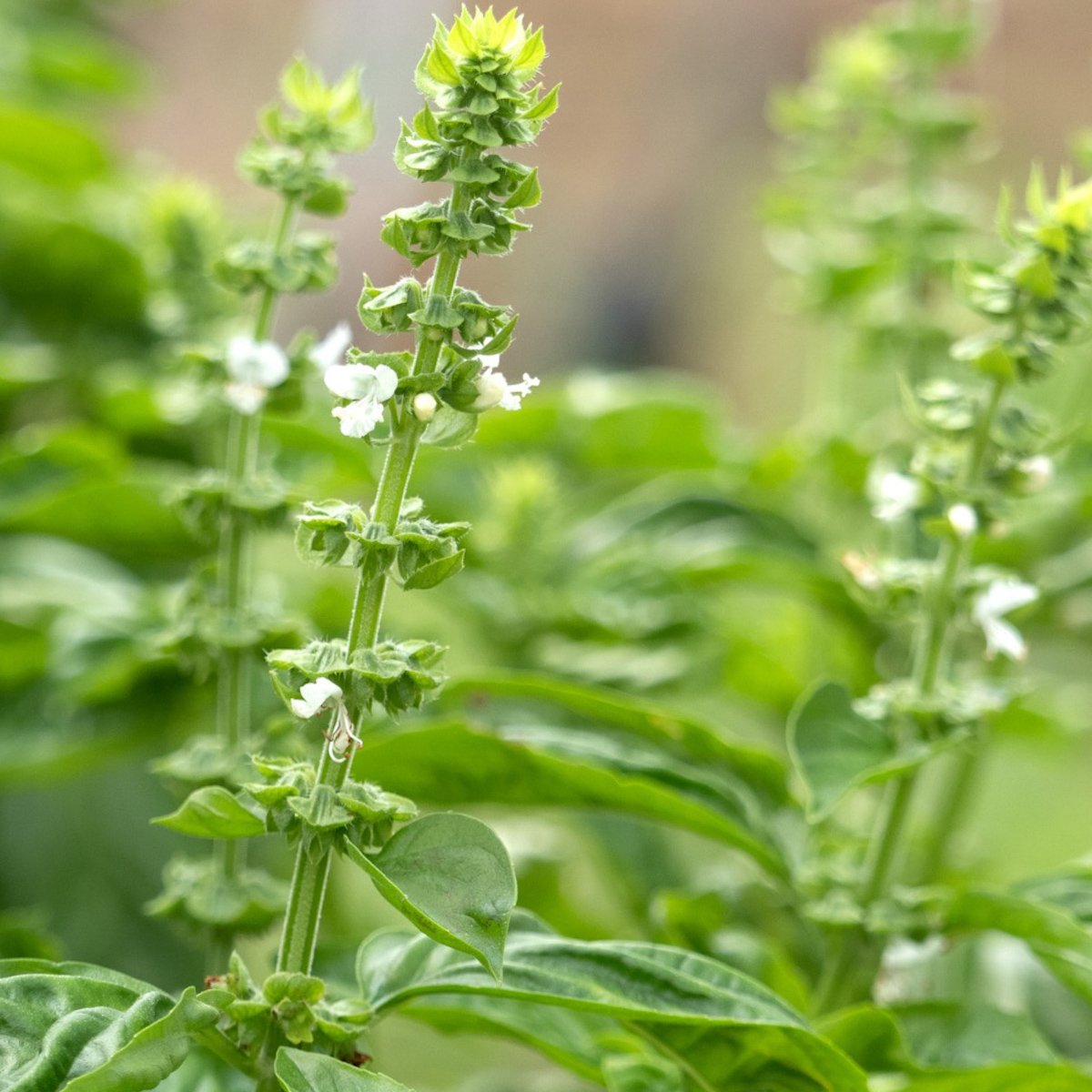
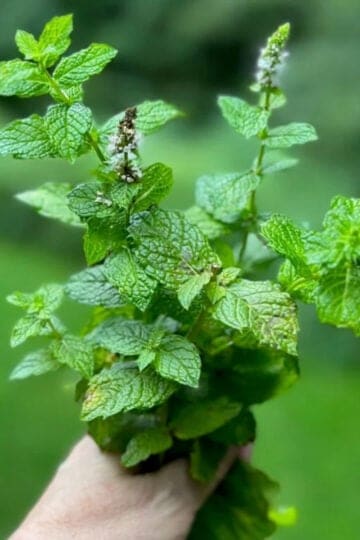
Not all blooms mean your herb is done. Visit the Herb Index to learn what flowering means for other herbs and how to work with (or prevent) it.
Oregano flowers are a delightful surprise in the world of culinary herbs. As a Mediterranean plant, oregano not only provides flavorful leaves but also beautiful and edible herb flowers. Whether you're sprinkling them over a salad, steeping them in tea, or simply enjoying their beauty in your garden, oregano flowers are a unique addition to any kitchen garden.
From the tiny white blossoms of Greek oregano to the soft pink or lavender flowers of other varieties, these blooms offer both visual appeal and subtle flavors. They're a good choice for gardeners looking to maximize the usefulness of their plants while adding beauty to their outdoor spaces.
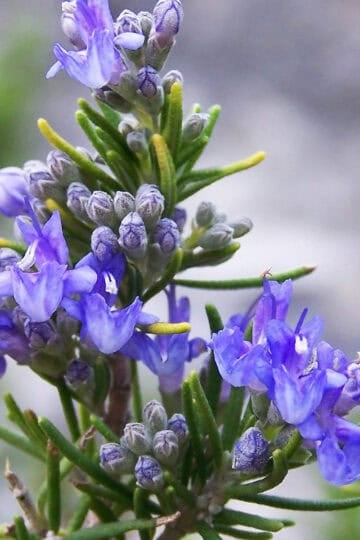
So the next time you're tempted to pinch off those flower buds, remember - like lavender blooms and rosemary flowers, oregano flowers are more than just pretty faces. They're edible, beneficial, and a wonderful way to elevate your culinary creations. Why not let your oregano bloom and discover the magic of these tiny flowers for yourself?
Until next time friends, Happy Gardening!