Flowering Herbs: 12 Beautiful Herbs That Bloom in Your Garden

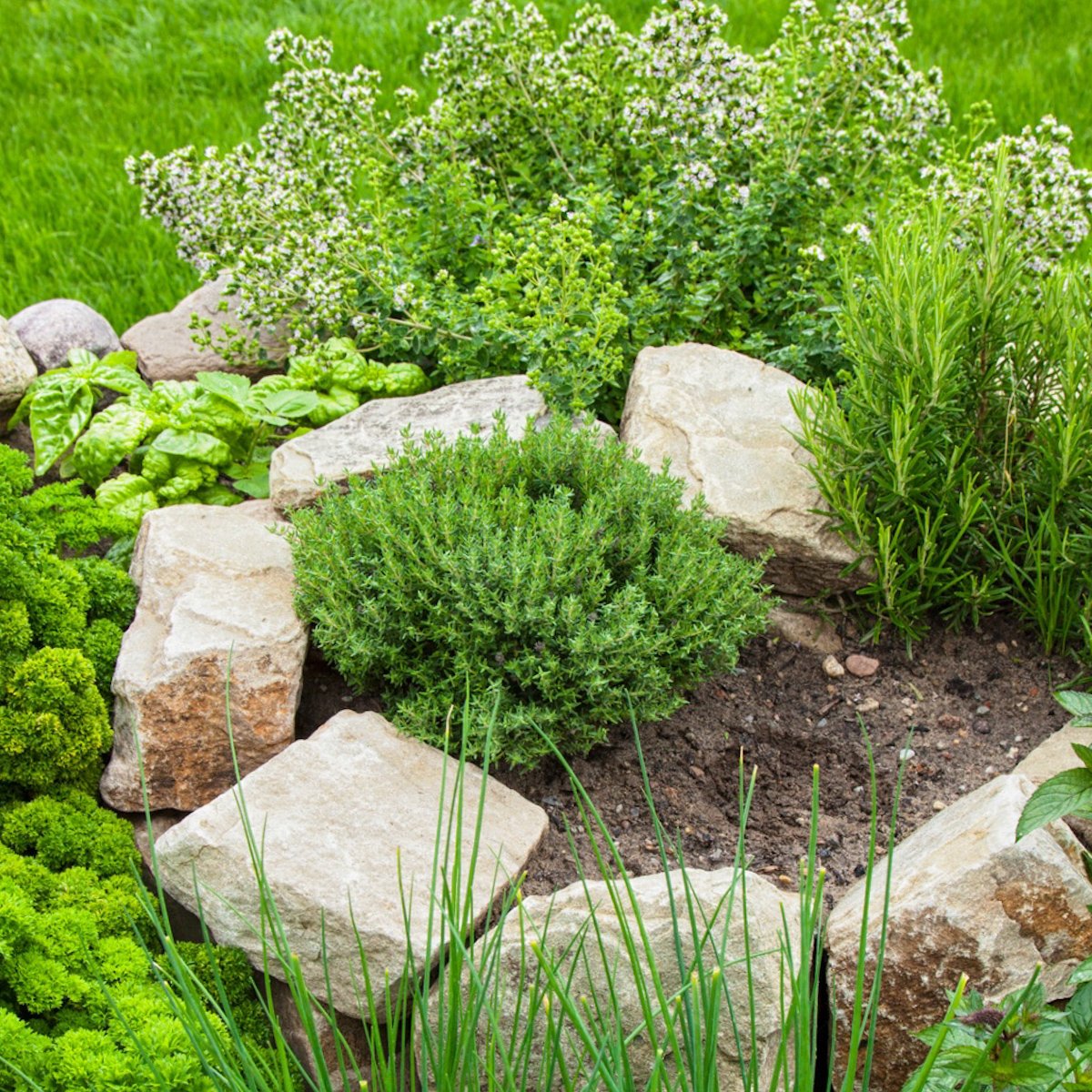
Flowering herbs are herbs that produce blooms as part of their natural growth cycle, including favorites like basil, thyme, rosemary, and mint. While many gardeners pinch flowers to keep leaves tender, letting herbs bloom can attract pollinators, add color to your garden, and even provide edible flowers. This guide covers 12 beautiful flowering herbs and how to grow and use them.
Flowering herbs are herbs that produce blooms as part of their natural growth cycle, including favorites like basil, thyme, rosemary, and mint. While many gardeners pinch those flowers to keep leaves tender, there's actually a lot to love about letting herbs bloom.
From soft purple thyme flowers to delicate basil blossoms, flowering herbs add color, attract pollinators, and bring a completely different look to your garden.
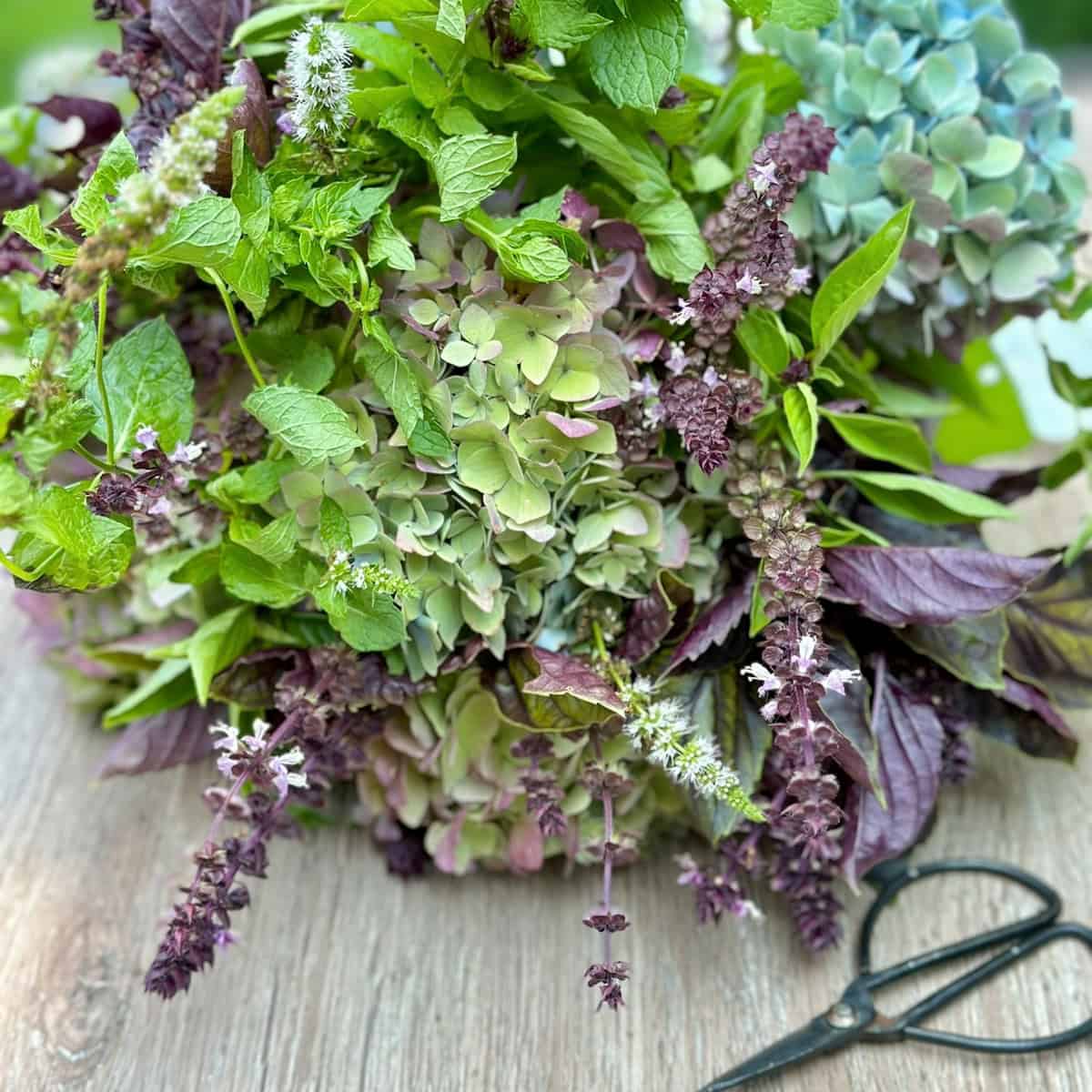
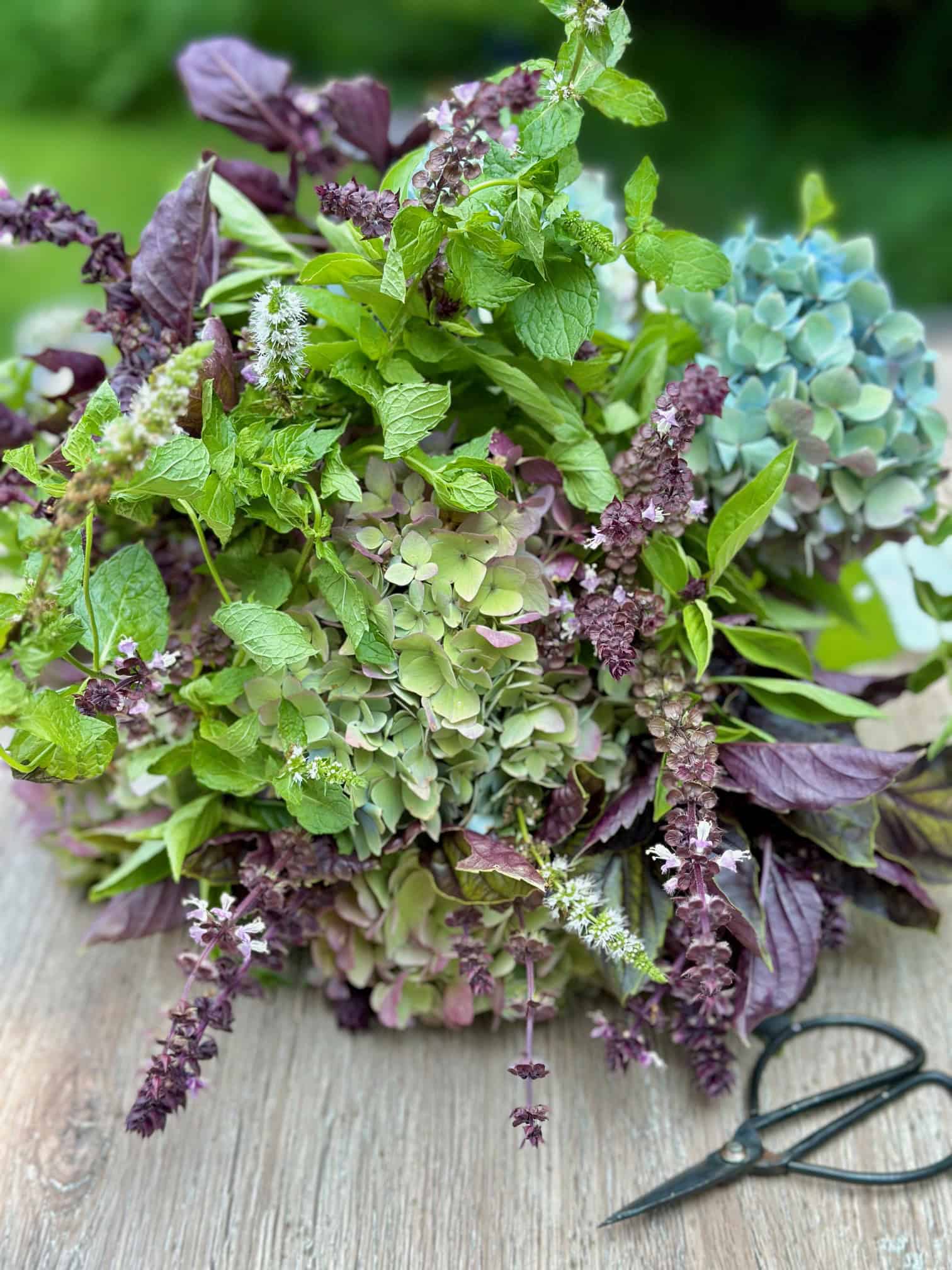
As a floral designer, I use flowering herbs as a kind of secret weapon. They add texture, movement, and a more natural feel to arrangements, while still being completely useful in the kitchen.
In this guide, I'll walk through common herbs that flower, what their blooms look like, and when you might want to let them grow or pinch them back.
At a Glance: Why add flowers to an herb garden
_______________________
- What are flowering herbs: Herbs that produce blooms as part of their natural growth cycle, including basil, thyme, rosemary, and mint
- What you'll find in this guide: 11 flowering herbs, what their blooms look like, and how to grow and use them
- Best for: Gardeners who want both beauty and function in their herb garden
- When herbs flower: Typically in late spring through summer, depending on the herb and growing conditions
- Should you let herbs flower? Some, like basil, are often pinched to keep leaves tender, while others, like thyme and lavender, are best enjoyed in bloom
- Benefits of flowering herbs: attract bees, butterflies, and other pollinators, add color and texture to your garden, provide edible flowers for cooking and garnishing
- Where to grow them: Garden beds, containers, patios, and small-space herb gardens
Summarize and Save this content on:
Jump to:
- At a Glance: Why add flowers to an herb garden
- Understanding flowering vs. bolting
- Benefits of growing flowering herbs
- Spotlight on 12 popular flowering herbs
- Herbs with purple flowers
- Herbs with white flowers
- Growing conditions for flowering herbs
- Effects of flowering on herb flavor and use
- Harvesting and using flowering herbs
- My favorite ways to use flowering herbs: From bouquets to bites
- Creative ways to use flowering herbs
Understanding flowering vs. bolting
Let's break down flowering vs. bolting - it's crucial for getting the most out of your herbs. Natural flowering is part of a herb's normal life cycle. It's when the plant matures and produces flowers to create seeds. This usually happens after a period of leaf growth.
Bolting, on the other hand, is premature flowering triggered by stress. Heat, changes in daylight, or poor soil conditions can cause herbs to bolt before their time. When an herb bolts, it diverts energy from leaf production to flowering. This often results in fewer, bitter-tasting leaves and a lankier plant. For many herbs, like basil or cilantro, this can mean the end of your harvest season if not managed properly.
Click to get my ebook on From Bud to Bloom: A Guide to Bolting vs. Flowering in Herbs sent to your inbox
Benefits of growing flowering herbs
Growing flowering herbs is like hitting the garden jackpot. Here's why:
Culinary delights
Flowering herbs are culinary all-stars. Toss some basil flowers in your salad or sprinkle chive blossoms on your omelet for a flavor kick. These edible flowers add a gourmet touch to your dishes.
Pollinator paradise
These plants are pollinator magnets. Watch your garden buzz with bees, butterflies, and other beneficial insects that'll help your whole garden thrive. It's like hosting a garden party for nature's VIPs.
Potential wellness boost
Some herbs have traditional wellness uses - think chamomile tea for relaxation or peppermint for digestion. Just remember, always check with a healthcare pro before using herbs medicinally. They're not a replacement for professional medical advice.
Garden eye candy
Let's not forget the eye candy factor. From a lavender tree's purple spikes to calendula's sunny blooms, flowering herbs add pops of color and texture to your garden. They're like nature's bouquet, ready for you to enjoy every day.
Did you know that mixing flowers into an herb bed can make the entire garden feel fuller and more vibrant? Many herbs bloom later in the season, so adding flowers helps bring color and pollinators into the garden much earlier.
Spotlight on 12 popular flowering herbs
Let's dive into some popular flowering herbs, their characteristics, and which ones you need to watch for bolting:
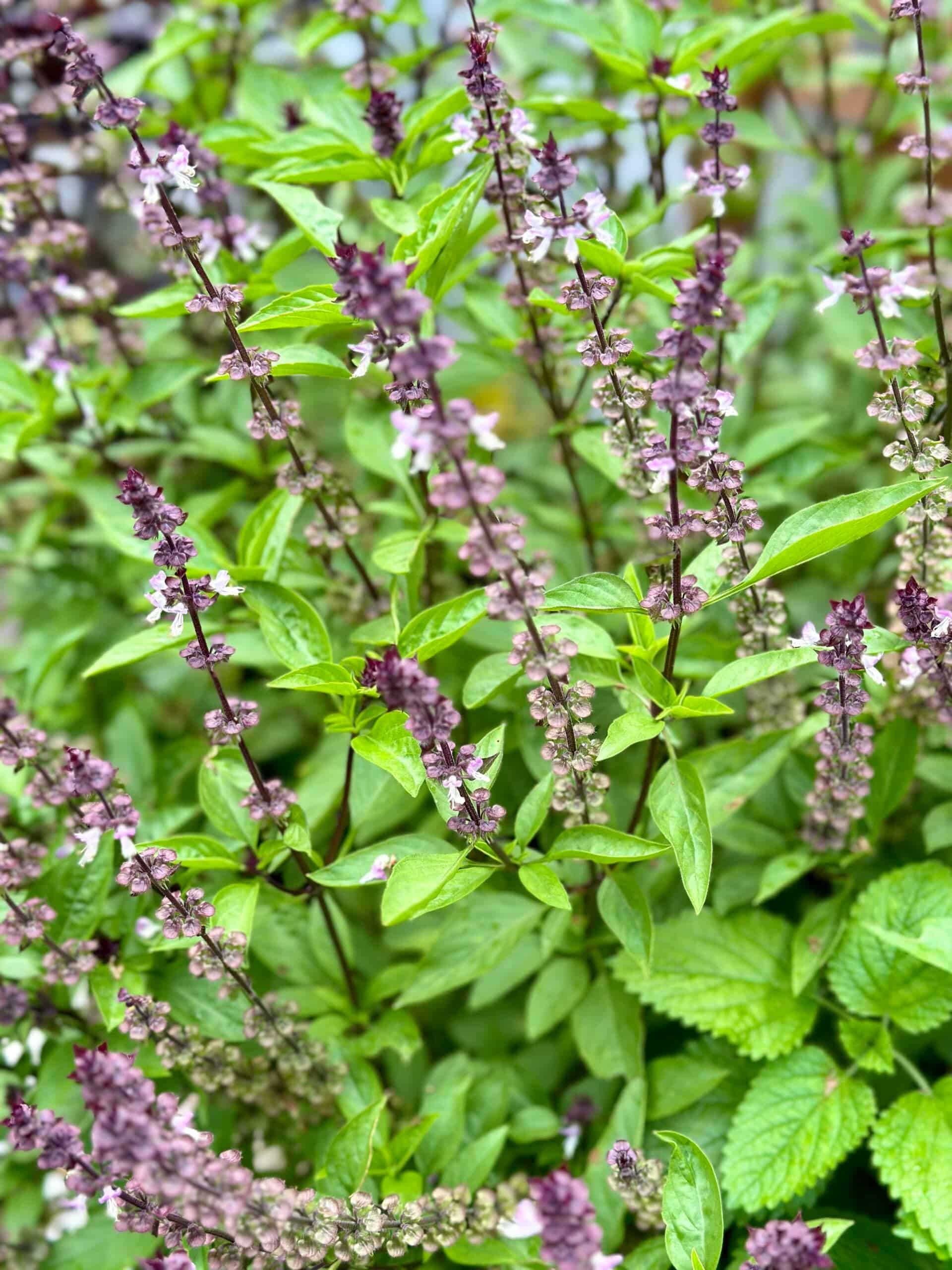
1. Basil and Thai Basil
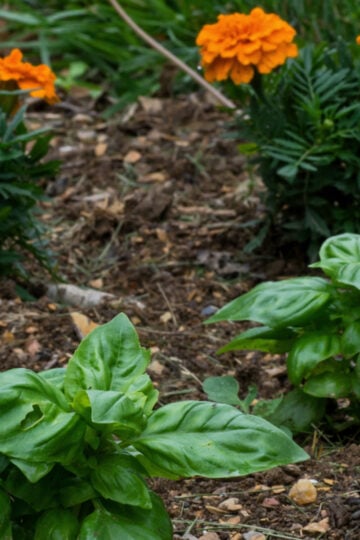
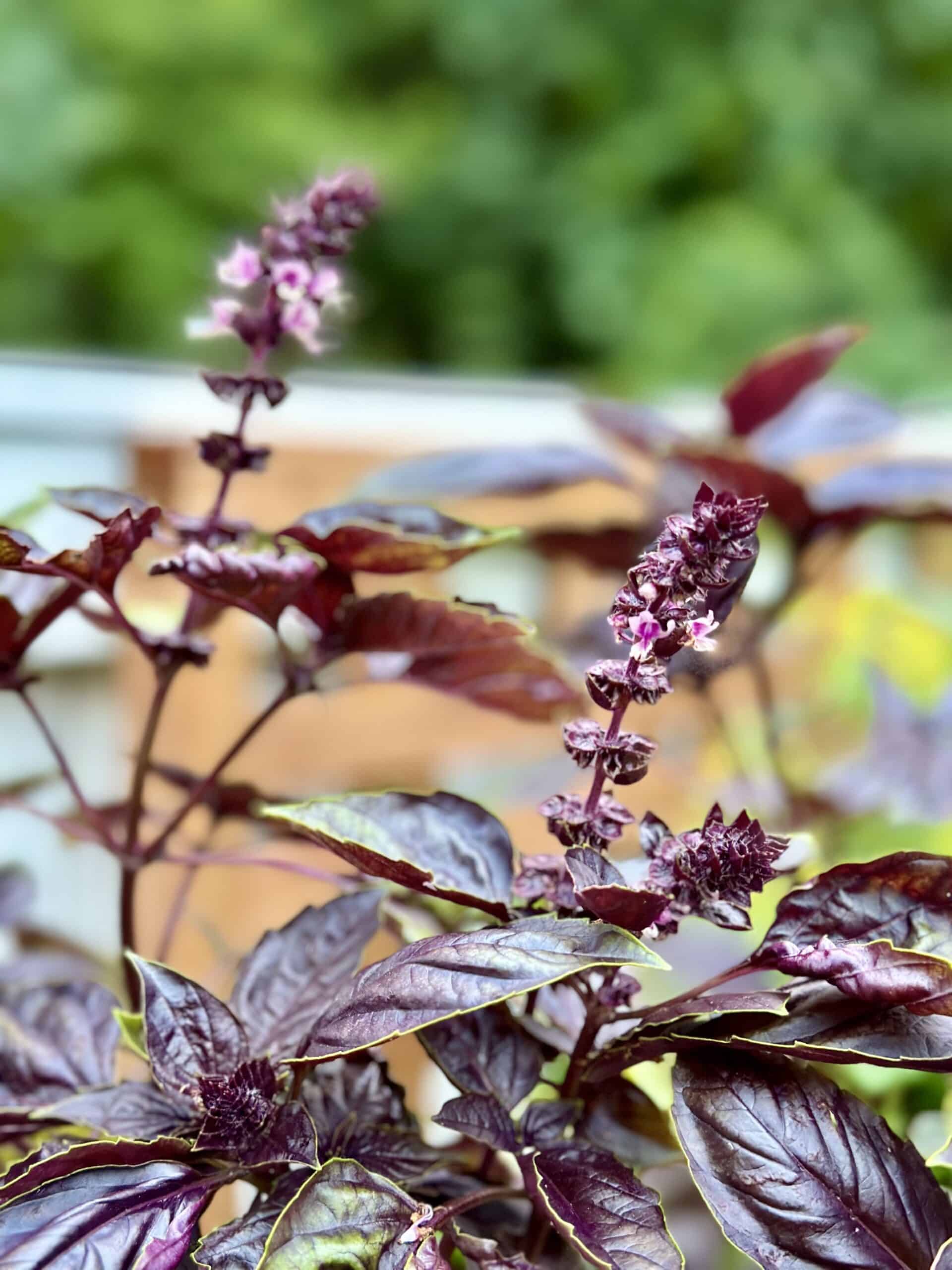
Basil's spiky white or purple flowers are a sight to behold, but watch out! Once it flowers, leaves can turn bitter. Thai basil's purple stems and pink flowers add a pop of color to your garden. Both are prone to bolting in hot weather, so regular pruning is key.
Ideas for Basil:
- Summer on a Plate: Peach Caprese Salad with Purple Basil
- Lemony Basil Pesto Made with Broccoli Sprouts
- Pesto Game-Changer: Discover the Magic of Roasted Garlic in My Basil Pesto Recipe
- Basil Air Freshener DIY: How to Make Your Home Smell Amazing
2. Dill
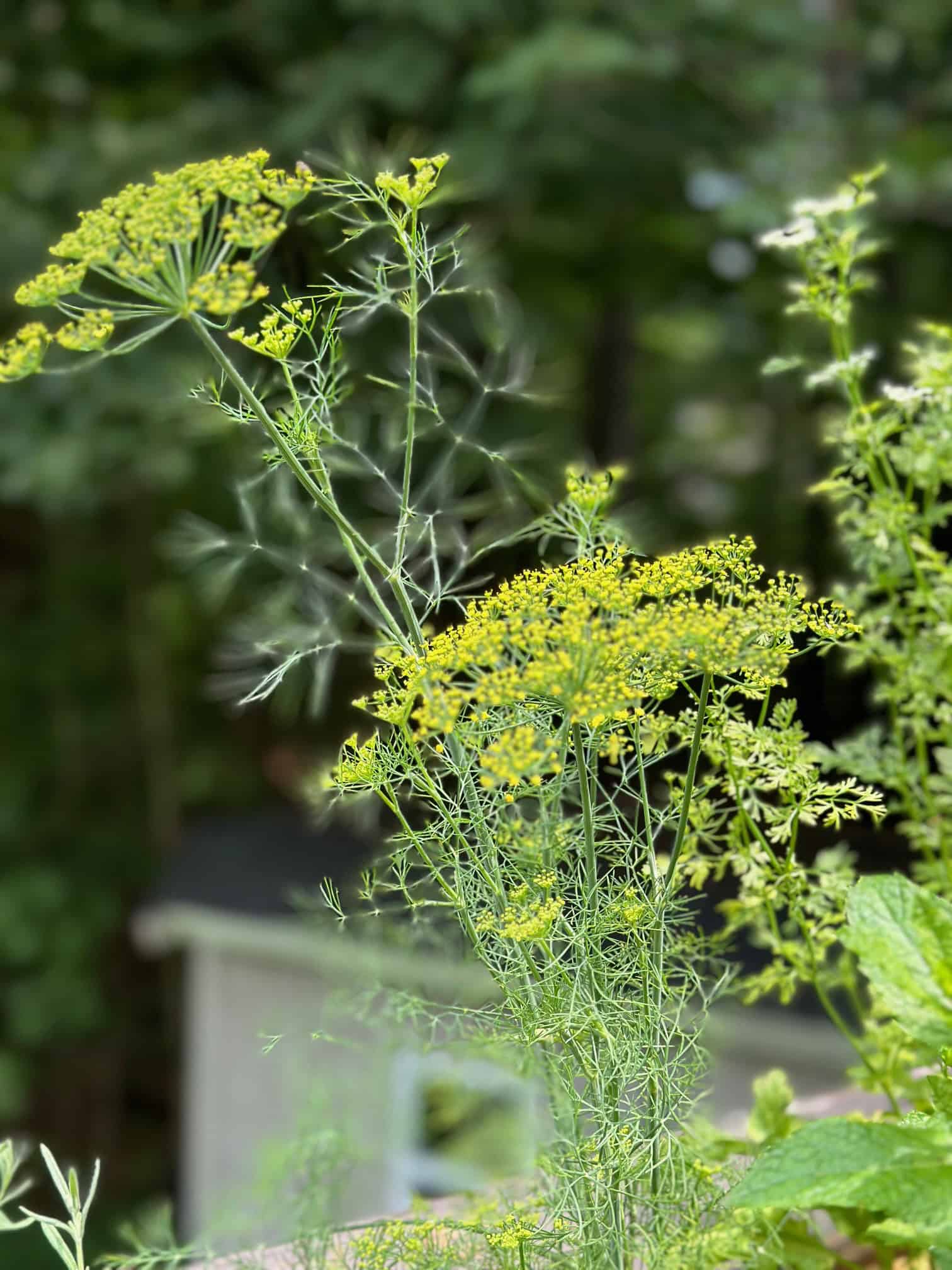
With its feathery leaves and yellow flower umbels, dill is a stunner. Here's the kicker: dill is meant to bolt! Its flowers are just as tasty as its leaves. Use both in pickling or to add a tangy flavor to salads.
3. Mint
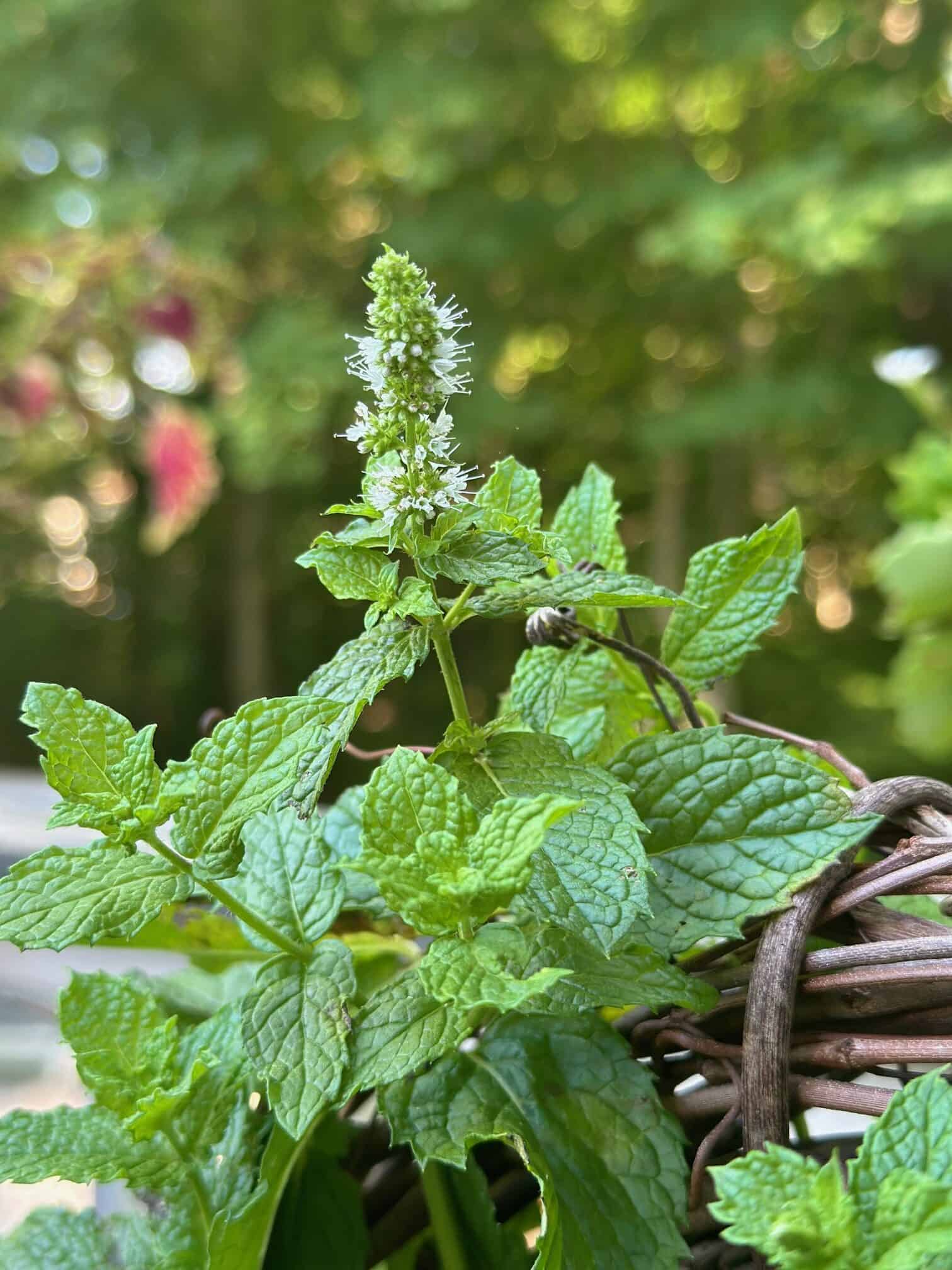
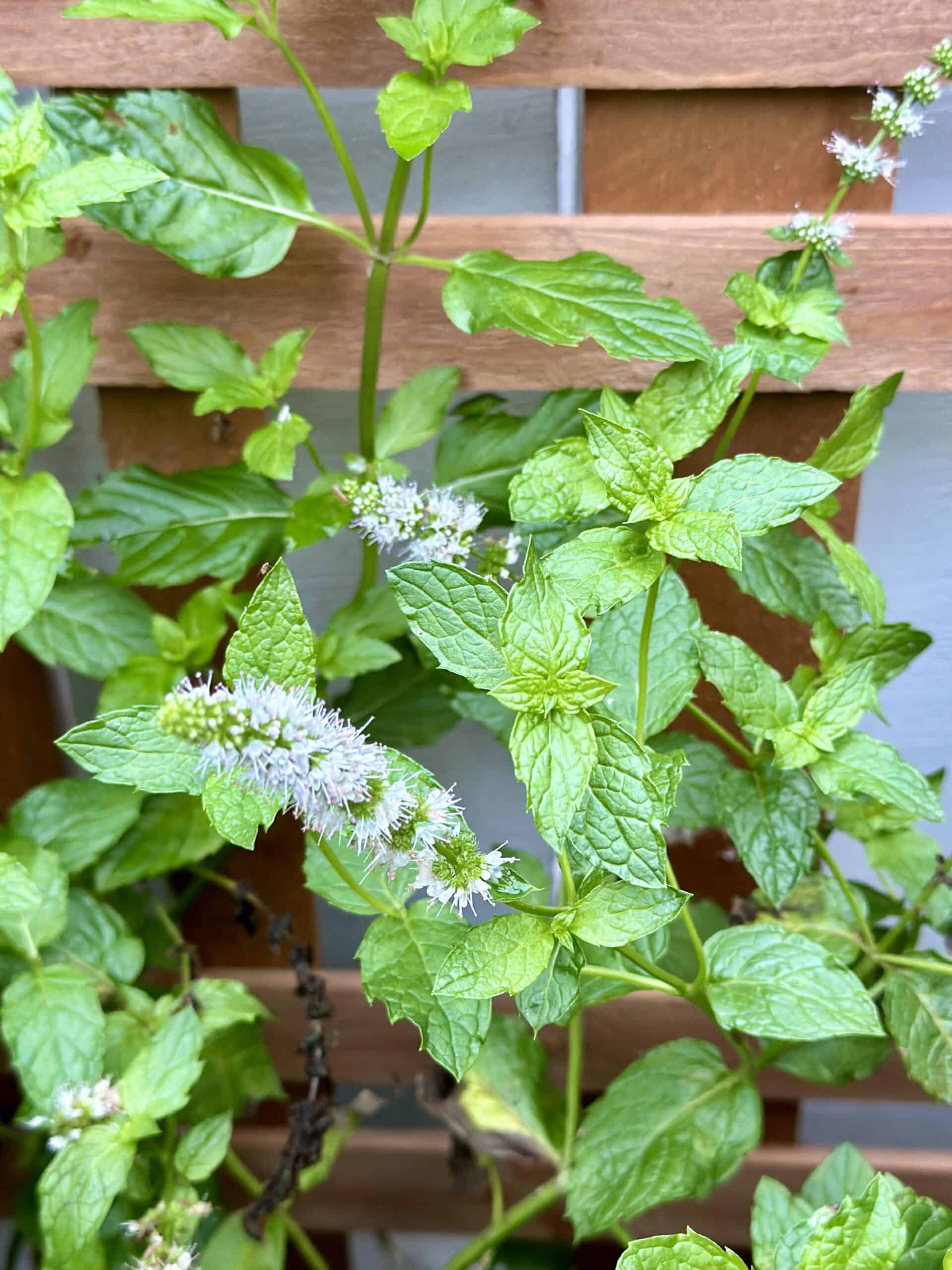
Mint's tiny flowers are cute, but let's be real - it's all about those fragrant leaves. Peppermint, spearmint, orange mint, chocolate mint - the varieties are endless. Mint rarely bolts but can take over your garden faster than you can say "mojito." Grow it in containers to keep it in check.
Tip: To learn more about flowering mint visit my, Do Mint Plants Flower?Everything You Need To Know! post.
Ideas for Mint:
- Artisan Ricotta Toast with Blackberries and Garden Mint
- Make Your Own Mint Plant Topiary
- Easy Mint, Cantaloup and Fontina Pasta Salad
- Make Lemon and Peppermint Non Toxic Glass Cleaner
- 3 Herb-Infused Water Recipes Straight from Your Garden
4. Thyme
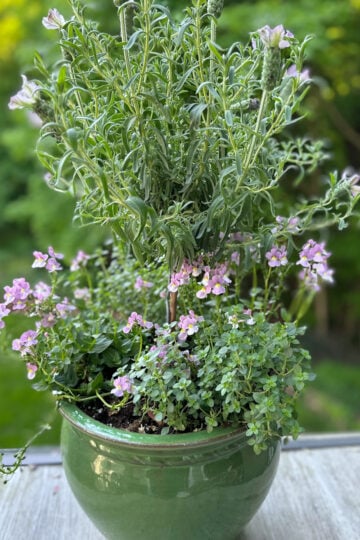
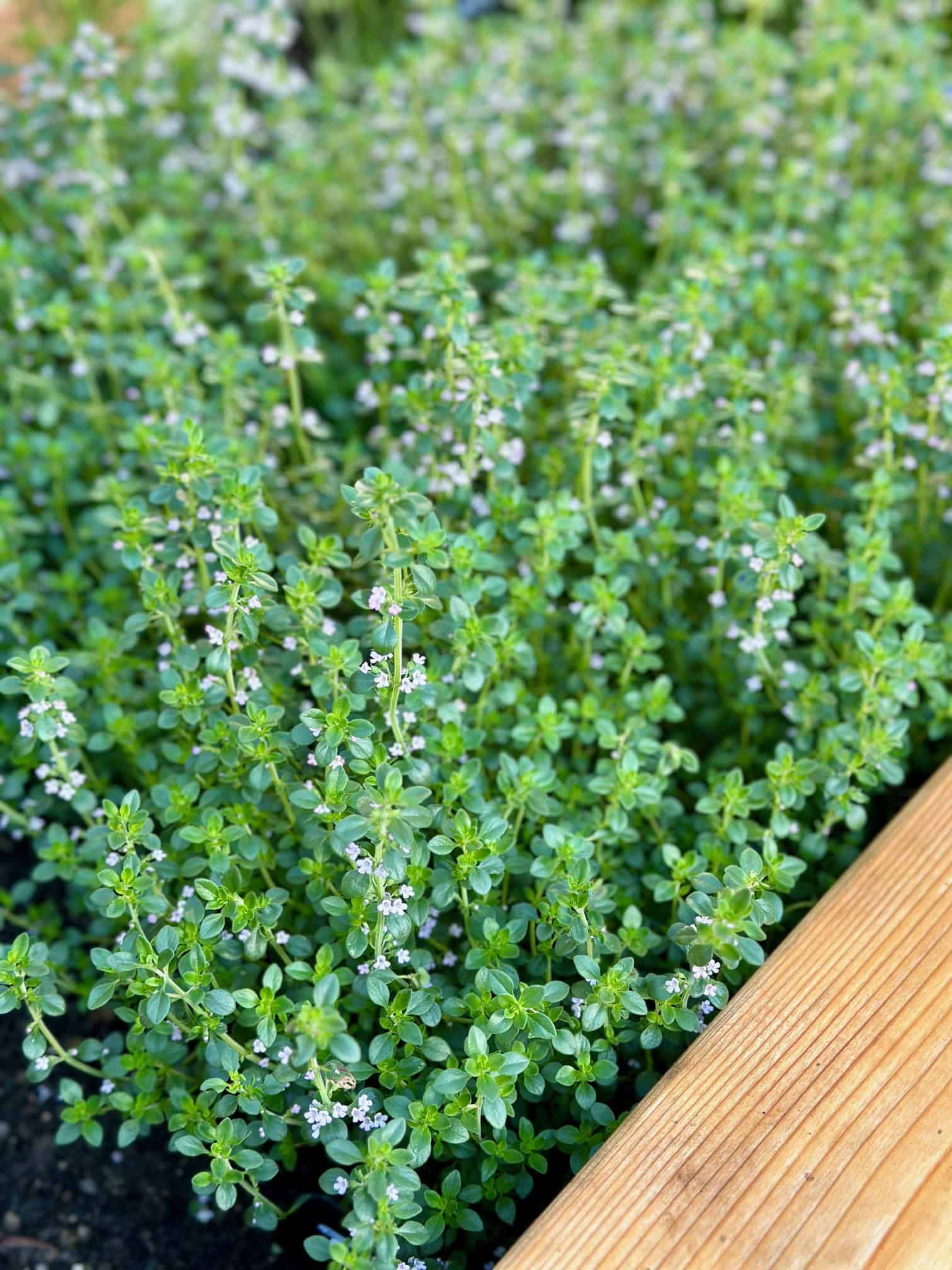
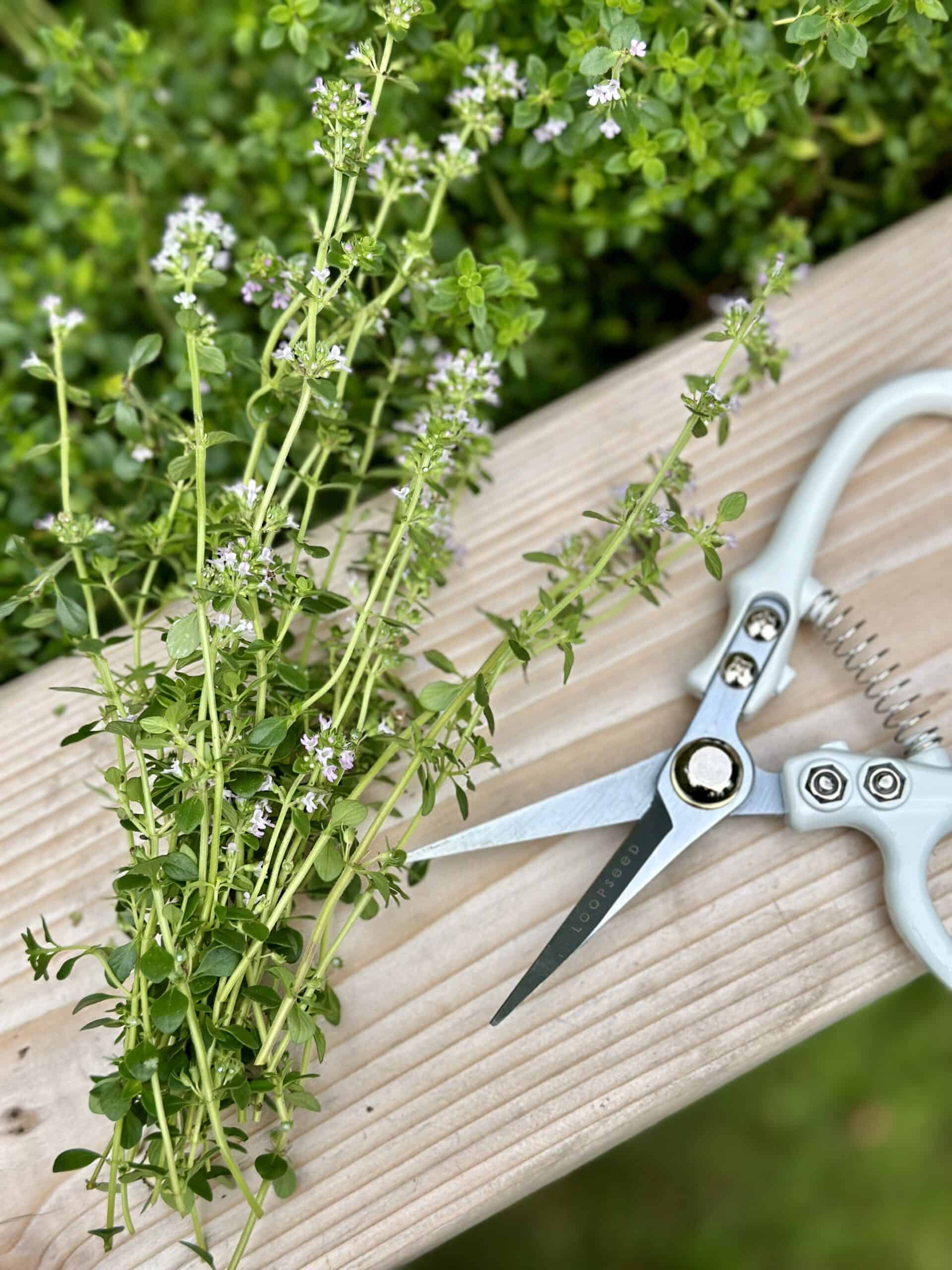
Thyme's tiny pink or white flowers are a pollinator's dream. This drought-tolerant herb doesn't typically bolt, so feel free to let it bloom. Thyme flowers are edible too!
Ideas for Thyme:
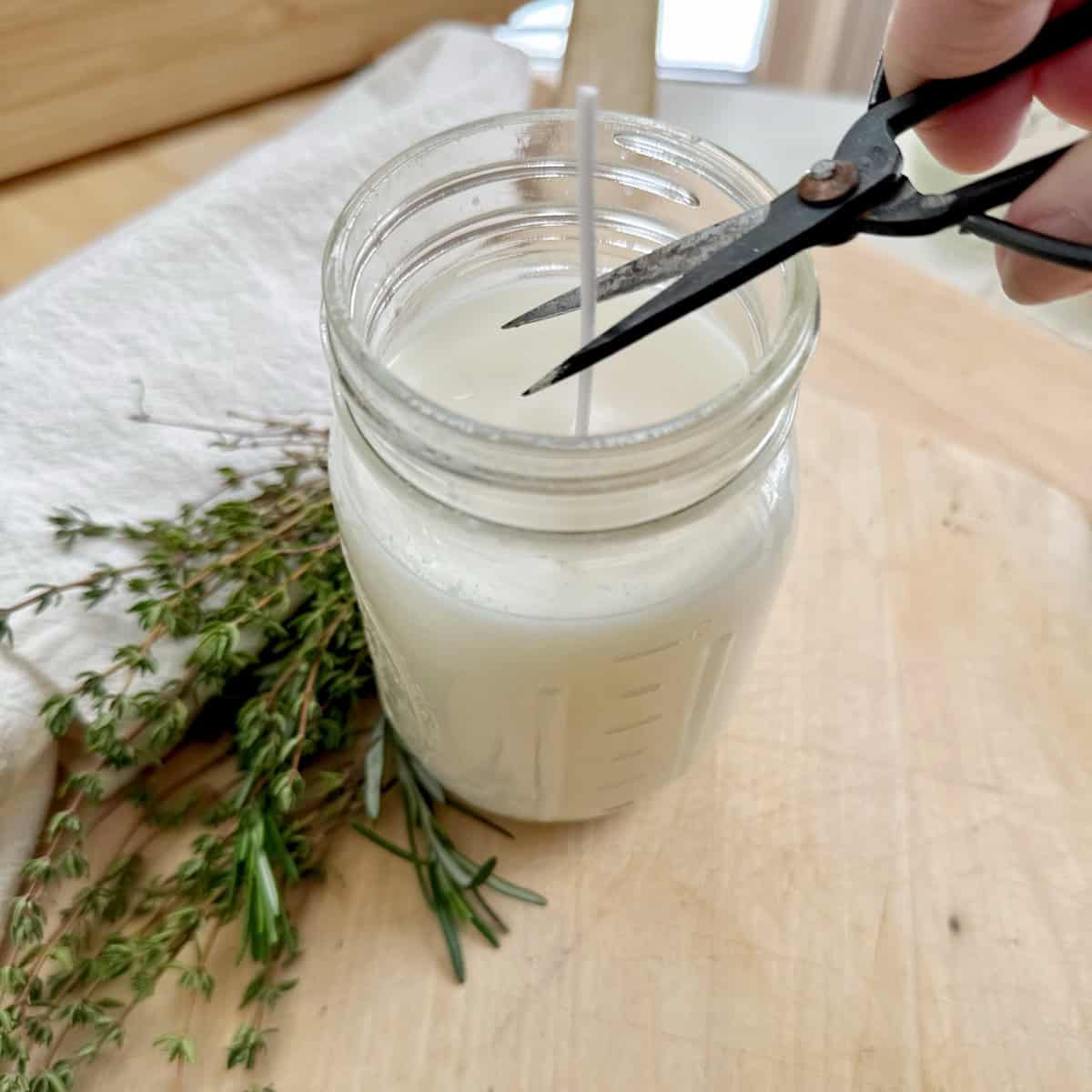
- DIY Thyme Candles with the Crockpot Method
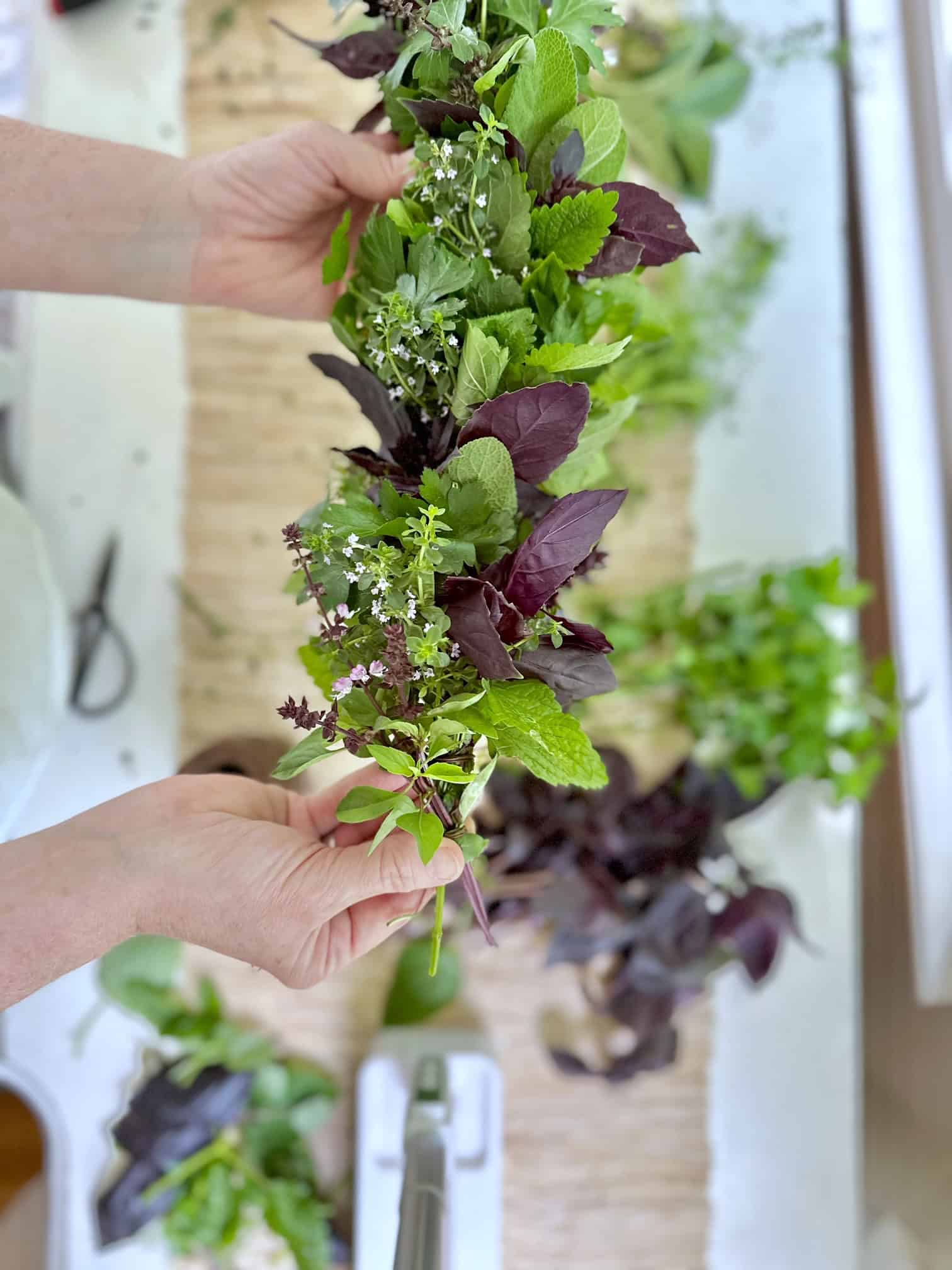
- DIY Herb Garland: A Creative Way to Use Your Garden's Bounty
- 3 Herb-Infused Water Recipes Straight from Your Garden
- 15 Aromatic Summer Simmer Pot Recipes Straight from Your Herb Garden
5. Lavender
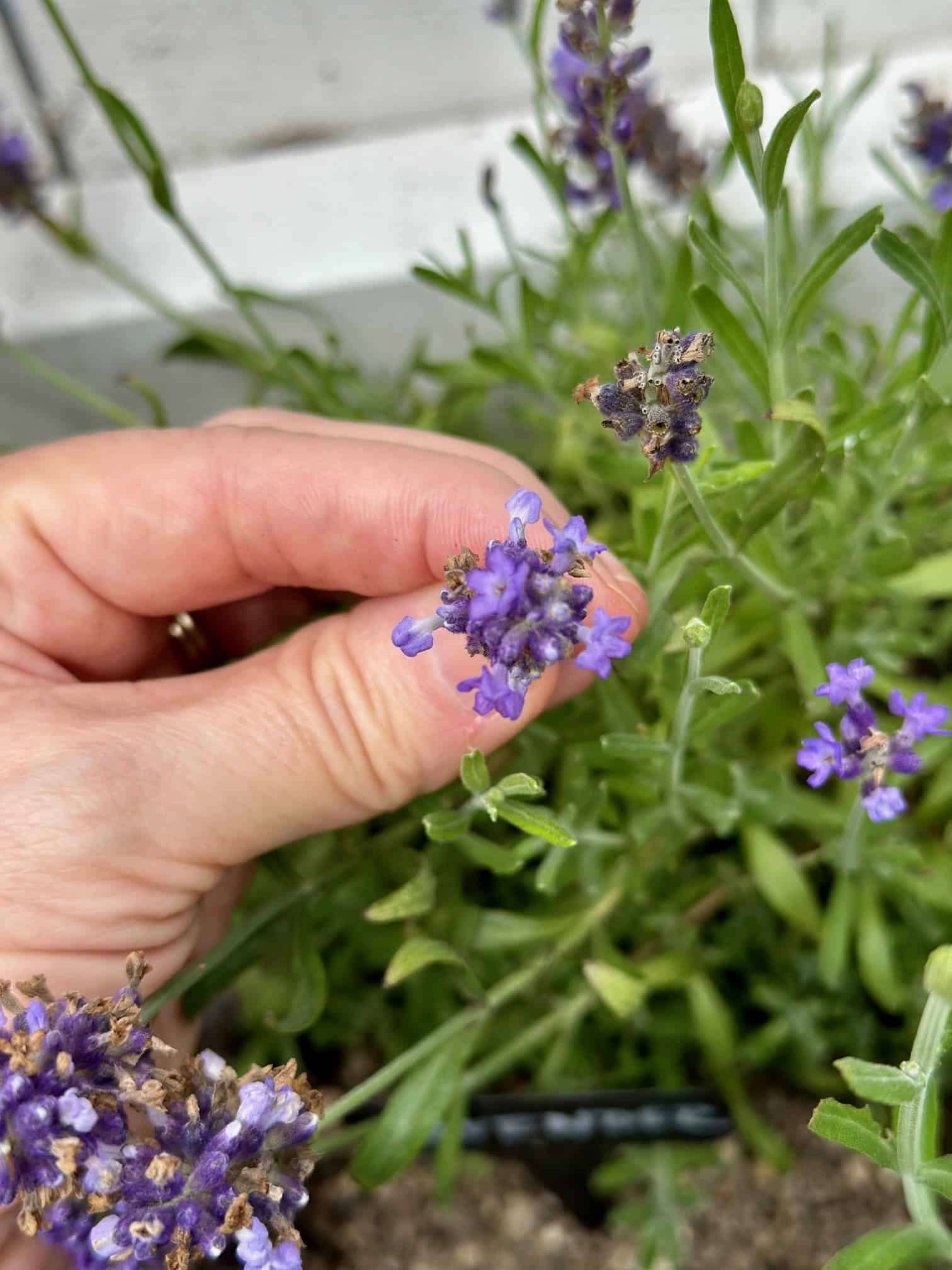
The poster child of flowering herbs, lavender's purple spikes are iconic. It thrives in full sun and well-drained soil. Lavender is a perennial that's meant to flower, so no bolting worries here.
Ideas for Lavender:
- The Best Rosemary Lavender Butter Cookies
- Easy and Mess-free DIY Lavender Scented Candles
- DIY Lavender Closet Sachets: Keep Your Clothes Fresh and Fragrant
- DIY Lavender Soap Made Easy
- 15 Aromatic Summer Simmer Pot Recipes Straight from Your Herb Garden
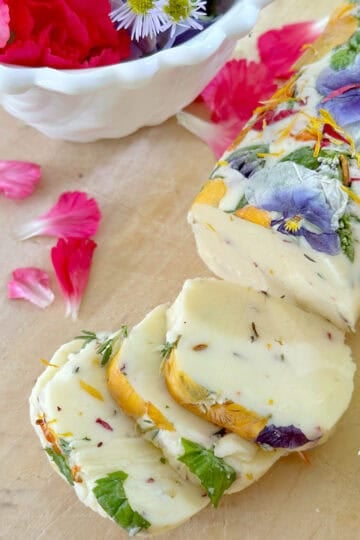
- Whipped Herb Butter Recipe: A Delicious Addition to Any Meal
- How to Make Lavender Sugar Cubes: From Garden to Teacup
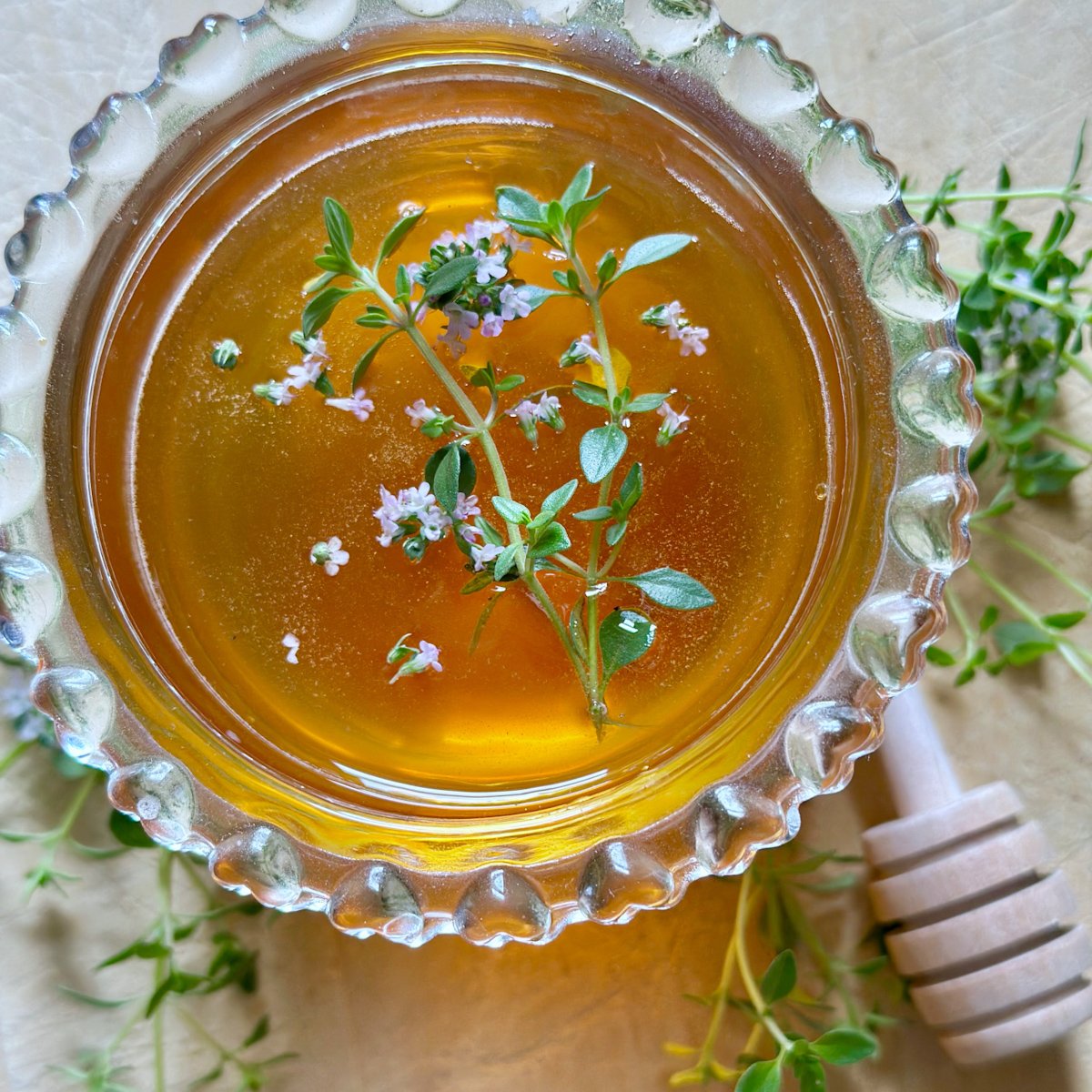
- How to Make Herb Infused Flavored Honey at Home
6. Bee Balm
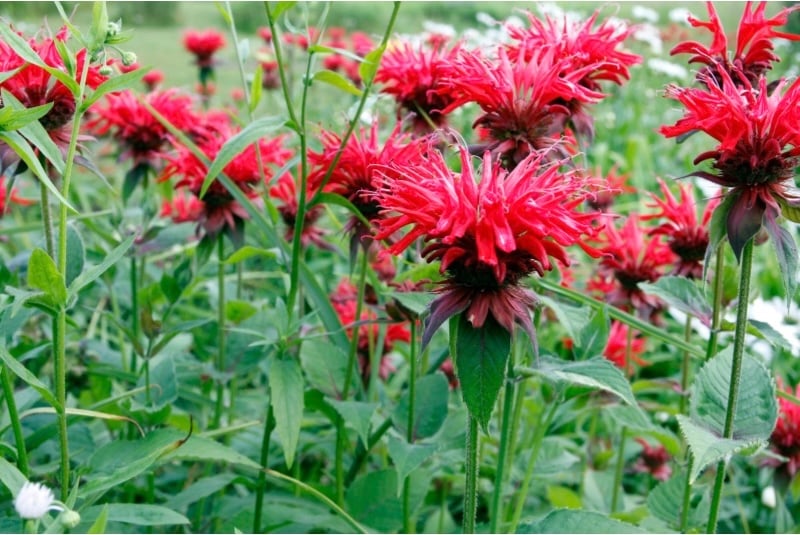
With its showy red, pink, or purple flowers, bee balm is a pollinator magnet. It's part of the mint family but better behaved. No bolting issues - let it bloom freely for a colorful, edible addition to your garden.
7. Calendula
These bright orange or yellow flowers are like little suns in your garden. Calendula is an annual that's supposed to flower, so let it do its thing. The petals are edible and great for soothing skin.
Ideas for Calendula:
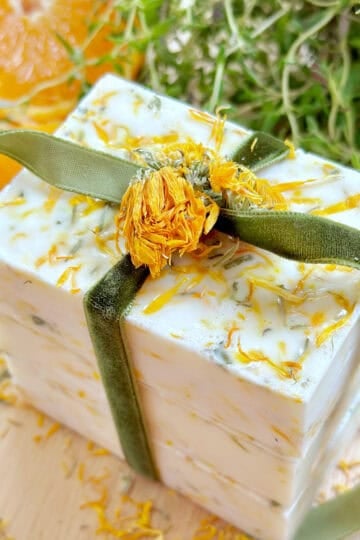
- How to Make Plant-Based Soap: Melt-and-Pour Vegan Soap Made Easy
- How to Make Herbal Tea From Fresh Herbs: A Beginner's Guide

8. Sage
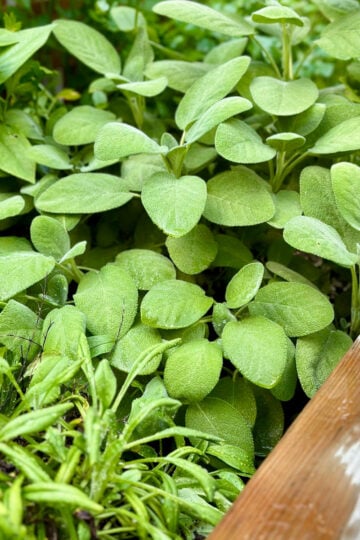
Sage's purple flowers are as tasty as they are pretty. This drought-resistant herb can handle some neglect. Sage is a perennial that naturally flowers, so no need to fret about bolting.
Ideas for Sage:
- 15 Aromatic Summer Simmer Pot Recipes Straight from Your Herb Garden
- 3 Herb-Infused Water Recipes Straight from Your Garden
- Herb Oil Recipes: Delicious and Easy to Make

9. Rosemary
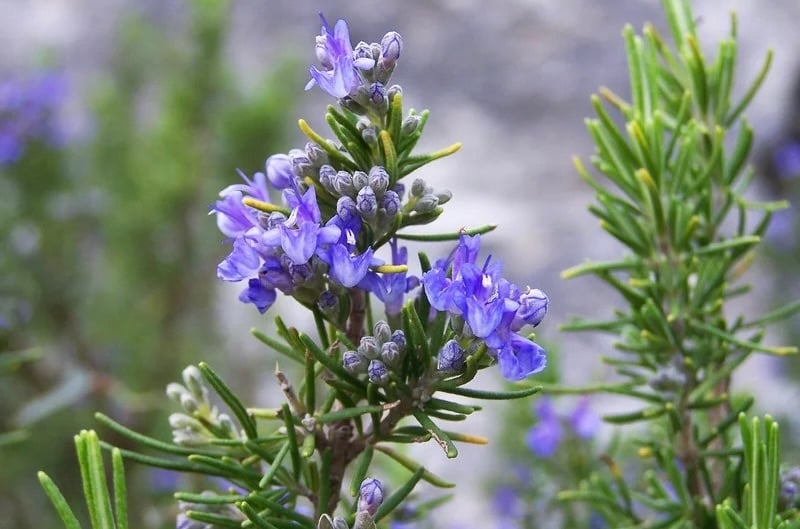
This Mediterranean herb sports delicate blue flowers among its needle-like leaves. Rosemary is pretty chill about flowering - it doesn't affect the flavor much. Let it bloom for the bees!
Ideas for Rosemary:
- DIY Rosemary Drawer Sachets - An Easy Herb-Infused Project for Your Dresser
- The Best Rosemary Lavender Butter Cookies
- Herb Oil Recipes: Delicious and Easy to Make
- How to Make Rosemary Infused Flavored Honey at Home
10. Oregano
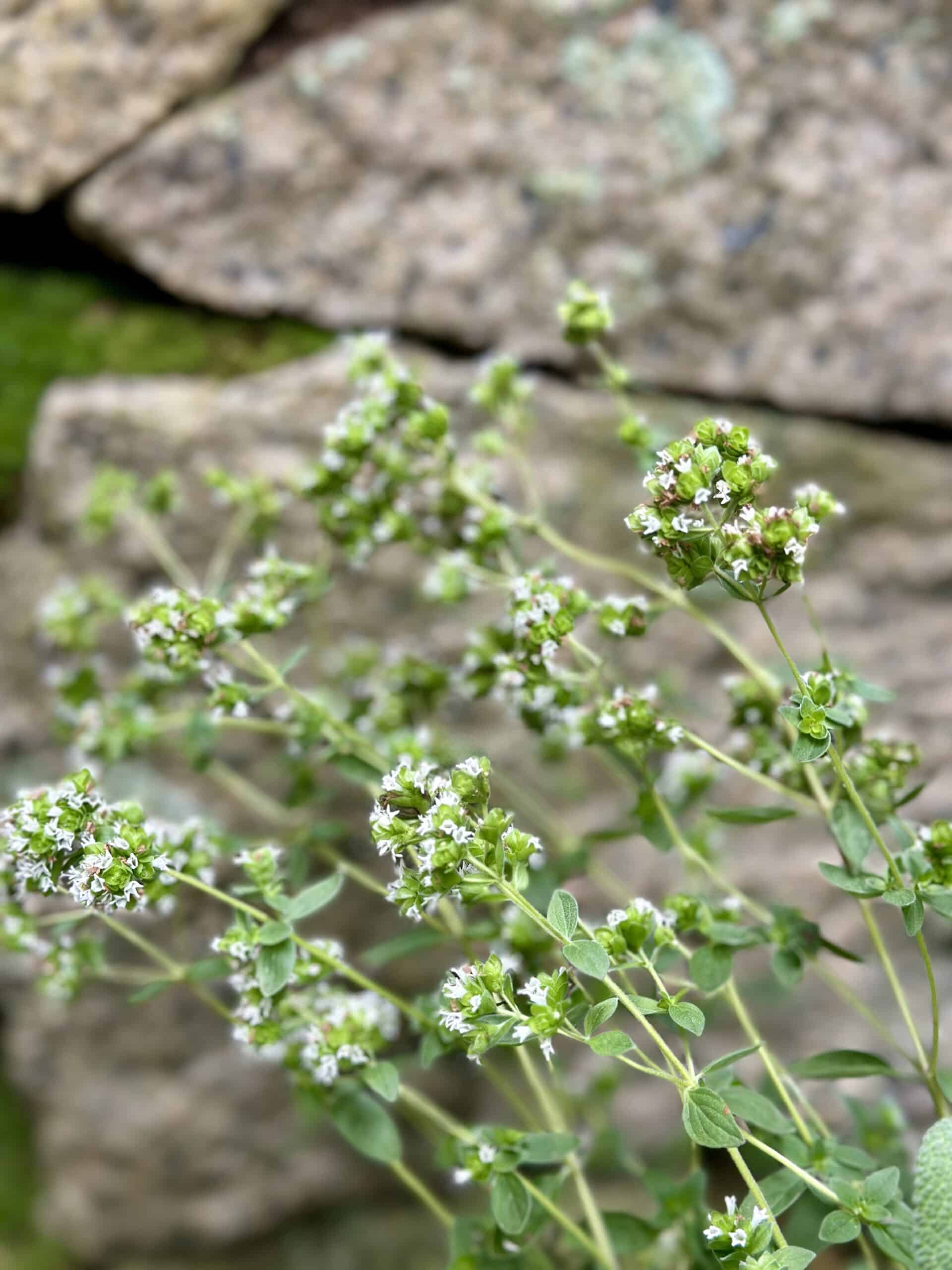
Oregano's tiny white or pink flowers are a delightful bonus to its flavorful leaves (perfect for oregano tea). Different species offer subtle flavor variations. Like its mint family cousins, oregano doesn't typically bolt, so enjoy those blooms.
Tip: For suggestions on how to use Flowering Oregano visit my, From Garden to Plate: Are Oregano Flowers Edible and How to Enjoy Them post.
11. Chives
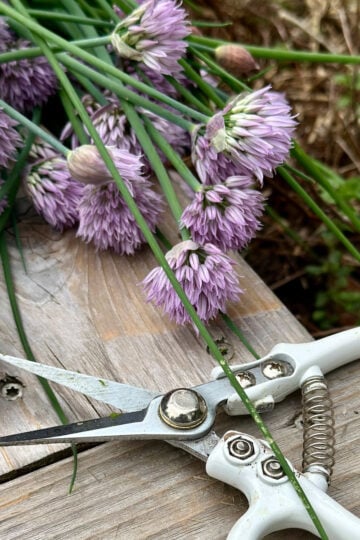
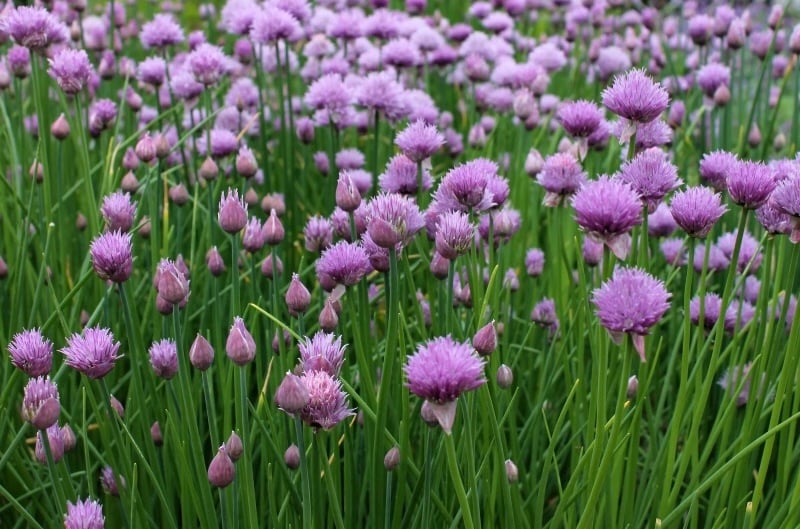
Don't overlook chives! Their purple pom-pom flowers are not only gorgeous but also edible. Chives are perennials that naturally flower in late spring or early summer. Unlike basil, flowering doesn't affect the flavor of chive leaves.
Pro tip: use the flowers to make a beautiful and tasty chive blossom vinegar. Here's a great Chive blossom vinegar recipe from Leite's Culinaria.
12. Chamomile
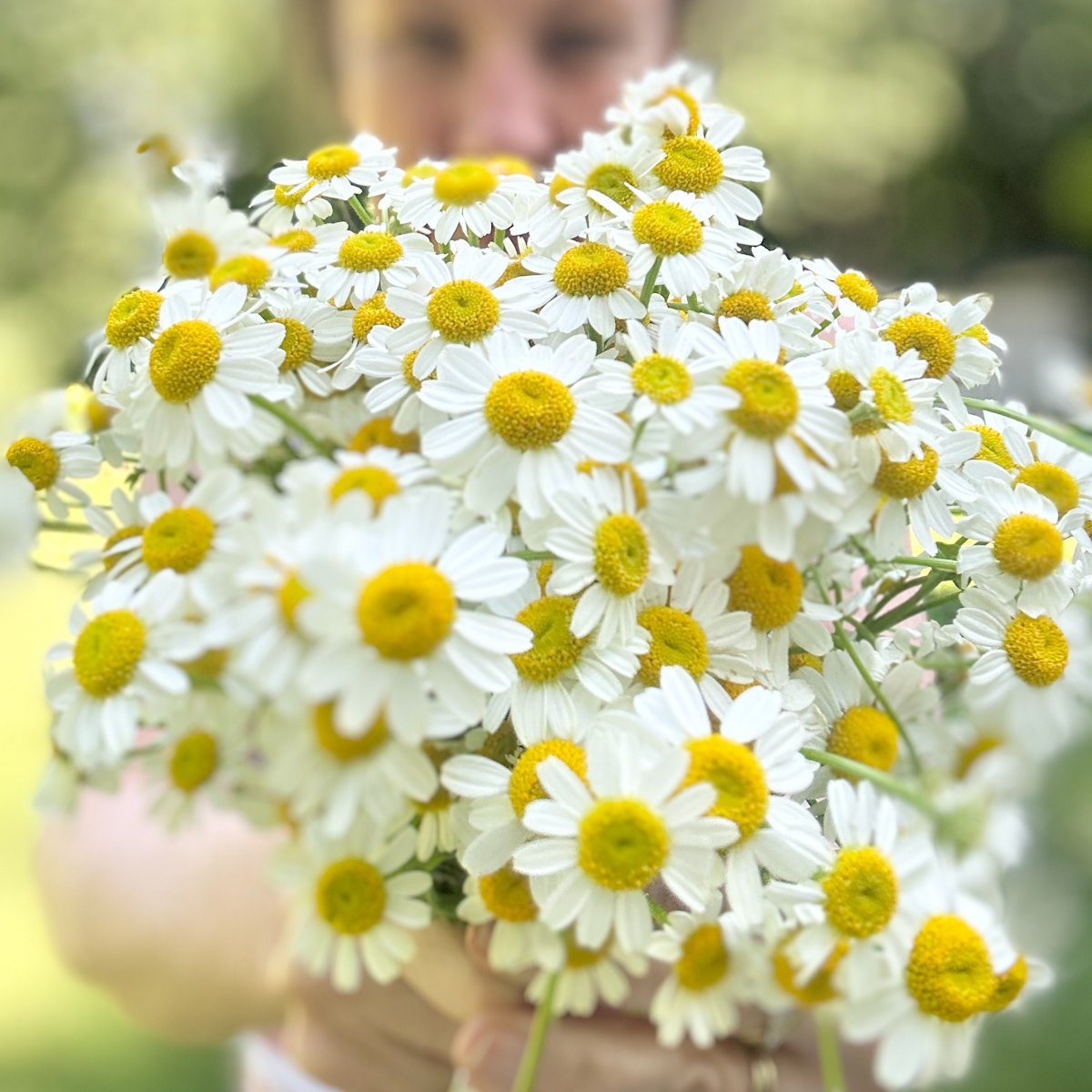
Chamomile produces small, daisy-like flowers with white petals and sunny yellow centers that bring a soft, cottage garden feel to any space. These delicate blooms are best known for their calming properties and are commonly dried for herbal teas. Chamomile flowers have long been associated with relaxation, comfort, and gentle healing, making them just as meaningful as they are beautiful. Beyond tea, they can also be used in simple infusions, bath soaks, or tucked into small bouquets for a light, airy touch.
Tip: For herbs prone to bolting (like basil and dill), regular harvesting and pruning can delay flowering and extend your leaf harvest. For the others, let them flower freely - you'll get the visual appeal and often some bonus edible blooms!
Herbs with purple flowers
Many herbs produce soft purple blooms that add color and attract pollinators to your garden.
- Thyme - tiny purple flowers that bees love
- Lavender - tall, fragrant purple spikes
- Chives - round, pom-pom style purple blooms
- Basil (some varieties) - purple or pinkish flower spikes
- Rosemary - light purple to blue flowers depending on the variety
These herbs are especially beautiful in mixed planters or tucked into flower beds for a soft, natural look.
Herbs with white flowers
White flowering herbs bring a lighter, softer look to the garden and pair well with almost anything.
- Chamomile - daisy-like white flowers with yellow centers
- Oregano - small white or pale pink clusters
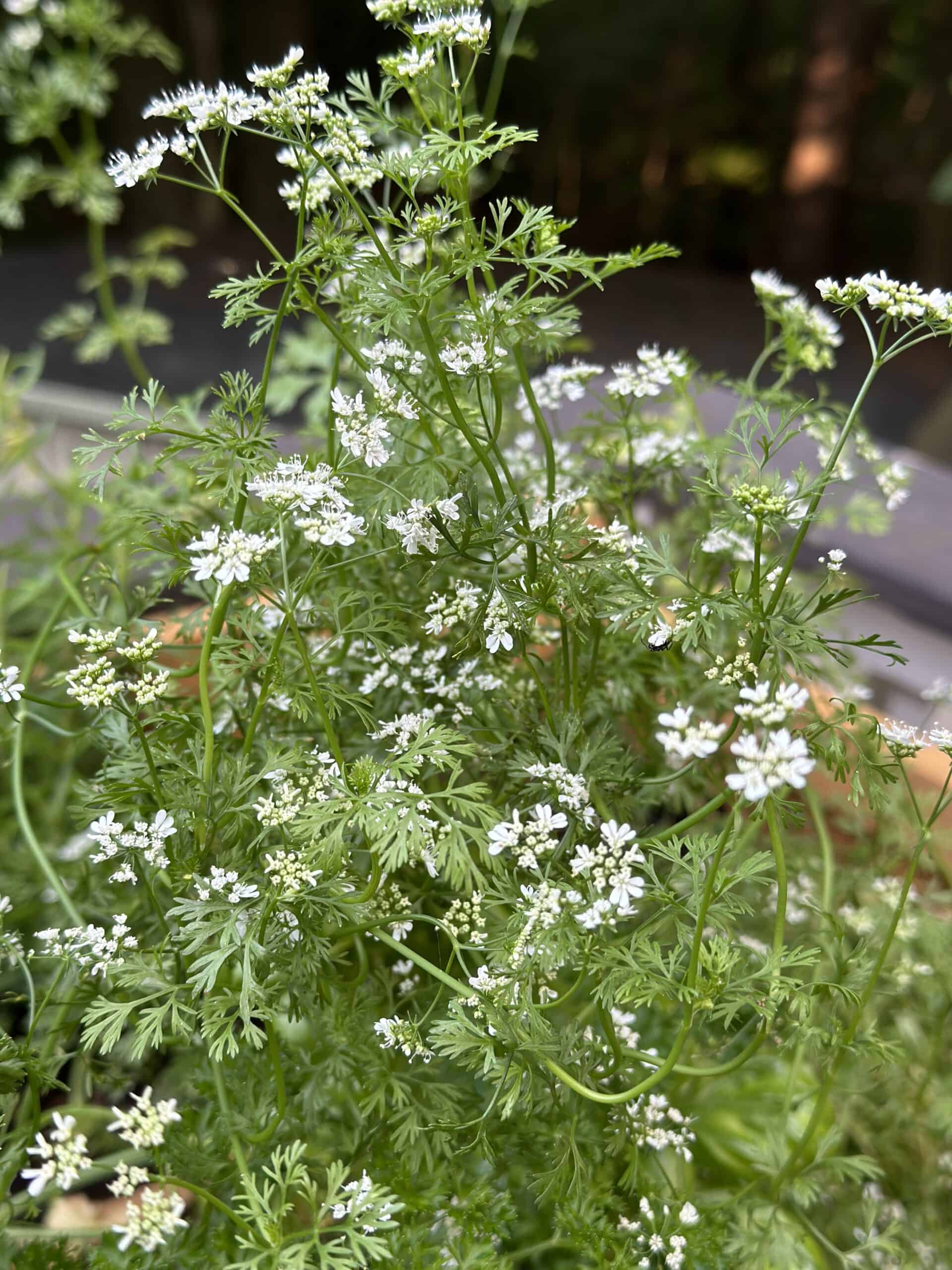
- Cilantro - delicate white umbels that resemble lace
- Parsley - tiny white blooms in its second year
- Mint (some varieties) - small white or pale flowers
These herbs work beautifully in simple arrangements or when you want a clean, neutral look in the garden.

Growing conditions for flowering herbs
Alright, green thumbs, let's talk about giving your flowering herbs the VIP treatment they deserve:
Sunlight: Most herbs are sun worshippers. Basil, rosemary, thyme, and lavender? They're basically sunbathing all day if they could. Give them 6-8 hours of direct sunlight and watch them thrive. But hey, some herbs like to play it cool. Mint, parsley, and cilantro don't mind a bit of shade. If your garden's got some partly shady spots, these are your go-to herbs.
Soil: Here's the dirt on soil - well-draining is the name of the game. Most herbs hate wet feet, so think sandy, loamy soil that doesn't hold water like a sponge. But don't stress if your soil's not perfect. Some herbs are tough cookies. Thyme and rosemary? They'll grow in poor soil like champs. Just add some organic matter, and you're good to go.
Water: When it comes to watering, it's not one-size-fits-all. Lavender, sage, and rosemary are the camels of the herb world - drought-tolerant and perfect for forgetful waterers. On the flip side, basil and bee balm like to stay moist. A good rule of thumb? Stick your finger in the soil. If it's dry an inch down, it's watering time.
Maintenance: Keep your herbs in tip-top shape with regular pruning. It's like a spa day for your plants - encouraging bushier growth and keeping them from getting leggy. For leafy herbs like basil and mint, pinch off the top few inches regularly. This'll delay flowering and keep your harvest going strong. And don't forget to give your herbs some breathing room. Proper spacing helps air circulate, keeping those pesky fungal diseases at bay.
Remember, these are general guidelines. Each herb has its quirks, so get to know your plants. They'll tell you what they need if you pay attention!
Effects of flowering on herb flavor and use
When herbs flower, it's not just about looks - it can change their flavor profile too. Take basil, for instance. Once it blooms, the leaves often turn bitter, and you might want to bid farewell to your pesto plans. But it's not all bad news! Chive flowers? They're like flavor bombs, packing a punch of oniony goodness.
For the best flavor, harvest most herbs just before they flower. That's when their essential oils are at their peak. But don't toss those flowers! Herb blossoms can be culinary superstars. Sprinkle chive flowers on your salad for a pop of color and flavor. Lavender flowers? They're great in desserts or infused in lemonade. And those basil flowers? Use them as a garnish - they're milder than the leaves.
Remember, flowering is part of the plant's life cycle. Regular pruning can keep your herbs bushy and delay flowering, extending your harvest. But when they do flower, get creative and enjoy the unique flavors they bring to your kitchen!

Harvesting and using flowering herbs
Timing is everything when it comes to harvesting your flowering herbs:
Leaves: Harvest in the morning, just after the dew has dried but before the sun gets too hot. For most herbs, pick leaves before flowering for the best flavor. Regular harvesting of your herb plants encourages bushier growth.
Flowers: Collect when they're just opening for peak flavor and aroma. Some, like lavender, are best harvested when about half the flowers on the stalk are open.
To preserve your harvest:
- Dry herbs by hanging bunches upside down in a warm, dark place
- Freeze herbs in ice cube trays with water or oil
- Make herb-infused vinegars or oils
Get creative with your bounty:
- Whip up herb-infused honey or sugar
- Create your own tea blends
- Use flowers as natural food coloring
Fresh is best for most culinary uses, but preserving lets you enjoy your herbs year-round!
My favorite ways to use flowering herbs: From bouquets to bites
Let me share some insider tips on making the most of your flowering herbs.
Floral Design Magic
As a floral designer, I'm always on the lookout for unique elements to make my arrangements pop. Flowering herbs are my secret weapon! Here's how I use them:
- Lavender sprigs add a soft, fragrant touch to rustic bouquets.
- Flowering thyme makes a delicate filler, perfect for wildflower-inspired arrangements.
- Bee balm's vibrant blooms create eye-catching focal points in summer bouquets.
- Sage flowers offer a soft, muted color that pairs beautifully with pastel roses.
Pro tip: Mix flowering herbs with traditional flowers for arrangements that engage all the senses - sight, smell, and even taste!
Garnishing genius
Want to elevate your culinary game? Herb flowers are your ticket to dishes that look as good as they taste:
- Sprinkle chive blossoms over creamy soups for a pop of color and mild oniony flavor.
- Float borage flowers in summer cocktails - they're not just pretty, they have a subtle cucumber taste.
- Top salads with nasturtium flowers for a peppery kick and burst of color.
- Use basil flowers as a milder, more visually interesting alternative to basil leaves on Caprese skewers.
Remember, when using herb flowers in food, make sure they're pesticide-free, fertilized with natural fertilizers and rinse them gently before use.
Beyond beauty and flavor
Don't forget the simple joys:
- Create fragrant sachets with dried lavender and rosemary flowers.
- Press herb flowers to make beautiful, scented bookmarks or cards.
- Infuse herb flowers in oils for homemade beauty products or cooking oils.
The possibilities are endless with flowering herbs. Let your creativity bloom!

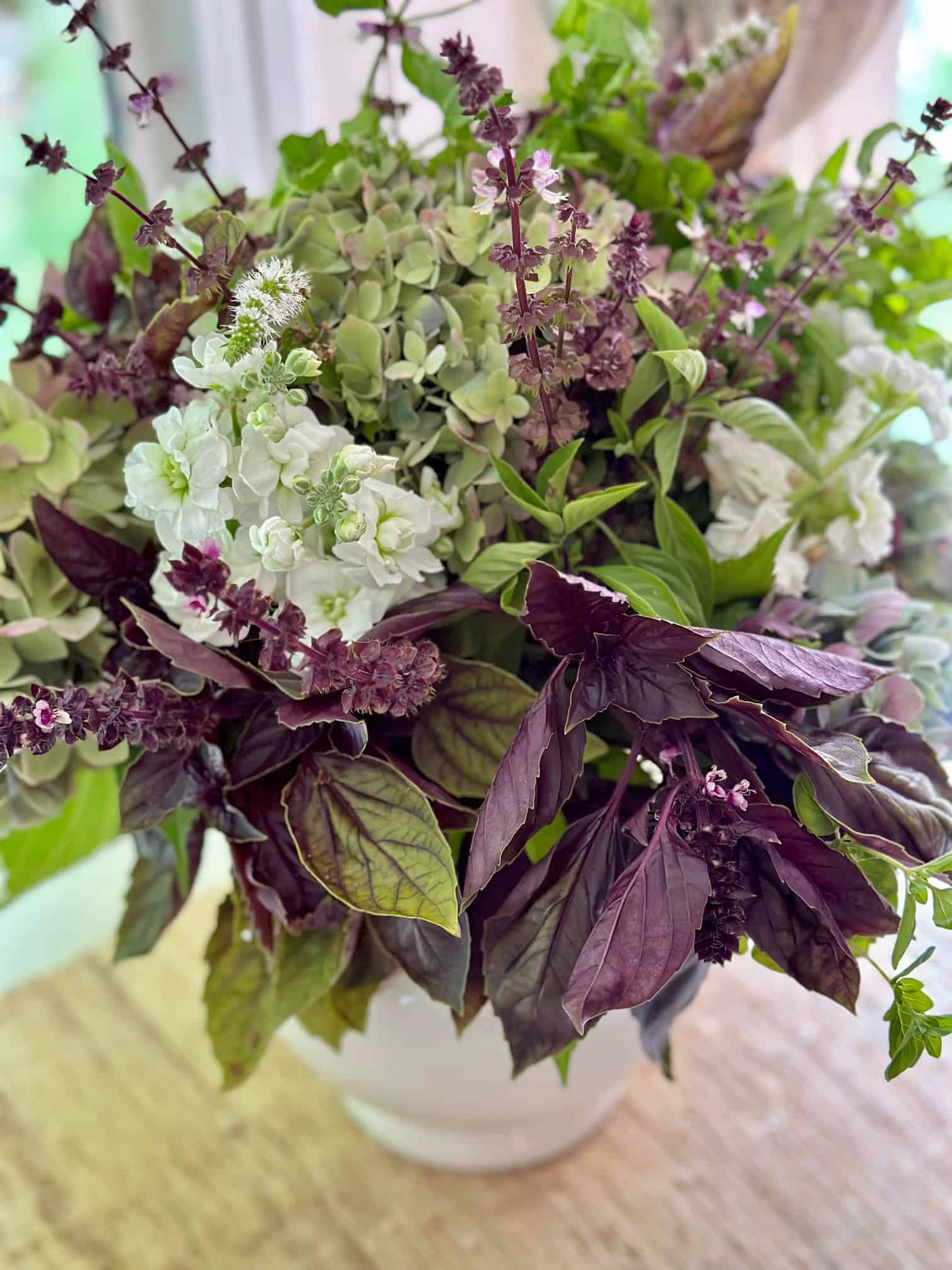
Whether you're a seasoned gardener or just starting out, flowering herbs are an excellent choice for any herb garden. From the small yellow flowers of chamomile to the vibrant red flowers of bee balm, these plants offer a wide range of inspired hues that can transform even the smallest outdoor space into a colorful oasis.
Flowering herbs aren't just about beautiful blooms - they're a perfect blend of form and function. Their aromatic leaves and flowering tops serve multiple culinary purposes, from flavoring dishes to creating herbal teas. Many, like lemon balm and calendula, have a long history of use in home remedies.
These versatile plants are often drought-tolerant, making them ideal for low-maintenance gardens. They attract essential pollinators, act as good companion herbs to other plants, and many are perennials, returning year after year to grace your garden with their presence.
Whether you're growing basil plants in a small container or cultivating a diverse collection of native plants, flowering herbs offer something for everyone. From early summer blooms to late summer harvests, they provide a continuous display of color and usefulness.
So why not start your own herb garden? Visit your local garden center or find a reliable source online. With proper care, you'll soon be enjoying farm-fresh herbs from your own backyard. Remember, the benefits of their harvest go beyond the kitchen - these plants can inspire interior designers with their natural beauty and even help create your own unique color stories in your home.
Enjoy those blooms friends!