
Rosemary Flowers: Is It Normal and Can You Still Use Them?

Rosemary flowers are completely normal and are a sign of a healthy, mature plant. As rosemary ages, it produces small, delicate blooms in shades of pale blue, lavender, white, or soft pink, depending on the variety. These flowers are edible, have a milder flavor than the leaves, and attract bees and other pollinators. In warm climates, rosemary may bloom in winter or early spring, while in cooler regions it typically flowers later in the growing season.
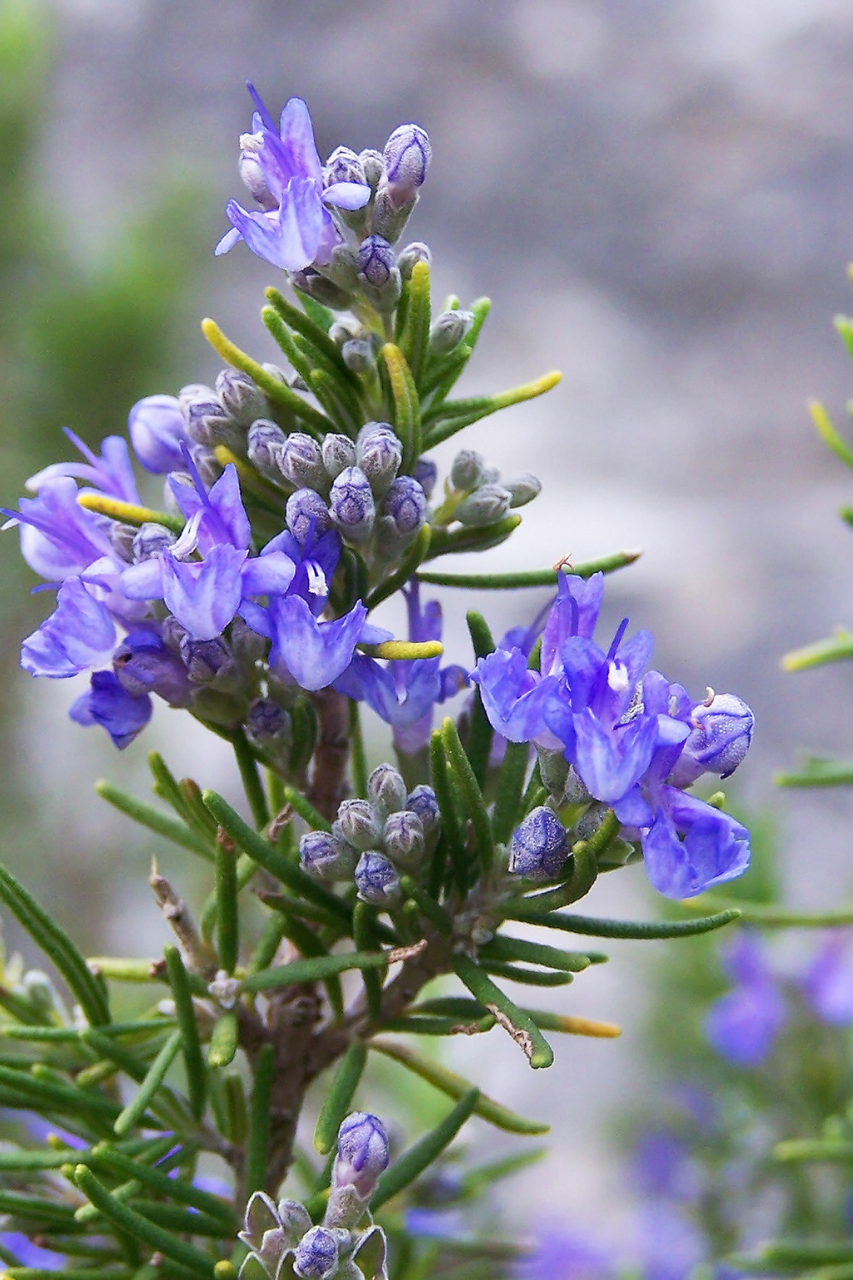
If your rosemary plant has started flowering, you're not alone. Rosemary flowers are completely normal and usually a sign of a healthy, mature plant. As rosemary ages, it produces small blue, purple, or white blooms that are edible and have a milder, slightly sweet flavor compared to the leaves. You can keep using the herb in cooking, and even scatter the flowers over salads or baked dishes. If you want to encourage more leaf growth, gently pinch or trim the blooms and the plant will continue to thrive.
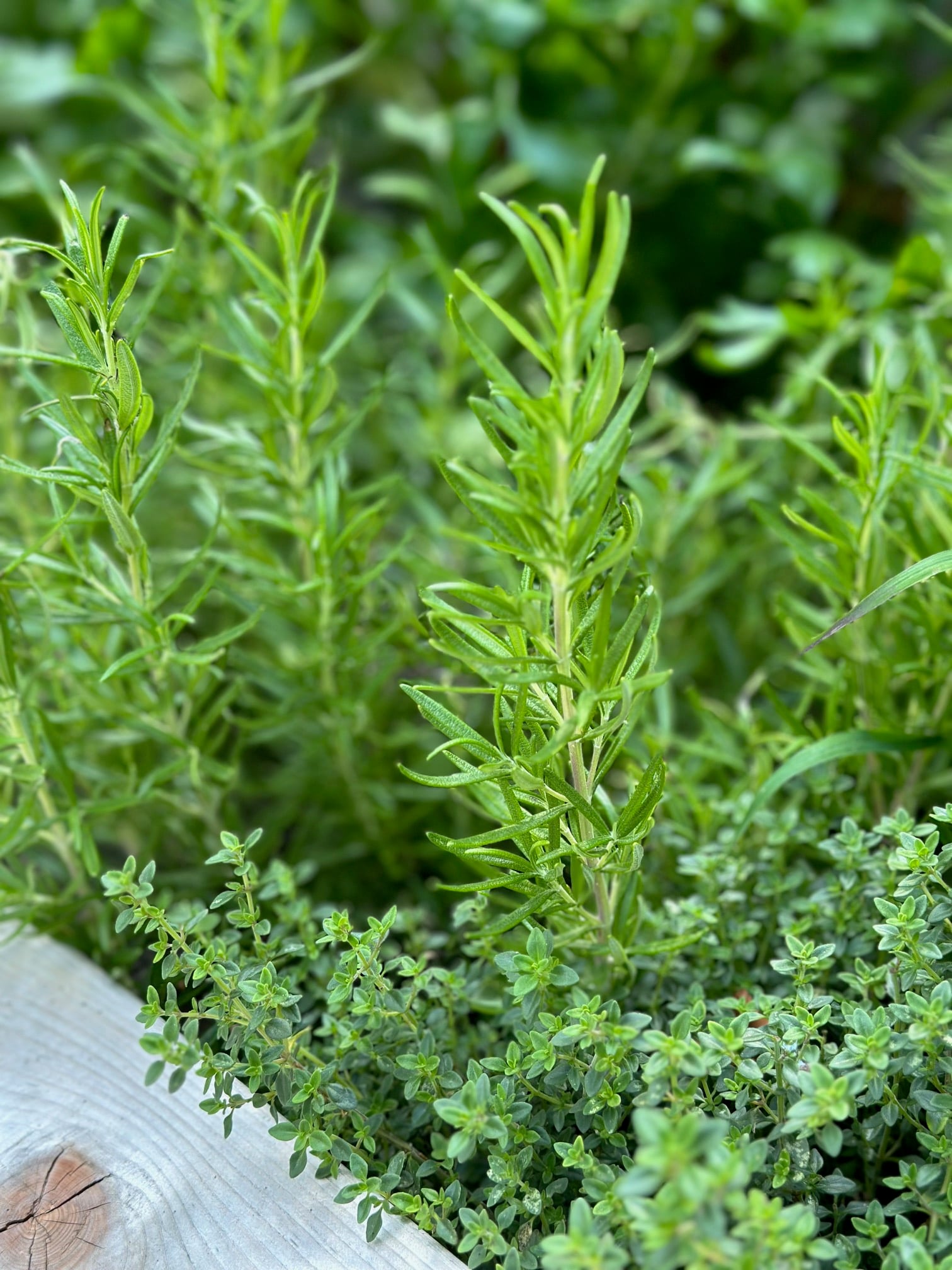
The first time I saw my rosemary covered in flowers in my raised herb garden bed, I wondered if something was wrong or if I had missed a step in care. If you've had that same moment, you're in the right place.
In this guide, I'll walk you through what rosemary flowers mean, whether flowering affects flavor, and if you should trim them or leave them for the butterflies and bees. We'll focus on the questions gardeners ask the moment they see blossoms: Is it still good to use? Should I worry? Do I need to do anything at all?
At a Glance: Rosemary Flowers
_______________________
- Rosemary flowers are completely normal and a sign of a healthy, mature plant
- You can continue using rosemary while it's flowering with no issue
- The flowers are edible and have a milder, slightly sweet flavor than the leaves
- Blooms are usually blue, purple, white, or pale pink depending on the variety
- Flowering may slightly change leaf flavor, but the plant is still perfectly usable
- Trim or pinch off blooms if you want to encourage more leaf growth
- Flowers attract bees and pollinators, making them beneficial in the garden
Summarize and Save this content on:
Jump to:
- At a Glance: Rosemary Flowers
- Why rosemary produces flowers
- Is flowering a good or bad sign
- Can you still use rosemary with flowers
- What do rosemary flowers look like?
- How to use rosemary flowers
- Should you trim or leave the flowers
- Simple care tips during flowering
- Frequently asked questions
- More flowering herbs from our collection
Why rosemary produces flowers
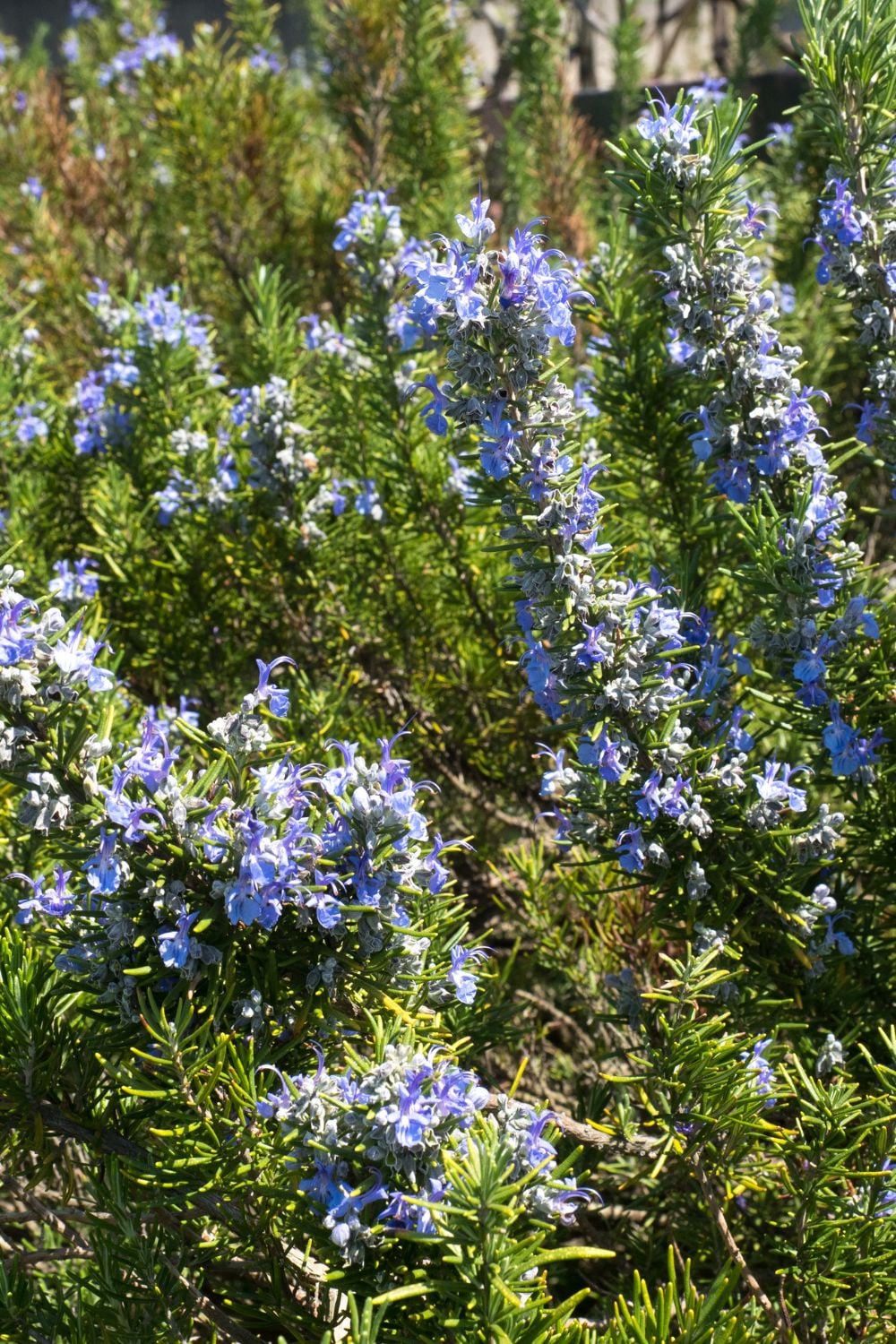
Rosemary begins to flower when it reaches maturity and growing conditions are just right. Blooming is a natural part of its life cycle, not a warning sign. An established plant will often shift from leaf growth to small purple or blue blossoms as daylight and temperature change.
In my garden, I look forward to this stage. I never see flowering herbs as a problem. I grow herbs for every part of their growth, leaves and blooms included. Rosemary flowers may be subtle, but they are a sign the plant is strong enough to do more than just survive.
Sometimes a bit of stress, like a dry spell, can encourage flowering, but most of the time it simply means your rosemary has settled in and is thriving.
Flowering is usually triggered by maturity, seasonal temperature shifts, and plenty of sunlight.
Is flowering a good or bad sign
Flowering is not a crisis, and it is not something you need to correct. I have grown rosemary in beds, pots, and even coaxed it through winter indoors, and it flowers whenever it feels like it. It is not bolting like cilantro, so there is no need to rush out with scissors and stage a rescue.
You may notice a mild change in flavor. During bloom, the leaves can taste a bit stronger or more resinous, but I simply use a little more or wait for a fresh flush of growth once the flowers fade. The plant carries on as usual.
What to do when Rosemary flowers? There is nothing wrong with rosemary in bloom. It is not quitting on you. It is simply showing another stage of growth, no intervention required.
Can you still use rosemary with flowers
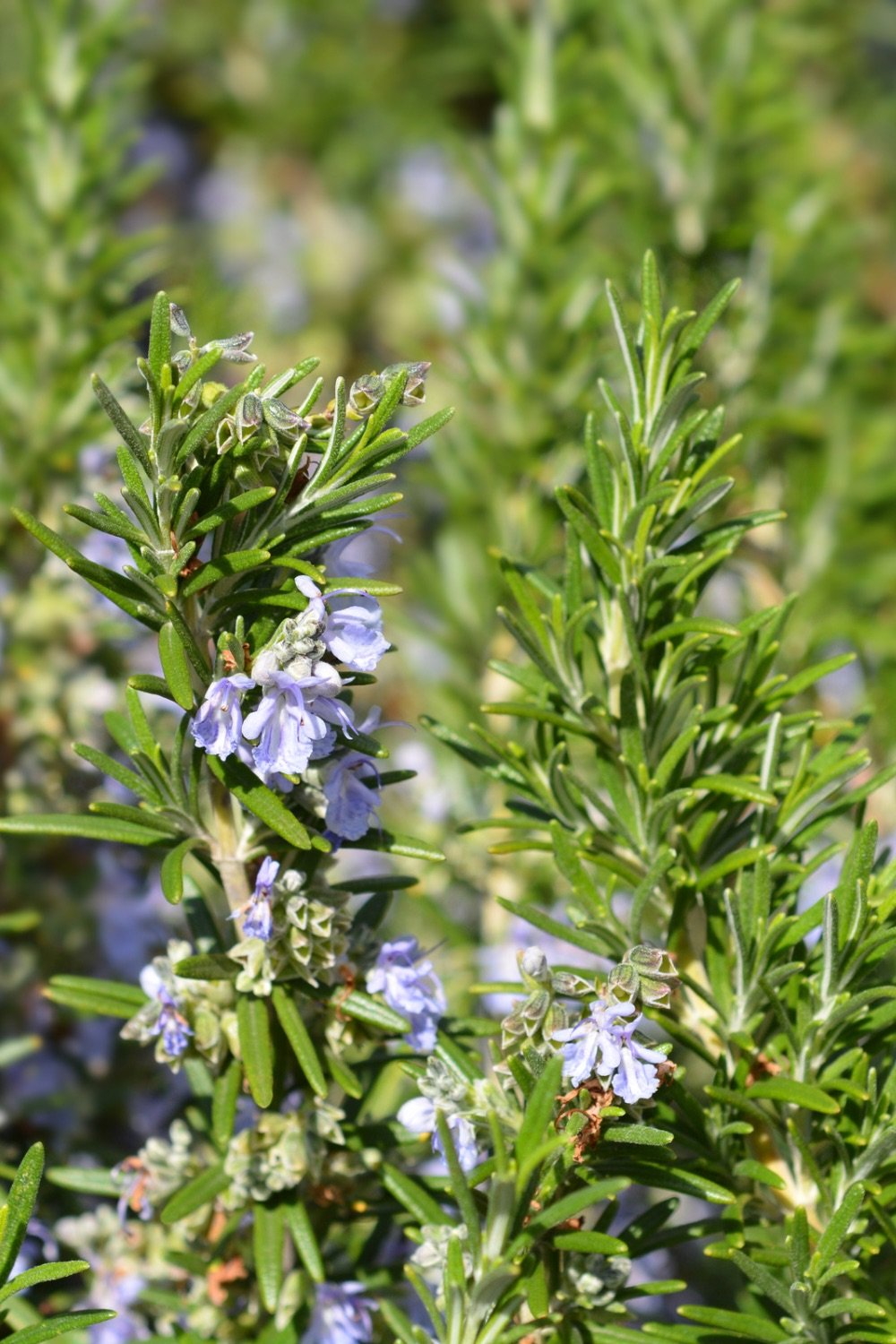
Yes, you can keep using rosemary even when it is in bloom. The leaves are still completely edible, and the flowers can be used too. Good news, right? The blossoms have a milder, slightly sweet flavor, almost like a softer version of the herb.
When I am cooking during the flowering stage, I sometimes use a little more if the leaves taste stronger or woodier. The flowers make an easy garnish. I will scatter them on roasted meats, toss a few over a salad, or drop them into a drink when I want something fresh from the garden.
There is no reason to pull a flowering plant from the kitchen. If anything, the blooms give you one more way to enjoy this popular culinary herb.
What do rosemary flowers look like?
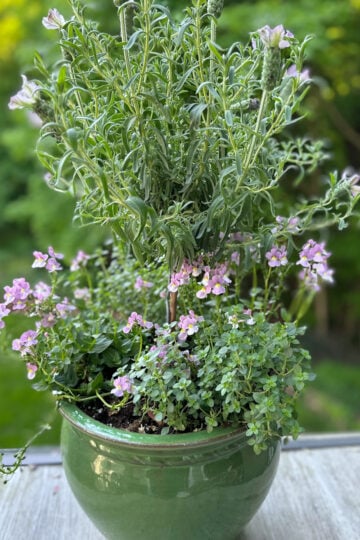
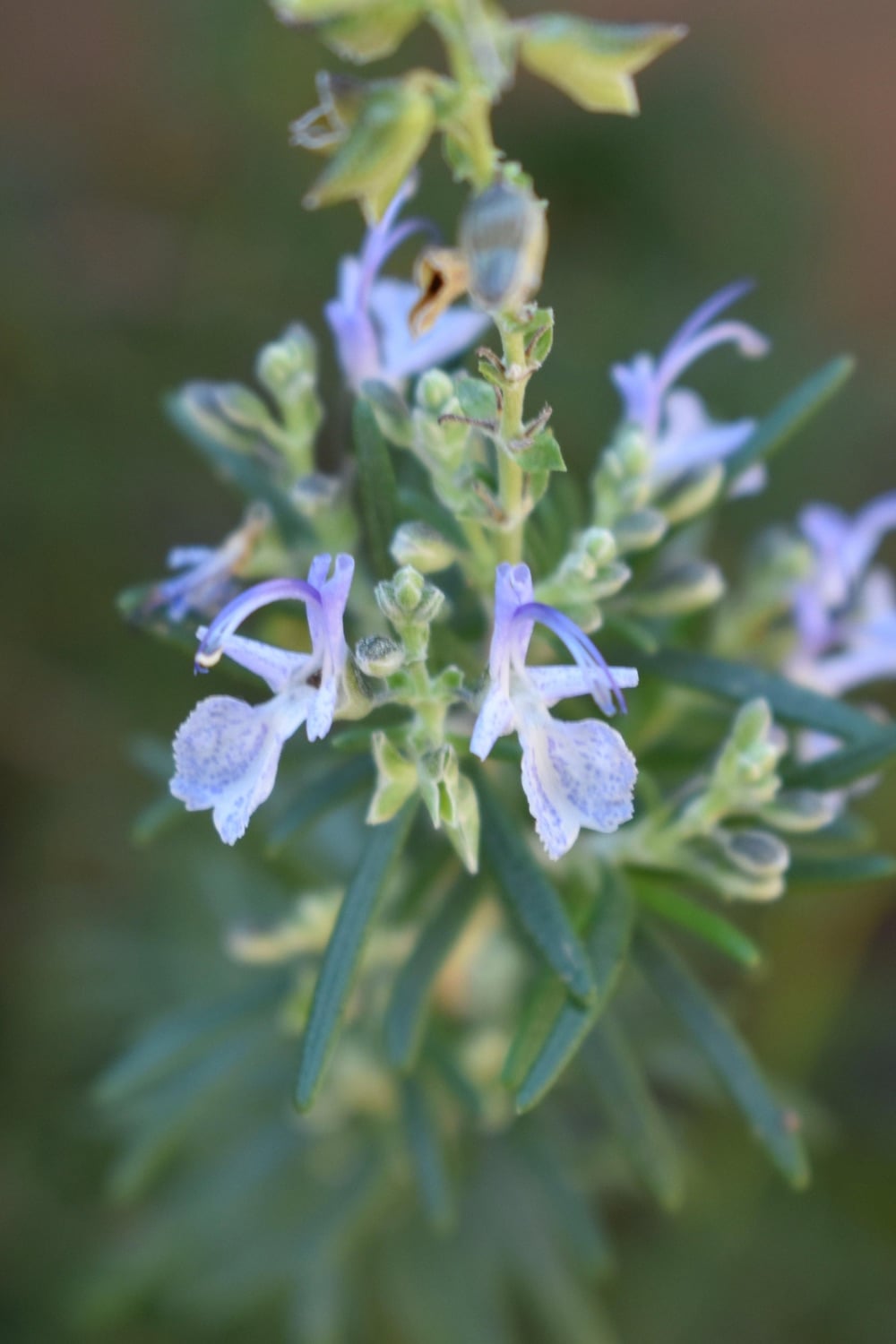
Rosemary flowers are small, delicate blooms that grow along the stems of the plant, usually clustered where the leaves meet the woody branches. They are most commonly a soft blue or lavender color, but depending on the variety, you may also see white or pale pink flowers.
Each individual bloom is tiny and tubular, with a slightly open, two-lipped shape that gives them a light, airy look. When rosemary is in full bloom, the flowers can dot the plant from top to bottom, creating a subtle wash of color against the deep green, needle-like leaves.
Up close, rosemary flowers have a soft, almost velvety appearance. From a distance, they add just enough color to make the plant feel more ornamental while still keeping that classic herb garden look.
How to use rosemary flowers
Once you know the flowers are edible, they become more exciting than confusing. I treat them as a small bonus in the garden rather than something to remove. They offer a softer, slightly sweet version of rosemary, which makes them easy to use in both food and simple herbal projects.
Here are a few ways I like to use rosemary flowers:
- Herb blossom butter - Stir the flowers into softened butter for a gentle, floral spread.
- Rosemary salt and seasoning blends - Dry the blooms and mix them with homemade rosemary salt for a softer finish.
- Summer simmer pots - Add the flowers to a stovetop simmer pot with citrus and herbs for a fresh scent.
- Rosemary-infused honey - Add the flowers to warm honey for a mild floral note that pairs well with an herbal tea or baking.
- Infused oils or vinegar - Steep the blossoms with the stems for a light, aromatic infusion.
- Infused water or ice cubes - Freeze the flowers into ice cubes or float them in water or lemonade for a garden touch.
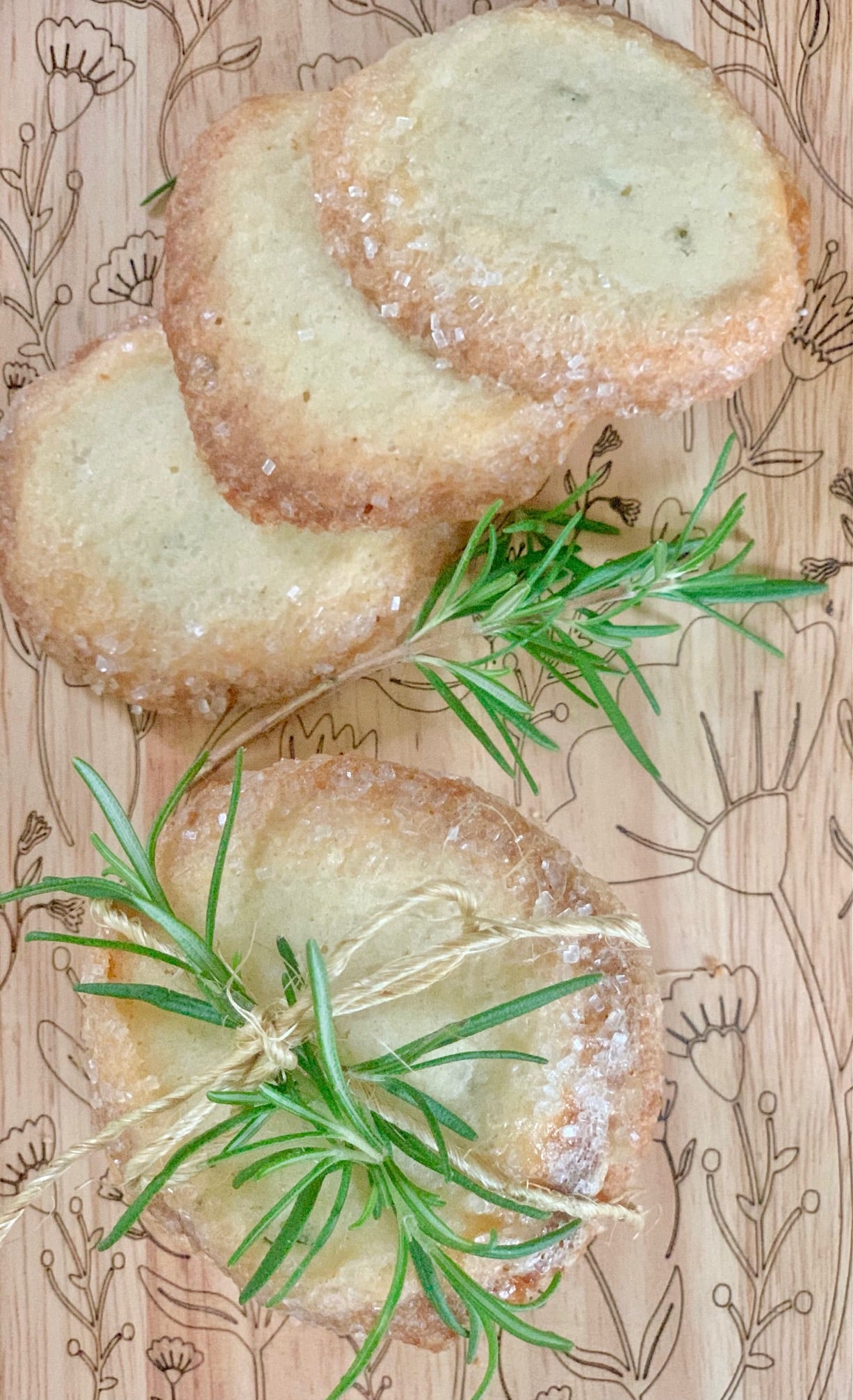
- Baking and cookies - Use the flowers in place of lavender for a milder floral note, like in my rosemary lavender cookies.
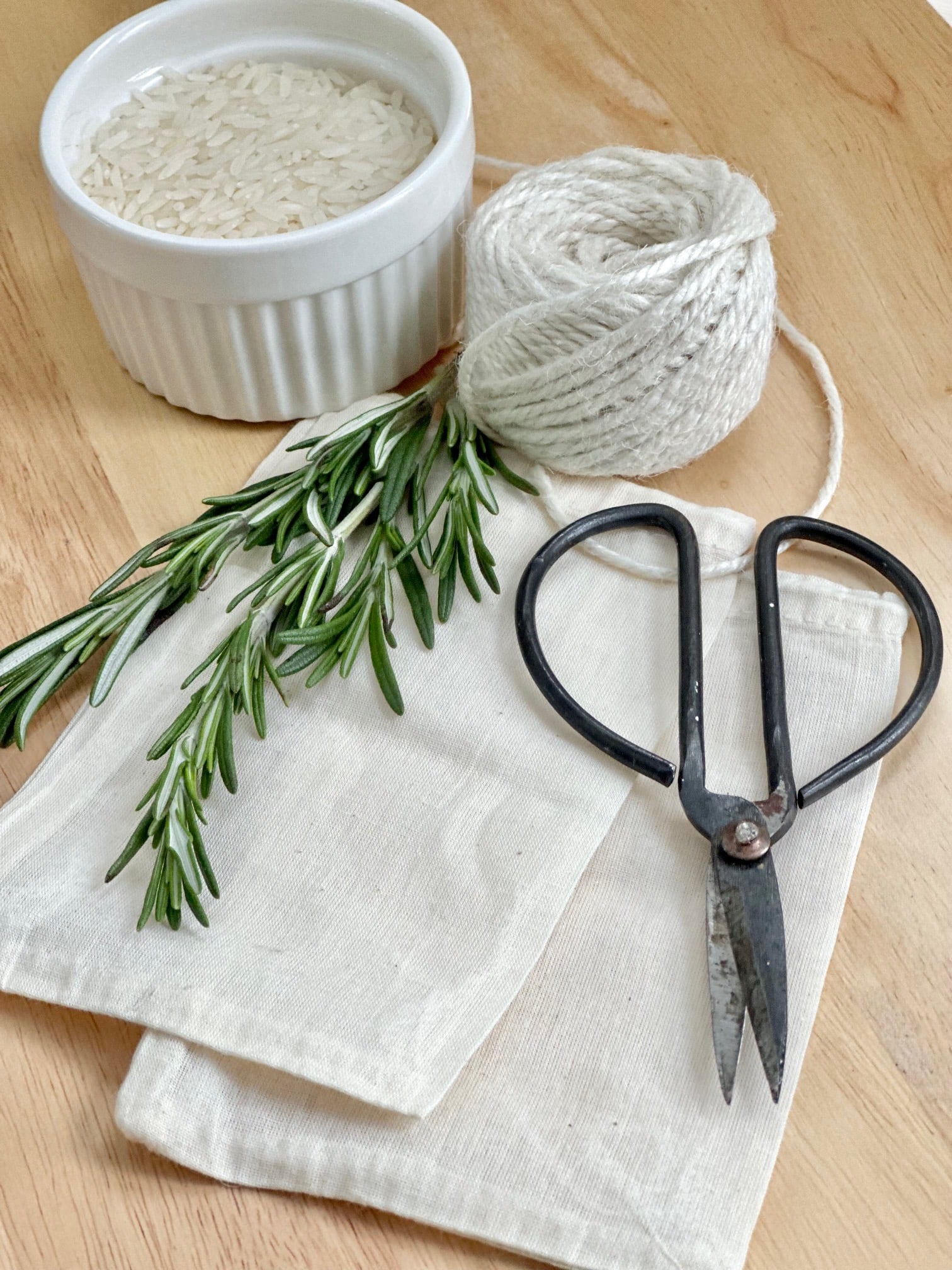
- Herbal sachets and drawer pillows - Dry the blooms and tuck them into sachets or small cloth bags.
I use rosemary flowers the same way I use any edible bloom, never as the main ingredient but always as a quiet detail. They add a little surprise, and someone always asks what they are.
Should you trim or leave the flowers
Whether you trim the flowers or leave them is mostly a matter of preference. If your goal is steady leaf production for cooking, like in my popular baked brie recipe, you can pinch or trim the blooms to redirect the plant's energy back into new growth. Light snipping will not harm rosemary, and it often encourages a fresh flush of leaves.
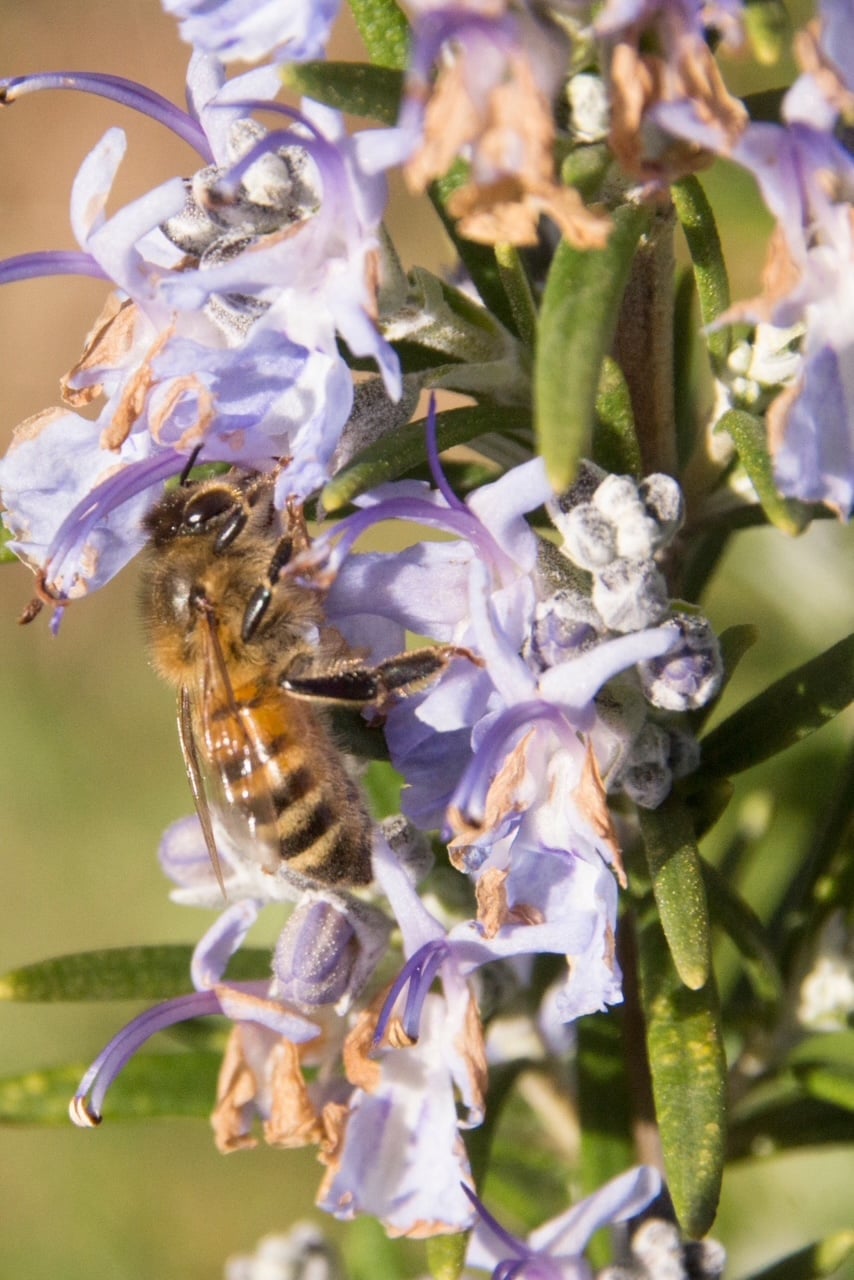
If you enjoy the sight of the blooms, or you like to support pollinators, there is no reason to remove them at all. Bees are especially drawn to flowering rosemary in early spring when little else is blooming.
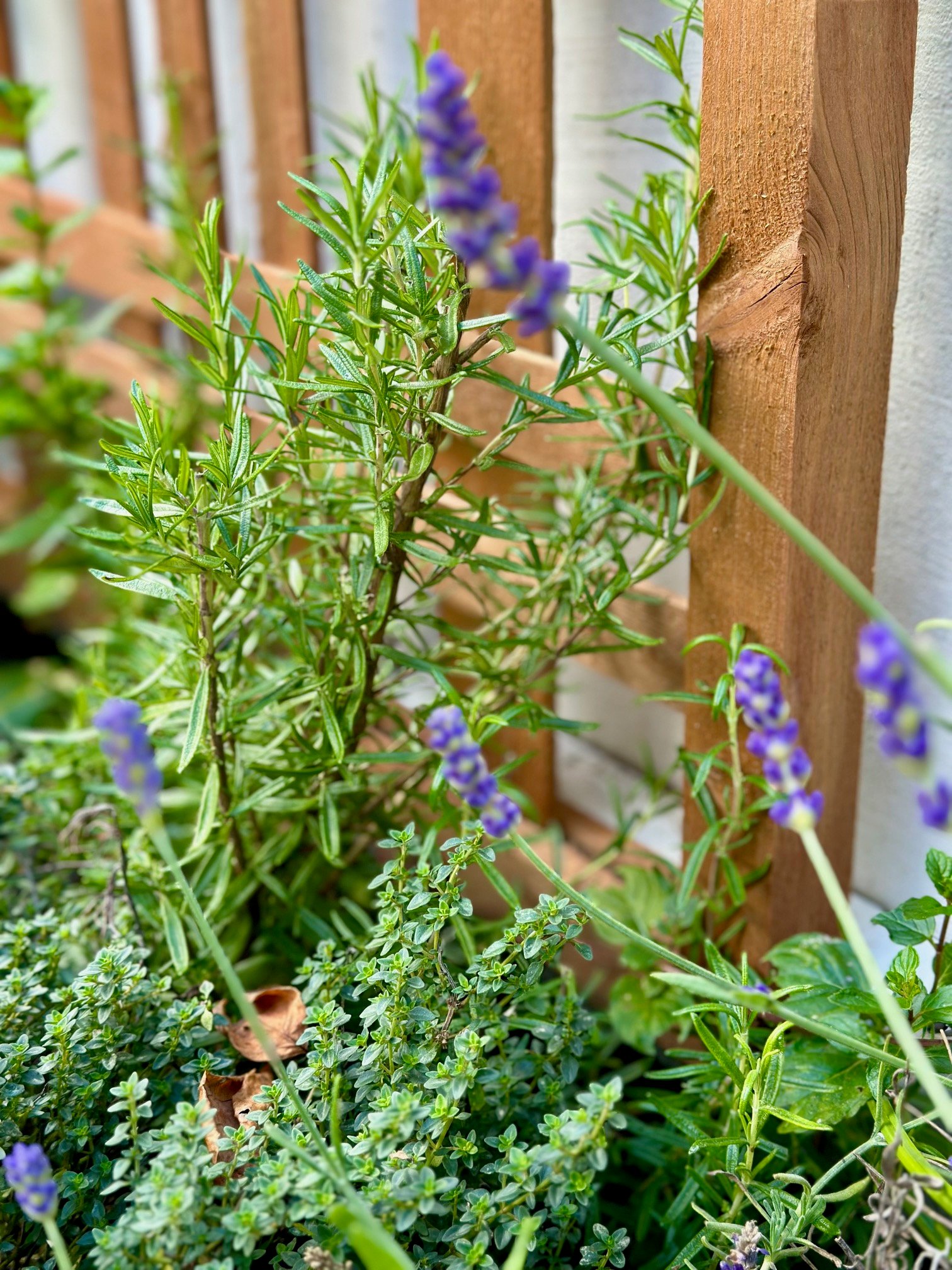
I do both, depending on the plant. The rosemary near my kitchen garden gets trimmed so I can keep harvesting, while the larger shrubs by the fence are left to flower freely. There is no right or wrong choice, only how you plan to use the plant.
Simple care tips during flowering
Rosemary does not need special treatment when it starts to flower. It is easy to assume something must be done, but most of the time, the best approach is to leave it alone. I water mine as usual and skip any extra herb fertilizer. A blooming rosemary is not asking for any extra attention!
If you want to tidy it up, wait until the flowers fade and then give it a light trim. That small haircut will encourage fresh leaf growth without shocking the plant. No need for heavy pruning or shaping during bloom.
Rosemary is a low-drama herb. As long as it has sun and good drainage, it will take care of itself, flowers included.
Frequently asked questions
Yes, you can use rosemary even when it is flowering. The leaves remain usable, and the flowers are edible with a mild, slightly sweet flavor.
You do not need to do anything unless you want more leaf growth. You can leave the flowers for pollinators or pinch them off to encourage fresh foliage.
Yes, flowering rosemary is safe to eat. The leaves may be slightly stronger in flavor, and the flowers can be used as a gentle garnish.
Flowering rosemary has small purple, blue, pink, or white blossoms along the stems. The blooms grow at the tips and give the plant a softer, more delicate appearance.
Yes, you can definitely dry rosemary flowers! Simply harvest them when they're fully open but still fresh, and dry them the same way you would dry the leaves-hang small bunches upside down in a warm, dark place with good air circulation, or lay them on a screen or parchment paper. Once completely dry, store them in an airtight container. The dried flowers make beautiful additions to potpourri, herbal teas, or as decorative elements in cooking.
Yes, your potted rosemary will likely flower at some point. Most rosemary plants bloom when they're mature enough, typically after 1-2 years of growth. Even in containers, rosemary will follow its natural flowering cycle, usually producing small blue, purple, pink, or white flowers during spring or early summer, depending on your climate.
Key takeaways about rosemary with flowers
- Flowering is a normal stage in rosemary's life, not a problem
- Leaves remain usable, and the flowers are edible with a mild flavor
- Flavor may shift slightly during bloom but the plant is still healthy
- You can trim flowers to encourage leaf growth or leave them for pollinators
- Light care after bloom helps encourage fresh growth

Thanks for visiting today. I hope this guide to rosemary with flowers helped you feel more confident about this beautiful stage in the plant's life. Rosemary is a true Mediterranean herb, and flowering is simply part of its nature.
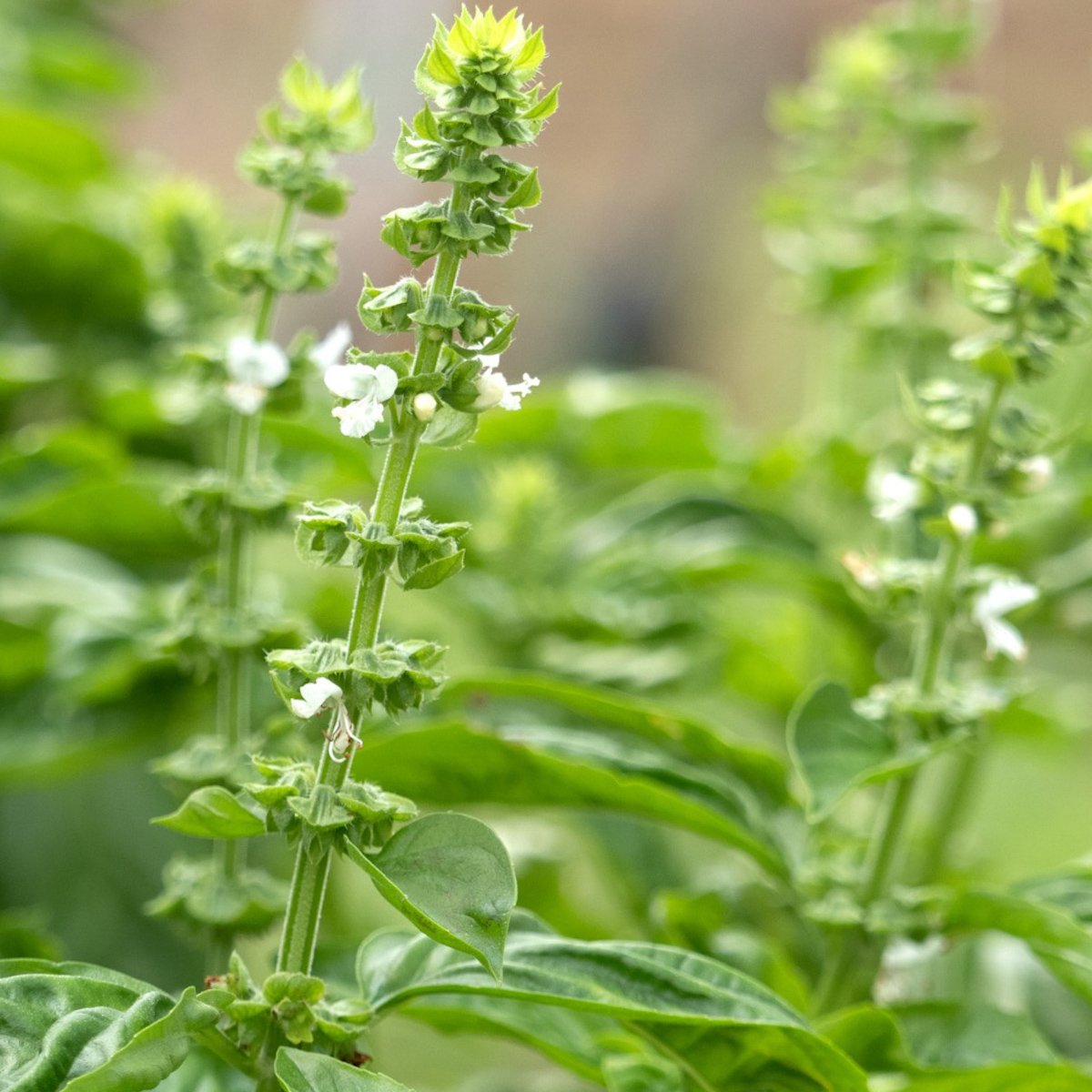
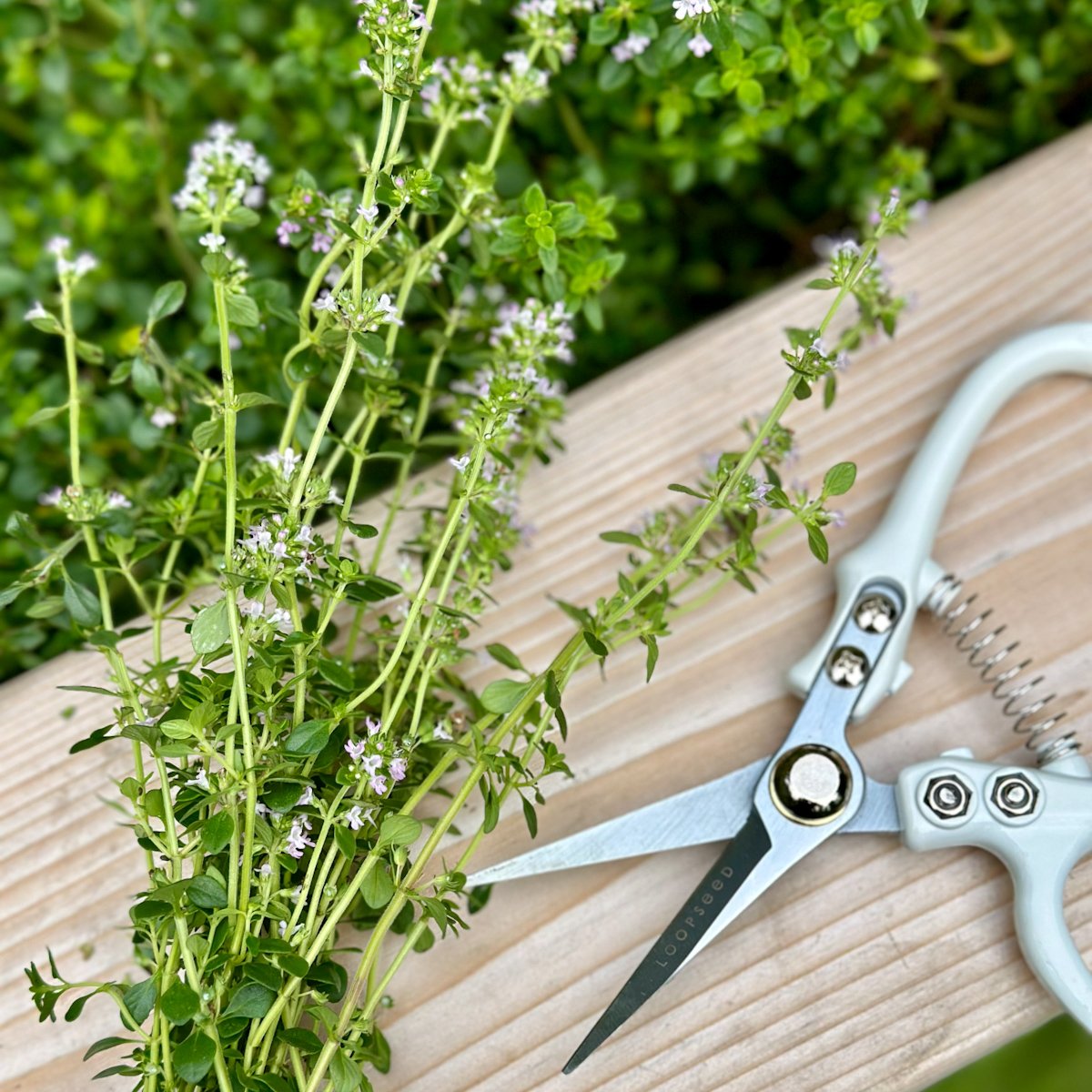
If you enjoy working with blooming herbs, you might also like exploring lavender trees or browsing the Herb Index, where I share more ideas for using edible blooms in teas, oils, and simple garden projects.
Happy gardening, friends.