Culinary Herbs: 10 Essential Herbs for Cooking and Flavor

Culinary herbs are herbs used in cooking to add flavor, aroma, and freshness to food. Some of the most popular culinary herbs include basil, parsley, thyme, rosemary, oregano, dill, sage, cilantro, and chives. These herbs can be grown in gardens or containers and used fresh or dried in a wide variety of recipes. Learning which culinary herbs pair best with different dishes can help elevate everyday cooking with simple, natural flavor.

Nothing makes me happier than stepping out my sunny raised herb bed garden to harvest fresh culinary herbs for whatever I am cooking that day, whether it is parsley, oregano, chives, or sweet basil. Growing these easy to grow herbs just steps from my stove has shown me how powerful these simple ingredients can be. A handful of fresh herbs can transform even the most basic weekday meal with bright flavor and aroma.
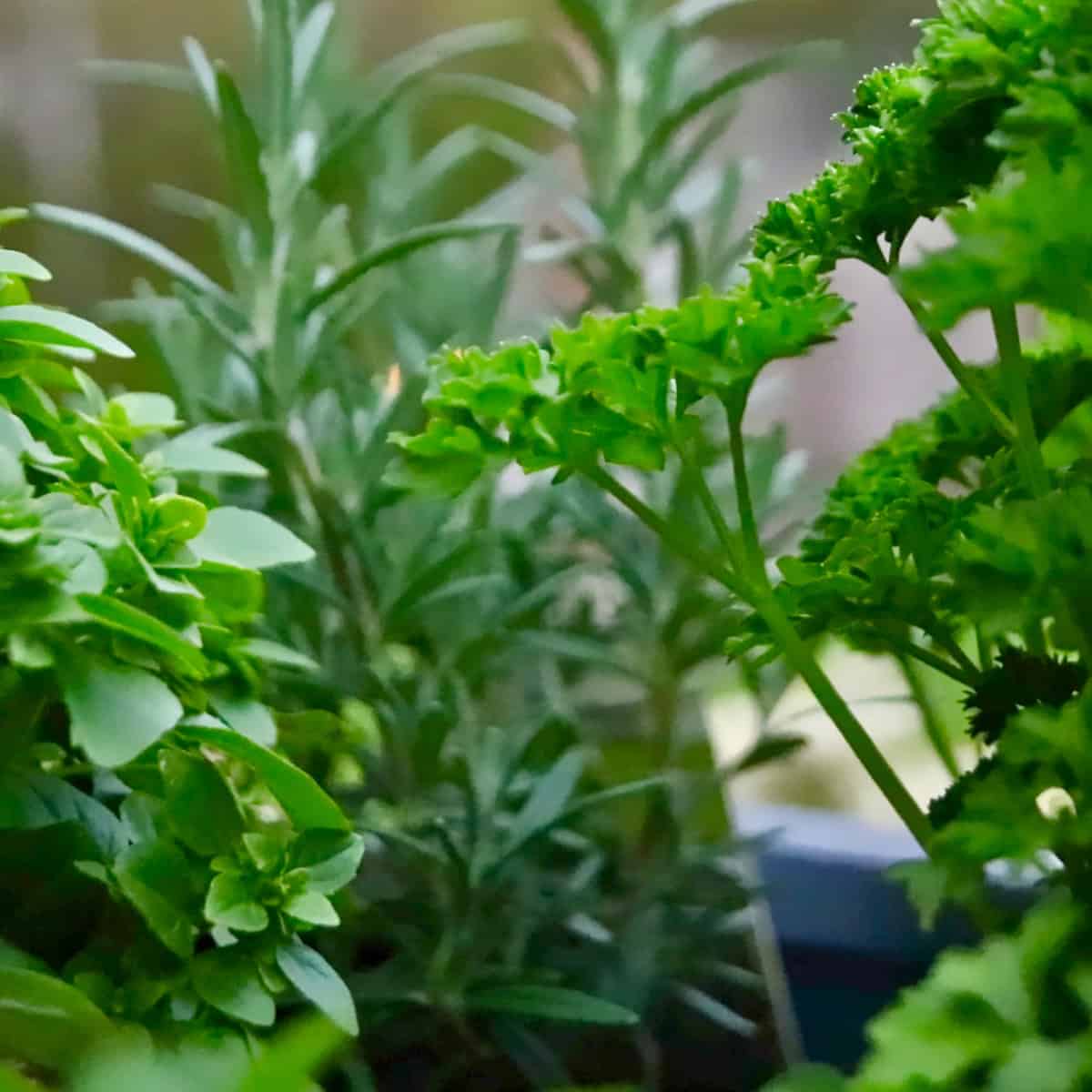
I also keep a small stash of dried culinary herbs alongside fresh herbs growing on my windowsill, which makes it easy to add flavor to sauces, marinades, soups, and quick weeknight meals. Over time, experimenting with different herbs in the kitchen helped me discover which varieties are the most versatile and truly essential for everyday cooking.
In this guide, I'm sharing some of the most useful culinary herbs to grow and cook with, along with simple ideas for bringing more fresh flavor into your kitchen.
At a Glance: Culinary Herbs
_______________________
• What are culinary herbs? Herbs used in cooking to add flavor, aroma, and freshness to food
• Most common culinary herbs: basil, parsley, thyme, rosemary, oregano, dill, chives
• Best herbs for beginners: basil, parsley, chives, thyme
• Great herbs for containers: basil, mint, chives, parsley
• Fresh vs. dried: fresh herbs add brightness, while dried herbs offer deeper concentrated flavor
• Where to grow them: kitchen windowsills, containers, raised beds, or garden plots
• Pro tip: harvest herbs regularly to encourage new growth and stronger flavor
Summarize and Save this content on:
Jump to:
What are culinary herbs?
Culinary herbs are herbs used in cooking to add flavor, aroma, and freshness to food. Some of the most popular culinary herbs include basil, parsley, thyme, rosemary, oregano, dill, sage, and cilantro. These herbs can be used fresh or dried and are common in many cuisines around the world.
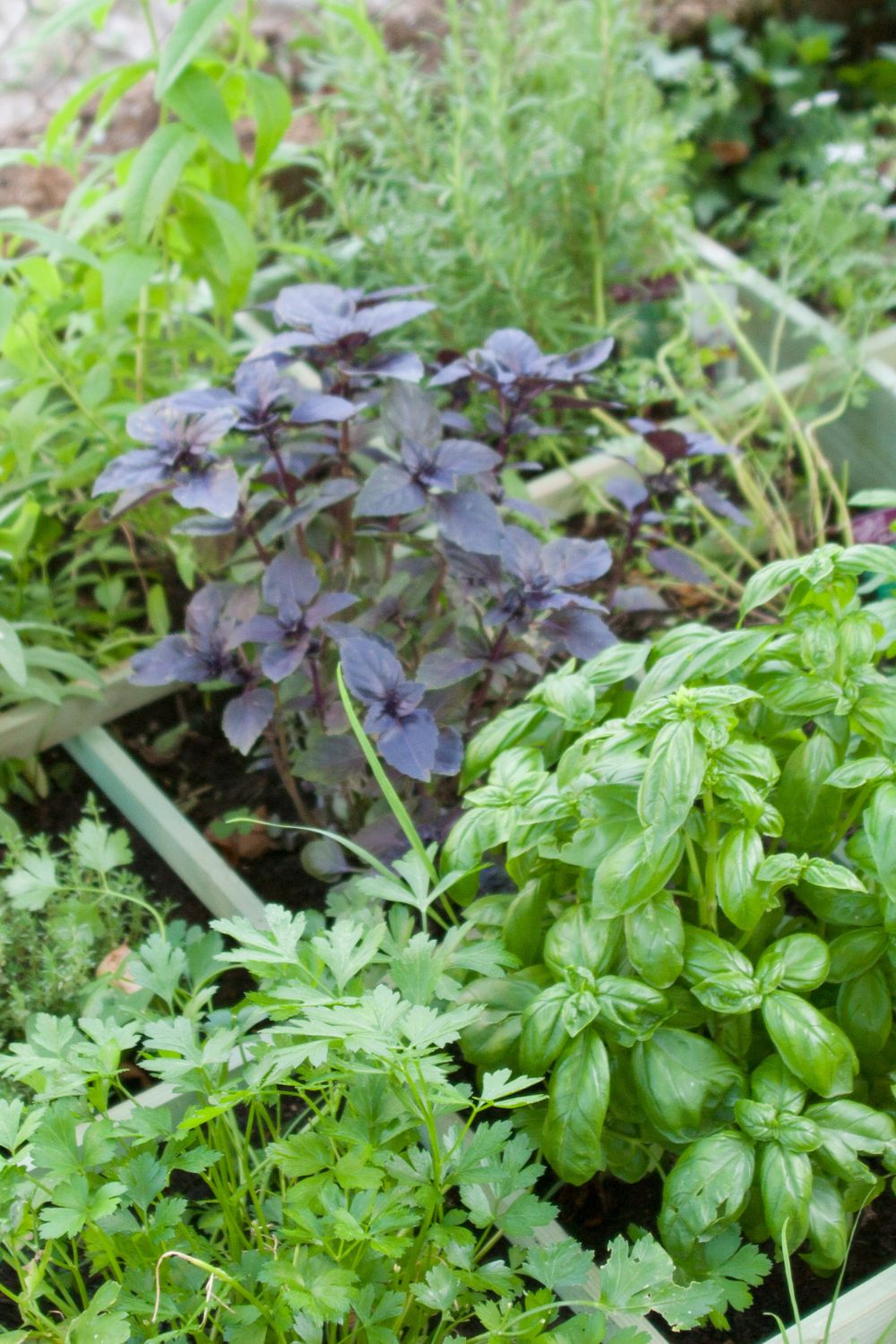
Common culinary herbs used in cooking
Some of the most popular culinary herbs include:
• Basil
• Rosemary
• Thyme
• Sage
• Parsley
• Oregano
• Mint
• Chives
• Cilantro
• Dill
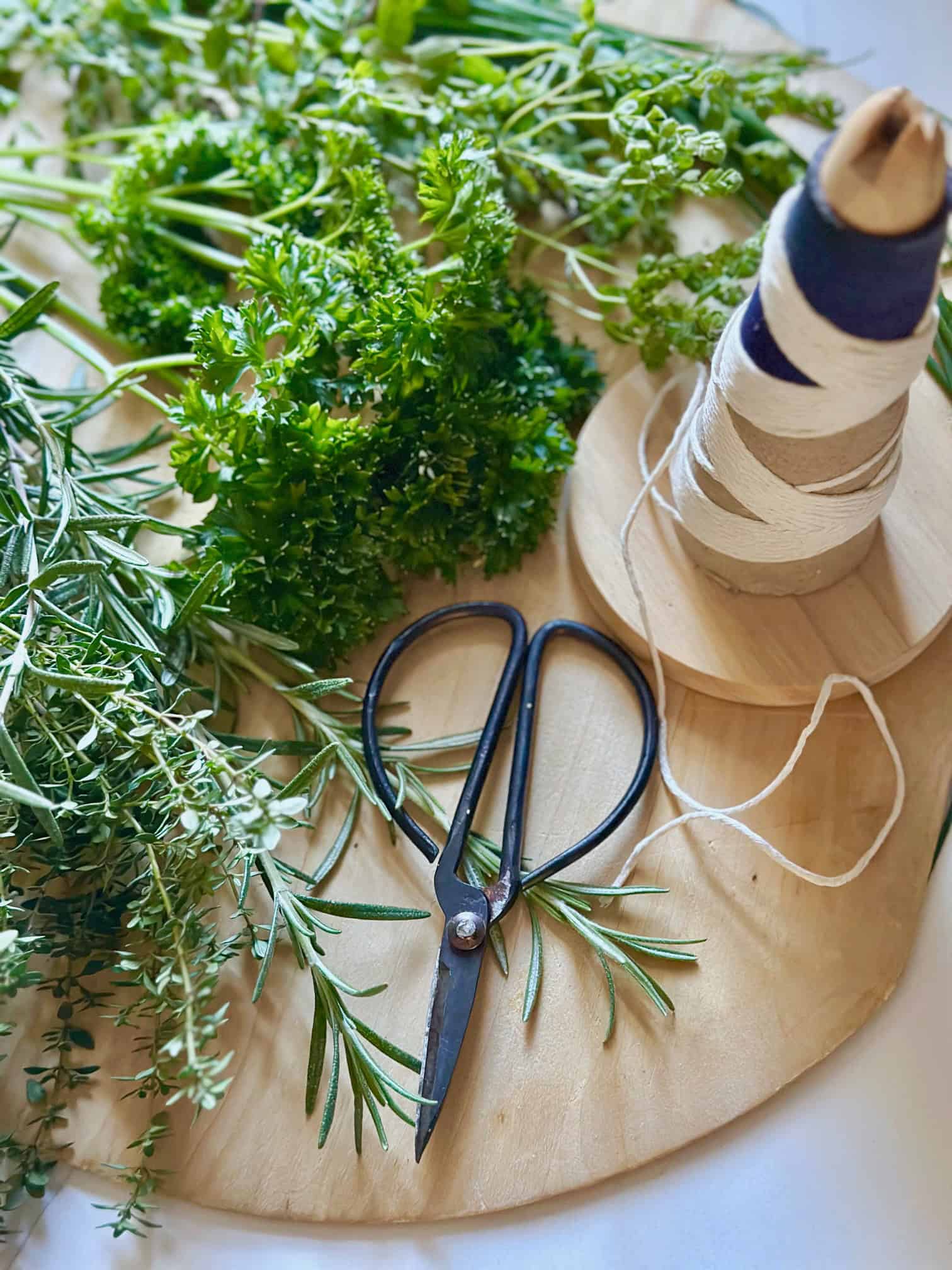
Top 10 culinary herbs
Inside each of the following entries, you'll discover useful quick hits on that herb's formal name, its unique attributes and signature flavor contribution to dishes, ways I like cooking most with it personally, along with supplemental gardening, harvesting and preserving and usage pointers for fully unlocking that particular herb's distinct aromatic potential.
1. Basil
Basil (Ocimum basilicum) Also known by its full Latin name Ocimum basilicum, this sweet leafy annual herb fills dishes with its distinctive peppery essence reminiscent of warm sunny summer days. I love using handfuls of fresh basil in Italian recipes from garden-ripe tomatoes to my homemade roasted garlic pesto layered into sandwiches or tossed with hearty pastas. This is one of the most popular herbs to grow and cook with!
Attributes: Shiny, vibrant green oval leaves with softly jagged edges grow on purple-tinged stems when young. Delicate white blooms appear later in summer.
Quick Gardening Fact: Grow basil outdoors in full direct sunlight and well-drained yet consistently moist soil once overnight temperatures stay above 50 degrees F. Basil loves banana peel water as a fertilizer!
Harvesting Tip: Frequently harvest basil by pinching off leaf clusters anytime they get bushy to encourage tender new growth all summer long.
Basil Cooking idea: While dried basil has its place, use fresh leaves as a finishing touch on caprese salads, like my Purple basil, peach caprese salad and uncooked sauces in Italian dishes for the freshest flavor.
Proper Storage: Store freshly cut stems loosely wrapped in barely damp paper towels inside perforated plastic bags. Refrigerate for up to 5 days. Basil also freezes well either chopped or whole in ice cube trays topped with water or olive oil.

2. Rosemary
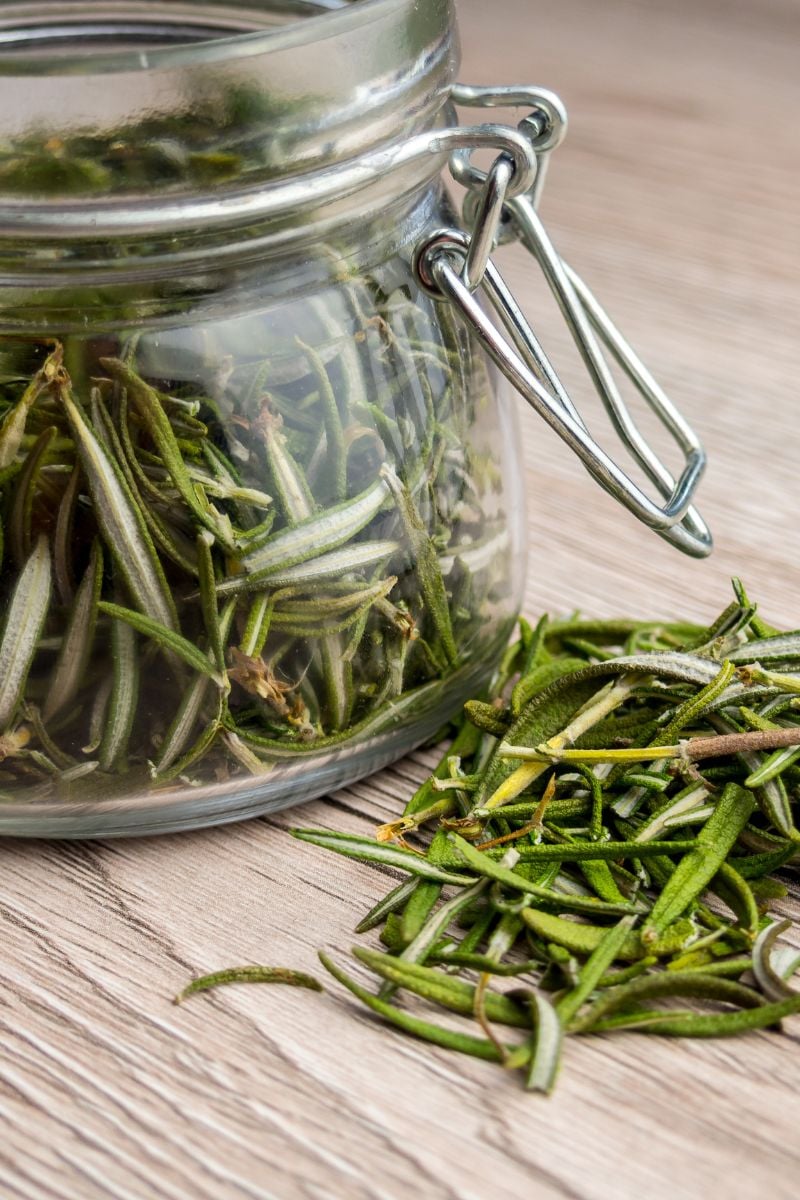
With the botanical name (Salvia rosmarinus), rosemary's trademark pine-like fragrance elevates roasted veggies and proteins alike with its woodsy depth. I also enjoy infusing olive oil with fresh sprigs for dipping breads.
Attributes: Pine-scented evergreen herb has leaves shaped like long skinny spears clustered together. Grayish green color with a slightly fuzzy texture and occasional beautiful purple blooms. Woody stems filled with fragrant resin.
Quick Garden Fact: Plant this woody perennial herb outdoors in sharply drained soil and baking sun once overnight lows hit 50°F. Rosemary can also be grown in pots with specific soil requirements.
Harvesting Tip: Snip 6-8 inch fresh rosemary stems just above leaf junctures in spring and fall to promote ongoing woody regrowth.
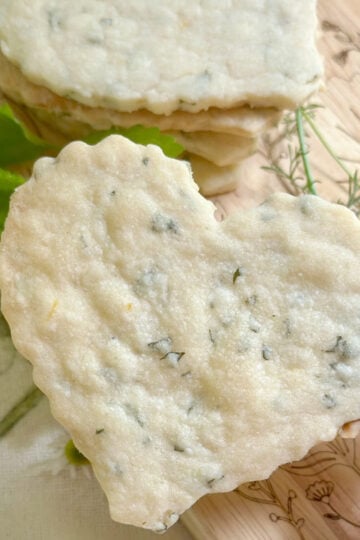
Rosemary Cooking Idea: Toss whole rosemary sprigs over roasting potatoes or chicken in the oven then remove before eating. I love using Rosemary in egg dishes, on baked brie and in my favorite Rosemary lavender cookie recipe! The aromatic needles easily burn if exposed to direct heat too long.
Proper Storage: Fully intact rosemary stems keep over 2 weeks refrigerated in water like cut flowers, with minimal leaves submerged. Or hang mature bundled stems to air dry for storage for winter months.
Tip: Aside from cooking Rosemary's fragrant needles make great closet sachets!
3. Thyme
Thyme (Thymus vulgaris) Also referred to by its botanical name Thymus vulgaris, this subtle yet versatile herb infuses dishes with its earthy essence, complementing flavors from roasted meats to hearty stews. I love experimenting with fresh thyme in everything from veggie sides to savory breakfast baked goods like quiches.
Attributes: Plentiful tiny grayish green tiny leaves sprouting along delicate woody stems. When crushed or brushed releases signature sharp, woodsy notes. Occasional spikes of petite purple or white flowers bloom.
Quick Gardening Fact: Plant this Mediterranean perennial herb outdoors in a sunny, well-drained area once overnight temperatures average 55°F.
Harvesting Tip: Cut thyme sprigs in the morning after dew dries, right as flower buds appear for the most intense, aromatic oil concentration.
Thyme Cooking Idea: Drying intensifies thyme's woodsy notes so use sparingly in recipes. Sprinkle it in early during long cooking for the best flavor distribution.
Proper Storage: If harvested mid-morning, thyme maintains peak color and aroma for up to 10 days refrigerated after gently rinsing and patting stems dry with paper towels before storage in loose plastic bags. Drying thyme using one of 4 methods also preserves dried leaves up to a year stored in a cool dark space.

4. Sage
Sage (Salvia officinalis) With the formal name Salvia officinalis, common sage imparts dishes with its signature musky, earthy essence that wonderfully balances rich meat dishes and fall vegetables. Beyond stuffings, risottos, and brown butter pan sauces, I also rely on fresh sage leaves for flavoring hearty bean dishes and seedy nut loaves and love it in infused water recipes.
Attributes: Medium rough grayish green textured spear-shaped leaves unfurl from woody stems in ruffled oblong patterns. Prominent central veins run the narrow fuzzy leaf length tinted darker at the tips.
Quick Gardening Fact: For best growth outdoors, provide this evergreen perennial full sun exposure in soil with sharp drainage.
Harvesting Tip: Pinch or snip fresh sage leaves anytime once plants are established, but the flavor is most intense right before flower buds open in early summer.
Sage Cooking Idea: Fry whole fresh sage leaves briefly in olive oil to infuse pasta sauces with flavor. Unlike rosemary needles, the leaves get quite crispy making lovely edible garnishes.
Proper Storage: To store fresh sage, wrap leaves in damp paper towels then refrigerate inside a plastic bag. Visit my post on How To Dry Sage Bundles for instructions on drying fresh sage.

5. Parsley
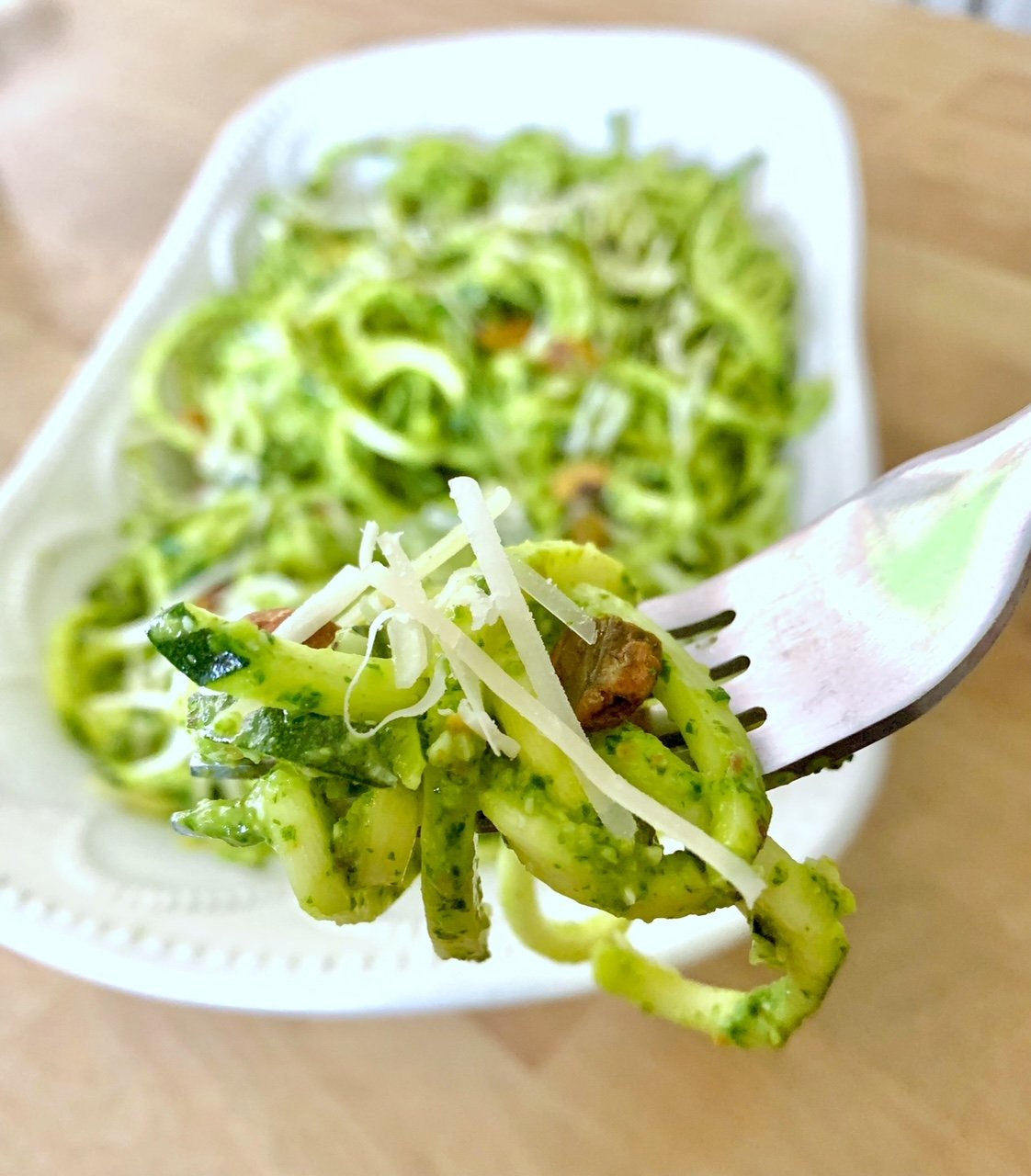
Parsley (Petroselinum crispum) Offering a fresh burst of herbal aroma, this popular kitchen herb comes in curly parsley and flat-leaf parsley - I prefer the latter for its bolder zing! Tuck it among dishes like grilled meats, pastas, soups and other dishes like my Zucchini Noodles With Parsley Pesto - Made From The Garden as bright counterpoints.
Attributes: Bright emerald leaves emerge with either tightly curled or flat saw-toothed edges on wispy hollow stems in the first season. Umbrella-like white blooms shoot up in the second spring.
Quick Garden Fact: Soak seeds overnight before sowing this hardy biennial in early spring for best germination. It thrives in nutrient-rich moist soil with full sun.
Harvesting Tip: To harvest parsley plants, snip outer parsley stems 2 inches above soil anytime once established for continual regrowth.
Parsley Cooking Idea: Mixing parsley early when making compound butters or salad dressings allows its grassy flavor to permeate fully.
Proper Storage: Store freshly cut sprigs in water inside the fridge for up to 1 week, or air dry thoroughly for longer duration.
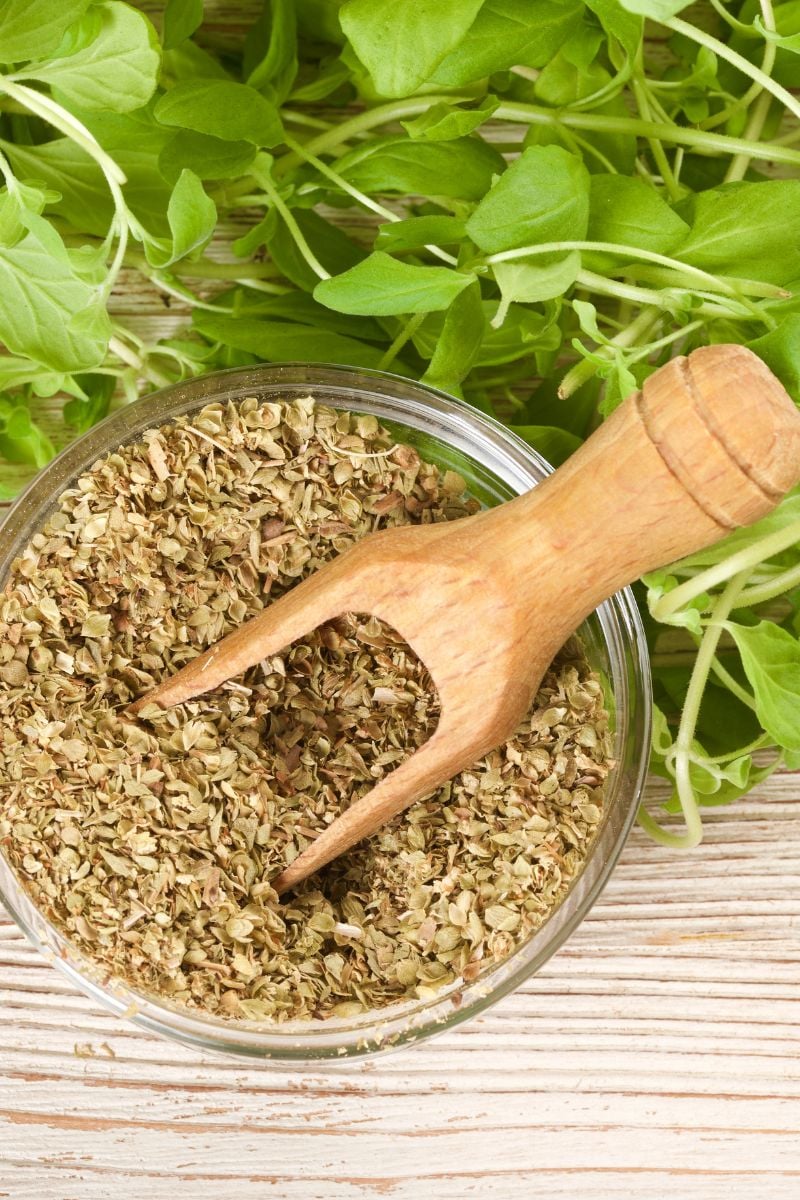
6. Oregano
Oregano (Origanum vulgare)With the botanical name Origanum vulgare, common oregano fills kitchens with its intensely aromatic signature. Beyond Mediterranean recipes like zesty tomato sauces, I adore sprinkling its woodsy notes over pizza, roasted vegetables, and rich red meats off the grill.
Attributes: Bushy compact plants full of fuzzy ovate leaves in shades from gray green to deep green alongside clusters of petaled pink edible flowers in summer. Crushing releases minty, camphorous notes.
Quick Garden Fact: Plant this hardy perennial herb outdoors once overnight frost danger passes, providing well-drained soil and full sun for oregano's optimal growth.
Harvesting Tip: Cut sprigs when flower buds swell for the highest concentration of flavorful oils just before the summer heat hits.
Oregano Cooking Idea: Add fresh oregano early during cooking processes at lower heat, as longer high heat exposure diminishes vibrancy. To dry oregano visit my How to Dry Oregano in the Oven: A Quick and Easy Method post.
Proper Storage: Keep freshly chopped leaves under olive oil in the fridge up to 10 days, or dry them thoroughly then crumble them into airtight containers for a longer duration.
7. Mint
Mint (Mentha)Offering cooling, crisp flavor, the mentha family invigorates both sweet and savory recipes from fruit salads to chickpea tabboulehs. I also muddle the leaves of my mint plants into refreshing mojitos of fresh infused water recipes!
Attributes: Depending on variety, textured leaves in cool green shades from dark to lighter yellow tones. Toothed, wrinkled leaves sprout oppositely up squared purple stems. Mint's Spike flowers are edible and are on my list of herbs that attract pollinators.
Quick Garden Fact: Plant mint outdoors in your garden bed in partial shade once overnight temps remain above 60°F or contain its fast-spreading roots in pots. Mint plants prefer consistently moist soil, but they don't like to be waterlogged. For more information on watering mint visit my How Much Water Do Mint Plants Need post.
Harvesting Tip: Pinch off the top mint leaves from your kitchen herb garden just before flowers open for optimal flavor.
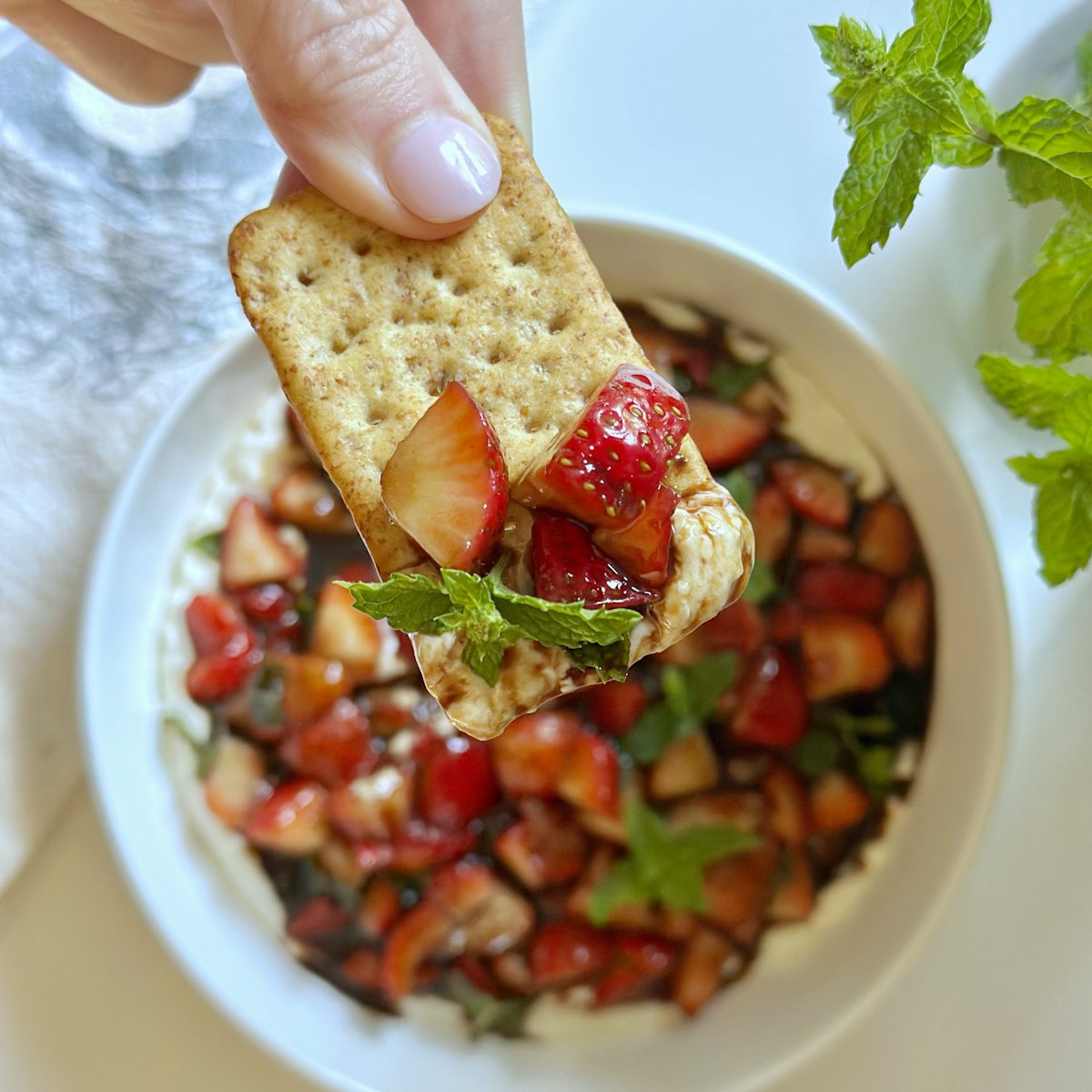
Mint Cooking idea: Add torn mint leaves raw as I have in these Artisan Ricotta Toast with Blackberries and Garden Mint or quickly wilted at the end for the freshest flavor. Over-cooking dulls menthol notes.
Proper Storage: Submerge trimmed stems in water glasses for up to 2 weeks of refrigeration, changing H2O every few days. Avoid air exposure to prevent discoloration.

8. Chives
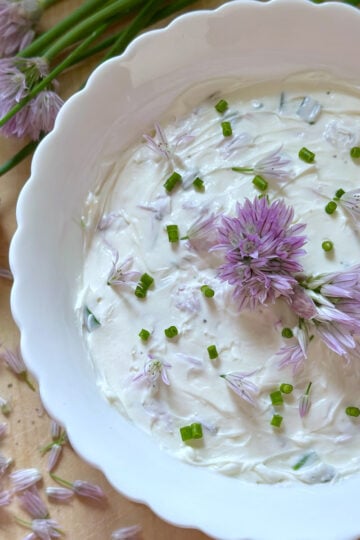
Chives (Allium schoenoprasum) With the botanical name Allium schoenoprasum, chives lend delicate onion essence in abundance once established thanks to continual self-seeding. Beyond garnishing soups or baked potatoes, try whipping the thin grassy leaves into herb-flecked compound butters too! Chives' culinary uses are boundless!
Attributes: Clusters of reed-like waxy grass blades emerge with a mild onion kick from dense low mounds of slim onion bulbs just under the soil surface. Chive makes my list of flowering herbs with their showy bursts of pom-pom purple blooms reveal the allium relation.
Quick Garden Fact: Plant chive bulbs pointed-side up in early spring for rapid clump formation - they thrive alongside roses benefiting one another.
Harvesting Tip: Snip chive tubes back to 2 inches above the soil anytime with flowers removed to encourage dense regrowth all season.
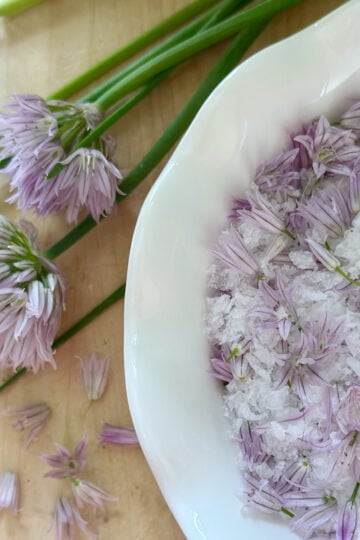
Chives Cooking Idea: Fresh chives are best added at the very end of cooking to preserve their color and flavor. Sprinkle them over eggs, soups, potatoes, and roasted vegetables just before serving. You can also preserve their delicate onion flavor in homemade chive butter, chive blossom salt, and chive blossom vinegar for enjoying long after the garden season has passed.
Proper Storage: Place upright in water-filled glasses for up to 1 week's refrigeration, or dry then freeze chopped leaves for longer storage and later use.

9. Cilantro
Cilantro (Coriandrum sativum)Also known as coriander and Chinese parsley, people tend to love or hate cilantro's strong citrusy essence. But I adore it in global recipes from Thai curries to Mexican salsas thanks to its burst of bright flavor!
Attributes: First-year feathery delicate leaves deeply lobed like parsley but brighter green. Distinctive flavor. By second season, separate leaves give way to lacy white umbrella flowers and wild carrot-esque umbels heavy with coriander seeds emerge.
Quick Garden Fact: Soak coriander seeds overnight before sowing to speed germination, and make successive plantings through summer since it bolts fast.
Harvesting Tip: To harvest Cilantro, Snip the outer leaves anytime for optimal flavor before flowers trigger soapy-tasting compounds.
Cilantro Cooking Idea: Add raw or quickly wilted at the very end of Asian and Latino dishes for best results.
Proper Storage: Place freshly cut stems in water, loosely wrap and refrigerate 5-7 days, replacing liquid every few days. Avoid air exposure to prevent discoloration.

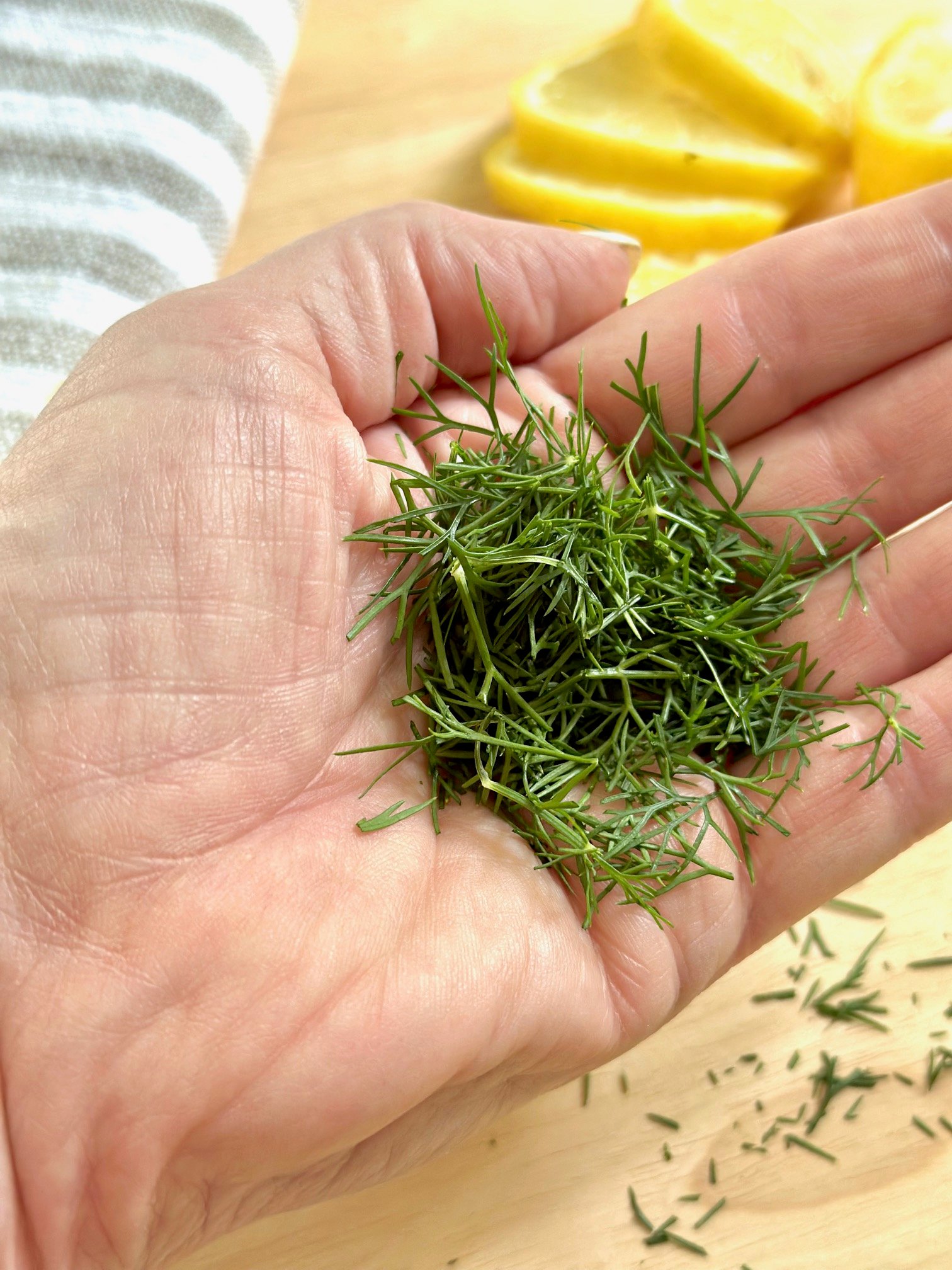
10. Dill
Dill (Anethum graveolens) With the formal name Anethum graveolens, dill infuses dishes with a distinct tang making it perfect alongside salmon, cukes, potatoes and yogurt-based dips. I also add chopped fronds when canning pickles for that signature flavor.
Attributes: Spindly hollow stems extend high while maturing, capped by large flat spray flower heads harboring seeds for pickling. Extremely fine thread-like leaves occupy lower on plants. Emerald green color.
Quick Garden Fact: Soak seeds briefly before planting to speed germination, sowing successively as plants bolt fast. Provide full sun and wind protection.
Harvesting Tip: To harvest dill snip leaves anytime, but cut fronds mid-morning right after flower buds open for maximum flavor. Select mature leaves and seeds for the freshest flavor and aroma in your culinary creations.
Dill Cooking Idea: Adding the feathery leaves raw or at the very end of cooking is a great way to ensure the freshest flavor. High heat during the cooking process diminishes vibrancy.
Proper Storage: Cut stems with roots attached and store longest when wrapped and refrigerated. Otherwise, use water glasses up to 5 days like other herbs.
Fresh vs dried culinary herbs
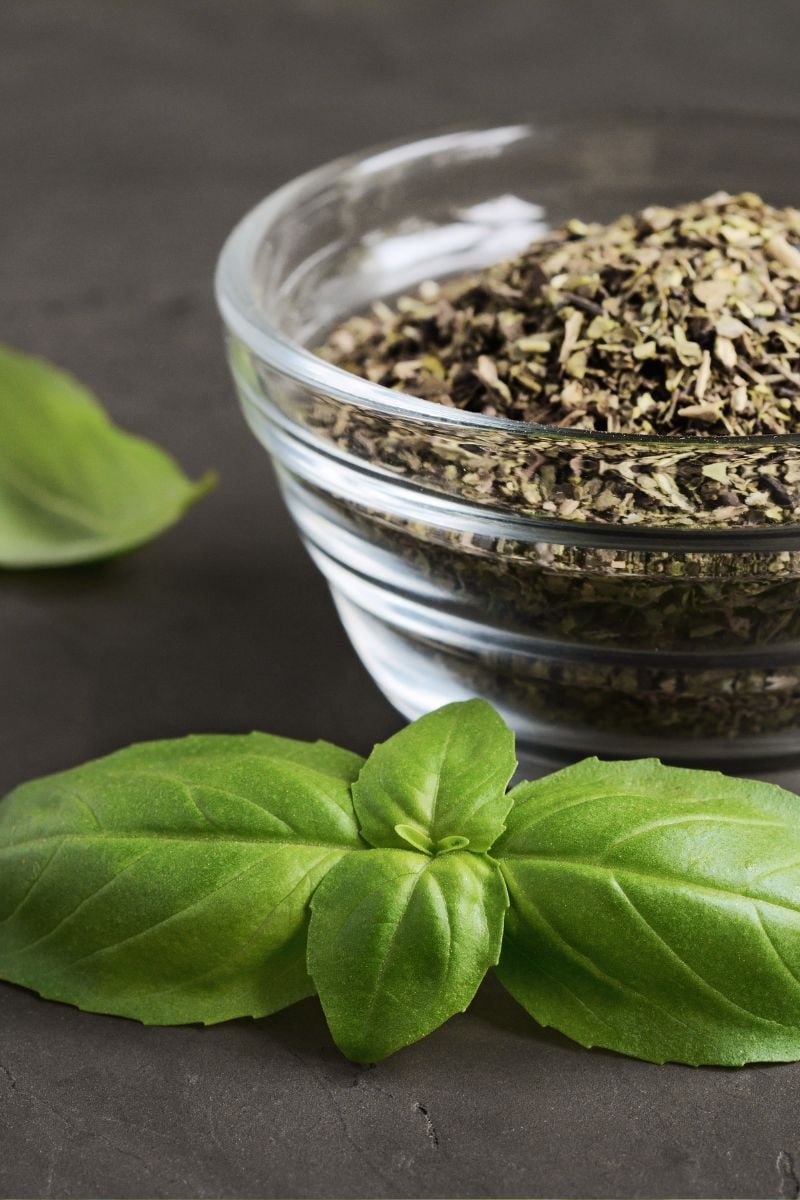
Both fresh and dried culinary herbs are used in cooking, but they provide slightly different flavors. Fresh herbs add brightness and aroma, while dried herbs have a deeper, more concentrated flavor. As a general rule, use three times as much fresh herbs as dried herbs in recipes.
Frequently asked question
Culinary herbs are herbs used in cooking to add flavor, aroma, and freshness to food.
Some of the most common culinary herbs include basil, parsley, thyme, rosemary, oregano, dill, and chives.
Yes, many culinary herbs grow easily in containers, garden beds, or sunny kitchen windows.
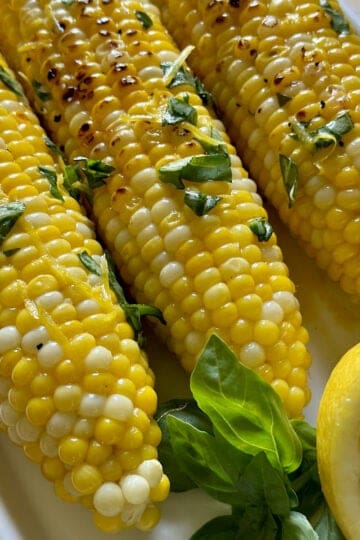


There you have it, my top 10 must-have culinary herb plants! These versatile herbs can be used in a variety of dishes and add depth and flavor to any recipe. Cultivating your own herbs in a home garden is not only convenient but also ensures that you have fresh herbs on hand whenever you need them, bypassing the need to rely solely on the selection at your local grocery store.
Growing your own herbs allows you to select the best herbs for your culinary herb garden, ensuring optimal freshness and flavor. To keep your own herbs from spoiling, wrap them in a damp paper towel and store them in a plastic bag in the fridge. This simple method helps prolong their freshness, ensuring they're ready for use whenever inspiration strikes in the kitchen.
I encourage you to embrace the joys of cooking with your own herbs and explore new flavors and dishes. With your apron on and your imagination fired up, you're set to create culinary delights that showcase the vibrant flavors of your homegrown herbs.
Happy cooking!