Spathiphyllum Care: Everything You Need to Know to Grow a Happy Peace Lily

If you've ever walked past a peace lily in full bloom, with glossy green leaves and elegant white spathes standing tall, you've probably thought, "I want one of those." The good news is you absolutely can grow a happy, blooming Spathiphyllum at home. And I'm here to help.
This isn't a generic care guide. I've grown plenty of peace lilies, starting back in my wholesale greenhouse days and continuing through years of floral design work. Along the way I've learned exactly what these tropical beauties need and what they absolutely won't tolerate.
Content may contain affiliate links. When you shop the links, we receive a small commission at no cost to you. Thanks for supporting my small business.
Peace lilies are expressive plants. Like easy-care spider plants and fast-growing pothos vine, they'll droop dramatically when they're thirsty, only to perk back up once watered. One of my favorite tricks? Setting mine in the sink for a deep soak and full drain. It's simple and it works.
In this guide, you'll learn how to read your plant's cues, how to keep it healthy, and how to encourage those iconic white blooms. We'll cover everything from how often to water to forcing flowers, and even what to do if your peace lily stops blooming altogether. I'll also share tips on propagation, repotting, and whether these plants are safe for pets.
Let's dive in and give this common indoor plant everything it needs to thrive. With just a little know-how, you'll be well on your way to growing a gorgeous, glossy Spathiphyllum of your own.
Jump to:
Meet the peace lily (Spathiphyllum)
Botanical name and pronunciation
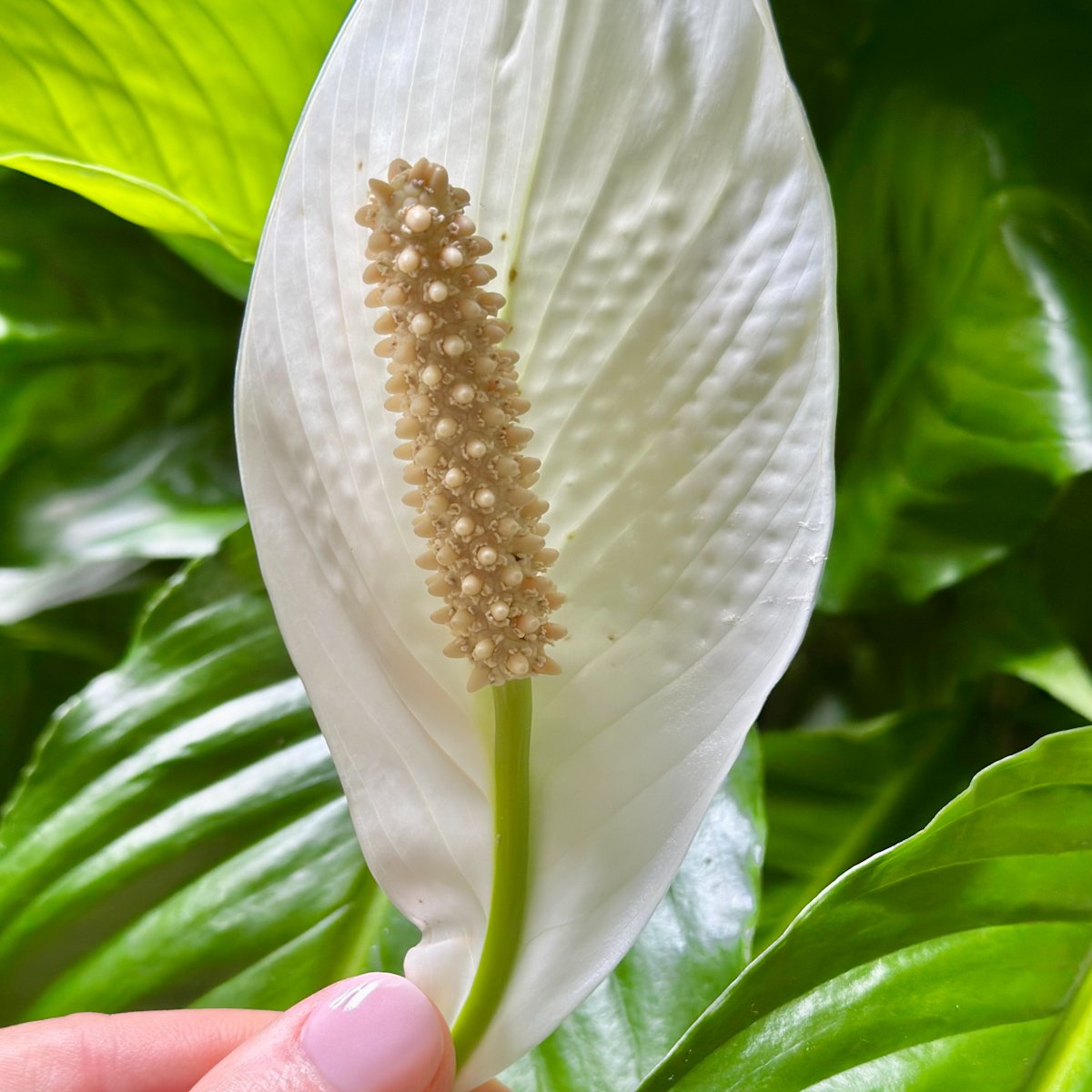
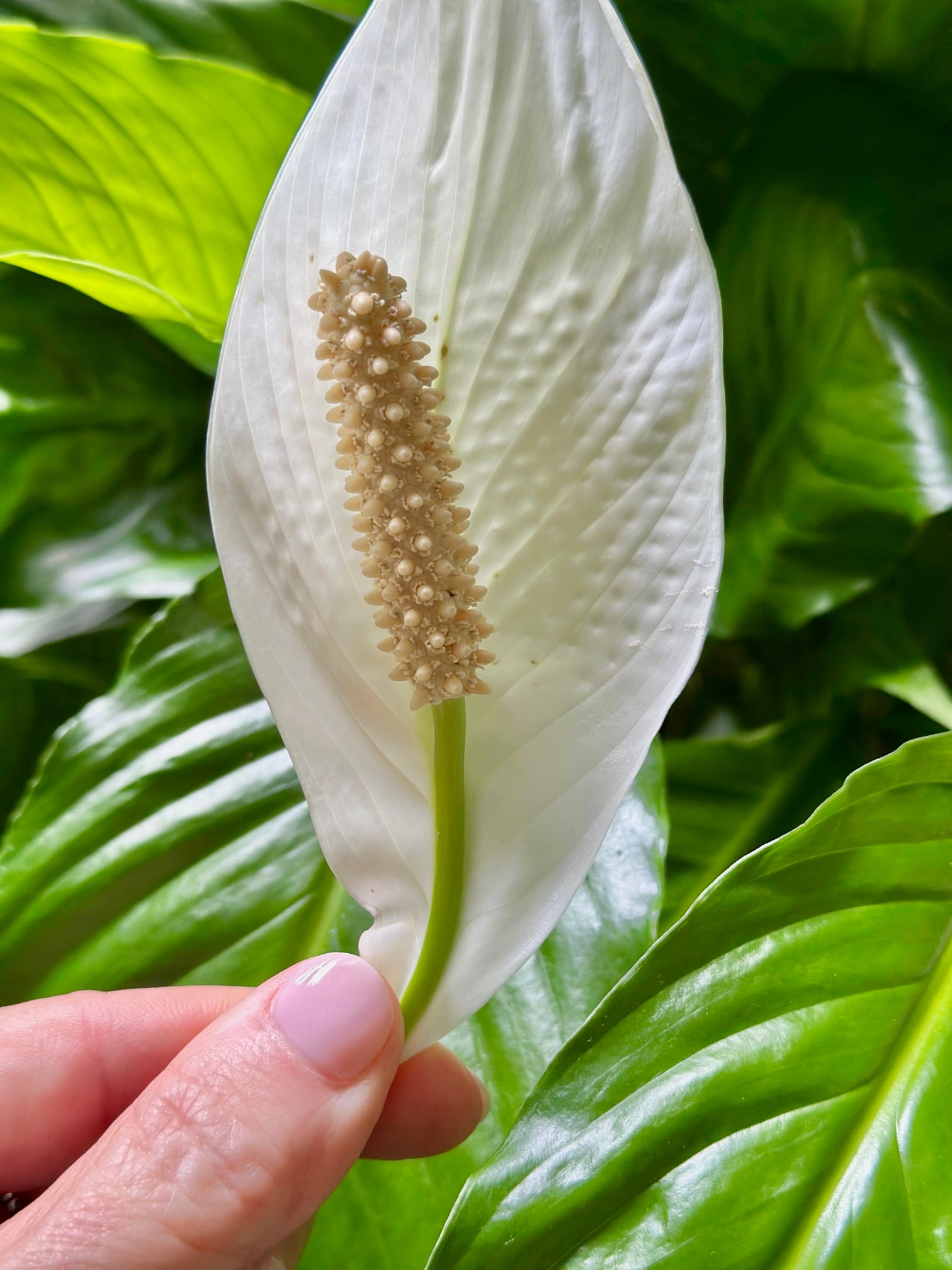
Botanically known as Spathiphyllum (pronounced spath-ih-FILL-um), this graceful plant is often called the peace lily, even though it's not a true lily. The name refers to its pure white spathe, which gently wraps around a central spadix - an elegant feature that resembles a white flag of peace.
Symbolism and brief history
Peace lilies have long been associated with calm, healing, and renewal. I often included them in floral arrangements when a space needed something soft and sculptural. Their peaceful appearance has made them a symbol of sympathy and hope in many cultures.
What a peace lily looks like
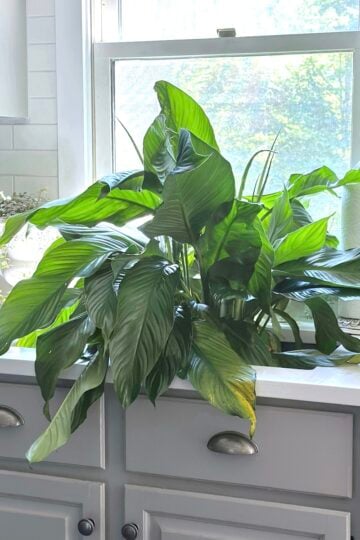
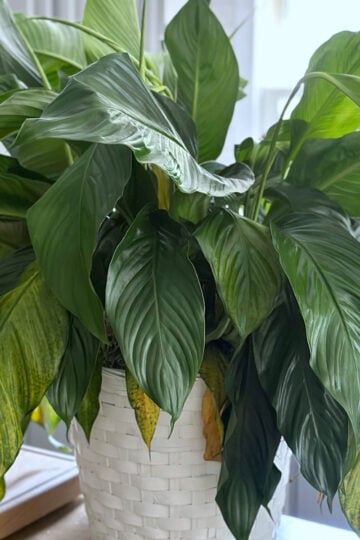
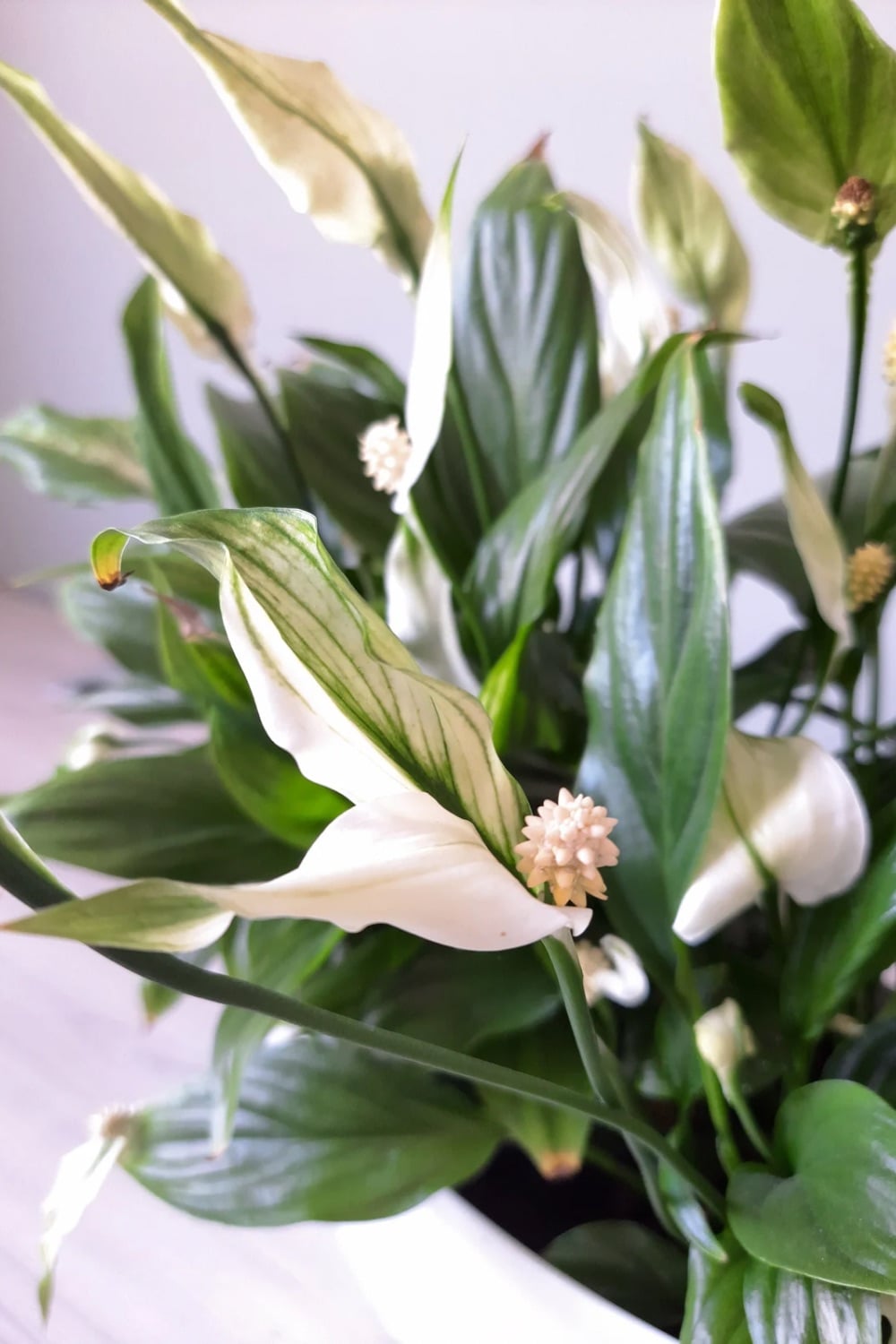
You'll recognize a peace lily by its large deep green, glossy leaves and tall, white spathes. These blooms rise above the foliage and hold their shape well, giving the plant a clean, modern silhouette that works in almost any home.
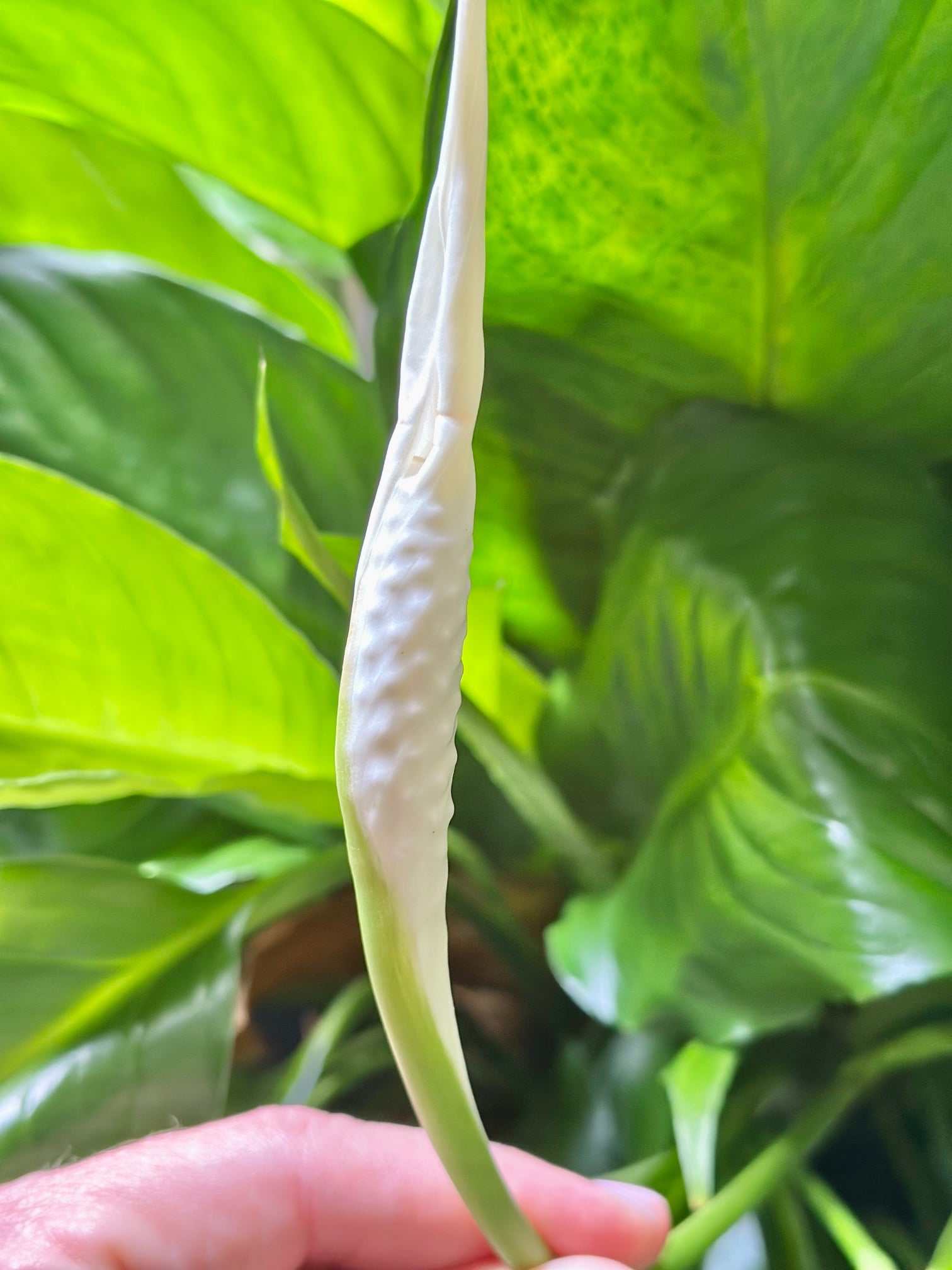
That Folded Flower? It's About to Bloom: If you've spotted a tightly folded white tip on your peace lily, good news-it's not stuck. That's the spathe getting ready to open. It slowly unfurls to reveal the bloom inside, kind of like watching a Monstera leaf uncurl. It's one of those quiet, magical moments that tells you your plant is thriving. Snap a pic if you catch it. It's worth celebrating.
Popular peace lily varieties
There are several beautiful cultivars to explore, depending on your space and style:
- Spathiphyllum wallisii - the classic variety with smaller leaves and compact growth
- Sensation - a bold, oversized version with huge, architectural leaves
- Domino - variegated with streaks and speckles of creamy white
- Kochii - a narrower-leafed variety that adds graceful vertical texture
Peace Lily Sizes: From Tabletop to Statement Plant
One of the best things about Spathiphyllum is its range in size. Some varieties, like 'Wallisii,' stay petite and are perfect for desks or small shelves. Others, like 'Sensation,' can grow several feet tall with broad, dramatic leaves. These make great floor plants that add height and greenery to any room. Whether you're looking for a tidy tabletop plant or a lush centerpiece for your living space, there's a peace lily that fits the bill.
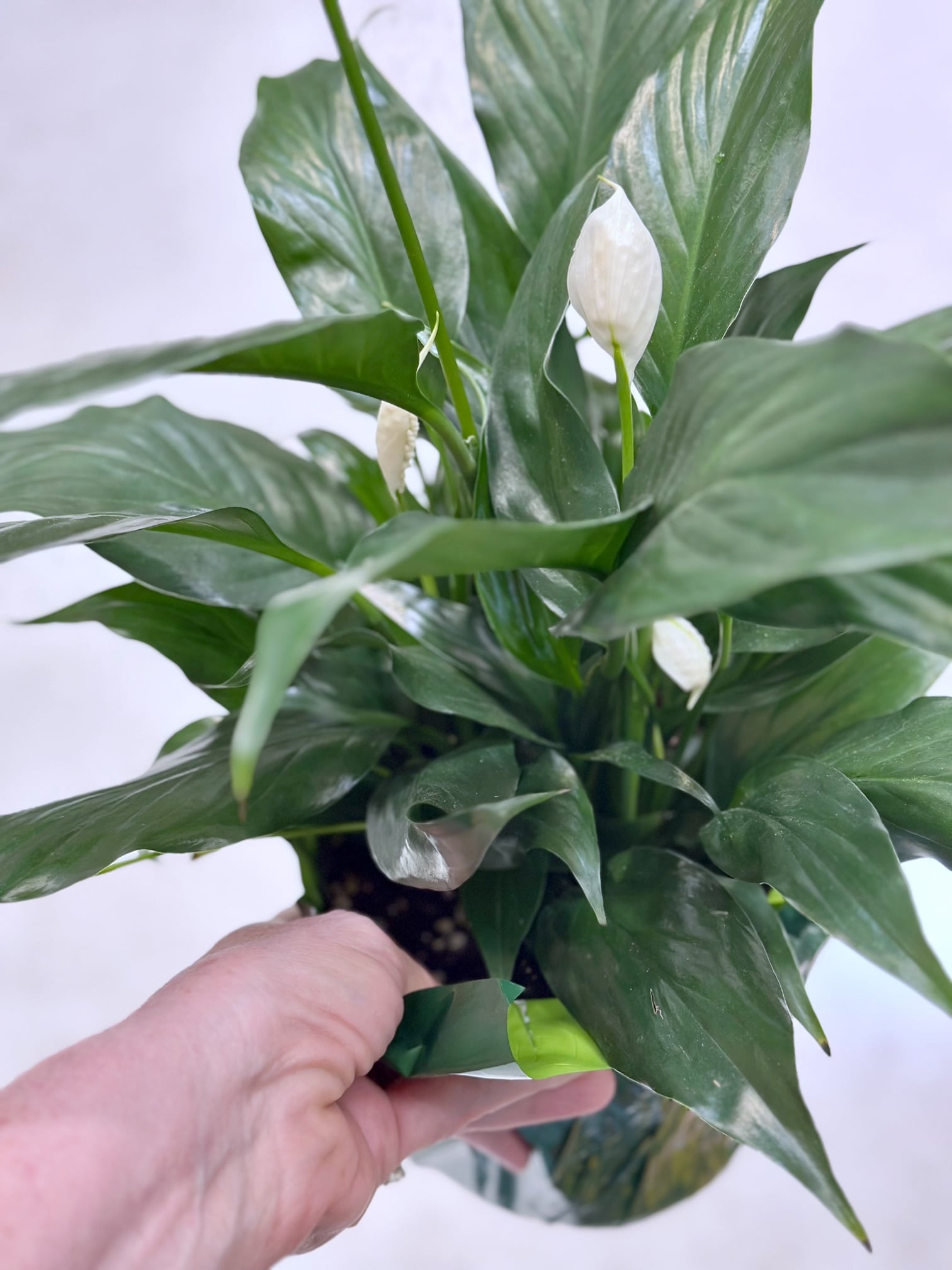
Are peace lilies safe for pets?- While stunning, Spathiphyllum plants are not pet-friendly. Their sap contains compounds that can irritate your pet's mouth and stomach if chewed. If you have curious cats or dogs, consider placing your peace lily out of reach or choosing a non-toxic alternative.
Peace lily quick care guide
Need the short version? This handy reference chart covers the essentials at a glance. Whether you're a first-time plant parent or just need a quick reminder, these are the key things your Spathiphyllum needs to thrive:
| Category | Details |
|---|---|
| Light | Bright, indirect light preferred. Tolerates low light but may not bloom. |
| Water | Keep soil consistently moist, but not soggy. Let top inch dry before watering. |
| Soil | Well-draining mix with rich organic matter. Use quality houseplant soil. |
| Humidity | Thrives in high humidity. Bathrooms or humidifiers work well. |
| Fertilizer | Feed monthly in spring and summer with balanced liquid fertilizer. Skip in winter. |
| Toxicity | Not pet-safe. Can irritate skin or digestive system if ingested. |
How to care for a Spathiphyllum
Peace lilies thrive in bright, indirect light, evenly moist soil, and high humidity. Water weekly, fertilize lightly during spring and summer, and repot every 1-2 years to keep your plant healthy and blooming.
Let's dive into what your peace lily really needs to thrive. These tropical stunners are relatively low-maintenance once you understand their preferences. Think of this section as your personal cheat sheet for day-to-day care.
Light requirements
Peace lilies prefer bright, indirect light. A spot near a window with filtered sun is ideal. While they can tolerate lower light conditions, you'll likely see fewer flowers.
If your Spathiphyllum is getting too much light, the leaves may scorch or fade. Too little light and the plant may get leggy or stop blooming altogether. Adjust the location until you find that sweet spot where leaves stay glossy and healthy.
Watering schedule
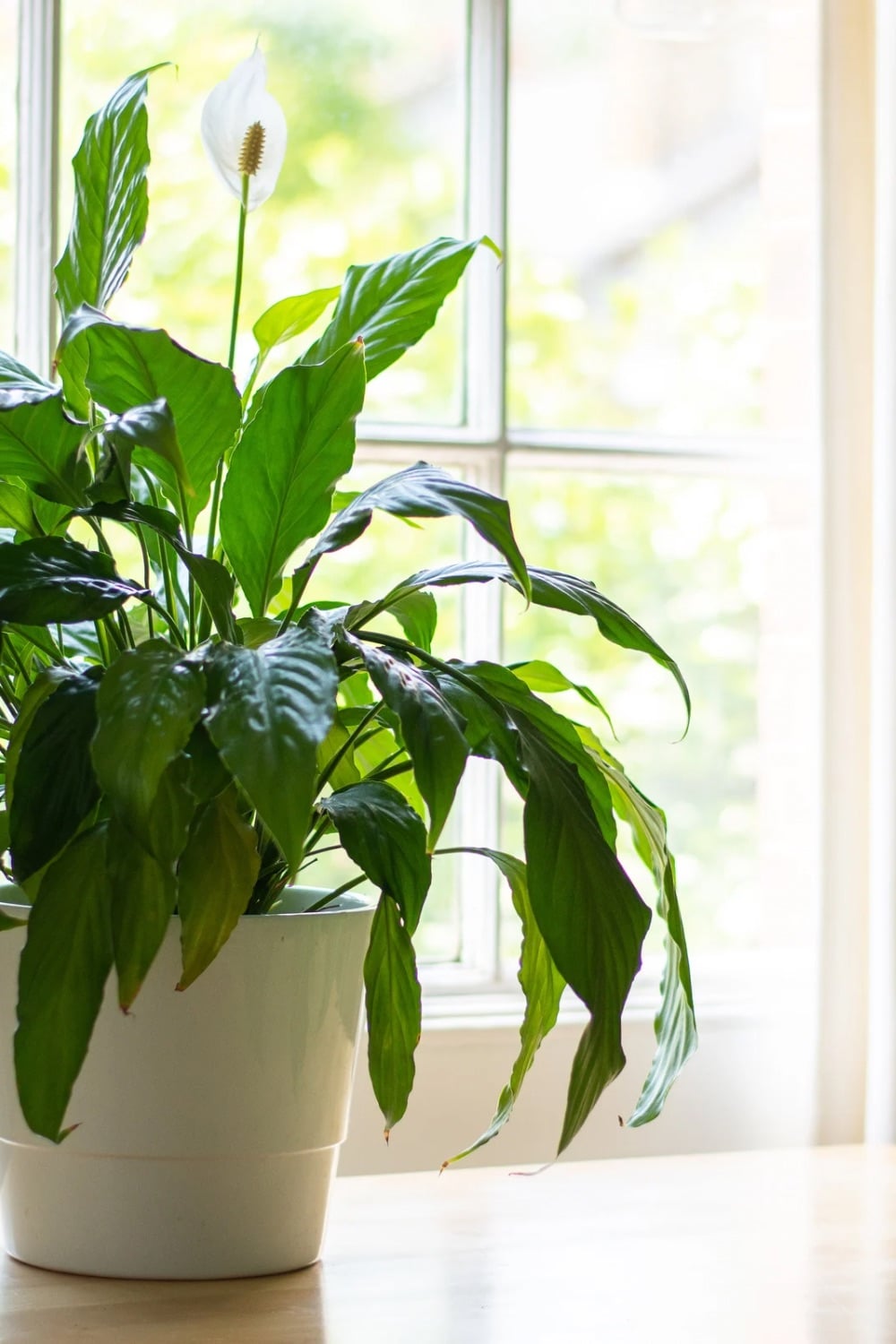
Spathiphyllum likes its soil to stay consistently moist, but never soggy. On average, plan to water once a week - less in winter and more in the heat of summer. Let the top inch of soil dry out before watering again.
Keep an eye out for drooping leaves, which are your plant's way of saying, "Water me!" The good news? Peace lilies are very forgiving. They'll bounce back quickly after a good soak.
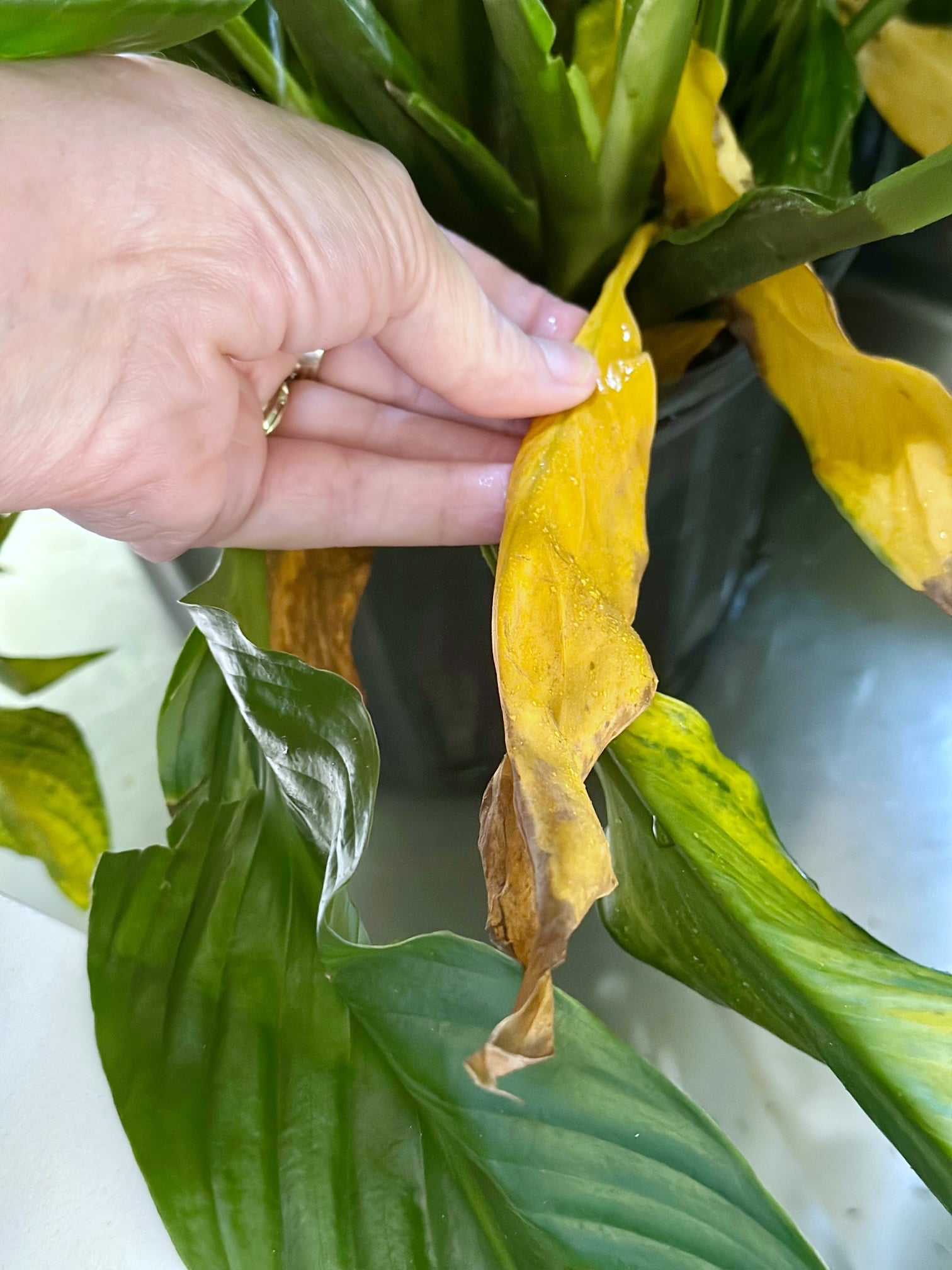
Overwatering can lead to yellowing leaves or soft, mushy stems. If that's happening, double-check that your pot has proper drainage.
Tip: Peace lilies do beautifully in self-watering planters that provide steady moisture without waterlogging. If you want a stylish option that blends form and function.

Soil and potting tips
Use a rich, well-draining potting mix. A houseplant blend with peat moss and perlite is perfect. You want the soil to hold moisture without getting compacted.
Terracotta pots dry out faster and are great for plant parents who tend to overwater. Plastic pots retain moisture longer. If you're using a decorative planter like one of my repurposed soup tureens, just make sure there's a way for excess water to escape or monitor moisture closely.
Humidity and temperature
Peace lilies love humidity. They'll be happiest in a warm room with a bit of extra moisture in the air. Bathrooms and kitchens often work well naturally, or you can use a humidifier or a pebble tray under the pot. You may remember this tip from my maiden hair fern care post.
Avoid placing your plant near heating vents, drafts, or air conditioners. Aim to keep the temperature between 65°F and 80°F for best results.
Fertilizing routine
During spring and summer, feed your peace lily once a month with a balanced liquid fertilizer. Something labeled 10-10-10 or 20-20-20 at half strength works well for consistent growth and healthy blooms.
If you prefer a more natural approach, peace lilies also respond well to homemade fertilizers. You can enrich the soil using a few simple kitchen staples. In fact, I've rounded up some of my favorite household items that make great plant food in this post on natural indoor plant fertilizers. From banana peels to rice water, these gentle boosts can support your plant without the risk of overfeeding.
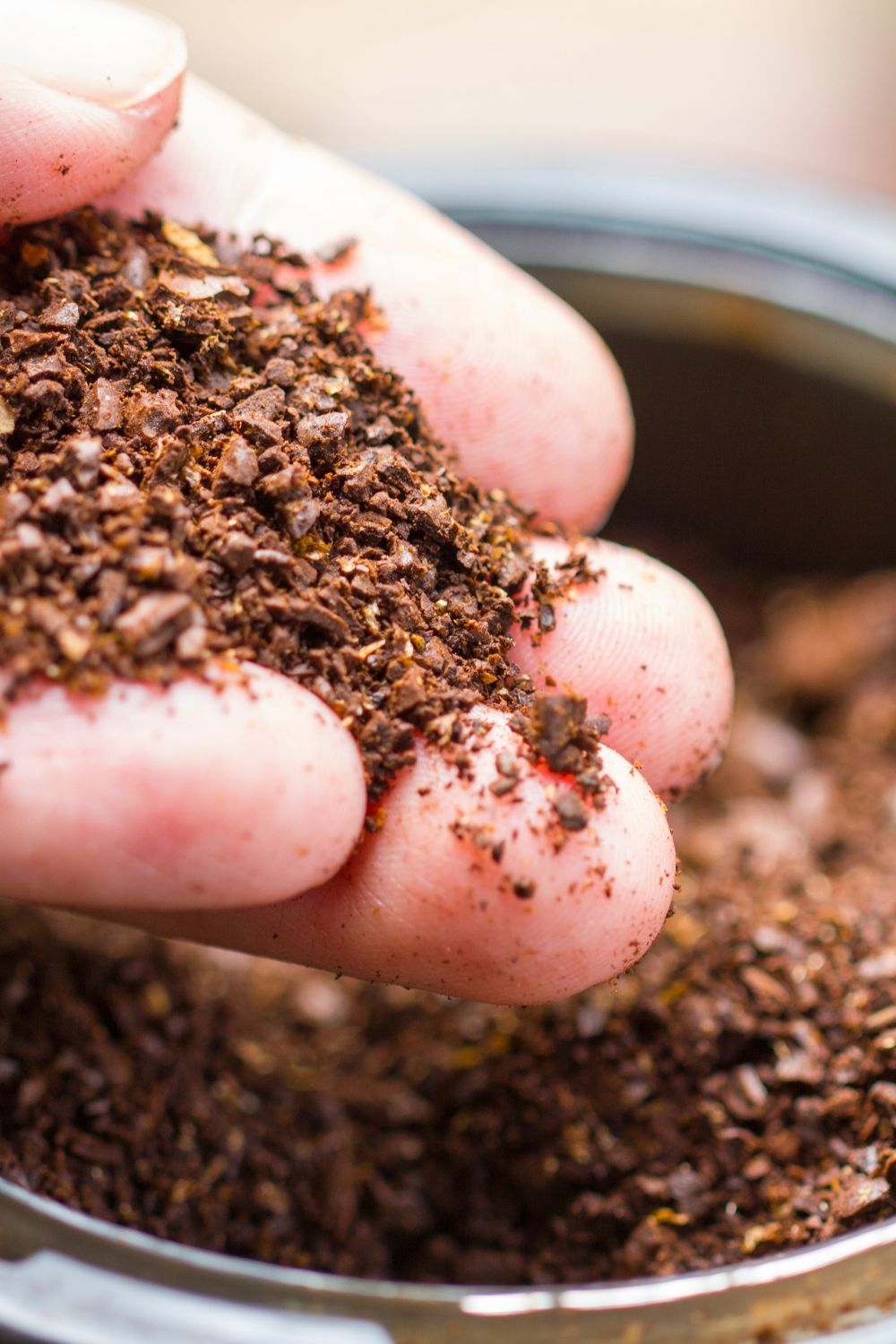
Coffee grounds can be another great option - as long as you use them in moderation. Spathiphyllum enjoys slightly acidic soil, and used coffee grounds as fertilizer can help maintain that balance. Just be sure to mix them into the top layer of soil or compost them first to avoid mold.
Tip: Skip fertilizing altogether in the fall and winter. That's your peace lily's rest period, and too much feeding can actually do more harm than good.
Repotting Your Peace Lily
Peace lilies typically need repotting every 1 to 2 years. If you notice roots poking through the drainage holes, water running straight through the pot, or stunted growth, it's time for a roomier home.
When to repot
Look for these signs your plant is root-bound:
- Roots circling the surface or growing out the bottom
- Soil that dries out quickly after watering
- Leaves that wilt more often despite regular care
How to repot a peace lily
- Choose a new pot that's 1-2 inches wider than the current one.
- Gently remove the plant from its pot and loosen the roots.
- Add fresh, well-draining potting mix to the bottom of the new pot.
- Center the plant, fill in with more soil, and press lightly to anchor it.
- Water thoroughly and let it drain.
If you're not sure what soil to use, look for a rich mix that holds moisture but doesn't stay soggy. You can also mix in a bit of perlite or orchid bark for extra airflow around the roots. Here are a few of my favorite commercial soil mixes for Spathiphyllum:
- Redwoods Premium Aroid & Houseplant Mix: Organic, peat-free mix that includes sustainably sourced redwood, coconut coir, and perlite. It's designed for aroids and moisture-loving houseplants, offering superb drainage and root aeration-just what a Spathiphyllum needs.
- Soil Sunrise - Peace Lily Mix: Combines pine bark, peat moss, perlite, sand, and lime. Premium materials that support healthy, well-draining soil without any guesswork.
Propagating Spathiphyllum
The best method: division
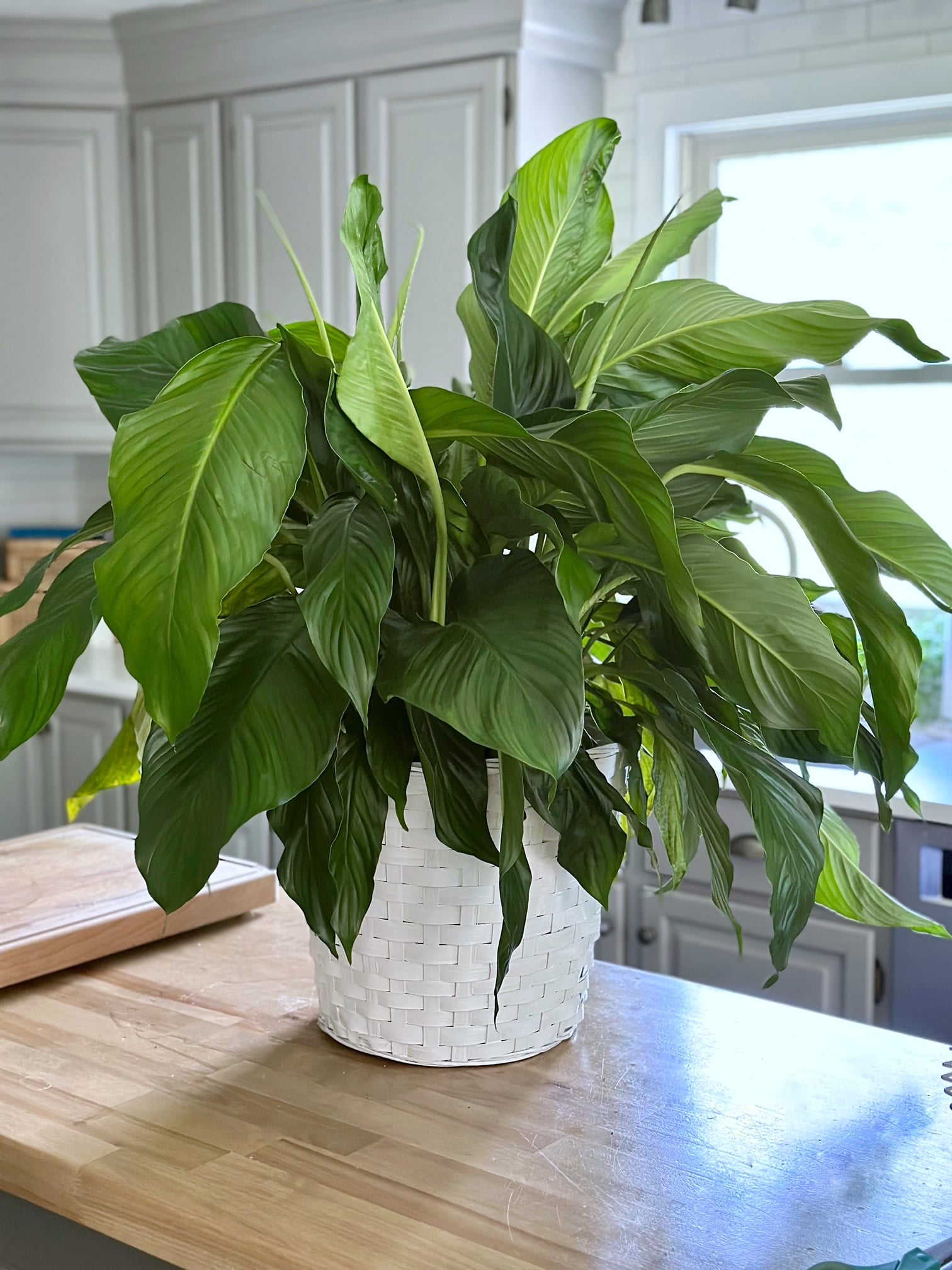
Unlike pothos or spider plants, peace lilies don't grow from cuttings. The best and most reliable way to propagate a Spathiphyllum is through division. This simply means separating your mature plant into smaller sections, each with its own healthy root system and leaves.
When to propagate
The ideal time to divide a peace lily is during spring or early summer when the plant is actively growing. You'll also want to time it with a repotting session since it's easiest to divide when removing the plant from its pot anyway.
How to divide a peace lily
- Gently remove the plant from its pot and shake or rinse off excess soil to expose the roots.
- Look for natural separations-clumps with their own leaves and roots.
- Use your hands or a clean, sharp knife to carefully separate the root clusters. Each division should have at least 2-3 leaves and a healthy root mass.
- Pot each division into a container with fresh, well-draining soil.
- Water thoroughly and place in bright, indirect light while the divisions acclimate.
Peace lilies are pretty resilient after division, and they often bounce back quickly with proper care.
If you're interested in more propagation tips, check out my post on how to propagate pothos cuttings in soil or water-the method's different, but the confidence boost is universal.
Common peace lily problems (and fixes)
Even with great care, peace lilies can throw a few curveballs. The good news? Most issues are easy to fix once you know what you're dealing with. Here's a quick guide to common problems and how to get your peace lily back on track.
| Problem | Likely Cause | Fix |
|---|---|---|
| Yellow Leaves | Overwatering or aging foliage | Let soil dry slightly between waterings; trim old leaves |
| Brown Tips | Dry air or excess fertilizer | Increase humidity; flush soil to remove fertilizer buildup |
| No Blooms | Low light or plant stress | Move to brighter indirect light; reduce changes in routine |
Tip: If you're noticing browning edges and your home is dry, consider placing your plant on a pebble tray or misting it lightly. It'll thank you with perkier leaves and (hopefully) some blooms soon!
Frequently asked questions
Peace lilies prefer bright, indirect light, evenly moist soil, and high humidity. Water when the top inch of soil feels dry, and fertilize lightly once a month during the growing season. They also benefit from occasional misting or a pebble tray to boost humidity.
There is no difference - Spathiphyllum is the botanical name for what's commonly known as the peace lily. You might also hear it called white sails or spathe flower, but it's all the same elegant plant.
Yes, peace lilies are known for their air-purifying qualities. A NASA study found that they can help remove indoor air pollutants like benzene, formaldehyde, and carbon monoxide. While they won't replace an air purifier, they're a beautiful bonus for cleaner indoor air.
Spathiphyllum plants are toxic to pets if ingested, which is important to consider if you have curious cats or dogs. They're also sensitive to overwatering, and too much direct sun can scorch their leaves. But with the right care, they're generally very low-maintenance and forgiving.
Most peace lily varieties grow 1 to 3 feet tall indoors, with a similar width. Larger cultivars like 'Sensation' can reach up to 4 to 6 feet tall with broad, arching leaves. Size depends on the variety, pot size, and growing conditions-more light, humidity, and space generally mean a bigger plant.
There are a few reasons your peace lily might be all leaves with no blooms. The most common cause is not enough light. While these plants can tolerate low light, they need bright, indirect sunlight to encourage flowering. Other factors include inconsistent watering, lack of nutrients, or natural seasonal dormancy. Peace lilies usually bloom in spring and early summer, so it may simply not be the right time of year. With a bit more light and regular feeding, your plant should start producing those elegant white spathes again.


Peace lilies are one of the most rewarding houseplants you can grow. They're forgiving, resilient, and bounce back from most slip-ups with a little care. Give them the right amount of water, some filtered light, and a bit of attention, and they'll reward you with glossy leaves and beautiful blooms.
Have a peace lily you're proud of? Share a photo or your favorite care tip in the comments. And if you have questions, don't be shy-ask away. I'm happy to help!
Keep growing friends!