Abundance Herbs: 10 Herbs That Symbolize Prosperity and Growth

Abundance herbs are plants traditionally associated with prosperity, growth, and thriving households. Herbs like basil, mint, bay leaf, and parsley became symbols of abundance because they grow generously and have long been valued in cooking and home gardens. Today they are often grown, cooked with, and shared as symbols of flourishing homes and plentiful harvests.
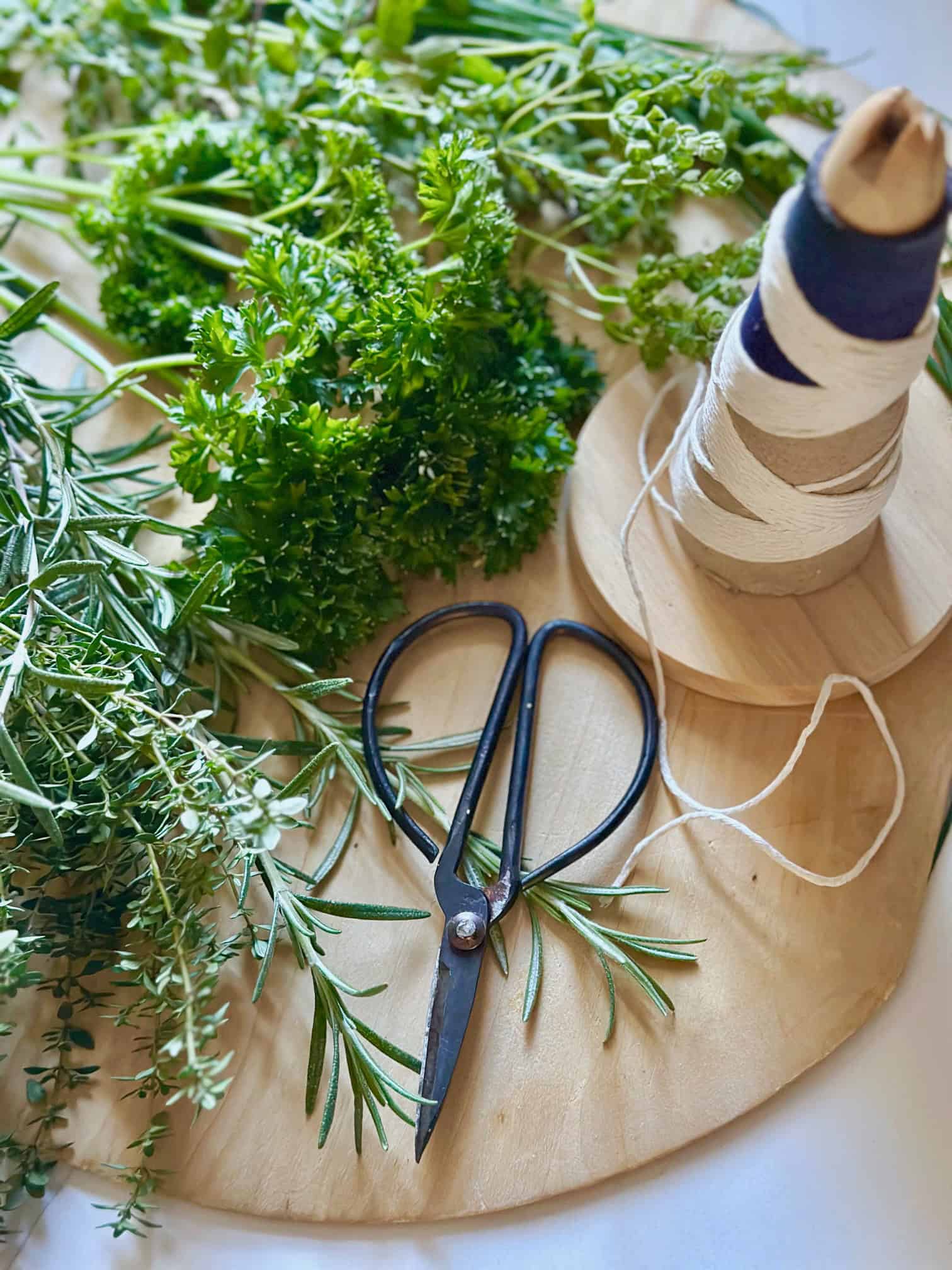
Over the years, I've grown herbs for just about every reason imaginable. Some go straight into the kitchen for cooking, others dry beautifully for tea or simple herbal projects, and many end up tucked into the garden simply because they smell wonderful when you brush past them.
But one thing I've always loved about herbs is that they carry so much history with them. Many herbs have long been connected with prosperity, hospitality, and thriving homes, and you'll often see them mentioned in traditional stories about abundance and good fortune.
Long before modern kitchens and herb gardens, people paid close attention to the plants that grew generously, nourished their families, and seemed to thrive year after year. It's not surprising that herbs like basil, mint, chamomile, and dill eventually became symbols of abundance.
Today these same herbs show up in all kinds of everyday ways, from cooking and herbal teas to small gifts, dried bundles, and simple traditions meant to represent prosperity and flourishing homes.
Below are ten herbs that have long been associated with abundance, along with how they've been used and why they continue to hold that symbolism today.
At a Glance: Abundance Herbs Explained
_______________________
Abundance herbs are plants traditionally linked to prosperity, growth, and thriving homes. Many of these herbs earned their symbolism because they grow generously and have long been staples of kitchen gardens.
Common herbs traditionally associated with abundance include:
• Basil
• Mint
• Bay leaf
• Parsley
• Thyme
• Rosemary
• Sage
• Oregano
• Dill
• Chives
These herbs have historically represented flourishing households, plentiful harvests, and everyday nourishment. Today they are often grown, cooked with, and shared as simple symbols of prosperity and growth.
Summarize and Save this content on:
Jump to:
- At a Glance: Abundance Herbs Explained
- What are abundance herbs?
- 10 herbs traditionally associated with abundance
- Quick guide: Abundance herbs at a glance
- Why certain herbs became symbols of abundance
- Simple ways to welcome abundance with herbs
- Traditional ways herbs have been used to symbolize abundance
- Growing your own abundance herbs
- Frequently asked questions
- More meaningful herbs to explore
What are abundance herbs?
Abundance herbs are plants that have traditionally been associated with prosperity, growth, and thriving households. In many cultures, certain herbs became symbols of abundance simply because they were useful, fragrant, and produced generous harvests.
Today people are often drawn to these herbs for their traditional symbolism. You might see them used in herbal gifts, tucked into small sachets, added to teas, or simply kept around the home as a reminder of prosperity and well-being.
Many of the herbs connected with abundance are also familiar kitchen herbs like basil, mint, bay leaf, and parsley. They've been valued for centuries not only for their flavor and fragrance, but also for the sense of nourishment and hospitality they bring to a home.
A quick note: When people talk about abundance herbs, they're usually referring to the plant itself, not whether the herb is fresh or dried. Fresh herbs from the garden, dried herbs from the pantry, or even a small potted plant from the grocery store can all carry the same traditional symbolism.
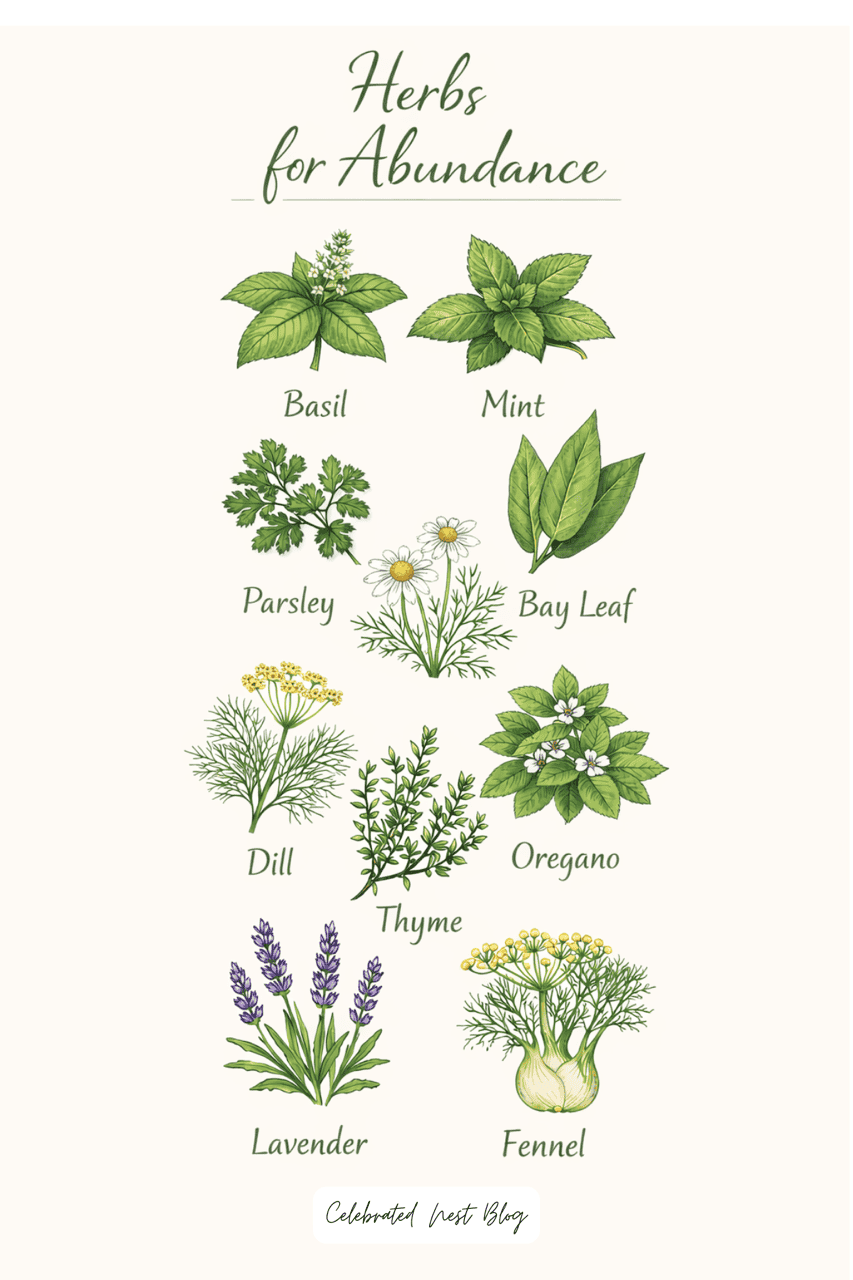
10 herbs traditionally associated with abundance
1. Basil
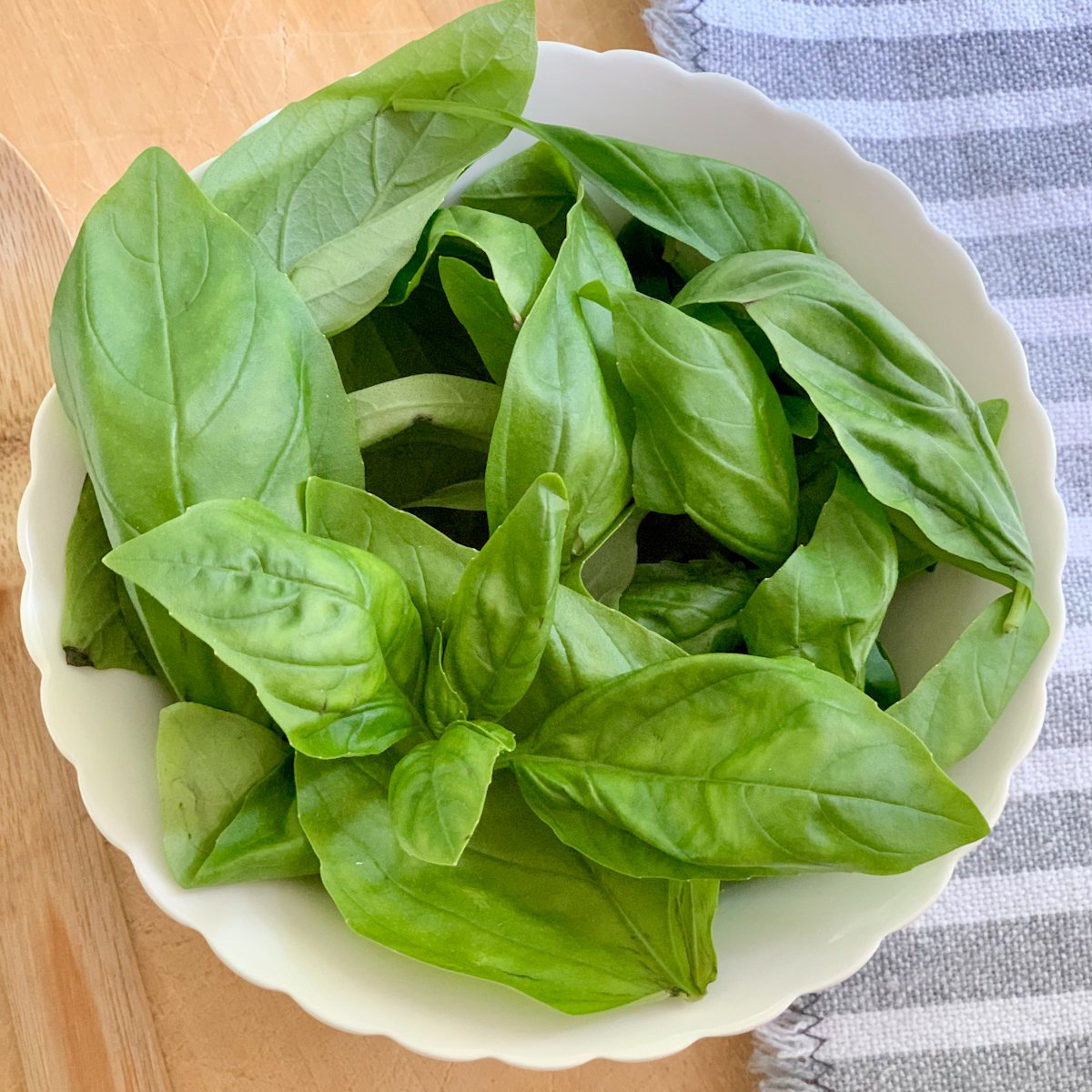
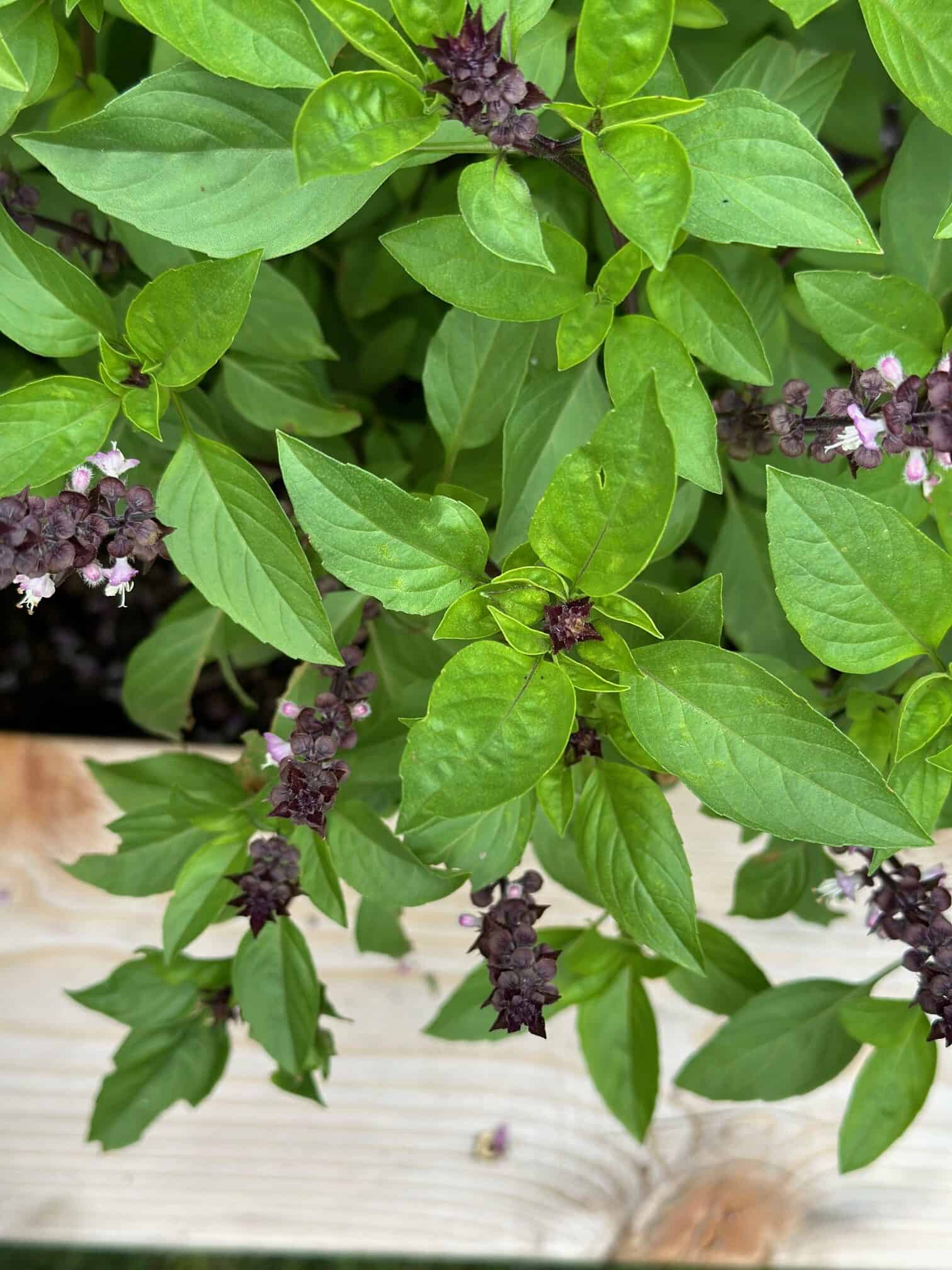
Symbolism: Basil has long represented prosperity and generosity in many cultures. Because it grows quickly and produces plenty of fragrant leaves, it naturally became associated with thriving homes and well-stocked kitchens. Different varieties, including Thai basil and purple basil, carry that same long tradition and are valued both for their flavor and their beautiful presence in herb gardens.
How it's used: Fresh basil is used in sauces, salads, pesto, and herb gardens. It's one of the most popular culinary herbs around the world.
Growing tip: Basil loves warmth and sunshine. Plant it in full sun and harvest frequently to encourage bushy growth. In my garden, I'll sometimes give basil a little boost with a simple homemade fertilizer like diluted compost tea made from banana peels.
2. Mint
Symbolism: Mint is often connected with growth and expansion because it spreads easily and multiplies quickly in the garden.
How it's used: Mint is commonly used in teas, desserts, cocktails, and infused honey. Its refreshing flavor makes it a favorite in both sweet and savory recipes.
Growing tip: Mint grows vigorously and can spread quickly, so many gardeners prefer to grow it in containers to keep it under control.

3. Bay Leaf
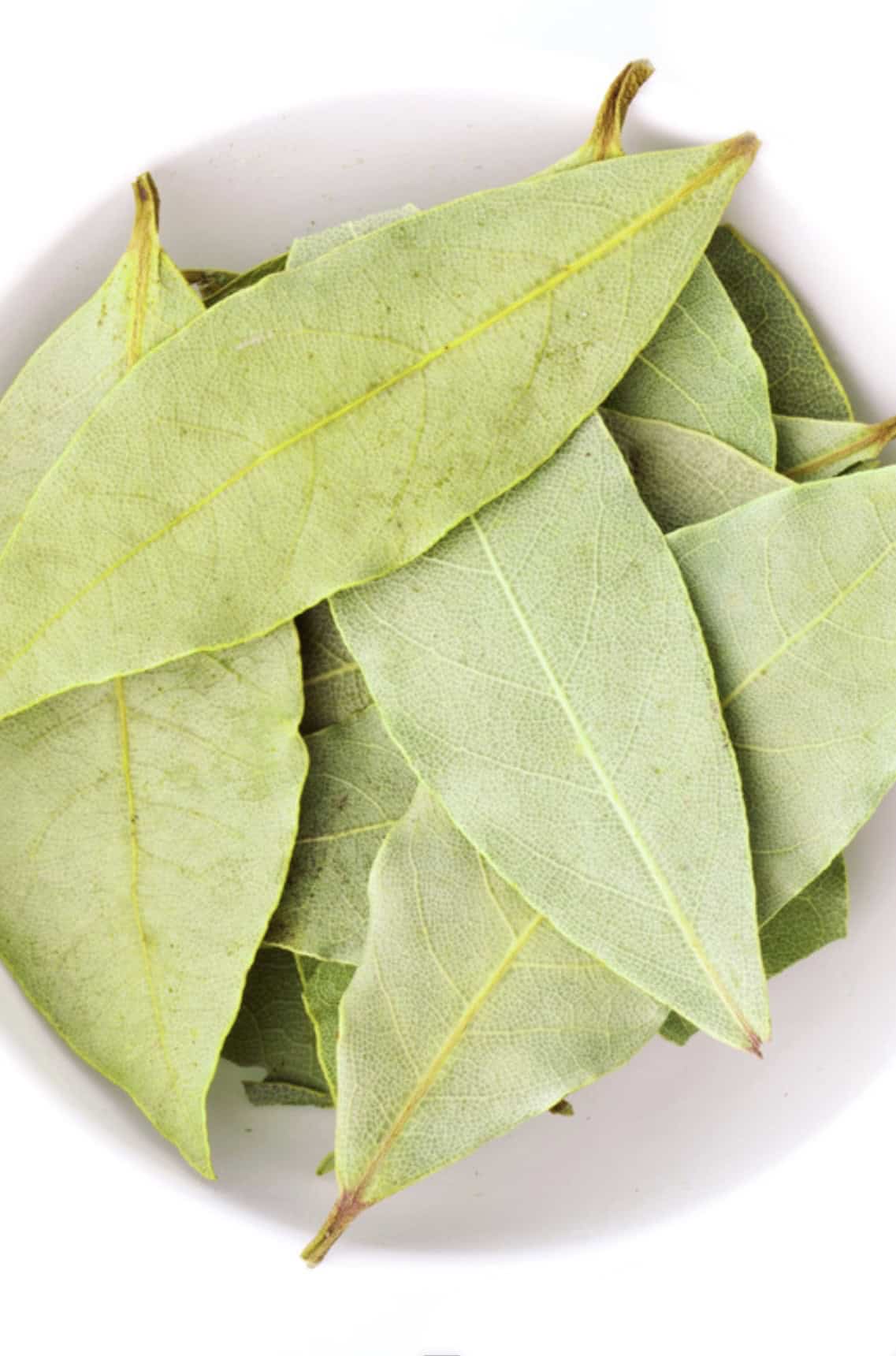
Symbolism: Bay leaves have symbolized success and prosperity since ancient Greek and Roman times, when laurel wreaths were used to crown champions and leaders.
How it's used: Bay leaves are widely used to flavor soups, stews, sauces, and braised dishes.
Growing tip: Bay can be grown as a small potted tree and thrives in bright light with well-draining soil.
4. Parsley
Symbolism: Parsley has long been associated with renewal and thriving life because it grows back repeatedly after harvesting.
How it's used: Fresh parsley is used as a garnish, blended into sauces, or added to salads and vegetable dishes.
Growing tip: Parsley prefers rich soil and consistent moisture, and it grows well in both garden beds and containers.

5. Chamomile
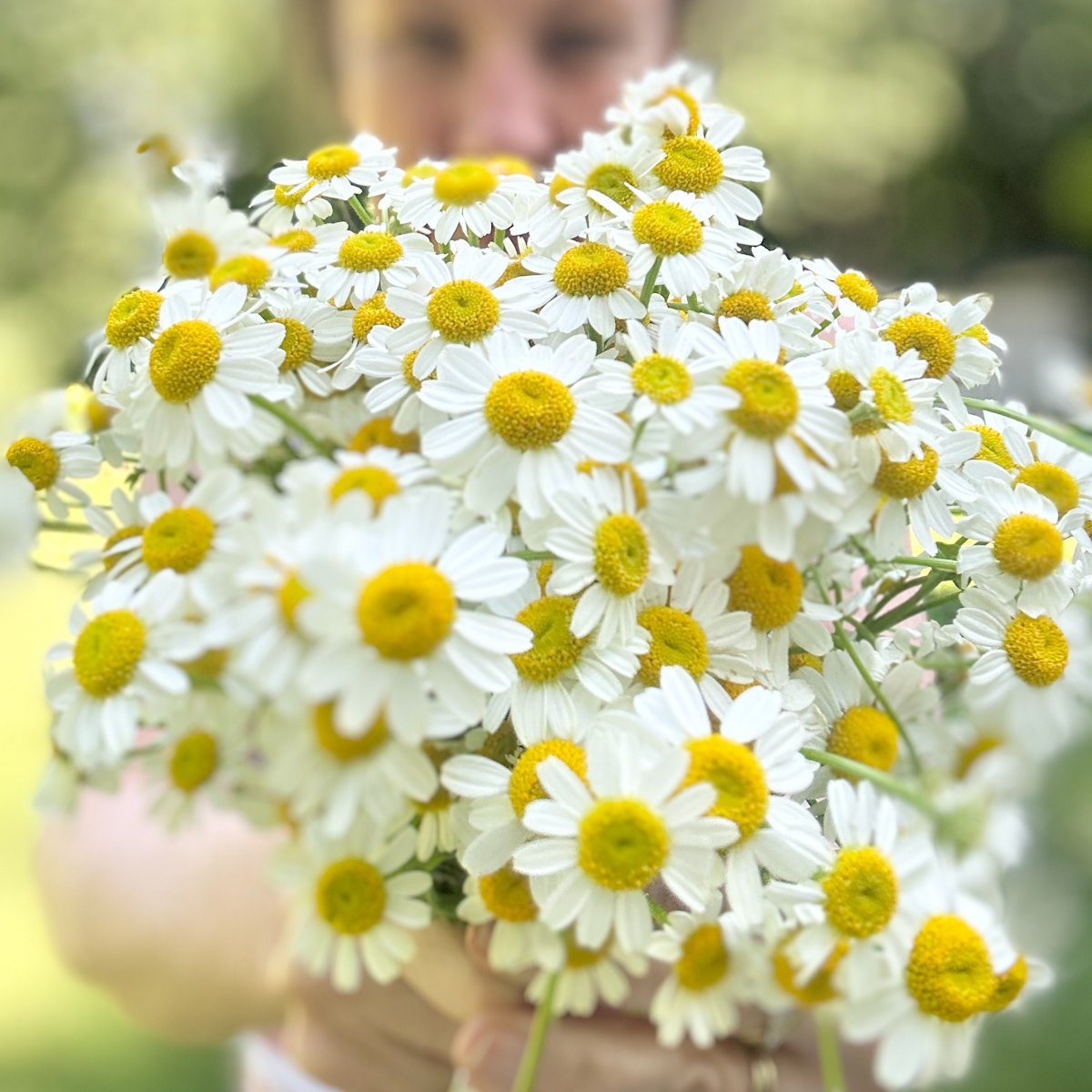
Symbolism: Chamomile has traditionally been linked with good fortune and prosperity, partly because it was valued for its soothing qualities and beneficial effect on nearby plants.
How it's used: Chamomile flowers are commonly dried and brewed into calming herbal tea.
Growing tip: Chamomile grows best in full sun and well-drained soil, and the flowers can be harvested throughout the growing season.
6. Dill
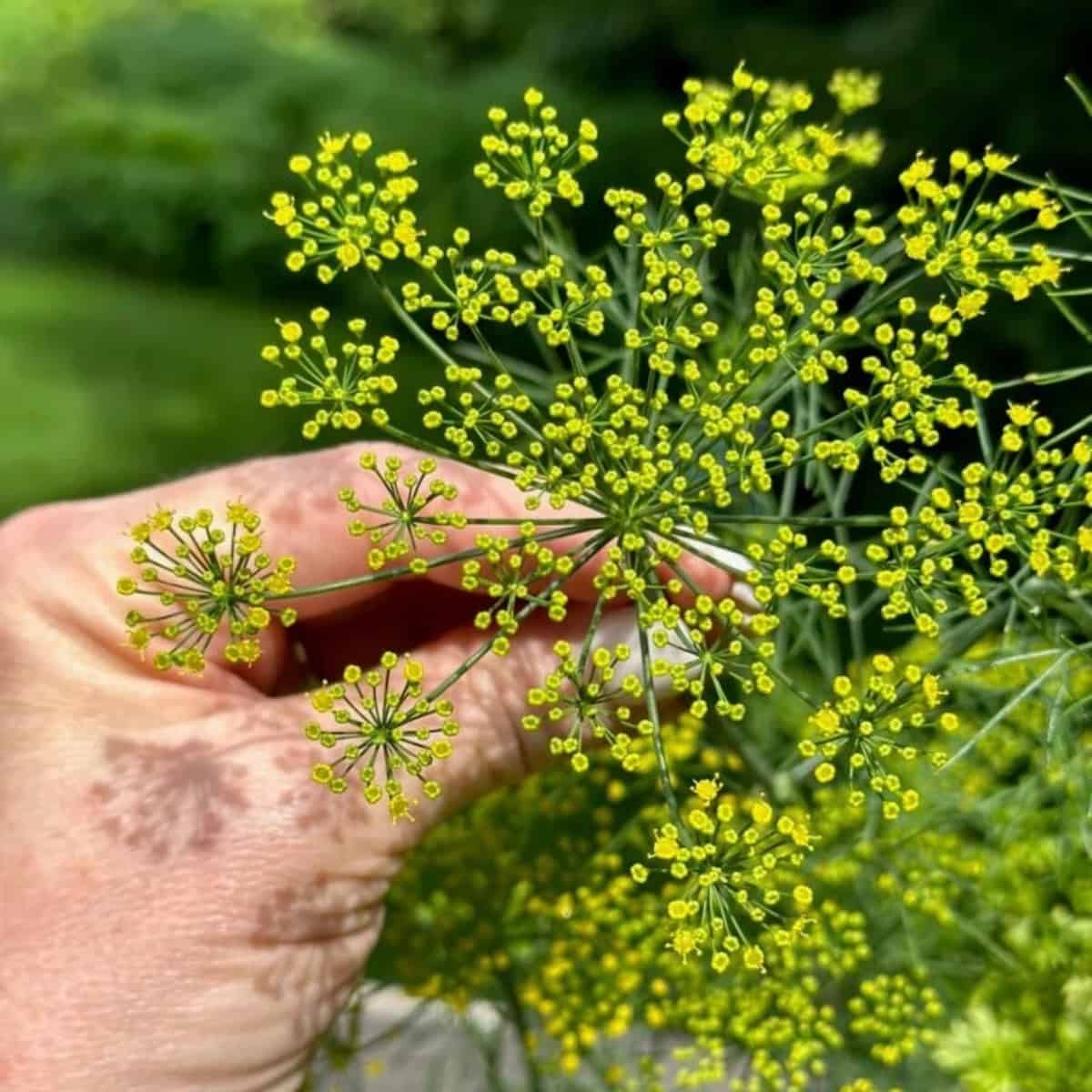
Symbolism: Dill has been connected with abundance and plentiful harvests because it grows quickly and produces large numbers of seeds.
How it's used: Dill is often used in pickling, seafood dishes, and fresh herb sauces.
Growing tip: Dill grows easily from seed and prefers full sun. Allow some plants to flower if you want to harvest the seeds.
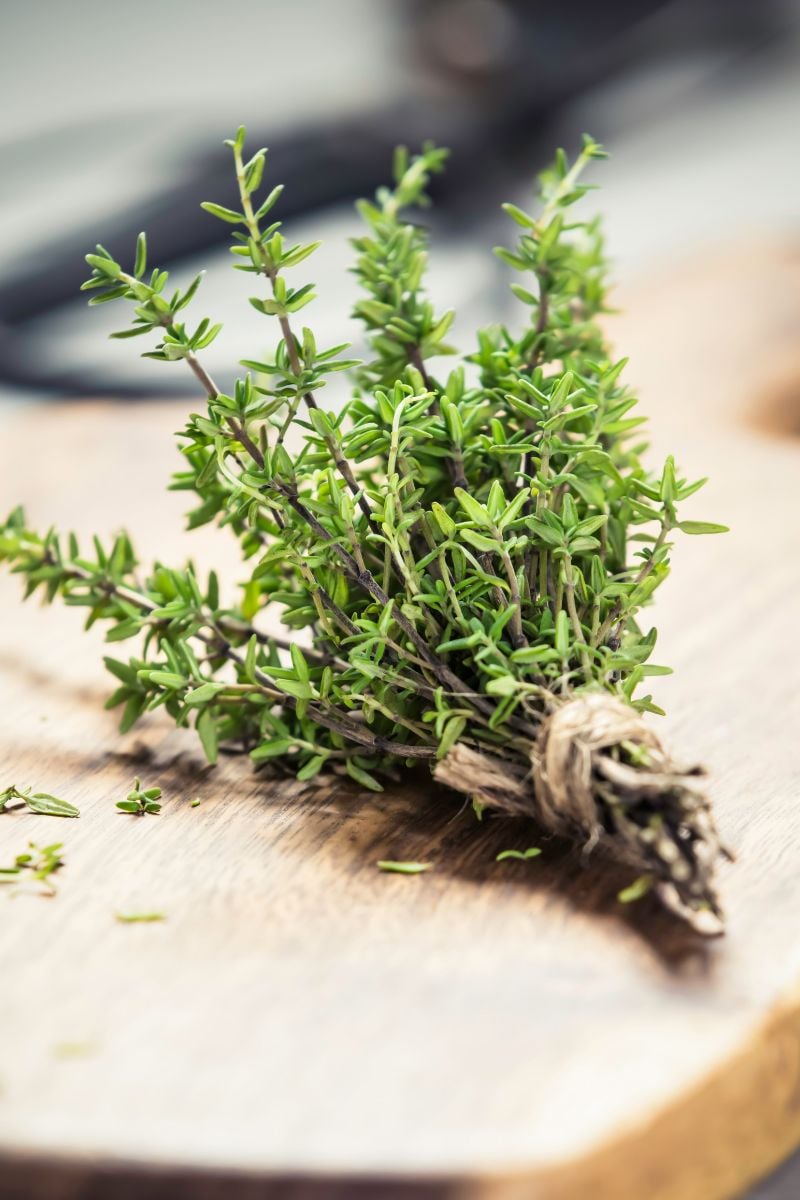
7. Thyme
Symbolism: Thyme has historically symbolized strength, courage, and prosperity, and it was often grown in kitchen gardens for both culinary and household uses.
How it's used: Thyme adds wonderful flavor to roasted vegetables, meats, soups, and herb blends. It's also one of the easiest herbs to harvest and dry, and I often snip a few stems from the garden and hang them in small bundles to use in cooking throughout the winter.
Growing tip: Thyme prefers full sun and well-draining soil. Once established, it is very drought tolerant.
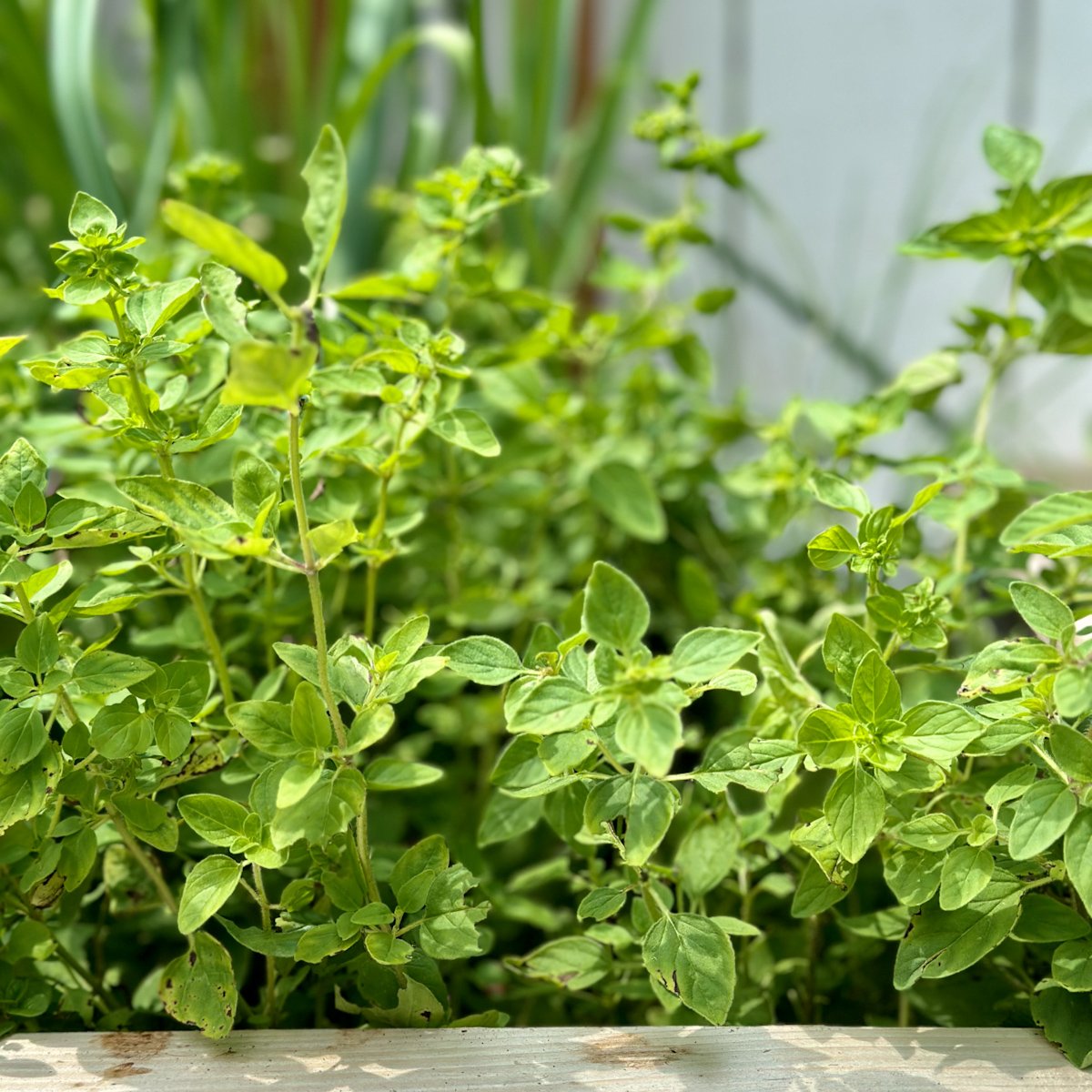
8. Oregano
Symbolism: Oregano has been associated with joy and prosperity in traditional herb lore and has long been valued for its flavor and medicinal qualities.
How it's used: Oregano is widely used in Mediterranean cooking, especially in sauces, roasted vegetables, and herb blends.
Growing tip: Oregano thrives in sunny locations with well-drained soil and is very easy to harvest and dry for later use. In my garden, I usually let some of the plants flower because oregano blooms are beautiful and attract lots of pollinators, which helps keep the herb garden lively and productive.
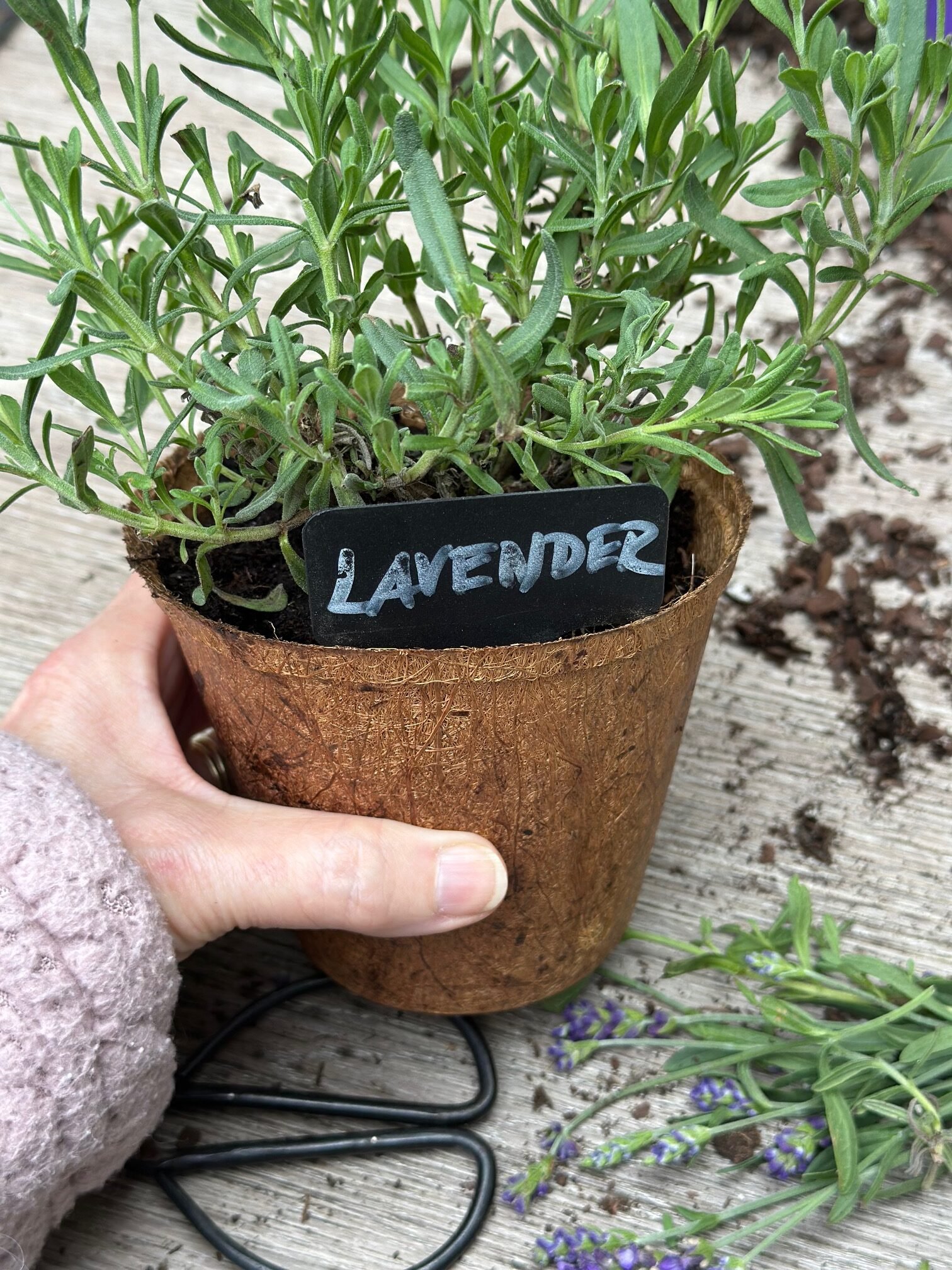
9. Lavender
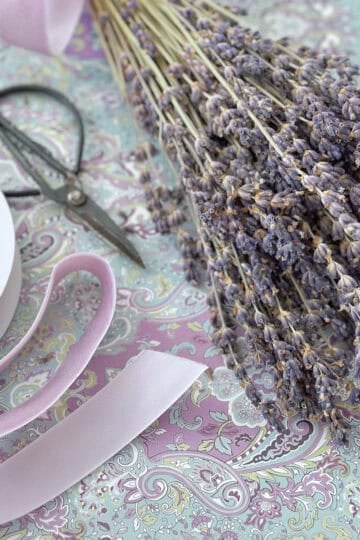
Symbolism: Lavender has historically symbolized comfort, luxury, and well-being. Because it was used in perfumes and bathing rituals, it became connected with richness and abundance.
How it's used: Lavender is used in sachets, herbal crafts, desserts, and aromatic garden plantings.
Growing tip: Lavender prefers full sun and well-drained soil and does best in slightly drier conditions. In my garden, I'm always careful about choosing its neighbors since lavender thrives alongside other sun-loving herbs like thyme, oregano, and rosemary that prefer similar dry soil conditions.
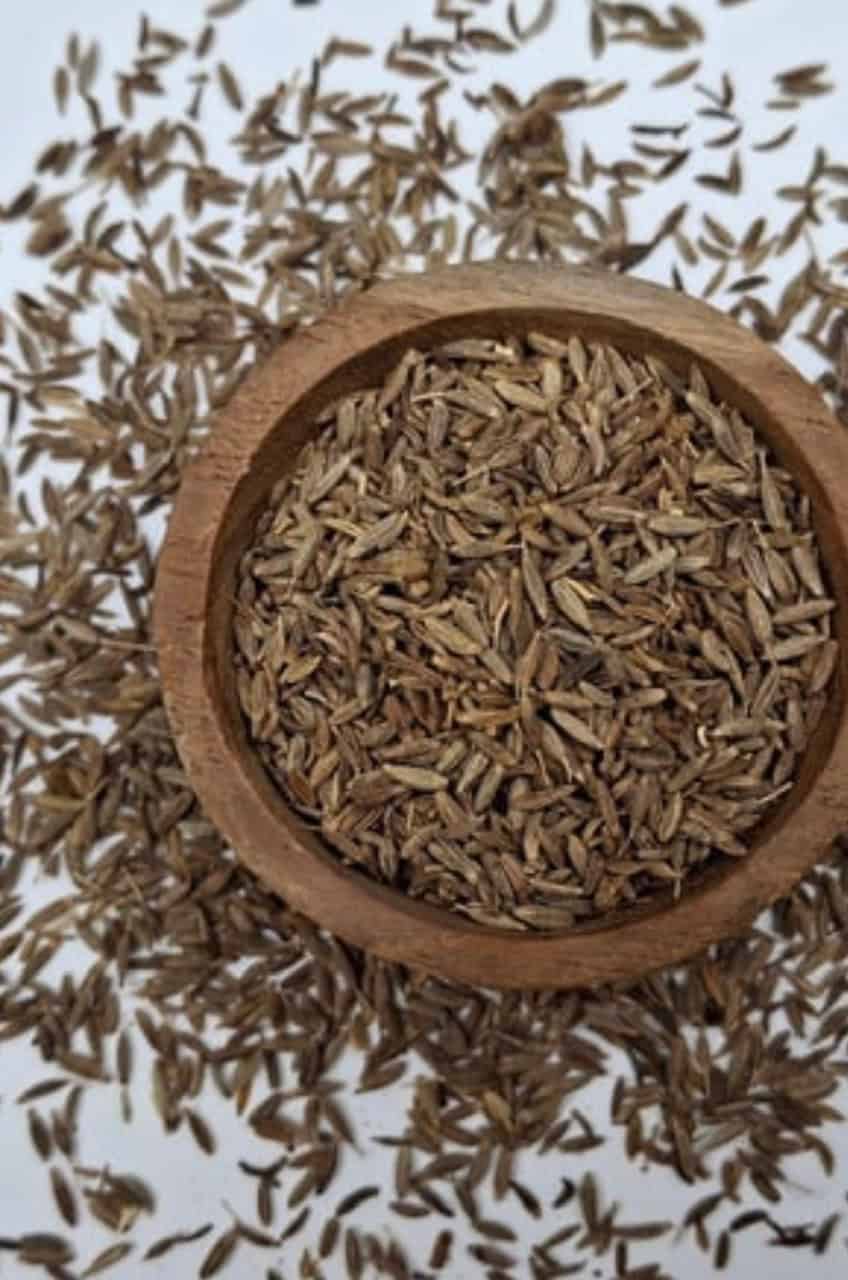
10. Fennel
Symbolism: Fennel has long represented strength and longevity, and its prolific seed production made it a natural symbol of prosperity and abundance.
How it's used: Fennel bulbs, seeds, and fronds are used in cooking, teas, and spice blends.
Growing tip: Fennel grows best in full sun with well-drained soil and benefits from consistent watering during the growing season.
Note: While many of these herbs grow beautifully in home gardens, you don't need to grow them yourself to enjoy them. Fresh herbs from the grocery store, dried herbs from the pantry, or even a small potted plant from a garden center work just as well if you're interested in their traditional symbolism.
Quick guide: Abundance herbs at a glance
If you like seeing things at a glance, this simple chart pulls together the herbs in this guide along with their traditional symbolism and the ways they're most often used today. Many of these plants became associated with abundance because they grow generously, nourish the kitchen, and have been valued in home gardens for generations.
| Herb | Symbolic Meaning | Common Uses |
|---|---|---|
| Basil | Prosperity and growth | Cooking, kitchen gardens, pesto |
| Mint | Expansion and thriving | Teas, desserts, cocktails |
| Bay Leaf | Success and victory | Soups, stews, slow-cooked dishes |
| Parsley | Renewal and flourishing | Garnish, salads, sauces |
| Chamomile | Good fortune and calm | Herbal teas, dried flowers |
| Dill | Plentiful harvests | Pickling, seafood dishes |
| Thyme | Strength and prosperity | Roasted vegetables, meats, soups |
| Oregano | Joy and prosperity | Mediterranean cooking, sauces |
| Lavender | Comfort and richness | Sachets, desserts, herbal crafts |
| Fennel | Prosperity and longevity | Cooking, teas, spice blends |
This chart also makes a helpful reference if you're planning your herb garden and want to include plants that have long been connected with thriving homes and generous harvests.
Why certain herbs became symbols of abundance
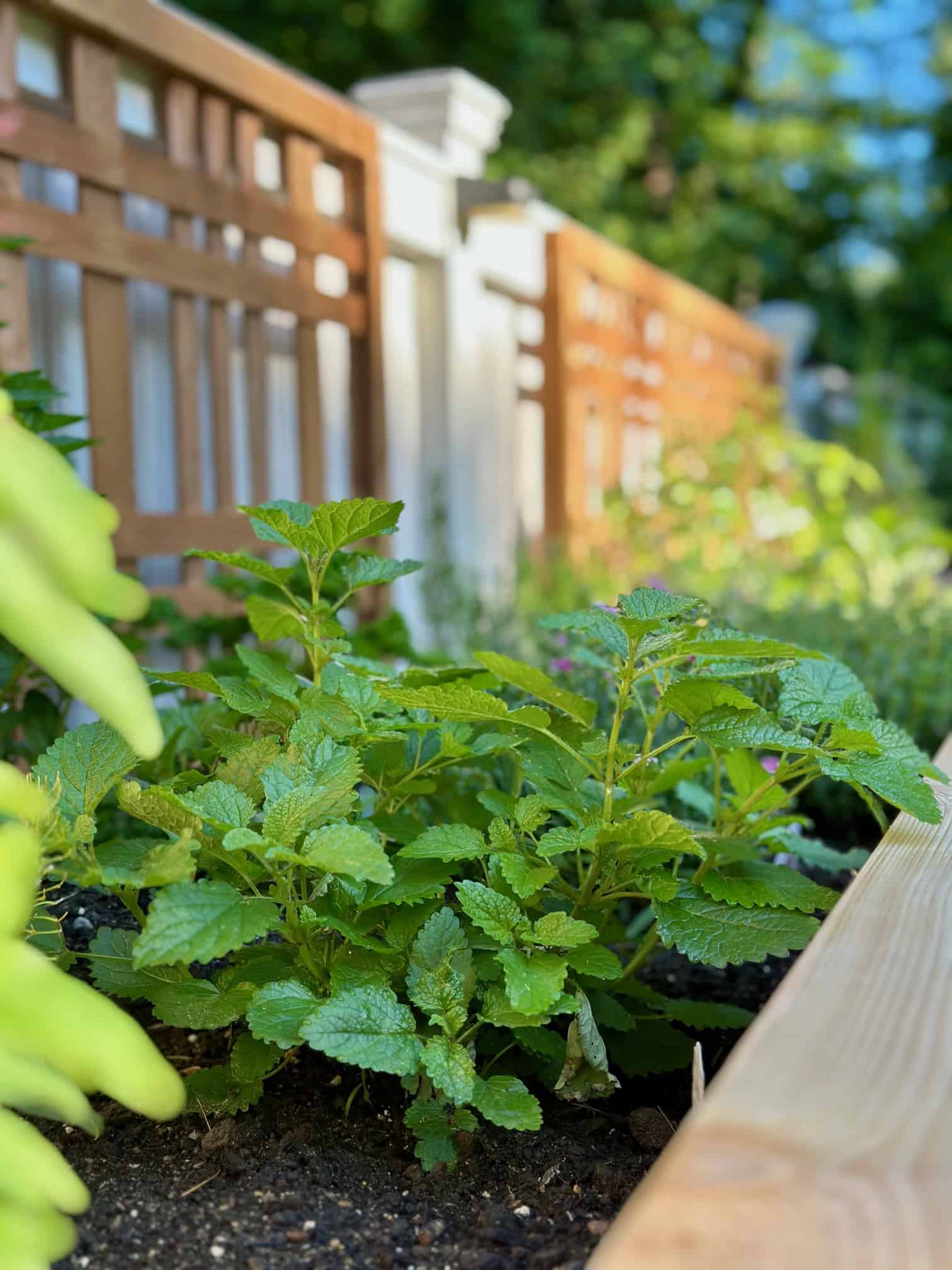
Many herbs associated with abundance earned that reputation for simple, practical reasons. The plants people relied on most were often the ones that grew vigorously, produced generous harvests, and returned year after year in the garden.
Herbs like basil, mint, parsley, and dill grow quickly and can be harvested again and again throughout the season. For households that depended on kitchen gardens, these productive plants naturally became linked with prosperity and thriving homes.
Many of these herbs were also important in cooking and traditional remedies. Plants that flavored meals, soothed minor ailments, or helped nourish families gradually became connected with the idea of abundance.
There's also a long tradition of hospitality tied to herbs. A garden filled with fragrant plants and fresh herbs in the kitchen often signaled a home that was welcoming, well cared for, and full of good things to share.
Simple ways to welcome abundance with herbs
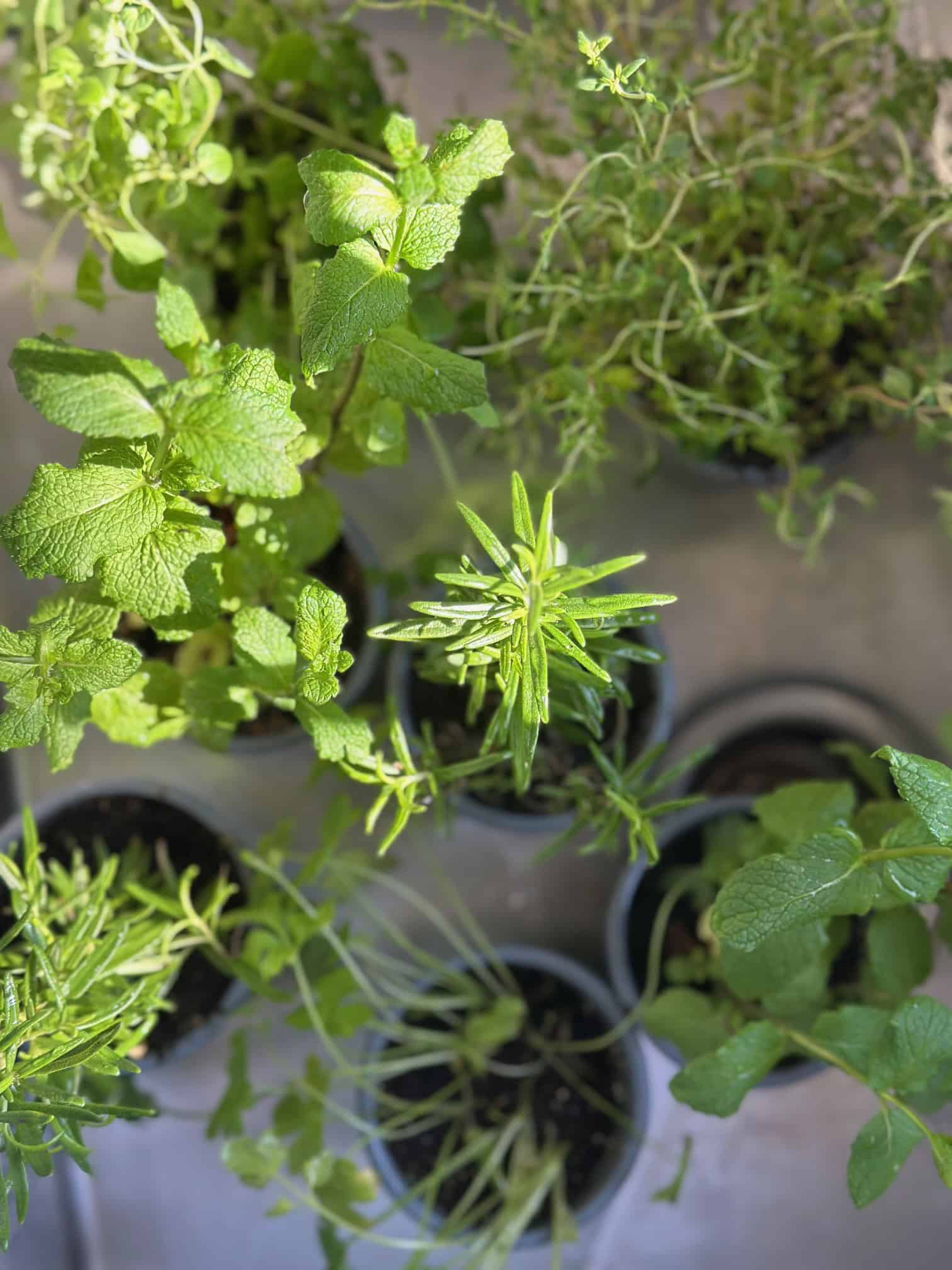
One of the easiest ways to enjoy abundance herbs is simply by growing and using them in everyday life. These plants have long been valued in kitchens and gardens, and incorporating them into your home is a simple way to appreciate both their usefulness and their long history.
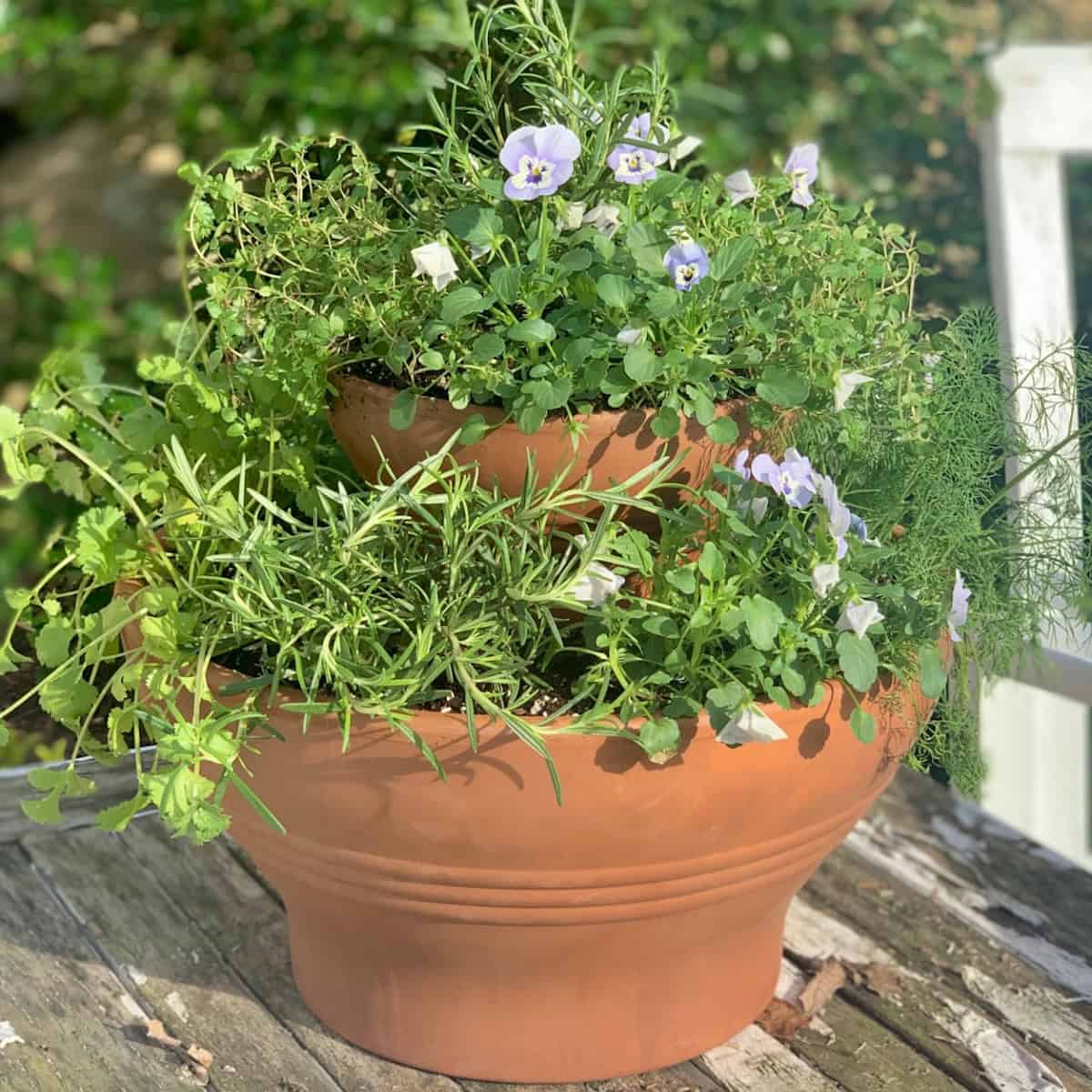
Grow herbs near your kitchen door: Many gardeners like to plant herbs close to the kitchen where they are easy to snip while cooking. Basil, thyme, parsley, and oregano all grow well in small garden beds or containers near an entryway.
Cook with fresh herbs whenever you can: Using herbs in everyday cooking is one of the most natural ways to enjoy them. Fresh basil in pasta dishes, dill with seafood, or mint in drinks and desserts adds flavor while making the most of what your garden produces.
Dry herbs for winter use: Drying herbs like oregano, thyme, chamomile, and dill is a simple way to preserve your harvest. Bundles can be hung to dry and stored for use in teas, cooking, or small herbal projects throughout the colder months.
Keep potted herbs indoors: If outdoor space is limited, many herbs grow beautifully in containers. A sunny windowsill with mint, parsley, or basil provides fresh flavor year-round and keeps a little bit of the garden close by.
Traditional ways herbs have been used to symbolize abundance
Along with their practical uses in cooking and gardening, many herbs have long been part of traditional household customs meant to reflect growth and well-being in the home. These practices were often simple and symbolic, rooted in the idea that plants which grow generously can reflect abundance in everyday life.
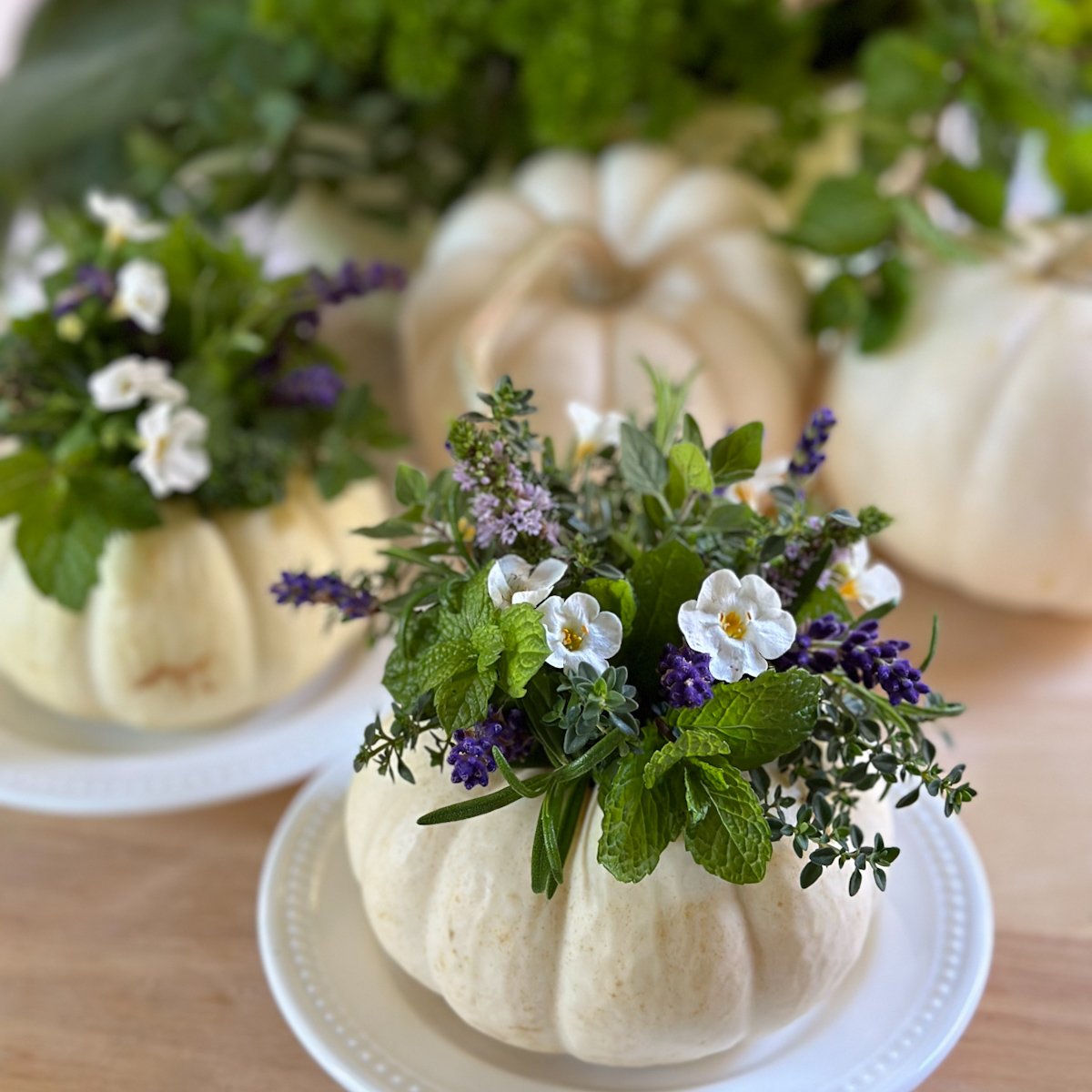
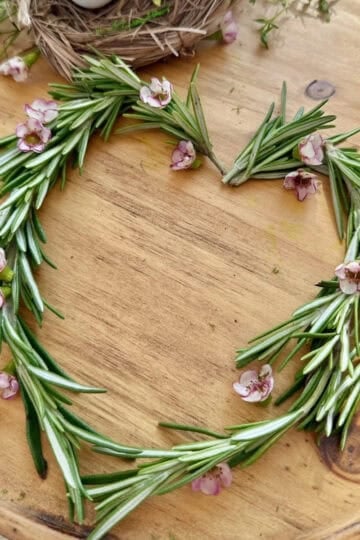
Herb sachets and small bundles: Dried herbs like basil, mint, or lavender are sometimes tucked into small fabric sachets and placed in drawers, shelves, or workspaces. Besides adding fragrance, these herbs have traditionally been kept around the home as symbols of prosperity and well-being.
Planting herbs near entrances: In many gardens, herbs such as basil, rosemary, or thyme were planted close to doorways or paths leading to the home. A healthy herb plant near the entrance has long been seen as a sign of a thriving household and a welcoming space.
Keeping a bay leaf or basil leaf nearby: Some traditional customs suggest carrying a bay leaf or basil leaf in a wallet, notebook, or pocket as a small reminder of prosperity and growth. These simple gestures were often meant to symbolize good fortune and a hopeful outlook.
Sharing herbs through food and tea: One of the most natural ways herbs have symbolized abundance is through hospitality. Cooking with fresh herbs or serving herbal teas has always been part of welcoming guests and sharing a home's harvest with others.
Many of these ideas come from long-standing herb folklore and household traditions. While people today often grow herbs simply for their flavor and fragrance, it's interesting to see how these same plants have carried symbolic meaning for generations.

Growing your own abundance herbs
While many people use abundance herbs in dried form from the pantry, several of these plants are also easy to grow at home.
Fresh herbs like basil, mint, parsley, and thyme grow well in small containers or garden beds and can provide a steady supply of fragrant leaves throughout the season. Even a single potted herb on a sunny windowsill can bring both flavor and a touch of greenery into the home.
If you enjoy gardening, herbs are some of the easiest plants to start with. Most abundance herbs prefer plenty of sunlight, well-drained soil, and occasional harvesting to keep them producing.

Frequently asked questions
Basil is one of the herbs most often associated with abundance. Because it grows quickly and produces plenty of fragrant leaves, it has long symbolized prosperity, generosity, and thriving homes in many garden traditions.
Several herbs are traditionally connected with prosperity and flourishing households. Common examples include basil, mint, bay leaf, parsley, dill, and chamomile. These plants are productive in the garden and widely used in cooking, which helped link them with the idea of abundance.
Yes, basil is often considered a lucky herb in many cultures. It has historically been associated with prosperity, good fortune, and welcoming homes, and it's frequently grown near kitchens and garden paths.
Many abundance herbs grow well indoors if they receive enough light. Basil, mint, parsley, and thyme are especially good choices for sunny windowsills or small indoor herb gardens.

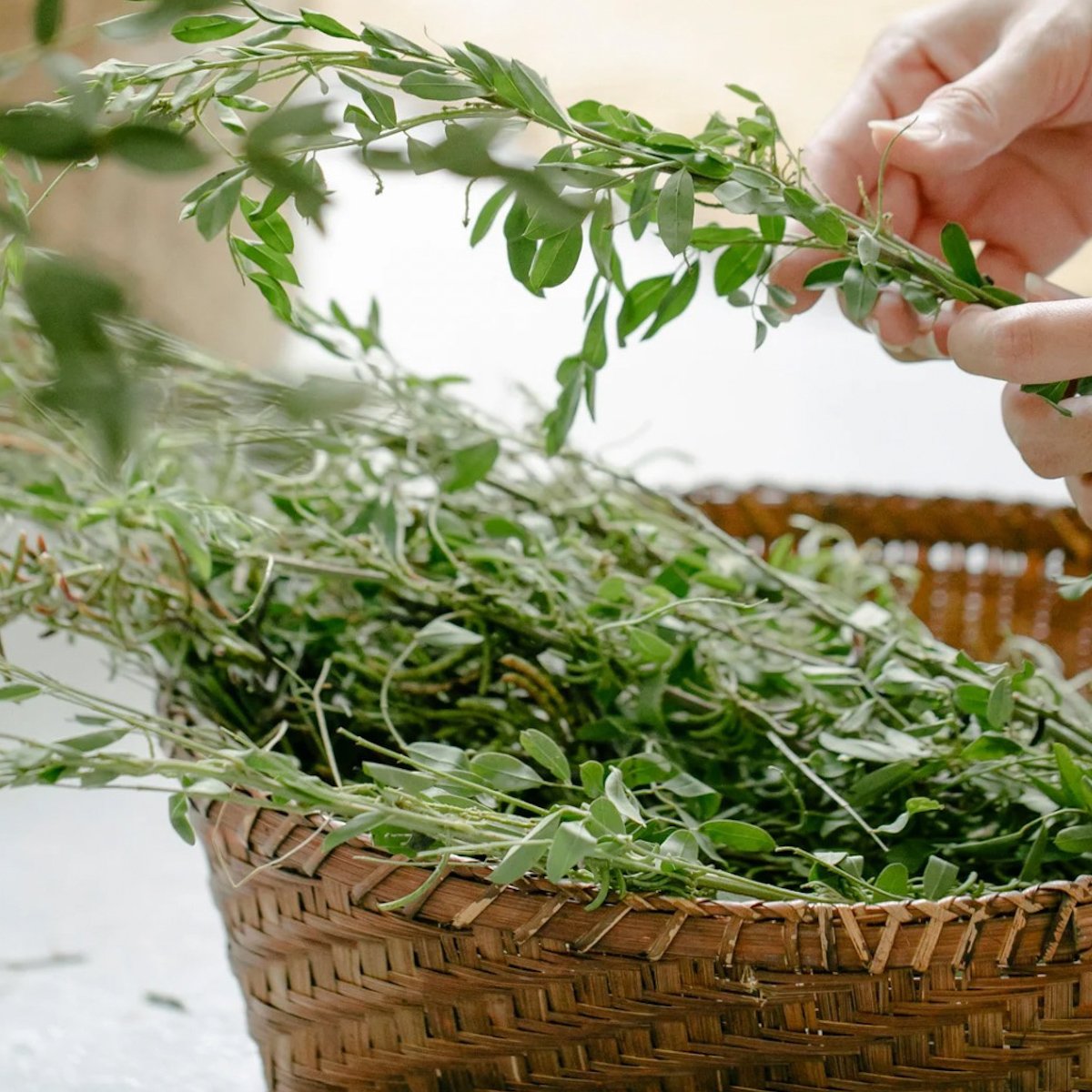
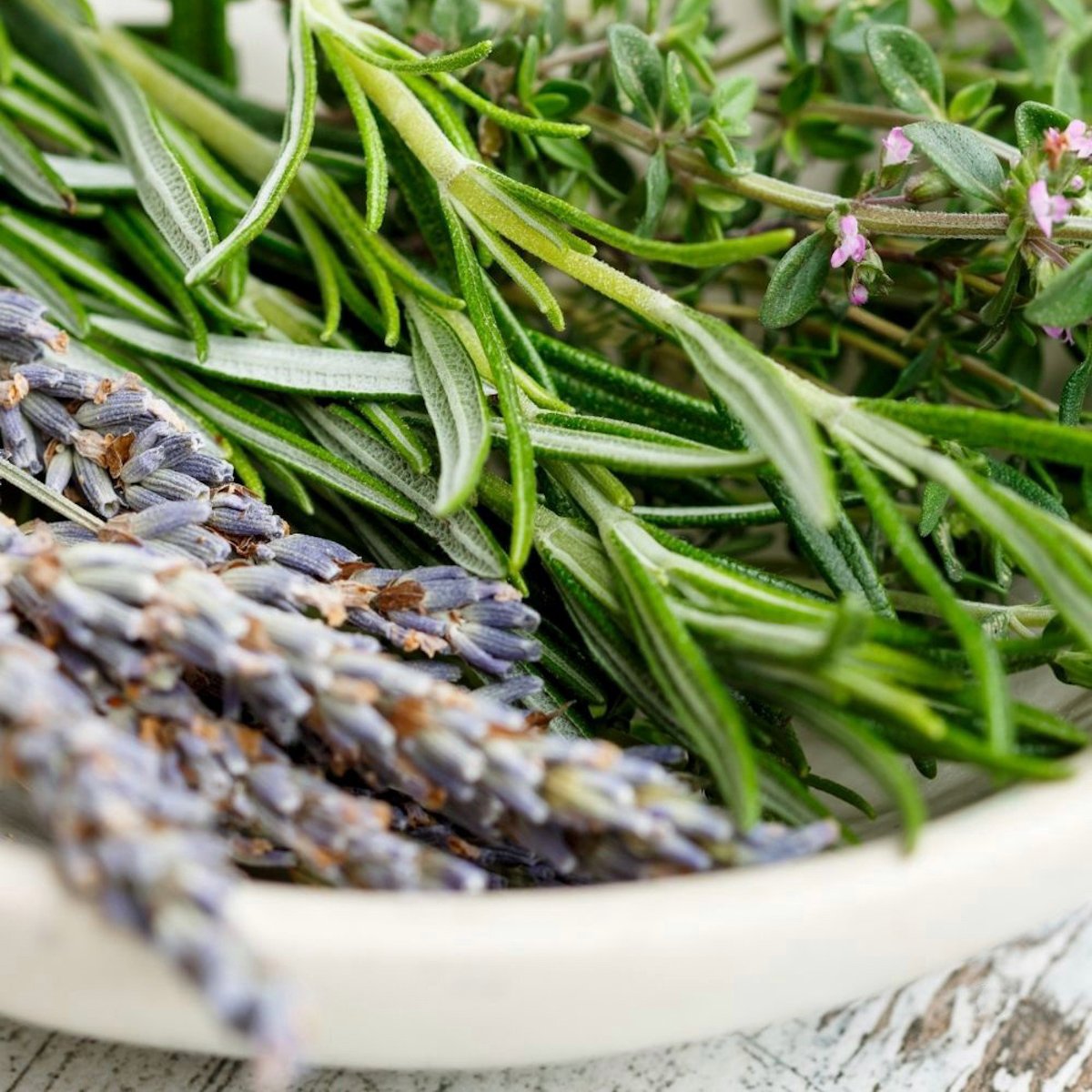
One of the nicest things about abundance herbs is how easy they are to grow and enjoy. Many of the plants linked to prosperity are the same herbs that thrive in kitchen gardens, flavor everyday meals, and bring life to garden beds and windowsills.
Whether you're growing basil by the kitchen door, harvesting fresh mint for tea, or drying herbs for the winter months, these plants have a long history of nourishing both homes and gardens. Sometimes abundance simply looks like a healthy herb plant, a handful of fresh leaves, and a garden that continues to give all season long.
Wishing you gardens full of herbs and a little extra abundance, friends.