A Decluttering Checklist That Has Nothing to Do With Closets

A decluttering checklist does not always mean organizing drawers or emptying closets. Sometimes the fastest way to make a home feel calmer is simply editing the decor already in the room. This design-focused decluttering checklist walks through simple things to remove or rethink, like excess small decor, word signs, paper clutter, and unnecessary furniture. By clearing visual noise and leaving more breathing room, a space can feel lighter, more intentional, and far more relaxing without buying anything new.
Content may contain affiliate links. When you shop the links, we receive a small commission at no cost to you. Thanks for supporting my small business.
Over the years I've noticed that rooms usually come down to balance. If one area of a space is bold or dramatic, something nearby often needs to stay quiet so the room doesn't feel overwhelmed.
That's something I pay attention to constantly when I'm decorating my own home.
People often ask, "What does this space need?"
But many times the better question is:
What could I remove so the good things already here can stand out?
As I've been updating my own living room lately, I've realized that the biggest improvements haven't come from buying new decor. They've come from removing things that no longer fit the direction the room is going.
At a Glance: Decluttering Checklist
_______________________
Decorating isn't always about adding more. Often, the biggest transformation comes from removing the things that create visual clutter. This checklist focuses on simple design edits that make a room feel calmer, more intentional, and easier to live in.
Quick decluttering ideas:
- Remove word signs and replace them with artwork or photographs.
- Keep paper contained so it doesn't become part of the decor.
- Choose fewer, larger decor pieces instead of many small accessories.
- Leave empty space on shelves and tabletops so your favorite pieces stand out.
- Consider removing unnecessary furniture before buying something new.
- Clear clutter from countertops, entry tables, and other visual "drop zones."
- Add one or two well-placed plants or fresh flowers instead of more decorative objects.
Small edits often have the biggest impact. By removing visual noise instead of adding more decor, your home can feel lighter, more refined, and more peaceful without spending a dime.
Summarize and Save this content on:
Jump to:
Sometimes decorating is about editing
This checklist focuses on that idea. Instead of organizing closets or sorting through storage bins, these are simple things to remove or rethink so your home feels calmer and easier to live in.
Sometimes the best decorating decision isn't adding something new. It's editing what's already there.
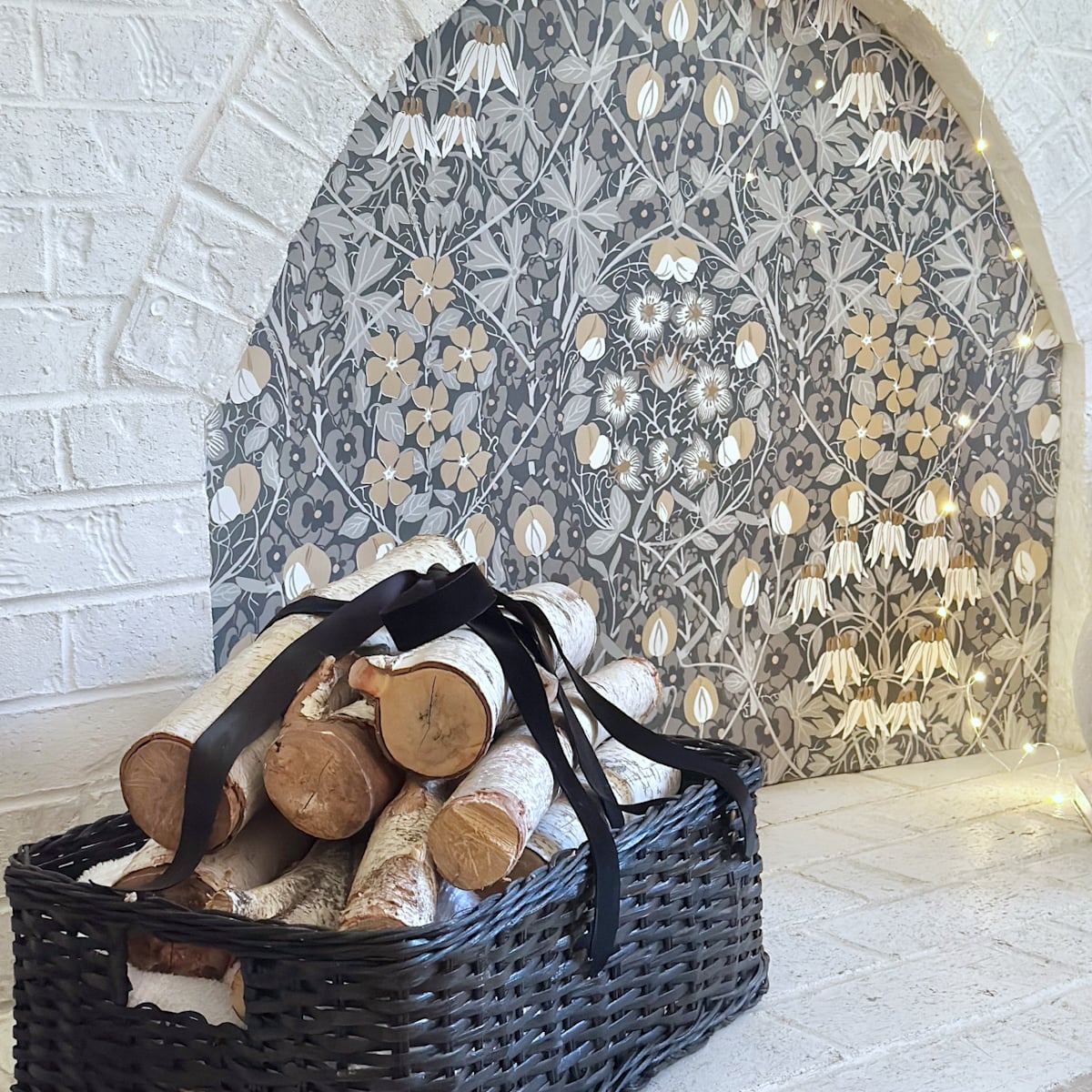
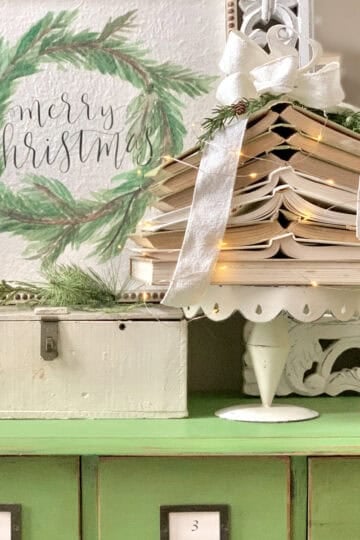
Retire the script signs (and word decor)
You know the ones.
"Gather."
"It's a good day for a good day."
"Bless this mess."
For a long time these signs were everywhere, and I owned some of them too.
But words tell us what to think. Art lets us feel something.
When a room is filled with word decor, it can start to feel visually noisy, almost like the space is constantly narrating itself. Removing a few of these pieces can instantly quiet a room.
A simple swap that often works better:
- framed artwork
- vintage prints
- family photos
- landscapes or abstracts
Rooms don't really need captions.
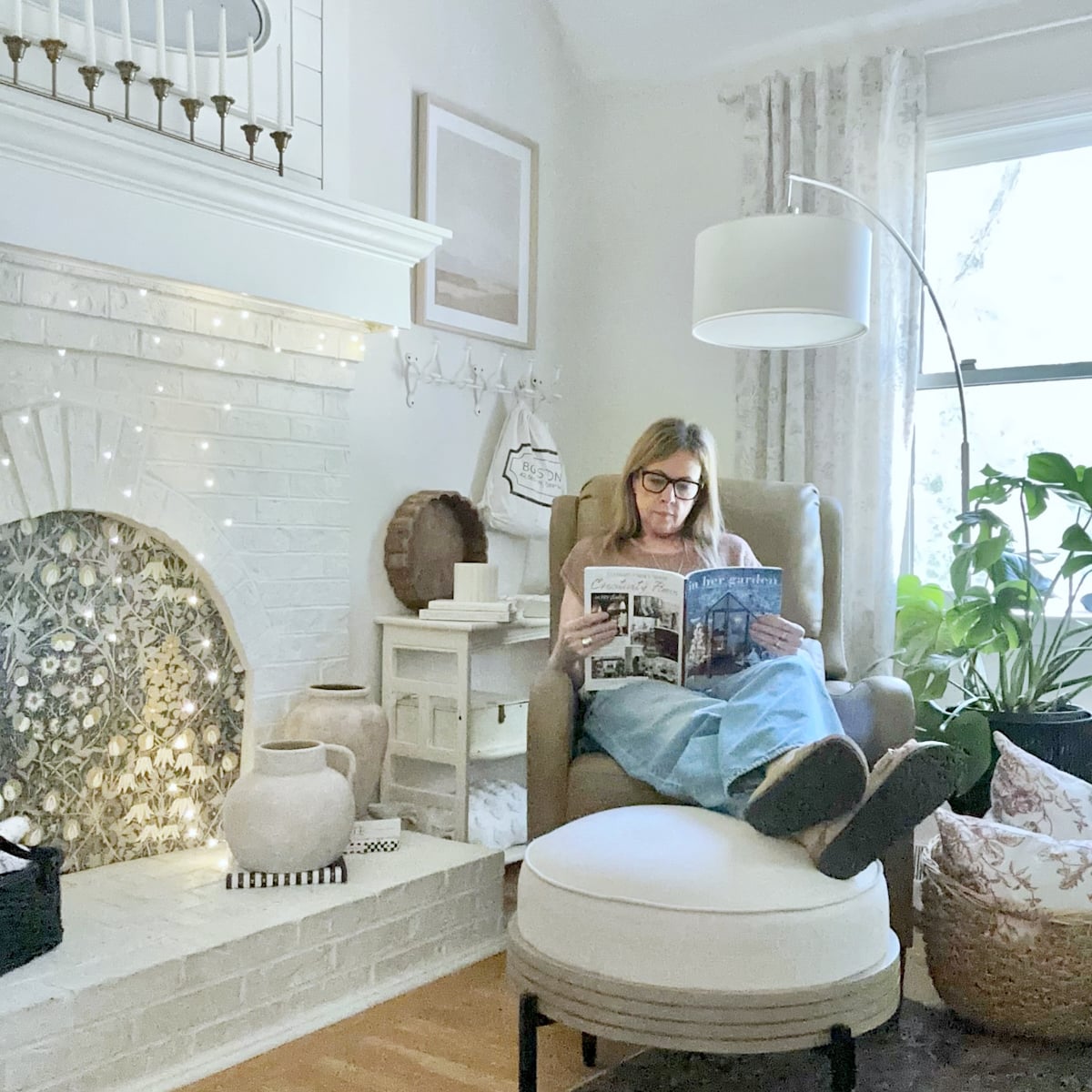
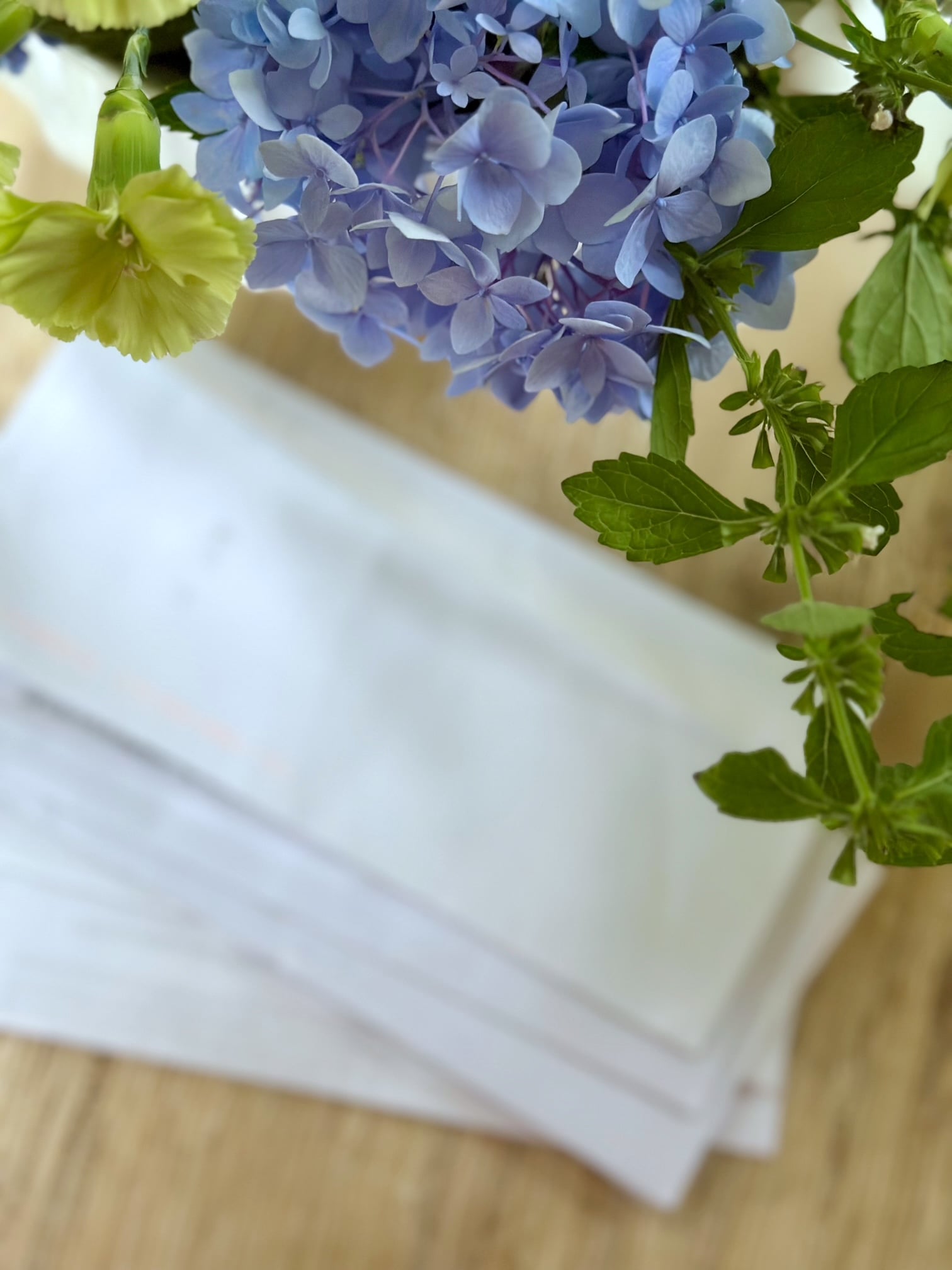
Don't let paper become decor
Every house has paper. Mail, magazines, receipts, random notes, school papers. It shows up whether we want it to or not.
I'll be honest, this is one I'm constantly working on in my own home.
The problem isn't that paper exists. The problem is when it quietly becomes permanent. A stack of mail on the kitchen island, a pile of magazines on a table, a few receipts that never quite make it to the trash, before long those little piles start breaking the clean lines of a room.
One simple rule that helps keep it under control:
- one tray, basket, or drawer for incoming paper
- everything else gets handled or disappears
It's not about being perfectly tidy. It's just about not letting paper slowly take over the visual space. I purchased a set of woven rattan and wood display boxes for our mail, and now anything that isn't ready to be recycled has a home instead of becoming another pile on the counter. Simply containing the clutter makes the room feel calmer and keeps paper from becoming part of the decor.
Fewer, bigger, better placed
This is the rule that has changed the way I decorate more than any other, and it shows up in two ways.
The small watermelon rule
I once heard, if a decor item is smaller than a small watermelon, it probably doesn't need to be there. I know it sounds funny, but using a watermelon as a rough size reference keeps me from filling my house with lots of tiny decorative objects. Tiny objects multiply fast, and from across the room a shelf of little pieces starts to feel fussy instead of intentional. One substantial item almost always looks better than five tiny ones.
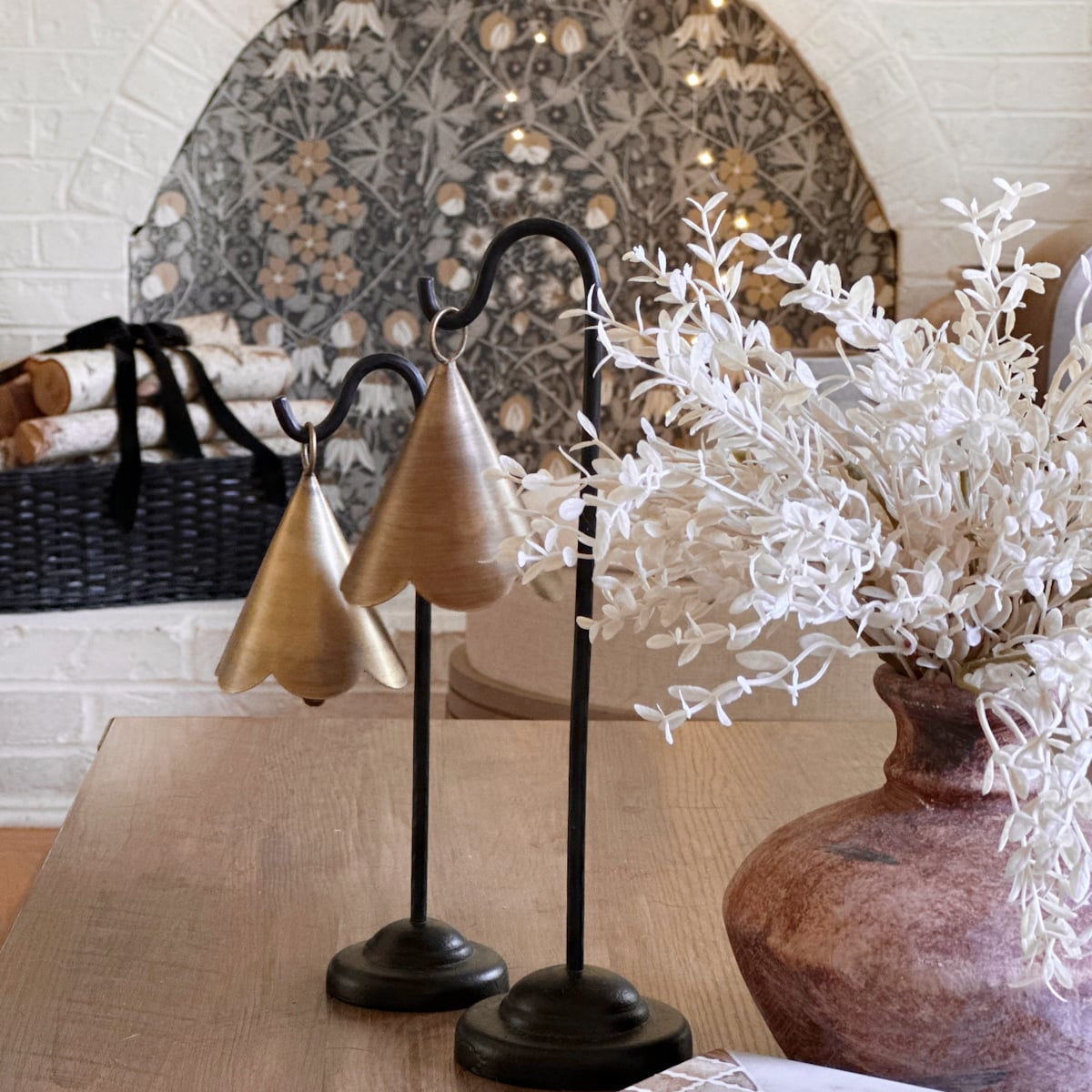
That said, small pieces can still work if they're given some presence. I have a pair of brass bells from Magnolia that I love. They're not huge, but I never leave them sitting alone. Most of the time they're part of a small vignette often resting on a stack of books with a candle nearby. Grouping smaller pieces together gives them enough visual weight to hold their own.
When I'm shopping now, I ask myself one question: is this piece large enough to matter in the room? That question alone has saved me from bringing home a lot of things that would've just added noise.
Leaving space matters just as much
A room doesn't need to be full to feel finished. Often the opposite is true. When there are fewer pieces, each one has more presence, and the eye knows where to land. Leaving part of a surface empty isn't a missed opportunity. It's a design choice.
This applies even to things you love. Many homes feel cluttered not because the items are bad, but because there are too many of them out at once. Pick a few favorites to display and put the rest away for a while. You can always rotate them back in. A table with three meaningful pieces often looks more refined than one with ten.
One more thing to consider: Before adding anything new to a room, it's worth asking whether something could come out instead, an extra chair, a side table that rarely gets used, a bench that blocks the flow of the room. I sold an antique cubby from my dining room expecting to replace it, and the wall ended up better empty. I realized I hadn't been missing another piece of furniture. I'd been missing empty space.It won't work for every piece in every room, but it's worth considering before you shop.
Edit your everyday surfaces
Certain spots in a home quietly collect clutter over time. You may not notice it happening until one day the surface is completely full.
Common trouble spots:
- kitchen countertops
- bathroom vanities
- the tops of cabinets
- entry tables
When these surfaces overload, even a clean room starts to feel chaotic. Spaces that feel calm and refined usually aren't empty. They're selective. A single intentional object, a bowl, a plant, or a stack of books, often has more impact than several random things sharing the same surface.
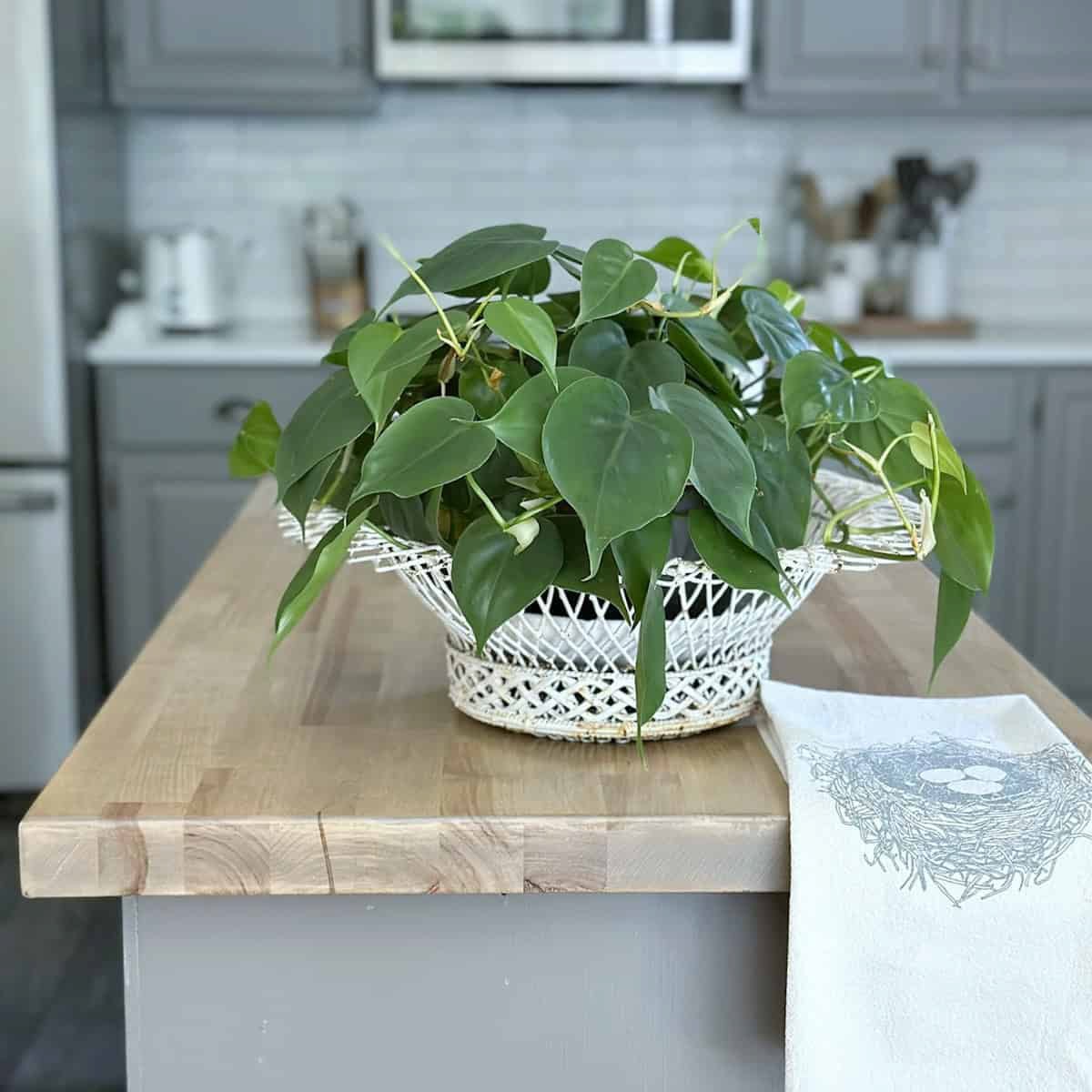
Add life with plants and florals
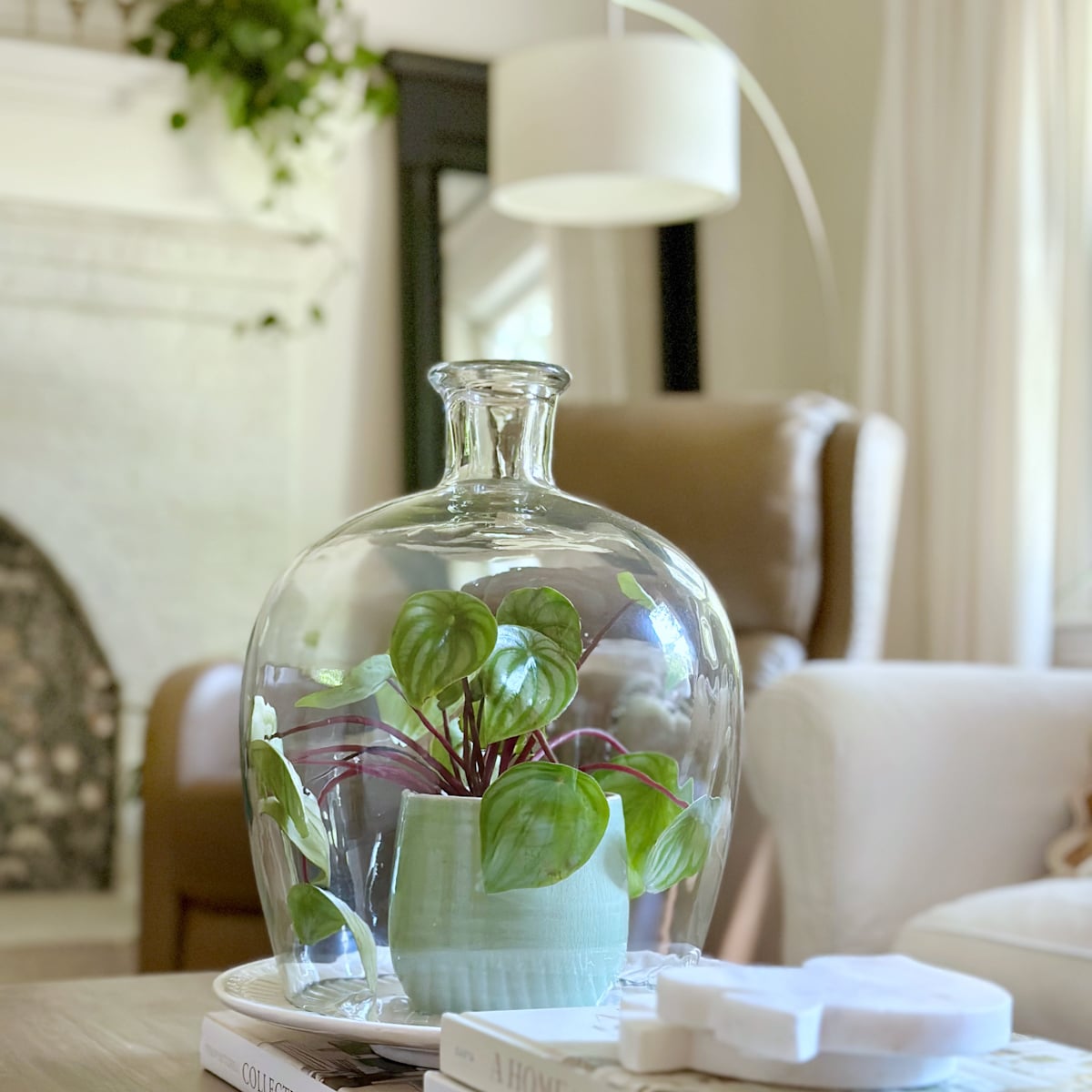
If a room feels flat after following this decluttering checklist, the answer usually isn't more decor. It's life.
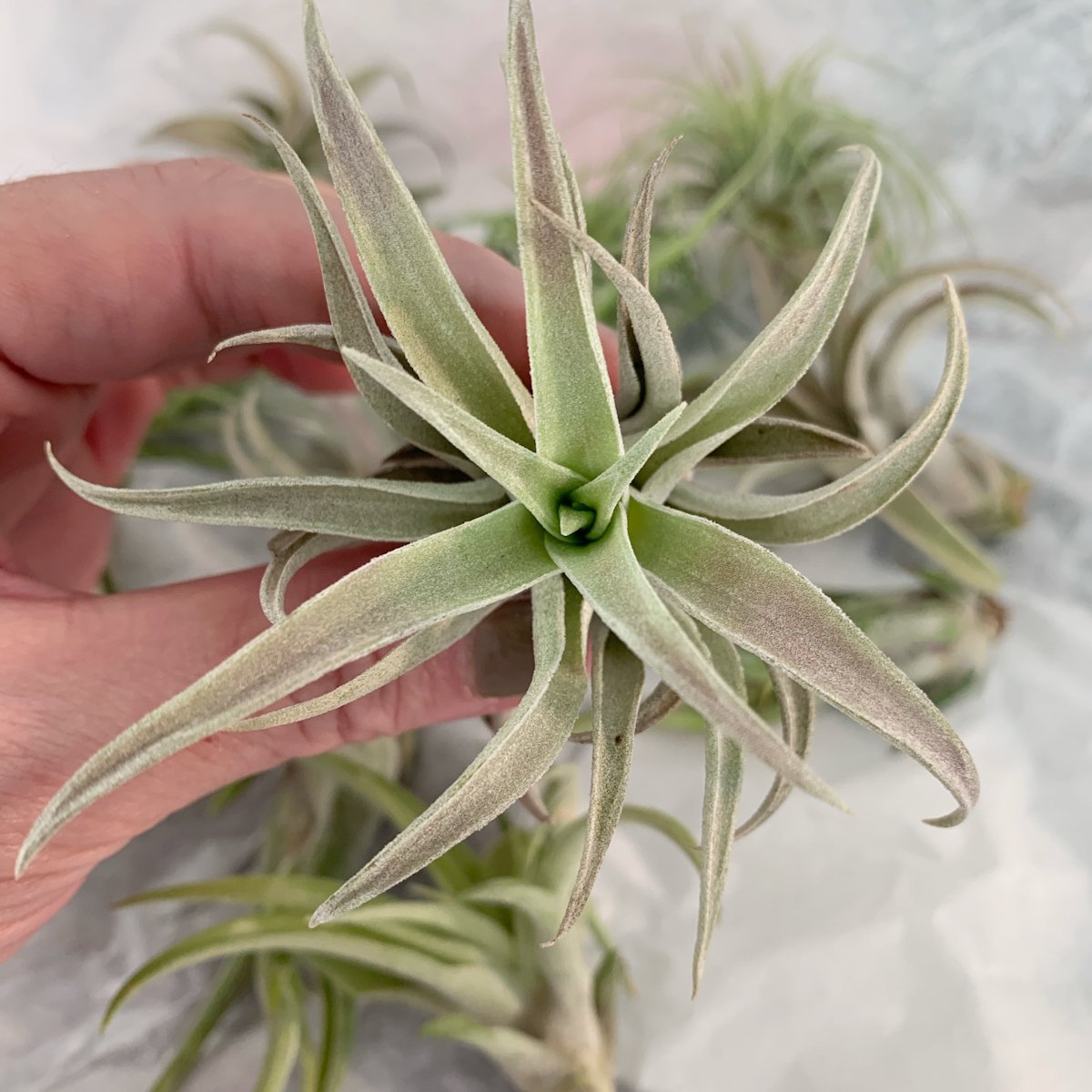
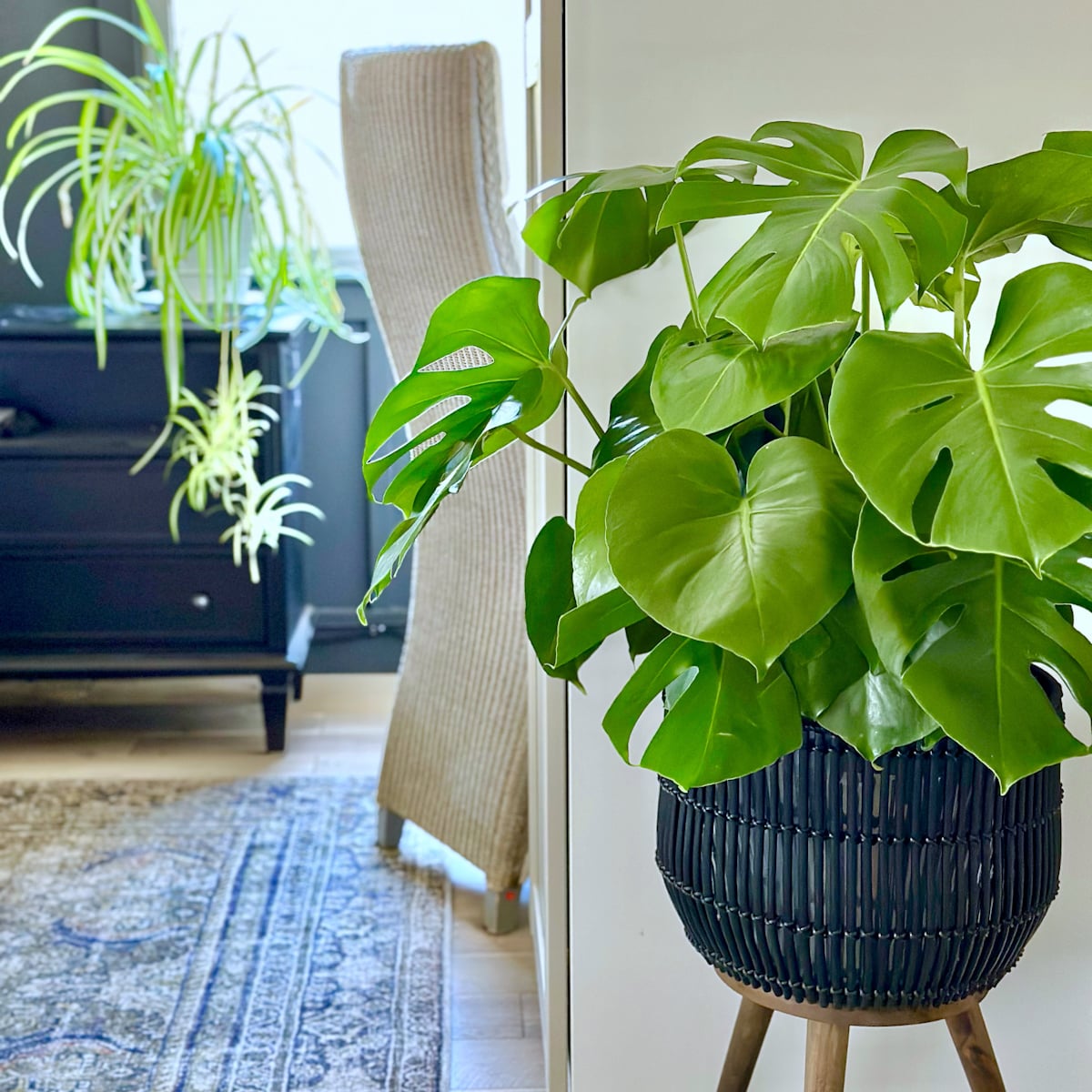
Plants and fresh flowers bring softness and movement in a way objects simply can't. A single plant or small arrangement can warm up a room far more than shelves of accessories.
A few guidelines:
- Choose one larger plant instead of several tiny ones
- Place plants where the eye naturally lands, near windows, corners, or seating areas.
- Let them stand on their own instead of crowding them with decor
Even a small arrangement of grocery store flowers in a simple vase can lift a room and make it feel cared for. But restraint matters here too. A few well-placed plants bring a space to life. Too many and the room starts to feel crowded. Plants shouldn't compete with the room. They should animate it.
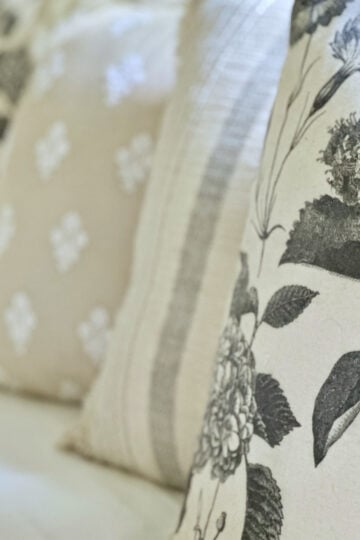

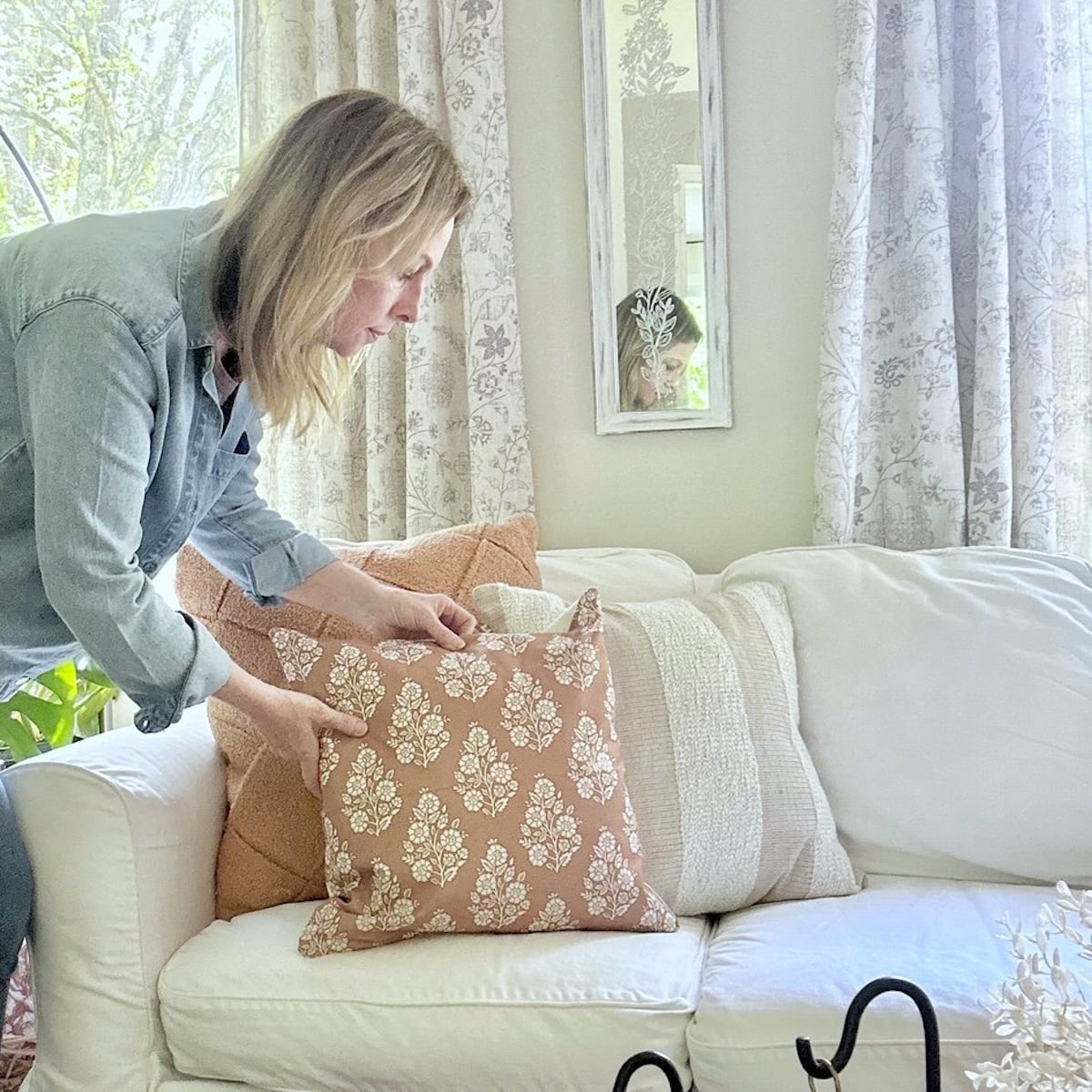
Sometimes the most beautiful rooms aren't the ones with the most decor. They're the ones where every piece has a purpose. Before you shop for something new, take a look around and ask what could quietly step aside. You may discover your home already has everything it needs.
Happy decluttering, friends!