Lemon Balm Cookies (Easy Buttery Shortbread Recipe)

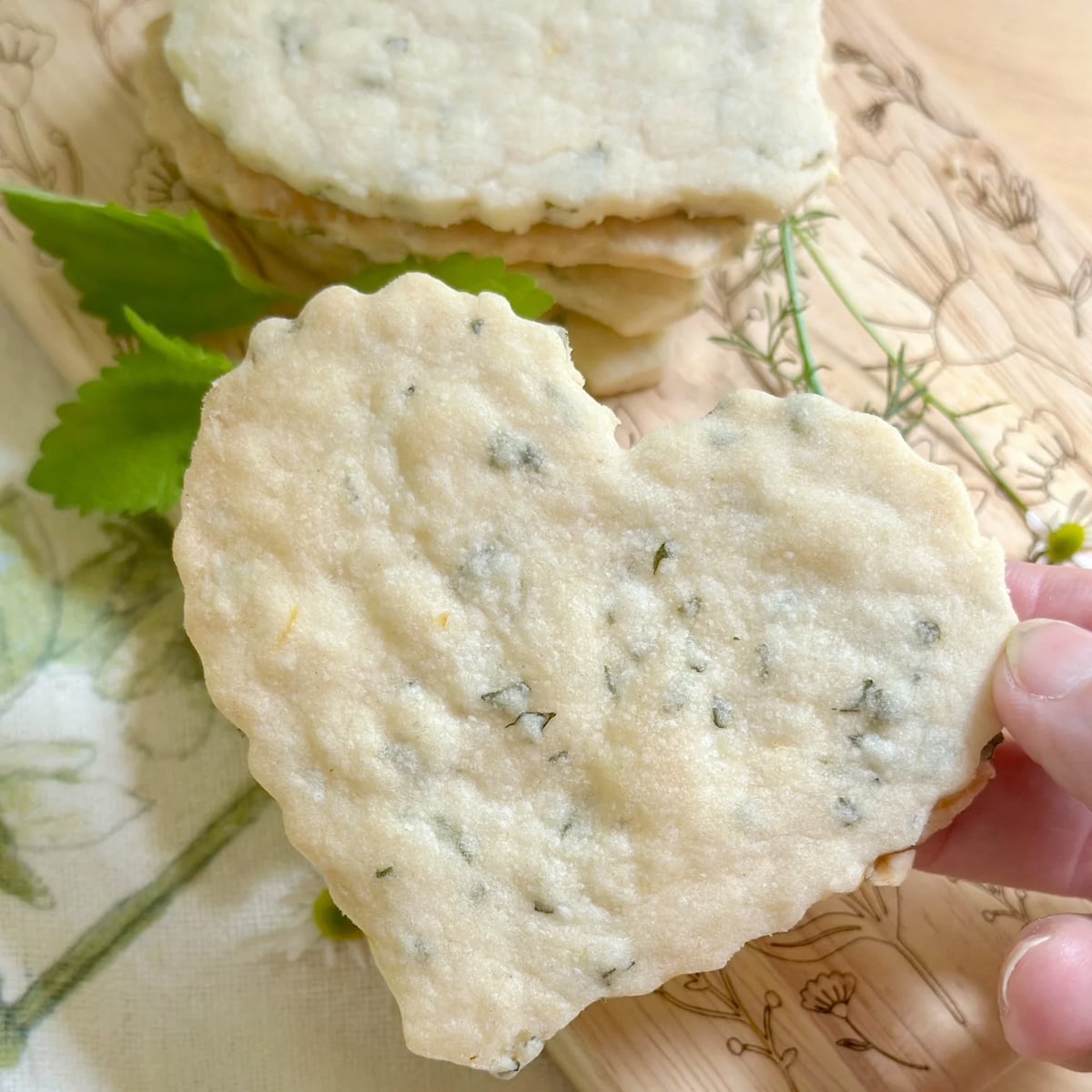
These buttery Lemon Balm Cookies combine fresh lemon balm, bright lemon zest, and simple pantry ingredients to create a delicate shortbread that's perfect for spring and summer baking. This easy recipe includes step by step instructions, helpful tips, storage advice, and simple variations so you can make the most of fresh lemon balm from your garden.
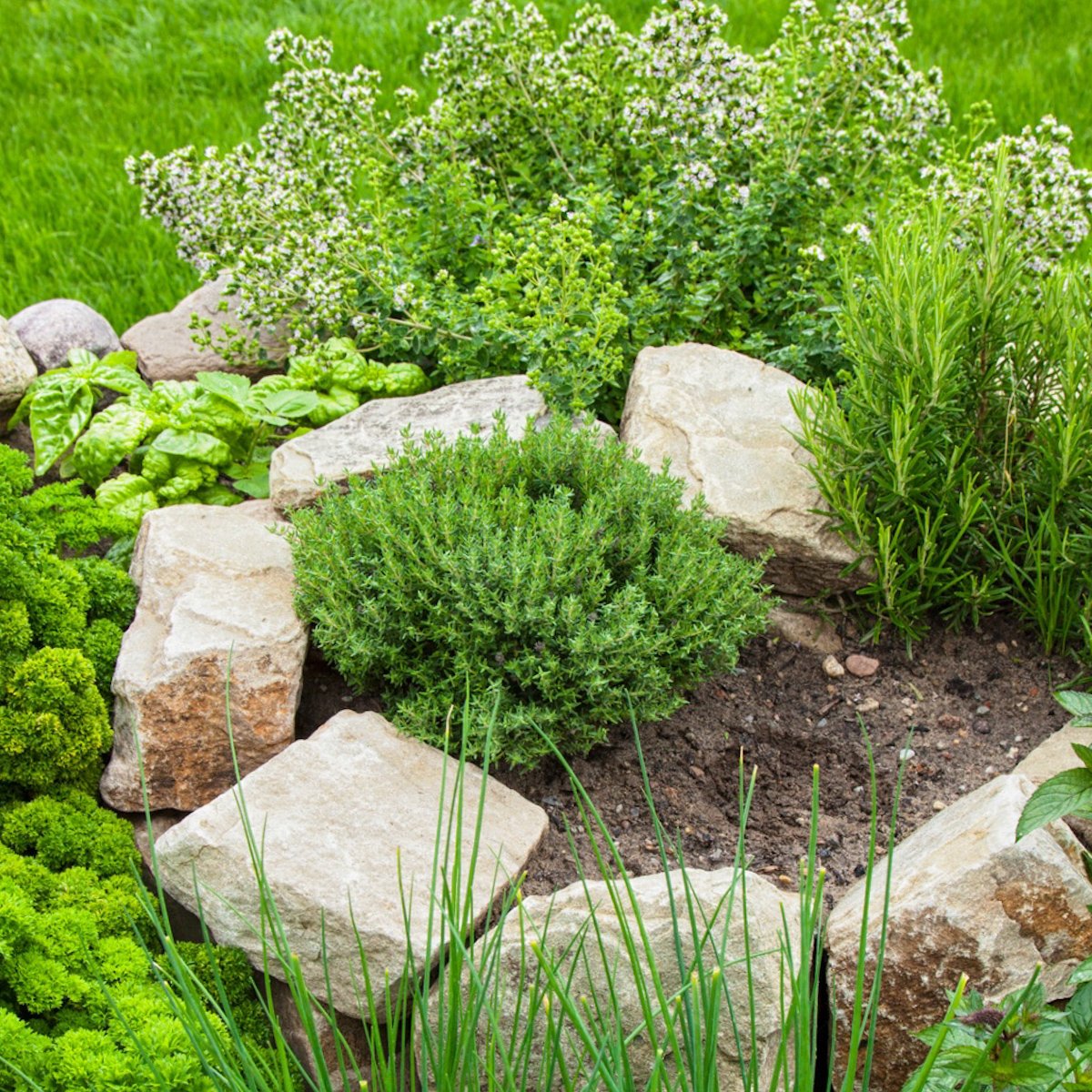
Every year my lemon balm plant grows far faster than I can keep up with. I dry bundles for tea, tuck handfuls into bouquets, and still end up looking for new ways to use it.
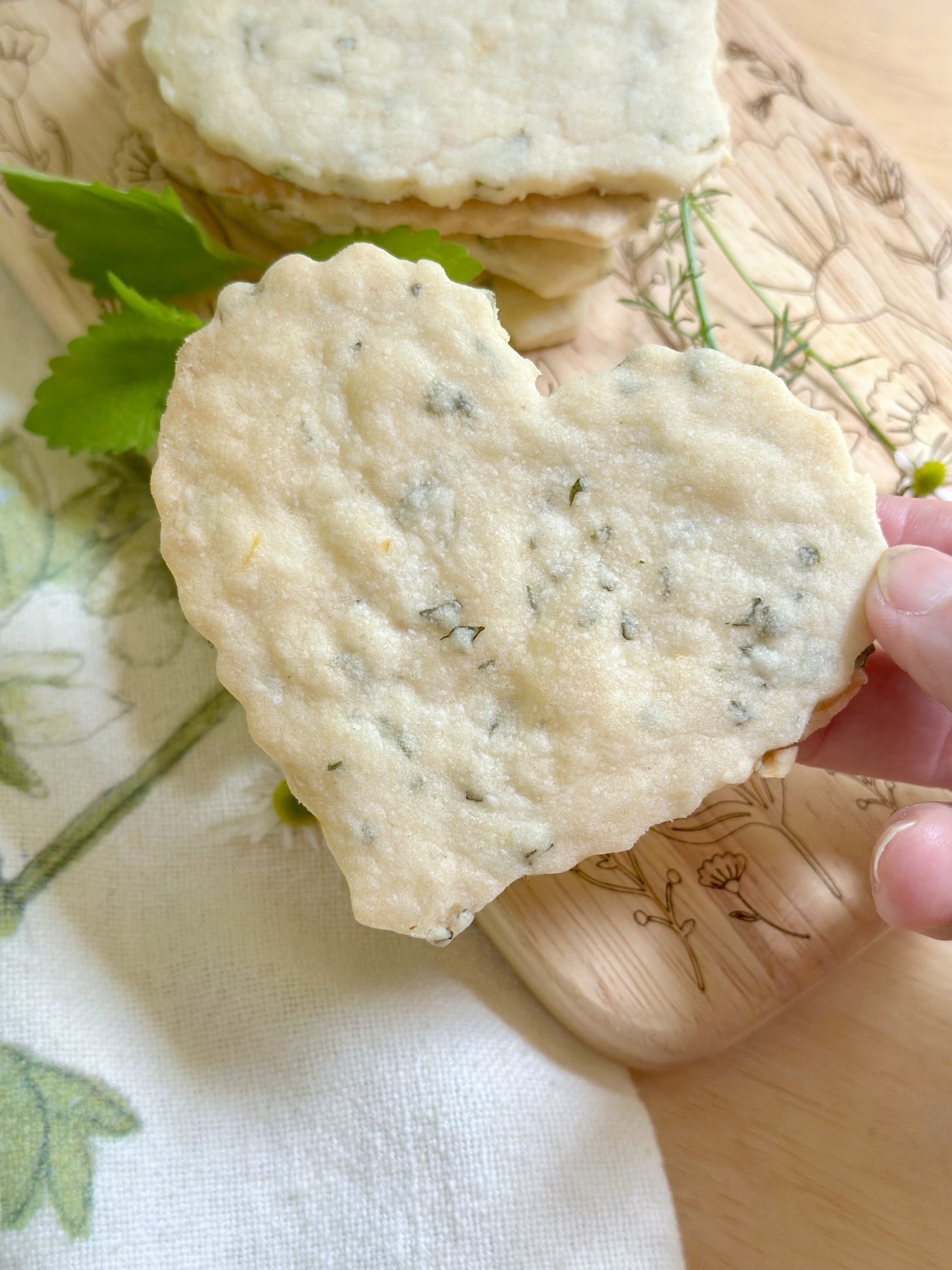
These lemon balm cookies have become one of my favorite discoveries. They have the buttery texture of classic shortbread with a light citrus flavor from fresh lemon zest and finely chopped lemon balm. They're delicate, simple to make, and just a little unexpected, which makes them perfect for sharing with friends over tea or adding to a spring dessert table.
At a Glance: Lemon Balm Cookies
_______________________
- Flavor: Buttery shortbread with delicate lemon and fresh herbal notes.
- Difficulty: Easy
- Prep Time: 20 minutes (plus 45 minutes chilling)
- Bake Time: 12 to 15 minutes
- Yield: About 18 cookies
- Best For: Afternoon tea, edible gifts, spring gatherings, and using fresh lemon balm from the garden.
- Texture: Tender, buttery, and melt-in-your-mouth with crisp edges.
- Make Ahead: The dough can be refrigerated for up to 2 days or frozen for up to 3 months before baking.
- Freezer Friendly: Yes! Freeze either the baked cookies or the unbaked dough.
- Garden Tip: This recipe works beautifully with other fresh herbs too. Try substituting finely chopped mint, thyme, or rosemary for a different twist.
Summarize and Save this content on:
Jump to:
- At a Glance: Lemon Balm Cookies
- Why you'll love these lemon balm cookies
- What does lemon balm taste like?
- Ingredients
- How to make lemon balm cookies
- Tips for the best lemon balm cookies
- Variations
- How to store lemon balm cookies
- Can you freeze the dough?
- Frequently asked questions
- Lemon Balm Cookie
- More garden to table recipes to try
Why you'll love these lemon balm cookies
- Buttery, melt-in-your-mouth shortbread
- A wonderful way to use fresh lemon balm
- Bright lemon flavor without being overpowering
- Easy recipe with simple ingredients
- Beautiful for tea parties, showers, or edible gifts
What does lemon balm taste like?
Lemon balm has a light, fresh citrus aroma with a delicate herbal flavor that's often described as a softer, gentler version of lemon. Although it's a member of the mint family, it doesn't have the bold, cooling taste that mint is known for. Instead, it adds a subtle hint of citrus with a mild, almost floral finish.
Because lemon balm is naturally delicate, pairing it with fresh lemon zest helps bring out its citrus notes without overpowering the cookies. The result is a buttery shortbread with a fresh, bright flavor that lets the herb shine while still tasting balanced and unmistakably homemade.

Ingredients
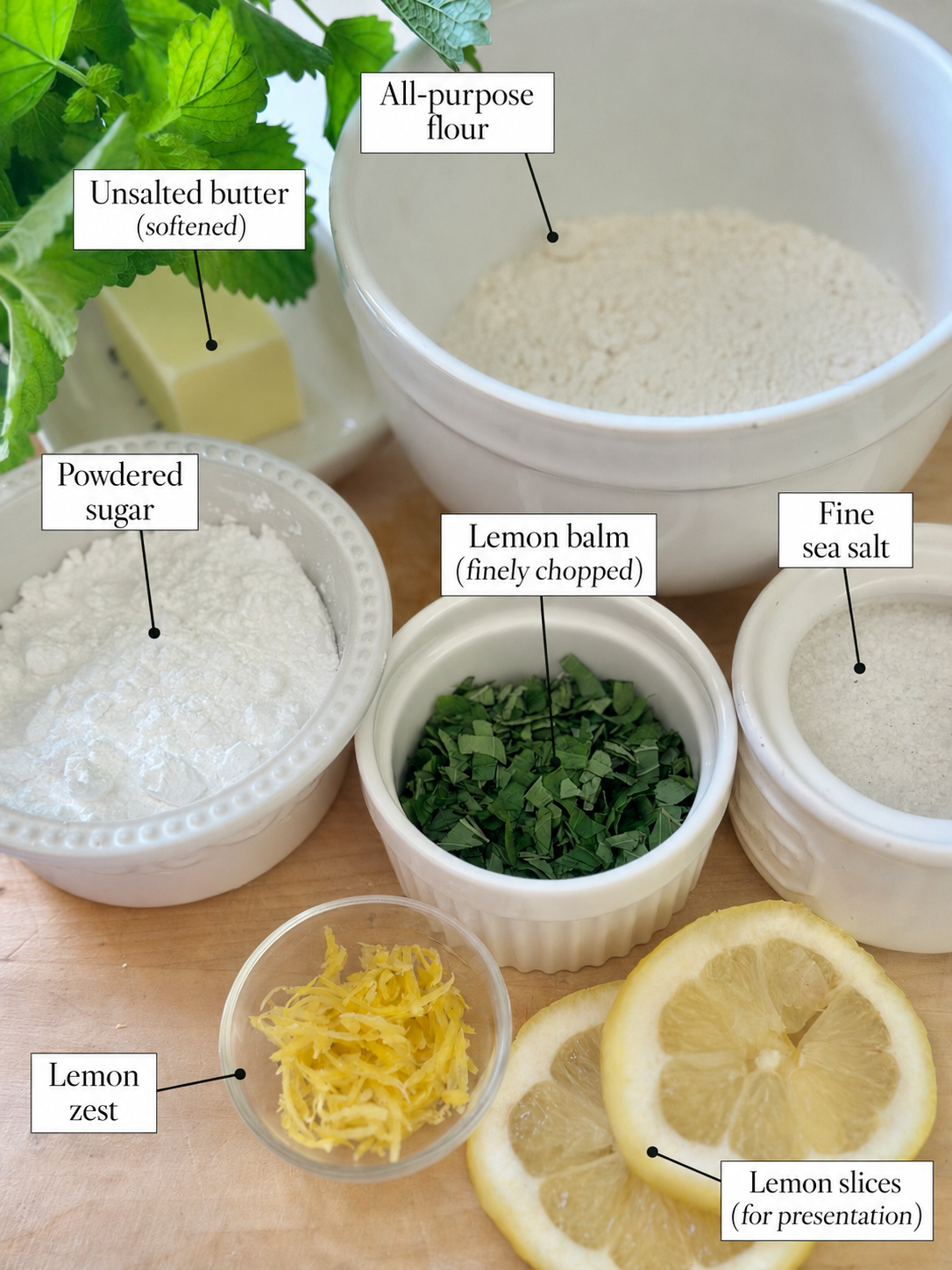
You'll only need a handful of simple ingredients to make these buttery lemon balm shortbread cookies.
- Fresh lemon balm: Fresh leaves provide the best flavor. Remove the leaves from the stems and chop them very finely so they're evenly distributed throughout the dough.
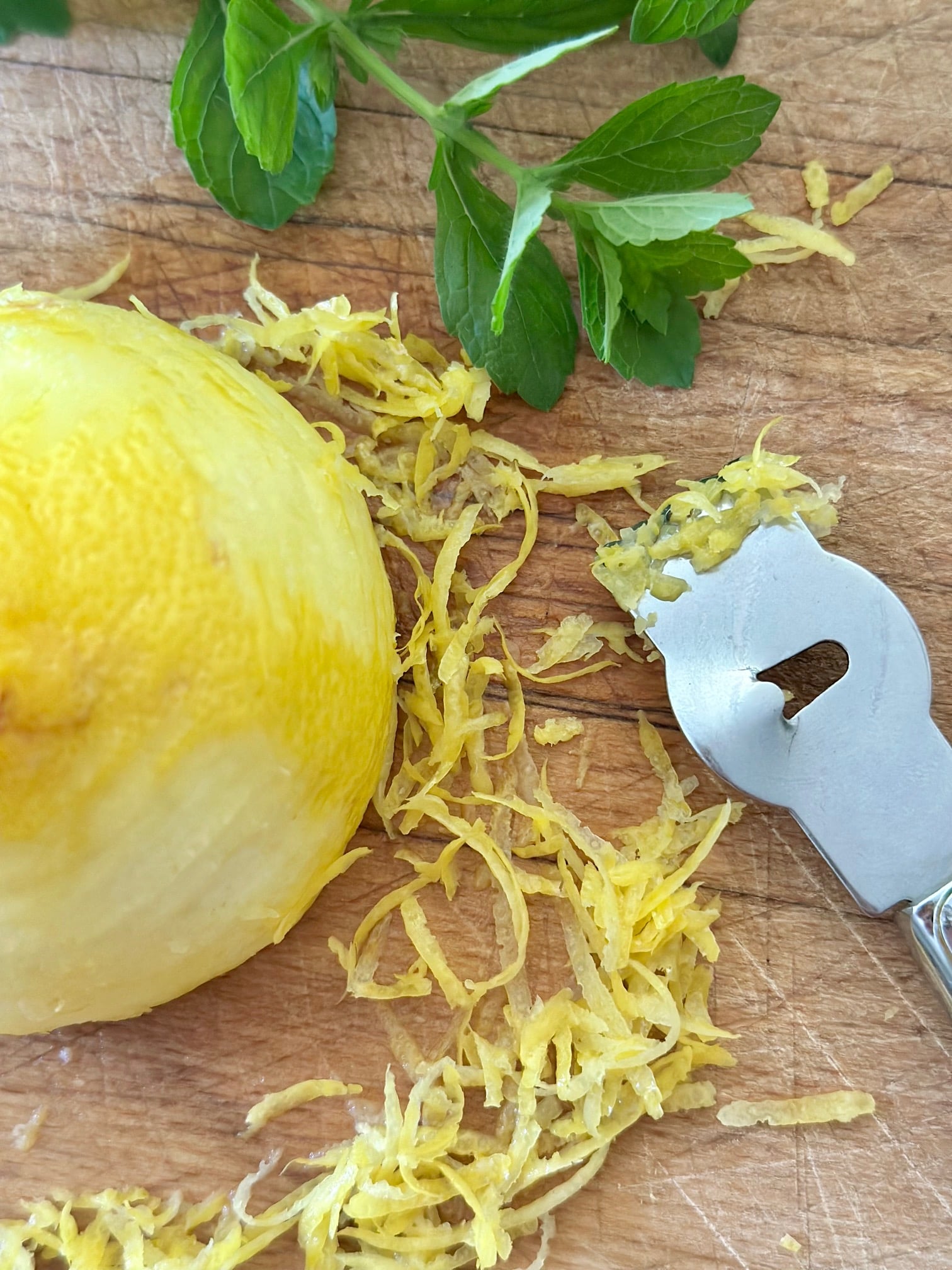
- Lemon zest: Fresh lemon zest brightens the cookies and enhances the naturally citrusy flavor of the lemon balm. Be sure to zest only the yellow outer peel, avoiding the bitter white pith.
- Unsalted butter: Softened butter creates the rich, tender texture that makes shortbread so irresistible.
- Powdered sugar: Powdered sugar gives these cookies a delicate crumb and melt-in-your-mouth texture.
- All-purpose flour: The foundation of the dough, providing structure while keeping the cookies light and tender.
- Fine sea salt: Just a small amount balances the sweetness and brings out the buttery, citrus flavors.
See the recipe card below for the full ingredient list and exact measurements.
How to make lemon balm cookies
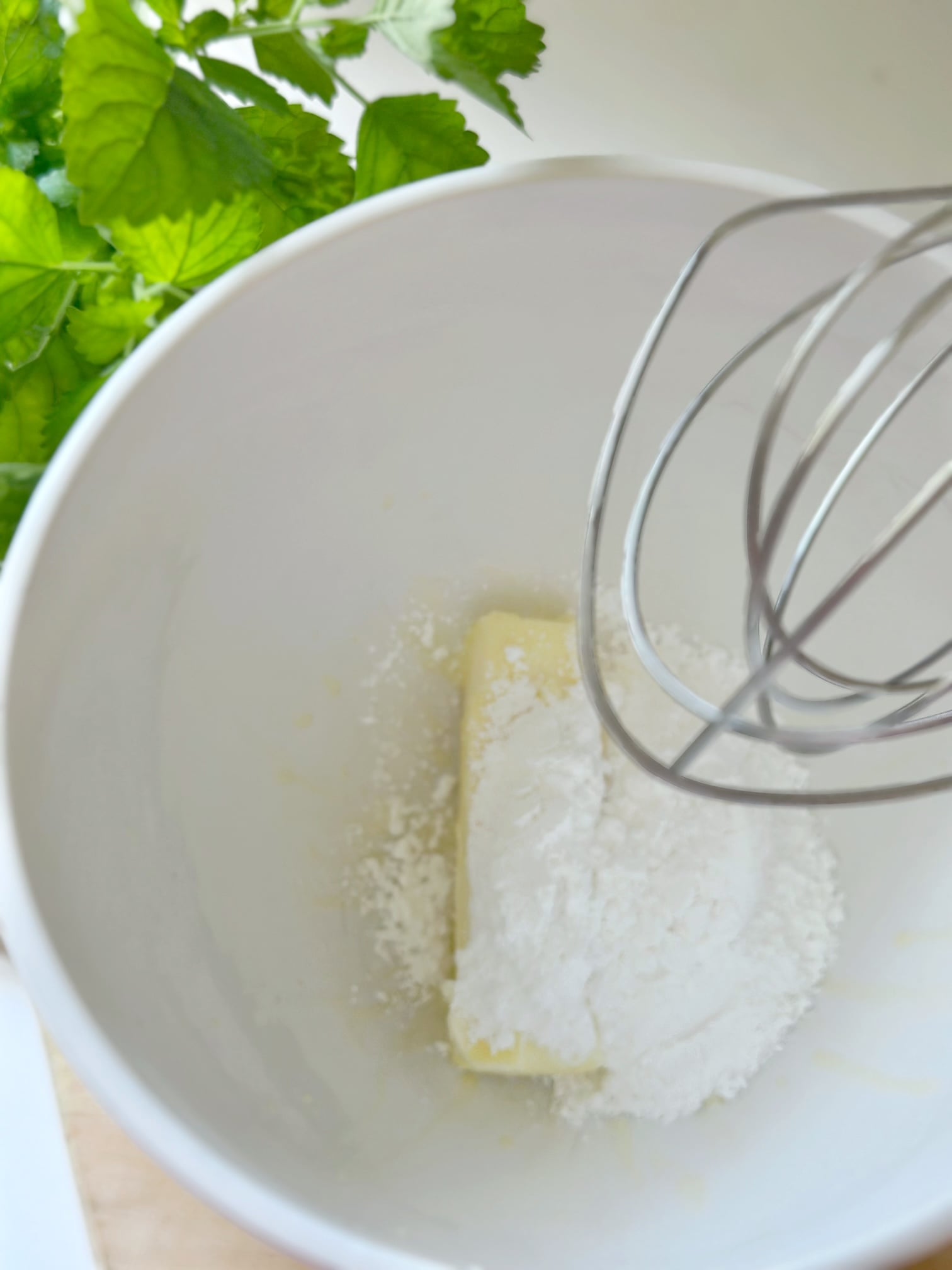
Step 1: Cream the butter and sugar
Beat the softened butter and powdered sugar together until the mixture is light, smooth, and fluffy.
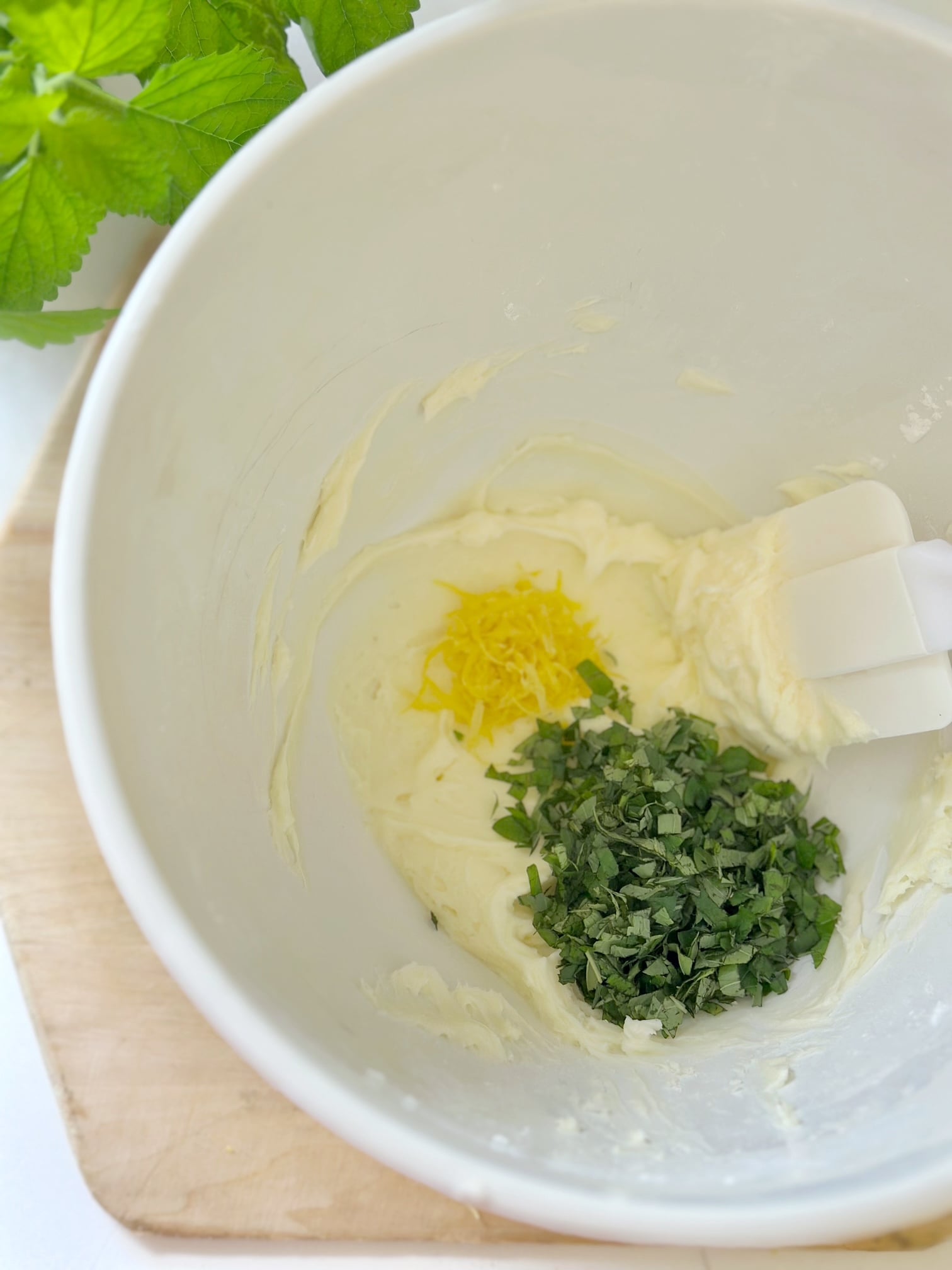
Step 2: Add the flavorings
Mix in the sea salt, finely chopped lemon balm, and fresh lemon zest until evenly combined.
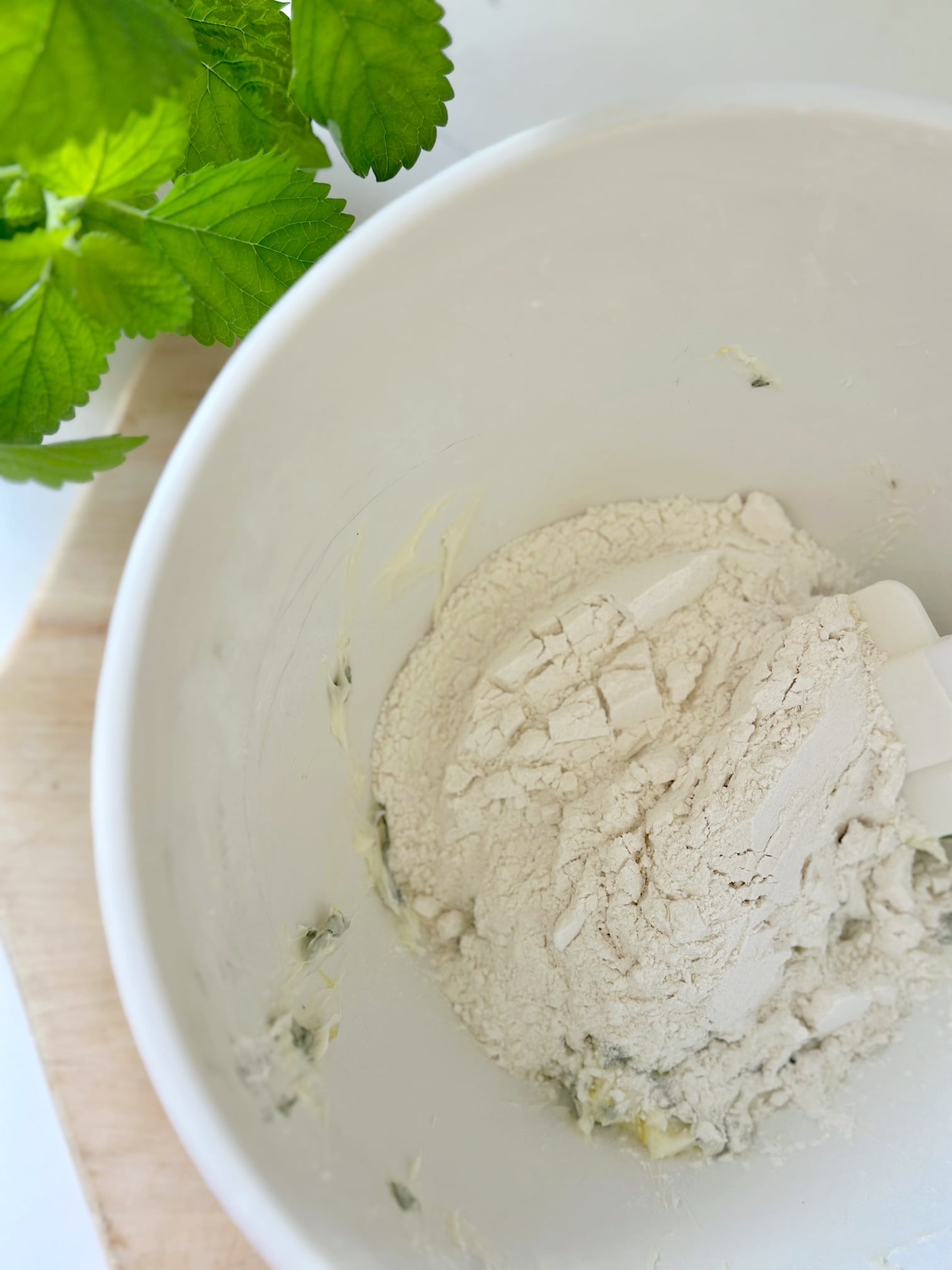
Step 3: Stir in the flour
Add the flour and mix just until a dough forms. It will look slightly crumbly but should hold together when pressed.
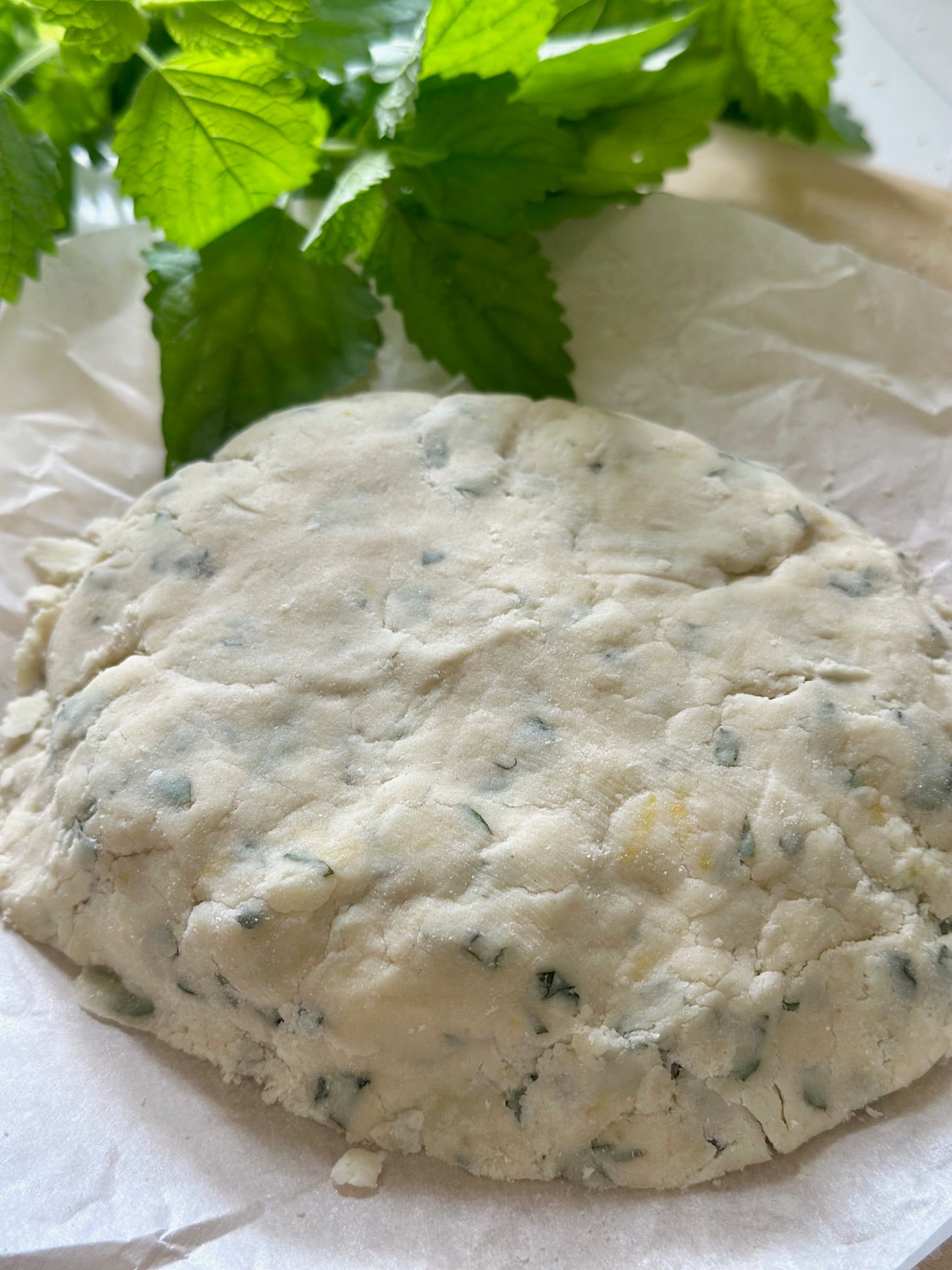
Step 4: Chill the dough
Shape the dough into a 1-inch-thick disk, wrap it tightly, and refrigerate for 45 minutes.
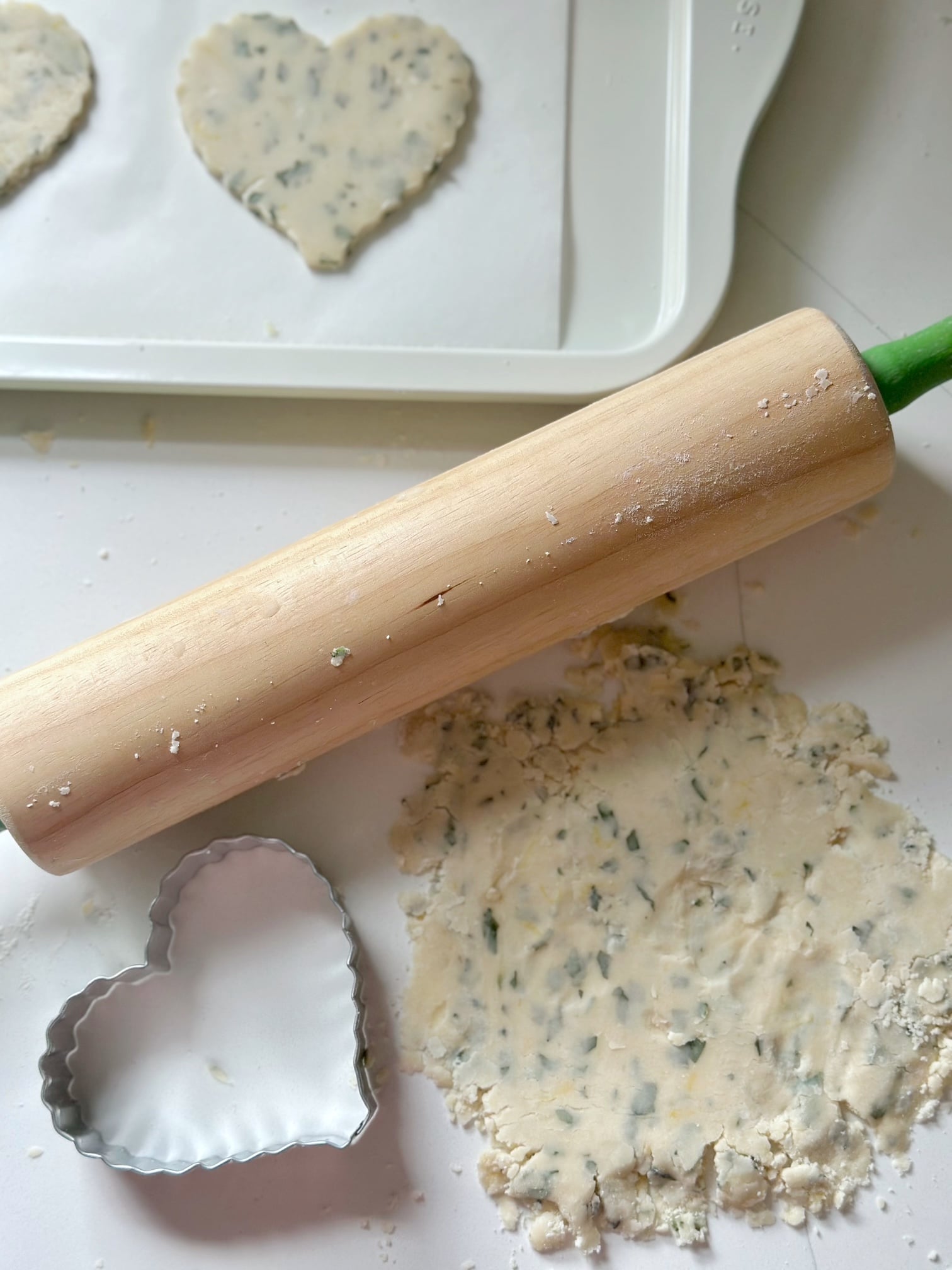
Step 5: Roll and cut the cookies
Roll the chilled dough to about ¼-inch thick, then cut into your favorite shapes and place them on a parchment-lined baking sheet.
Note: If the dough has softened while rolling and cutting, refrigerate the baking sheet for 10 minutes to help the cookies keep their shape.
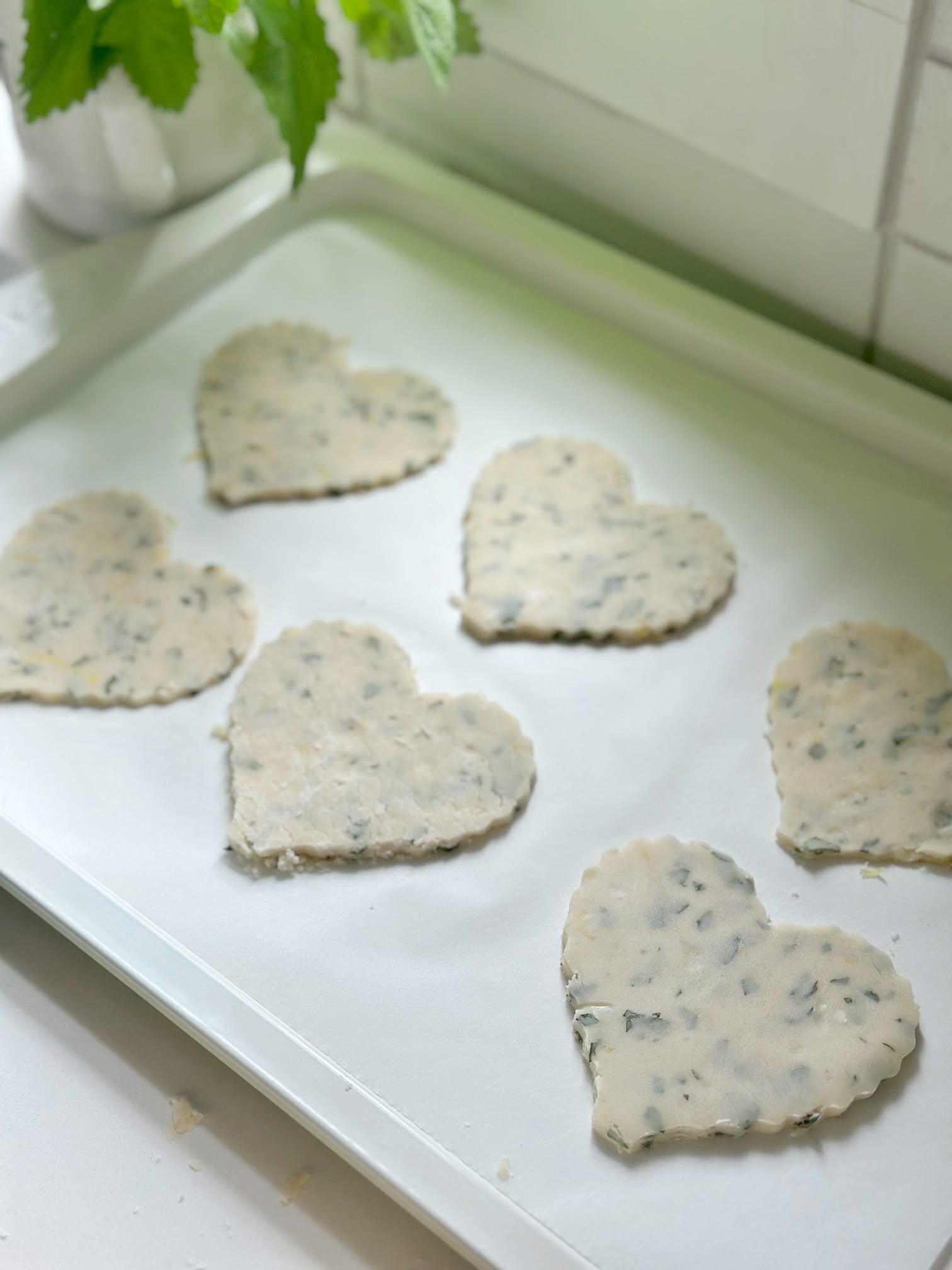
Step 7: Bake
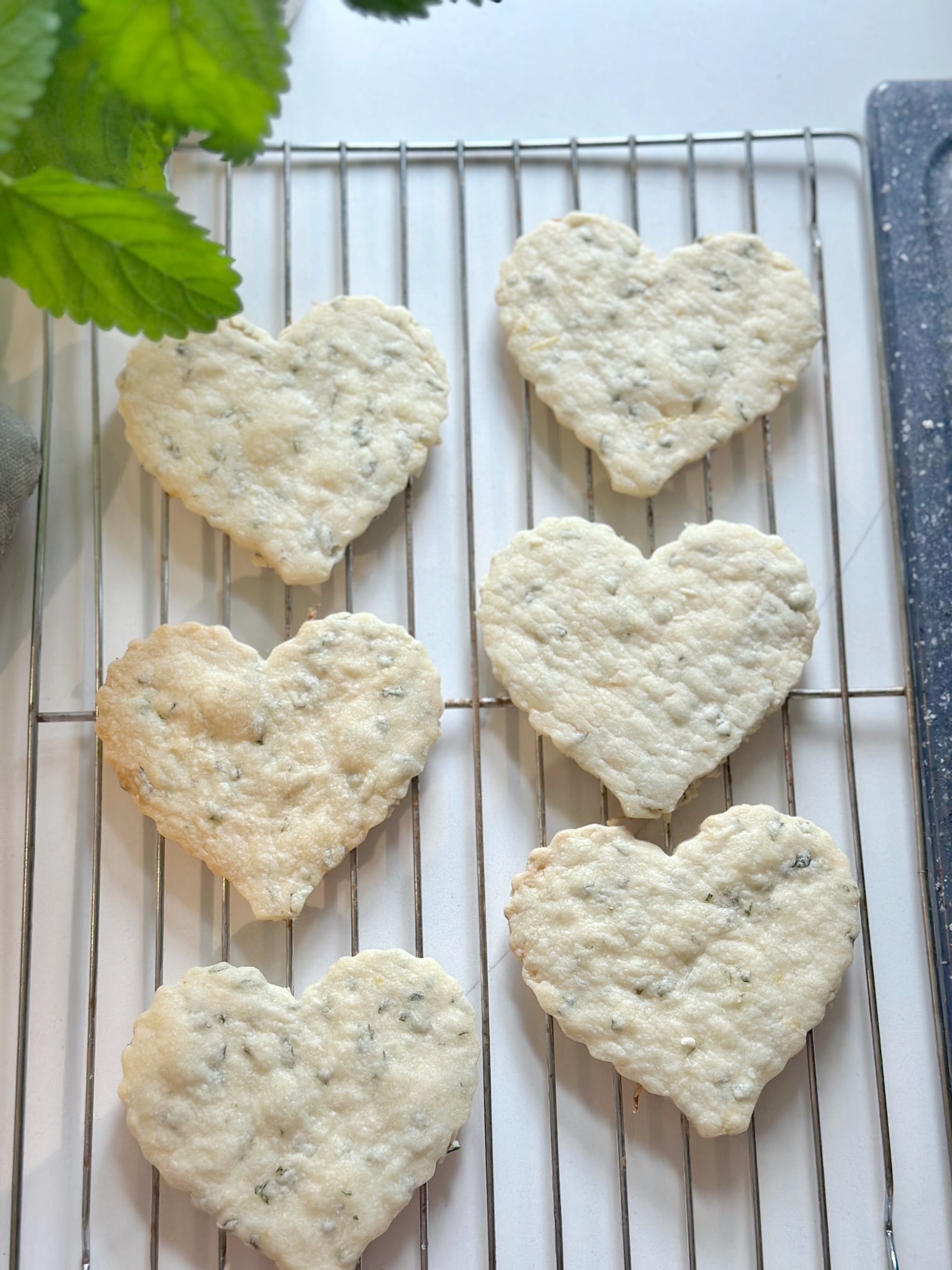
Bake at 325°F for 12 to 15 minutes, just until the edges begin to turn the palest golden color. The tops should remain mostly pale.
Step 8: Cool and enjoy
Let the cookies cool on the baking sheet for 5 minutes before transferring them to a wire rack to cool completely.
Tips for the best lemon balm cookies
Chop the lemon balm very finely
Take a few extra minutes to finely chop the lemon balm leaves before adding them to the dough. Smaller pieces distribute more evenly throughout the cookies and prevent larger bits from becoming chewy after baking.
Chill the dough
Don't skip the chilling time. Cold dough is easier to roll, cuts cleaner with cookie cutters, and helps the cookies hold their shape in the oven. If the dough becomes soft while you're working with it, pop it back into the refrigerator for 10 minutes before baking.
Don't overbake
These are delicate shortbread cookies and should remain mostly pale. Remove them from the oven when the edges are just beginning to turn the lightest golden color. They'll continue to set as they cool on the baking sheet.
Use fresh lemon zest
Fresh lemon zest adds bright citrus flavor and complements the gentle herbal notes of the lemon balm. The natural oils in the zest make a noticeable difference, so avoid bottled lemon juice or dried zest for the best results.
Variations
One of my favorite things about this recipe is how easy it is to customize. The buttery shortbread base pairs beautifully with a variety of fresh herbs, making it a wonderful starting point for experimenting with flavors from your garden.
Try a different herb
Swap the lemon balm for an equal amount of another soft herb. Finely chopped mint, thyme, or rosemary each create a unique cookie with their own character. You can even combine herbs, such as lemon balm and a touch of culinary lavender, for a more complex flavor.
Dip them in white chocolate
Once the cookies have cooled completely, dip half of each cookie in melted white chocolate and let it harden before serving. The creamy sweetness pairs beautifully with the fresh herbs.
Sprinkle with sanding sugar
Before baking, lightly sprinkle the tops with coarse sanding sugar for a little sparkle and delicate crunch.
Make lemon buttercream sandwich cookies
Spread a layer of lemon buttercream between two cooled cookies to create an elegant sandwich cookie that's perfect for showers, tea parties, or holiday cookie trays.
Add culinary lavender
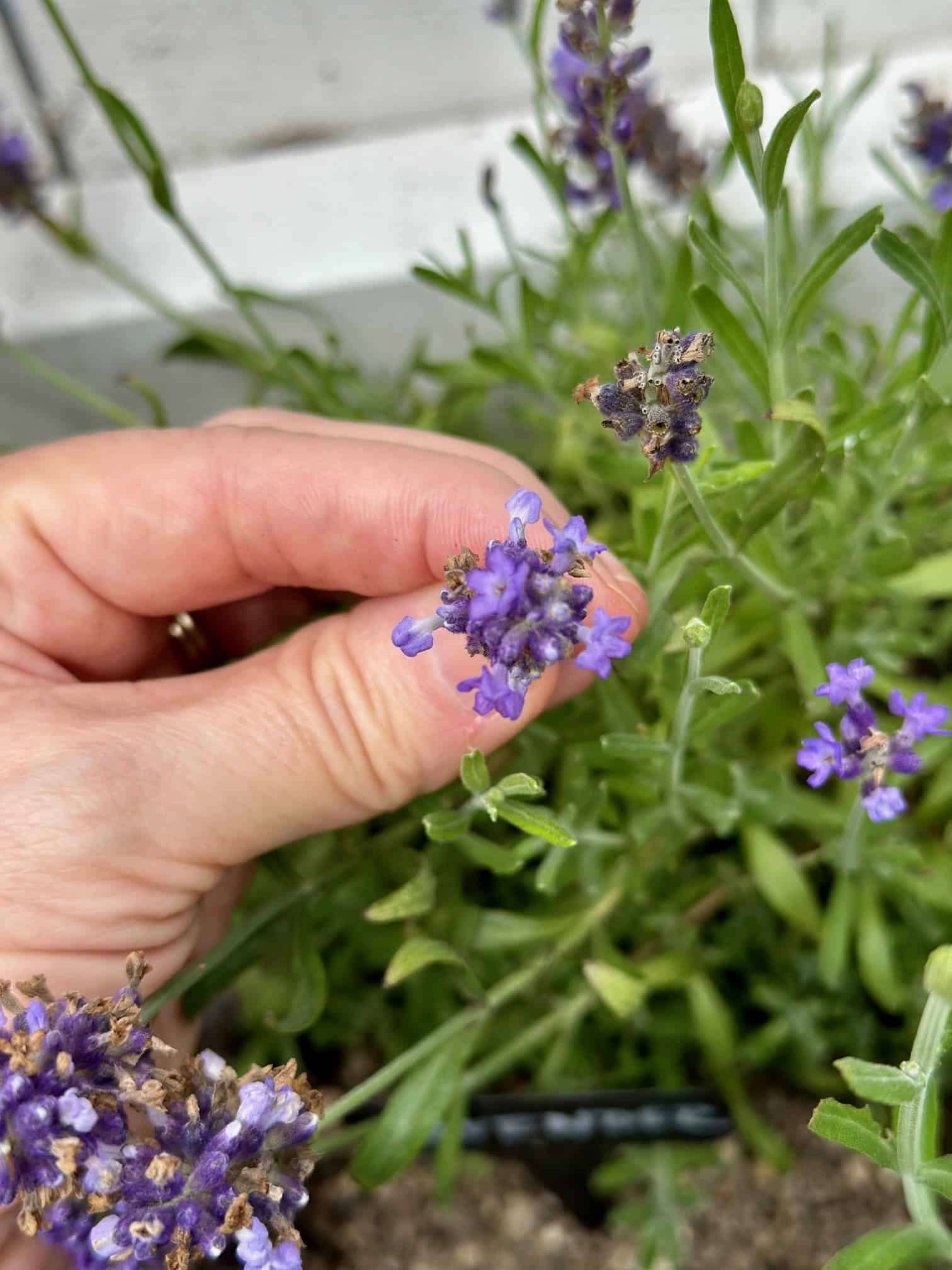
For a floral twist, stir in 1 to 2 teaspoons of finely chopped culinary lavender along with the lemon balm. A little goes a long way, so use it sparingly.
How to store lemon balm cookies
Once the cookies have cooled completely, store them in an airtight container at room temperature for up to 5 days. To help preserve their delicate texture, place a sheet of parchment paper between layers if you're stacking them.
For longer storage, freeze the baked cookies in a freezer-safe container or bag for up to 3 months. Thaw at room temperature before serving.
Can you freeze the dough?
Yes! This shortbread dough freezes beautifully.
Wrap the dough disk tightly in plastic wrap, then place it in a freezer-safe bag or container for up to 3 months. Thaw it overnight in the refrigerator before rolling and cutting.
You can also roll out the dough, cut the cookies into shapes, and freeze them on a baking sheet. Once frozen, transfer the unbaked cookies to a freezer-safe container. Bake them straight from frozen, adding an extra minute or two to the baking time if needed.
Frequently asked questions
Yes! Fresh lemon balm is edible and commonly used in teas, desserts, salads, infused drinks, and a variety of herbal recipes. Its mild citrus flavor makes it especially popular in baked goods and summer recipes.
Lemon balm has a delicate flavor that becomes more subtle during baking. Pairing it with fresh lemon zest helps highlight its natural citrus notes without overpowering the cookies.
Fresh lemon balm is recommended for this recipe because it provides the brightest flavor and aroma. Dried lemon balm won't deliver the same fresh, citrusy taste or soft flecks of green throughout the cookies.
Shortbread dough is naturally a bit crumbly, but it should hold together when pressed. If your cookies crumble after baking, it's often because too much flour was added or the dough wasn't chilled long enough before rolling and baking. Be sure to measure the flour carefully and give the dough plenty of time to chill for the best texture.
Lemon Balm Cookie
Ingredients
- ½ cup unsalted butter, softened
- ½ cup powdered sugar
- ¼ teaspoon fine sea salt
- 1 cup all purpose flour
- ⅓ cup fresh lemon balm leaves, finely chopped
- 1 tablespoon lemon zest (from 1 medium lemon)
Instructions
- In a large mixing bowl, cream the softened butter and powdered sugar until light and fluffy.
- Mix in the sea salt.
- Stir in the finely chopped lemon balm and lemon zest until evenly combined.
- Add the flour and mix just until the dough comes together. The dough will be slightly crumbly but should hold together when pressed.
- Shape the dough into a 1-inch thick disk, wrap tightly, and refrigerate for 45 minutes.
- Preheat the oven to 325°F and line a baking sheet with parchment paper.
- Roll the chilled dough to ¼-inch thick on a lightly floured surface or between two sheets of parchment paper.
- Cut into shapes using your favorite cookie cutters and transfer to the prepared baking sheet.
- If the dough has softened while rolling and cutting, refrigerate the baking sheet for 10 minutes before baking.
- Bake for 12 to 15 minutes, or until the edges are just beginning to turn the palest golden color. The tops should remain mostly pale.
- Let the cookies cool on the baking sheet for 5 minutes, then transfer them to a wire rack to cool completely.Bake for 12 to 15 minutes, or until the edges are just beginning to turn the palest golden color. The tops should remain mostly pale.
- Let the cookies cool on the baking sheet for 5 minutes, then transfer them to a wire rack to cool completely.
Notes
- Finely chop the lemon balm leaves so they distribute evenly throughout the dough and bake into a delicate texture.
- Zest only the yellow outer peel of the lemon. Avoid the white pith, which can add bitterness.
- The dough will look slightly crumbly, but it should hold together when squeezed. Avoid overmixing.
- Chilling the dough makes it easier to roll and helps the cookies hold their shape while baking.
- If the dough becomes soft after rolling and cutting, refrigerate the baking sheet for 10 minutes before placing it in the oven.
- Bake only until the edges are the palest golden color. The tops should remain light for a tender, buttery shortbread.
- Store cooled cookies in an airtight container at room temperature for up to 5 days or freeze for up to 3 months.
- This recipe works beautifully with other fresh herbs, too. Try replacing the lemon balm with an equal amount of finely chopped mint, thyme, or rosemary for a different flavor.
- These cookies are delicious on their own or dipped in white chocolate, sprinkled with sanding sugar, or sandwiched with lemon buttercream.
Nutrition

If you're looking for a simple way to use fresh lemon balm from the garden, these buttery shortbread cookies are a wonderful place to start. The combination of delicate lemon balm, bright lemon zest, and rich butter creates a cookie that's elegant enough for a tea party but easy enough to make any afternoon.
One of my favorite things about this recipe is how versatile it is. Once you've made it with lemon balm, try experimenting with other fresh herbs from your garden. Mint, thyme, rosemary, or even a touch of culinary lavender all bring their own unique flavor to this classic shortbread.
Whether you're baking a batch to share with friends or simply looking for a new way to enjoy your herb harvest, I hope these lemon balm cookies become a favorite in your kitchen too.
Happy baking!