Large Leaf House Plants: 12 House Plants With Big Leaves

Popular houseplants with big leaves include Monstera deliciosa, fiddle leaf fig, bird of paradise, rubber plant, peace lily, alocasia, and calathea. These bold, oversized plants are known for their dramatic foliage and strong visual impact indoors. Many of the most popular big leaf houseplants are also beginner friendly when given bright indirect light, consistent watering, and simple care routines, making them a great choice for new plant parents who want instant impact without the stress.
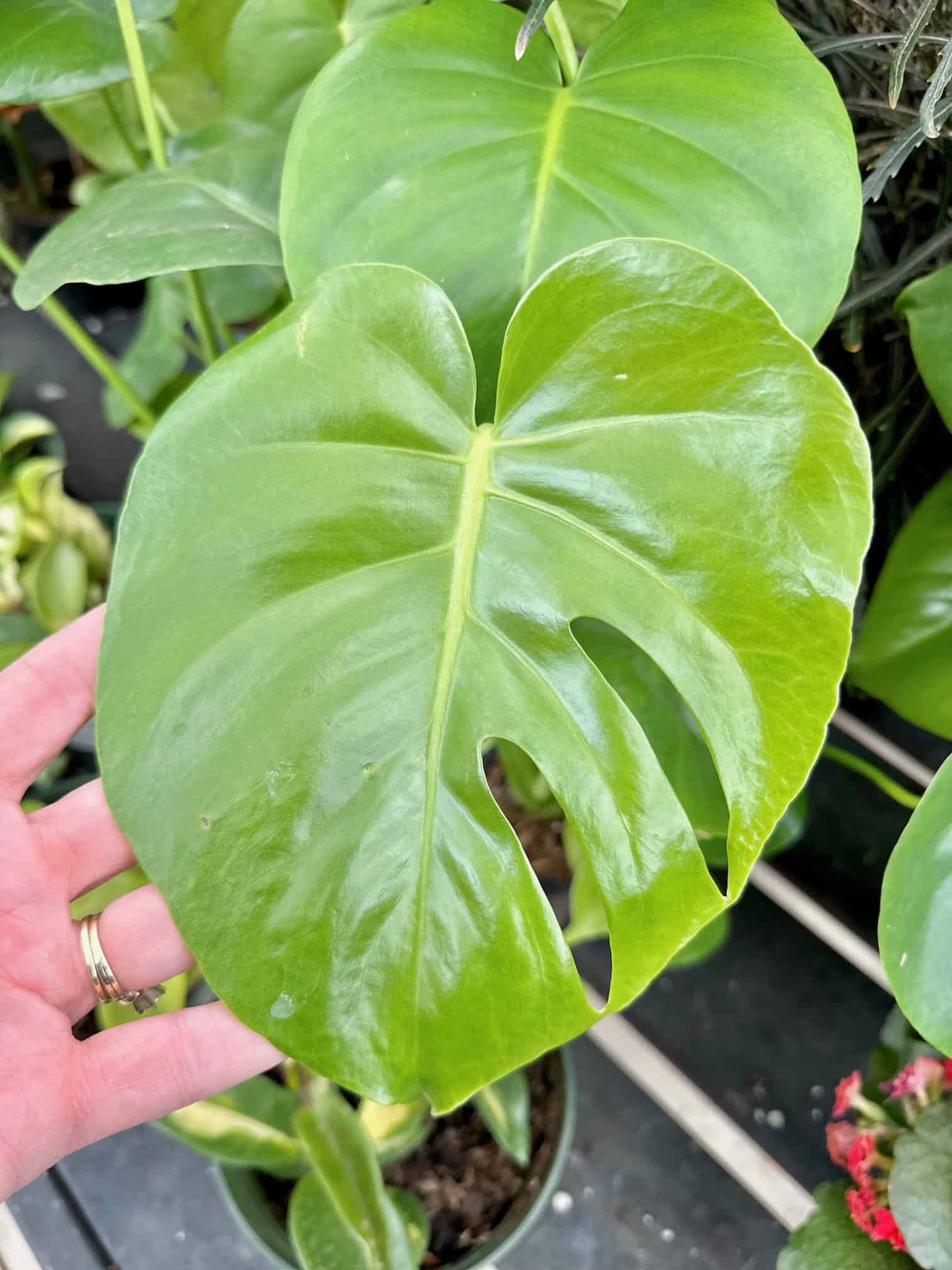
I like big leaves and I cannot lie. If you are here, I am guessing you do too. There is just something about a bold, oversized leaf that instantly makes a space feel more alive. Big leaf houseplants add softness, height, and drama, all while quietly cleaning the air and asking very little in return besides decent light and occasional watering.
Whether you are filling an empty corner, softening a wall of furniture, or adding more texture to your home, these plants do the job beautifully. In this post, I am sharing my favorite indoor houseplants with big leaves, along with simple care tips, the best places to put them, and how to style them with confidence even if you are newer to plant parenthood.
Let's get into it.
Jump to:
- What you may be wondering about big leaf houseplants
- The big leaf lineup (my go-to indoor favorites)
- Where big leaf plants look their best at home
- How to keep big leaf plants happy without overthinking it
- When big leaves get moody (common problems and easy fixes)
- Where to find big leaf plants without the guesswork
- More helpful plant care articles
What you may be wondering about big leaf houseplants
Some of the most popular houseplants with big leaves include Monstera deliciosa, fiddle leaf fig, bird of paradise, rubber plant, alocasia, peace lily, calathea orbifolia, and large philodendron varieties. These are the classic bold leaf plants most people picture when they think of oversized indoor foliage.
Many big leaf houseplants are surprisingly easy to care for, especially beginner favorites like monstera, rubber plant, peace lily, and ZZ plant. With bright indirect light and consistent watering, most thrive without complicated routines.
Some big leaf plants tolerate lower light, such as peace lilies, ZZ plants, and certain philodendrons. Others like fiddle leaf fig and bird of paradise need brighter light to stay healthy and full.
Yellow or drooping leaves are usually caused by overwatering, poor drainage, or sudden light changes. Big leaves hold a lot of moisture, so they often show stress faster when watering is off.
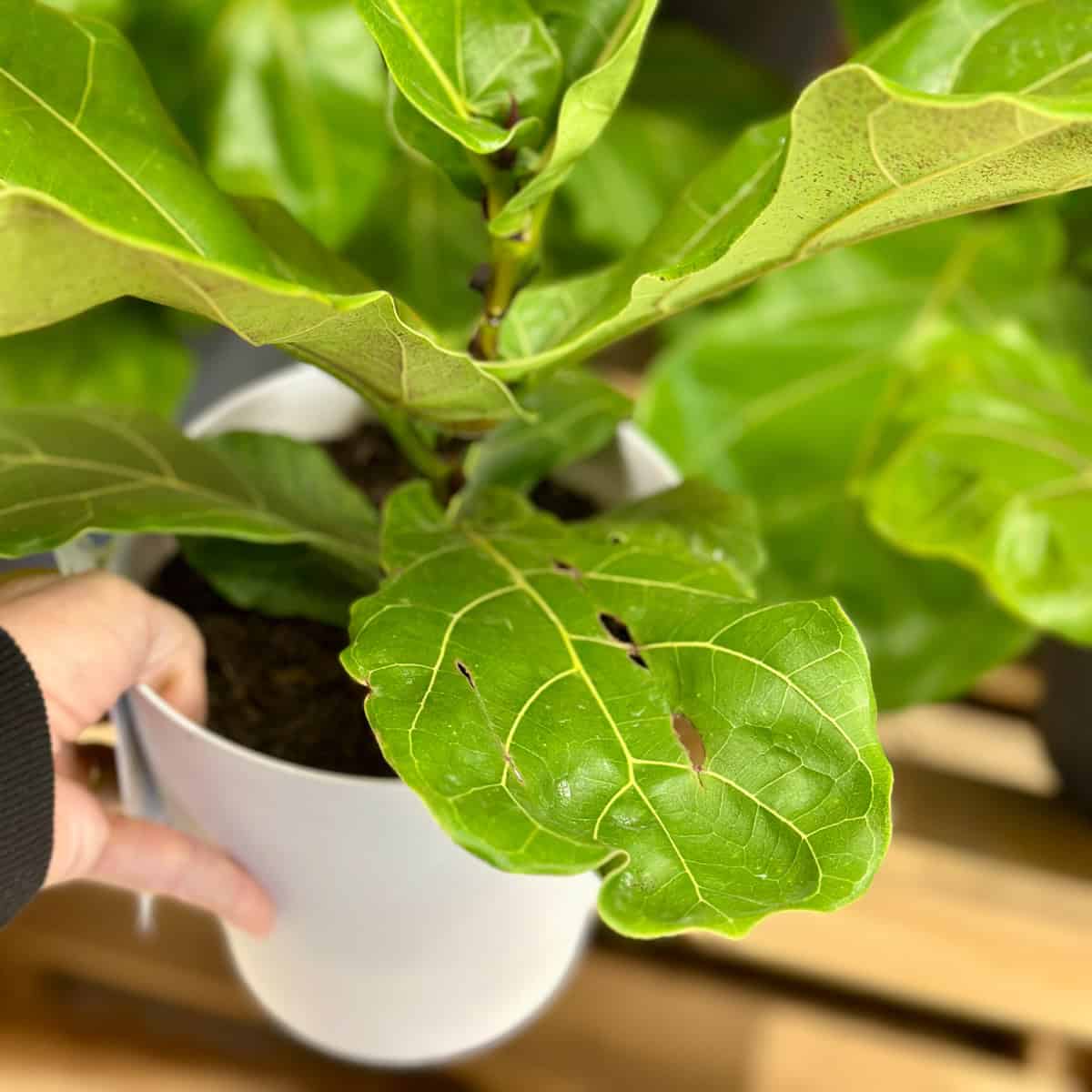
The big leaf lineup (my go-to indoor favorites)
Big leaf plants get a reputation for being high maintenance, but that has not been my experience at all. Some of the boldest, most dramatic plants are also some of the easiest to live with when you choose the right ones and place them well. These are the big leaf houseplants I return to again and again because they actually work in real homes with real light, real schedules, and real life happening all around them.
I'll walk you through what they look like, where they feel happiest, and how much attention they truly need.
Monstera deliciosa
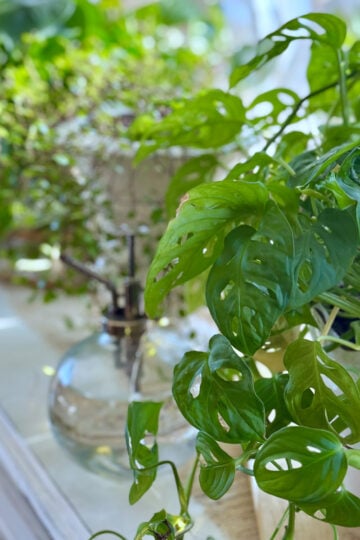
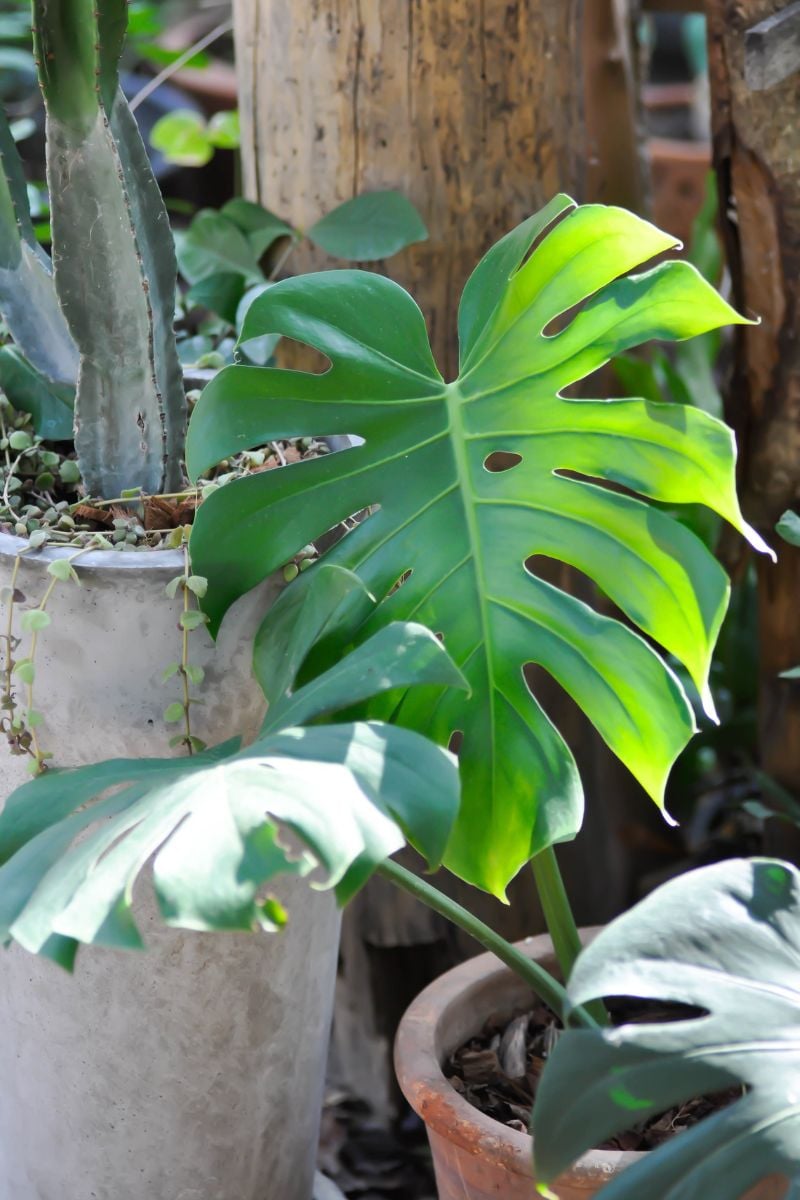
The leaves are glossy, oversized, and naturally split as they mature. Monstera does best in bright, indirect light but is forgiving in medium light too. Water this common indoor plant when the top few inches of soil are dry. Indoors it can reach four to six feet tall with time. It looks especially good near a window or filling an empty corner.
Beginner friendly: Yes.
Fiddle Leaf Fig
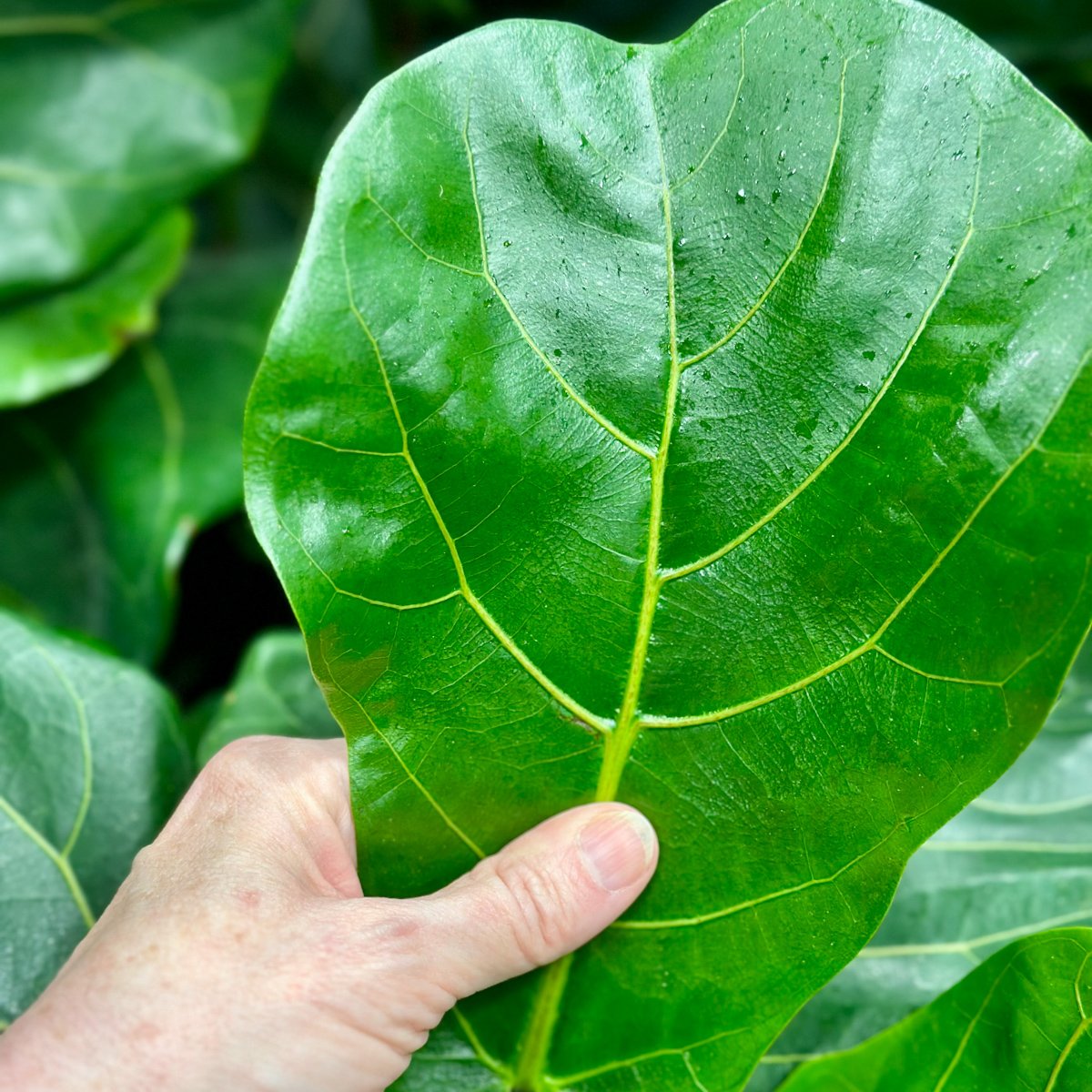
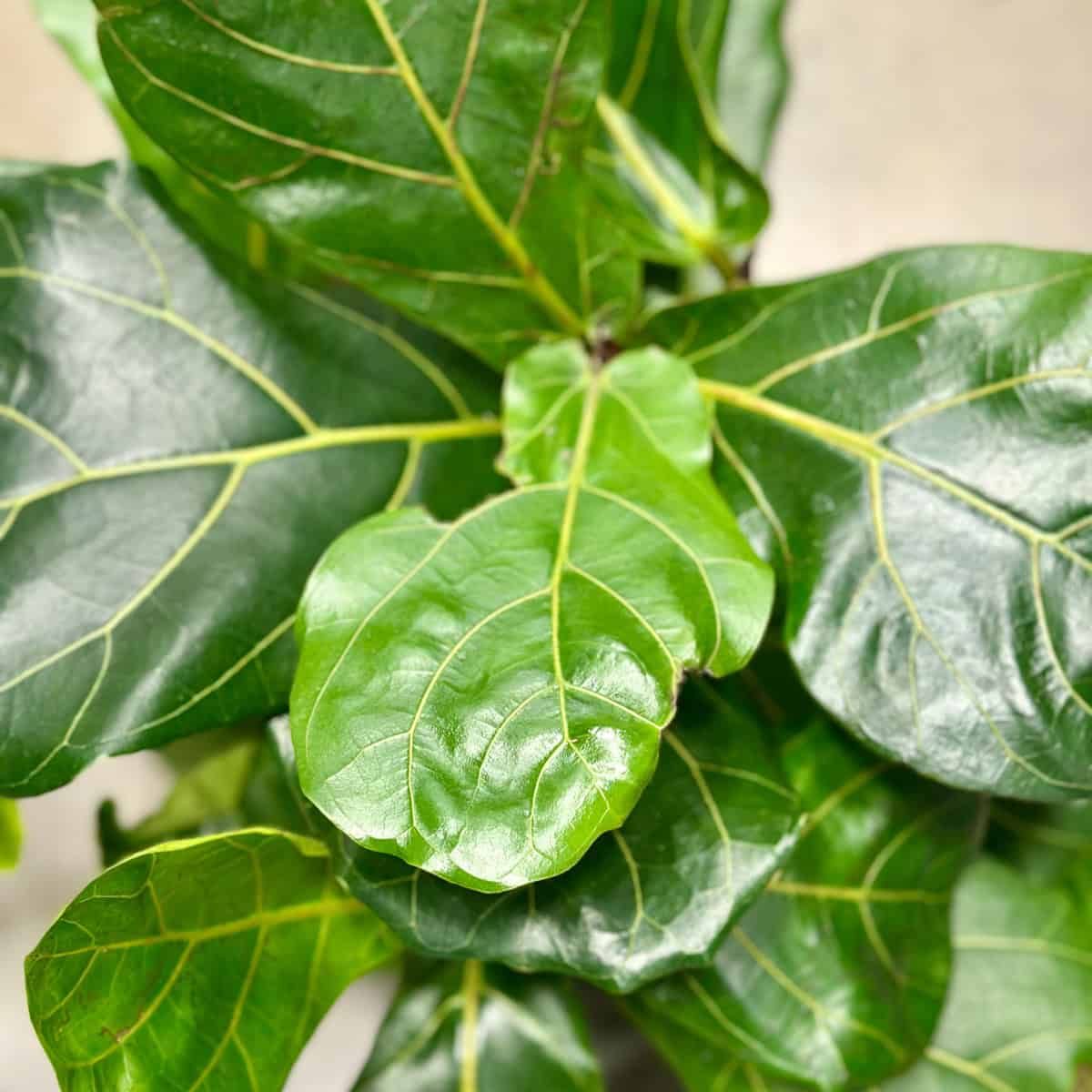
Large violin-shaped leaves with a bold upright presence. It prefers bright, steady light and does not love being moved around. Water when the top of the soil dries. Indoors it can reach six feet or more. Best in bright living rooms or near large windows.
Beginner friendly: Needs a little patience.
Bird of Paradise
Long, dramatic tropical leaves that feel like vacation indoors. It likes bright light and can even handle some direct sun. Water when the top few inches dry. Indoors it can grow very large, often five to seven feet. Perfect for sunny rooms with high ceilings.
Beginner friendly: Yes with good light.
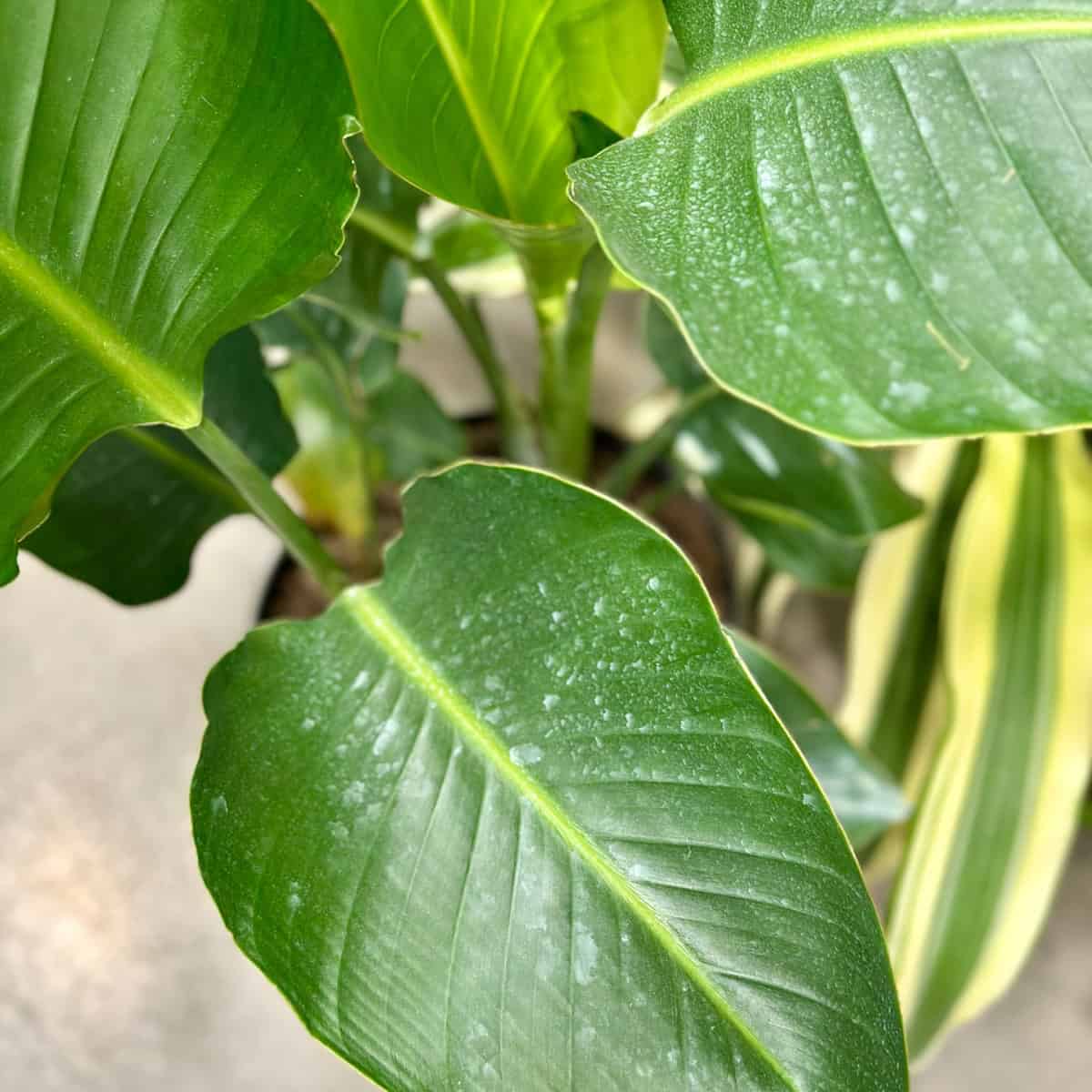
Rubber Plant
Thick, glossy leaves that feel sturdy and forgiving. It grows well in medium to bright indirect light. Water when the soil is mostly dry. Indoors it can reach five feet or more. Looks great beside furniture or in modern spaces.
Beginner friendly: Yes.
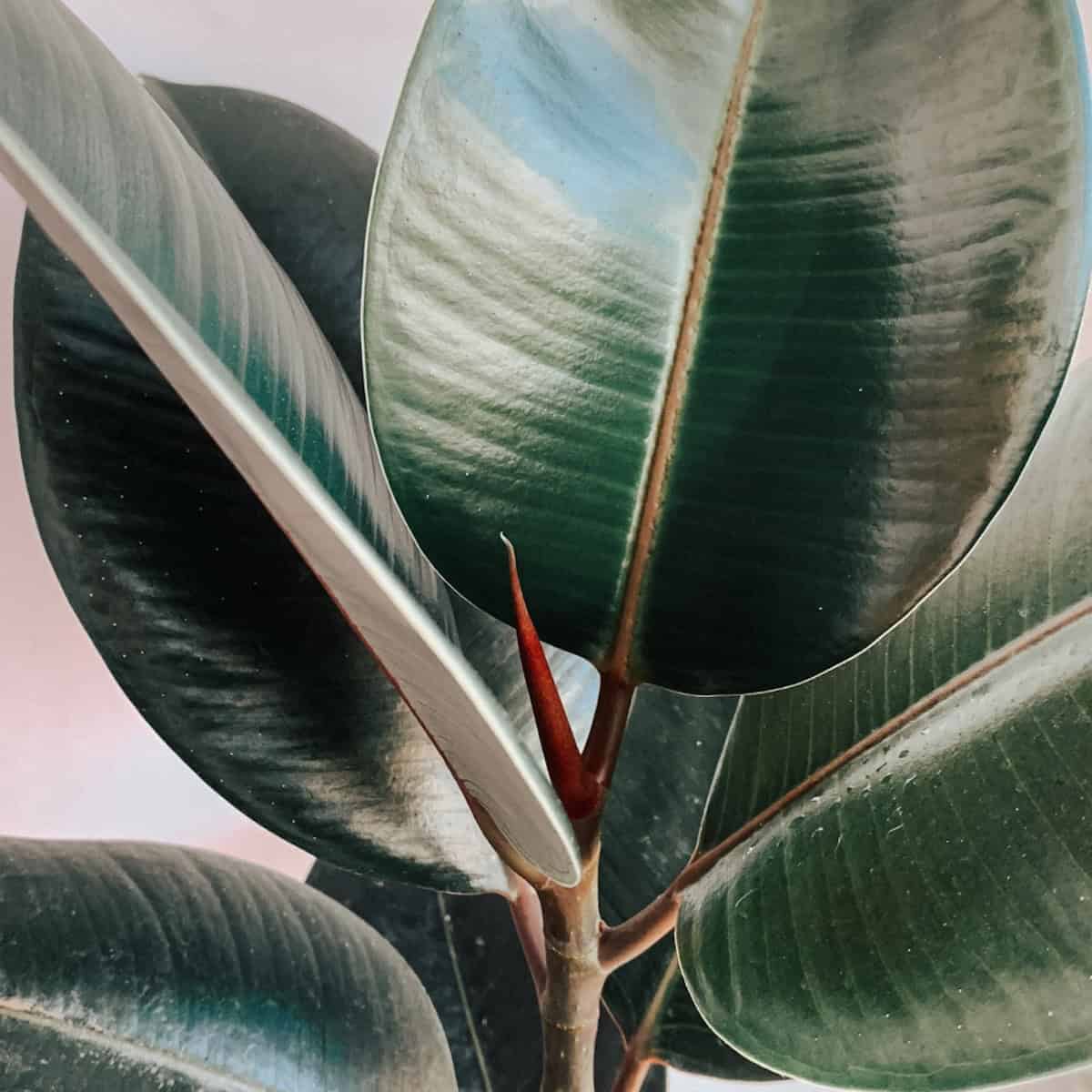
Alocasia
Striking arrow-shaped leaves with bold veins. Prefers bright indirect light and consistent moisture. Water when the top inch of soil dries. Indoors it typically stays two to four feet tall. Best as a statement plant on a stand or tabletop.
Beginner friendly: Needs a little patience.

Philodendron selloum
Deeply lobed, oversized leaves with a relaxed tropical feel. Thrives in medium to bright indirect light. Water when the top few inches are dry. Indoors it can spread wide and grow several feet tall. Perfect for filling large floor spaces.
Beginner friendly: Yes.
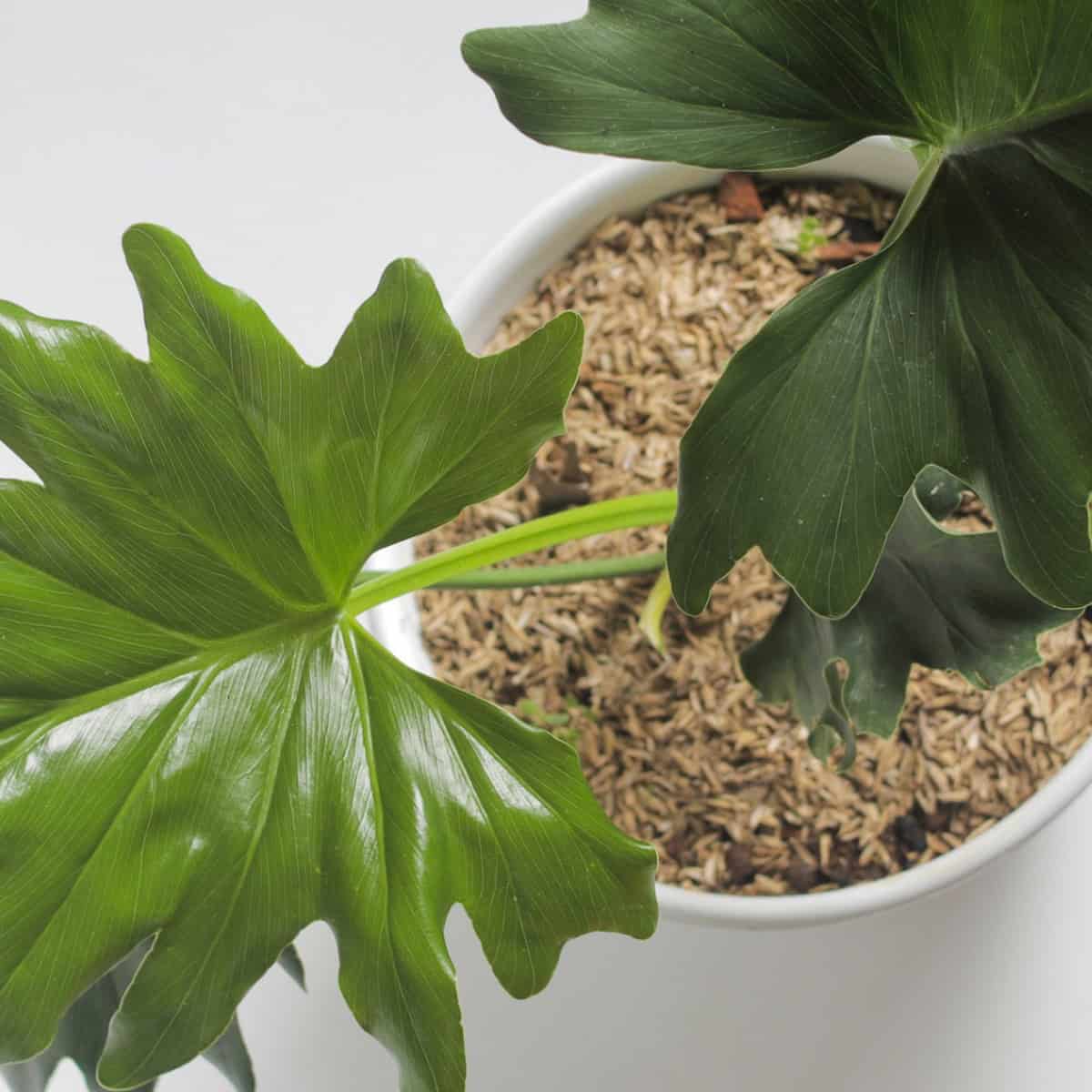
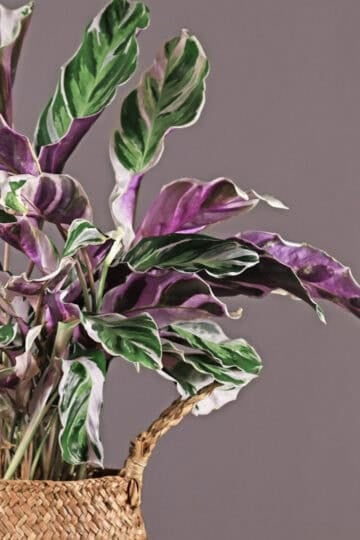
Calathea orbifolia
Soft, wide, striped leaves that move with the light. Prefers bright indirect light and higher humidity. Keep the soil lightly moist. Indoors it stays around two to three feet tall. Beautiful in bedrooms or bathrooms with filtered light.
Beginner friendly: Needs a little patience.

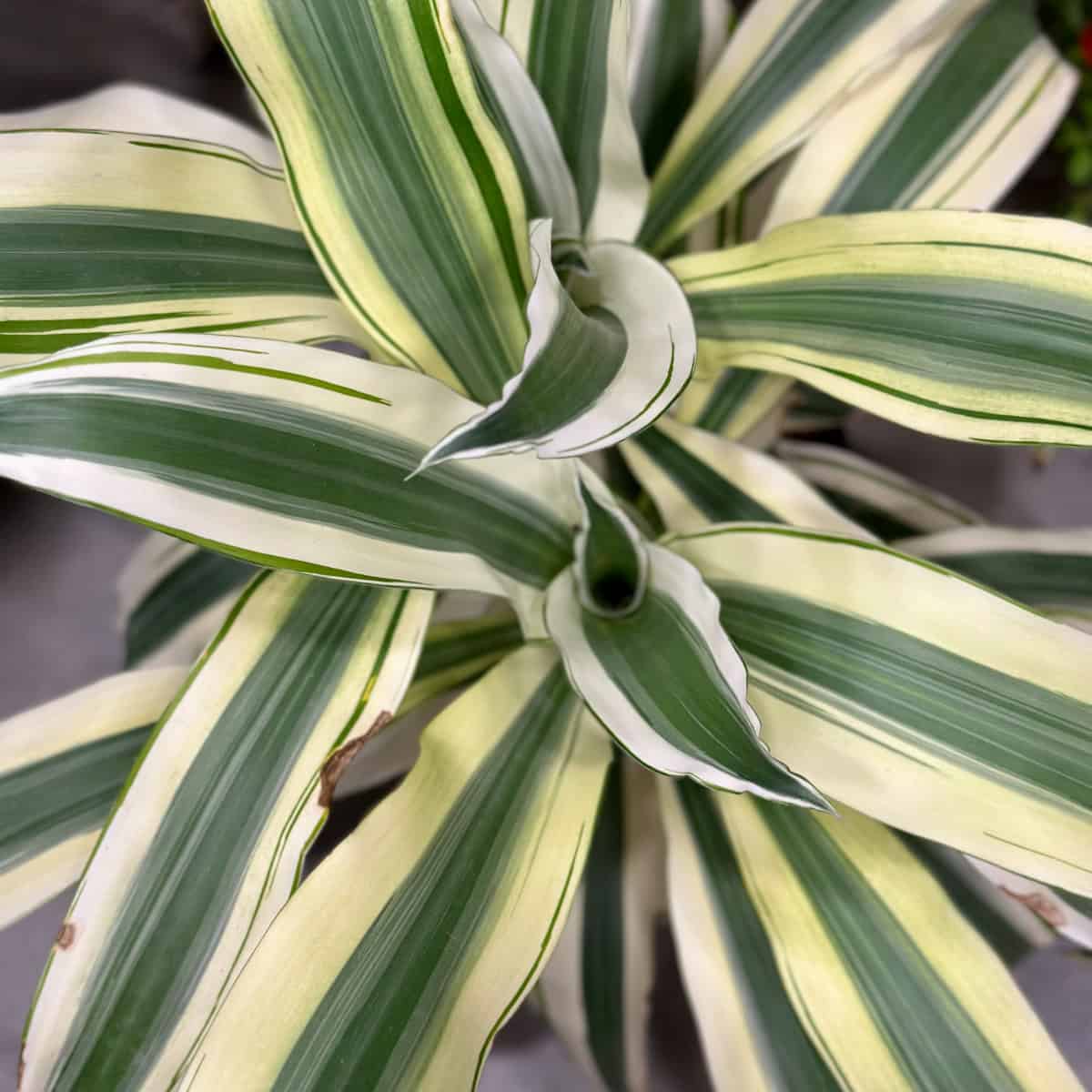
Dieffenbachia
Broad, patterned leaves with upright growth. Does well in medium to bright indirect light. Water when the top inch or two dries out. Indoors it often grows three to five feet tall. Best for corners that need height.
Beginner friendly: Yes.
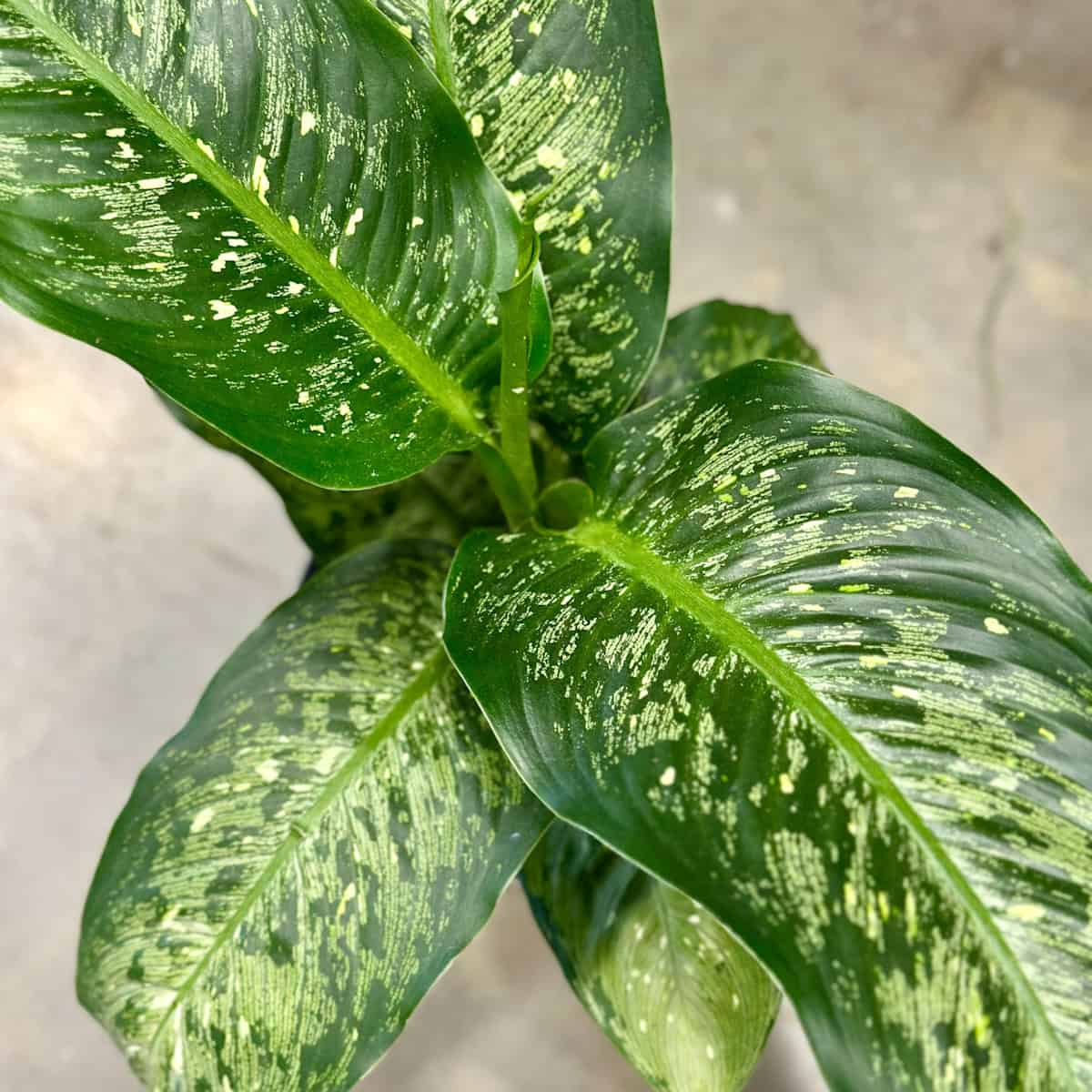
Dwarf Banana Plant
Huge, lush tropical leaves that unfurl quickly. Loves bright light and consistent watering. Keep the soil evenly moist. Indoors it can reach five to six feet. Ideal for sunny rooms with space to spread.
Beginner friendly: Yes with regular watering.

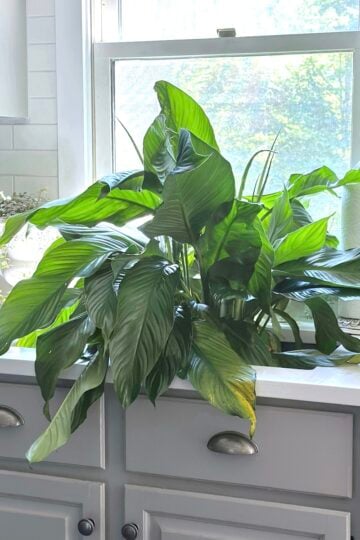
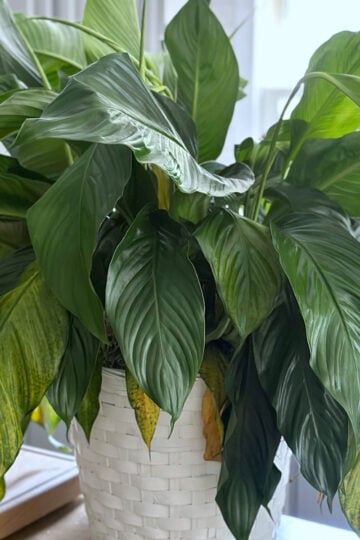
Peace Lily
Oval, glossy leaves with graceful white blooms. Tolerates lower light than most big leaf plants. Likes evenly moist soil. Indoors it usually stays two to three feet tall. Perfect for bedrooms, offices, and living rooms.
Beginner friendly: Yes.

ZZ Plant
Thick, waxy leaves that stand upright and store water. Thrives in low to bright indirect light. Water only when fully dry. Indoors it grows two to three feet tall. Great for shelves and low-light rooms.
Beginner friendly: Yes.

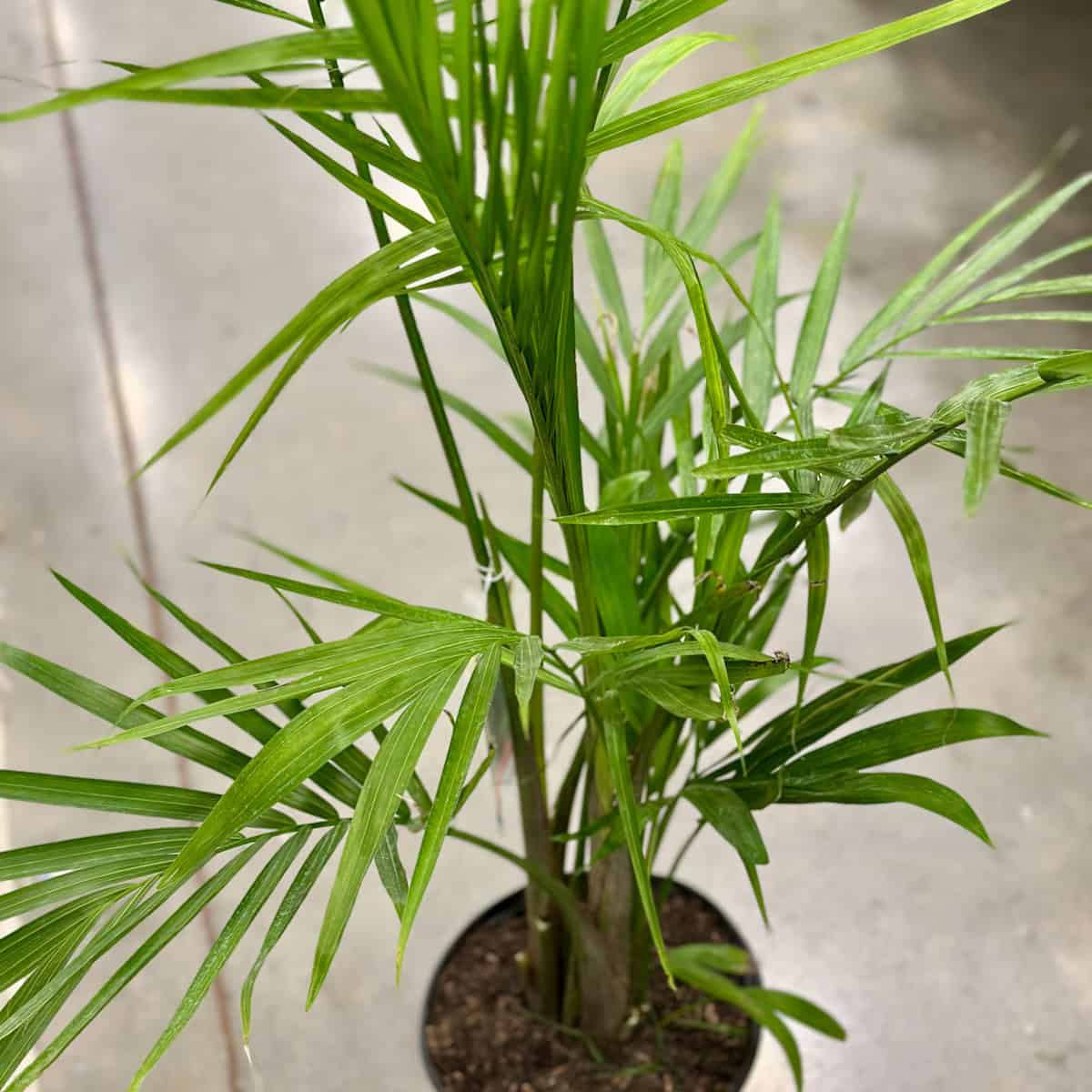
Majesty Palm
Long, arching fronds that add soft movement to a room. Likes bright indirect light and evenly moist soil. Indoors it can reach six feet or more. Best for tall corners and near windows.
Beginner friendly: Yes with regular watering.
Where big leaf plants look their best at home
Not magazine rooms. Not staged spaces with perfect lighting and zero cords. I'm talking about real rooms where people drop their keys, kick off their shoes, and actually live. Big leaf plants shine in everyday spaces because they bring life, softness, and movement without adding visual clutter.
Here are the spots where I've found they truly work their magic.
Entryways that feel empty
If you have that awkward open spot when you walk in that never quite knows what it wants to be, a tall big-leaf plant fixes it instantly. One strong plant makes the space feel intentional instead of unfinished. It's welcoming in a way a small table or another basket never quite is.
Dead corners that need life
Every home has at least one corner that collects dust and guilt. Big leaf plants are perfect for these spaces because they add height and interest without needing furniture. A monstera, rubber plant, or palm can turn a forgotten corner into one of the most beautiful spots in the room.
Next to sofas and sectionals
Large plants soften the hard lines of furniture in the best way. Tucked beside a sofa or behind a sectional, big leaves add movement and balance without overwhelming the space. This is one of my favorite ways to make a living room feel layered and comfortable.
Window walls
If you have a wall that gets good light, this is prime real estate for big leaf plants. Grouping one or two large plants near a window makes the whole wall feel alive. It also keeps the plants happiest since they get the light they need without being shoved right up against the glass.
Bedrooms that need softness
Big leaf plants in bedrooms aren't about drama. They are about calm. A peace lily plant, calathea, or even a rubber plant adds a quiet softness that makes the room feel more restful and less styled. I especially love one near a dresser or reading chair.
Why big leaves calm a space
There is something inherently soothing about oversized, organic shapes. Big leaves slow the eye down. They soften sharp lines, visually lower stress, and make a space feel more grounded.
How they fill visual gaps without clutter
One large plant can do the job of several small ones without making a room feel busy. Instead of adding multiple objects to fill space, a single big leaf plant creates fullness with far less visual noise.
Why one big plant often works better than five small ones
Five small plants need five homes, five light sources, and five care routines. One big plant becomes a focal point. It is easier to care for, easier to place, and often has much more impact.
How to keep big leaf plants happy without overthinking it
This is your reminder that you do not need to become a botanist to keep big leaf plants alive and thriving. These plants are far more forgiving than their dramatic size might suggest. You really can do this.
Light in plain language
Most big leaf plants want what I call "good daylight," not harsh sun and not a dark corner. A few feet back from a bright window is usually perfect. If a plant is stretching toward the light or leaning hard in one direction, it's just asking for a little more brightness. No stress, just scoot it closer.
Watering without schedules
This is where people get tripped up. Big leaf plants almost never want a strict calendar. Instead, feel the soil. If the top couple inches are dry, it's time to water. If it's still damp, leave it alone. These plants would much rather be a little dry than sitting in soggy soil.
When humidity matters and when it really doesn't
Some big leaf plants love humidity, like calatheas and banana plants. Others, like monsteras, rubber plants, and ZZ plants, are perfectly fine in normal household air. If you see crispy edges on a humidity lover, that's your clue. Otherwise, don't overthink it.
When to repot and when to leave it alone
If roots are growing out of the drain holes or the plant is drying out way faster than usual, it might be time to size up the pot. If your plant seems happy, growing, and holding its leaves well, leave it be. Big leaf plants actually like being a little snug in their pots.
What to ignore and what actually signals trouble
One yellow leaf once in a while is normal. Plants do shed older leaves. Sudden yellowing of many leaves, mushy stems, or a sour smell from the soil are the signs to pay attention to. Everything else is usually just your plant adjusting to its space.
This is really the heart of how I care for all of my plants. I watch them instead of following charts. Leaves droop when they are thirsty. Color shifts when they want different light. Growth tells you when they are happy. It's intuitive, and once you trust yourself with it, plant care gets a whole lot more peaceful.

When big leaves get moody (common problems and easy fixes)
If you grow big leaf plants long enough, you will see a little drama at some point. It happens to almost everyone. The good news is that most issues are simple to fix once you know what you are looking at.
Yellow leaves and what they usually mean
This one almost always comes back to water. Too much is the most common cause. If the soil stays wet for days on end, roots cannot breathe and leaves start to yellow. Let the soil dry a bit more between waterings and make sure your pot has a drainage hole. One yellow leaf here and there is also just part of growth and aging, so do not panic over a single leaf. Check out my post on how I water all my plants for the best outcome.
Drooping leaves and when to worry
Drooping usually means thirst. Give the plant a good, thorough watering and it will often perk back up within a day. If the soil is already wet and the leaves are still droopy, that is when you pause and let things dry out a bit before watering again.
Brown edges
This is most common on plants that like humidity, such as calatheas and banana plants. Dry indoor air or inconsistent watering can cause crispy edges. A simple fix is more consistent watering and, for humidity-loving plants, a nearby humidifier or grouping plants together.
Leaf drop after moving a plant
This is completely normal and happens to almost everyone at some point. Plants get used to one spot and can drop a few leaves when they are moved to new light or temperature conditions. Give it time. Most big leaf plants settle in within a few weeks and start pushing out new growth.
Root rot in simple terms
Root rot happens when roots sit in wet soil for too long. The soil smells sour, stems feel soft, and the plant declines quickly. The fix is to remove the plant from the pot, trim away any black or mushy roots, repot in fresh, well-draining soil, and reduce watering going forward.
Plants that need repotting
Sometimes a big leaf plant looks unhappy simply because it has outgrown its pot. If you see roots coming out of the drainage holes, water running straight through the pot, or growth that has completely stalled during the growing season, it is usually time to size up. Repotting does not need to be dramatic. Go up just one pot size, use fresh well-draining soil, and water it in gently. Most big leaf plants respond with a noticeable growth spurt within a few weeks once they have room to stretch their roots.
Natural fertilizing for slow or pale growth
If the leaves look smaller than usual, pale, or growth has stalled for months, your plant may simply be hungry. Big leaf plants use a lot of energy to grow those oversized leaves. During spring and summer, a gentle, natural fertilizer can make a big difference. Worm castings, diluted fish emulsion, compost tea, or even used coffee grounds added to the soil in small amounts can all support healthy growth. Less is more here. Feeding lightly but consistently supports strong leaves without burning delicate roots.
Almost every plant problem looks scarier than it actually is. Most of the time, the fix is simply adjusting light or water and giving the plant a little time to recover. Big leaf plants are resilient, even when they get a little moody.

Where to find big leaf plants without the guesswork
You do not need to hunt far and wide to find beautiful big leaf houseplants. Most are easy to find once you know where to look.
Local nurseries
Local nurseries are your best bet for the healthiest plants and the most interesting varieties. You can see the size and color in person, check for pests, and ask questions based on your actual light and space at home. This is usually where you will find the strongest, best cared for big leaf plants.
Big box stores
Home improvement stores and garden centers are great for budget friendly options like monstera, rubber plants, peace lilies, and dieffenbachia. Selection changes often, so it is worth looking in regularly. Always give the plant a quick once-over for soggy soil, damaged leaves, or visible pests before bringing it home.
Online shops
If you are hunting for something specific, online plant shops and specialty sellers are a great option. You get convenience and variety, but you cannot see the plant first, so reviews and shipping practices matter. This works best when you already know exactly what plant you want.
Quick buying tips
Look for firm stems and leaves with good color
Do not stress over a few cosmetic flaws
Healthy roots matter more than perfect foliage
Choose a pot size that fits your space now, not after it outgrows your room
A Quick Word About the Adjustment Period: When you bring a new plant home, it is completely normal for it to go quiet for a while. No new growth. No big changes. Sometimes even a drooping leaf or two. Plants can go into a mild form of shock when they move from one environment to another, especially from a greenhouse or store into a home with different light, temperature, and humidity. This does not mean you are doing anything wrong. The best thing you can give a newly purchased plant is patience. Resist the urge to overwater, overfeed, or immediately repot unless something is clearly wrong. Let it settle in, observe it for a couple of weeks, and allow it to acclimate at its own pace. Most big leaf plants bounce back beautifully once they adjust to their new home.

More helpful plant care articles


Big leaf plants have a way of stealing the show without trying too hard. One generous leaf, one well-placed pot, and suddenly a room feels fuller, softer, and more alive. You do not need a jungle, a greenhouse, or a plant care degree to enjoy them. Start with one that speaks to you, give it decent light, a little patience, and a whole lot of love. Before you know it, you will be rearranging furniture just to show off that gorgeous leaf. And honestly, that is half the fun.
Keep growing, friends!