Butterfly Baths That Add Charm to the Garden

Butterfly baths are shallow water stations designed to give butterflies and bees a safe place to drink and rest. Learn how to make a simple butterfly bath using garden pots, a saucer, stones, and fresh water to add charm and support pollinators in your garden.
If we've invited butterflies, bees, and other pollinators into the garden with flowering herbs and nectar-rich blooms, it only feels right to practice a little good hospitality once they arrive. One of the easiest ways to welcome them is with a simple butterfly bath, a shallow water source where they can stop, rest, and take a drink.
In my raised herb garden, I'm always looking for ways to make the space both beautiful and beneficial. Between the flowering herbs, buzzing bees, and visiting butterflies, it's become one of my favorite places to spend time during the growing season. Adding a butterfly bath was a fun way to support pollinators while also adding a charming decorative touch to the garden beds.
Today I'm sharing the butterfly baths I made using old garden pots and saucers, along with a few simple tips for creating your own. It's an easy project that adds personality to the garden and helps care for the hardworking pollinators that keep everything growing.
At a Glance: Butterfly Baths
_______________________
- Best For: Herb gardens, flower beds, raised beds, and pollinator gardens
- Main Materials: Upside-down planter pot, saucer, stones, fresh water
- Supports: Butterflies, bees, and other pollinators
- Why Stones Matter: Gives insects a safe place to land and drink
- Style: Charming, cottage-style garden accent
- Skill Level: Beginner friendly
- Budget: Great use for old pots and garden pieces you already have
- Best Placement: Near flowering herbs, parsley, and pollinator-friendly plants
- Overall Feel: Pretty, practical, and welcoming to pollinators
Summarize and Save this content on:
Jump to:
- At a Glance: Butterfly Baths
- How I made these butterfly baths from old garden pots
- Why butterflies and bees need a shallow water source
- Why stones matter in a butterfly bath
- Should you add salt, sand, or soil?
- Where to place a butterfly bath in the garden
- Plants to grow near a butterfly bath
- Simple tips to keep a butterfly bath fresh
- Frequently asked questions
- Best plants for pollinators guides
How I made these butterfly baths from old garden pots
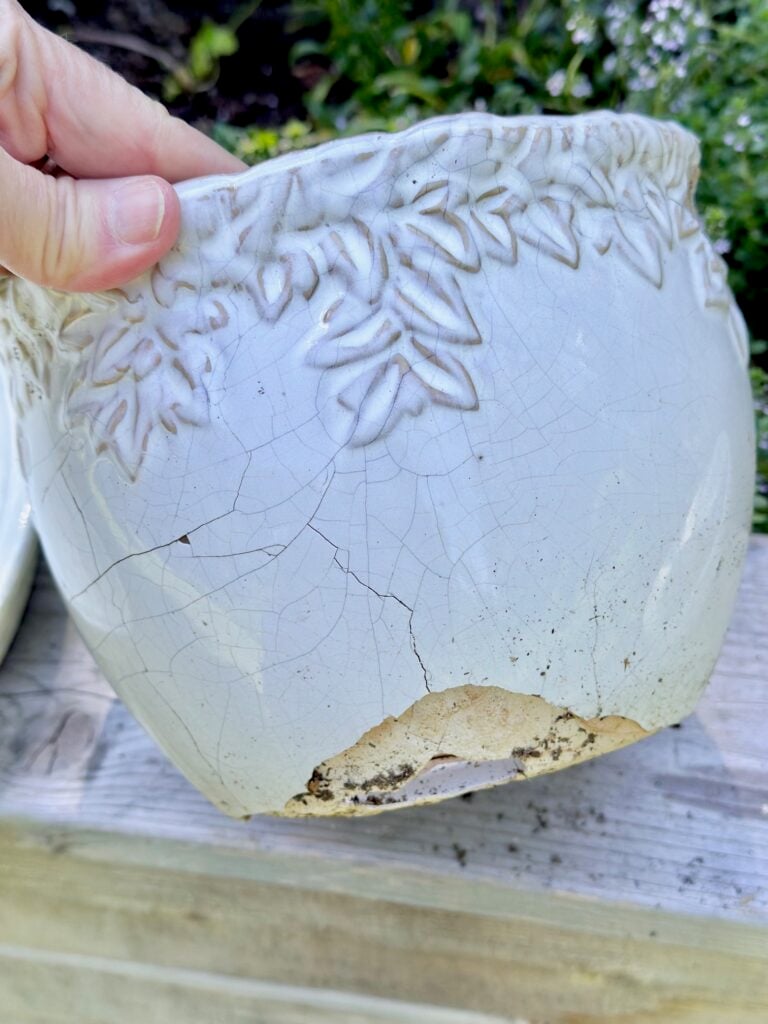
This project was also a great way to reuse a few old garden pots that had seen better days. If you have chipped, weathered, or worn planters that no longer work well for planting, they can still have plenty of life left as decorative pieces in the garden.
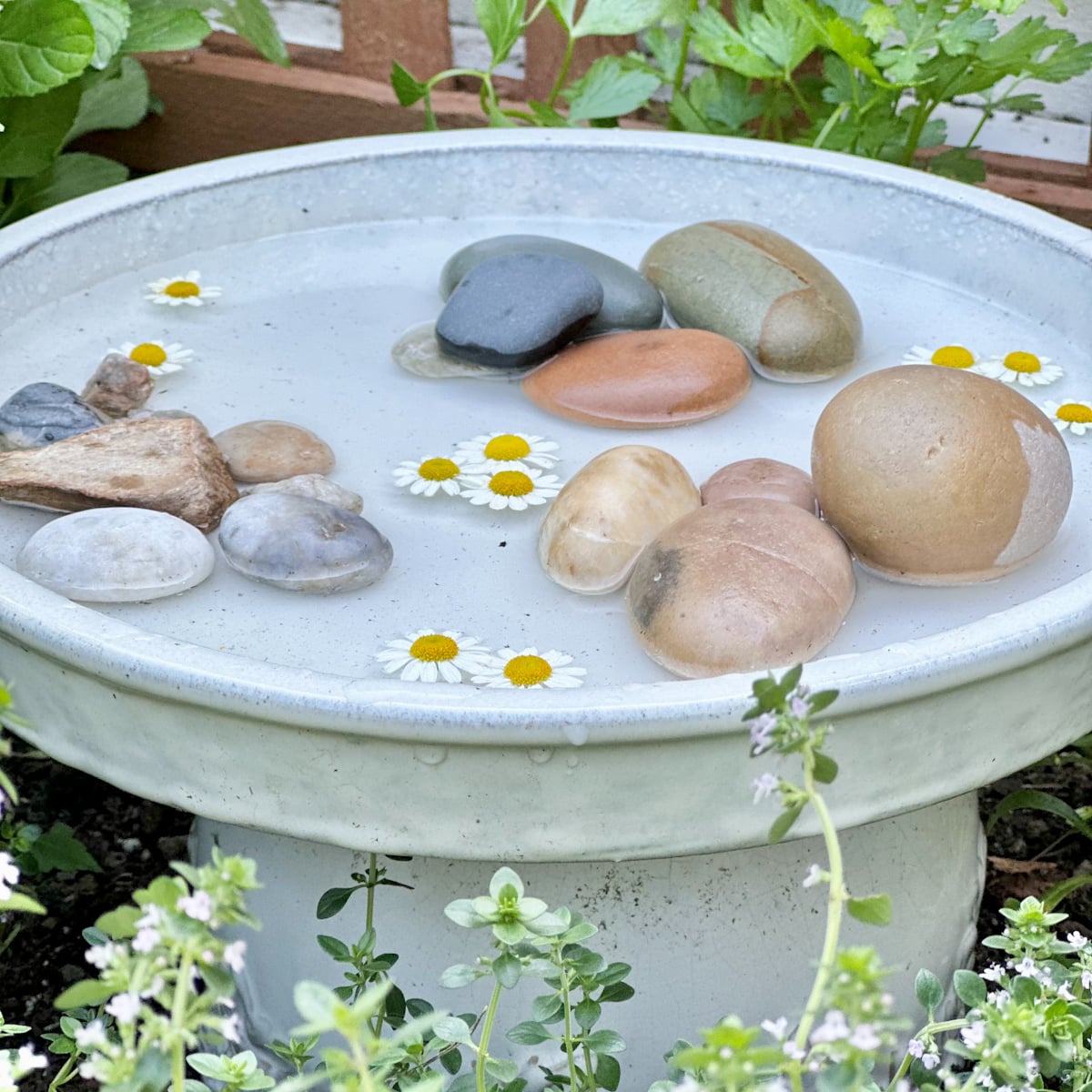
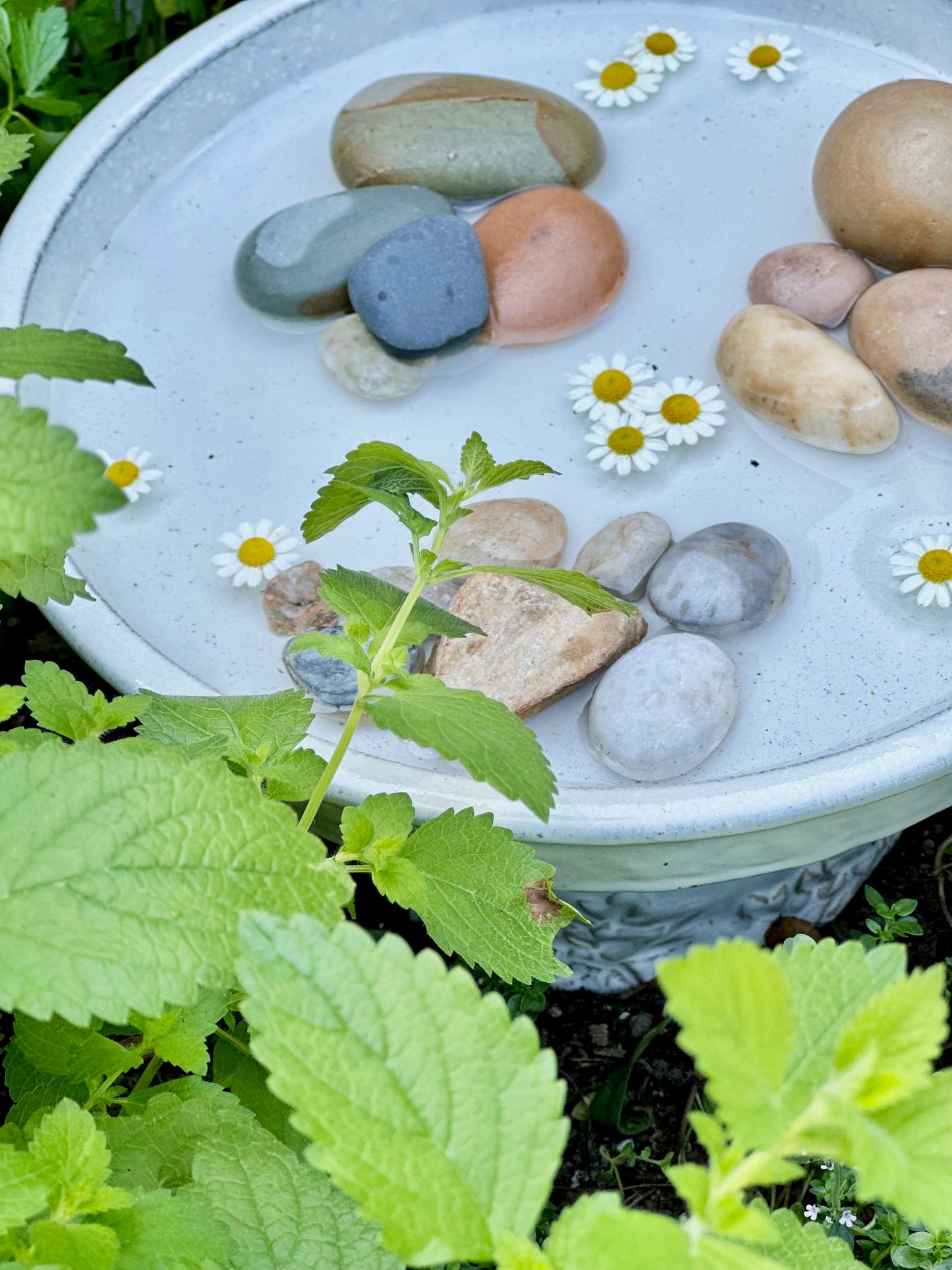
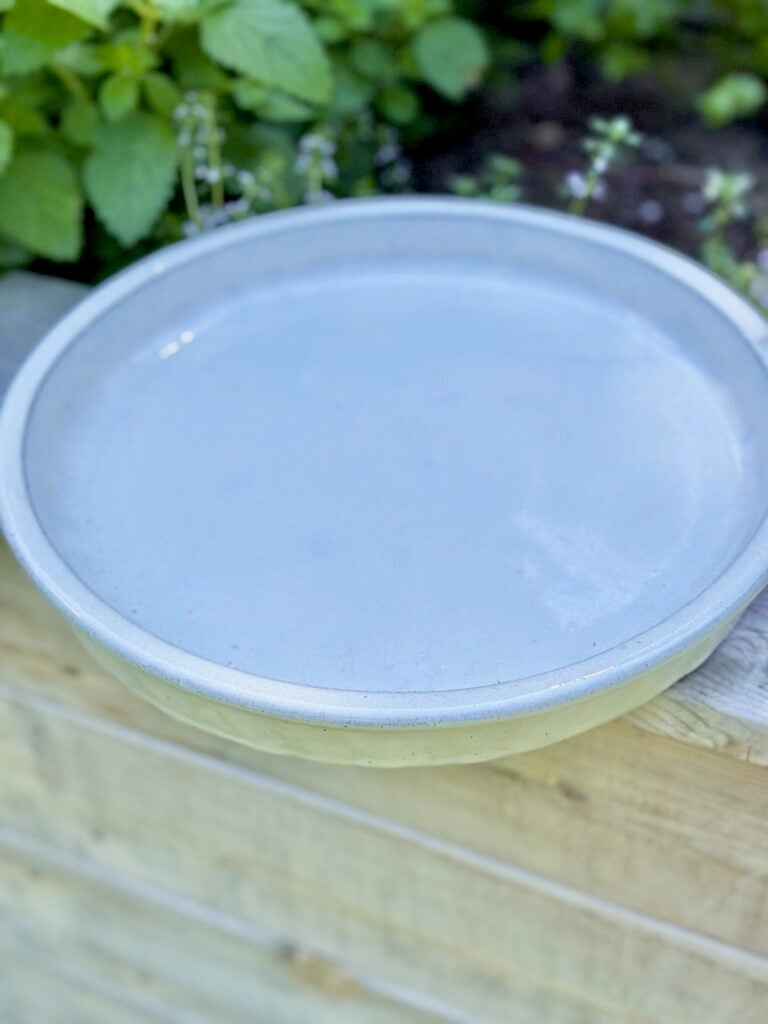
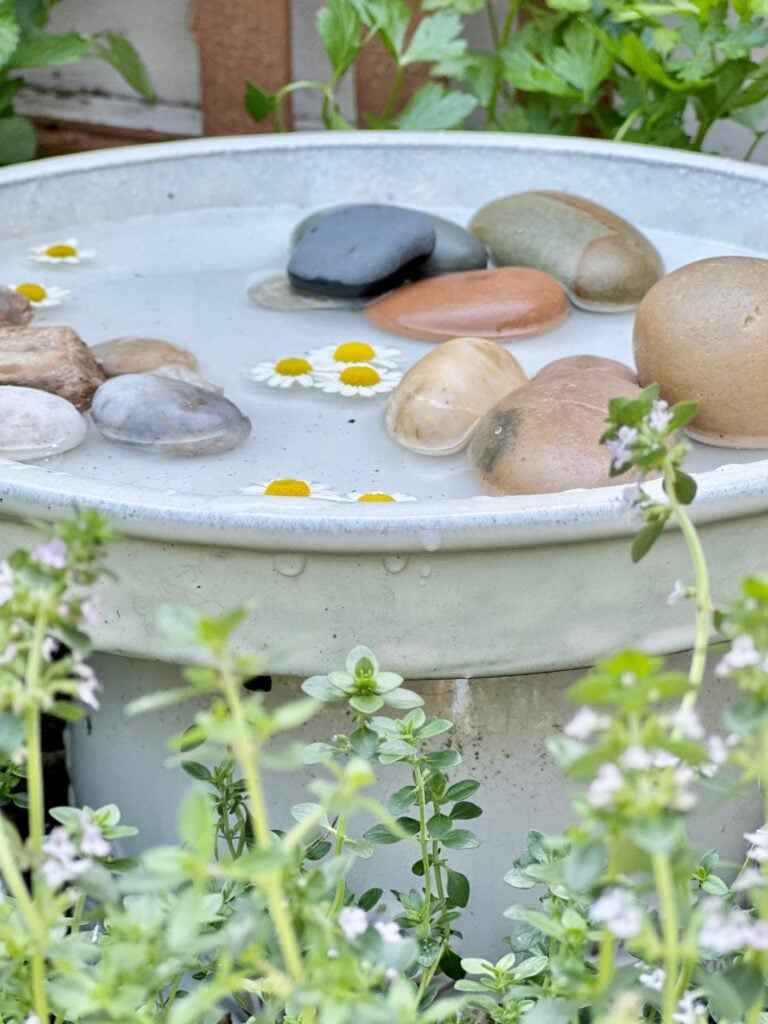
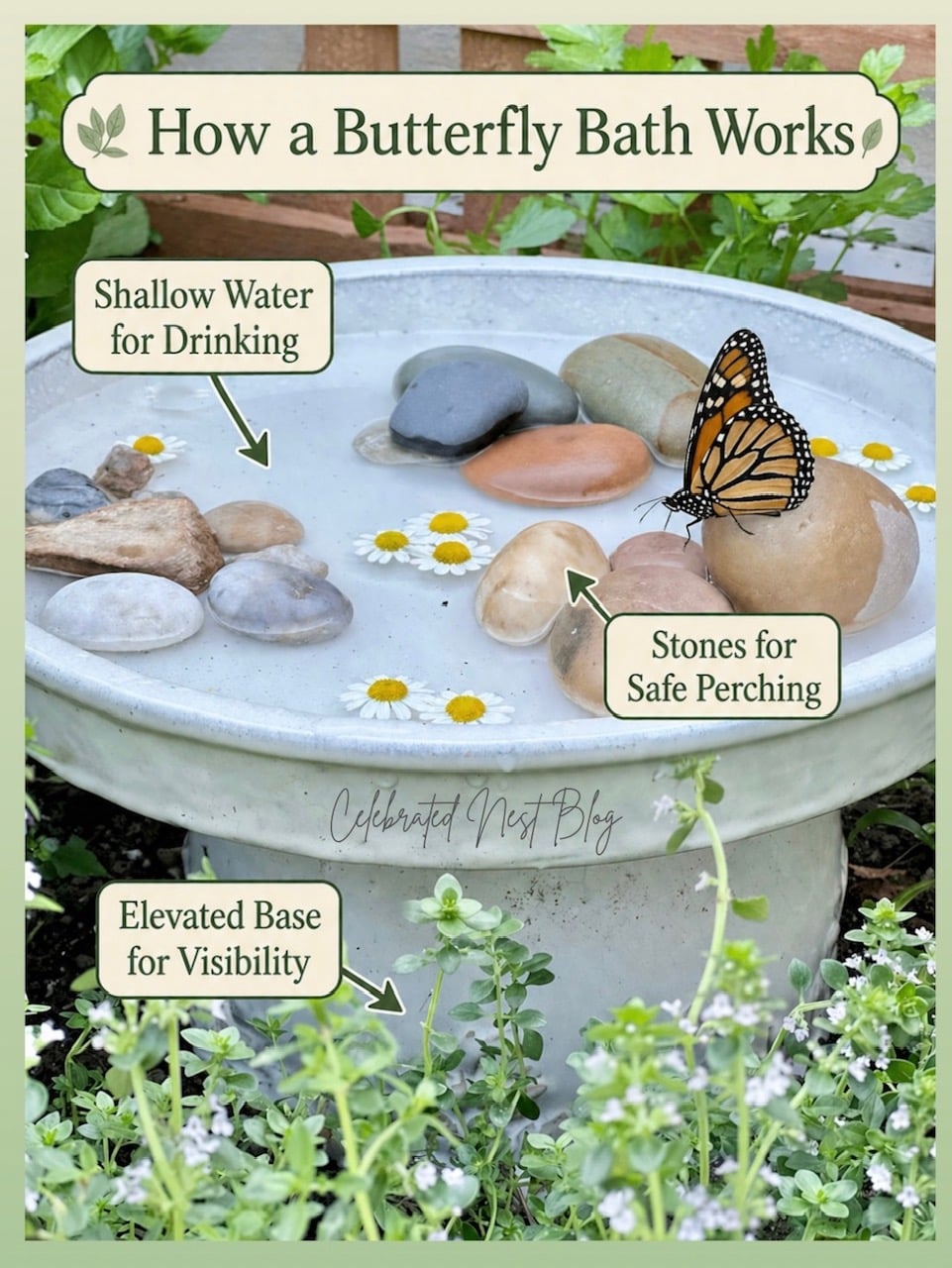
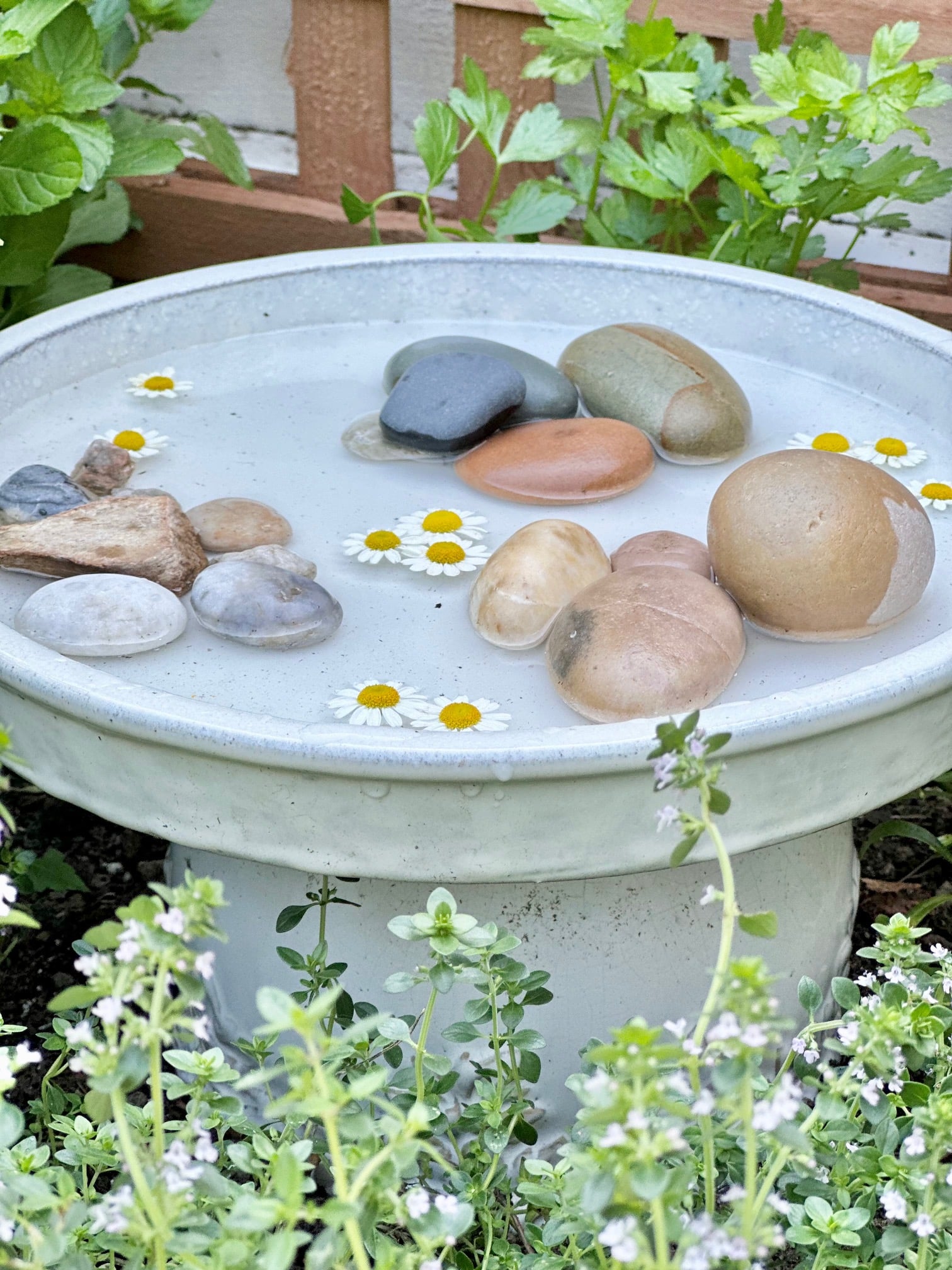
To make these butterfly baths, I simply turned an old ceramic planter upside down and used it as the base. Then I placed a matching saucer on top to create a shallow bowl for water. The finished look is similar to a small birdbath, but perfectly sized for butterflies, bees, and other pollinators.
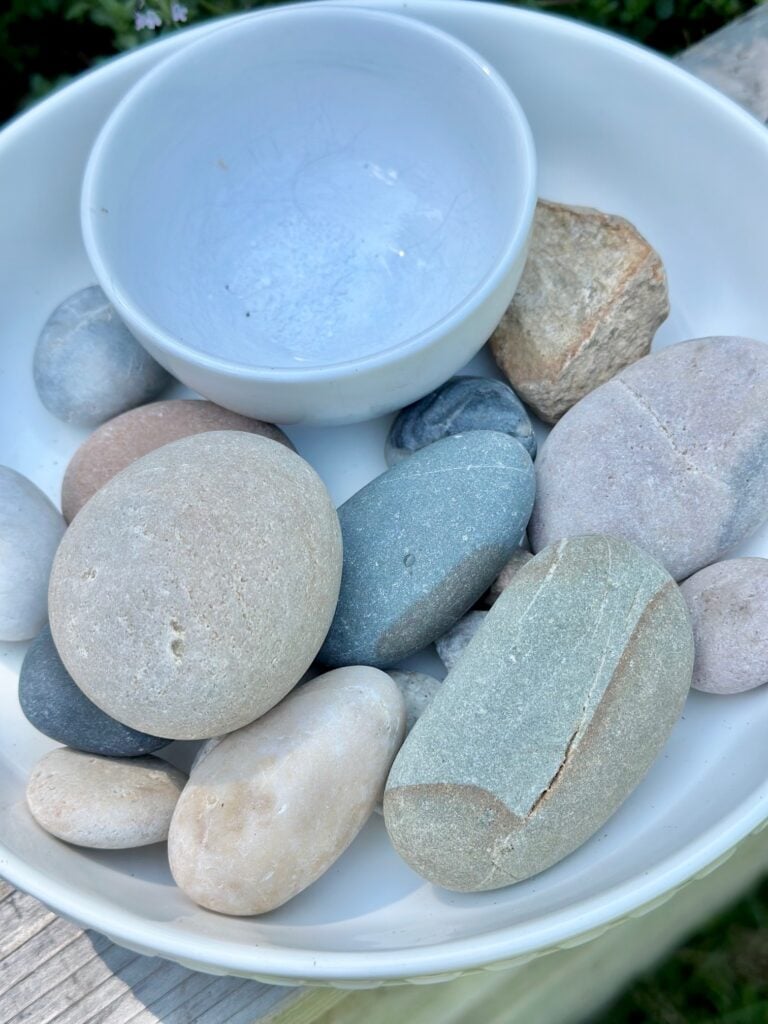
Once the saucer was in place, I added water and a layer of smooth stones so insects would have safe places to land and drink. It was such an easy project, and I loved giving old garden pieces a fresh new purpose in the herb garden.
Why butterflies and bees need a shallow water source
Butterflies and bees need access to water, especially during the warmer months, but deep water sources are not ideal for them. Unlike birds, they need a shallow place where they can safely land, rest, and drink without the risk of slipping into the water.
A butterfly bath gives them an easy place to stop and rehydrate while moving through the garden. It can be especially helpful during hot, dry weather when natural water sources may be limited.
Adding a shallow water source is a simple way to support the pollinators that help flowers, herbs, fruits, and vegetables thrive. It is one of those small garden touches that is both beautiful and beneficial.
Why stones matter in a butterfly bath
Stones are an important part of a butterfly bath because they give butterflies, bees, and other pollinators a safe place to land while they drink. These insects do not want to sit in deep water, so adding stones creates shallow spots where they can perch comfortably.
I used smooth river stones in mine because they look natural in the garden and work beautifully in the water. You can also use decorative glass pebbles, marbles, shells, small pieces of terra cotta, or even a layer of coarse sand to create landing areas and texture inside the bath.
Whatever you choose, the goal is to give pollinators sturdy surfaces that rise slightly above the waterline. This makes the bath safer, more useful, and a little prettier too.
Should you add salt, sand, or soil?
Fresh water and safe landing spots are really the most important parts of a butterfly bath, so you do not need to add anything extra for it to be helpful. A simple saucer with water and stones works beautifully on its own.
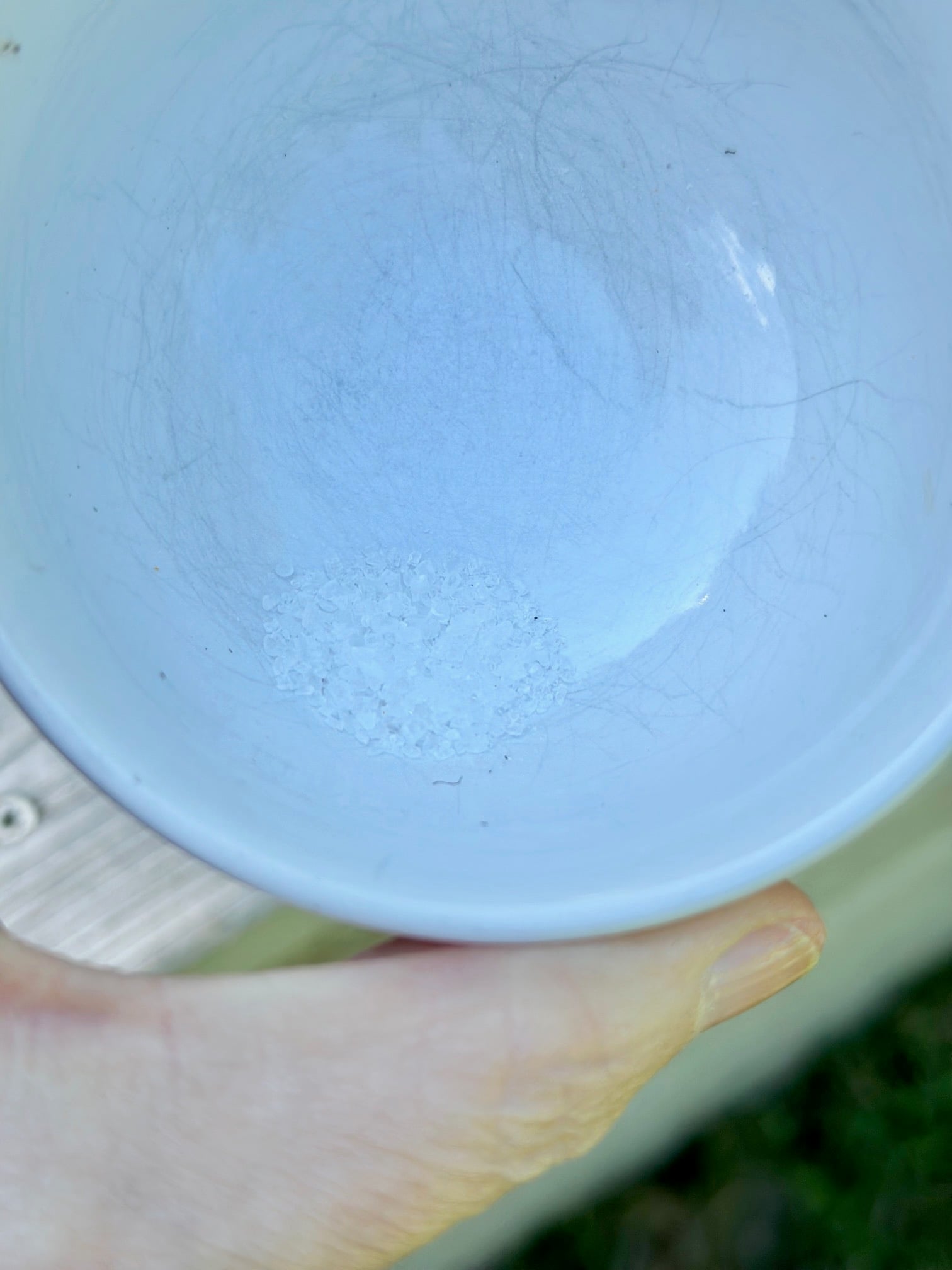
That said, some gardeners like to add a small amount of sand or soil to mimic the damp ground areas where butterflies naturally gather. Butterflies are often drawn to minerals found in moist earth, a behavior sometimes called puddling.
If you'd like to try this, add just a small spoonful of clean sand or soil to one side of the saucer and keep the rest filled with shallow water and stones.
As for salt, use caution. Some gardeners add the tiniest pinch of sea salt for minerals, but it is not necessary and too much can be harmful to plants or other wildlife. In most gardens, fresh water, stones, and occasionally a little damp sand are the safest and easiest choice.
Where to place a butterfly bath in the garden
Place your butterfly bath in a sunny, peaceful spot where butterflies and bees are already likely to stop by. Think of it as setting up a little refreshment station right where the garden activity is happening. Areas near flowering herbs, blooming annuals, pollinator-friendly perennials, or even the vegetable garden are all wonderful choices.
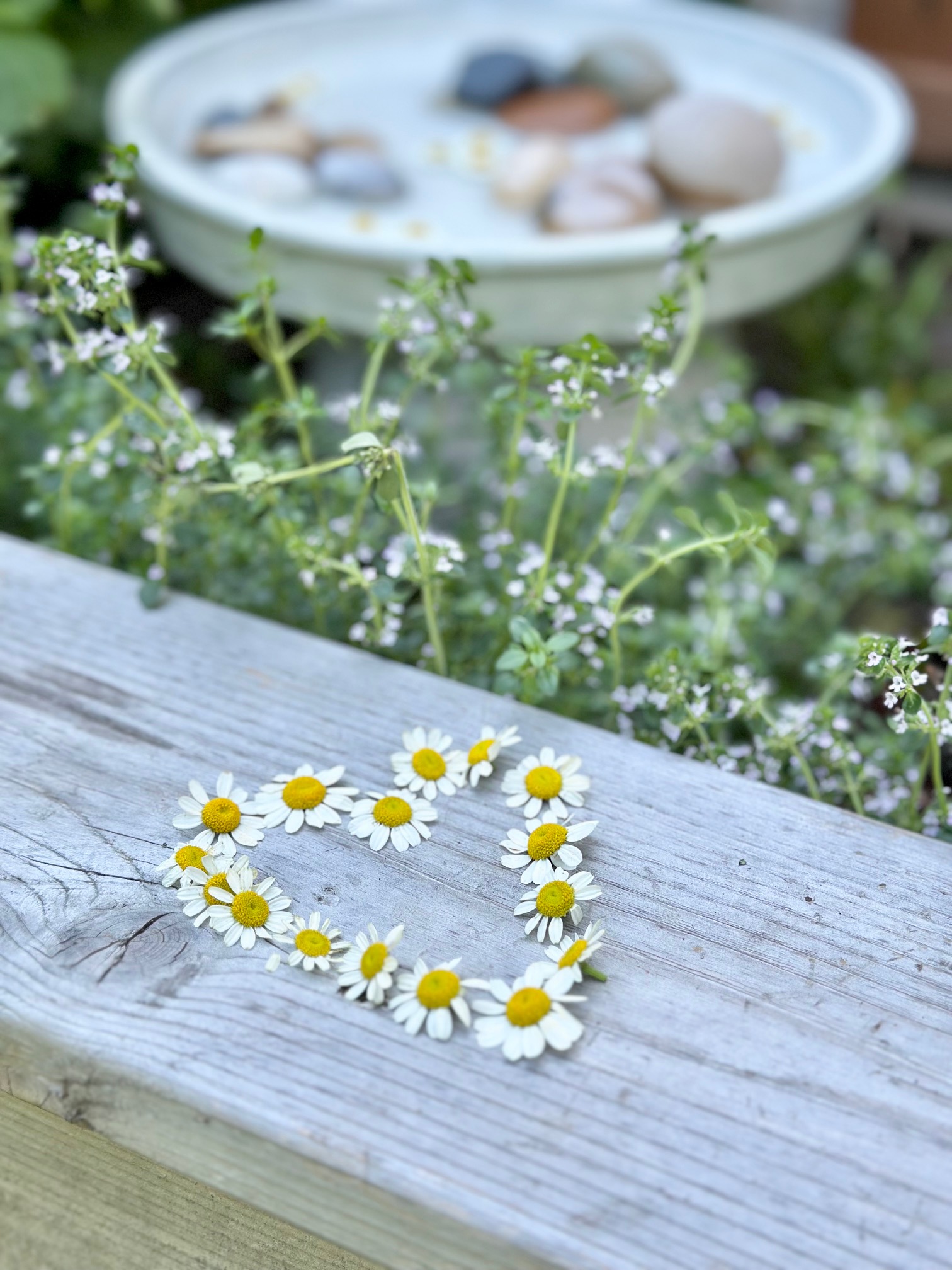
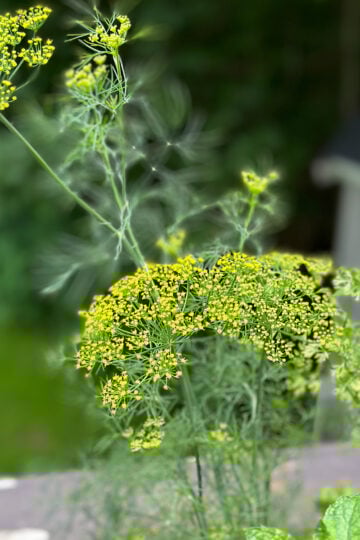
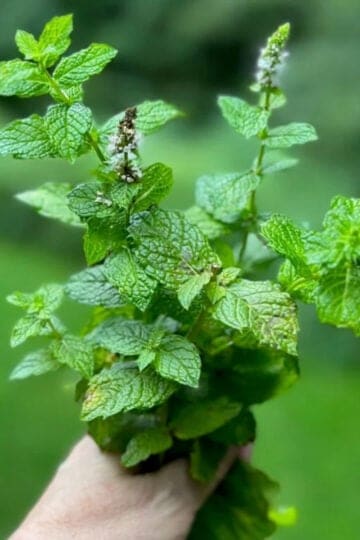
I especially love placing mine near my raised herb garden, where bees and butterflies are already visiting flowering basil, dill, thyme, chamomile, oregano, parsley, and other herbs throughout the season. It feels like the perfect little rest stop between blooms.
Try to choose a spot that you can easily see and enjoy from a patio, porch, or kitchen window, but away from heavy foot traffic where visitors might be startled.
And during the warmer months, be sure to refresh the water often so your butterfly bath stays clean, cool, and ready for its next guest.
Tip: Butterflies love parsley! I always place my butterfly bath near parsley in my herb garden because butterflies are naturally drawn to it. Parsley is a host plant for swallowtail butterflies, making it a wonderful herb to grow nearby if you'd like to welcome more butterfly visitors.
Plants to grow near a butterfly bath
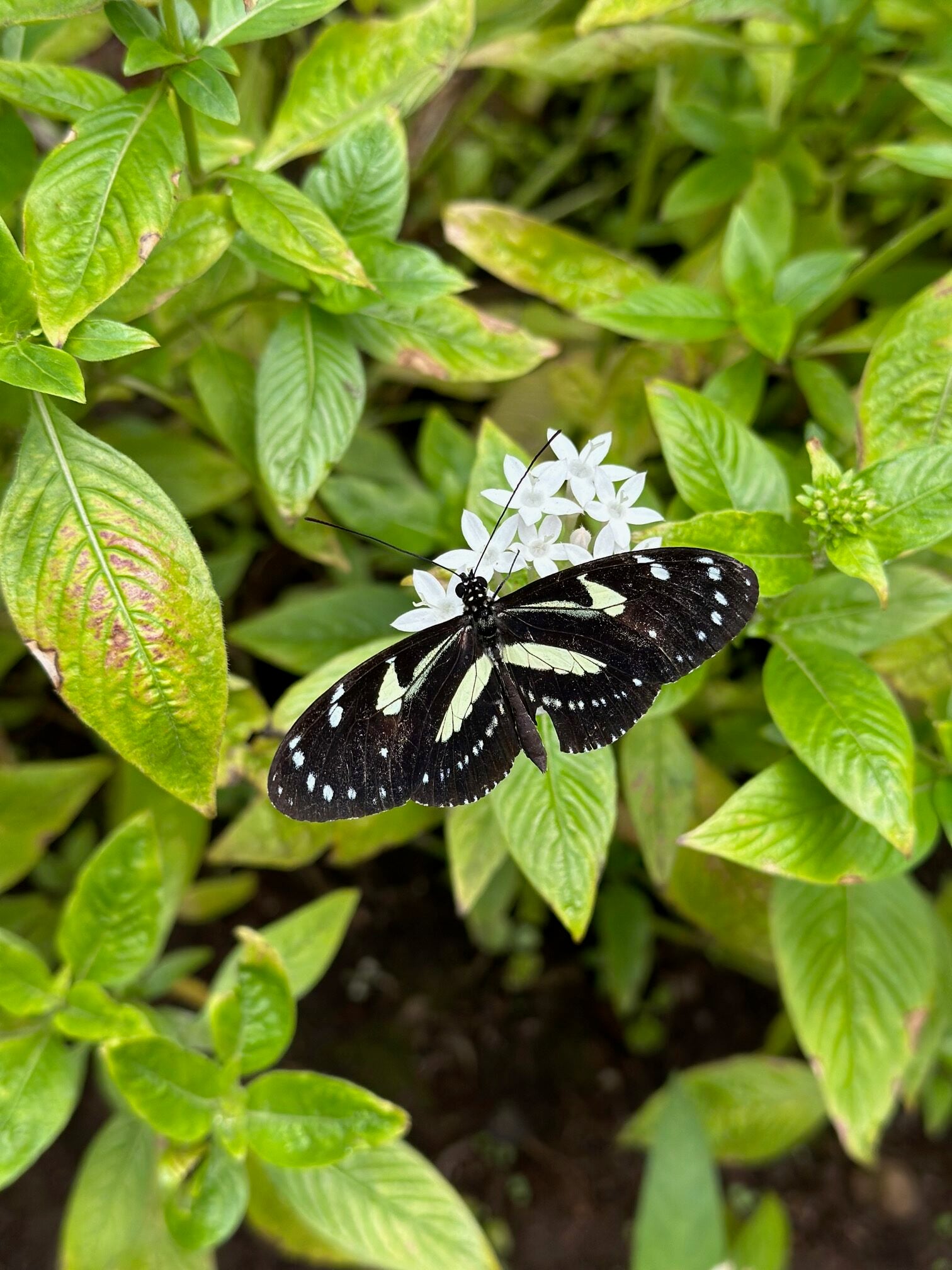
If you're setting out a butterfly bath, you might as well give your visitors something lovely to sip nearby too. Pairing the bath with nectar-rich herbs and flowers turns it into a true pollinator hangout, where butterflies can drink, rest, and flutter from bloom to bloom.
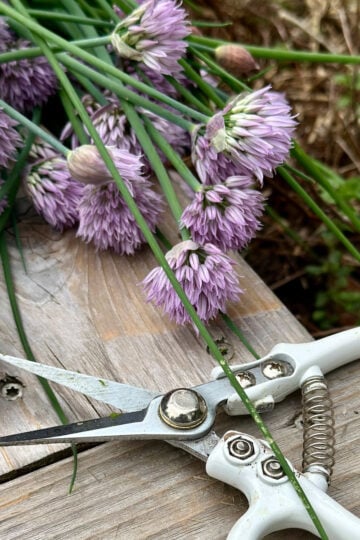
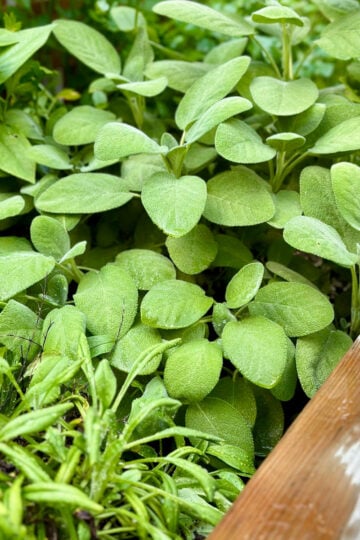
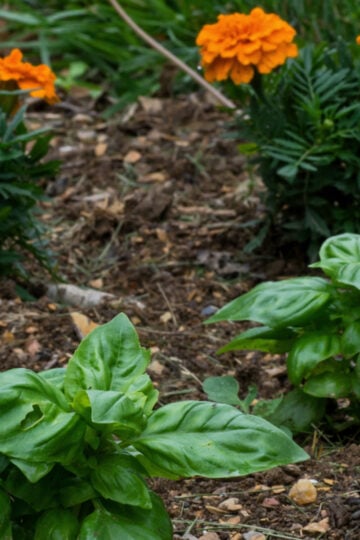
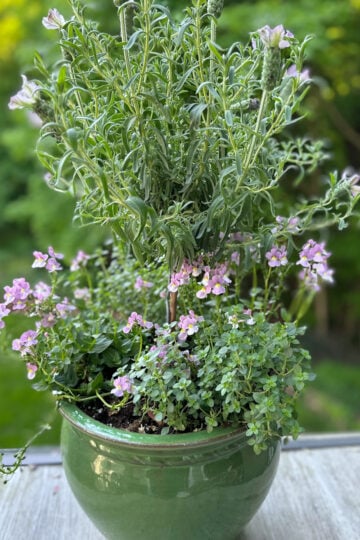
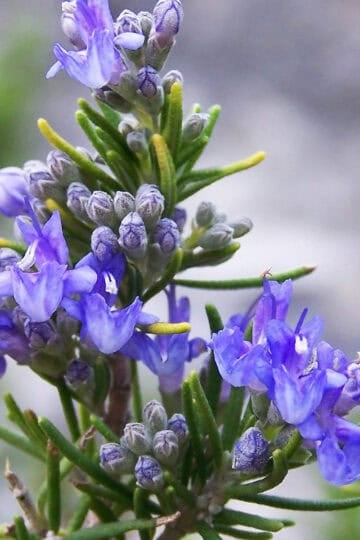
In my herb garden, flowering herbs are some of the best neighbors for a butterfly bath. Parsley, dill, basil, oregano, thyme, lavender, sage, and chives all become much more exciting once they start to bloom. Not only are they useful in the kitchen, but they also bring in plenty of garden visitors.
For even more color and movement, tuck in a few pollinator favorites like zinnias, coneflowers, cosmos, salvia, bee balm, or black-eyed Susans nearby. The mix of flowers and herbs creates a cheerful little corner of the garden that feels full of life all season long.
Think of it as offering refreshments and a beautiful place to linger.
Simple tips to keep a butterfly bath fresh
Keeping a butterfly bath fresh is easy and only takes a minute now and then. A little upkeep helps keep the water inviting for butterflies, bees, and any other tiny garden guests that stop by.
- Refresh the water often: Dump and refill the water every few days, especially during hot weather.
- Give it a quick rinse: If you notice dirt, pollen, or debris building up, rinse the saucer and stones with fresh water.
- Watch the water level: Shallow water is best, so top it off as needed without filling it too deep.
- Skip harsh cleaners: Plain water and a gentle scrub are usually all you need.
- Move fallen leaves or petals: A few petals can look pretty, but too much debris can make the water messy.
- Check it during heat waves: On especially hot days, pollinators will appreciate a cool fresh refill.
Think of it as keeping the garden café tidy and ready for visitors.
Frequently asked questions
A butterfly bath is easy to make using a shallow saucer, plate, or plant tray filled with fresh water and stones. The stones give butterflies and bees safe places to land while they drink. I made mine by turning an old garden pot upside down and placing a saucer on top.
A bee and butterfly bath is made the same way as a butterfly bath. Use a shallow dish with clean water and add stones, pebbles, or marbles that rise above the waterline so pollinators can perch safely.
Yes! Butterfly puddlers can work well because butterflies are naturally drawn to shallow moisture and minerals. Many gardeners create puddling areas with damp sand, soil, or shallow water stations to attract butterflies.
Fresh water is all you really need. Some gardeners add a little damp sand or soil to mimic natural puddling areas, but plain shallow water with stones works beautifully for most gardens.
I find it is better to place fruit beside the bath rather than in the water. Butterflies are often attracted to ripe fruit such as orange slices, banana pieces, or melon, but fruit in the water can spoil quickly and make the bath messy. A small dish of fruit nearby is the better option.

A butterfly bath is one of those simple garden touches that feels both beautiful and useful. With just a shallow saucer, a few stones, and fresh water, you can create a welcoming little stop for butterflies, bees, and other helpful pollinators.
I love that this project also gives new life to old garden pots and pieces that might otherwise go unused. It adds charm to the garden, supports pollinators, and takes only a few minutes to put together.
Whether you place one near your herb garden, tuck it into a flower bed, or set it beside a raised bed, a butterfly bath is an easy way to make your garden feel even more alive. Sometimes the smallest details end up being the most special.
Enjoy!