Best Soil for Herbs: Raised Beds, Containers, and Garden Beds

The best soil for herbs grown outdoors is loose, well-draining soil that prevents roots from sitting in excess moisture. A balanced mix of garden soil, compost, and a drainage material like sand or perlite helps herbs grow strong roots while avoiding soggy conditions. Whether you are planting herbs in raised beds, containers, or garden beds, good drainage and moderate nutrients are the keys to healthy, flavorful plants.
Content may contain affiliate links. When you shop the links, we receive a small commission at no cost to you. Thanks for supporting my small business.
Growing healthy herbs outdoors starts with the right soil. After years of experimenting in my own raised herb garden, I've learned that the best soil for herbs is loose, well-draining, and not overly rich. Herbs like rosemary, thyme, oregano, and sage prefer soil that dries out a bit between waterings rather than heavy, moisture-retaining mixes.
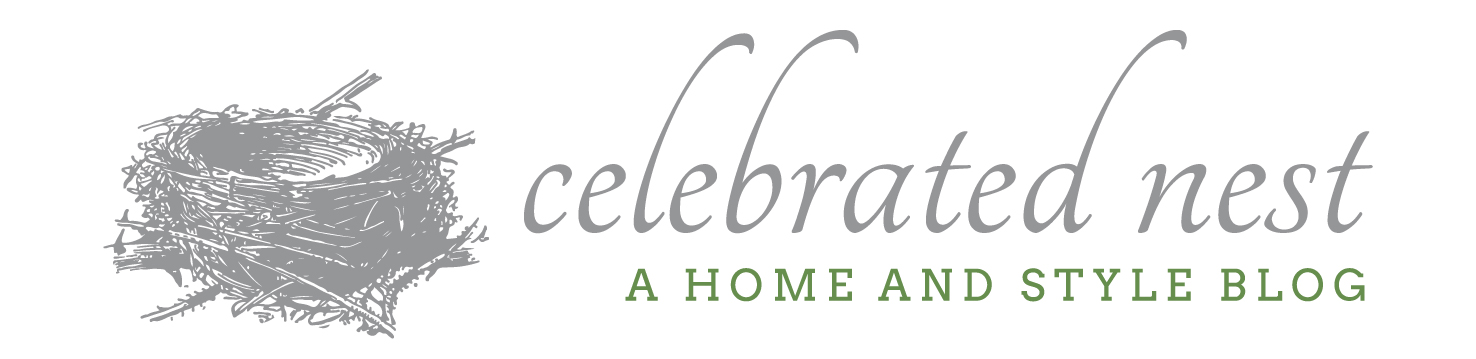
My first herb garden was a small eight-pocket wooden raised bed on our back deck. It didn't take long for me to realize how much easier herbs are to grow when you can control the soil. Since then, I've expanded to a much larger raised bed herb garden, and it's still my favorite way to grow them. Raised beds make it easier to create the perfect soil mix, keep plants within reach for harvesting, and give Mediterranean herbs the fast drainage they naturally prefer.
In this guide, I'll share the best soil mix for herbs, whether you're planting in raised beds, garden beds, or containers. I'll also walk through the simple soil recipe I use in my own herb garden and explain why good drainage matters so much for growing healthy, flavorful herbs.
Already have soil in your beds from last season? Don't toss it. Check out my post on how to reuse raised bed soil for practical tips to refresh what you already have.
At a Glance: Best Soil for Herbs
_______________________
Healthy herbs start with the right soil. Whether you are planting in raised beds, garden beds, or containers, herbs grow best in loose, well-draining soil that prevents roots from staying wet too long.
Key soil qualities herbs prefer
• Excellent drainage
• Loose, crumbly texture
• Moderate nutrients rather than rich soil
Simple herb soil mix
• Garden soil
• Compost
• Sand or perlite for drainage
Best growing locations
• Raised bed herb gardens
• Traditional garden beds
• Containers or planter boxes
Herbs that prefer fast-draining soil
• Rosemary
• Thyme
• Oregano
• Sage
• Lavender
Soil problems to avoid
• Heavy clay soil
• Overly rich compost mixes
• Waterlogged or compacted soil
With the right soil structure and drainage, herbs develop stronger roots and produce more flavorful leaves throughout the growing season.
Summarize and Save this content on:
Jump to:
- At a Glance: Best Soil for Herbs
- What type of soil do herbs prefer?
- Preparing the best soil mix for herbs
- Best soil for herbs in garden beds
- Best soil for herbs in containers (outdoors)
- Best soil for herbs in raised beds
- Growing herbs in vegetable or flower gardens
- Do herbs need deep soil?
- Ideal soil pH for herbs
- Do herbs need fertilizer?
- Can you reuse last year's herb soil?
- Frequently asked questions
- More herb growing guides to explore
What type of soil do herbs prefer?
Most herbs grow best in loose, well-draining soil that allows roots to breathe and prevents excess moisture from building up around the plant. This is true whether you are planting herbs in raised beds, garden beds, or outdoor containers.
Many of the most popular culinary herbs, including rosemary, thyme, oregano, sage, and lavender, originate from Mediterranean regions where the soil is naturally rocky, sandy, and fast draining. These herbs are adapted to soils that dry out slightly between waterings rather than heavy, moisture-retaining garden soil.
Because of this, herbs generally prefer soil that has:
• Good drainage so roots do not sit in water
• A loose texture that allows roots to spread easily
• Moderate nutrients rather than extremely rich soil
The good news is that these soil conditions can be created fairly easily. In raised beds and containers you can control the entire soil mix, while garden beds can be improved by adding compost and materials that help loosen the soil structure.
Once the soil drains well and has the right balance of organic matter, most herbs become some of the easiest and most rewarding plants to grow in the garden. Best soil for herbs in garden beds
Herbs grow well directly in garden beds as long as the soil drains well and isn't overly rich. Many Mediterranean herbs such as rosemary, thyme, oregano, and sage prefer soil that dries out slightly between waterings.
If your garden soil is heavy clay or compacted, amend it with compost and coarse material like sand or perlite to improve drainage. Loosening the soil and incorporating organic matter helps roots grow deeper and prevents water from sitting around the base of herb plants.
Garden beds can work beautifully for herbs when the soil is light, well-draining, and located in a sunny area that receives at least six hours of sunlight each day.
Healthy soil is the foundation of any successful herb garden. If you're just getting started, you can browse all of my herb garden guides in one place to help you choose the right setup, from soil to planting and beyond.
Preparing the best soil mix for herbs
No matter where you grow herbs, the soil mix you start with makes a big difference. Whether your herbs are planted in raised beds, garden beds, or containers, they grow best in soil that drains well, contains organic matter, and stays loose enough for roots to spread easily.
Here is the simple soil mix I recommend for most herb gardens.
Soil Composition
For healthy herb growth, use a balanced mix that provides nutrients while still allowing water to drain quickly. A simple blend of:
40-50% topsoil
30-40% compost
10-20% drainage material such as sand or perlite
creates an excellent foundation for most herbs.
Topsoil
Topsoil forms the base of the mix and provides essential minerals and structure. Choose a high-quality topsoil that is free from debris and rich in organic matter so herb roots can grow freely.
Compost
Compost improves soil fertility and structure while feeding beneficial soil microbes. It provides slow-release nutrients that help herbs grow steadily throughout the season without making the soil overly rich.
Drainage Material
Many herbs, especially Mediterranean varieties like rosemary, thyme, oregano, and sage, prefer soil that drains quickly. Adding sand or perlite helps keep the soil light and prevents roots from sitting in excess moisture.
Good Drainage Matters
Herbs are sensitive to soggy soil. The soil mix itself should provide the drainage herbs need rather than relying on rocks or gravel at the bottom of a bed or container. A loose soil structure allows water to move through naturally and keeps roots healthy.
With the right balance of topsoil, compost, and drainage material, you can create a soil mix that supports strong roots and healthy herb growth in raised beds, garden beds, or containers.
Prefer to buy a ready-made soil mix?
If you'd rather skip mixing soil yourself, a high-quality commercial potting mix designed for containers or raised beds can work very well for herbs.
- Coast of Maine Castine Blend Organic and Natural Raised Bed Mix: A rich organic blend designed for raised beds that provides good drainage and long-lasting nutrients.
- NEARSOURCE ORGANICS All Natural Raised Bed and Container Mix:A lightweight organic mix suitable for both containers and raised beds.
- Burpee Premium Organic Potting Natural Soil Mix: A widely available potting mix that works especially well for container herbs.


Best soil for herbs in garden beds
Herbs can grow beautifully in traditional garden beds as long as the soil drains well and isn't overly heavy. Many common herbs, especially Mediterranean varieties like rosemary, thyme, oregano, and sage, prefer soil that is loose, well-draining, and not overly rich.
If your native garden soil is already light and crumbly, herbs will often grow well with very little adjustment. However, many gardeners are working with compacted or clay-heavy soil, which can hold too much moisture around herb roots. In those cases, improving the soil structure makes a big difference.
One of the easiest ways to improve garden bed soil for herbs is to mix in compost and a drainage material such as sand or perlite. Compost adds organic matter and nutrients, while sand or perlite helps loosen the soil so water can move through it more easily.
Over time, these simple amendments create a soil structure that allows herb roots to grow deeper and healthier. Once garden bed soil becomes loose and well-draining, most herbs establish quickly and become surprisingly easy to maintain.
Best soil for herbs in containers (outdoors)
Container herb gardens require a slightly different soil approach than raised beds or garden beds.
Instead of garden soil, use a light potting mix that drains quickly and prevents roots from becoming waterlogged. A quality potting mix typically contains ingredients such as:
• peat moss or coco coir
• compost
• perlite or vermiculite
Many herbs grown in containers, including basil, parsley, and cilantro, benefit from consistent moisture, while Mediterranean herbs such as rosemary and thyme prefer fast-draining soil.
Always choose containers with drainage holes, since herbs are very sensitive to sitting in wet soil.
Best soil for herbs in raised beds
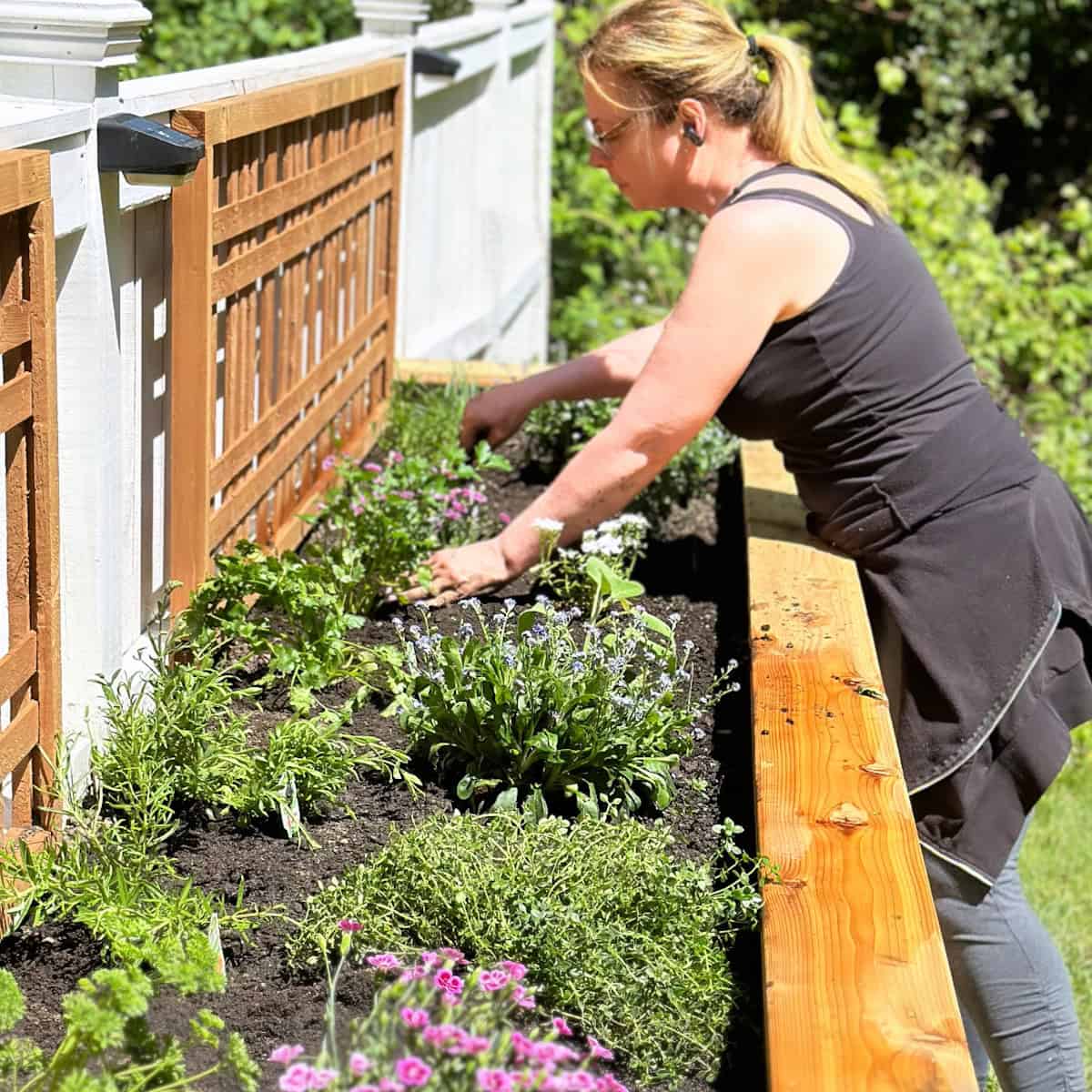
Raised beds are simply garden beds that sit above ground level and are usually framed with wood or stone and filled with soil. Because the soil is elevated, raised beds tend to drain better than traditional in-ground gardens and are easier to access for planting, weeding, and harvesting.
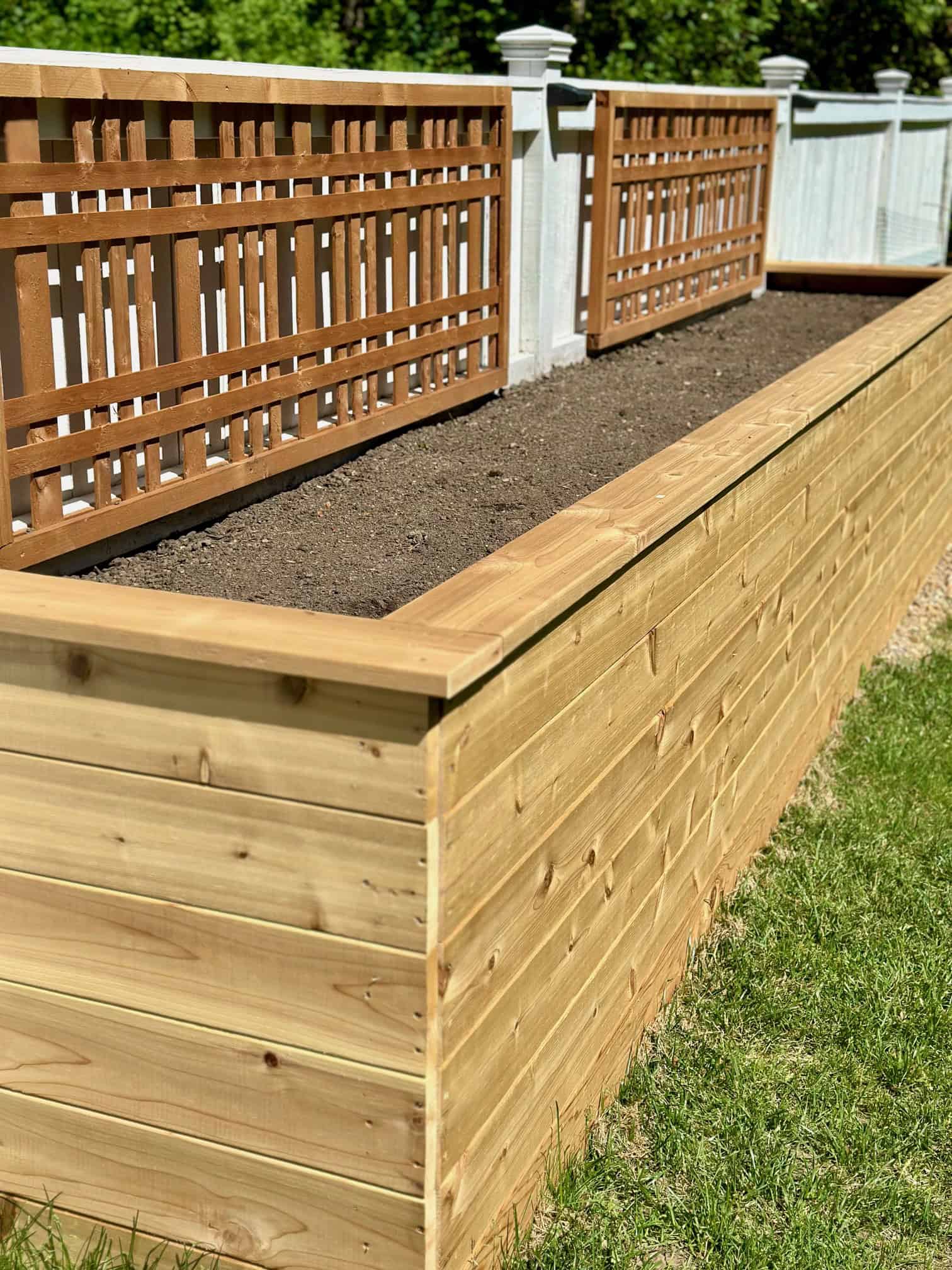
One of the biggest advantages of raised beds is that you can completely control the soil. Instead of working with whatever soil happens to be in your yard, you can create the exact soil mix herbs prefer. In my own garden, I grow herbs in a 16-foot raised bed, and being able to customize the soil has made a noticeable difference in how well herbs like rosemary, thyme, and oregano perform.
The loose, well-draining soil in raised beds warms up faster in spring and allows roots to grow more freely. Over time I've found that herbs tend to grow stronger, healthier, and easier to maintain in raised beds compared to traditional garden plots.

Growing herbs in vegetable or flower gardens
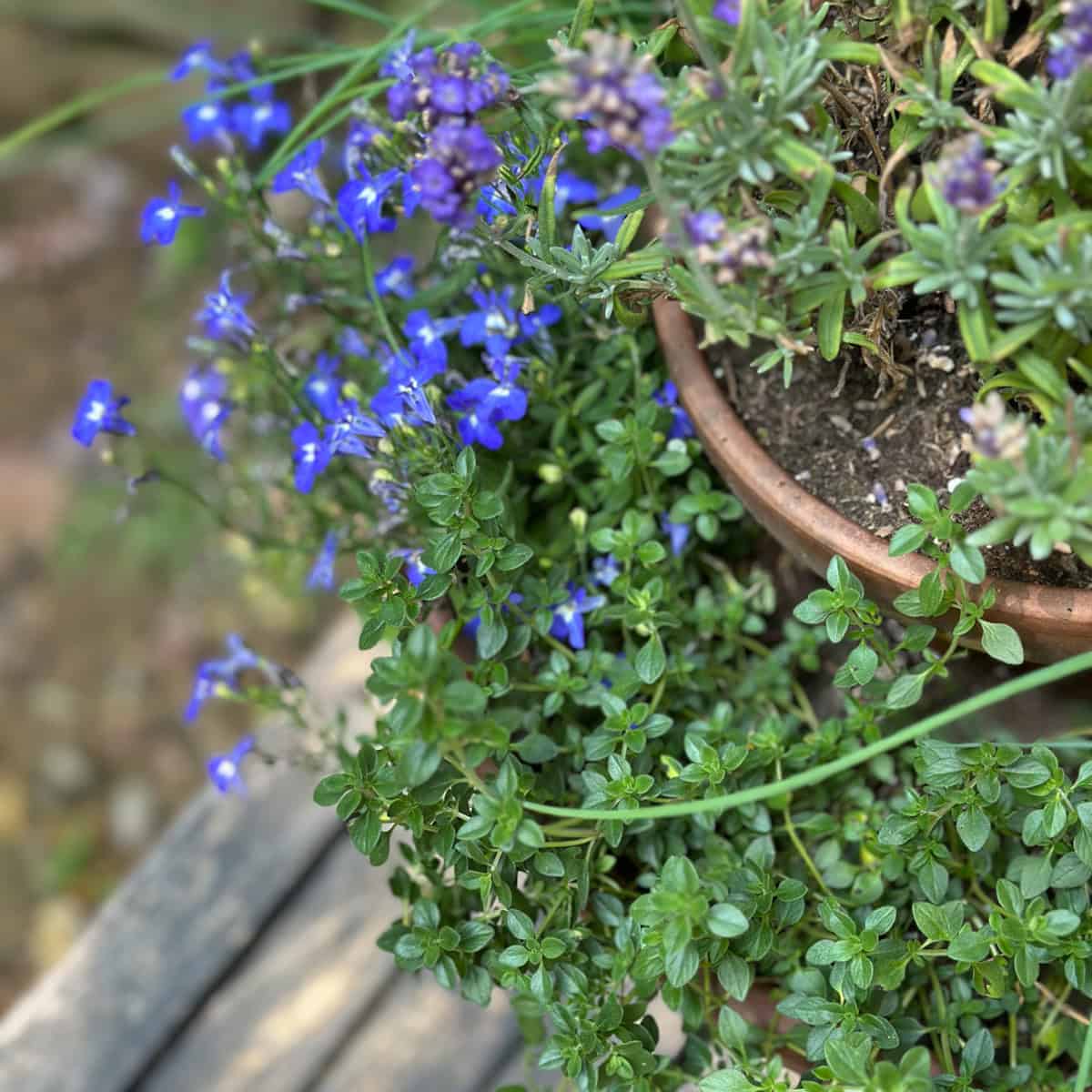
Not everyone dedicates an entire space just to herbs the way I tend to. Many gardeners simply tuck herbs into vegetable beds or flower borders wherever there's room. Basil might end up near the tomatoes, thyme might edge a potted lavender tree, and cilantro often finds its way into whatever sunny corner is available. Herbs are generally easygoing about sharing space.
The main thing to keep in mind is that many herbs prefer drier, well-draining soil compared to vegetables or moisture-loving flowers. Mediterranean herbs like rosemary, thyme, oregano, sage, and lavender naturally grow in lighter soils that dry out between waterings, while many vegetables and some flowers tend to prefer richer soil that holds moisture longer.
In my own garden, I grow many herbs in a raised herb bed, but I also tuck herbs into flower beds and containers around the yard. I've found that placing herbs in slightly drier spots of the garden helps them perform much better. Edges of beds, small mounded areas, or spots where water drains quickly tend to suit them best.
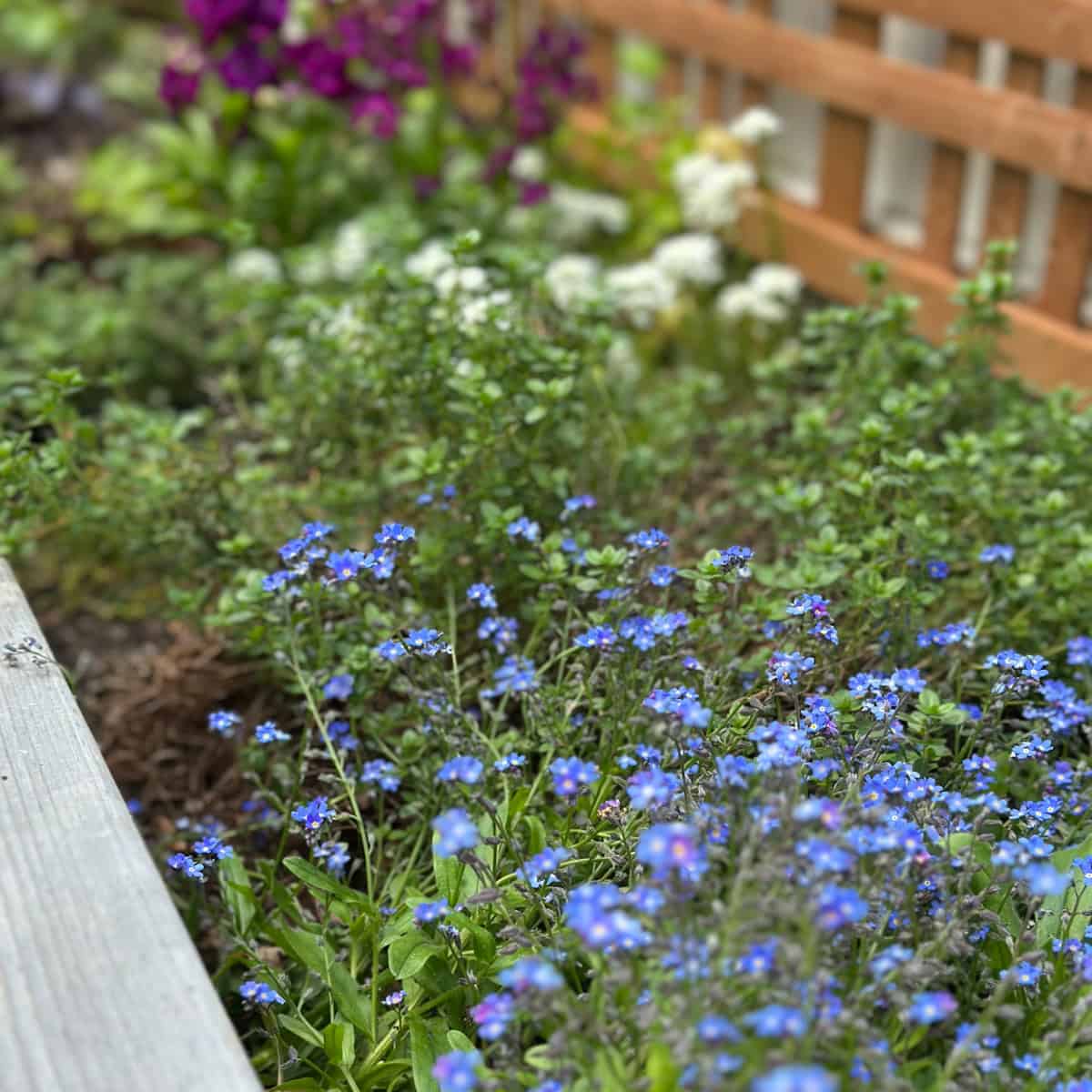
I also enjoy mixing flowers among my herbs for color and pollinator support. If that combination appeals to you too, you might enjoy my guide on why I always add flowers to my herb garden, where I share how herbs and blooms can grow beautifully together.
By paying attention to these soil preferences, herbs can grow successfully alongside vegetables and flowers while still getting the well-drained conditions they prefer.
Do herbs need deep soil?
Most culinary herbs do not require extremely deep soil, but they do benefit from enough space for their roots to spread. In general, 6 to 12 inches of soil depth is sufficient for most herbs.
Shallow-rooted herbs such as thyme, oregano, chives, and basil grow well in containers or raised beds with about 6 to 8 inches of soil. Larger herbs such as rosemary, sage, and lavender perform better with deeper soil, closer to 10 to 12 inches.
Providing adequate soil depth allows roots to establish properly, improves drainage, and helps herbs stay more stable during hot weather.
Ideal soil pH for herbs
Soil pH plays an important role in how well herbs grow because it affects how easily plants can absorb nutrients from the soil. Most herbs grow best in soil that is slightly acidic to neutral, generally between pH 6.0 and 7.5.
Many popular culinary herbs, especially Mediterranean varieties are very adaptable but tend to prefer soil that leans slightly toward the neutral or mildly alkaline side of that range. When soil becomes too acidic or too alkaline, herbs may struggle to absorb nutrients efficiently, which can lead to slower growth or pale leaves.
If you're unsure about your soil's pH, a simple soil test kit can help you determine where it falls on the scale. Garden centers often carry inexpensive test kits, and many cooperative extension services also offer soil testing.
In most home gardens, soil pH is already suitable for herbs, especially when compost is added regularly. However, if adjustments are needed, garden lime can help raise pH, while organic matter like compost can gently lower it over time.
Keeping soil within this general pH range helps herbs develop strong roots and produce the flavorful leaves that make them so rewarding to grow.

Do herbs need fertilizer?
Most herbs do not require heavy fertilizing. In fact, many herbs grow best in moderately fertile soil rather than very rich soil. Over-fertilizing herbs can lead to lush leafy growth with less concentrated flavor, which is the opposite of what most gardeners want when growing herbs for cooking.
If your soil contains compost or organic matter, herbs often have all the nutrients they need to grow well. Mediterranean herbs such as rosemary, thyme, oregano, sage, and lavender are especially adapted to lean soils and typically thrive without frequent fertilizing.
If herbs appear slow growing or pale, a light application of compost or a balanced organic fertilizer once or twice during the growing season is usually enough. Container-grown herbs may benefit from occasional feeding since nutrients can wash out of pots more quickly than garden beds.
In most cases, focusing on good soil structure and proper drainage will do more for herb health than frequent fertilizing. Healthy soil tends to produce stronger plants and better flavor in the leaves.

Can you reuse last year's herb soil?
I see you standing there in the spring, staring into last year's container or raised bed and thinking, "Can I just plant something in this again… or do I actually have to replace all this soil?"
Good news. In most cases, yes, you can reuse last year's soil.
Soil in containers or garden beds doesn't "expire," but it can become tired over time. After a season of growing plants, nutrients are reduced and the soil structure can become compacted. The goal isn't to throw it all out, but to refresh it.
A simple way to revive last year's herb soil is to mix in a few amendments such as:
• fresh compost
• a small amount of new potting mix
• perlite or sand if drainage needs improvement
These additions help restore nutrients and loosen the soil so herb roots can grow easily again.
If the soil looks healthy, drains well, and didn't host any major plant diseases the previous season, refreshing it with compost is usually all it takes. Many gardeners do this every spring instead of replacing soil completely.
If you'd like a deeper look at how to revive old soil in garden beds, you can also see my guide on how to reuse soil in raised beds, where I walk through the process step by step.
With a little refreshing, last year's soil can often support another season of healthy herbs, which means you can spend less time hauling bags of soil and more time planting.

Tip: Repotting Herbs? Use Fresh Potting Mix: When repotting herbs into a larger container, always use a fresh potting mix designed for containers, not soil from the yard. Garden soil tends to compact in pots and can lead to poor drainage and root problems. A good herb potting mix usually contains ingredients such as peat or coco coir, compost, and perlite, which help balance moisture retention with the fast drainage most herbs prefer. If your mix feels heavy, you can lighten it by adding a small handful of perlite or coarse sand to improve airflow around the roots.
Frequently asked questions
The best potting soil for herbs is a lightweight, well-draining mix that allows roots to breathe while still holding enough moisture for healthy growth. Most herbs do well in a standard potting mix that contains ingredients like peat or coco coir, compost, and perlite. Herbs generally prefer a slightly neutral soil with a pH around 6.0 to 7.0, which helps them absorb nutrients efficiently.
Most herbs prefer soil that drains quickly, especially Mediterranean herbs like rosemary, thyme, oregano, sage, and lavender. If your soil holds too much water, mix in materials such as perlite, compost, or coarse sand to loosen the structure and allow water to move through more easily. Growing herbs in raised beds or containers can also help improve drainage compared to dense garden soil.
Yes, many herbs grow perfectly well in regular garden soil as long as it drains properly and isn't overly compacted. Adding compost can help improve both soil structure and nutrient balance. However, garden soil should not be used in containers because it becomes too dense and prevents proper drainage in pots.
Sand can sometimes help improve drainage, but it should be used carefully. A small amount of coarse sand can loosen heavy soil, but fine sand mixed with clay soil can actually make the soil denser. In many cases, adding perlite or compost is a more reliable way to improve drainage while keeping soil healthy for herbs.
Some herbs actually thrive in lean, fast-draining soil rather than rich garden soil. Mediterranean herbs such as rosemary, thyme, sage, oregano, and lavender naturally grow in rocky, dry environments and often perform better when the soil is not overly fertile. These herbs typically have gray-green foliage and woody stems, and they prefer soil that drains quickly and doesn't stay overly moist.
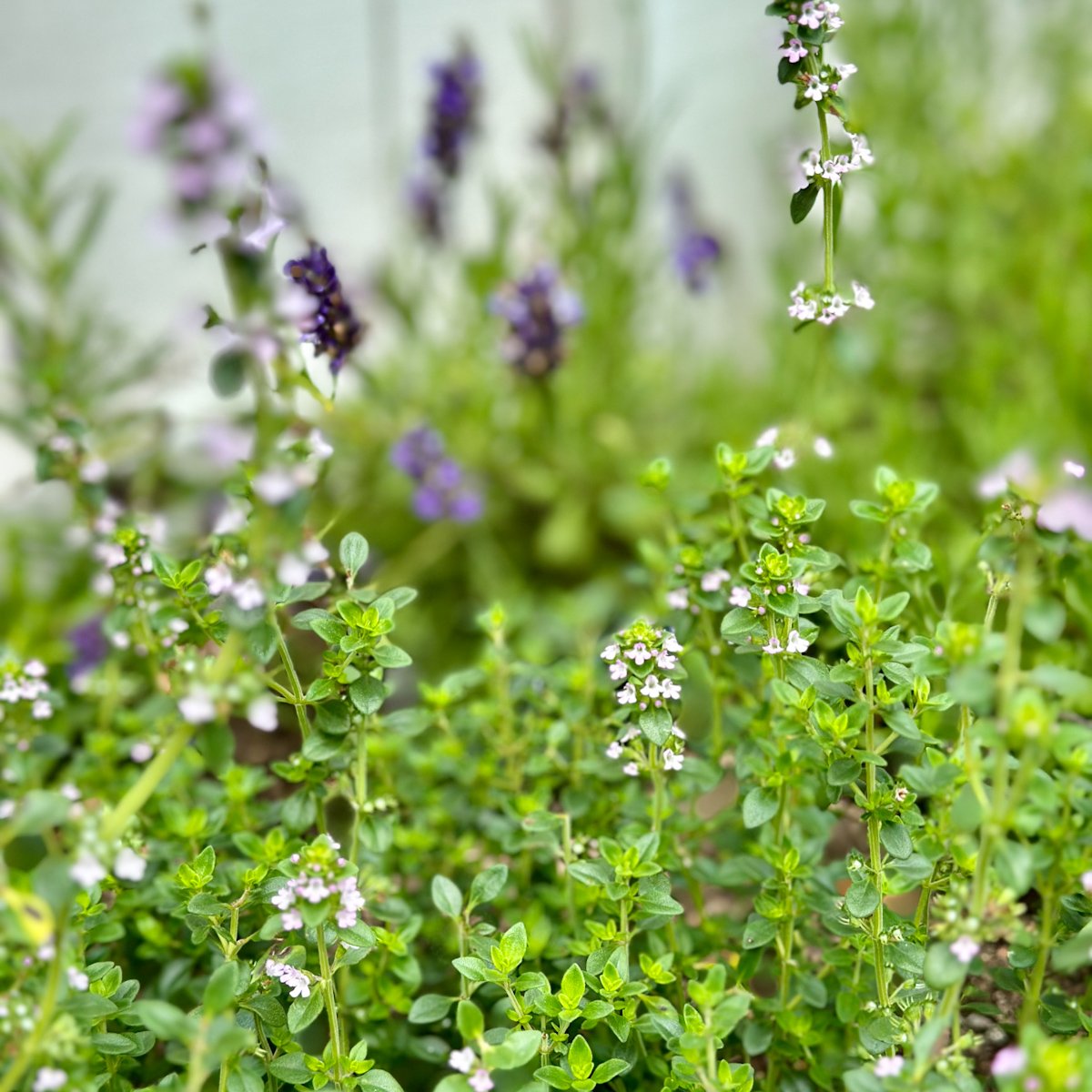
With the right soil, growing herbs outdoors becomes much easier and more rewarding. Whether you're planting in garden beds, raised beds, or containers, herbs thrive in well-draining soil that isn't overly rich and allows roots to breathe. Paying attention to drainage, soil structure, and simple amendments like compost or perlite can make a big difference in how well your herbs grow.
In my own garden, I've grown herbs in everything from small containers to a 16-foot raised herb bed, and the one thing that consistently matters most is getting the soil right from the start. When herbs have the conditions they prefer, they tend to be hardy, productive plants that provide fresh flavor all season long.
With a little preparation and the right soil mix, you'll soon have healthy herbs like basil, rosemary, thyme, and parsley growing just steps from your kitchen. And once you start harvesting fresh herbs regularly, it's hard to imagine cooking without them.
Thanks so much for stopping by the blog today. I hope this guide helped you choose the best soil for herbs in garden beds, raised beds, and containers.
Happy herb gardening!







Hi Stephanie…
I stumbled across your wonderful website while browsing recently ! I was simply blown over by the amount of well-documented articles on herbs.
I picked-up an idea from your two-tier herb garden and I have built one of my own.
As it is difficult to get herb saplings in pots from plant nurseries locally, I have decided to grow all te herbs from seed. the list of herbs tat I wish to sow are as follows:
1. Basil Genovese 7. Coriander
2. Oregano 8. Parsley
3. Thyme 9. Chives
4. Rosemary 10. Dill
5. Broad Leaved Sage 11. Celery
6. Mint 12. Lemon Grass
By the way, my two-tier herb garden is approximately 3.0 feet wide and 1-1/2 feet high. Could I request you to kindly suggest a suitable design (like yours) for sowing the seeds, and for growing the herbs listed above ? I hope that I will not be troubling you too much.
For your information, I live in Chennai, India.
Thank you.
Take care and stay healthy.
Cheerio !
S. Radhakrishnan (Ranjit)
Chennai, India
Hello! Thank you for visiting the site and for your kind words. I'm glad you enjoyed my post. If you plan on creating a tiered planter using seeds, I recommend sowing them indoors first. Once they've sprouted, you can add the seedlings to the planter. This approach helps avoid overcrowding and gives your plants a better chance to survive in their new environment.
For the design, refer to the plant information on the markers or seed packets. Plant taller varieties at the back of the planter and shorter ones in front. This arrangement ensures all plants are visible and receive adequate sunlight.
Feel free to ask if you need any more tips for your tiered planter project!
Love this, so happy you are starting this blog. My husband and I have turned our side yard off of our kitchen into a kitchen garden. I don’t have raised beds but my herbs did very well last year. You have given me some great info, ❤️
Oh Im so glad! Thank you!