Is Dill a Perennial? The Truth About Dill Returning Each Year

Dill is usually grown as an annual herb, meaning it completes its life cycle in one growing season. However, dill plants often drop seeds and return the following spring, which is why many gardeners think dill behaves like a perennial.
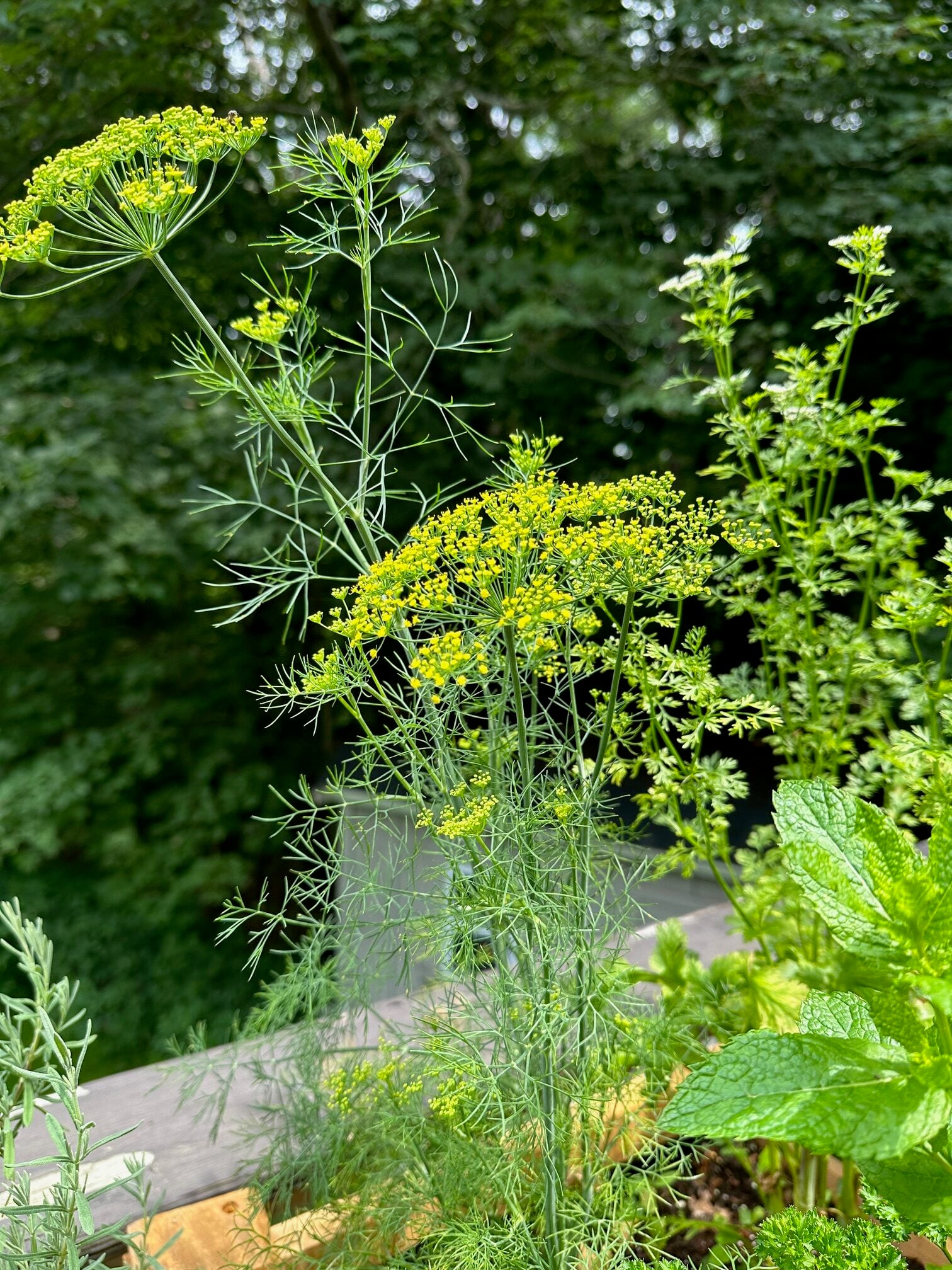
If dill keeps popping up in your garden year after year, you are not alone in wondering whether it is actually a perennial. It is one of those herbs that can be a little confusing because while dill is usually grown as an annual herb, it often returns by dropping seeds and starting new plants the following season.
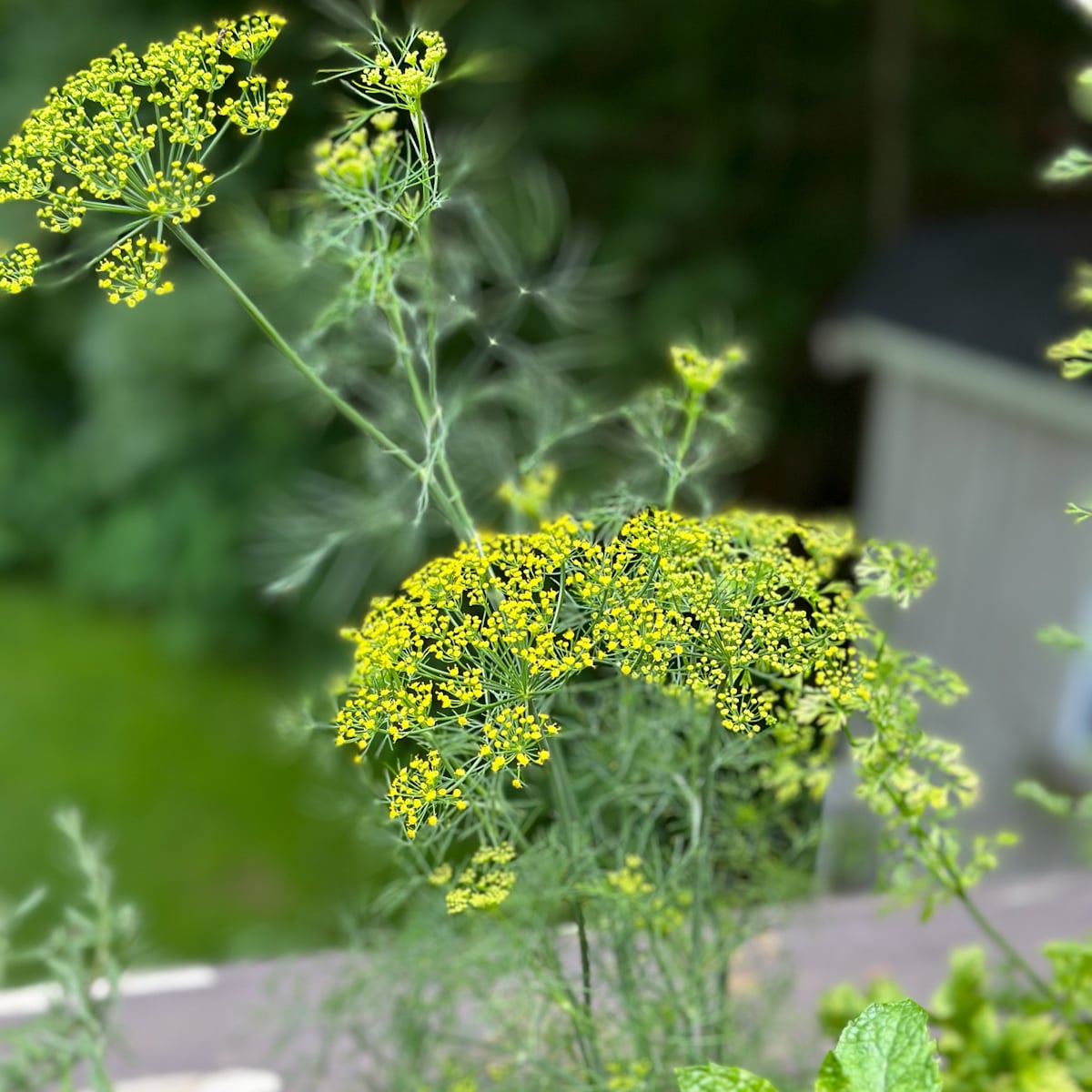
I always enjoy growing dill in my herb garden for its feathery foliage, fresh flavor, and those bright yellow flower heads that look like little bursts of sunshine in the garden. It is just as happy tucked into a raised bed as it is growing in a deep pot on the patio, which makes it an easy culinary herb to fit into many spaces.
If you are wondering whether dill comes back every year, here is what to expect and how to keep a steady supply growing season after season.
At a Glance: Is Dill a Perennial?
_______________________
- Dill is usually grown as an annual herb, not a true perennial.
- Most dill plants complete their life cycle in one growing season.
- Dill often drops seeds and returns the following spring with new plants.
- It grows best in full sun and well-drained soil.
- Early spring is a great time to sow dill seeds.
- Regular harvesting can encourage fresh leaf growth.
- Dill flowers attract beneficial insects and pollinators.
- Dill grows well in garden beds, raised beds, and deep containers.
- Many gardeners grow dill each year for fresh dill, dill weed, and seed heads.
Summarize and Save this content on:
Jump to:
Is dill a perennial or annual?
Dill is usually grown as an annual herb, not a true perennial. Most dill plants sprout, grow, flower, set seed, and complete their life cycle within one growing season.
What makes dill confusing is that it often returns the following year. While the original plant typically does not survive, dill drops seeds easily and new seedlings may sprout the next spring. That is why many gardeners think dill behaves like a perennial.
Why dill is considered an annual herb
An annual plant completes its full life cycle in a single season. Dill, known botanically as Anethum graveolens, grows quickly from seed, produces soft feathery leaves, flowers, and then forms seed heads before naturally declining.
Why dill often comes back anyway
Dill is an enthusiastic self-seeder. If flower heads are left in place long enough to mature, seeds can fall into the soil and remain there until warmer weather returns.
When spring arrives, those seeds may germinate and create brand new dill plants in the same area.
What gardeners should expect each year
Some years dill returns generously on its own, and other years it may need to be replanted. If you want the best chance of repeat growth, allow a few seed heads to dry naturally at the end of the season.
How to grow dill successfully each season
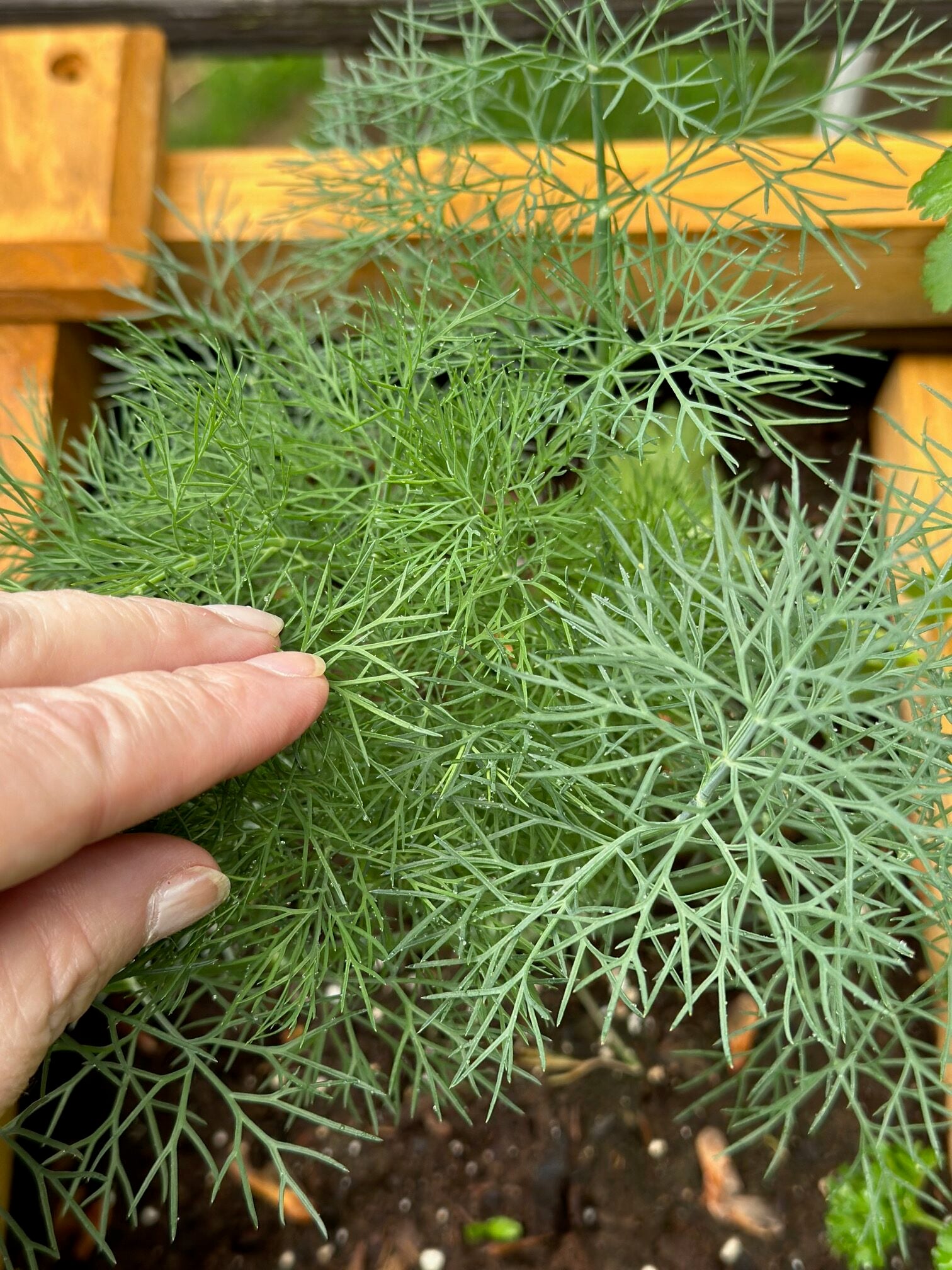
Dill is one of those herbs that feels easygoing once you understand what it likes. Give it sunshine, decent soil, and a little space, and it usually takes off quickly. In my own garden, I grow dill toward the back of my raised bed herb garden because it grows tall (up to 3 feet) and fast. I also like growing dill plants in containers, usually on their own or with just one or two plants depending on the size of the pot.
Plant dill in full sun
Dill grows best in full sun and appreciates plenty of light each day. For the strongest plants and best leaf production, aim for several hours of direct sunlight. In hotter warmer climates, a little afternoon relief can help, but dill is happiest in a bright sunny spot.
Use well-drained soil with organic matter
Dill prefers well-drained soil that does not stay soggy. Mixing in compost or other organic matter can improve soil texture and support healthy growth. Good drainage is especially helpful if you are planting in a garden bed or raised bed.
Sow dill seeds in early spring after the last frost date
The best way to grow dill is often to sow seeds directly outdoors in early spring or after your local last frost date. Dill seedlings can be delicate when transplanted, so direct sowing usually gives the best results. You can also sow more seeds later in the season for a continuous supply of fresh dill.
Keep soil moisture consistent without soggy soil
Dill likes consistent watering, especially while young plants are getting established. Keep soil moisture even, but avoid overly wet soil. Regular watering during dry spells helps support steady leaf growth and healthy dill foliage.
How to get more fresh dill from one planting
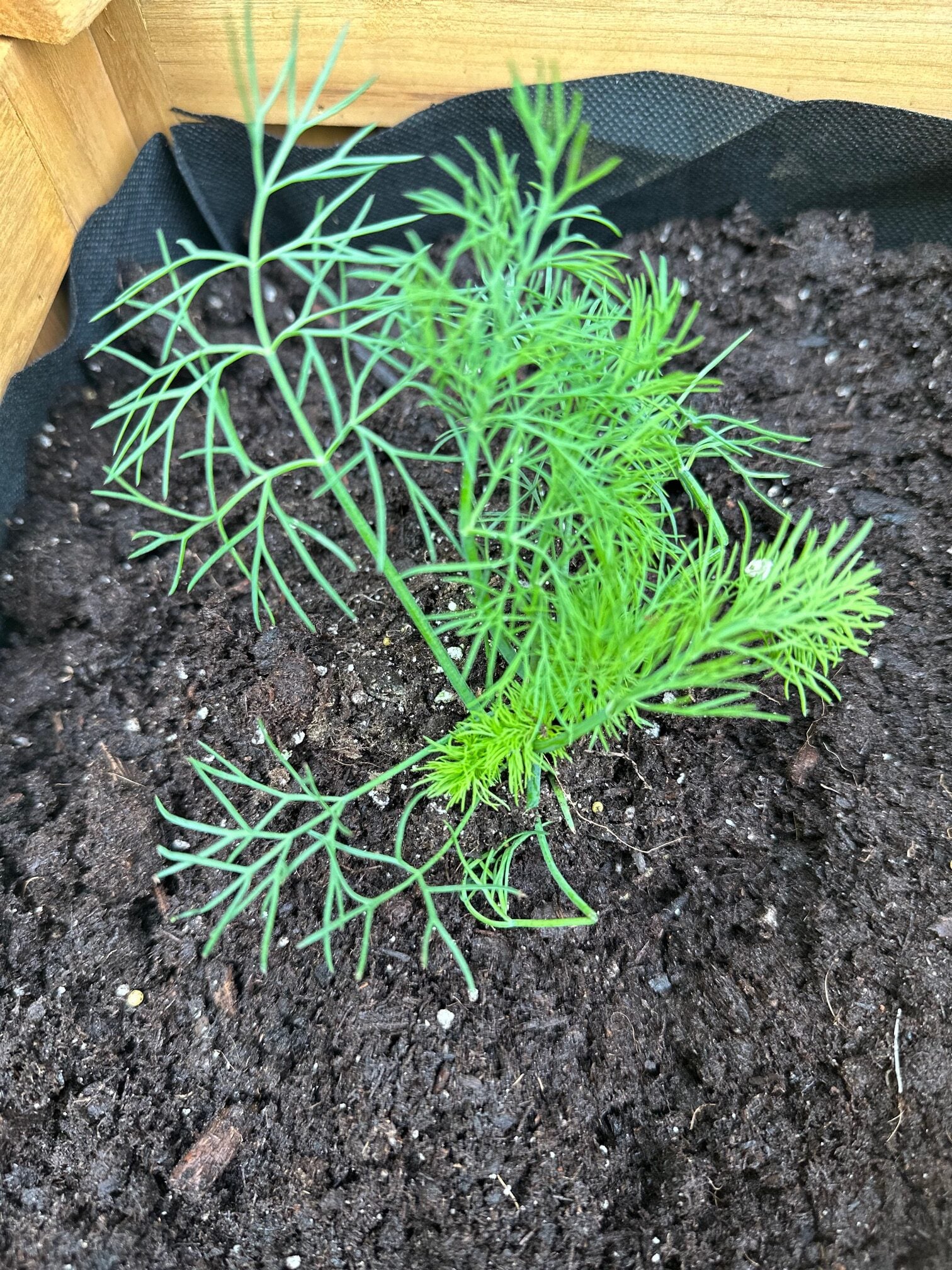
So here is the fun part. Once dill gets going, it can be surprisingly generous. A little attention here and there can help you enjoy more fresh dill from one planting instead of watching it rush straight to seed.
Regular harvesting encourages leaf growth
Snipping fresh dill often is one of the easiest ways to keep it producing. I like to trim what I need from the outer stems and leave the center growing. Regular harvesting can encourage more leaf growth and gives you a steady supply for salads, dips, and vegetable dishes.
Succession sow seeds for a continuous supply
Dill grows quickly, but it can also bolt like cilantro once the weather heats up. One of the best ways to keep fresh dill coming is to sow seeds every few weeks during the growing season. That way, as one planting slows down, another is just getting started.
Grow dill in a garden bed or deep pot
Dill does well in a garden bed, but I also really like growing it in a deep pot like my potted cilantro. Containers make it easy to keep dill close to the kitchen and simple to tuck into small spaces. Just give it room for roots, full sun, and regular watering, and it usually takes off fast.
Reasons gardeners love growing dill
Dill is one of those herbs that earns its space quickly. It is useful in the kitchen, beautiful in the garden, and easy to grow, which is a pretty great combination. It has become one of my favorite culinary herbs to plant each season.
Fresh dill for pickles, potato salad, and fish dishes
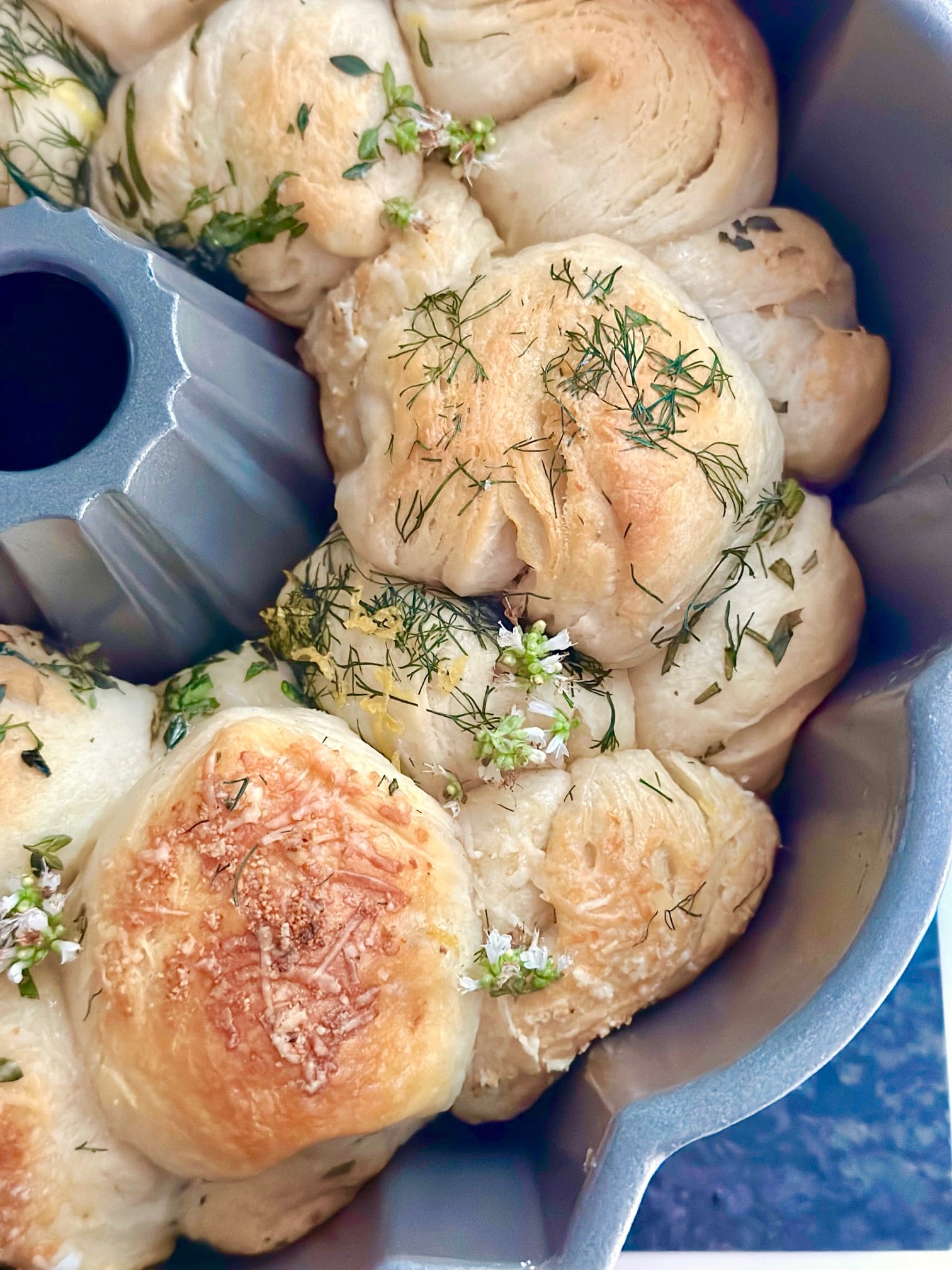
Fresh dill brings bright flavor to so many dishes. It is classic in dill pickles, delicious stirred into potato salad, and a natural match for fish dishes. I also love adding fresh dill to homemade breads and savory recipes when I want a fresh herbal flavor.
Bright yellow flowers attract beneficial insects
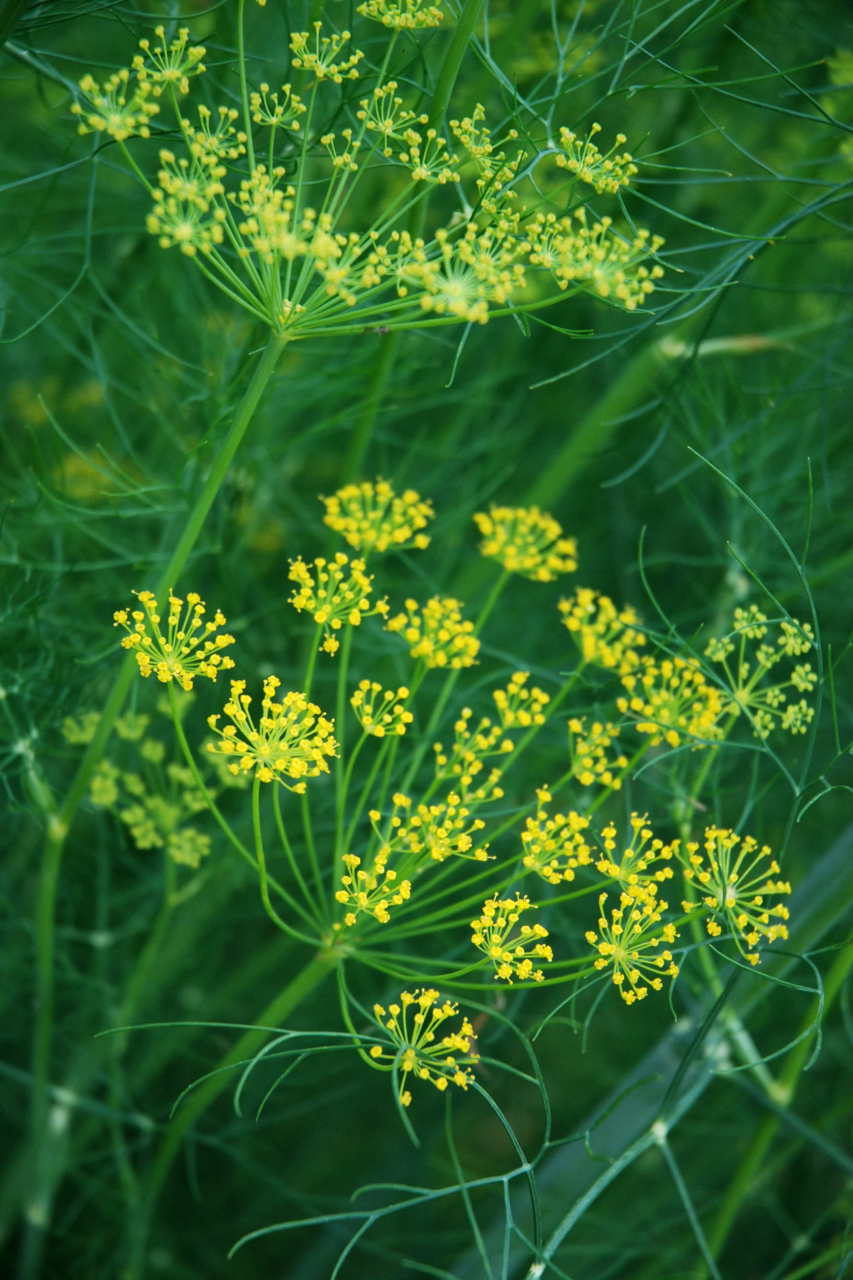
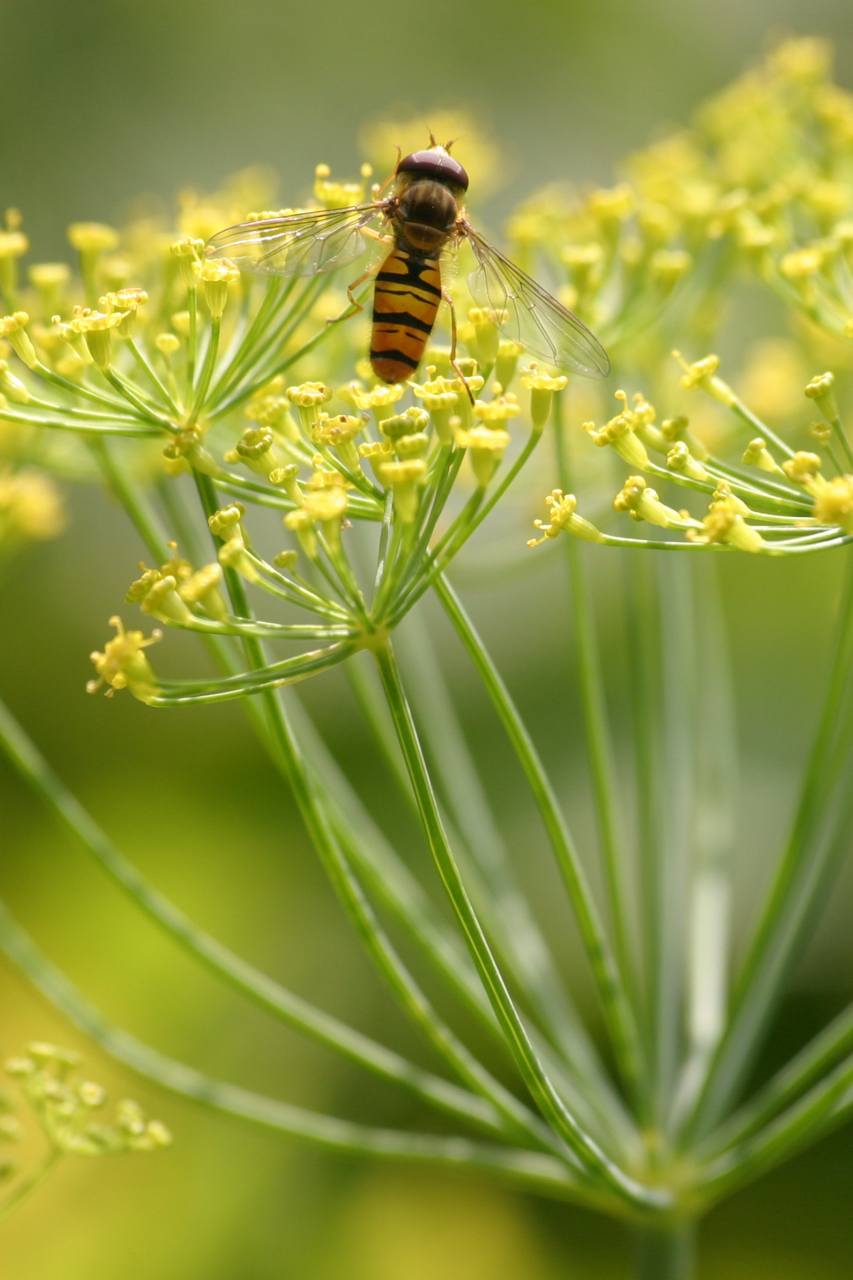
When dill flowers, those sunny yellow blooms are not just pretty to look at. They also attract beneficial insects and pollinators to the garden, which makes dill a smart addition to vegetable beds and herb gardens alike.
Feathery leaves add texture to the herb garden
Even before it flowers, dill adds beauty to the garden with its soft, feathery leaves and airy growth habit. It brings movement, texture, and a fresh green look that pairs nicely with other herbs and flowering plants.
Frequently asked questions
Dill is usually grown as an annual herb, so the original plant does not typically return year after year. However, dill often self-seeds easily, which means new plants may pop up in the same spot the following spring.
Most dill plants decline after flowering and seed production, especially in cooler climates. While the plant itself usually does not survive winter, dropped seeds can remain in the soil and sprout when temperatures warm again.
Yes, dill can grow very well in containers, especially deep pots that give the roots enough room. Use well-drained soil, place the pot in full sun, and keep watering consistent for best results.
That depends on your goal. If you want more fresh dill leaves, harvest regularly before flowering begins. If you would like seed heads for cooking, self-seeding, or to attract beneficial insects, letting dill flower is a great idea.
Dill may not be a true perennial, but it still has a wonderful way of returning to the garden year after year through self-seeding. That is part of its charm. One season you plant it on purpose, and the next season it may surprise you by showing up all on its own.
With its fresh flavor, cheerful yellow flowers, and easygoing nature, dill is one of those herbs that gives a lot back for very little effort. Whether you grow it in a raised bed, tuck it into a container, or let it mingle in the herb garden, it is a fun and rewarding plant to grow.
If you have been wondering whether dill is worth planting, I would absolutely say yes. It may not be perennial by definition, but it often behaves like a welcome repeat guest in the garden.
Keep growing, friends!