
How Often to Fertilize Indoor Plants (and Why Winter Changes Everything)

Indoor plants are typically fertilized during their active growing season, which is spring and summer, when longer days and stronger light support new growth. During fall and winter, most houseplants slow down due to reduced light and shorter days, so fertilizing is usually reduced or paused altogether. Applying fertilizer during winter can encourage weak growth or lead to salt buildup in the soil if plants are not actively growing. Fertilizing generally resumes in early spring when plants show signs of new growth, rather than on a fixed calendar schedule.

Content may contain affiliate links. When you shop the links, we receive a small commission at no cost to you. Thanks for supporting my small business.
Every winter, the same question pops up again and again: should I be fertilizing my indoor plants right now?
I noticed it clearly when I looked back at my own site data from January. A surprising number of people were searching for things like fertilizing indoor plants in January, which tells me one thing. A lot of plant owners are feeling uneasy about what they're seeing. Growth has stalled, leaves look a little tired, and it's easy to assume fertilizer is the missing piece.
But in most cases, it isn't.
Winter is not an active growing season for the majority of houseplants. Shorter days and weaker light slow everything down, even in warm homes. When plants struggle during winter, the cause is almost always light related or tied to seasonal changes in watering, not a lack of nutrients. Adding fertilizer during this period often does more harm than good by encouraging growth the plant simply can't support.
This post explains how often to fertilize indoor plants, why winter is different, and why I personally pause fertilizing during the colder months. If your plants seem stuck or unimpressed right now, this will help you understand what's really going on and what actually helps during winter.
Jump to:
- Popular questions about fertilizing indoor plants
- Why houseplants slow down in winter
- Why fertilizing indoor plants in winter is different
- Should you fertilize indoor plants in winter?
- Common winter problems people mistake for nutrient deficiency
- What I focus on instead of fertilizing in winter
- When and how I resume fertilizing in spring
- More indoor plant care topics to explore
Popular questions about fertilizing indoor plants
Most indoor plants are fertilized during their active growing season, typically spring and summer. During winter, growth slows for many houseplants, and fertilizing is often reduced or paused until plants begin actively growing again.
In most homes, indoor plants do not need fertilizer in winter. Reduced light and shorter days limit growth, making it difficult for plants to use added nutrients. Fertilizing during winter can sometimes cause more harm than good.
Yes. Overfertilizing can cause root damage, leaf burn, and a buildup of salts in the soil. This risk is higher in winter when plants are growing slowly and using fewer nutrients.
Plants that need fertilizer usually show signs of active growth slowing during the growing season, such as smaller leaves or weaker new growth. In winter, similar symptoms are more often related to low light or watering issues rather than nutrient deficiencies.
Why houseplants slow down in winter
Most houseplants slow down in winter, even when they're kept indoors. This has very little to do with temperature and almost everything to do with light.
As days get shorter and the sun sits lower in the sky, the amount of usable light coming through windows drops significantly. Rooms that feel bright in summer often function as low-light spaces in winter.
Because plants rely on light to fuel photosynthesis, this reduction naturally signals them to slow growth.
What that looks like indoors:
- Little to no new leaf growth
- Slower water use
- Longer gaps between watering
- A general pause in forward movement
This is completely normal.
During winter, many houseplants shift into what I think of as maintenance mode. They're staying healthy and alive, but they're not actively growing. Because growth slows, nutrient demand drops right along with it.
This seasonal slowdown doesn't mean something is wrong, and it doesn't mean your plant is lacking nutrients. In most homes, winter simply isn't a time when indoor plants can make use of extra fertilizer, no matter how well intentioned it may be.

Why fertilizing indoor plants in winter is different
Fertilizer works best when a plant is actively growing. That's something I've learned the slow way, by watching what actually happens to my own houseplants year after year.
In winter, even though my home stays warm, the light changes dramatically. Growth slows, water use drops, and plants simply aren't pushing forward the way they do in spring and summer. When I used to fertilize out of habit during winter, I didn't see better growth. I saw tired leaves, stalled progress, and plants that looked worse, not better.
That's because fertilizer doesn't fix stress. It fuels growth.
When plants aren't getting enough light, they can't use extra nutrients properly. Instead of helping, winter fertilizing often leads to:
- Weak or leggy new growth
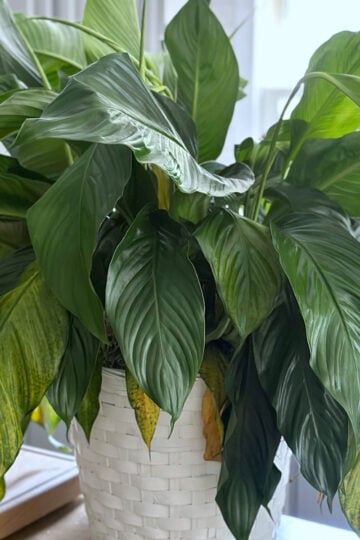
- Yellowing leaves that look like nutrient problems but aren't
- Salt buildup in the soil from unused fertilizer
- Roots that struggle instead of strengthening
Over time, I stopped fertilizing my common houseplants in winter altogether. Not because it's a hard rule, but because my plants consistently did better when I let them rest.
There are always exceptions. Plants under strong grow lights or those clearly pushing new leaves may still need light feeding. But for the majority of houseplants growing in natural winter light, fertilizer just isn't what they're asking for.
Should you fertilize indoor plants in winter?
For most indoor plants, the answer is no. In winter, fertilizing usually isn't necessary and often isn't helpful.
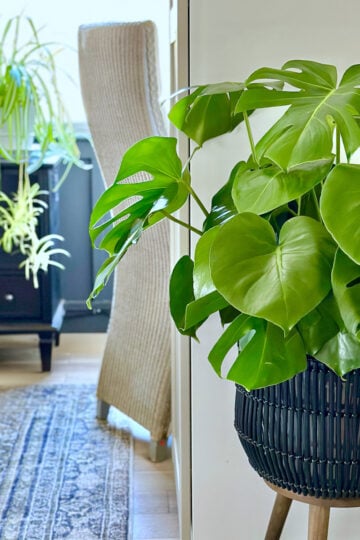
In a typical home, reduced light and shorter days slow growth to a crawl. Plants like spider plants, pothos, and monstera may still look green and healthy, but they aren't actively growing the way they do in spring and summer. Even African violets, which don't go fully dormant, tend to slow down when light levels drop.
When growth slows, nutrient demand drops too. Fertilizer added during winter often sits unused in the soil, which is why winter fertilizing can lead to leaf yellowing, salt buildup, or stalled growth rather than improvement.
This is why I personally pause fertilizing my houseplants in winter, including easygoing plants like pothos and spider plants. Instead of pushing growth during the darkest months, I focus on keeping plants stable and stress-free until conditions naturally improve.
That same thinking applies to natural fertilizers as well. Even gentle or organic options work best when plants are actively growing. In winter, I save any kind of feeding, natural or otherwise, for plants that are clearly pushing new growth or growing under strong supplemental light.
For most houseplants growing in natural winter light, fertilizing can wait. In my experience, plants that are allowed to rest through winter almost always rebound with stronger, healthier growth once spring arrives.

Common winter problems people mistake for nutrient deficiency
Many winter plant issues look like nutrient problems at first glance, but they usually aren't. Before reaching for fertilizer, it helps to rule out these common seasonal causes.
- Yellow leaves: Often caused by low light or overwatering in winter, not a lack of nutrients.
- Drooping or limp growth: Frequently tied to inconsistent watering or colder window temperatures rather than fertilizer needs.
- Slow or stalled growth: A normal winter response for plants like pothos, spider plants, and monstera when light levels drop.
- Pale or smaller new leaves: Usually the result of insufficient light, not something fertilizer can correct in winter.
- Brown leaf tips or edges: Commonly linked to dry indoor air or salt buildup from previous fertilizing, not current deficiency.
If you're seeing these symptoms during winter, fertilizer is rarely the solution. In most cases, adjusting light exposure, watering habits, or simply allowing the plant to rest leads to better results.

What I focus on instead of fertilizing in winter
In winter, I don't try to fix my houseplants. I observe them.
Over the years, I've learned that winter care is less about doing more and more about paying attention and adjusting expectations. When growth slows, my goal isn't forward progress. It's stability.
Here's what I focus on instead of fertilizing:
- Light first: I make sure plants are getting the best light available. If something starts to struggle, I don't reach for fertilizer. I reach for a grow light. Even a small boost in light often makes a bigger difference than feeding ever could.
- Slowing watering down, not guessing: Because growth slows in winter, water use slows too. I stretch watering out, but I still let the plant tell me when it's ready. I'm not watering on a schedule. I'm responding to what I see.
- Watching, not pushing: I keep an eye on leaves, posture, and overall health, but I don't expect much movement. No new leaves is not a problem in winter. It's normal.
- Letting plants rest: I think of winter as a reset for indoor plants. Just like we settle in, slow down, and get cozy this time of year, plants do the same. They pause, regroup, and wait for better conditions.
When I stopped expecting growth during winter and started allowing that rest period, my plants became more consistent and far less dramatic. By the time light levels increase again, they're ready to grow without needing to recover from winter stress.

When and how I resume fertilizing in spring
I don't restart fertilizing based on a calendar date. I wait for the plants to tell me they're ready. A common theme to my plant care strategy!
For me, that usually looks like longer days, brighter light, and clear signs of active growth. New leaves begin to appear, water use increases, and plants start moving forward again instead of holding steady. That's my cue.
When I do resume fertilizing, I start slowly. I don't jump back into full-strength feeding right away. A diluted fertilizer allows plants to ease back into growth without shock, especially after a long winter rest.
I also keep my approach gentle. Even in spring, I'm mindful that fertilizer is a support tool, not a fix. Light still comes first, followed by consistent watering, and only then do nutrients come into play. In some cases, that means using mild, organic options rather than synthetic feeds, especially for plants that prefer a softer touch like peace lilies, maiden hair ferns, jasmine, and air plants.
For plants that respond well to it, I also pay attention to how everyday household inputs affect soil health. Things like compost-based amendments or even small amounts of used coffee grounds can be helpful in the right context, but only when plants are actively growing and able to use what they're given.
Once growth is clearly underway, fertilizing becomes part of my regular routine again. Until then, patience does more for indoor plants than any product ever could.
More indoor plant care topics to explore


If there's one takeaway from all of this, it's that winter doesn't mean you're failing at houseplants. It simply means the season has changed.
When growth slows or pauses, it's easy to feel like something needs fixing. But more often than not, your plants are doing exactly what they're supposed to do. They're conserving energy, adjusting to lower light, and waiting for brighter days ahead.
By easing up on fertilizer, paying attention to light, and letting plants rest, you give them what they actually need during winter. Come spring, when growth naturally picks back up, they're ready to move forward without having to recover from unnecessary stress.
So if your plants seem quiet right now, that's okay. Let them settle in. Spring will come, and when it does, they'll let you know they're ready.
Keep growing, friends!