Is Lavender a Perennial in Zone 6? A Complete Growing Guide

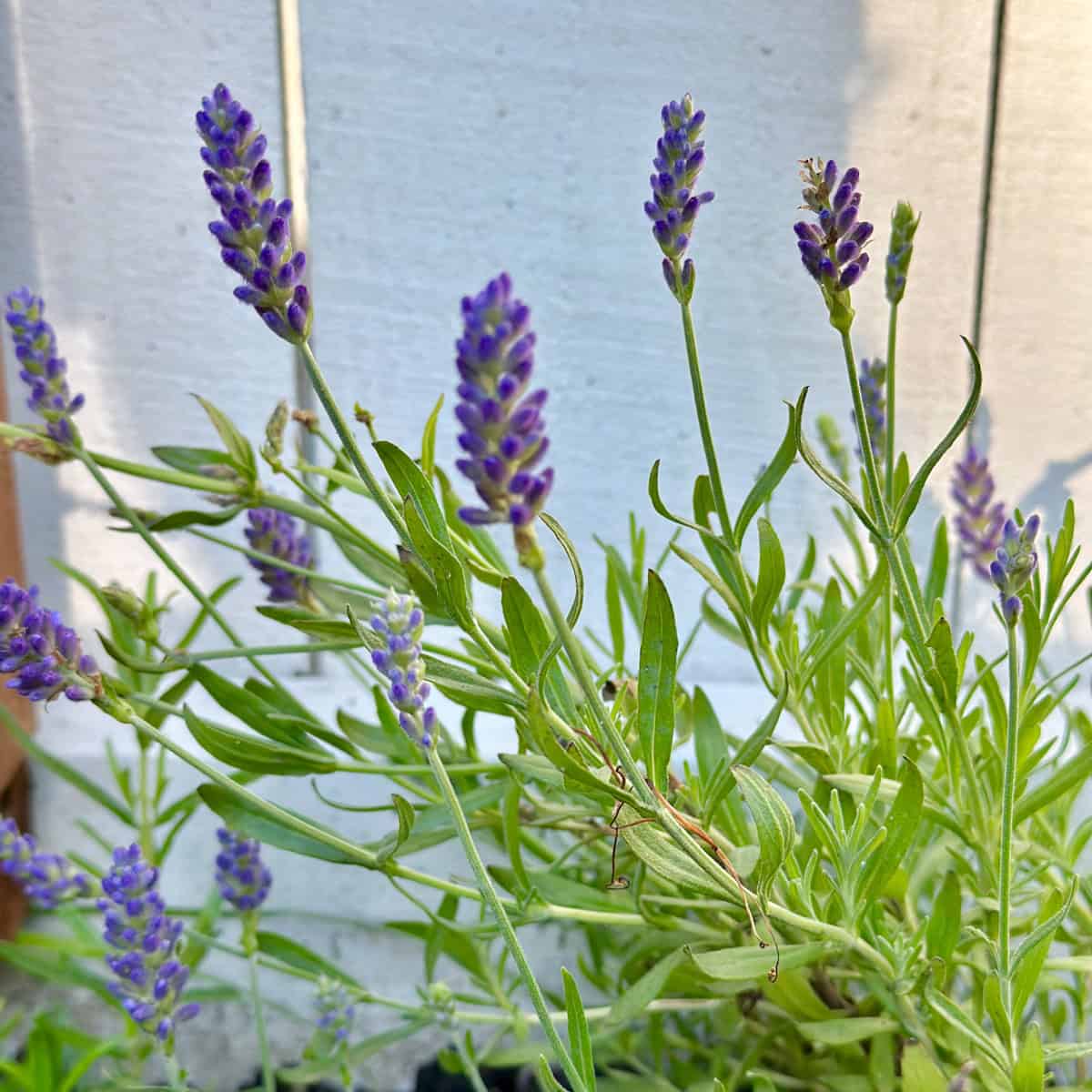
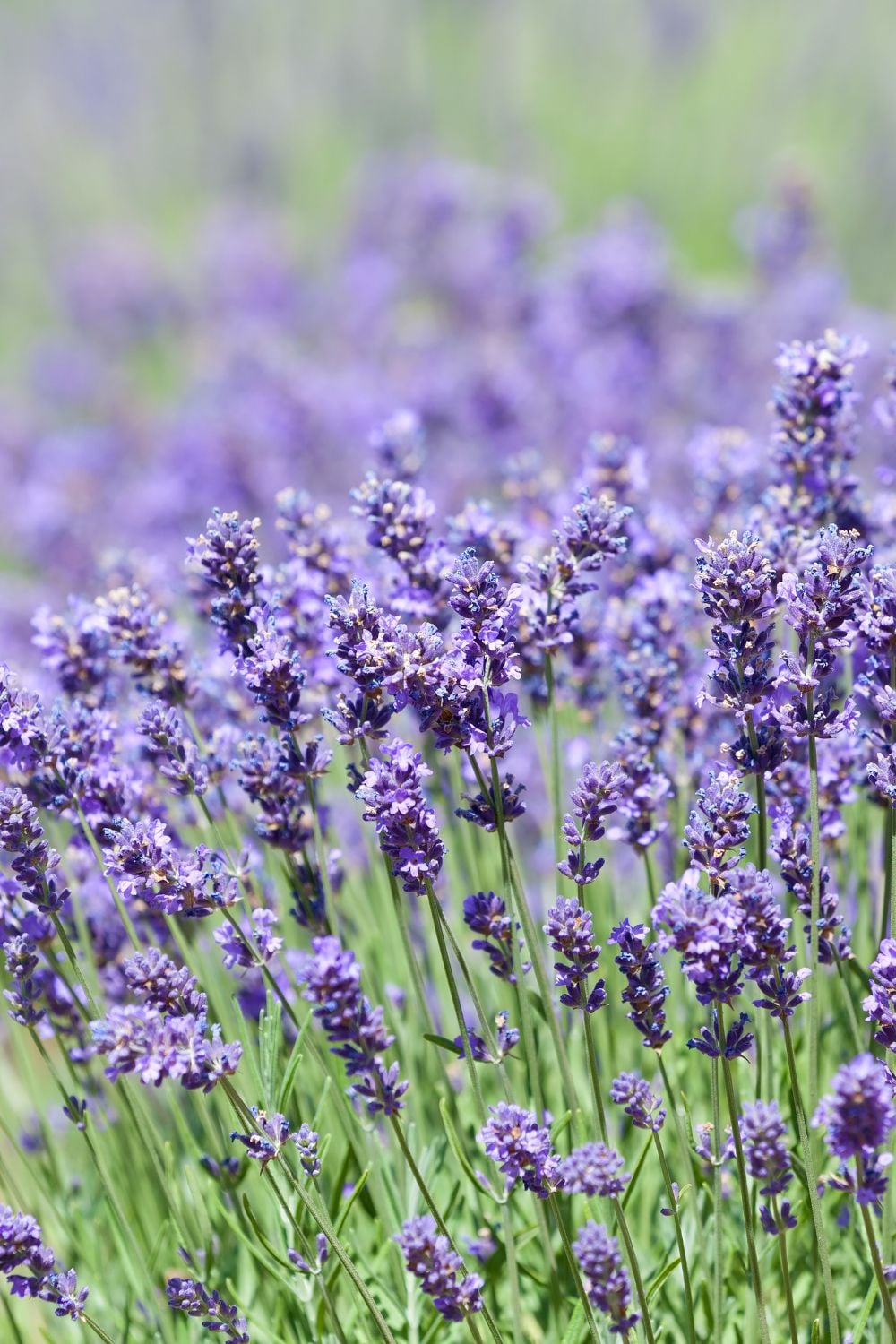
I get asked, is lavender a perennial in zone 6 all the time from readers, and I'm excited to share what I've learned from growing lavender in my zone 6b garden for the past 15 years. The short answer? Yes, lavender can thrive as a perennial in zone 6 - BUT you need to choose the right types and give them proper care.
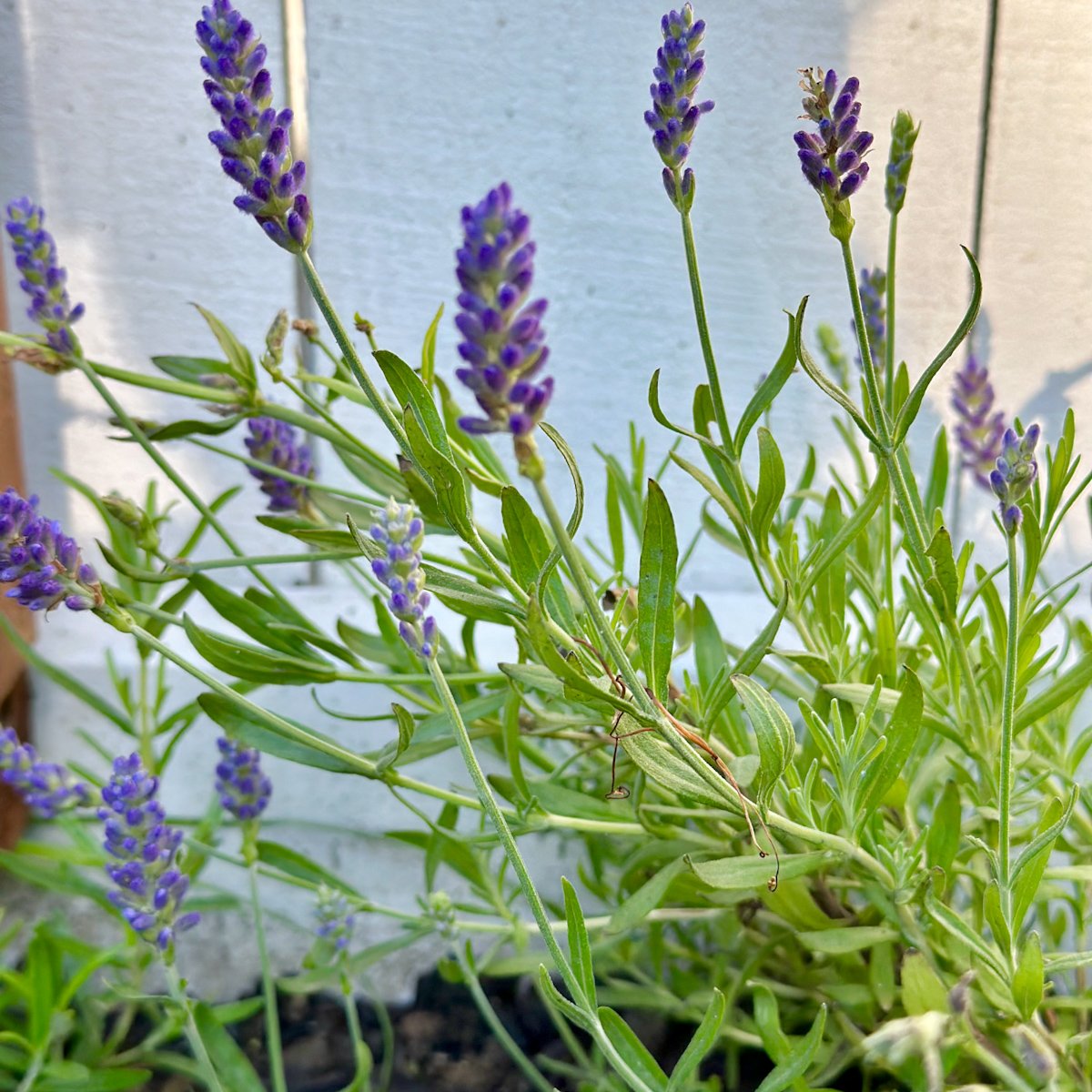
When I first started growing lavender plants, I made plenty of mistakes. I tried growing tender French lavender (Lavandula stoechas) and lost it during our cold winters. But once I switched to hardy English lavender (Lavandula angustifolia), everything changed. Now I have beautiful lavender flowers coming back year after year in my herb garden.
For zone 6 gardens like mine, English lavender is your best friend. It's a tough perennial herb that can handle our cold temperatures when planted in the right spot. I've found that varieties like 'Hidcote' and 'Munstead' are particularly good at surviving our winters. These cold-hardy cultivars have been reliable performers in my garden for a long time.
Jump to:
Speaking of reliable performers - you might have seen my other posts about lavender soil prep and lavender fertilizing tips. Those basics are super important, but today we're focusing specifically on making lavender come back year after year in zone 6. I've learned some key tricks about timing, placement, and winter protection that make all the difference between a one-season wonder and a lasting perennial plant.
If you're wondering whether to add lavender plants or even lavender trees to your zone 6 garden, I've got good news. With the right variety choice and proper care (which I'll share from my years of trial and error), you can enjoy these fragrant plants for many seasons to come. Let's dig into exactly how to make that happen.
Understanding lavender in zone 6
You might have seen my other posts about lavender soil prep and fertilizing tips. Those basics are important, but here I'm focusing on what it takes to make lavender come back year after year in zone 6. With the right timing, placement, and winter protection, lavender can thrive as a perennial instead of just a one-season wonder.
What makes zone 6 tricky for lavender
Living in Massachusetts, I've learned firsthand how challenging zone 6 can be. Winters can dip to -10°F, and summers swing back with hot, humid days in the 90s. This mix of extremes makes zone 6 a transition zone for lavender, right on the edge of where Mediterranean herbs naturally want to grow.
The best lavender varieties for zone 6
The good news is that some lavender varieties do very well here. English lavender (Lavandula angustifolia) is the most reliable. My 'Munstead' and 'Hidcote' plants have survived cold winters for over five years. Intermedia varieties (lavandin), which are crosses between English and Portuguese lavender, also handle cold weather while producing larger flower spikes.
Lavender types to avoid in zone 6
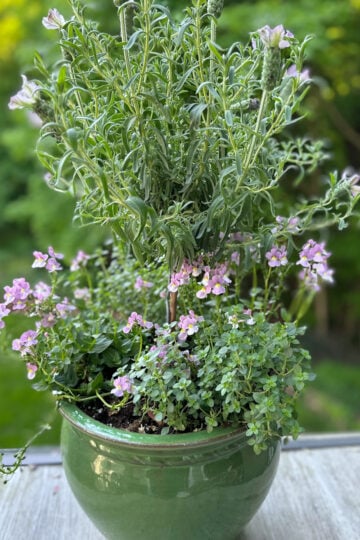
Not all lavender is suited for our climate. Spanish and French lavender are beautiful, but they won't survive zone 6 winters. I keep these in pots so I can bring them inside during the cold months. For planting directly in the ground, stick with English and intermedia types for the best results.
Proven lavender winners for zone 6 gardens
Here are my top performers that return reliably each year:
- Lavandula angustifolia 'Hidcote': Compact, dark purple flowers, very cold-hardy
- Lavandula x intermedia 'Phenomenal': Strong grower with excellent winter survival
- Lavandula angustifolia 'Munstead': Reliable bloomer with classic lavender flowers
- Lavandula x intermedia 'Grosso': Great for drying and making sachets
With good drainage and full sun, these varieties have proven themselves in my New England garden. Each spring they come back stronger, ready for another season of blooms.
Next steps for growing lavender in zone 6
Now that you know which lavender to plant, it's time to look at how to care for them. In the next section, I'll share the exact steps I use to plant, protect, and maintain lavender so it thrives year after year in zone 6.
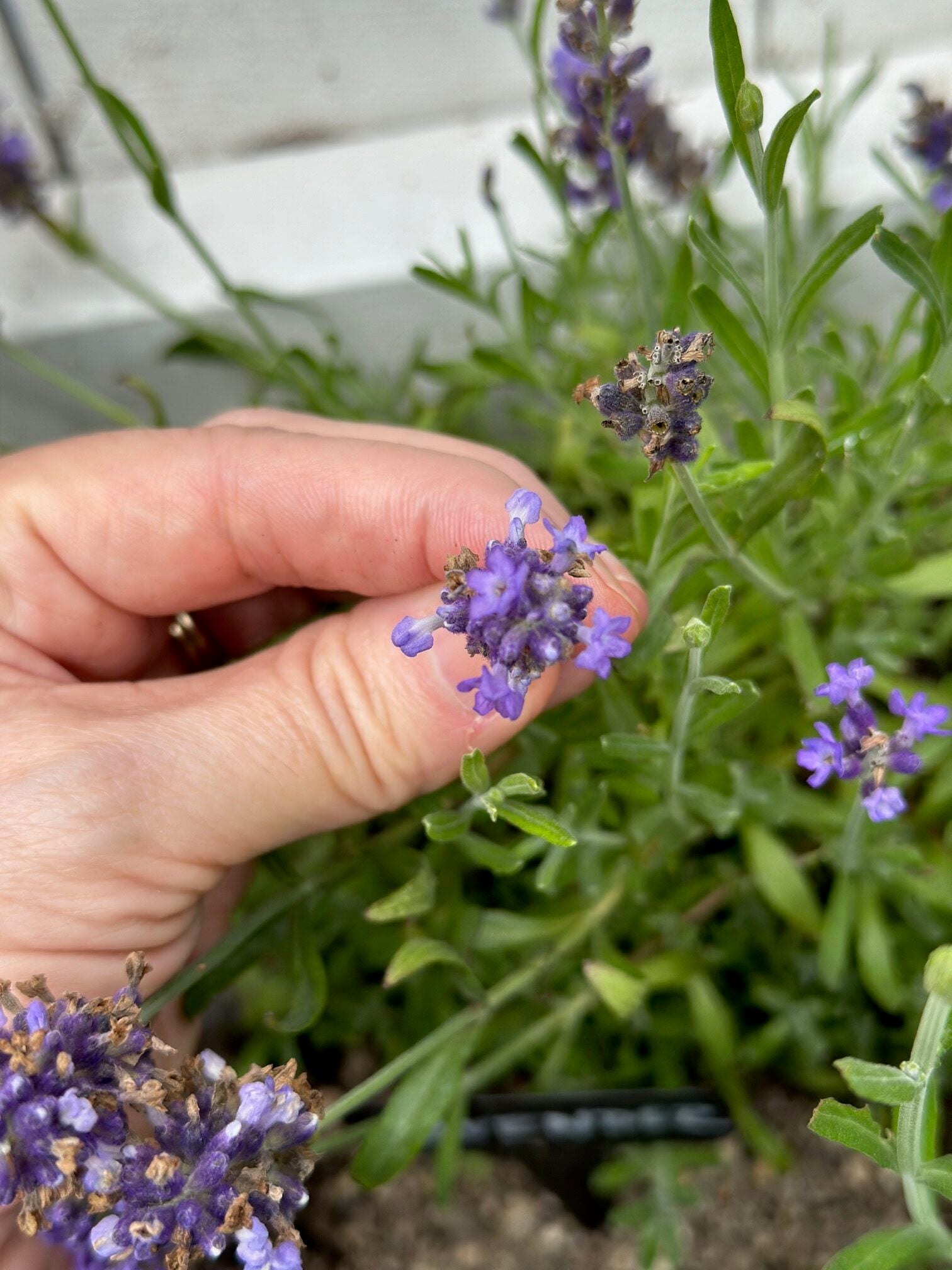
Keys to growing perennial lavender in zone 6
When to plant your lavender
I always plant my lavender in early spring here in zone 6. After years of growing lavender, I've found that spring planting gives the roots time to get established before winter hits. My best success has been planting in April or early May, once the soil has warmed up but we still have those gentle spring rains.
Late spring and early summer planting works too, but avoid fall planting in zone 6. Young lavender plants need at least 6-8 weeks to settle in before cold weather arrives. I learned this one from experience - fall-planted lavender just doesn't have enough time to develop a strong root system before winter.
Picking the perfect spot
Lavender needs full sun - and I mean FULL sun. I grow mine along the south side of my raised bed herb garden where they get at least 6 hours of direct sunlight. This spot also gets great air circulation, which is crucial for preventing fungal diseases in our humid summers.
Here's a key tip: plant lavender where you'll see and use it often. Mine grows right next to my garden path where I can brush against it and enjoy that amazing scent. Plus, it's easy to harvest for my, no sew sachets, closet fresheners, soap-making projects and flower arrangements.
Getting the soil right
This is probably the most important part of growing perennial lavender in zone 6. Lavender hates wet feet - it's a Mediterranean herb that needs sharp drainage to survive our winters. Before you plant, check your soil drainage by digging a hole and filling it with water. If it doesn't drain within an hour, you'll need to improve drainage.
My soil prep method:
- Mix in pea gravel or coarse sand into the planting area
- Raise the bed slightly to improve winter drainage
- Skip adding compost or organic matter (lavender actually grows better in lean soil)
- Add garden lime if your soil is acidic (aim for pH around 7.0)

Spacing your plants
Give your lavender room to grow! I space my plants 2 feet apart for smaller varieties like 'Munstead', and 3 feet for larger types like 'Phenomenal'. This spacing might look too wide at first, but trust me - mature lavender plants need this room for good air flow. You'll thank me when your lavender patch fills in with healthy, bushy plants.
Mediterranean herbs that love the same soil as lavender
If you've prepped your soil for lavender, you're all set to grow these sun-loving herbs too:
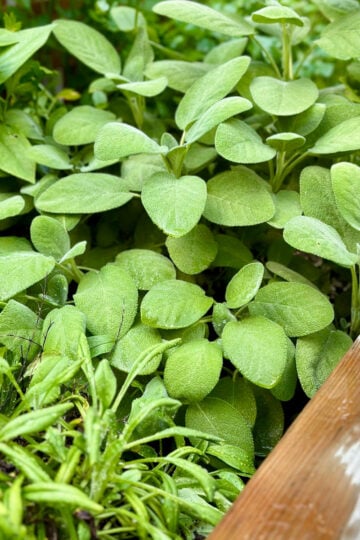
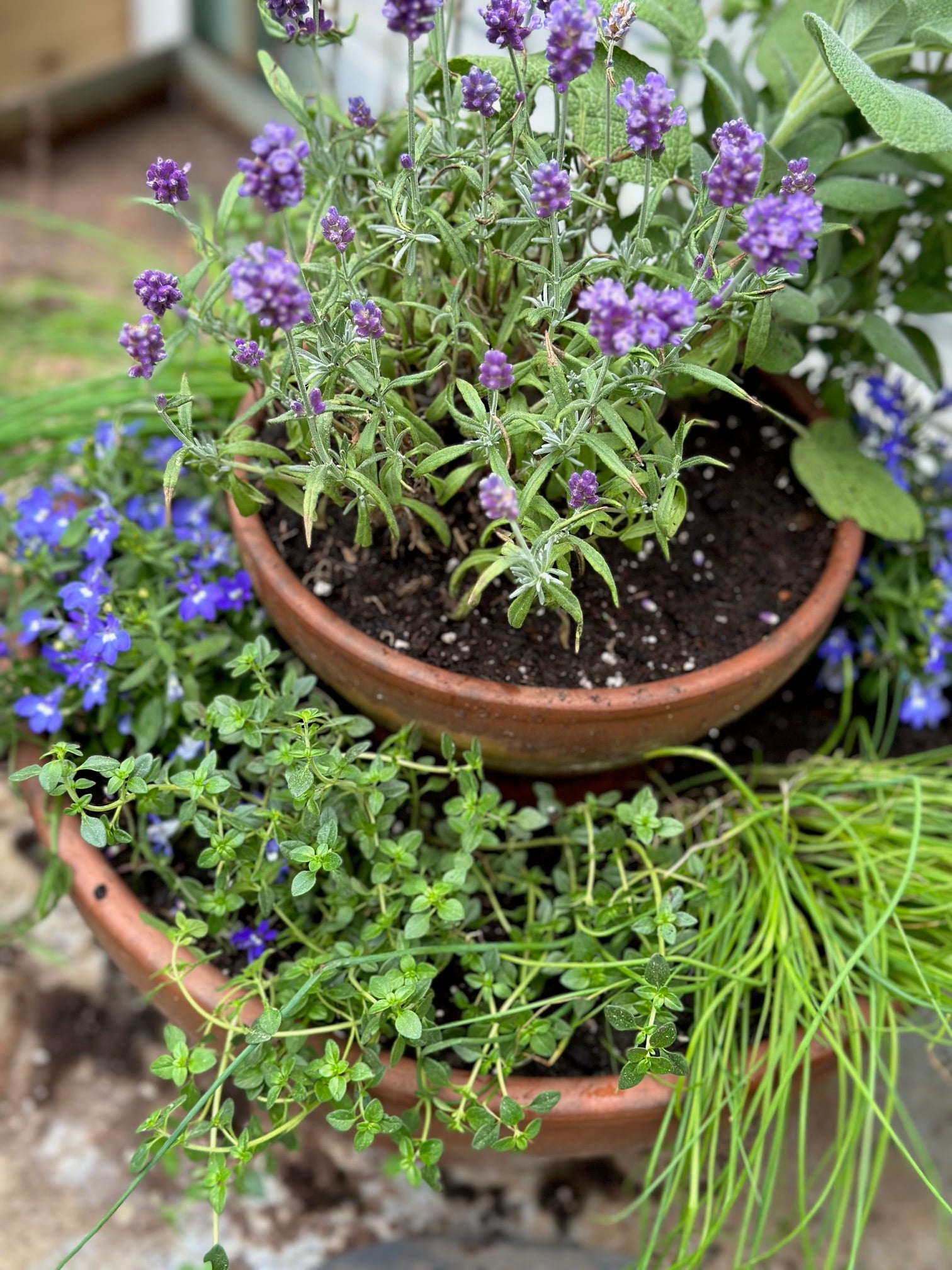
Sage: My garden sage thrives in the same well-drained soil as lavender. I plant them together since they both like lean soil and hate wet feet. Space sage plants about 2 feet apart - they get bushy like lavender.
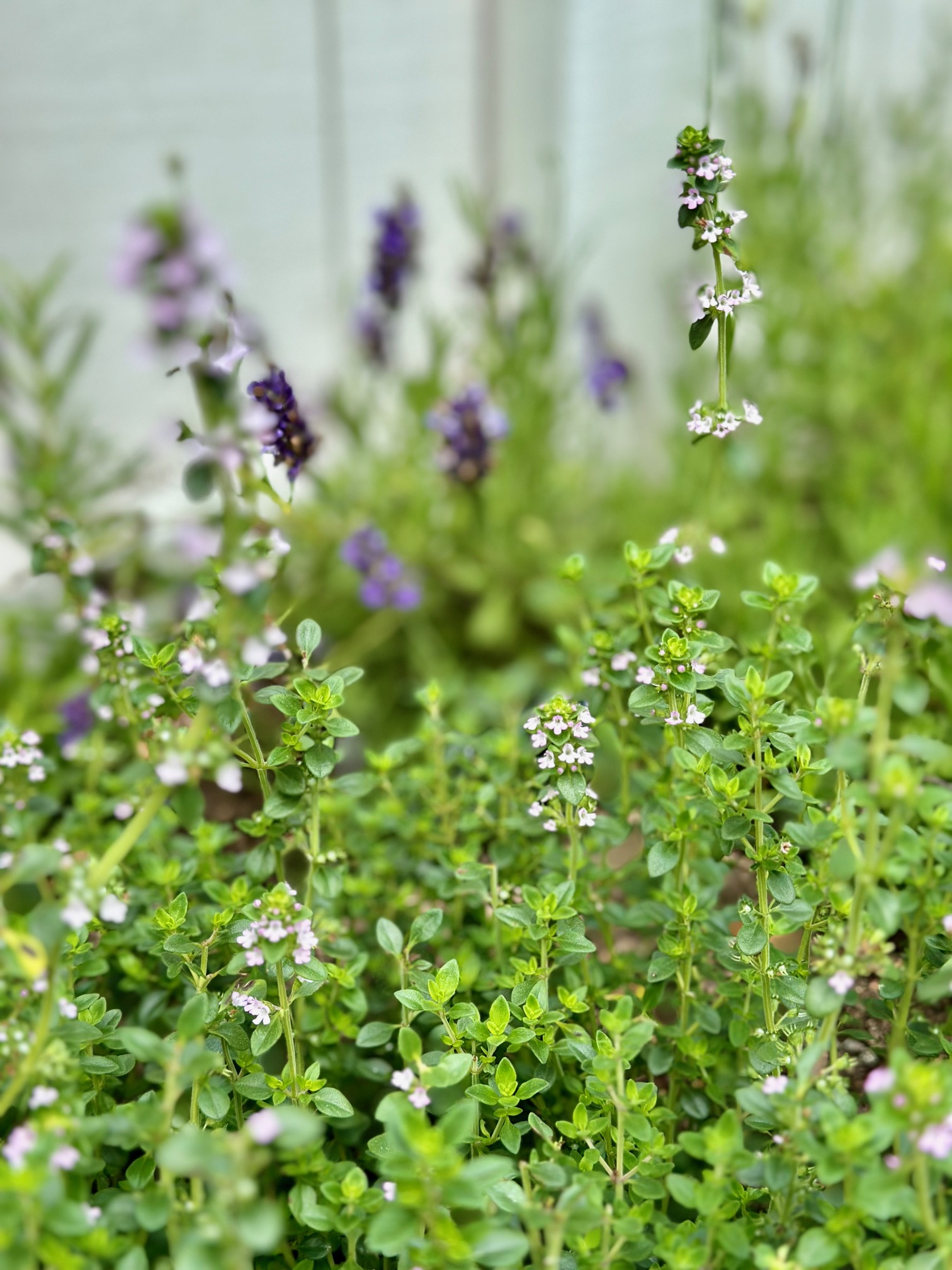
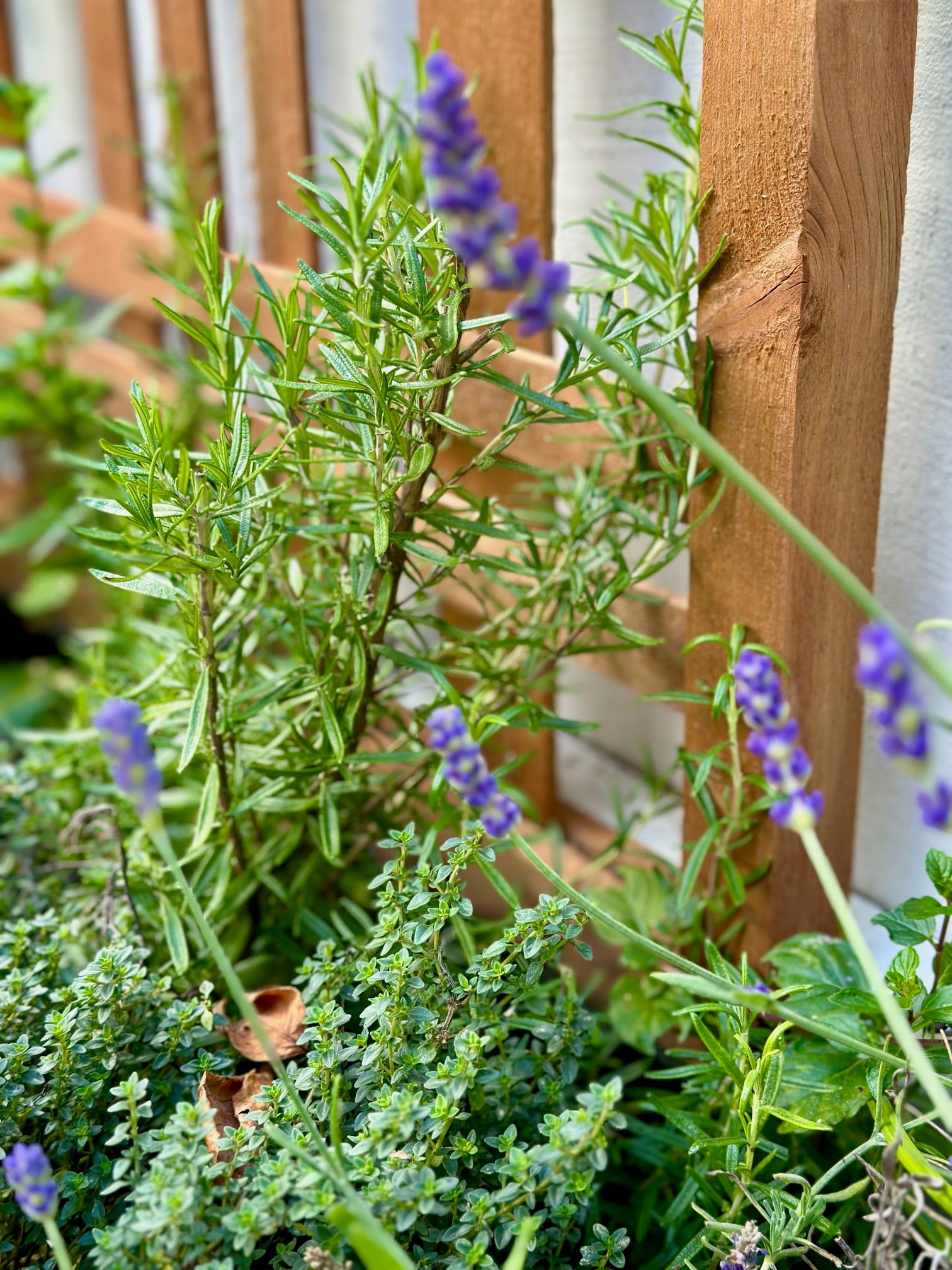
Thyme: This low-growing herb is a perfect companion for lavender. It loves that gravelly, well-drained soil and actually spreads better in poor soil. I let thyme creep around the base of my lavender plants.
Oregano: Another Mediterranean herb that grows great in lavender-friendly soil. Oregano handles drought well and doesn't need rich soil to thrive. Give it about 18 inches of space to spread.
Rosemary: This herb matches lavender's soil needs perfectly - both hate soggy roots and love that sharp drainage. In zone 6, I grow rosemary in pots so I can bring it inside for winter, but it loves that same soil mix.
These herbs all share lavender's preferences for:
- Fast-draining soil
- Low fertility
- Alkaline conditions
- Plenty of sun
- Good air circulation
I've found these herbs make great planting partners - they look beautiful together and share the same easy-care routine. Plus, they're all fantastic for cooking and crafting!
Want more details about getting your soil just right for lavender? Check out my complete guide to lavender soil preparation, The Best Soil for Lavender: Tips for Creating the Perfect Mix. But for now, let's talk about how to care for your lavender through the seasons in zone 6…
Year-round care for zone 6 lavender
Summer watering tips
New lavender plants need regular watering their first season, but it's easy to overdo it. In my garden, I water deeply once a week during dry spells, but only if the soil feels dry about 2 inches down. Once established, my lavender rarely needs extra water unless we're having a serious drought.
A drip irrigation system can work great for lavender, but set it to water less frequently than your other garden plants.
Summer pruning made simple
Here's my simple approach to pruning lavender in summer:
- Cut spent flower spikes back to the first set of leaves
- Shape the plant into a tidy mound
- Stop pruning about 6 weeks before first frost
I do my main pruning after the first flush of flowers finishes blooming, usually in early July. This often triggers a second round of flowers in late summer. Just remember not to cut into old wood, since lavender will not sprout new growth from woody stems.
Pruning is also the perfect time to take cuttings if you want to propagate new lavender plants. Softwood cuttings taken in summer root easily and give you fresh lavender starts for the following season. You can use these young plants in your garden beds or even train one into a lavender tree form by encouraging a single strong stem and carefully shaping the top as it grows.
When to deadhead
I deadhead my lavender continuously through the growing season. It's a relaxing garden task I do while sipping my morning coffee. Simply snap off the faded flower spikes at their base. But leave the last flowers of the season on the plant - they help protect the stems during winter.
Fertilizing (or Not!)
One of the biggest surprises when I started growing lavender? These plants actually grow better without fertilizer. Rich soil makes them floppy and reduces their essential oil content. My lavender thrives on neglect - I never feed them, and they reward me with masses of fragrant flowers. Want to know more about why lavender prefers poor soil? Check out my post on lavender fertilizing myths in, The Ultimate Guide to Lavender Fertilizer Requirements.
Tips for Strong Summer Growth:
- Water only when truly needed
- Prune after first bloom
- Skip the fertilizer completely
- Keep an eye out for signs of poor drainage
- Remove any dead leaves from the base of the plant
The real secret to summer lavender care is restraint. These tough plants don't need coddling - they just need good drainage and plenty of sun. Next up, I'll share how I prepare my lavender for winter survival in zone 6…
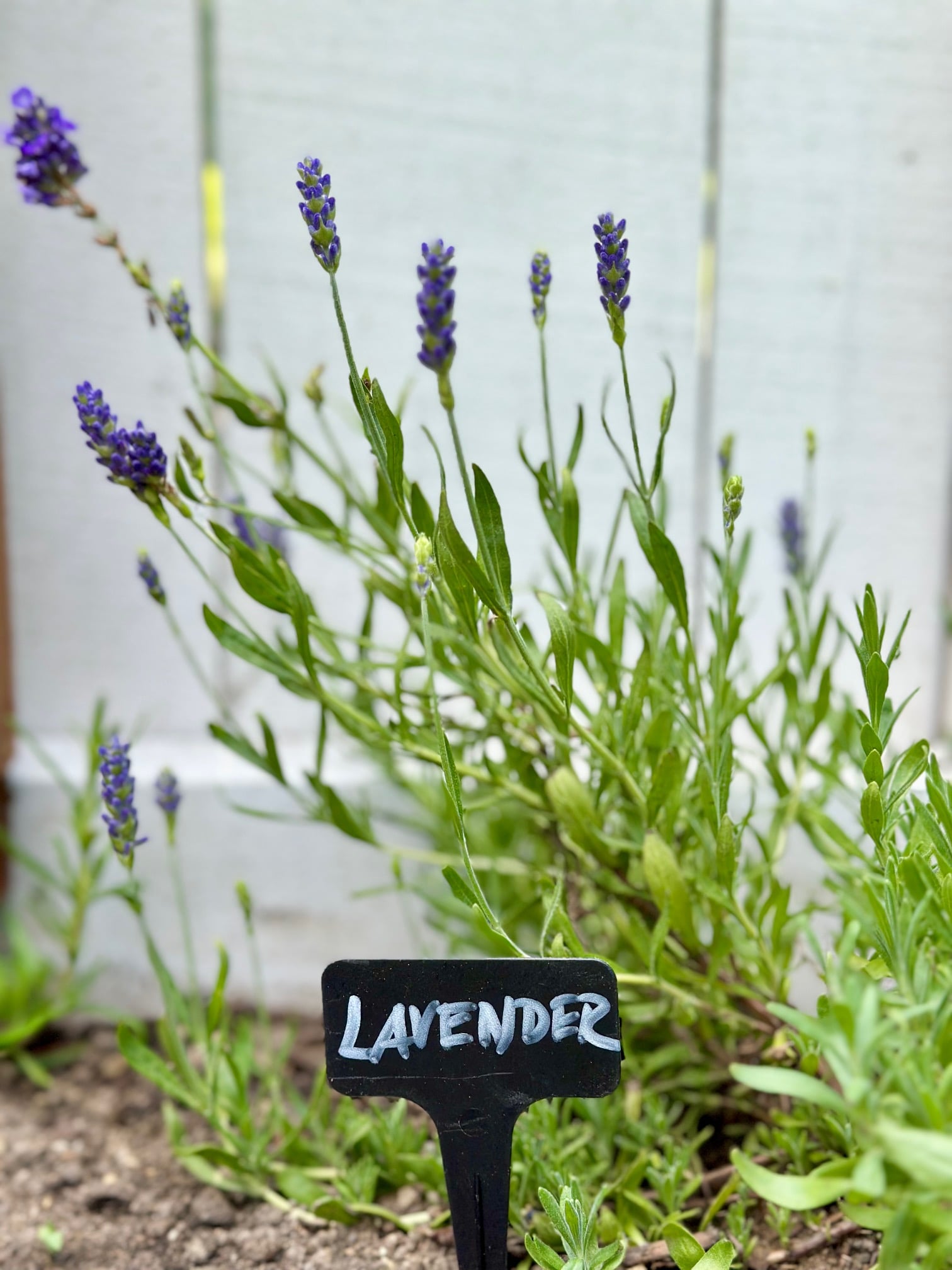
Getting your lavender ready for winter
Fall pruning basics
Fall care can make or break your lavender's survival in zone 6. I give my plants a light trim in early September - just enough to tidy them up, but not too much. You don't want to encourage new growth that won't have time to harden off before winter. I aim for a neat, rounded shape about 8 inches tall.
Late fall checklist
Before winter hits, I always:
- Clear away fallen leaves around the plants
- Check soil drainage (especially important after fall rains)
- Remove any dead wood at the base
- Add gravel mulch if needed to improve drainage
The key is keeping the base of the plant clean and dry. Wet leaves sitting against the stems can lead to rot during winter thaws.
Winter protection strategies
Here's my tried-and-true method for winter protection in zone 6:
After the ground freezes:
- Wait for a hard freeze (usually late November here)
- Add a light layer of pine needles around (not on) the plants
- Place evergreen branches around plants for wind protection
- Avoid covering plants with heavy mulch - it traps moisture
My secret weapon: Gravel mulch
I use pea gravel as a year-round mulch around my lavender. It keeps soil temperatures more stable and prevents winter heaving. Plus, it reflects heat back up into the plants during cold snaps.
Wind protection tips
Cold winter winds can really damage lavender. I protect my plants by:
- Planting near structures when possible
- Using temporary wind breaks in exposed areas
- Placing evergreen branches on the north and west sides
- Avoiding wrapping plants in burlap (can trap moisture)
Spring Cleanup
Once spring arrives, I:
- Remove winter protection gradually as temps warm
- Take off evergreen branches when new growth starts
- Clean up any winter-damaged stems
- Check for heaved plants and gently press back into soil
The most important thing I've learned about winter protection? Don't rush to remove it in spring. Those warm February days can fool you - keep protection in place until you see consistent new growth.
A note about snow: Don't worry if your lavender gets buried in snow - it actually provides good insulation. What really hurts lavender is the freeze-thaw cycles of late winter, so keeping protection in place through March is smart in zone 6.
Common challenges in zone 6 lavender gardens
Preventing Winter Die-Back
Winter survival starts months before the cold hits. I always get questions about winter die-back, and here's what works in my garden:
- Keep plants compact (no late-season pruning)
- Let stems stay a bit crowded for mutual protection
- Avoid fertilizing after July
- Keep the crown of the plant slightly above soil level
My plants still sometimes get minor die-back, and that's normal in zone 6. I just trim off any dead tips in spring when I see new growth starting.
Managing moisture: The big challenge
Too much moisture kills more lavender than cold in zone 6. Here's my moisture management system:
- Plant in raised mounds for better drainage
- Use gravel mulch instead of organic materials
- Keep plants away from downspouts and low spots
- Space plants for good air flow between them
Signs of moisture problems:
- Yellow leaves
- Drooping stems even in dry soil
- Black spots on stems
- Mushy base of plant
Stopping root rot before it starts
Root rot is the silent killer of lavender plants. If you've read my indoor lavender care guide How to Keep Lavender Alive Indoors: Tips That Actually Work, How to Keep Lavender Alive Indoors: Tips That Actually Work, you know I'm serious about preventing it. In the garden, I follow these rules:
- Never plant lavender in clay soil without major amendments
- Avoid watering in late fall
- Keep mulch away from plant stems
- Check soil drainage every spring and fall
What if you see root rot?
- Dig up affected plants immediately
- Cut away rotted roots (they'll be brown and mushy)
- Replant in fresh, well-draining soil
- Consider moving to a better-draining spot
Growing lavender in zone 6 means staying alert to these challenges. But once you get the hang of proper drainage and winter protection, your lavender can thrive for years. The work is worth it - nothing beats the sight and smell of healthy lavender plants in full bloom.
Tips for consistent perennial growth
Best Varieties for Zone 6 Success
After trying dozens of lavender varieties in my Massachusetts garden, here are my top picks for reliable perennial growth:
- 'Phenomenal' - My #1 choice for cold hardiness
- 'Hidcote' - Stays compact and comes back strong
- 'Big Time Blue' - Newer variety that's proven tough
- 'Munstead' - Old reliable, perfect for tight spots
Year-round care schedule
Spring:
- March: Remove winter protection once new growth shows
- April: Clean up dead growth, shape plants
- May: Add fresh gravel mulch if needed
Summer:
- June: First big bloom, harvest flowers
- July: Main pruning after first flush
- August: Second bloom, light pruning
Fall:
- September: Last light trim
- October: Clean plant bases, check drainage
- November: Add winter protection after freeze
Winter:
- December-February: Leave plants alone
- Watch for snow buildup on branches
- Remove heavy snow carefully to prevent stem breakage
Signs your lavender will come back
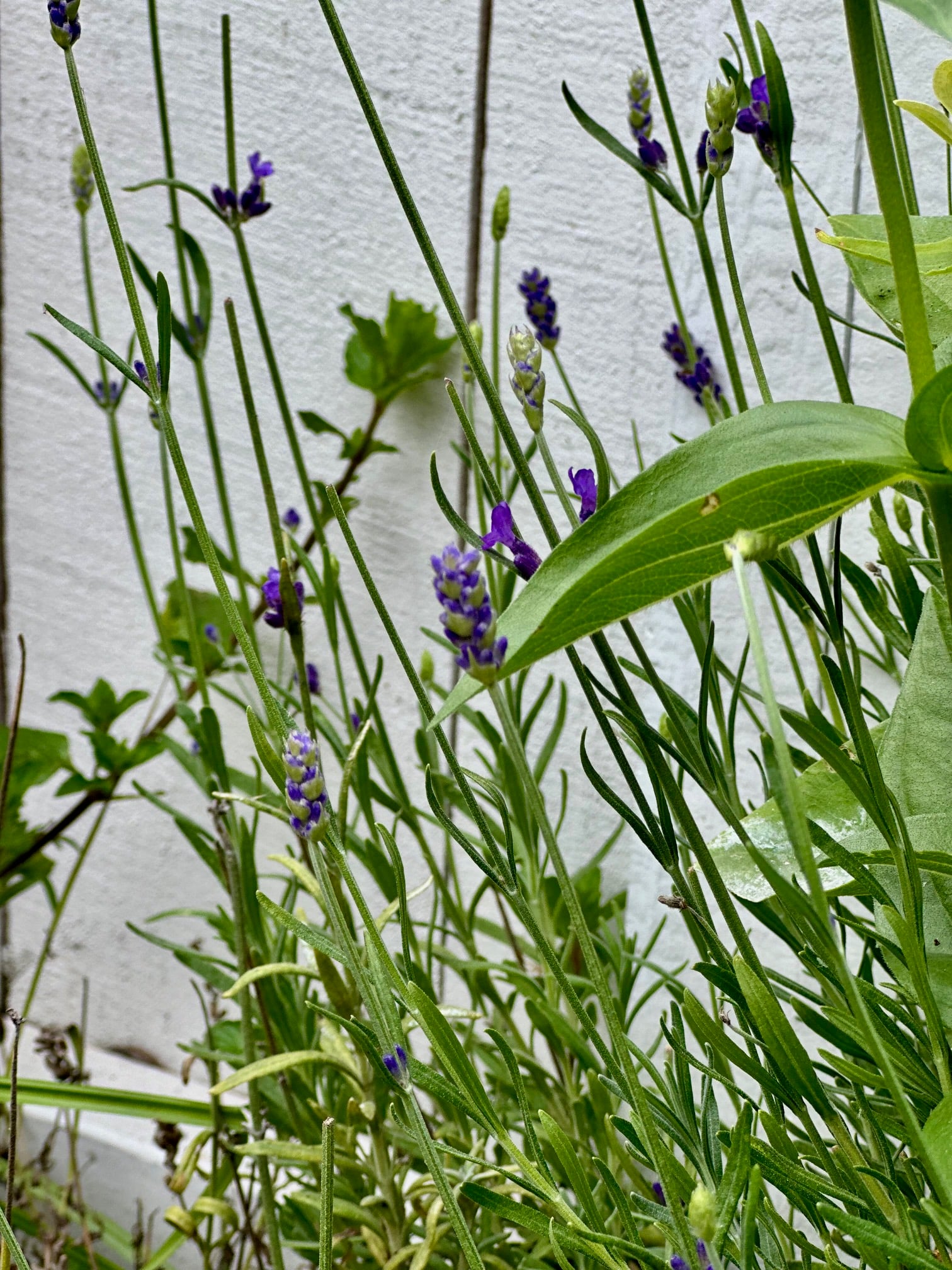
Healthy perennial lavender shows these signs:
- Woody base stays thick and sturdy
- New spring growth appears from old stems
- Root crown stays firm and slightly raised
- No mushy spots at stem base
- Green leaves hold color through winter
My tips for long-term success:
- Start with young plants (they establish better)
- Plant in spring only
- Keep tools clean when pruning
- Replace gravel mulch every couple years
- Mark plant locations before winter
Growing lavender as a perennial in zone 6 isn't hard once you know what to watch for. I've had plants thrive for 8+ years using these methods. Remember, lavender grows better with age - each year your plants should come back fuller and stronger than before.
Ready to use your lavender?
Growing lavender is just the start - here's what I make with my harvests:
My most popular lavender posts show you how to make:
- Easy melt-and-pour lavender soap that keeps its scent for months
- Natural lavender candles using dried buds and essential oil
- Beautiful layered herb gift jars with lavender as the star
- Simple closet fresheners that make drawers and closets smell amazing
- Fresh blossom butter that's perfect on warm scones
- Herb-infused whipped butter combining lavender with garden herbs
- Crisp rosemary-lavender cookies (my family's favorite)
- Calming garden tea blending lavender with mint
- Cozy simmer pot blends using dried lavender all year long
- Lavender-infused honey my favorite way to capture summer's sweetness (just warm raw honey with dried lavender buds and strain - it's amazing on biscuits!)
- No sew lavender sachets simple fragrance boosters for your clothes
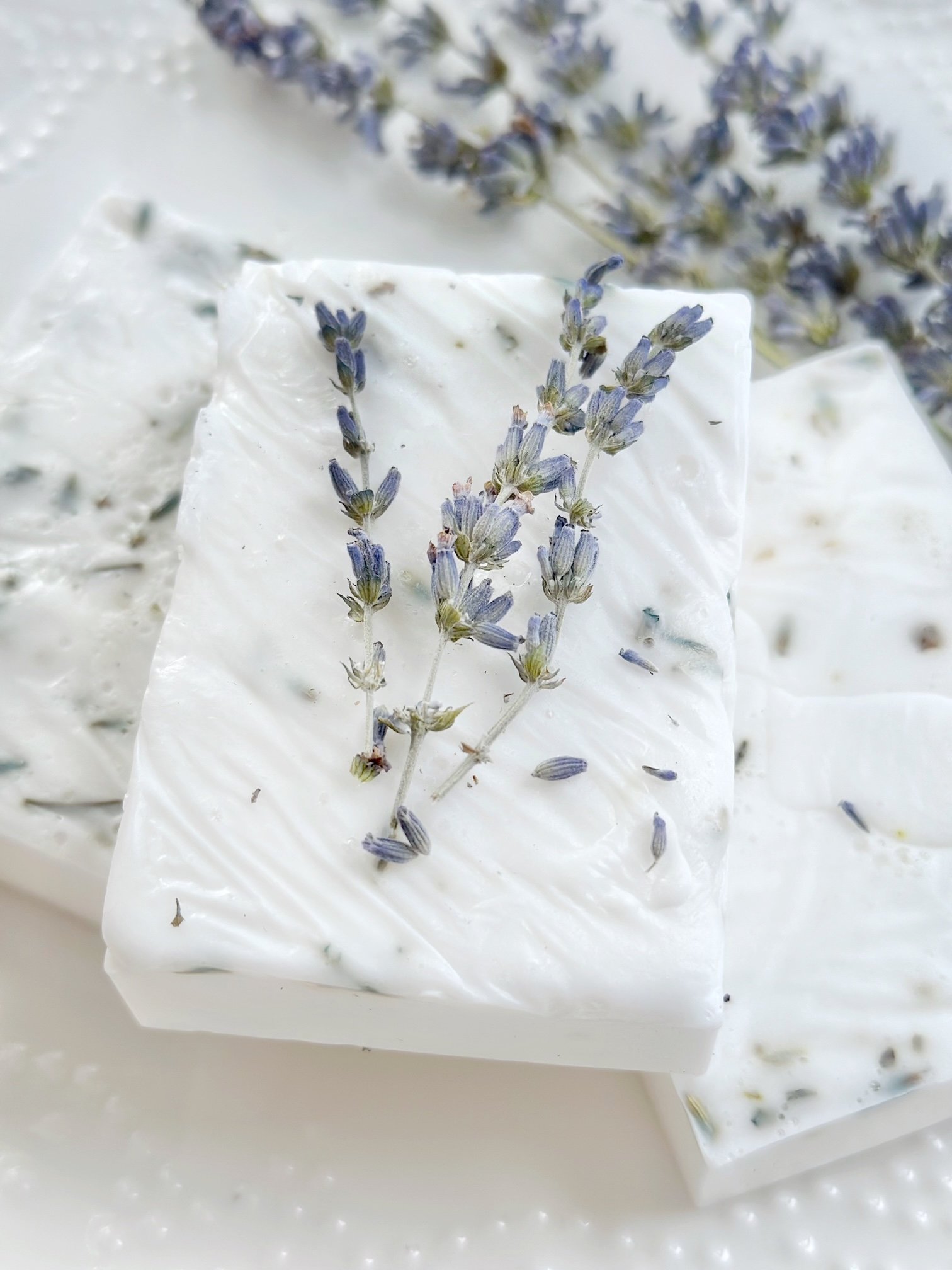
Don't let zone 6 winters scare you away from growing this amazing herb. I started with just two small English lavender plants, and now I have a thriving lavender garden that provides flowers for baking, crafts, and gifts all year long. Choose the right varieties, give them good drainage, and follow these care tips - you'll be amazed at how well lavender grows in our zone. Follow my guide on propagating lavender to grow more for free! There's nothing better than stepping into your garden and seeing those purple blooms swaying in the summer breeze!
Ready to start growing? Grab a 'Hidcote' or 'Phenomenal' plant from your local nursery this spring, pick a sunny spot, and get planting. Be sure to explore herb growing tips by plant in the Herb Index. Your future self will thank you!
Happy gardening!