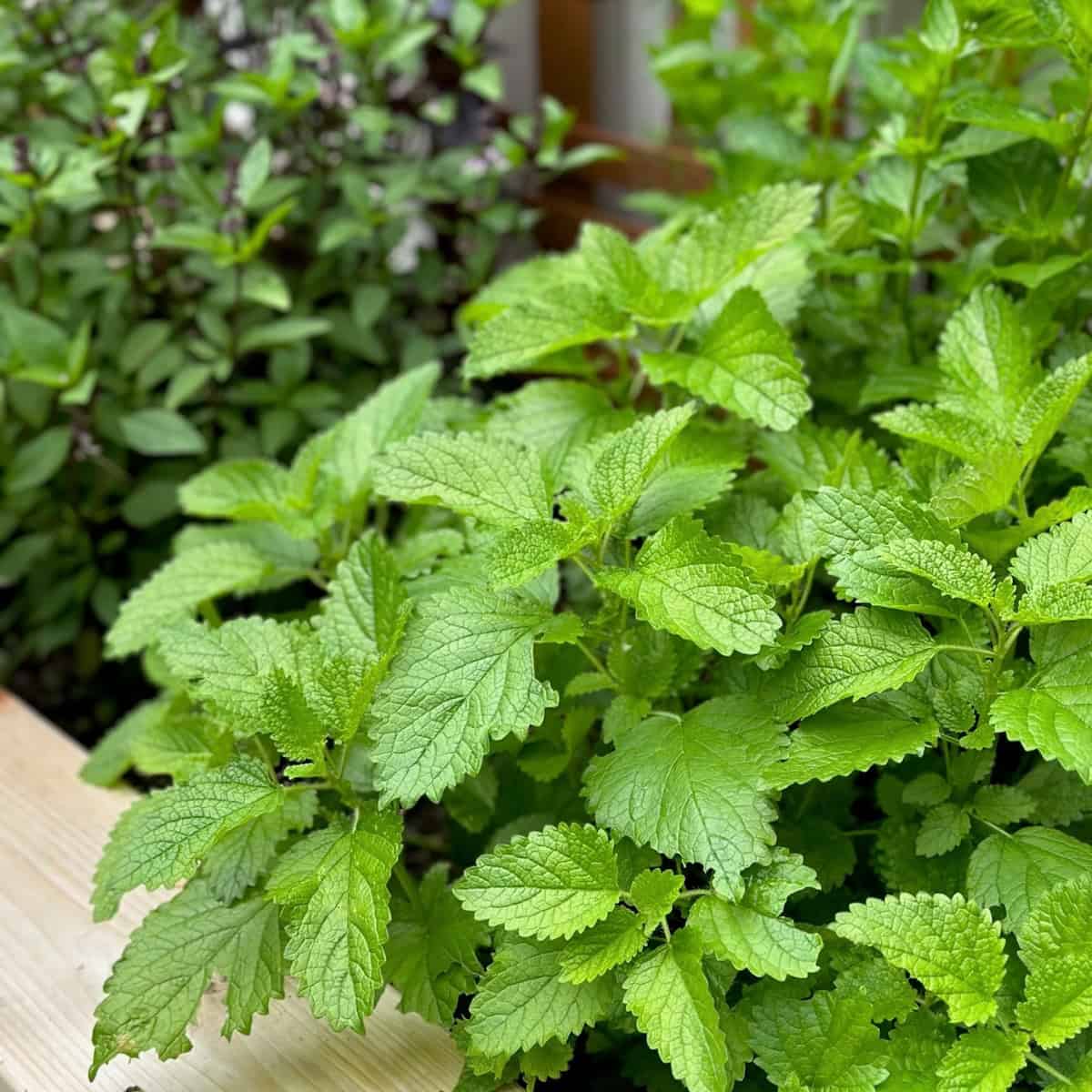
Companion Plants for Lemon Balm: What Grows Together (and What to Avoid)

Companion plants for lemon balm are herbs, flowers, and vegetables that grow well alongside lemon balm and benefit from its growth habits and scent. Good companions include herbs like oregano, thyme, mint (with control), and chamomile, which share similar growing conditions, as well as vegetables like tomatoes, peppers, and squash. Lemon balm's citrusy fragrance can help deter pests and attract pollinators, making it a useful addition to herb gardens, vegetable beds, and pollinator-friendly spaces. When planting lemon balm with companions, it is important to manage its spreading habit by spacing carefully or growing it in contained areas.
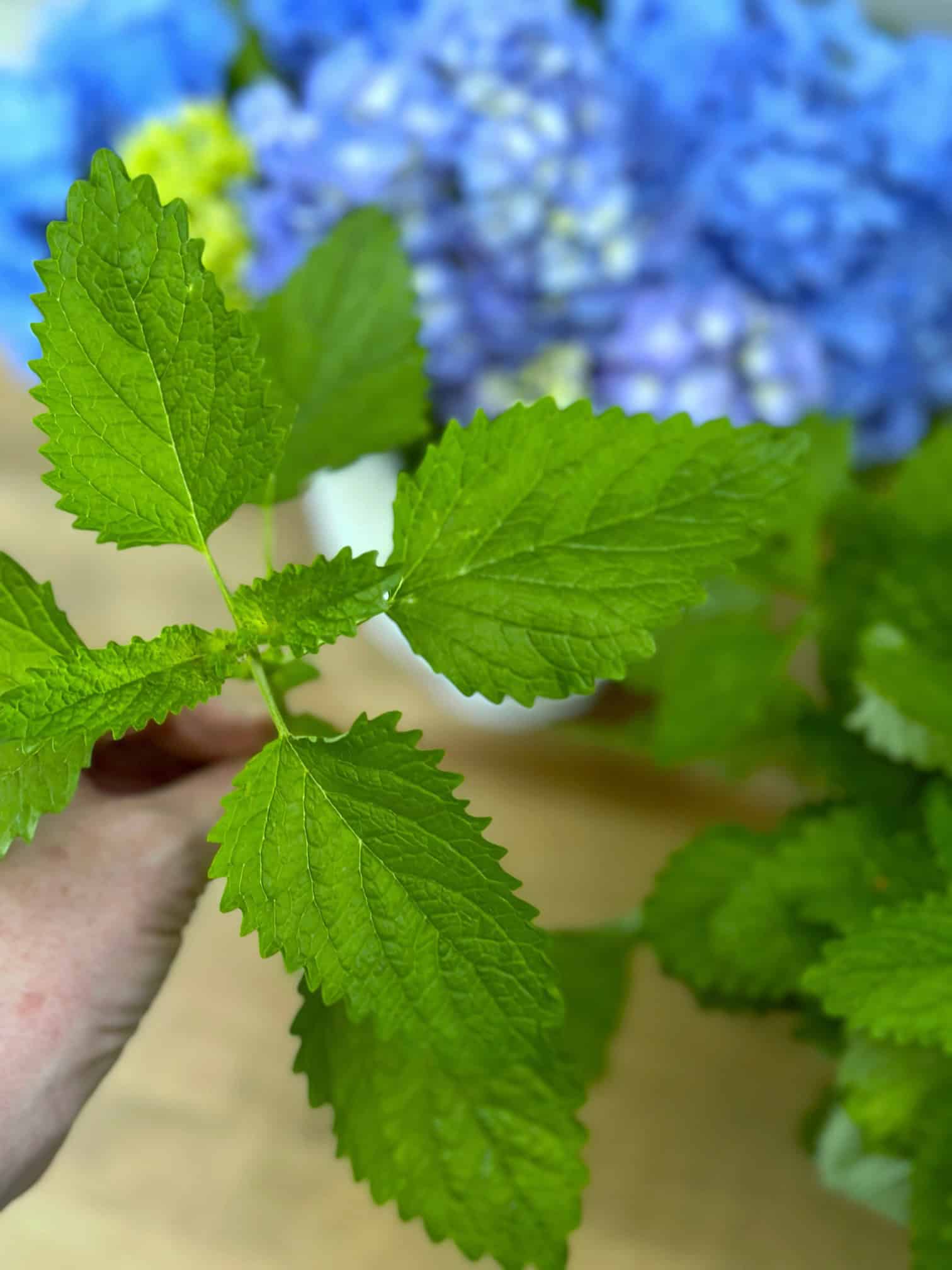
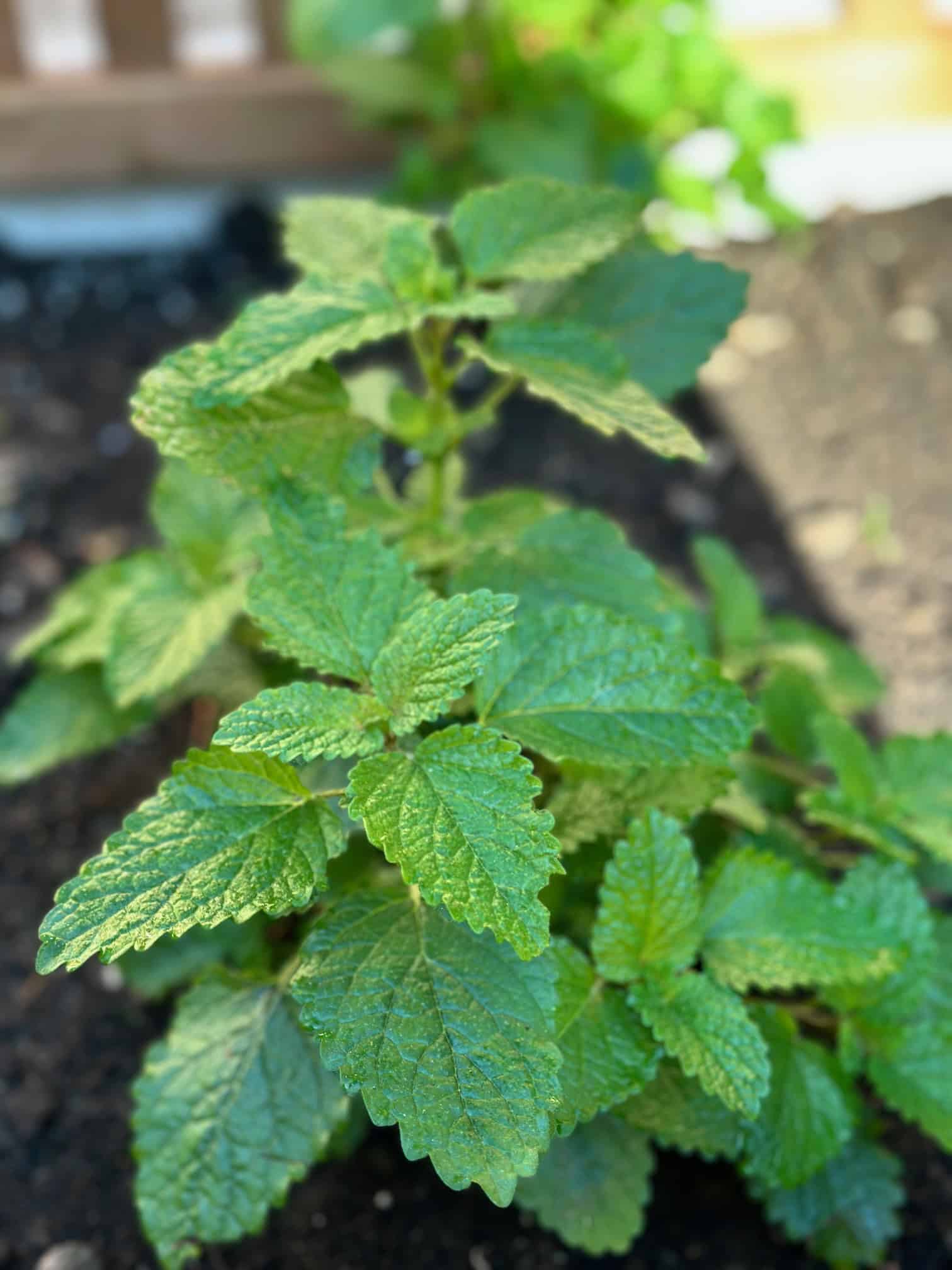
Companion Plants for Lemon Balm are easier to find than you might think. After thirty years of watching this lemony herb take over my garden beds, I've learned which plants thrive beside it and which ones struggle. Lemon balm (Melissa officinalis) is sweet, useful, and a little pushy, but the right companions can balance its energy and even make your garden more productive.
If you've wondered what to plant with lemon balm to keep it in check or maximize its benefits, you're in the right place. I've tested plenty of herb combinations over the years, and I'm sharing what works best so you can skip the trial and error. Let's dig into the plants that pair beautifully with lemon balm and how they can help you build a healthier, pest-resistant garden.
At a Glance: Companion Plants for Lemon Balm
_______________________
- Lemon balm grows best in full sun to partial shade
- Prefers moist, well-drained soil
- Attracts pollinators like bees and beneficial insects
- Helps repel mosquitoes and some garden pests
- Pairs well with tomatoes, squash, broccoli, and peppers
- Grows well alongside herbs like basil, parsley, and dill
- Can spread quickly, so consider planting in containers
- Great for vegetable gardens, herb beds, and pollinator-friendly spaces
Summarize and Save this content on:
Jump to:
- At a Glance: Companion Plants for Lemon Balm
- What to plant with lemon balm
- Growing lemon balm: What to know before planting
- Why companion planting works with lemon balm
- Best vegetable companions for lemon balm
- Herbal partners for your lemon balm garden
- What not to plant with lemon balm
- Flowering plants that pair well with lemon balm
- Controlling lemon balm's spread
- Troubleshooting lemon balm companion planting
- Frequently asked question
- More companion planting guides
Growing lemon balm: What to know before planting
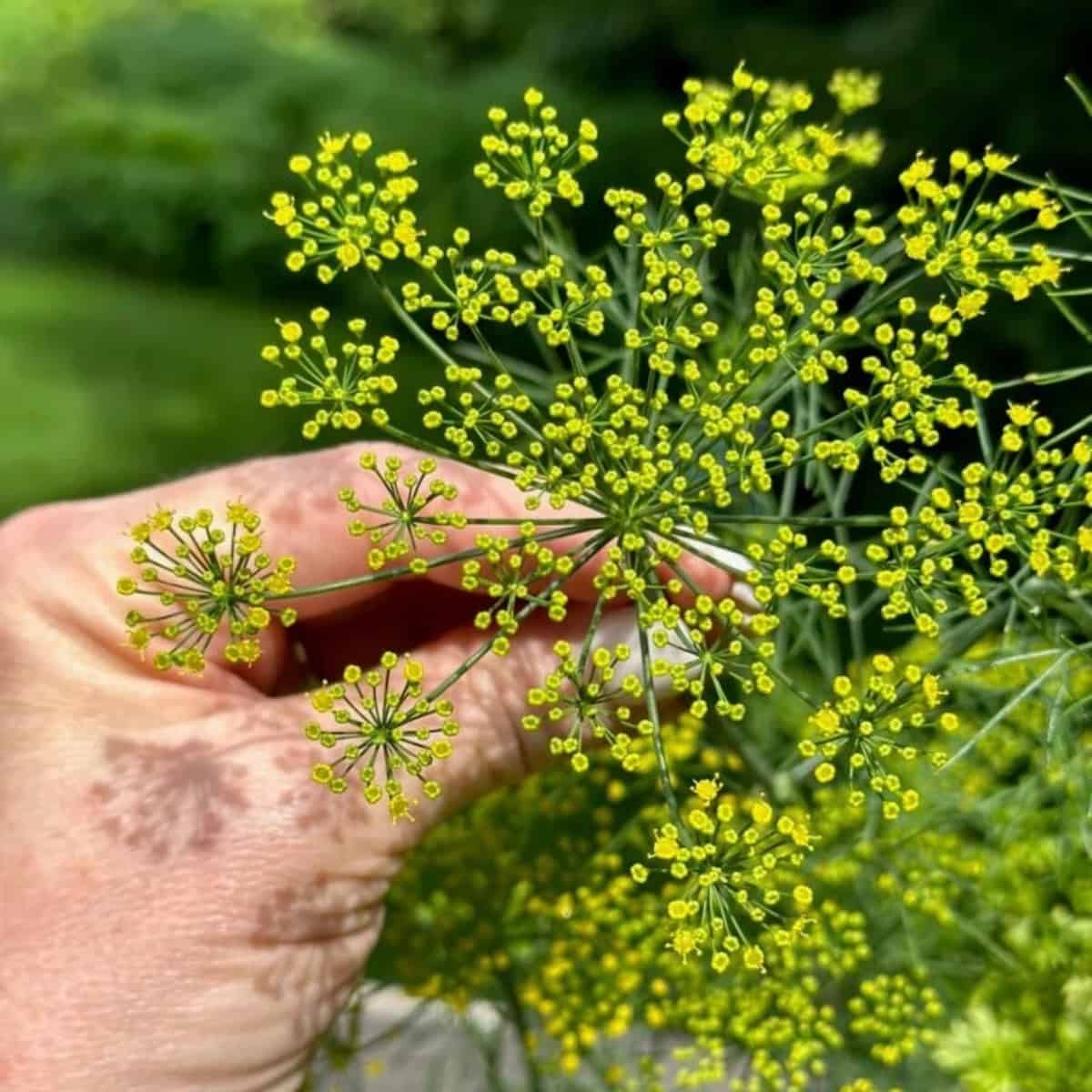
Lemon balm (Melissa officinalis) isn't just a great companion plant - it's a garden workhorse that deserves its own spotlight. Before we dive into all its friendly neighborhood relationships, let's talk about what this aromatic herb needs to thrive.
Growing conditions
Lemon balm isn't picky, which is both a blessing and a challenge. It grows happily in most soil types but performs best in well-draining soil with moderate fertility. I've grown it in everything from clay to sandy loam, and while it shows a preference for rich, moist conditions, it soldiers on through some pretty tough situations.
Sun-wise, lemon balm enjoys full sun in cooler climates but appreciates afternoon shade in hotter regions. My lemon balm in the partly shaded bed stays lush all summer, while the full-sun plants sometimes look a bit stressed during August heat waves. Either way, they bounce back quickly once temperatures moderate.
Planting and spacing
When putting lemon balm in the ground, give it room to spread - about 18-24 inches between plants. I've made the gardening mistake of planting it too close to other perennials and spent years correcting that error. Remember that a single plant can easily grow 24 inches tall and wide within its first year.
Spring is ideal for planting lemon balm, giving it time to establish before summer heat arrives. In warmer climates, fall planting works well too, allowing roots to develop during the milder winter months.
Care and maintenance
Lemon balm is about as low-maintenance as herbs come, but a little attention yields better results. Water regularly during establishment and drought periods, but don't worry about daily irrigation - this herb has surprising drought tolerance once established.
Fertilizing this herb isn't usually necessary and can sometimes reduce the intensity of flavor and scent. If your soil is particularly poor, a light application of compost in spring is all it needs.
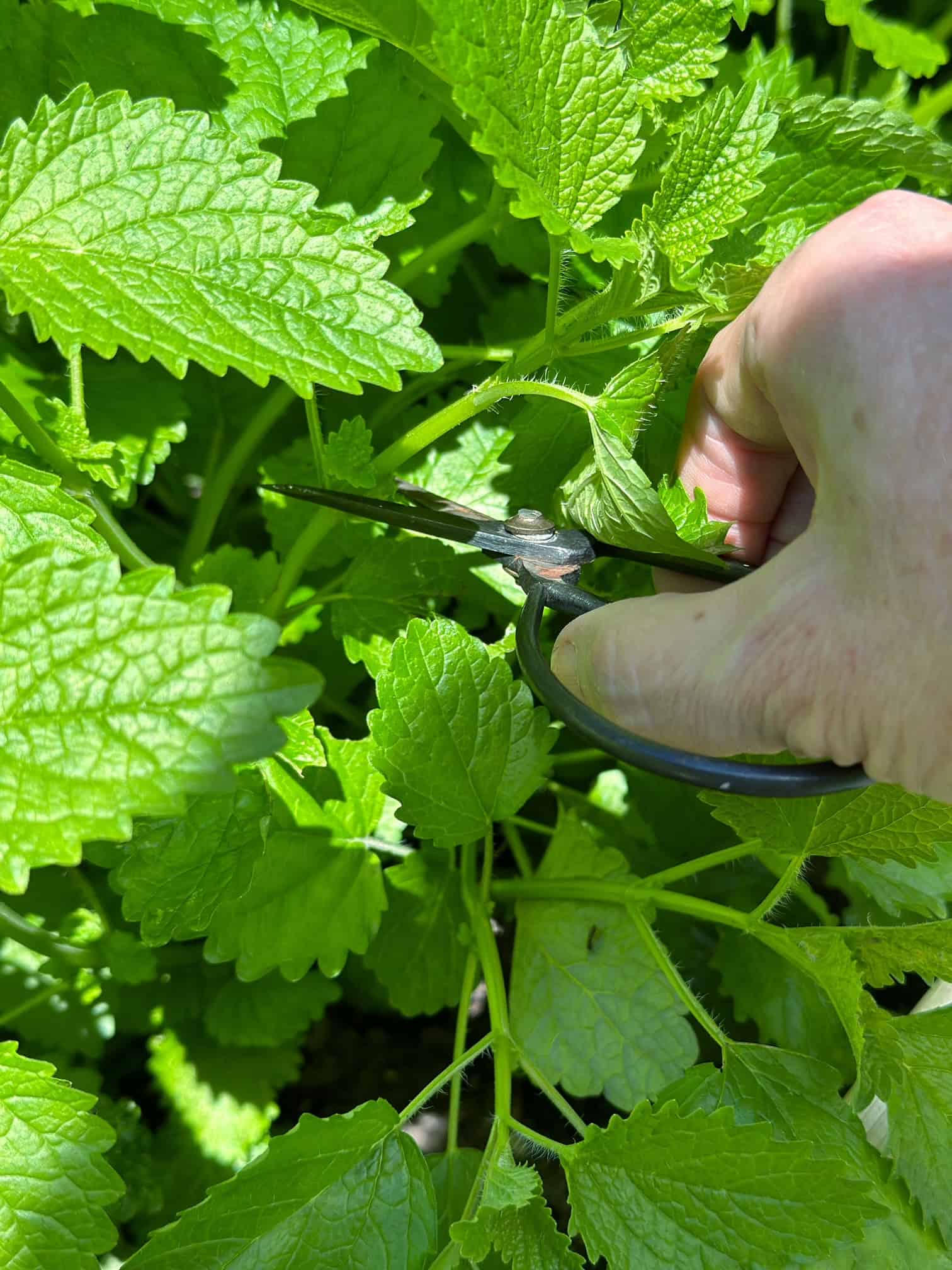
The main maintenance task with lemon balm is containment. Regular harvesting of Lemon balm naturally keeps it in check, but I also recommend a severe cutback at least twice per growing season. This encourages fresh, tender growth and prevents the plant from spreading by seed.
Now that you understand what makes lemon balm tick, let's explore how it interacts with other plants and creates a more vibrant, productive garden when thoughtfully paired with compatible companions.
Why companion planting works with lemon balm
Lemon balm might look innocent with its bright green leaves and sweet lemony scent, but this herb is secretly working overtime in your garden. It's one of those plants that actually makes its neighbors better just by growing nearby. Not bad for a plant that most gardeners consider just another aggressive mint family member!
Pollinator paradise
If you've ever grown lemon balm, you've probably noticed the buzzing cloud that hovers around it when it flowers. Bees, butterflies, and other beneficial insects absolutely love this stuff. I once counted seven different types of bees on a single lemon balm plant! This pollinator attraction isn't just pretty to watch-it's actively helping your nearby vegetables and fruits produce better yields.
When these helpful insects visit your lemon balm, they'll stick around to pollinate everything else nearby. Think of lemon balm as the popular friend who brings the whole crowd to your party.
Nature's pest control department
That strong lemony scent we love in our herbal tea? Many garden pests hate it. Lemon balm naturally repels mosquitoes, gnats, and certain flies with its citrusy oils. I've purposely planted it near my patio for years, and I swear it cuts down on the mosquito population around our outdoor dining area.
Some gardeners report that lemon balm also helps deter cabbage moths, which can be absolute terrors for your brassica crops. I can't guarantee it'll solve all your pest problems, but I've definitely noticed fewer cabbage moth issues in beds where lemon balm grows nearby.
Growth habits to consider
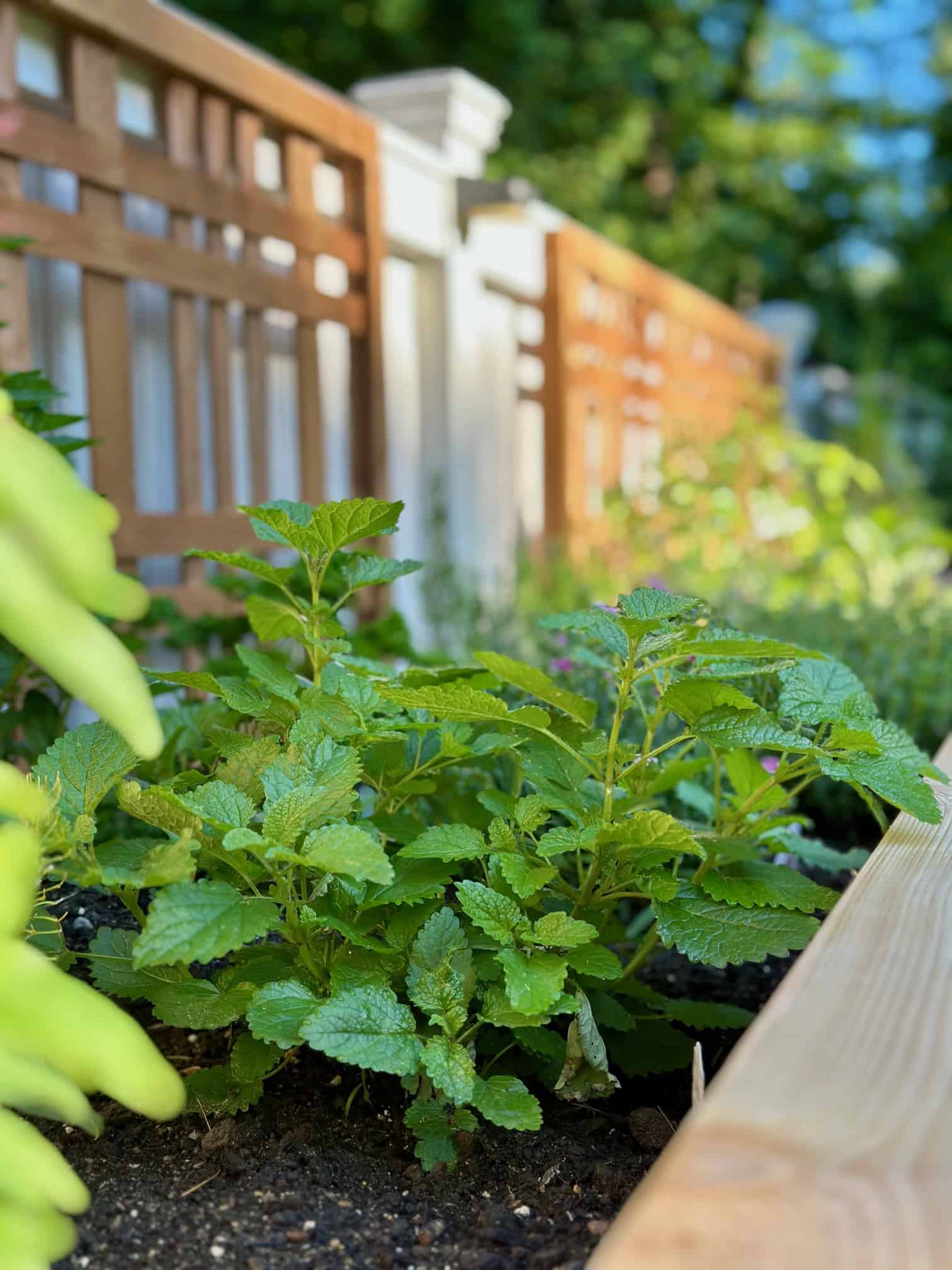
Before you start planting lemon balm companions, consider this herb's somewhat enthusiastic growing style. Like its mint relatives, lemon balm spreads. Not quite as aggressively as mint, but given the chance, it'll happily take over more territory each year.
This growth habit actually makes it a great companion for larger plants that can hold their own, but you might want to keep it away from delicate seedlings or slow-growing plants that could get smothered. I've learned this lesson the hard way after watching lemon balm completely overrun a patch of dill I once had.
Best vegetable companions for lemon balm
Tomatoes: Flavor enhancers
I've grown tomatoes next to lemon balm for years, and there's something almost magical about this pairing. My garden neighbors used to ask why my tomatoes tasted better than theirs (I never told them my secret until now). Lemon balm seems to help tomatoes develop a more complex, slightly sweeter flavor profile.
Beyond taste, lemon balm attracts pollinators that help improve tomato yields. Those little yellow tomato flowers need some buzzing visitors, and lemon balm brings them right over. I've noticed my tomato plants produce more consistent fruit when they have lemon balm neighbors.
As a bonus, lemon balm helps mask the scent of tomatoes from certain pests. If you've ever had hornworms decimate your tomato plants, try planting some lemon balm nearby next season. I'm not saying it's a miracle cure, but I've definitely had fewer problems when these plants grow together.
Squash and melons: Pest protection partners
If you've grown squash or melons, you've probably battled squash bugs or cucumber beetles at some point. These pests can turn a promising crop into a sad, wilted mess practically overnight. After losing three zucchini plants in one season, I started experimenting with companion planting.
Lemon balm helps repel many of these troublesome insects with its strong scent. I've found that planting lemon balm at the corners of my squash beds creates a sort of aromatic fence that many pests won't cross. The squash still gets all the sunlight it needs, but with fewer unwanted visitors.
Melons particularly seem to benefit from this arrangement. Cantaloupe and watermelon production can improve noticeably after adding lemon balm to those beds. Just make sure to give your spreading melons plenty of room - both melons and lemon balm like to stretch out!
Cabbage family: Moth deterrent
Cabbage moths are the bane of every broccoli, cabbage, and kale lover. Those innocent-looking white butterflies lay eggs that turn into very hungry caterpillars. After watching these pests skeletonize my Brussels sprouts one too many times, I went looking for solutions that didn't involve constant vigilance or chemical sprays.
Lemon balm's strong scent helps mask the distinctive smell of brassicas that attracts cabbage moths in the first place. It's not 100% effective (nothing is with these persistent pests), but I've seen a significant reduction in damage when lemon balm grows nearby. My kale actually gets to keep its leaves now!
The best arrangement I've found is planting lemon balm around the perimeter of my cabbage family bed, creating a fragrant barrier. Just remember to contain the lemon balm somewhat, or it might eventually compete with your vegetables.
Onions and root vegetables: Underground allies
Root vegetables like carrots, beets, and onions might seem like strange companions for lemon balm, but they actually get along quite well. Since their growth happens primarily underground, they don't compete with lemon balm for space above ground.
Onions particularly benefit from this pairing. Many pests that bother onions are deterred by lemon balm's scent. I've grown red onions alongside lemon balm for the past few seasons and noticed fewer onion flies and maggots causing damage.
Carrots and beets seem to grow more peacefully when lemon balm is nearby, possibly because the herb's scent masks the smell of the root vegetables from carrot flies and other pests. Just make sure the lemon balm doesn't shade these sun-loving root crops too much - I usually place it on the north side of my root vegetable beds for this reason.
Herbal partners for your lemon balm garden
Mediterranean herbs that share similar growing conditions
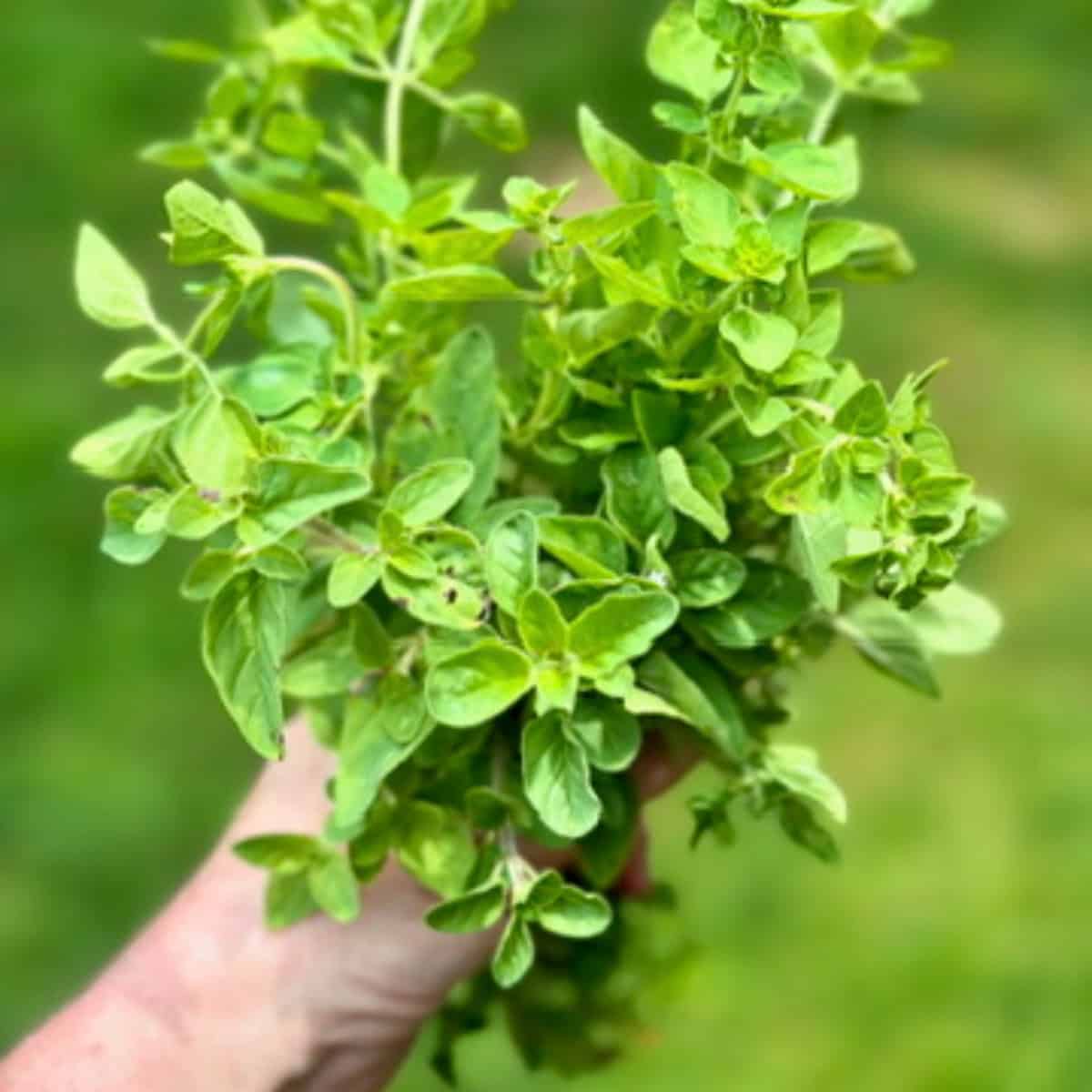
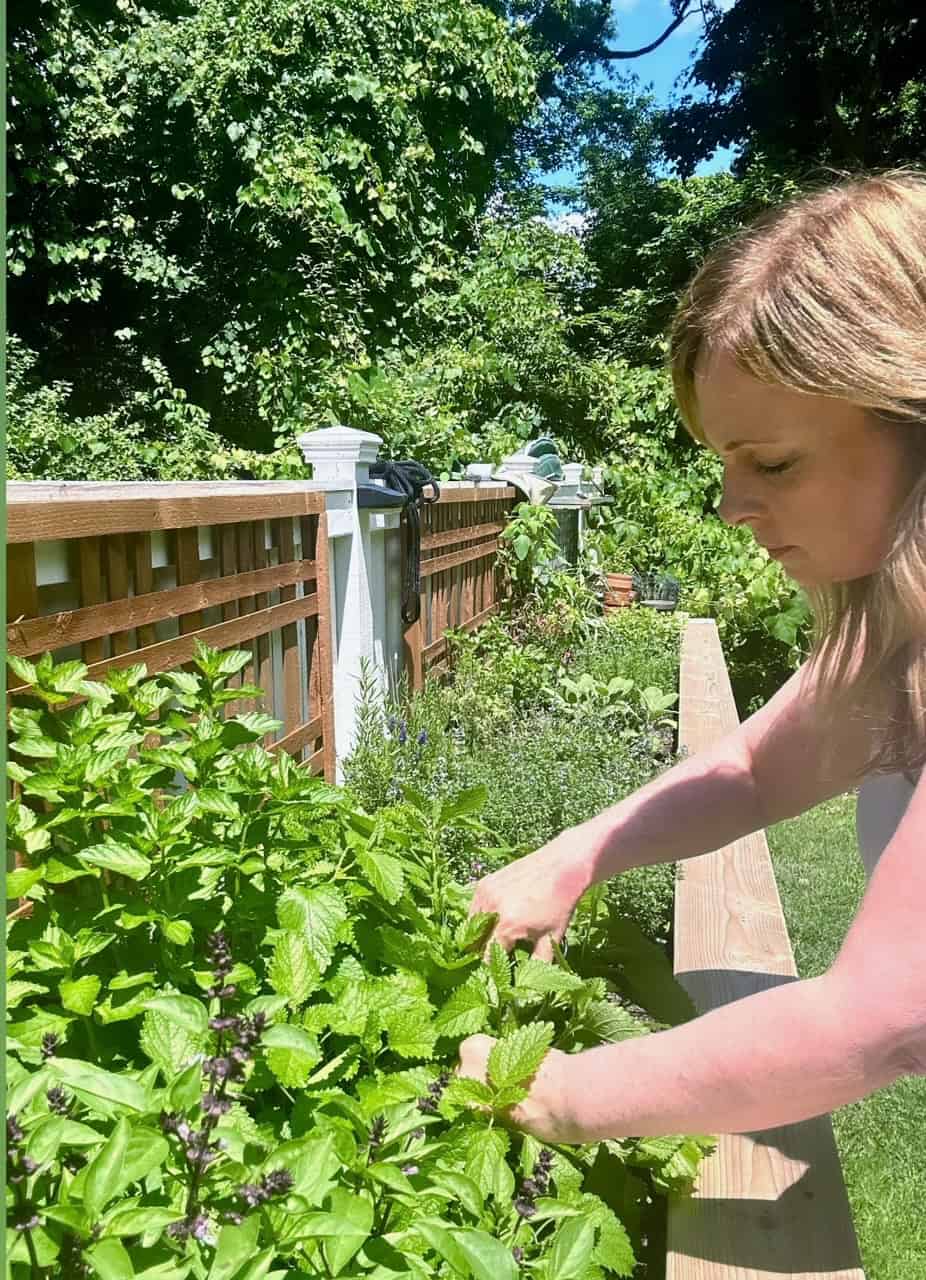
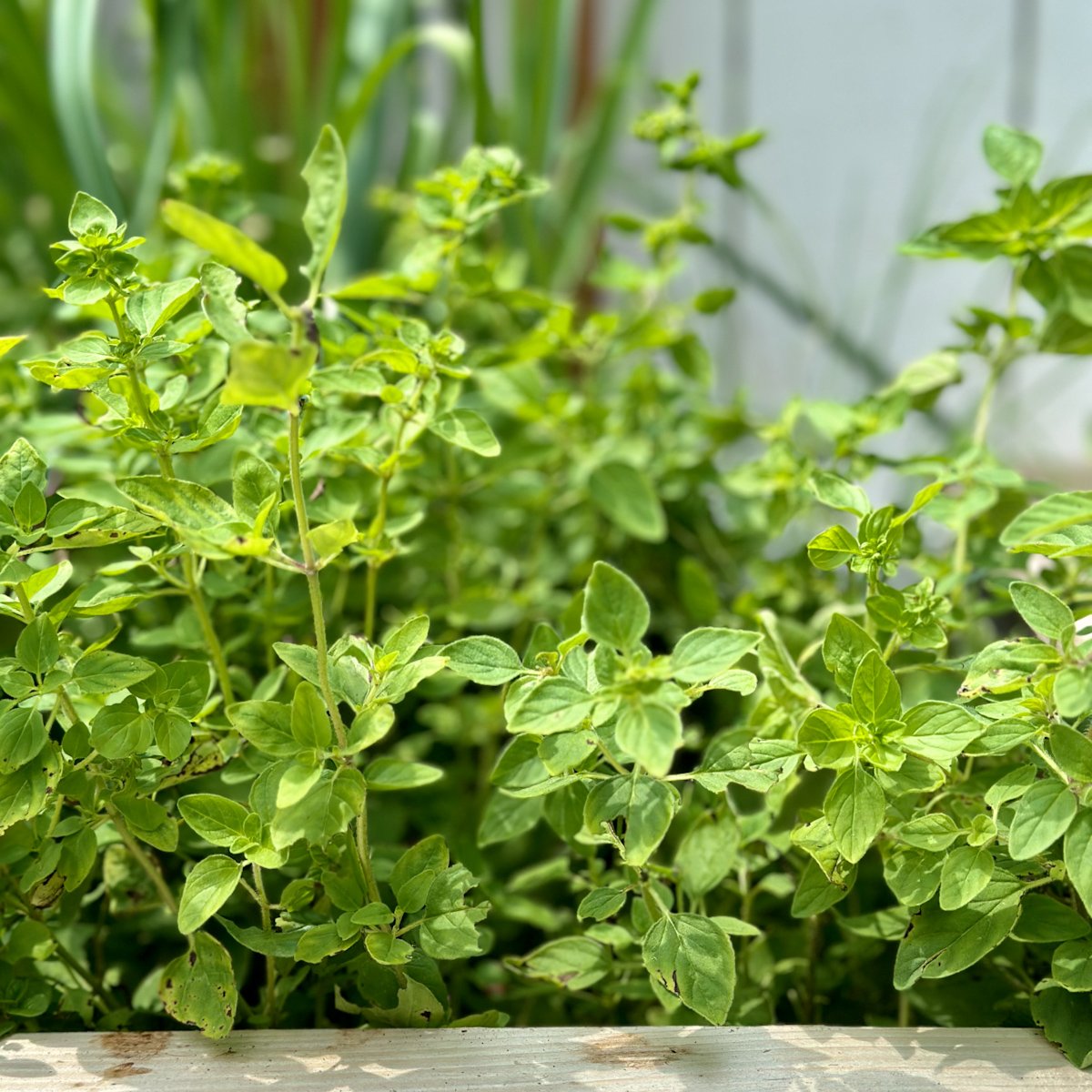
Lemon balm plays well with other Mediterranean herbs that share its love for good drainage and sunny spots. Both oregano, and marjoram have all thrived alongside my lemon balm patches over the years. They seem to understand each other's needs, like old friends who don't need to explain their quirks.
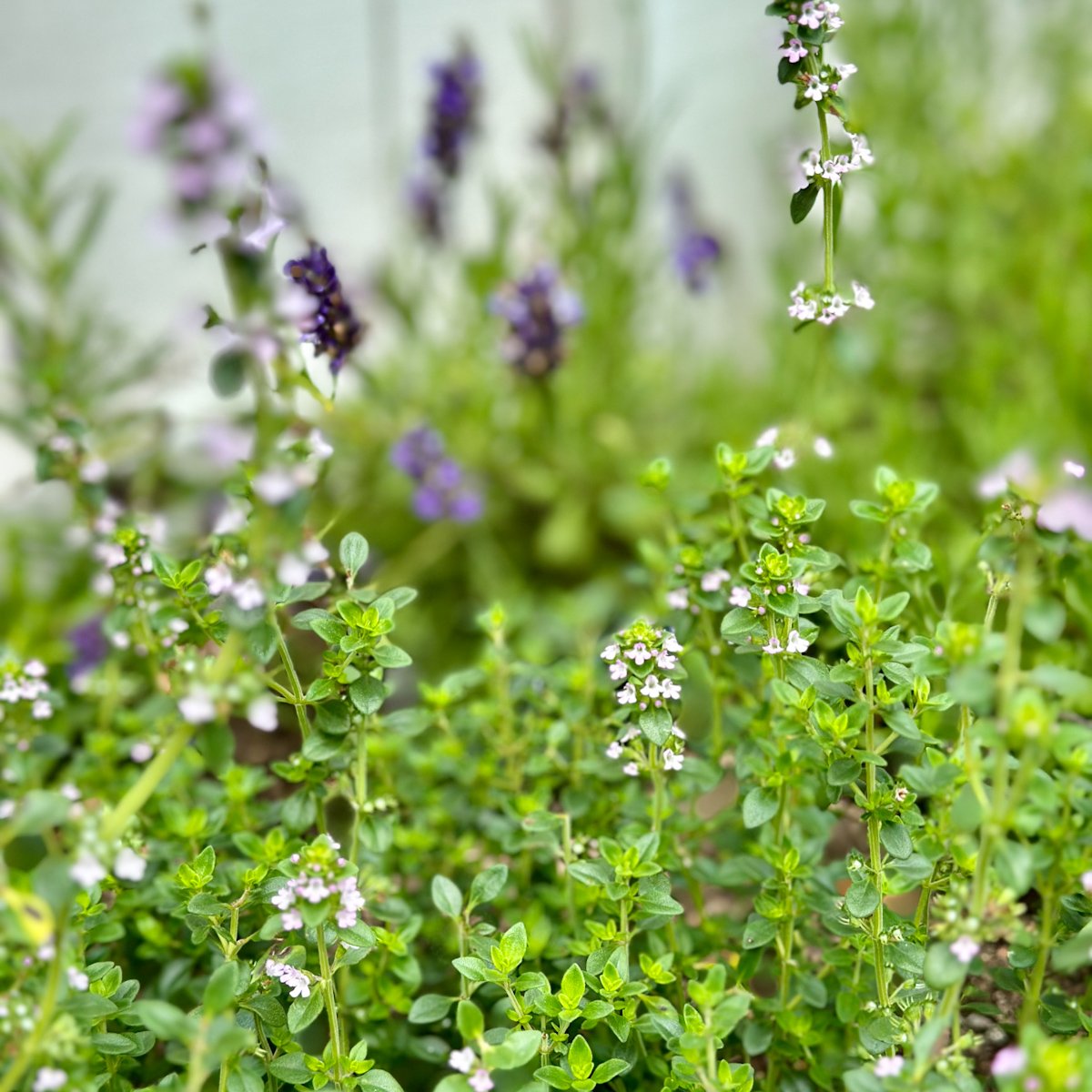
These Mediterranean natives all prefer similar soil conditions - not too rich, well-draining, and with moderate watering. I've noticed my thyme actually seems to grow better when planted near lemon balm, possibly because the lemon balm's broader leaves provide a bit of shade protection during the hottest part of summer.
One thing I've learned from experience: plant these Mediterranean herbs close enough to benefit from each other, but give them each enough personal space to prevent overcrowding. I typically space them about 12-18 inches apart, which allows for mature growth while maintaining their companion benefits.
Basil, rosemary and sage: Creating complementary flavor gardens
Some herb combinations just make sense in the garden because they also make sense in the kitchen. I've created what I call "flavor gardens" where I group herbs that often end up in recipes together.
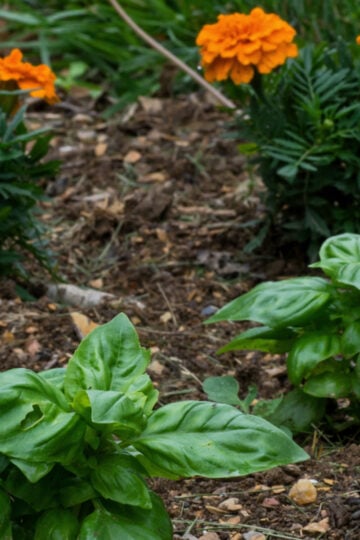
Basil and lemon balm create a wonderful pairing. The spicy sweetness of basil contrasts beautifully with lemon balm's citrusy notes, both in cooking and in the garden. I've found that basil's susceptibility to certain pests is reduced when growing near lemon balm. Just remember that basil is an annual while lemon balm is perennial, so plan your garden layout accordingly.
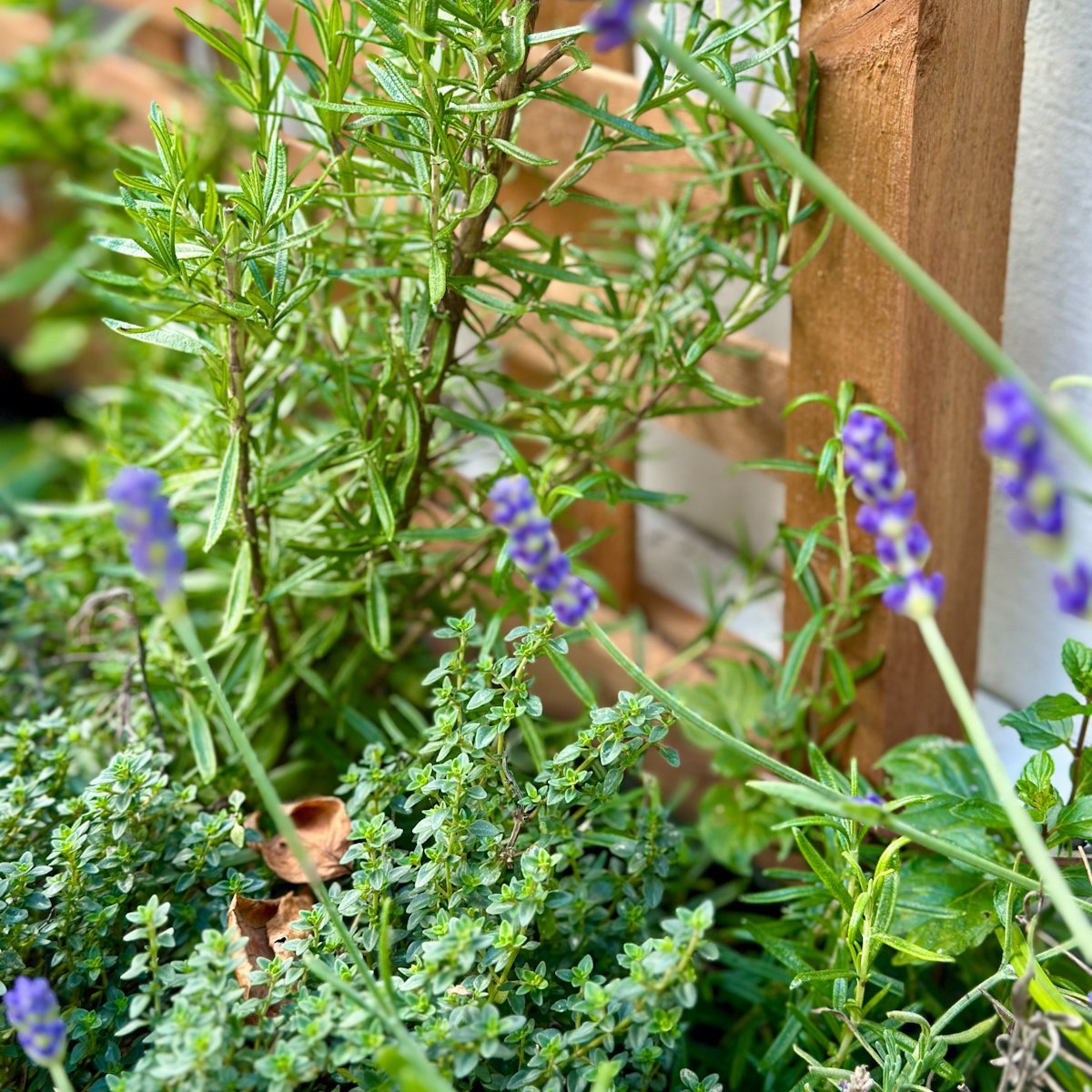
Rosemary and lemon balm might seem like an odd couple - one woody and structural, the other soft and spreading - but they actually complement each other beautifully. The strong pine scent of rosemary combined with the citrus aroma of lemon balm creates a natural pest-resistant zone that benefits both plants. I've had particularly good results planting lemon balm on the eastern side of rosemary, where it gets morning sun but afternoon shade from its taller partner.
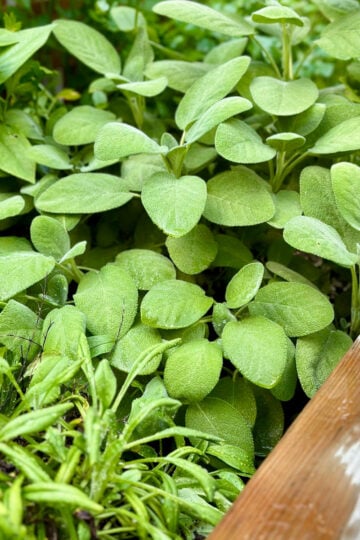
Sage and lemon balm share similar water needs and both attract beneficial insects. My kitchen garden features these two side by side, creating a gray-green and bright green texture contrast that's both beautiful and functional. The only management needed is occasional trimming of the lemon balm to prevent it from encroaching on sage's territory.
What not to plant with lemon balm
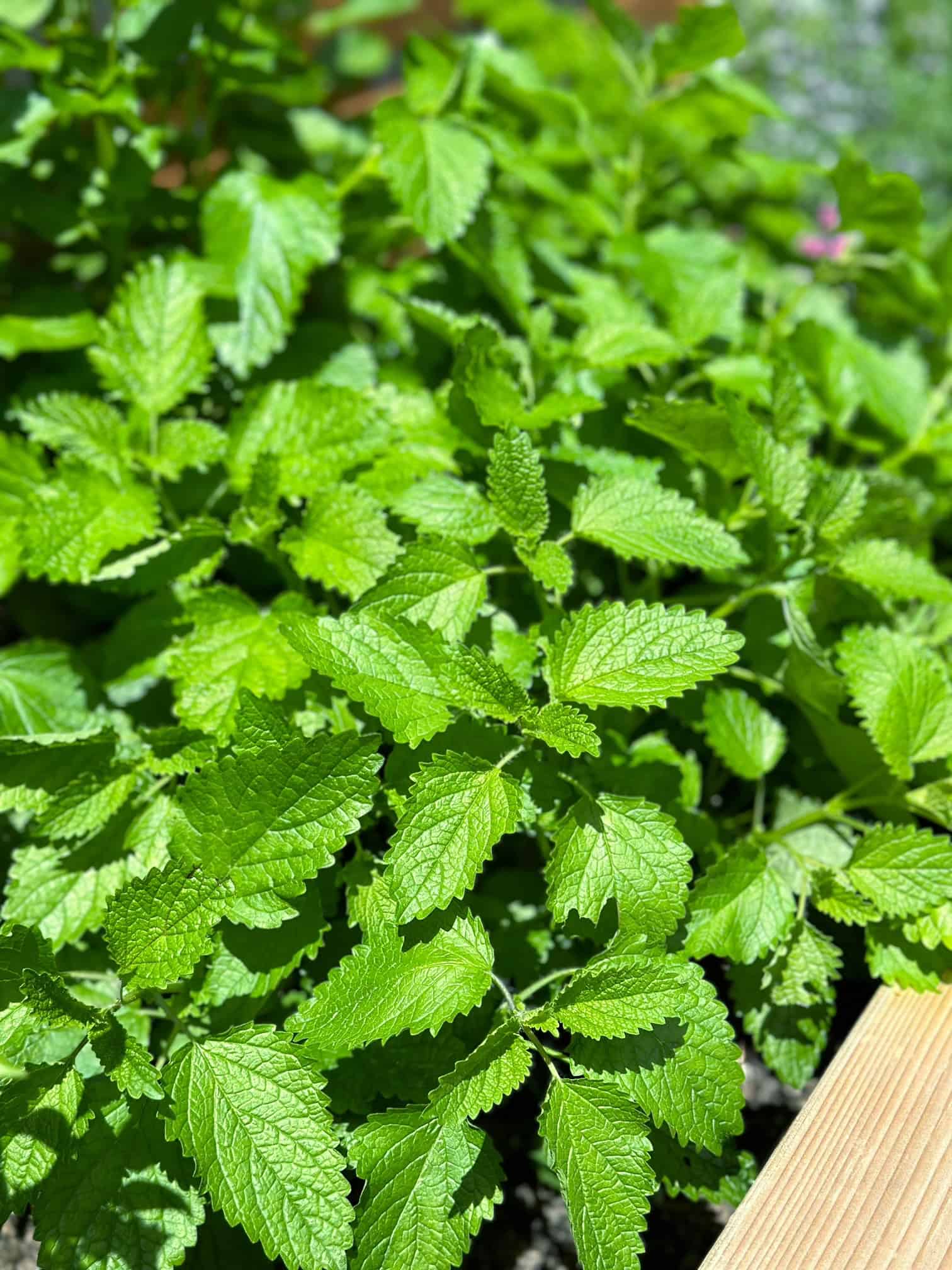
While lemon balm is a helpful companion, its fast-growing nature can cause problems if paired with the wrong plants.
- Mint: Both are aggressive growers and will compete heavily, quickly taking over your garden space.
- Thyme: Thyme prefers dry soil, while lemon balm likes more moisture, making them a poor match.
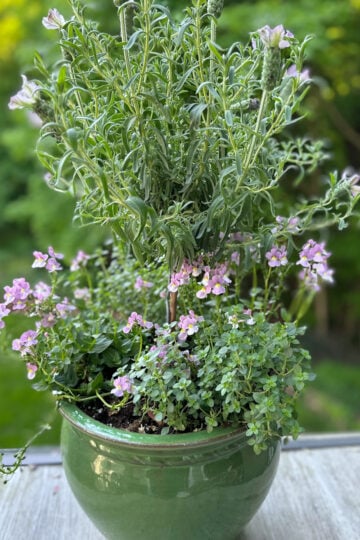
- Lavender: Lavender thrives in dry, well-drained conditions, which conflict with lemon balm's need for more consistent moisture.
For best results, plant lemon balm with other moisture-loving plants or keep it contained so it doesn't overtake your garden.
Flowering plants that pair well with lemon balm
If you've been following along, you know I have a bit of a passion for planting flowers in my herb garden. Here are a few that grow especially well with lemon balm.
Best pollinator-attracting companions
- Coneflowers (Echinacea) - Purple blooms attract different pollinators than lemon balm
- Cosmos - Easy-growing annuals with airy foliage that doesn't compete for space
- Calendula - Early bloomers with pest-repelling qualities that complement lemon balm
- Bee balm - Creates a powerhouse pollinator attraction zone when paired together
- Zinnias - Long-blooming, low-maintenance flowers that draw butterflies
Beautiful and functional combinations
- Lavender - Purple spikes create gorgeous contrast with lemon balm's bright green
- Nasturtiums - Trailing habit works well around lemon balm edges; both have edible parts
- Yarrow - Architectural flower clusters add structure next to lemon balm's softer form
- Borage - Blue star-shaped flowers complement lemon balm and attract similar pollinators
- Marigolds - Pest-repelling properties work alongside lemon balm for garden protection
Creating a butterfly and bee haven
- Butterfly bush - Attracts larger butterflies while lemon balm brings in smaller pollinators
- Sunflowers - Plant on north side of lemon balm to create a "pollinator highway"
- Milkweed - Essential for monarchs; grows well with lemon balm in wilder garden areas
- Joe-pye weed - Tall native that attracts butterflies and creates vertical interest
- Asters - Late-season blooms extend the pollinator habitat into fall
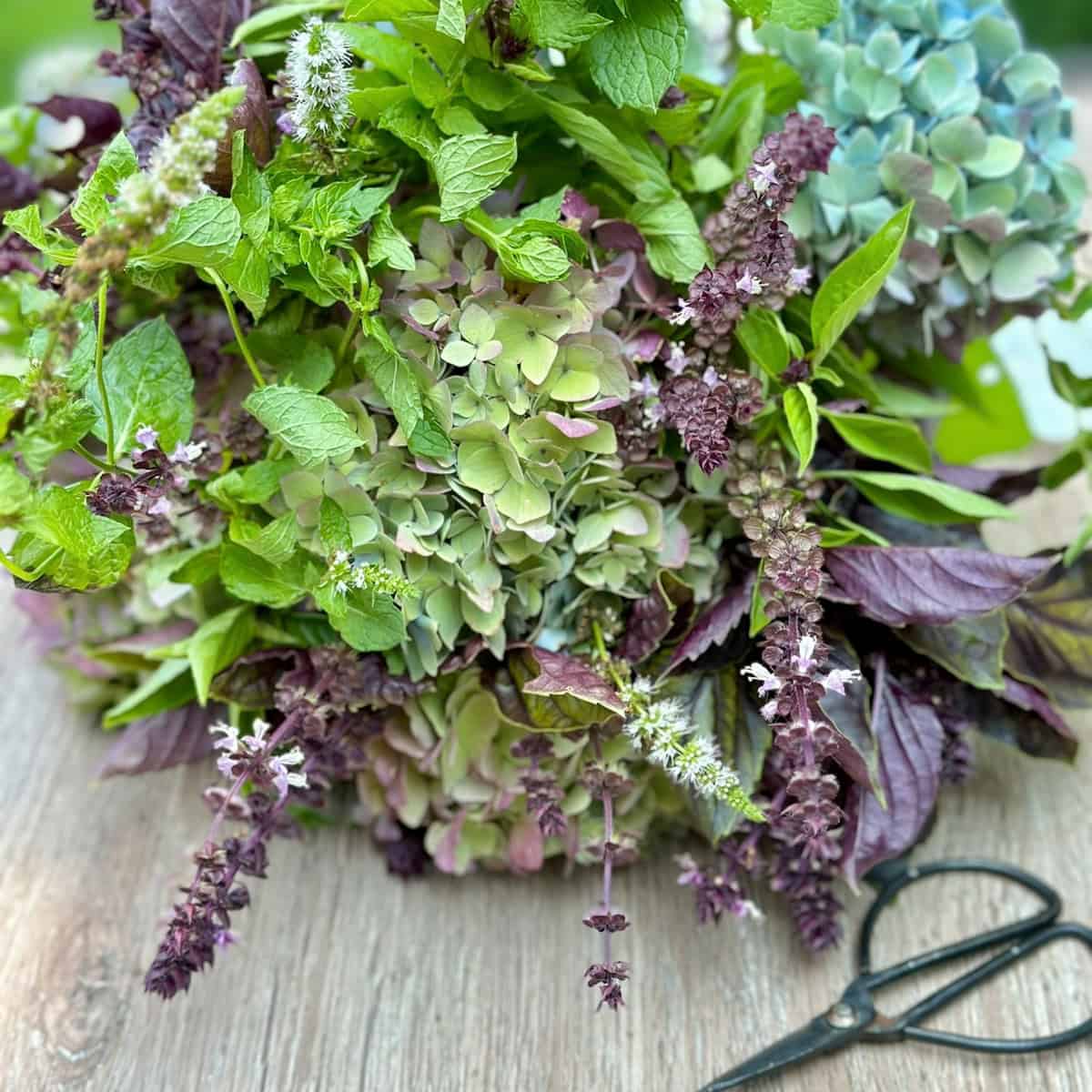
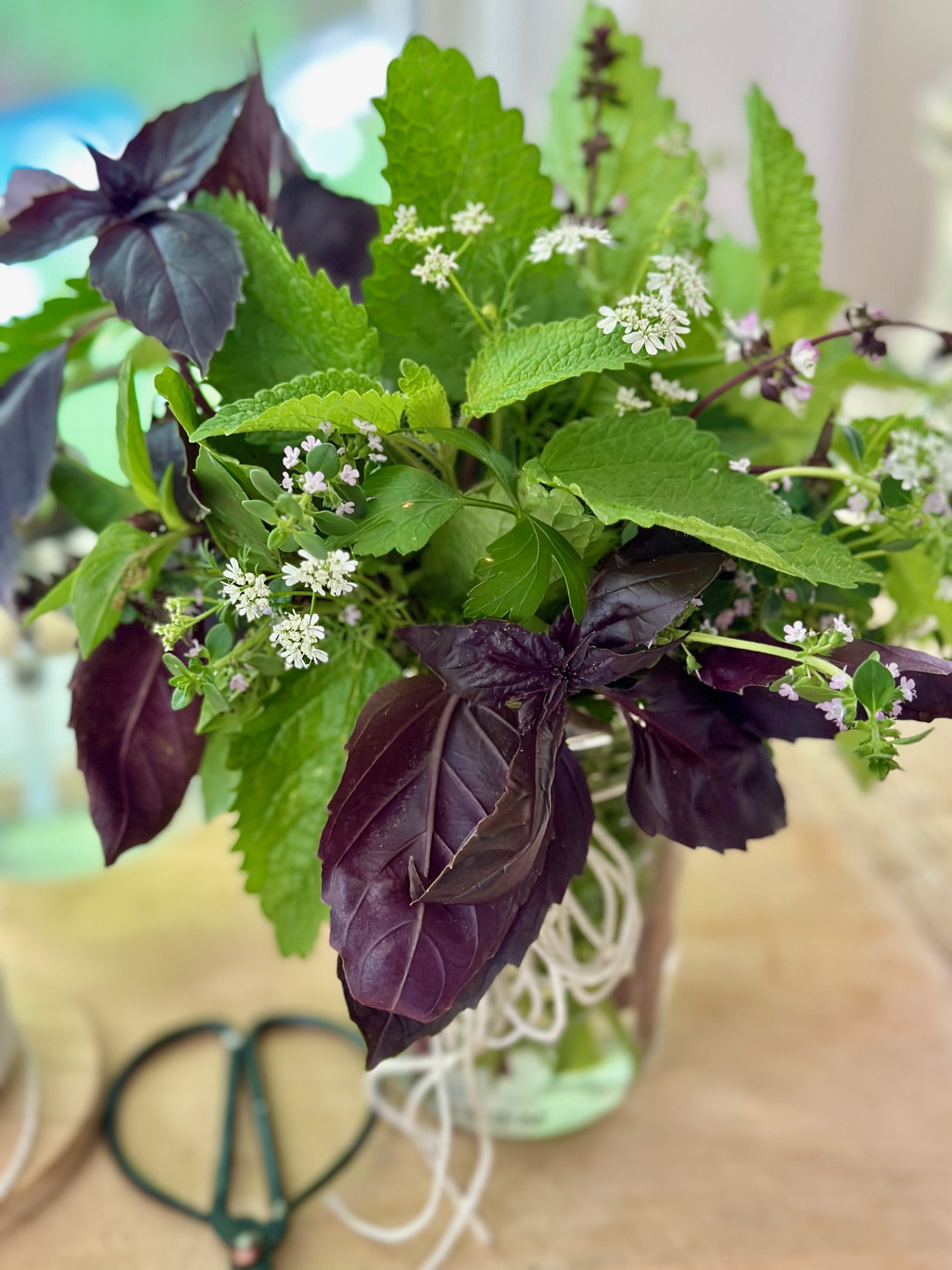
Beyond companion planting, I also love incorporating lemon balm's attractive foliage into floral arrangements as a versatile greenery element. Its bright, textured leaves add dimension to bouquets, while it's subtle lemon scent brings a refreshing fragrance. The stems work beautifully in herb gift jars paired with other culinary herbs, and I've found few things more charming than a fresh herb garland featuring lemon balm's heart-shaped leaves intertwined with blooms from its companion plants.
Controlling lemon balm's spread
Lemon balm is a vigorous grower, which is something to keep in mind when choosing companion plants. If left unchecked, it can quickly crowd out nearby herbs and vegetables.
One of the easiest ways to manage it is by growing lemon balm in containers. A pot about 12 inches wide gives it enough room to thrive while keeping its roots contained. You can also sink a container into the ground to control spreading while still letting it blend into your garden.
If you prefer planting it directly in the garden, placement matters. I like to position lemon balm near edges, paths, or hardscape areas where it naturally has fewer directions to spread.
Regular harvesting lemon balm also helps keep it in check. Cutting it back a few times throughout the season not only prevents it from taking over, but also encourages fresh, healthy growth.

Put your harvest to good use: Once your lemon balm is thriving, use a handful of fresh leaves to bake my Lemon Balm Cookies. They're an easy, buttery shortbread with bright lemon flavor and one of my favorite ways to enjoy a fresh harvest.
Troubleshooting lemon balm companion planting
Lemon balm is easy to grow, but its vigorous nature can sometimes create challenges for nearby plants.
If companion plants start struggling, it's often due to competition for space, water, or light. Regularly trimming lemon balm and giving neighboring plants a little extra space can make a big difference.
Because lemon balm grows densely, it can also reduce airflow. If you notice signs of mildew or leggy growth, try thinning it out to improve circulation and let more light reach surrounding plants.
And while lemon balm can help deter some pests, it won't solve everything. Pairing it with other pest-repelling plants or spreading it throughout the garden tends to work better than relying on it alone.
This Lemon Balm post is part of my full Herb Index for homegrown inspiration.
Frequently asked question
Avoid planting lemon balm next to small, slow-growing plants that can be easily crowded out. Lemon balm spreads quickly through self-seeding and underground roots, so delicate herbs or compact plants can struggle. It is also best to avoid placing it near plants that prefer dry soil, since lemon balm thrives in evenly moist conditions.
Lemon balm grows best in full sun to partial shade with well-draining soil. It performs especially well in garden beds where it has room to spread or in containers where its growth can be controlled. Many gardeners prefer planting lemon balm along garden edges, near seating areas, or in pots close to the kitchen for easy harvesting.
Lemon balm pairs well with herbs and plants that enjoy similar growing conditions. Good companion plants include oregano, thyme, chamomile, basil, tomatoes, peppers, and squash. These plants tolerate lemon balm's vigorous growth and benefit from its ability to attract pollinators to the garden.
Lemon balm is known to help deter mosquitoes, gnats, and some flies due to its strong citrus scent. While it is not a complete pest solution, planting lemon balm near patios, doorways, or garden seating areas can help reduce nuisance insects. It also attracts beneficial insects like bees, which supports overall garden health.
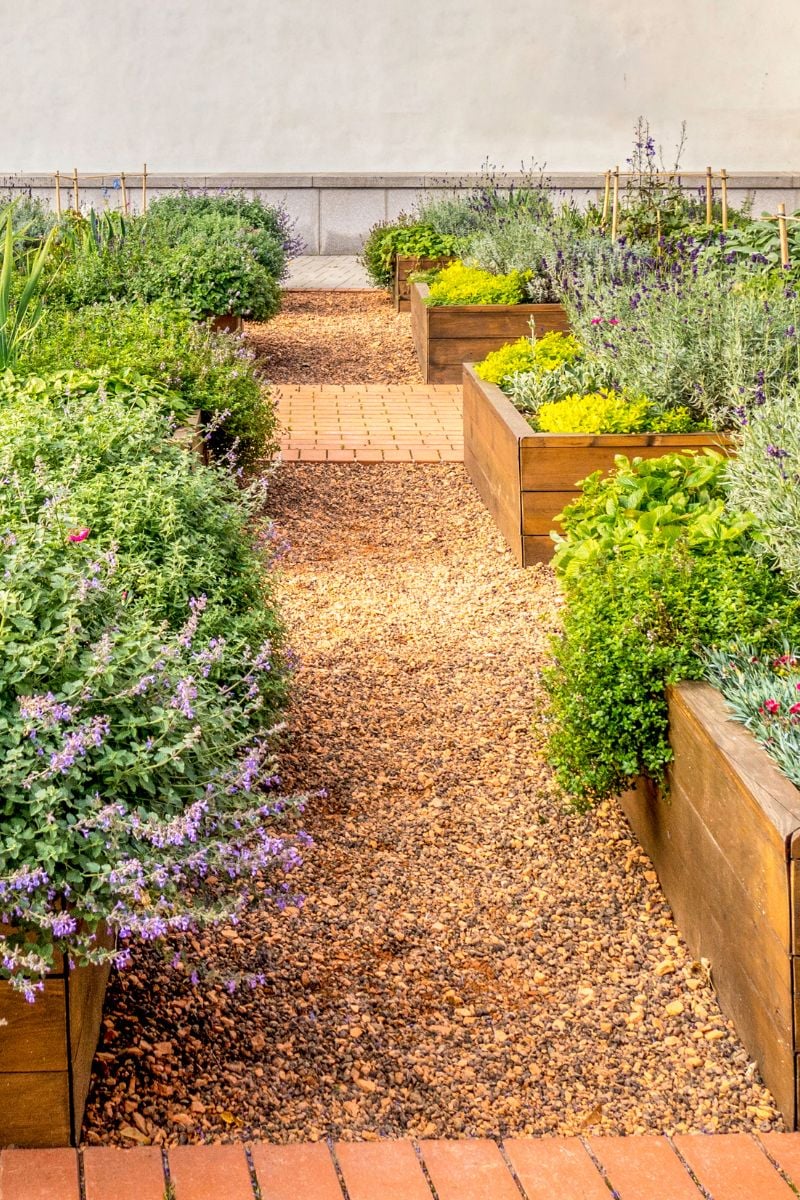
After three decades of herb gardening, I can confidently say that lemon balm creates some of the best companion relationships in my vegetable garden and beyond. By understanding how this versatile herb interacts with annual herbs, vegetables and flowering plants, you'll create a garden with better harvests and fewer pest problems.
Whether you have limited space and grow in your own pots or have room for lemon balm to spread at the base of apple trees, this herb adds both a pop of color and practical benefits. It's attractive foliage serves as a natural trap crop for common pests while supporting beneficial insects like parasitic wasps that help control tomato hornworms and cabbage worms.
Remember that successful companion planting requires choosing the right plants that share similar light and soil health requirements. With proper organic matter in your soil and thoughtful placement, lemon balm can become a great addition to your herb gardening toolkit. From herbal teas to natural pest control, this hardy mint family member works hard in the garden while asking little in return.
So next time you're planning your garden beds, consider how lemon balm might create positive effects throughout your outdoor space. Your plants will thank you, and you'll enjoy the fresh herb benefits all season long!
Happy companion planting!