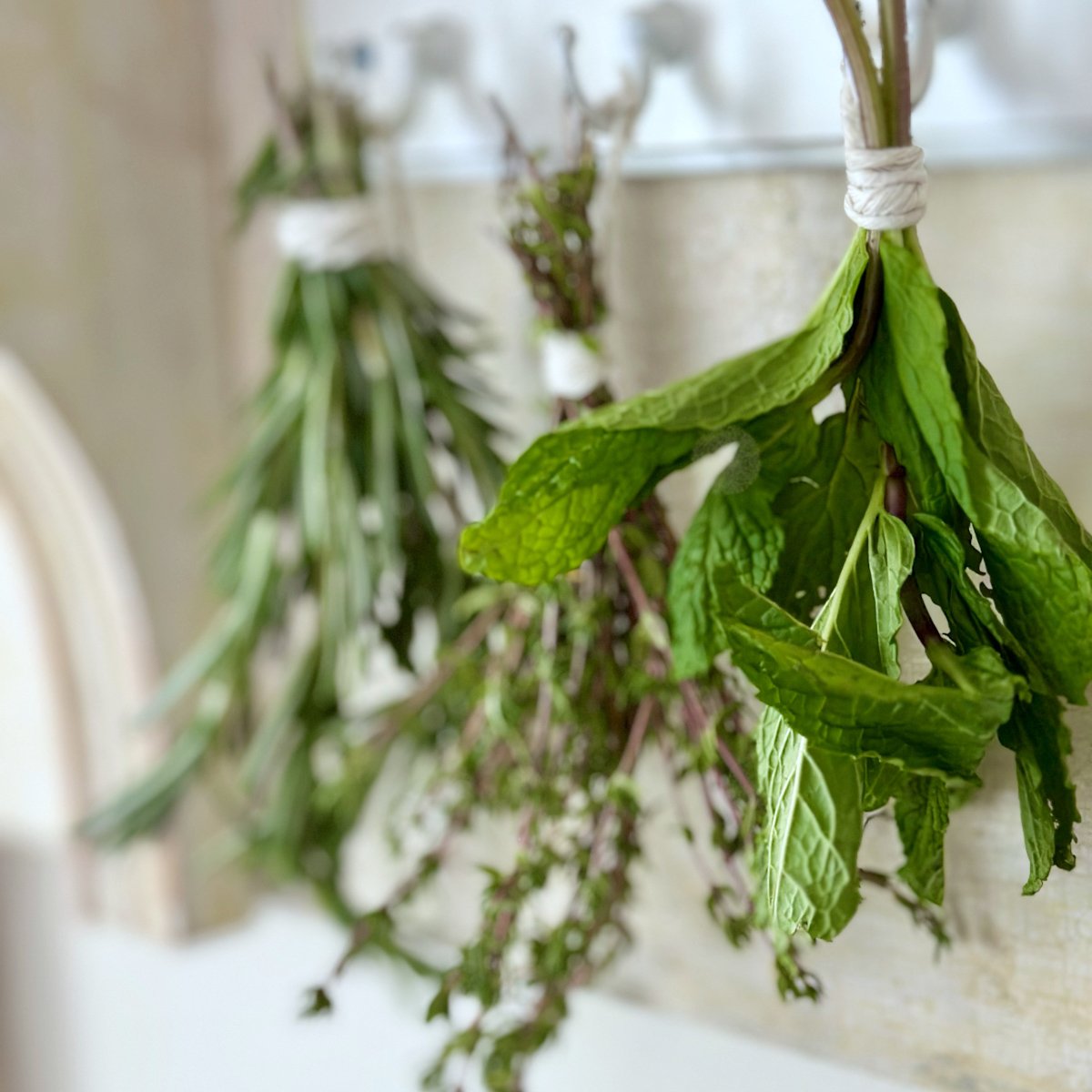
Why I Wait Until Mother’s Day to Wake Up My Spring Herb Garden

A spring herb garden can be tempting to wake up at the first warm spell, but New England weather often has other plans. In our hardiness zone, one sunny afternoon does not always mean the danger of frost has passed. Here is why I wait until Mother's Day, how I protect outdoor herb garden plants from surprise cold snaps, and what to do if you started too early.
Content may contain affiliate links. When you shop the links, we receive a small commission at no cost to you. Thanks for supporting my small business.
Every warm day in spring, gardeners across New England start hearing the same call: get outside immediately and plant something. I hear it too. The second we get a 58 degree afternoon, I am ready to wake up my spring herb garden, reorganize every pot I own, and make questionable choices at the garden center.
Then New England reminds us who is in charge.
Around here, a beautiful sunny day can be followed by a 32 degree night, cold rain, or one last surprise frost. That is exactly why I wait until Mother's Day before I fully get my herb garden going each year. In our hardiness zone, a few mild afternoons do not always mean the danger of frost has passed.
If you are feeling impatient, you are in good company. Here is what works for me in Zone 6B, what you can safely do early, and how to protect herbs if spring gets dramatic again. With a little patience, your own herbs often get a stronger start and better results for the full growing season.
At a Glance: Spring Herb Garden
_______________________
- A spring herb garden can be tempting to start early, but New England weather often changes quickly.
- I usually wait until Mother's Day to fully wake up my herb garden in Zone 6B.
- Warm afternoons do not always mean safe overnight temperatures or the end of the danger of frost.
- Hardy perennial plants like chives, thyme, oregano, and mint often handle cooler temperatures better than tender herbs.
- Basil and other young plants should wait for warmer temperatures before moving outside.
- If you started early, container gardening makes it easier to move pots inside, and outdoor herb garden beds can be covered during cold nights.
- A little patience in spring often leads to healthier herbs, stronger growth, and best results through the growing season.
- Every yard has its own microclimate, so always watch your local forecast, sunlight, and soil conditions.
Summarize and Save this content on:
Jump to:
- At a Glance: Spring Herb Garden
- Why I wait until Mother's Day to wake up my herb garden
- What counts as waking up a spring herb garden
- Herbs that usually handle spring better than others
- Herbs I wait longer to move outside
- If you could not wait, here is how to protect your herbs
- How I wake up my spring herb garden step by step
- A little patience goes a long way in spring gardening
- Frequently asked questions
- More herb gardening tips and guides
Why I wait until Mother's Day to wake up my herb garden
I have learned that in gardening, starting later often looks smarter by June.
It can be hard to wait when spring finally shows up and everything feels ready to grow. Especially after a long dormant winter! But after enough New England seasons, I've found that giving my herb garden a little more time usually gives it a much better start.
That extra patience often means warmer soil, steadier nights, less weather stress, and stronger plants right out of the gate. Instead of spending May protecting struggling herbs, I would rather spend it watching healthy ones settle in.
Mother's Day has become my personal green light because it gives my garden the best chance to succeed, not just survive.
Warm days do not mean warm nights
A few mild afternoons can make the season feel farther along than it really is. Tender herbs may look fine during the day, then struggle when temperatures dip overnight. In our hardiness zone, warm afternoons do not always mean the danger of frost has passed.
New England weather changes fast
Spring weather here can turn quickly. A stretch of sunny days can be followed by cold rain, wind, or a surprise frost warning. Waiting helps avoid the yearly scramble to rescue plants and protects young plants from sudden setbacks.
Soil temperature matters more than sunny afternoons
Even when the air feels warm, herb garden soil may still be cold and slow to support new growth. Herbs establish faster when roots are planted into well-drained soil that has truly warmed. Good drainage matters even more after wet winter months.
Waiting saves plants, money, and frustration
Healthier starts often mean fewer replacements, less stress, and better growth. Waiting a little longer can save a lot of effort later and often leads to best results through the growing season.
Things you can do while you wait
If waiting feels impossible, there is still plenty to do, albeit not the fun part, but definitely the important part. This is a great time to prepare for your own herbs and get everything ready for planting day.
- Enjoy planning season, it counts too
- Clean and organize pots and tools
- Refresh containers with new potting mix
- Sketch out where herbs and flowers will go
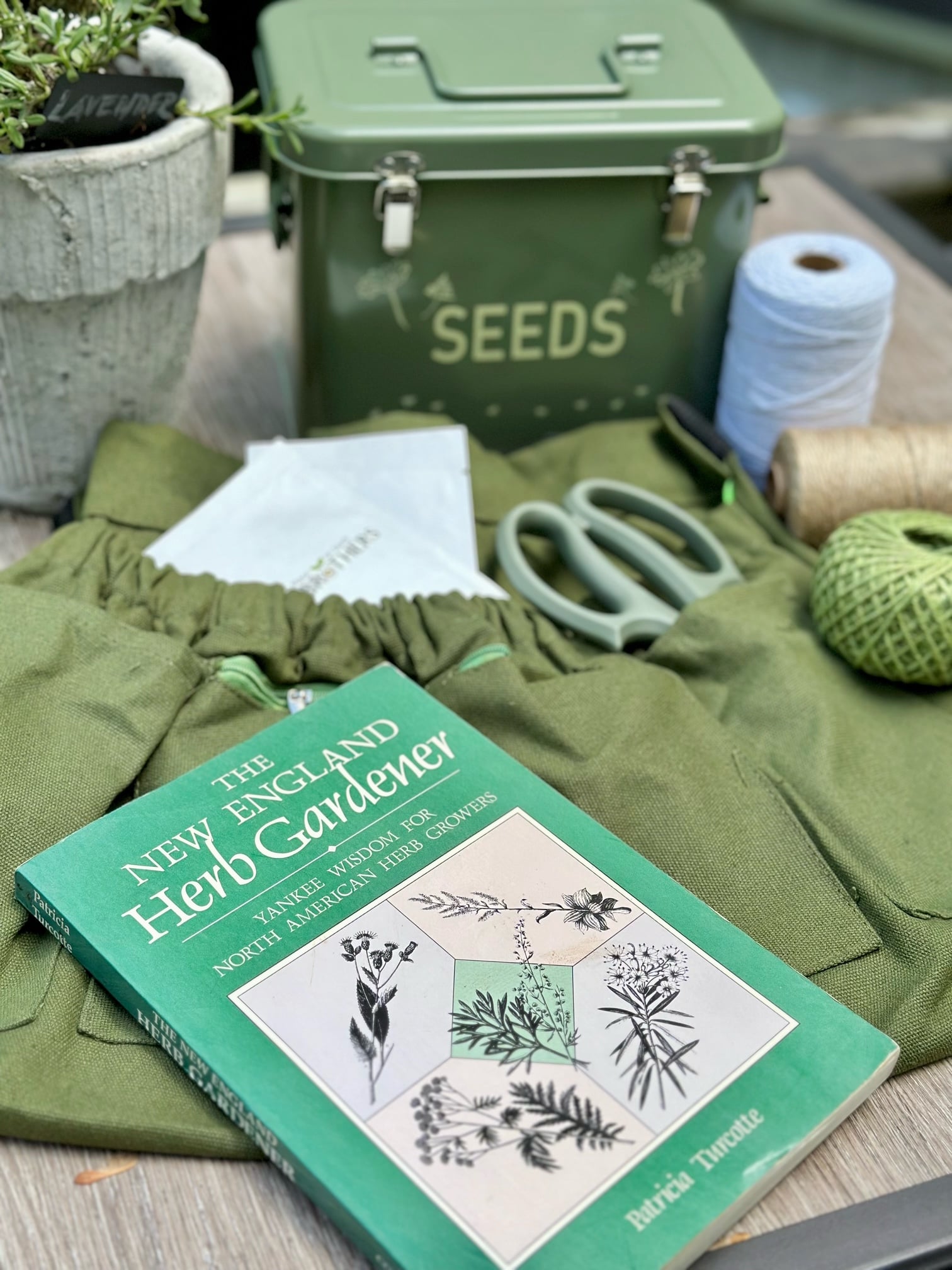
- Check garden markers, seeds, and garden supplies
- Pull early weeds before they spread
- Watch the forecast and choose your planting window
- Set up your butterfly bath
Spring is the perfect time to get everything going. If you're starting fresh this season, you can find all of my herb garden setup guides in one place to help you get off to a strong start.
What counts as waking up a spring herb garden
Waking up a spring herb garden does not have to mean planting everything in one afternoon. For me, it is more of a gradual reset. Some tasks can happen in early spring, while others are better saved for when the weather truly settles down. This slower approach helps the garden ease into the season without unnecessary setbacks and often leads to best results later in the growing season.
Uncovering beds and removing winter protection
Once the harshest cold has passed, I start by removing any covers, frost cloth, or winter mulch that was protecting the garden. I do this in stages if temperatures are still bouncing around. Taking everything off too early can expose tender growth before it is ready, especially if the danger of frost is still lingering.
Trimming dead growth from perennial herbs
Perennial plants often look rough after winter, but many are just waiting to bounce back. I trim away dead stems, damaged leaves, and anything clearly not returning. This tidies the bed and makes room for fresh growth to come through.
Refreshing soil with compost or amendments
Spring is a great time to give herbs a gentle boost. I like to top dress beds with compost or mix in any amendments the soil needs. Healthy herbs prefer well-drained soil with good drainage, and refreshed soil supports stronger roots, steadier growth, and better flavor later in the season.
Replanting annual herbs like basil
Tender annual herbs such as basil are the part I wait on. These warm-weather favorites prefer warmer temperatures and do much better when planted after frost risk has passed. Patience here usually pays off quickly.
Cleaning and resetting containers
Pots need spring attention too. I empty old annuals, clean containers, check drainage holes, and refresh potting mix before planting again. Container gardening is one of the best ways to grow your own herbs because pots can be moved easily once the weather cooperates.
Herbs that usually handle spring better than others
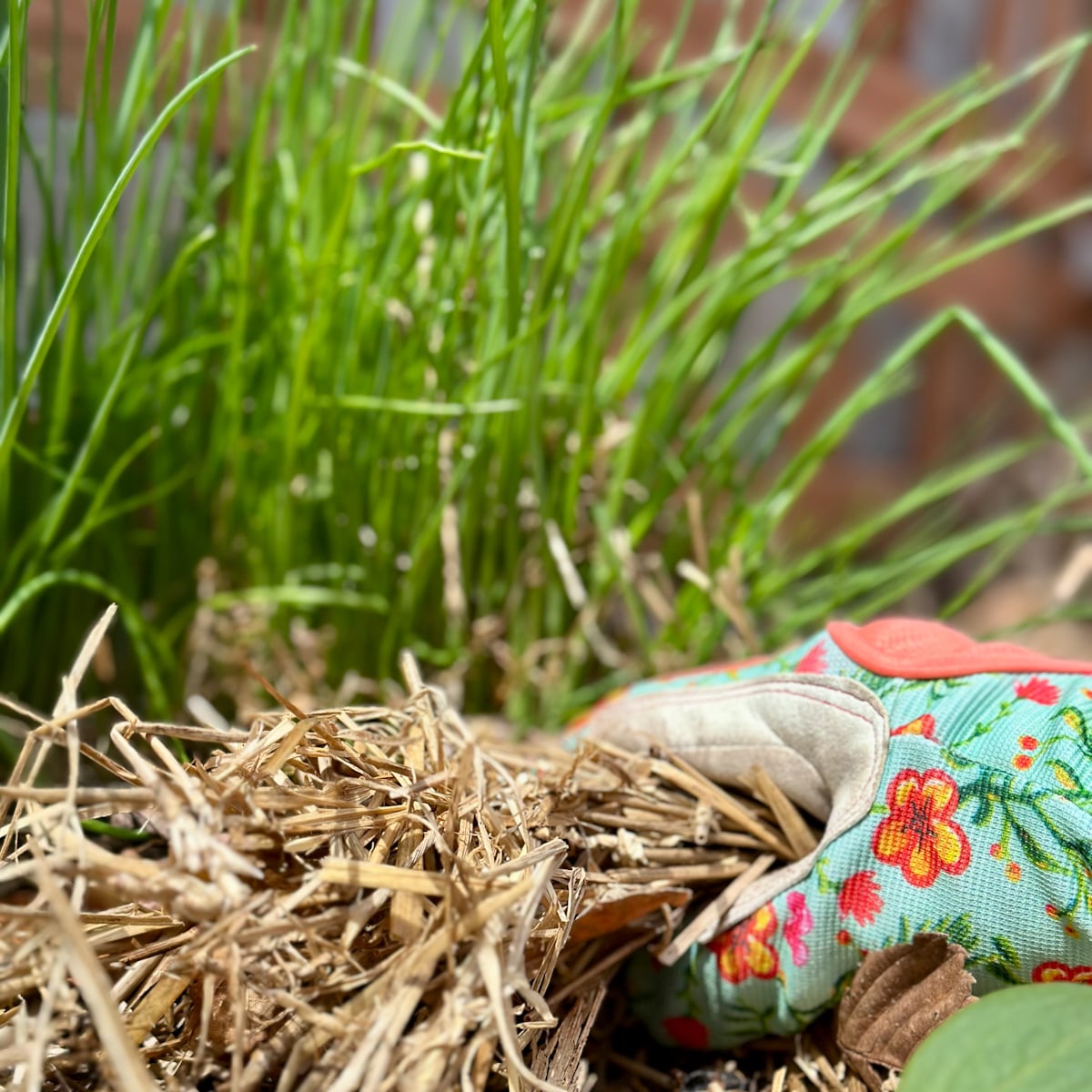
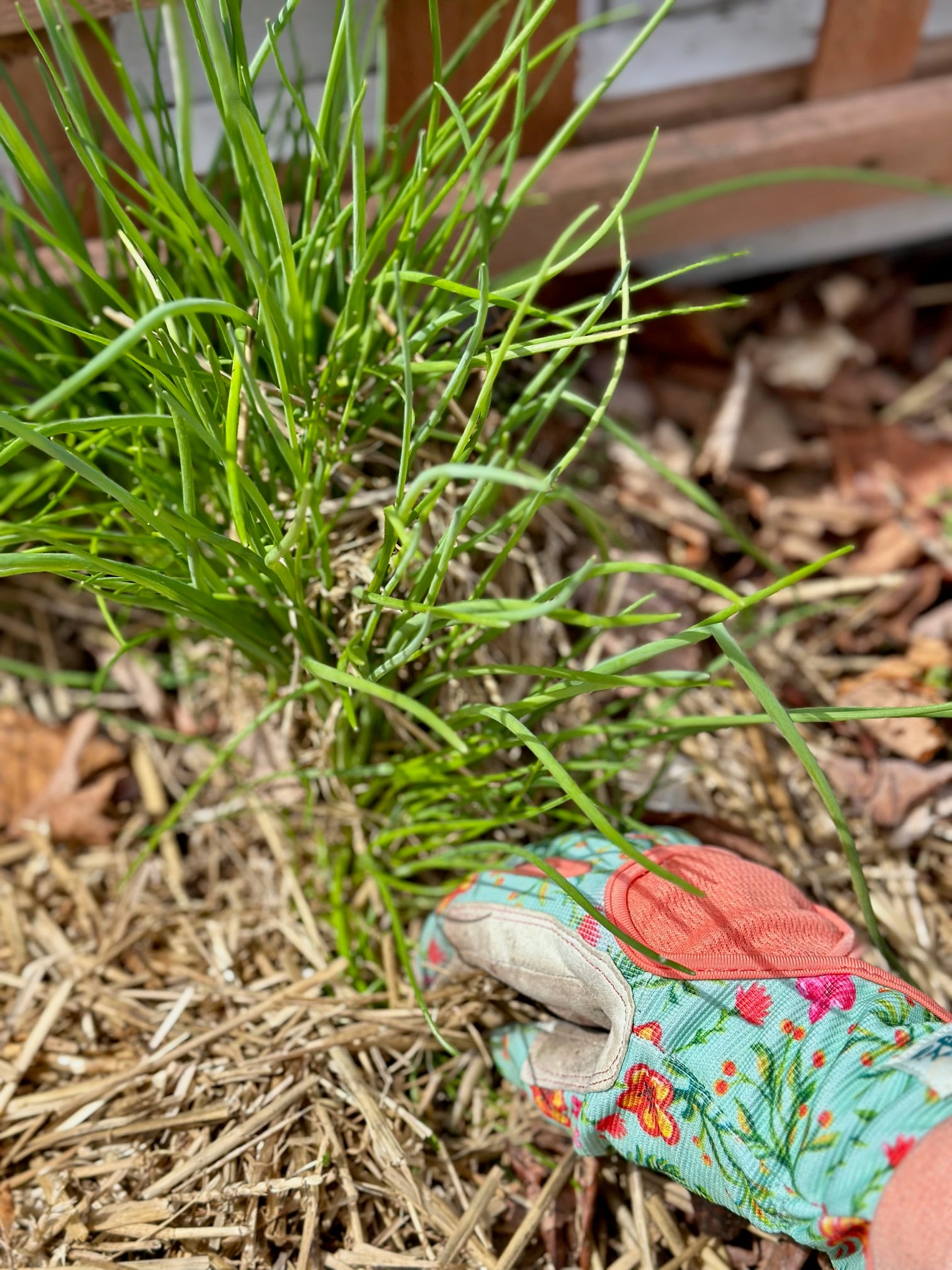
Not every herb needs the same level of babying in spring. Some perennial herbs are far tougher than they look and often begin waking up well before the season feels settled. In my own garden, the chives have already been poking through for a few weeks while everything else still looks like it is thinking about it. That early growth is always one of my favorite signs that the gardening season is getting closer.
Many of these reliable returners are perennial plants that settle in over time and come back stronger each year. Several are also Mediterranean herbs, which means they generally appreciate sunshine, leaner soil, and good drainage once the season gets going.
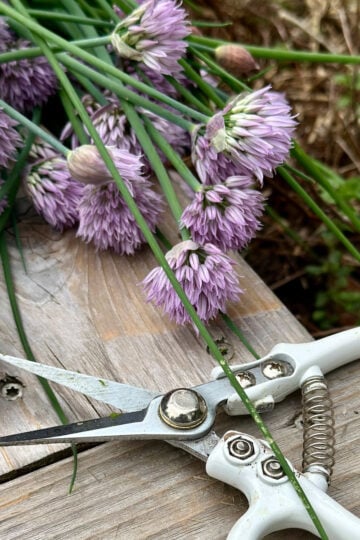
Chives
Chives are usually one of the first herbs to return in spring. They handle cooler temperatures well and often pop up while nights are still chilly. Once fresh growth appears, I clean away old foliage and let them get going.
Oregano
Oregano is another reliable perennial that can handle cool spring weather. As one of the classic Mediterranean herbs, it prefers full sun, well-drained soil, and warmer temperatures once summer arrives. It may look slow at first, but once temperatures begin to steady out, it tends to fill in quickly.
Thyme
Thyme often overwinters well and appreciates a gentle spring cleanup. It is another Mediterranean herb that enjoys a sunny spot with good drainage. I trim back winter damage and give it time to green up naturally.
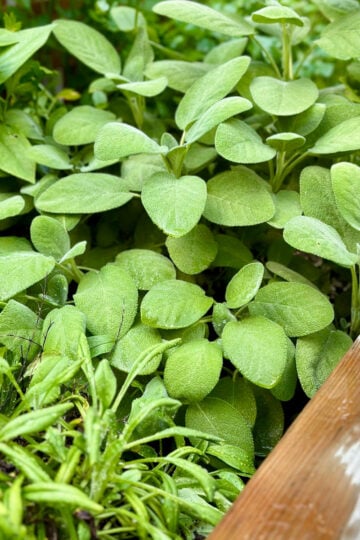
Sage
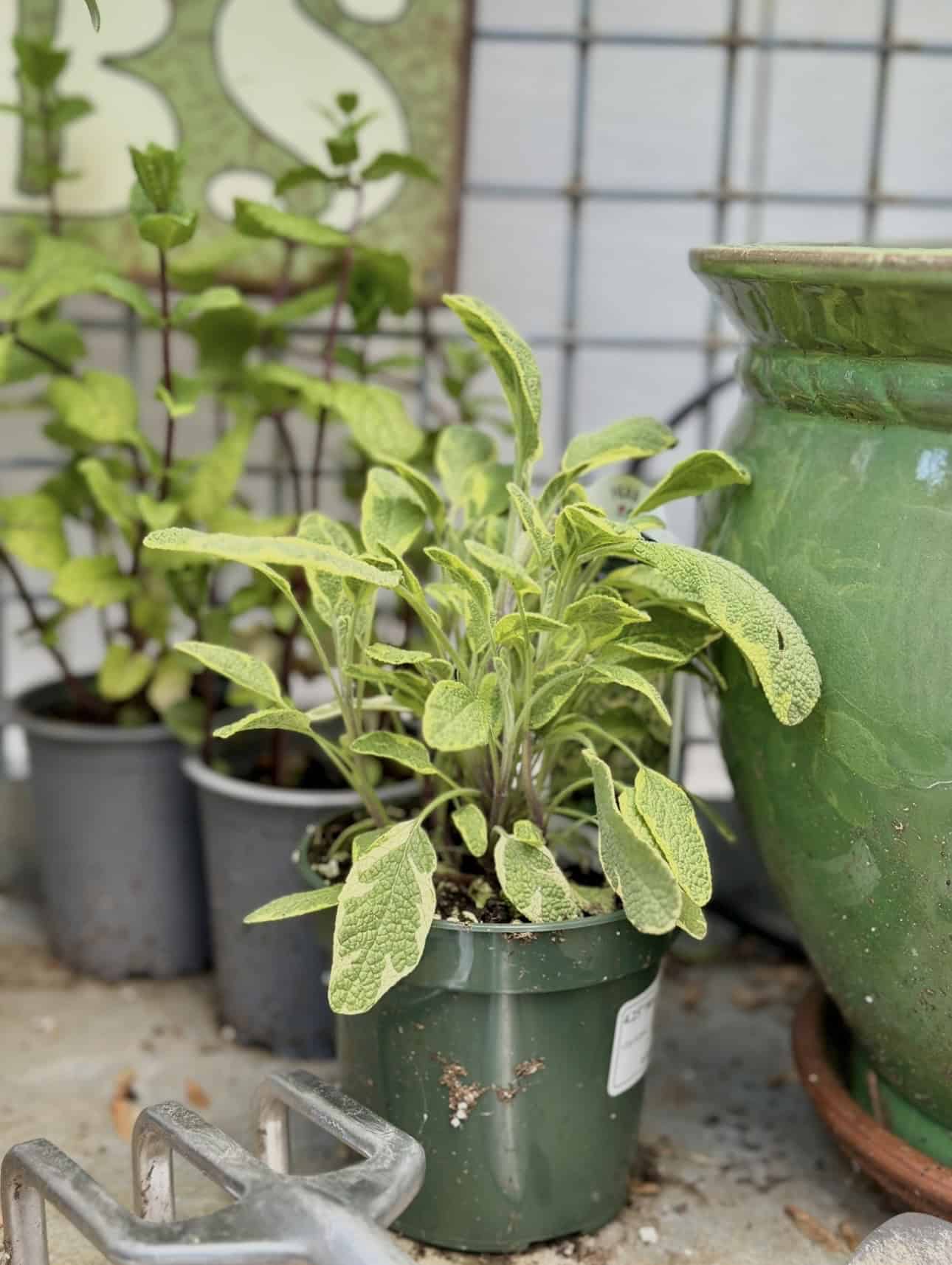
Sage can look a little tired after winter, but established plants are often tougher than they appear. Sage also prefers full sun and drier soil conditions once active growth begins. I wait for signs of new growth, then prune back any clearly dead stems.
Mint and lemon balm
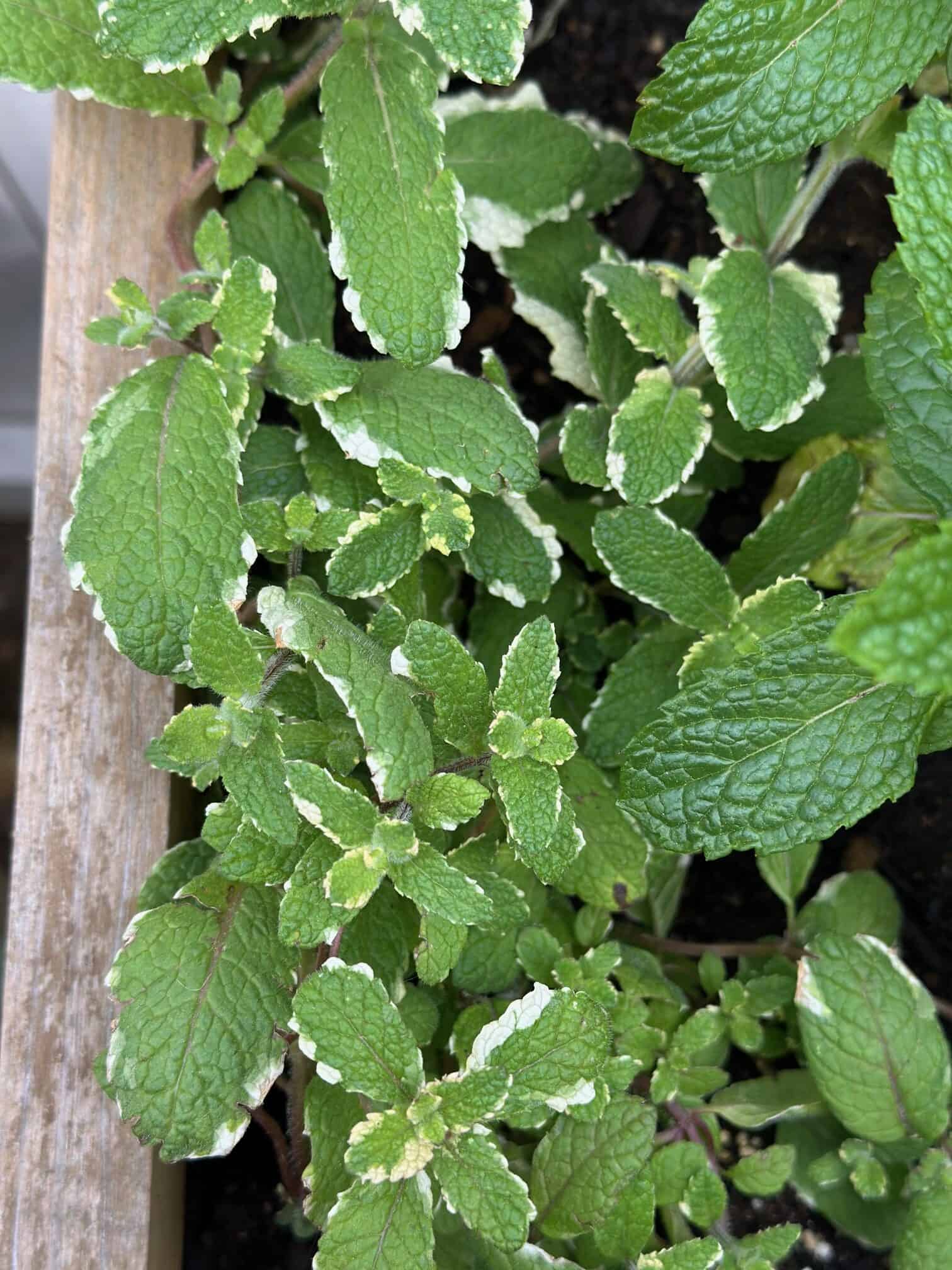
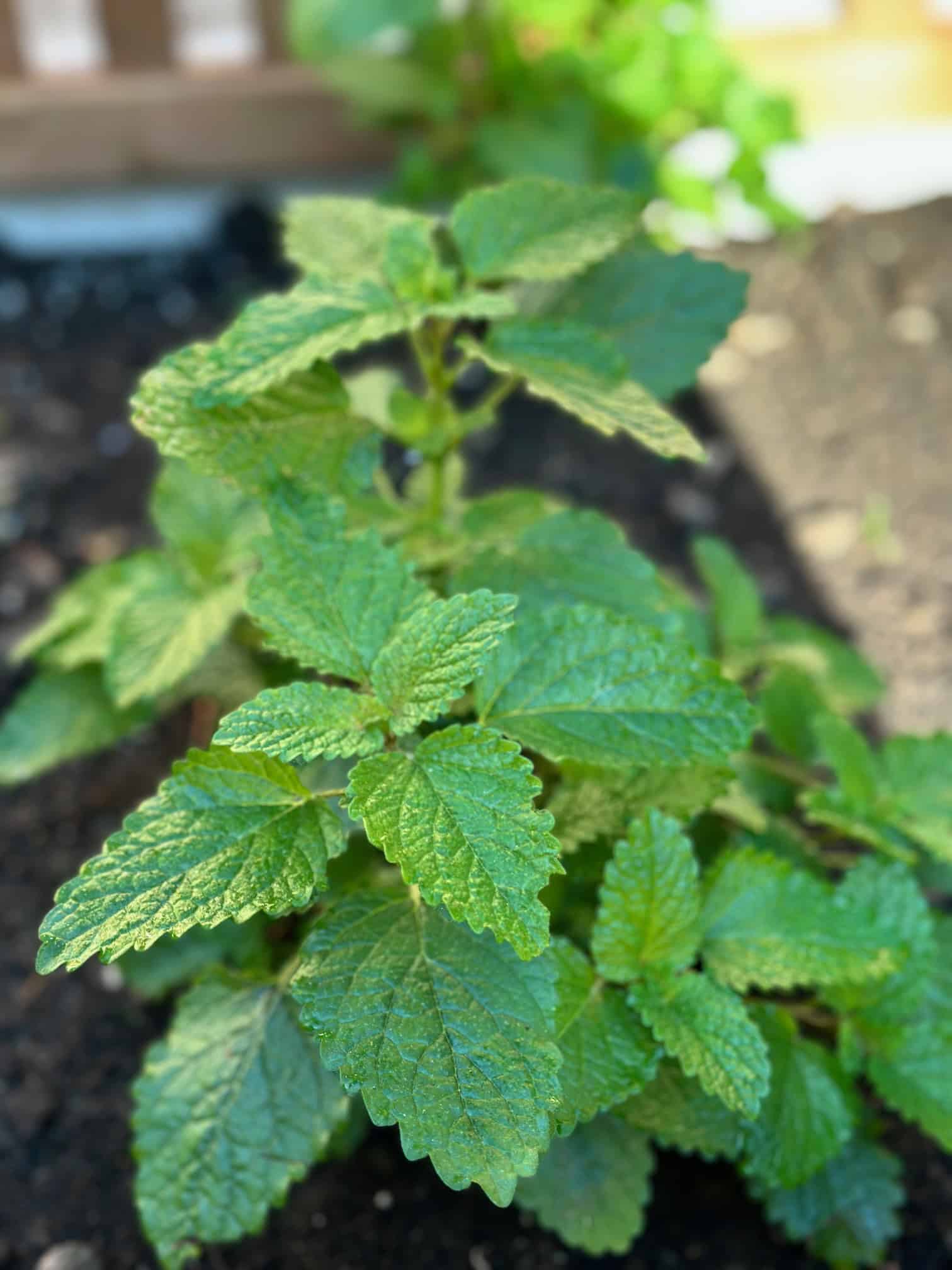
Mint and lemon balm are enthusiastic returners in many gardens. Once they wake up, they usually do not need much encouragement. Spring is a good time to tidy them and keep an eye on where they plan to spread next. They are less fussy than some Mediterranean herbs and adapt well in many outdoor herb garden spaces.
Herbs I wait longer to move outside
Some herbs are eager to grow, but they are not eager to be cold. These are the plants I give a little extra patience in spring because one chilly night can set them back fast. Waiting until temperatures are steadier usually means stronger growth, healthier green leaves, and fewer regrets.
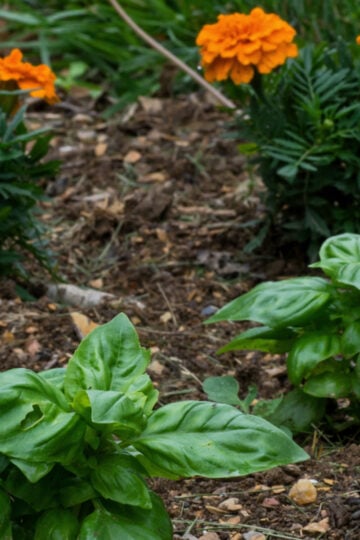
Basil
Basil is at the top of my wait list every year. It loves warm weather and does not enjoy cold nights, chilly soil, or dramatic weather swings. Even temperatures in the low 40s can leave it sulking. I wait until the forecast looks consistently mild before moving basil outside so it can enjoy direct sunlight and get off to a strong start.
Tender seedlings
Young plants raised indoors or recently started under lights need time to adjust. They may look strong inside, but outdoor wind, sun, and temperature swings can be a shock. I harden them off gradually before they spend full days and nights outside.
Newly purchased nursery herbs
Herbs fresh from a nursery or garden center often come from a more protected environment. They may have been watered regularly and sheltered from cooler temperatures. I like to ease them into outdoor life slowly rather than assuming they are ready for anything. This is often the best way to help smaller plants settle in.
Small container herbs
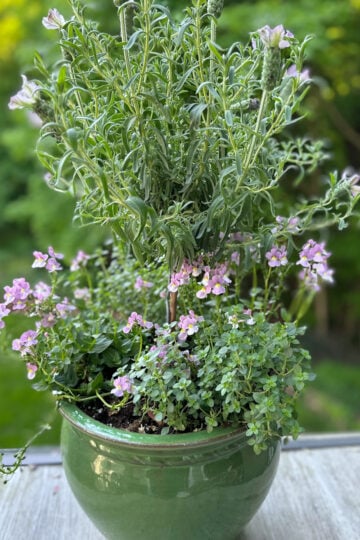
Small pots warm up quickly during the day, but they also cool down quickly at night. That makes container herbs more vulnerable during unpredictable spring weather. If I move them out early, I keep them portable so they can come back inside when needed. Container gardening is a great way to grow your own herbs, especially when spring weather cannot make up its mind.
If you could not wait, here is how to protect your herbs
Listen, I understand. A single 62 degree afternoon arrived, the birds were singing, the garden center was fully stocked, and suddenly your herbs were outside living their best lives. No judgment here. Many of us have made bold spring decisions.
If you jumped the season a little early, do not panic. You just need to become a part-time weather manager for a few weeks.
Cover plants before a cold night
If temperatures are heading down, cover herbs before sunset so they can hold onto some daytime warmth. Old sheets, lightweight blankets, or garden fabric can help. Just avoid heavy materials that crush tender growth. Your herbs want protection, not a wrestling match.
Bring pots indoors or into a garage
This is where containers really shine. If your herbs are in pots, pick them up and relocate them for the night. A garage, enclosed porch, mudroom, or even just inside the door can make a big difference. Yes, they may become temporary houseguests.
Use cloches, buckets, or frost cloth
Fancy garden cloches are nice, but so is an upside-down bucket. Use what you have. Buckets, large pots, storage bins, or frost cloth can all help trap a little warmth overnight. Spring gardening sometimes rewards creativity more than elegance.
Group containers near the house
Move smaller pots together and tuck them close to the house, especially near a wall that holds daytime heat. Plants are a little like people in spring, they do better when they huddle together and stay out of the wind.
Check the forecast daily
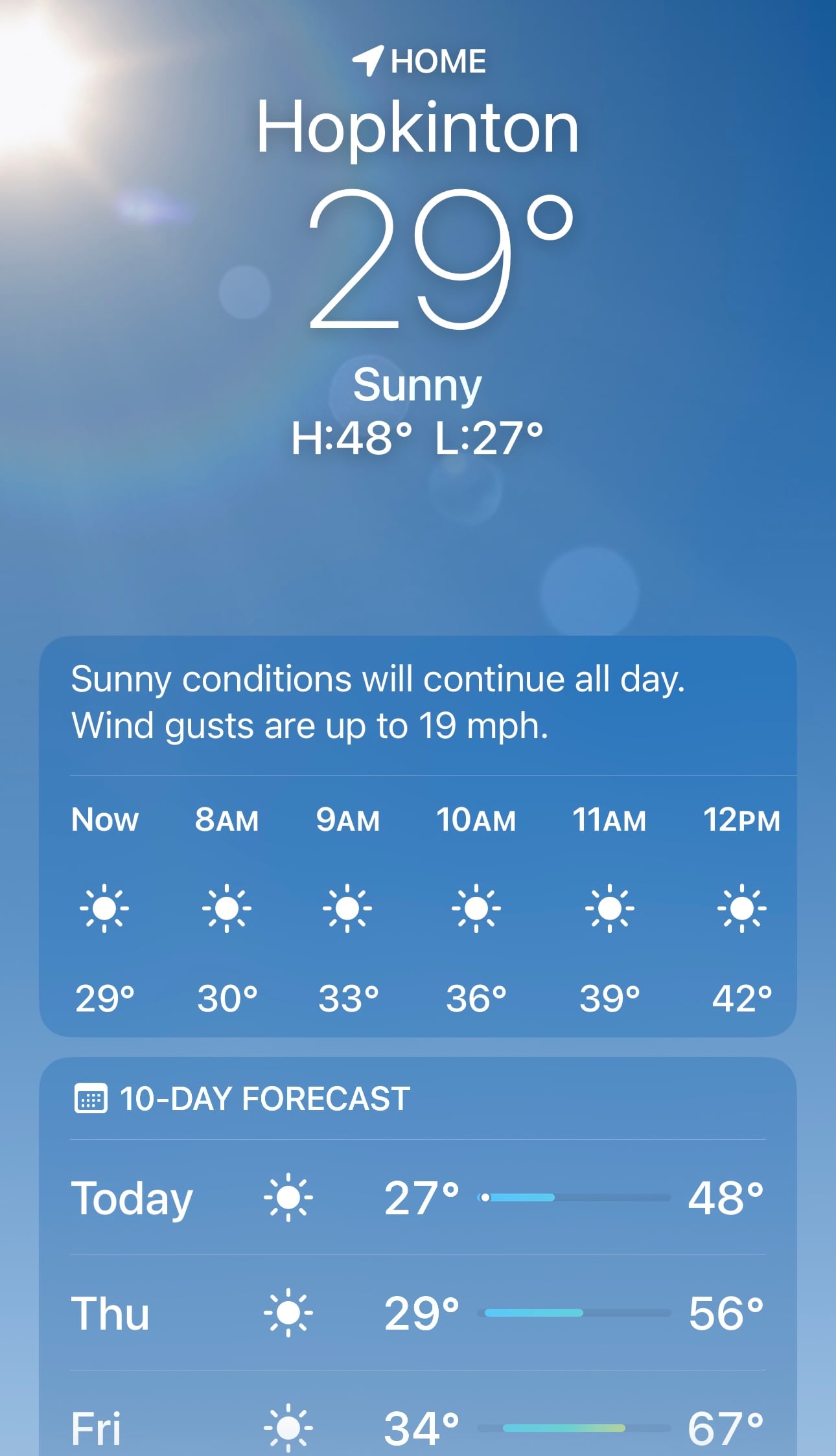
This is the season of trust issues. A forecast can look friendly in the afternoon but rather rude in the morning. Check it daily, especially overnight lows. In spring, your weather app can become just as important as your watering can.
How I wake up my spring herb garden step by step
Last fall, I spent about 30 minutes getting my herb garden ready for winter with a quick cleanup, light pruning, labels, and mulch around the base of my perennial herbs. Now spring is the reverse of that process, slowly uncovering everything, checking what made it through, and helping the garden get ready to grow again. If you'd like to see the full fall prep, you can read: How I Got My Herb Garden Ready for Winter in Just 30 Minutes
The good news is that waking up a spring herb garden does not need to be complicated. I keep it simple and let the plants tell me what they need.
Inspect what survived winter
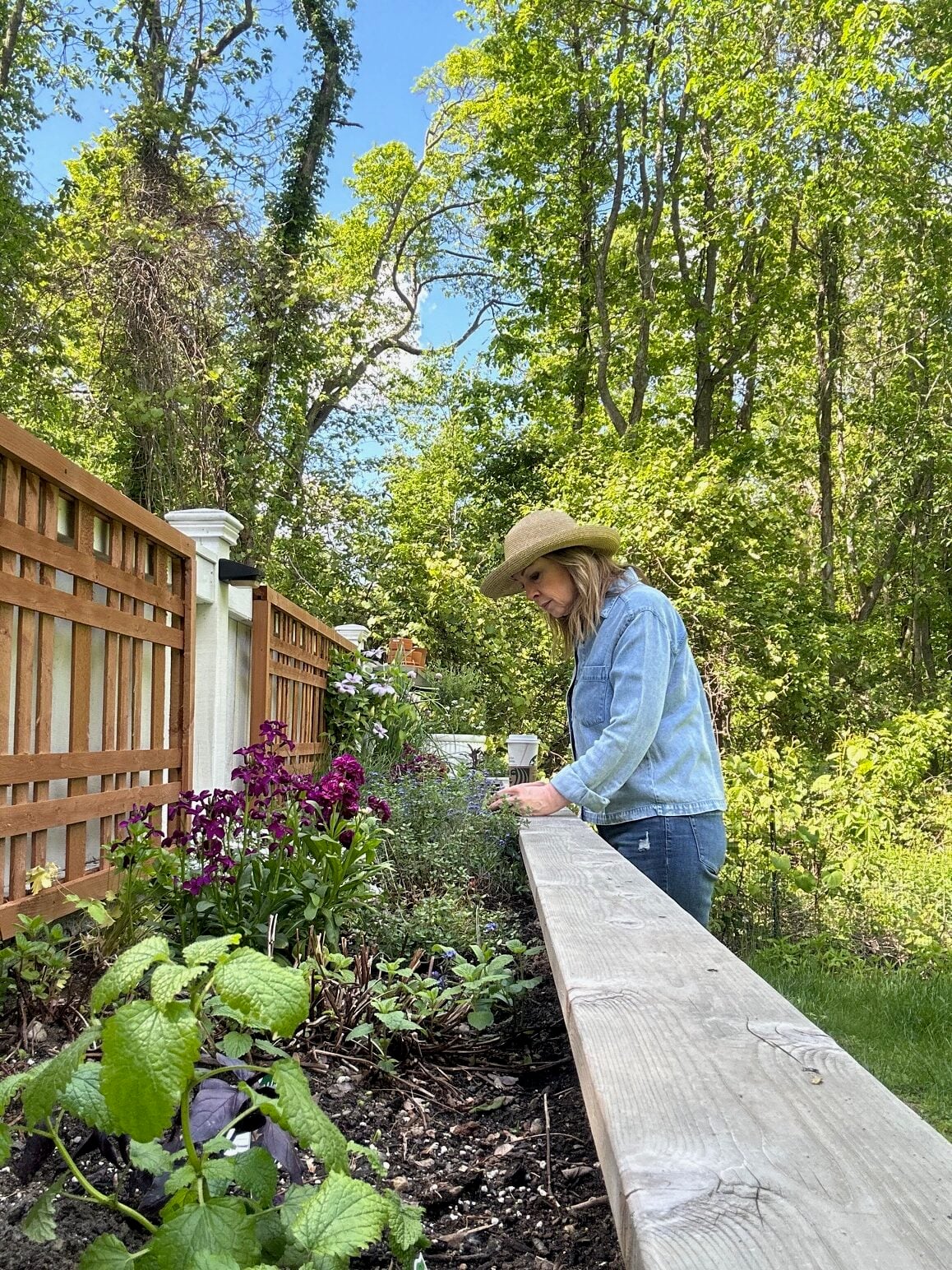
This is honestly one of my absolute favorite parts of herb gardening each year. After a long New England winter, I love seeing what made it through and is ready to take on a brand new season. There is something exciting about spotting those first signs of life, little green shoots, fresh growth, and even the first returning flowers that share space in my herb beds each season.
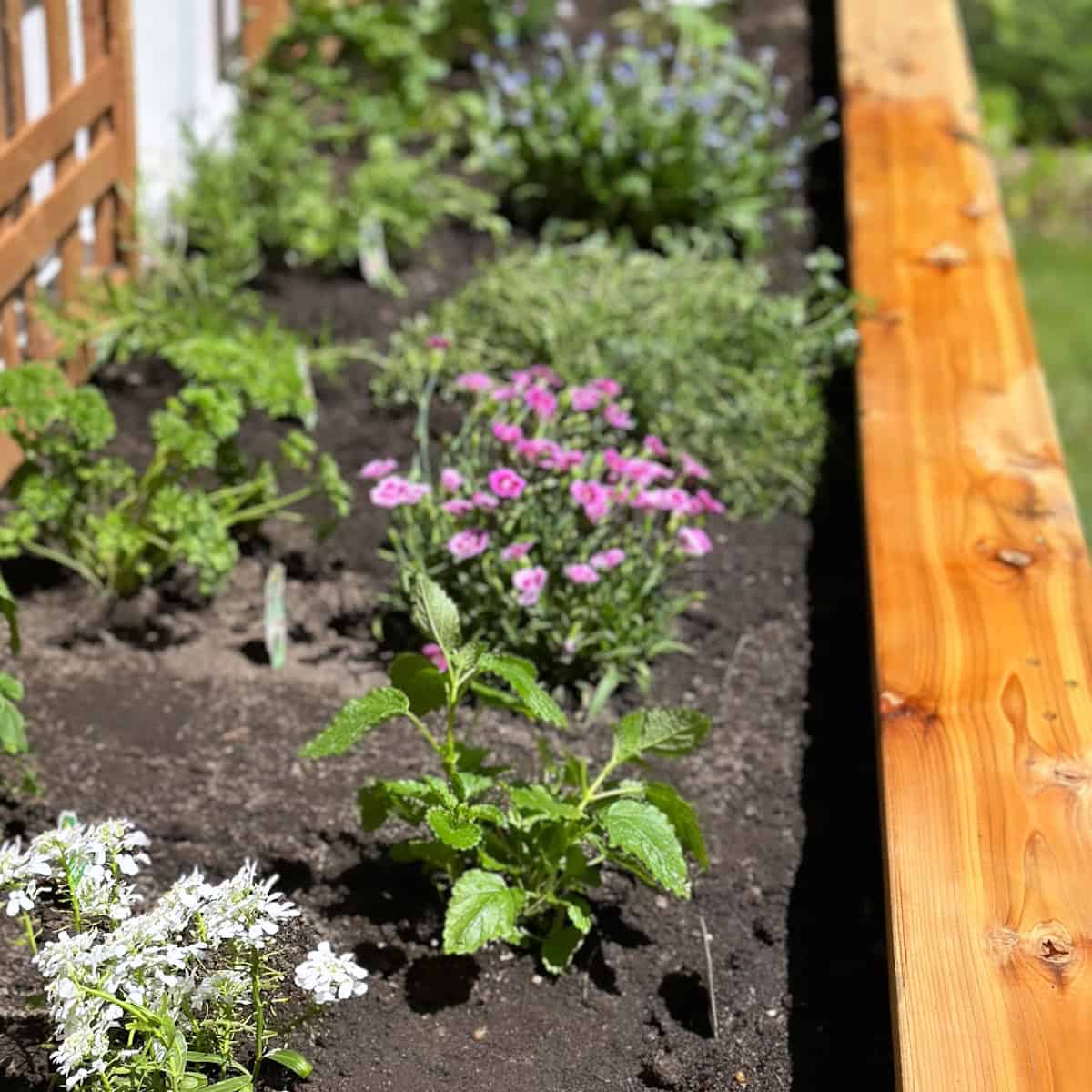
I also tuck flowering plants into my herb garden, so spring always feels a little more interesting when everything starts waking up together. If you are curious why I mix blooms in with herbs, be sure to read my post on why I add flowers to my herb garden.
Chives are usually the first to announce themselves in my garden, often popping up before anything else. I take a slow walk around the bed, see who is awake, check for winter damage, and note which plants may need a little extra help. It feels a bit like opening day for the garden.
Remove debris and old mulch
Once the weather feels steady enough, I gently pull back winter mulch and remove any leftover leaves, broken stems, or debris that collected over the colder months. I do not rush this step too early, since that mulch was there for a reason.
Prune winter damage
Some perennial herbs look rough after winter, but rough does not always mean dead. I trim back clearly dead growth on thyme, sage, oregano, and similar herbs once I can see where fresh growth is beginning.
Top off beds with fresh compost
Spring is when I like to refresh the bed. If the soil looks tired or compacted, I add a layer of compost or lightly work in amendments. Herbs do not need pampering, but they appreciate decent soil.
Replant gaps and add annual herbs
Once the timing is right, usually around Mother's Day for me, I fill empty spots and add annual herbs like basil. If anything did not make it through winter, this is when I decide what gets replaced.
Water lightly and monitor temperatures
After waking everything up, I water as needed and keep an eye on the forecast. Spring can still surprise us, so I stay flexible for a few weeks. Sometimes the best gardening tool in April and May is still common sense.
A little patience goes a long way in spring gardening
If spring gardening had one recurring theme, it would probably be impatience. The first warm stretch arrives, garden centers get stocked, and suddenly perfectly reasonable people are outside making bold decisions with flats of herbs and a cart full of potting soil. I say that with affection because I am absolutely included in this group.
Over time, I have learned that spring rewards patience more often than urgency. Waiting a little longer can feel frustrating in the moment, but it usually pays off in healthier plants and a smoother start to the season.
Gardeners love to rush spring
We wait all winter for this moment, so of course we want to get moving the second the weather softens. After months of cold and gray skies, planting something feels like progress. The urge is real, and honestly, understandable.
Waiting often gives better growth
Herbs planted into warmer soil with steadier nighttime temperatures tend to settle in faster and grow with less stress. Instead of recovering from cold shock, they can focus on rooting, leaf growth, and getting established.
Strong starts beat early starts
A basil plant added two weeks later but given proper conditions often outperforms one planted early and repeatedly stressed by cold nights. The same idea applies across much of the garden. Starting at the right time often matters more than starting first.
Frequently asked questions
In my Zone 6B garden, I usually wait until around Mother's Day to fully plant tender herbs outdoors. Hardy herbs like chives, thyme, and oregano often wake up earlier. Local frost dates and overnight temperatures matter most.
Some hardy perennial herbs can tolerate chilly nights, but tender herbs like basil may suffer damage or stop growing after frost exposure. If frost is forecast, cover plants or move containers indoors.
Many perennial herbs return each year depending on climate, including chives, oregano, thyme, sage, mint, and lemon balm. In colder regions, survival can vary by winter conditions and drainage.
For many New England gardeners, Mother's Day is a practical rule of thumb because the risk of frost is often lower by then. It is not exact for every yard, but it is a helpful benchmark.
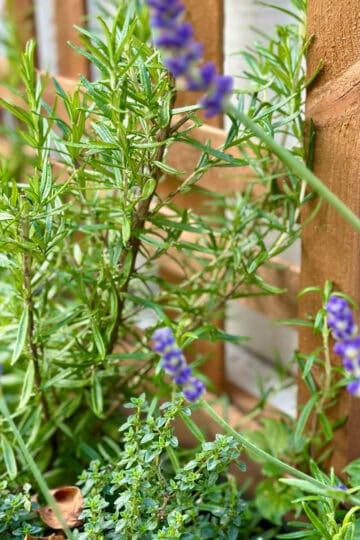
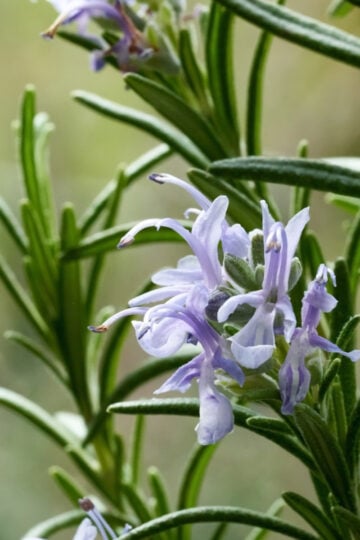
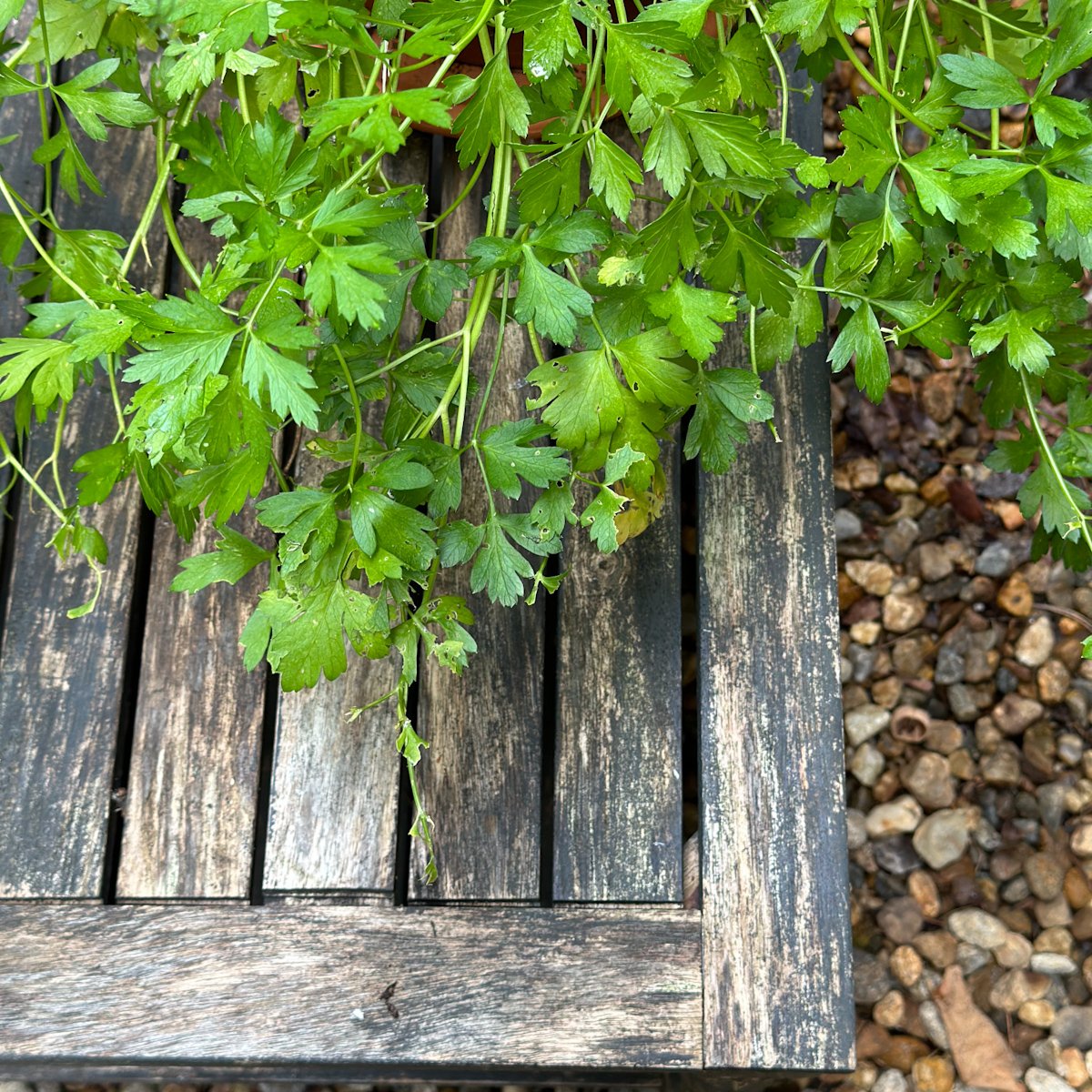
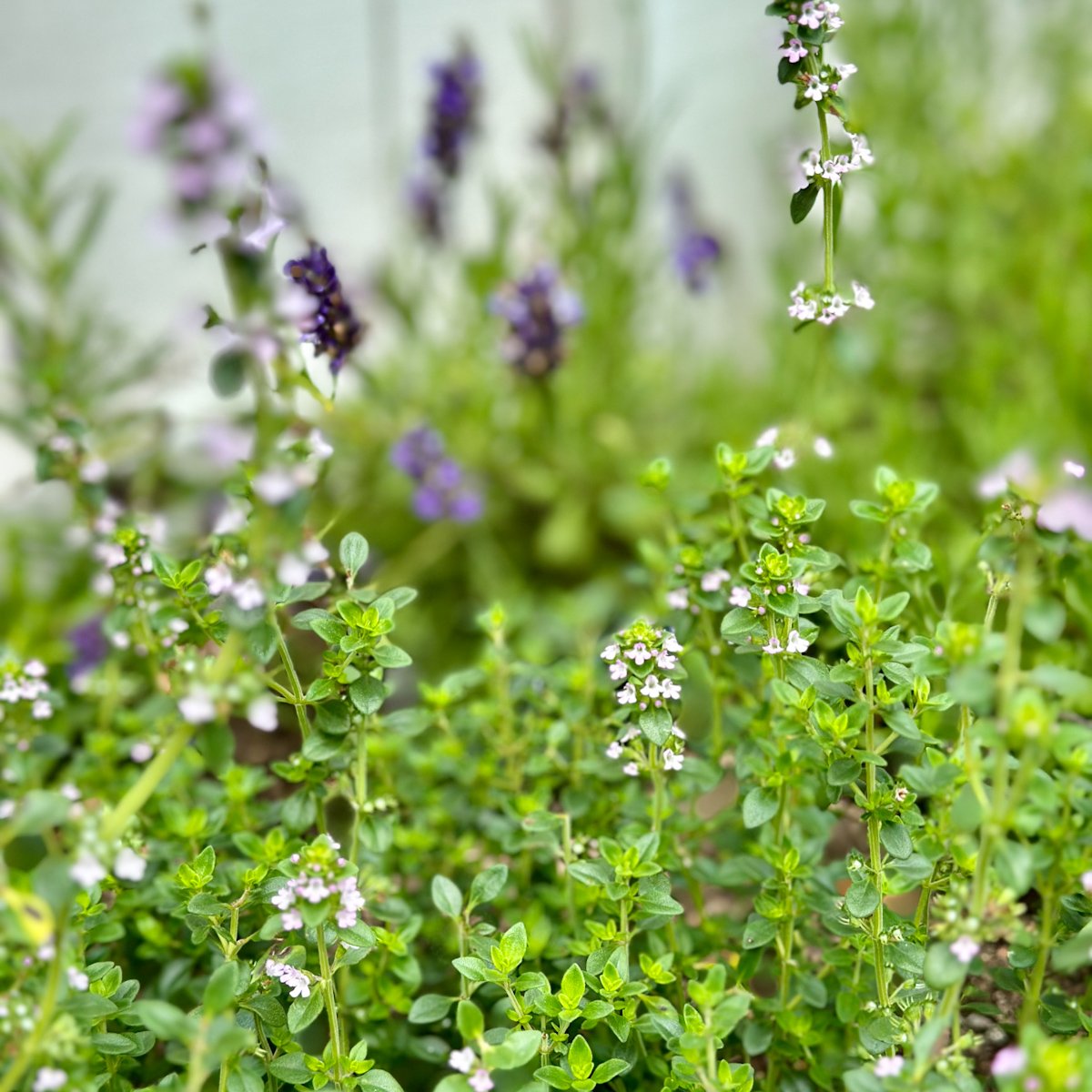
Mother's Day has become my personal rule for waking up the garden for a reason. That does not mean I spend all of April acting calm about it. I am absolutely outside peeking at the beds, lifting the winter layering to investigate, and checking for new growth far more often than necessary.
It is not about following a calendar perfectly, it is about giving my herbs the best chance to start strong after a long New England winter.
Of course, every yard is a little different. Some spots warm up faster, some stay colder longer, and every garden has its own quirks. A sunny backyard may move ahead sooner than a windy exposed bed just a few streets away.
That is why I always recommend watching the forecast, paying attention to overnight lows, and trusting what you learn from your own space each spring. Experience counts for a lot in the garden.
If there is one lesson I keep coming back to, it is this: a slower start often creates a stronger spring herb garden. Patience may not be the most exciting spring strategy, but it is often the one that pays off best.
Happy spring gardening, friends!