
How to Save a Peace Lily From Dying

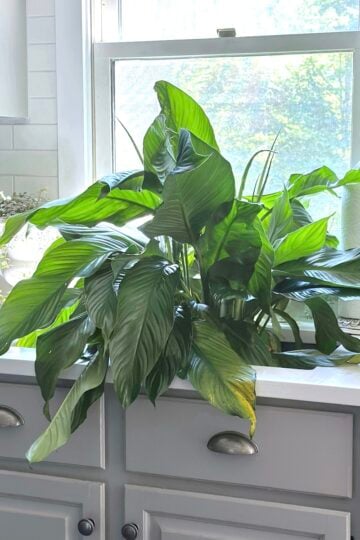
To save a peace lily from dying, first identify the cause of stress. Drooping leaves often signal a watering issue, while yellow or mushy leaves may indicate root problems. Peace lilies prefer bright, indirect light, evenly moist soil, and good drainage. During cooler months, growth slows and watering needs decrease. Avoid fertilizer while plants are stressed and focus on correcting light, water, and root conditions. With proper adjustments, most peace lilies recover quickly and produce healthy new growth.

Content may contain affiliate links. When you shop the links, we receive a small commission at no cost to you. Thanks for supporting my small business.
Oh no, your peace lily isn't feeling well?
If you're here because your plant suddenly looks droopy, yellow, or downright dramatic, take a breath. Peace lilies have a talent for looking far worse than they actually are, and most of the time, they aren't dying. They're just trying to tell you something.
I've grown peace lilies for years, and what I've learned is this: the fix usually isn't complicated, and it's rarely whatever quick trick is trending online. Saving a struggling peace lily starts with slowing down, figuring out what's actually going on, and making a few small adjustments. You're in the right place to do exactly that.
Jump to:
- Popular questions about saving a peace lily
- A quick check-in: What peace lilies need to thrive
- Common reasons a peace lily looks like it's dying
- Check the roots first (root rot vs healthy roots)
- Watering adjustments that actually help
- Light, location, and environment matter more than you think
- Fertilizer, pests, and other fixes people try too soon
- How to tell if your peace lily is recovering
- Plant care tips you might find helpful
Popular questions about saving a peace lily
Start by identifying the cause of stress rather than jumping to a quick fix. Most peace lilies struggle due to watering issues, low light, or root problems, not because they are actually dying. Once the underlying issue is corrected and the plant is placed in bright, indirect light, recovery is usually straightforward.
No, sugar water does not help peace lilies and can disrupt the soil environment. Plants make their own energy through photosynthesis, so adding sugar does nothing to improve health. Focusing on proper light, water, and drainage is far more effective.
Yes, but nursing a peace lily back to health means creating stable conditions and then giving it time. Constant repotting, fertilizing, or moving the plant often adds stress instead of helping. Peace lilies respond best when adjustments are made and then left alone to recover.
Yes, removing brown or damaged leaves is fine and can improve the plant's appearance. Use clean scissors and cut the leaf stem close to the base. Just keep in mind that trimming leaves doesn't fix the underlying issue if new damage continues.

A quick check-in: What peace lilies need to thrive
Before we jump into diagnosing problems, it helps to take a quick step back and look at what peace lilies actually need day to day. When those basics are in place, these plants are surprisingly resilient.
In general, peace lilies prefer:
- Bright, indirect light rather than direct sun
- Evenly moist soil that drains well, not soggy or bone dry
- A pot with drainage holes so excess water can escape
- Moderate humidity, especially in drier homes
- A stable environment, away from extreme heat or cold
When one or more of these needs isn't being met, peace lilies let you know quickly, usually through drooping, yellowing, or browning leaves. The good news is that once the basics are corrected, they tend to bounce back well.
If you're looking for a deeper dive into everyday peace lily care, I've written more about how I care for spathiphyllum plants over time. For now, this quick check-in helps us narrow down what might be causing trouble.
Common reasons a peace lily looks like it's dying
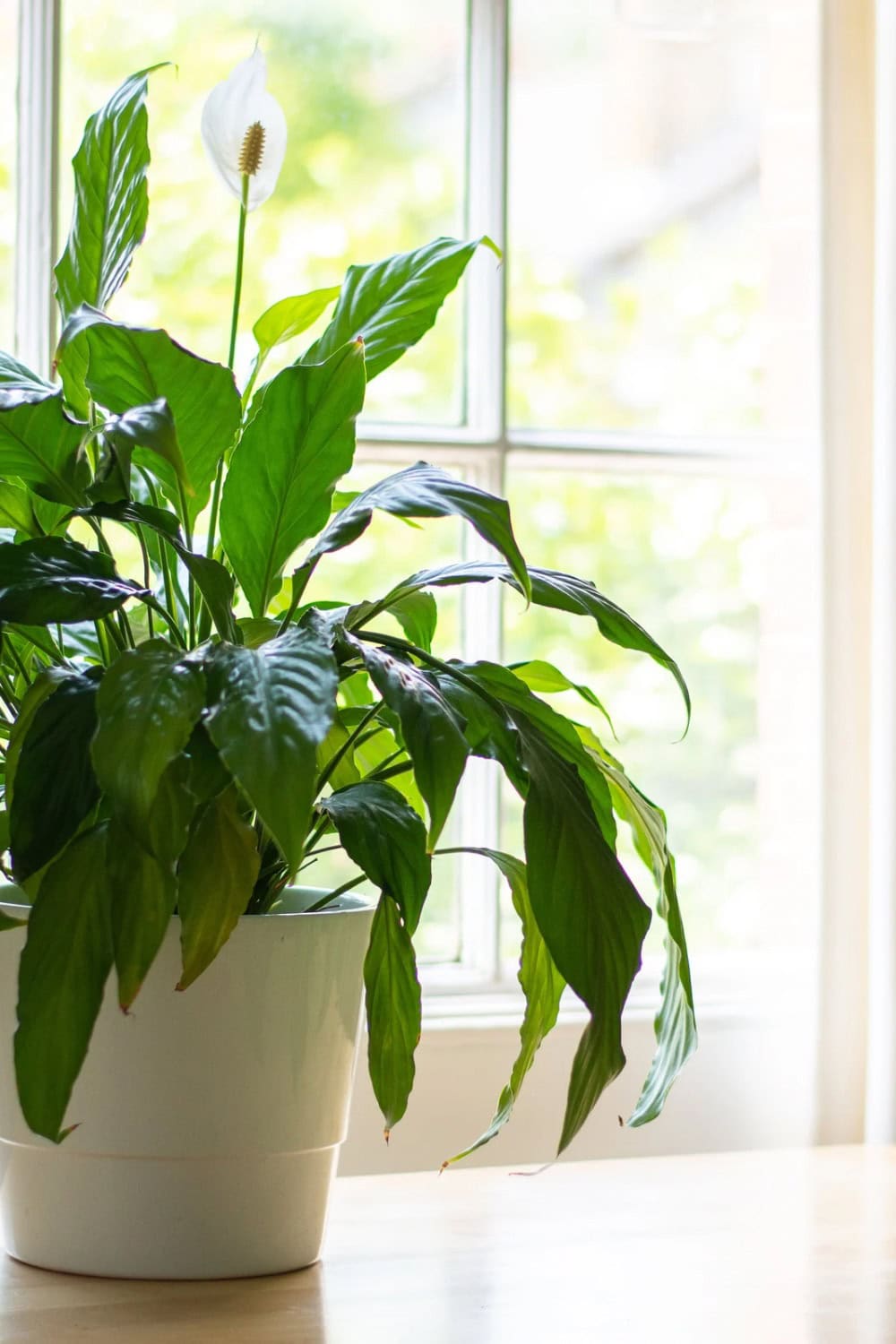
In my experience, when a peace lily starts to look rough, it's usually reacting to something very specific in its environment. These plants don't hide their feelings, and when something's off, they show it quickly.
Here are the issues I see most often with peace lilies in real homes:
- Too much or too little water: Peace lilies are famous for drooping when they're dry, but they also struggle when they're kept too wet. I've found that both problems can look similar at first glance, which is why it's important to check the soil before assuming which one you're dealing with.
- Lack of drainage: Many peace lilies come in decorative pots without drainage holes. Even careful watering can turn into a problem if excess water has nowhere to go and sits at the bottom of the pot.
- Not enough light, or the wrong kind of light: While peace lilies tolerate lower light, very dim rooms slow them down noticeably. On the other hand, direct sun can scorch their big leaves. Most of mine do best in bright, indirect light.
- Seasonal changes: During cooler months, growth slows and water use drops. I often see peace lilies look "off" in winter simply because they're not actively growing, not because anything is seriously wrong.
- Water quality or dry air: Brown tips and tired-looking leaves can show up when plants are sensitive to tap water or when indoor air is especially dry, even if everything else seems fine.
Once you pinpoint which of these is most likely affecting your plant, the path forward becomes much clearer. Peace lilies are resilient, and small adjustments usually go a long way.
Check the roots first (root rot vs healthy roots)
If a peace lily looks like it's really struggling, the first thing I check is the roots. You don't need to do this every time a leaf droops, but if watering adjustments aren't helping, this step tells you a lot very quickly.
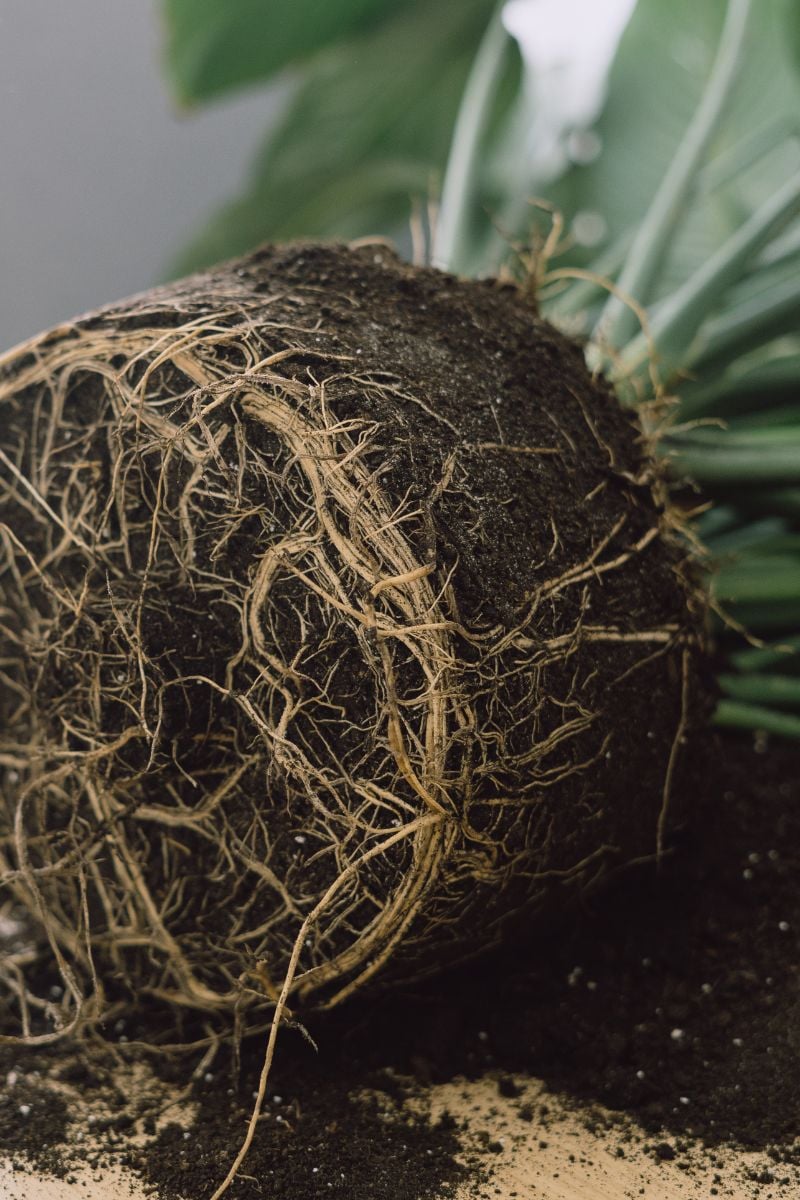
Gently slide the plant out of its current pot and take a look at the root ball. Healthy roots should be firm and light in color, usually white or pale tan. They should feel solid, not slimy, and shouldn't have a strong odor.
If you notice dark, mushy, or foul-smelling roots, root rot is likely the issue. This often happens when excess water sits at the bottom of the pot, especially in containers without proper drainage holes. In that case, trim away any damaged roots using clean scissors or pruners, keeping only the healthy, firm roots.
After trimming, repot the plant using fresh potting mix and a pot that has drainage holes. I don't automatically size up unless the plant truly needs it. In many cases, returning the peace lily to a similar-sized pot with better drainage is enough. What matters most is that excess water can escape and roots aren't sitting in soggy soil at the bottom of the pot.
Once the roots are healthy and the drainage issue is corrected, peace lilies usually begin to stabilize fairly quickly. From there, it's about adjusting watering and light, not adding more fixes.
Watering adjustments that actually help
When it comes to peace lilies, watering is almost always the turning point. Over the years, I've learned that these plants do best when you watch them closely instead of following a strict watering schedule.
Before watering, I check the top inch of the soil. If it still feels moist, I wait. If it's dry, I water thoroughly and let the excess drain completely from the bottom of the pot. Peace lilies like evenly moist soil, but they don't tolerate sitting in water, especially during cooler months when growth slows.
I also avoid watering on a set schedule. Light levels, temperature, and time of year all affect how quickly a peace lily uses water, so sticking to a calendar often leads to overwatering. Letting the plant and the soil guide you is far more reliable.
If leaf tips continue to brown even when watering seems right, water quality can sometimes be a factor. In my home, using filtered or distilled water has made a noticeable difference for sensitive plants. For added humidity, especially in winter, I'll sometimes place the pot on a tray of pebbles with a shallow layer of water, but only as a supplement, not a solution.
Once watering is adjusted correctly, peace lilies usually respond quickly. Improved posture is often the first sign you're on the right track.

Light, location, and environment matter more than you think
In my experience, light is often the quiet culprit behind a struggling peace lily. These plants are often labeled as "low light," which is true to a point, but very low light can cause them to stall, droop, or look generally unhappy.
Most peace lilies do best in bright, indirect light. I've had the most consistent results placing them near an east-facing window or a few feet back from a brighter window where the light is filtered. Direct sunlight can scorch their leaves, but too little light makes recovery slow, even if everything else is right.
Location matters too. I try to keep peace lilies away from heat vents, cold drafts, or spots where temperatures swing a lot. They're tropical plants, and they prefer a fairly stable environment. During winter especially, moving a plant just a little closer to light can make more difference than changing anything else.
Humidity can help, but it doesn't need to be complicated. Normal household humidity is often enough, and small adjustments, like grouping plants together or using a pebble tray, usually do more than constant misting.
When light and location are dialed in, peace lilies tend to settle quickly. Even before new leaves appear, the plant often looks more upright and relaxed, which is a good sign you're on the right track.
Fertilizer, pests, and other fixes people try too soon
When a peace lily looks unhappy, it's tempting to reach for the indoor plant fertilizer or start trying multiple fixes at once. In my experience, that usually makes things more confusing, not better. Fertilizer isn't the first step when a plant is stressed, especially during winter or other low-growth periods.
Peace lilies aren't heavy feeders when they're struggling. If growth has slowed due to light or watering issues, adding fertilizer won't help and can sometimes add stress instead. I save feeding for the growing season, once the plant is clearly producing new leaves and showing steady improvement.
Pests are another thing people worry about right away, but true infestations are less common than you might think. Spider mites can show up, especially in dry indoor air, so it's worth checking the undersides of leaves for fine webbing or speckling. If needed, a gentle approach like insecticidal soap or neem oil is usually enough.
More often than not, peace lilies improve once their basic needs are met. Correcting light, watering, and environment does far more than piling on treatments, especially during winter when plants are naturally taking a slower pace.

How to tell if your peace lily is recovering
Recovery with a peace lily is usually gradual, not dramatic. Once conditions improve, the first signs tend to be subtle, but they're still meaningful.
Some positive signs to look for include:
- Leaves holding themselves more upright instead of collapsing
- New leaves beginning to emerge from the center of the plant
- Existing leaves maintaining a healthy green color
- Roots that feel firm and healthy when checked, not soft or mushy
It's normal for recovery to take time, especially during cooler months or lower-light seasons. You may not see immediate growth, but improved posture and stability are often signs that the plant is heading in the right direction.
When a peace lily is given consistent care and a little patience, it usually rewards you with new growth once conditions are right. That slow comeback is exactly what you want to see.


If your peace lily looks like it's struggling, try not to panic. Most issues are fixable, and the best results come from slowing down and taking a strategic approach. Work through one factor at a time, light, water, roots, and environment, and make small adjustments instead of changing everything at once.
Peace lilies are resilient plants, and with a little patience and observation, they usually bounce back. When you focus on understanding what the plant is telling you rather than rushing to fix it, you give it the best chance to recover and thrive again.
Happy plant parenting!