Why I Stopped Watering on a Schedule and My Plants Thanked Me

Your plants are trying to tell you something. Are you listening?
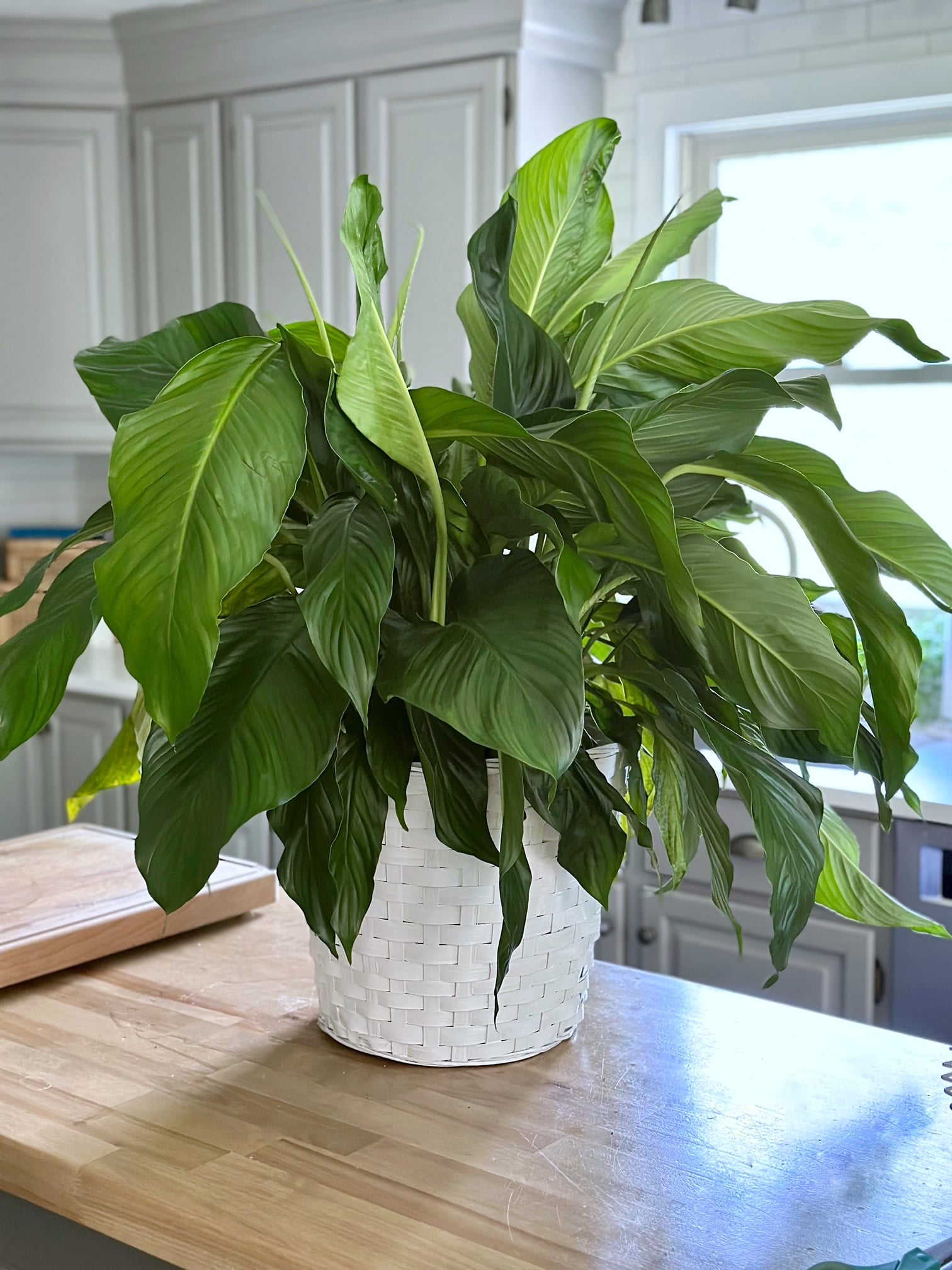
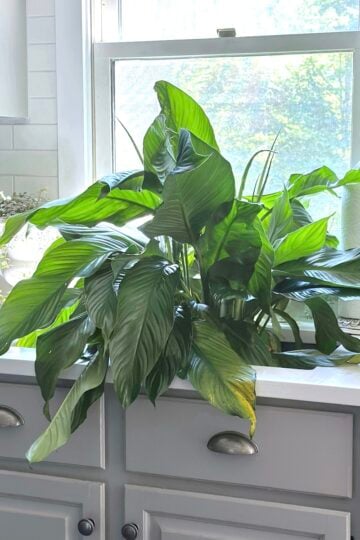
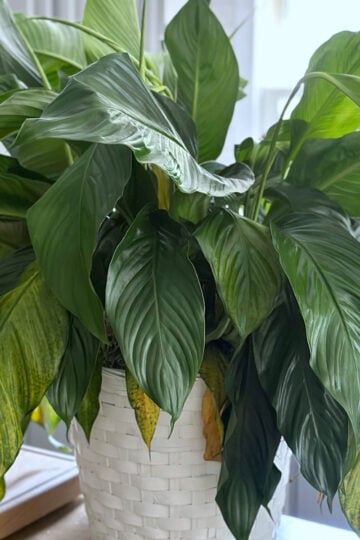
This tip came to mind just the other day when I handed off a large peace lily to my son. Like many new plant owners, he was excited but a little nervous. The first thing we talked about was watering.
Watering is where most people go wrong.
You don't need a strict schedule. You don't need to stick your finger in the soil. And you definitely don't need a fancy moisture meter.
After years of caring for dozens of houseplants (and losing a few along the way), I've learned to let my plants tell me when they need water. The signs are clear if you know what to look for. Once you learn to listen, your plants will thrive.
This one tip changed everything for me. It might just save your plants, too.

Jump to:
The Problem with Scheduled Watering
People love routines. We like to meal prep on Sundays, do laundry on Thursdays, and water our plants every Wednesday like clockwork. The only problem? Plants don't care about our calendars.
Overwatering is the most common reason houseplants fail to thrive. The issue? A calendar doesn't take into account what your plant actually needs on any given day. It doesn't know if it's been extra humid, if your plant is getting more sun than usual, or if the soil is still damp from the last soak.
Most houseplants don't follow a rigid timeline. Some dry out quickly. Others take their sweet time. Sticking to a once-a-week plan might sound responsible, but it can do more harm than good.
Instead of focusing on the calendar, it's better to focus on cues from the plant itself. Leaf texture, color, and posture are all reliable signs that your plant is ready for a drink - or that it needs to dry out a little longer.

Let the Leaves Talk
Your plants have a way of letting you know when something's off. No need for apps or soil probes-just look at the leaves.
A happy plant stands tall, leaves perked and proud. But when it needs water? The whole vibe changes. The leaves start to droop like they've lost their motivation. The stems go soft. The posture slouches. It's giving tired. Not dead, just... dramatically wilting in protest.
It's like your plant is trying to say, "Hello? A little hydration over here, please."
Different plants signal in different ways - some curl inward, others lean. But in general, if your plant looks like it just gave up on life (and maybe on you), that's your cue to act.
Water it well, let it drain, and in a few hours, you'll probably see a total glow-up. It's plant magic. And once you start noticing these signs, you won't need to second-guess when it's time to water.
When to Watch, When to Water on Schedule
Not every plant is a chatterbox. Some are drama queens that faint if you look at them wrong, while others give you zero clues until it's too late. So let's break it down.
Plants That Will Speak Up
These plants wear their emotions on their leaves. If they're thirsty, you'll know:
- Pothos: Leaves droop dramatically, then bounce back after a drink.
- Philodendron: Similar to pothos, a little wilt goes a long way.
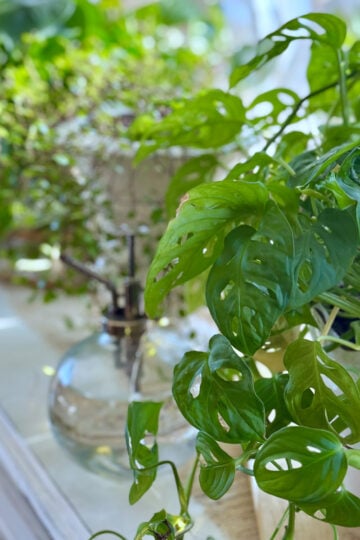
- Monstera: The leaves will start to tilt and lose their usual firmness.
- Spathiphyllum (Peace Lily): Practically the poster child for thirst. It wilts visibly but recovers beautifully.
- Spider Plant: The leaves get a little floppy and dull when dry.(more spider plant care tips!)
- Ivy: Tends to sag and look tired when it needs a soak.
- Prayer Plant (Maranta): Its leaves will stay closed longer and look less vibrant.
- Chinese Evergreen (Aglaonema): Droops when dry but responds well to watering.
- Calathea: Slight droop or curl at the edges tells you it's thirsty.
- Fiddle Leaf Fig: Gets a little limp in the leaves when it wants water, but be careful not to overdo it.
These are great for letting you know when it's time to water, as long as you're paying attention to their posture and leaf texture.

Plants That Should Stay on a Schedule
Some plants either don't show signs until it's too late, or they just don't show at all. These are the quiet types, and they prefer structure:
- Succulents: Won't show much change when thirsty, and by the time they do, root damage could already be happening.
- ZZ Plant: Same as snake plant. Tough and tolerant, but subtle in its thirst signals.
- Cactus: Ignore all emotion. These are desert dwellers and like long dry spells.
- Snake Plant: Stoic and low-maintenance. Its thick leaves hold water, so you won't see it complain. Too much love is actually the bigger risk here.
- Maidenhair Fern: Stunning, but high-maintenance. By the time it droops, it's already stressed. Stick to a regular watering rhythm. I like to bottom feed my Maiden Hair ferns.
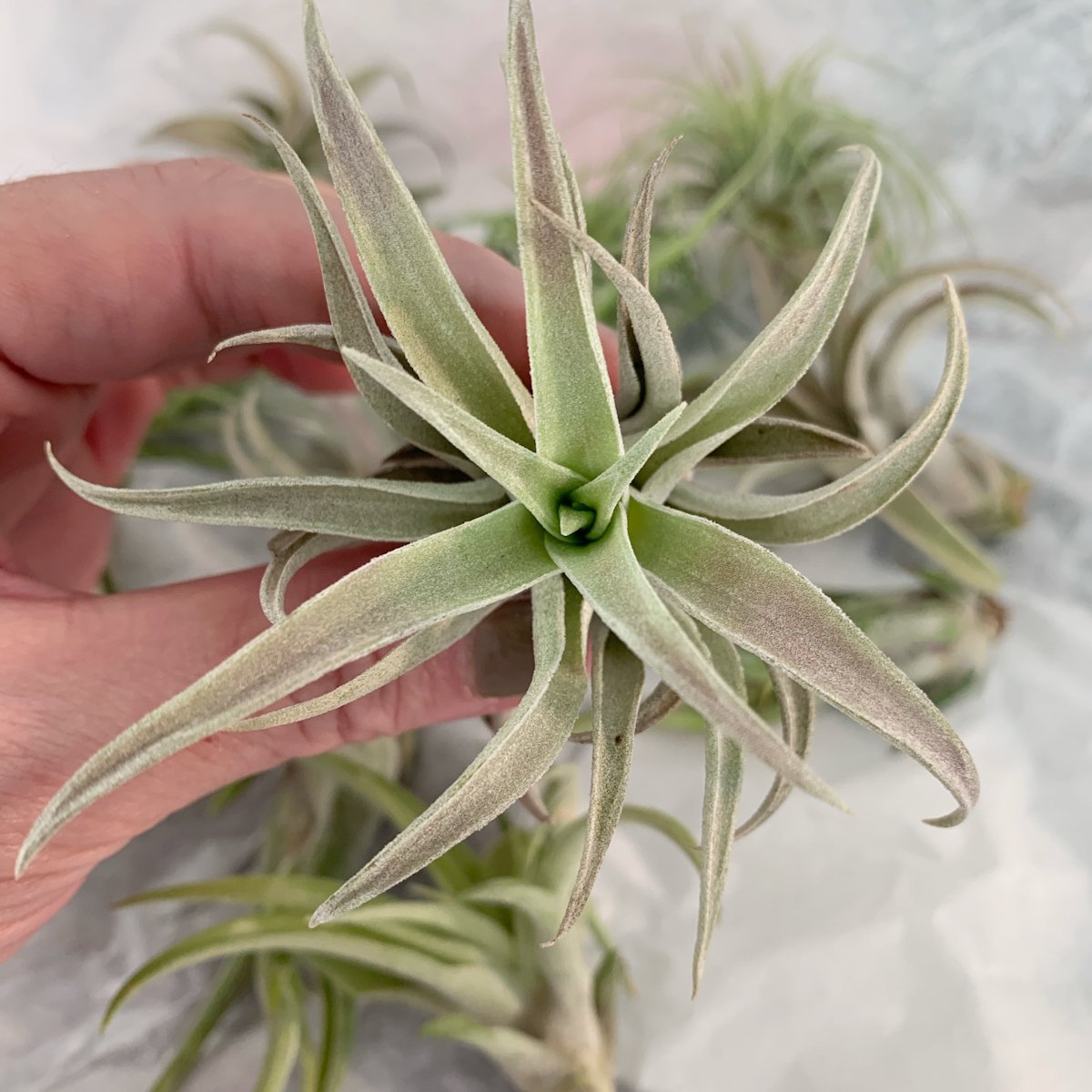
- Air Plants (Tillandsia): They don't "ask" for water until they're already stressed. By the time leaves curl or turn crispy, you've missed the sweet spot. A weekly soak plus a light midweek mist keeps them happiest. If you keep yours in a bathroom, make sure they still get bright, indirect light and enough airflow to dry fully after watering.
If your plant falls into the quiet crowd, it's best to research its needs and stick to a light schedule - especially if it's moisture-sensitive.

The Best Way to Water Your Plants? The Kitchen Sink
Forget the dainty pour from a watering can. Your plants want a deep drink - and they'll thrive if you give it to them.
Here's what I do: when it's time to water, I scoop up the plant and bring it right to the kitchen sink. I water it slowly, letting the moisture fully soak through the soil. Then I let it sit and drain completely before returning it to its home.
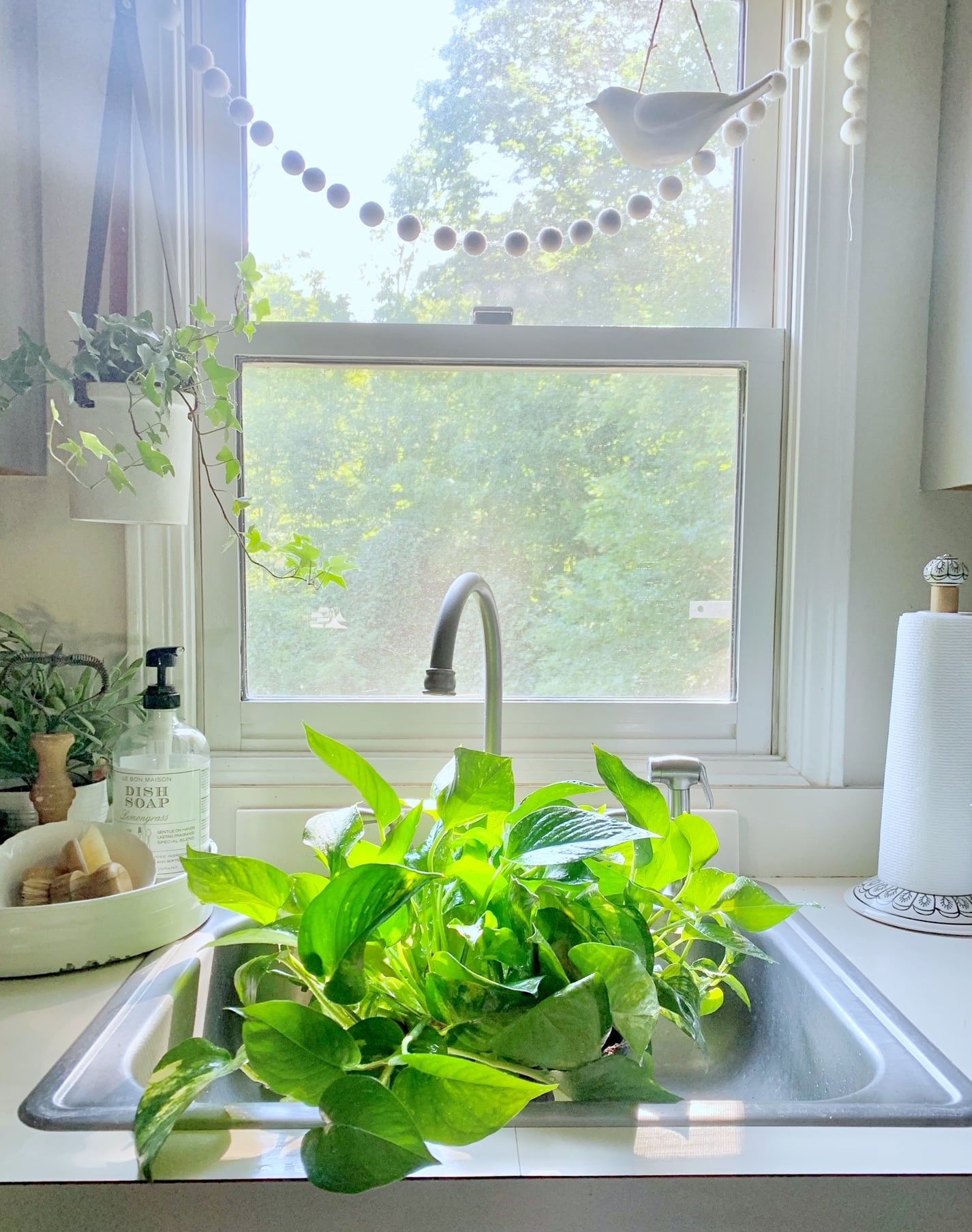
This helps prevent water from pooling at the bottom of the pot and keeps roots from sitting in soggy soil. No guessing. No drips on the furniture. No half-hearted surface waterings.
If you've got multiple plants to water, line them up along the counter or sink edge and make a little watering assembly line. It's quick, satisfying, and your plants will reward you with healthy growth.
Bonus: this is a great time to give leaves a gentle wipe or check for pests. Think of it as a mini spa moment for your greenery.


Watering doesn't have to be complicated. Your plants are already telling you what they need - you just have to learn their language. Pay attention to their posture, skip the strict schedule, and when in doubt, let the sink do the heavy lifting.
Happy plant parenting!




So many great tips Stephanie, thanks👏🏻👏🏻
Thank you Ann!