Plants With Purple and Green Leaves That Thrive Indoors

Plants with purple and green leaves include popular indoor varieties like Tradescantia, purple waffle plant, African violets, calatheas, and oxalis. Some show bold purple on top, while others hide rich violet tones on the undersides of their leaves. With the right light and basic care, these colorful houseplants thrive indoors and add dramatic contrast to shelves, windows, and tabletops.
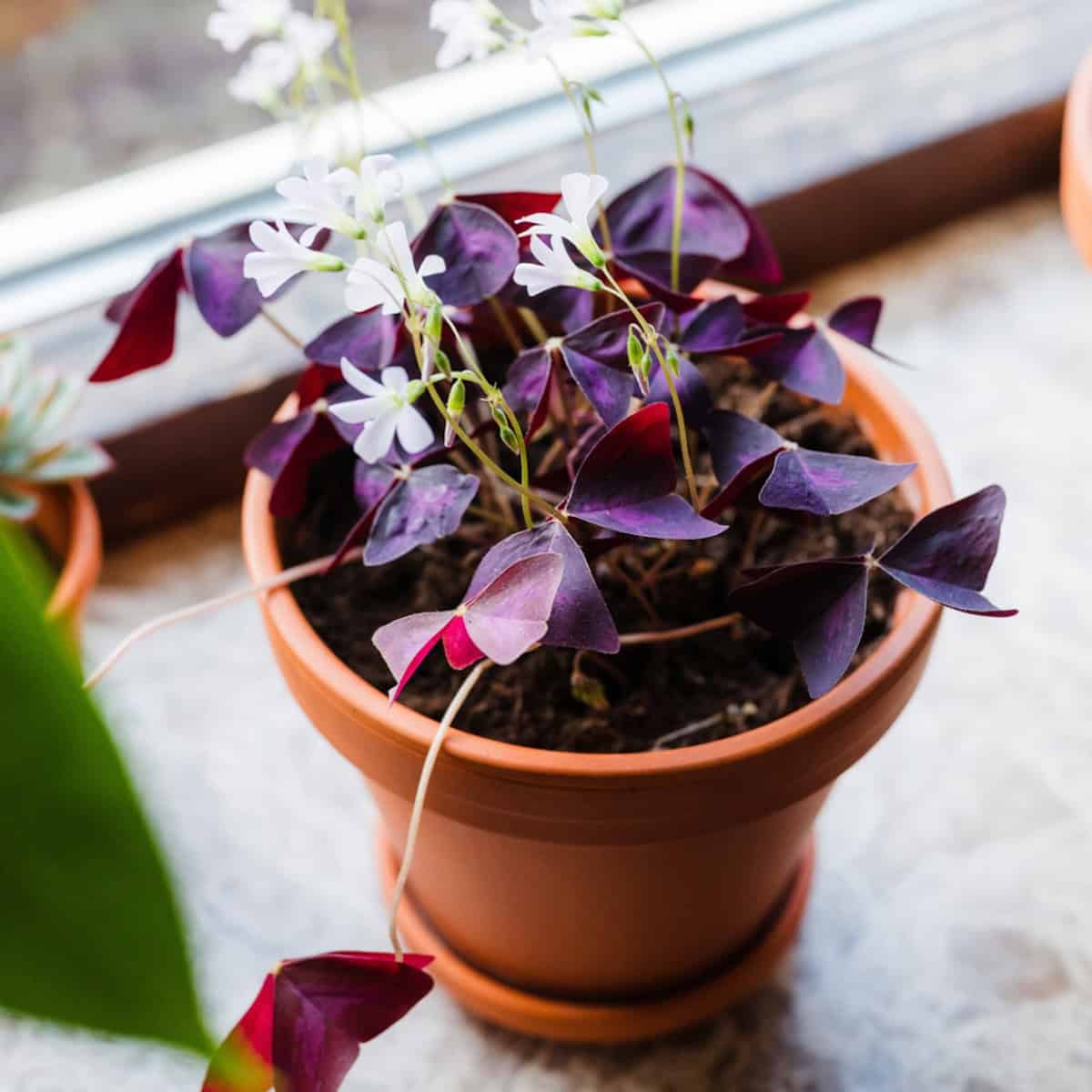
Beautiful purple Oxalis flowering in a pot.
As a kid, purple was my favorite color in a very serious way. I often showed up dressed head to toe in purple socks, purple pants, a purple shirt, and a purple jacket all at the same time. Clearly, my love for purple runs deep, and when it comes to plants, it is no different.
I am completely drawn to plants with purple and green leaves and that rich contrast that feels a little magical inside a home. If you love variegated plants the way I do, these purple and green beauties tend to stop you in your tracks. In this post, we are talking about indoor plants that actually thrive with these colors, plus a few that surprise you with purple hiding on the underside of their leaves. Whether you are plant shopping, trying to identify something you already own, or just love a good color story, you are in the right place.
Jump to:
- Quick answers about purple and green houseplants
- Why some indoor plants turn purple
- Purple air plants and succulents are a little different
- Indoor plants with purple on the underside of the leaves
- Intuitive care for purple and green houseplants
- Individual indoor plant spotlights
- Where purple and green plants shine indoors
- Common problems with purple leaf plants
- Where to find these plants locally and online
- More indoor plant care topics to explore
Quick answers about purple and green houseplants
The best indoor plants with purple and green leaves include tradescantia, oxalis, purple waffle plant, African violet, calatheas, and Persian shield. These popular houseplants thrive indoors when given bright indirect light and consistent care.
There are several indoor plant has purple on the underside of the leaves! Calathea varieties, tradescantia, purple waffle plant, and African violets are all known for having rich purple coloring on the backs of their leaves while staying green on top. These plants add beautiful contrast and color to any indoor space.
Yes! Most purple and green houseplants do best in bright indirect light to keep their color rich and vibrant. Too much direct sun can fade or scorch the leaves, while low light can cause the purple tones to dull.
Why some indoor plants turn purple
Purple coloring in houseplants is not random or decorative by accident. It is the result of natural plant pigments and how the plant responds to light and its environment.
Natural pigmentation
Some plants are genetically programmed to produce purple tones in their leaves. These colors come from pigments that are already built into the plant's structure, just like green comes from chlorophyll. In these plants, purple is part of their natural beauty and not necessarily always a sign of stress.
Light response
Light plays a big role in how intense those purple tones appear. Many purple and green plants will deepen in color when they receive bright indirect light. In lower light, the purple can fade and the leaves may look more green. Too much direct sun, however, can cause fading or even scorch the leaves.
Anthocyanins explained simply
The purple color you see in leaves comes from a group of pigments called anthocyanins. These same pigments are responsible for the color in foods like blueberries, red cabbage, and purple basil. In plants, anthocyanins act like a natural sunscreen. They protect the leaves from excess light and help the plant adapt to its environment, which is why light levels can change how purple a plant appears.
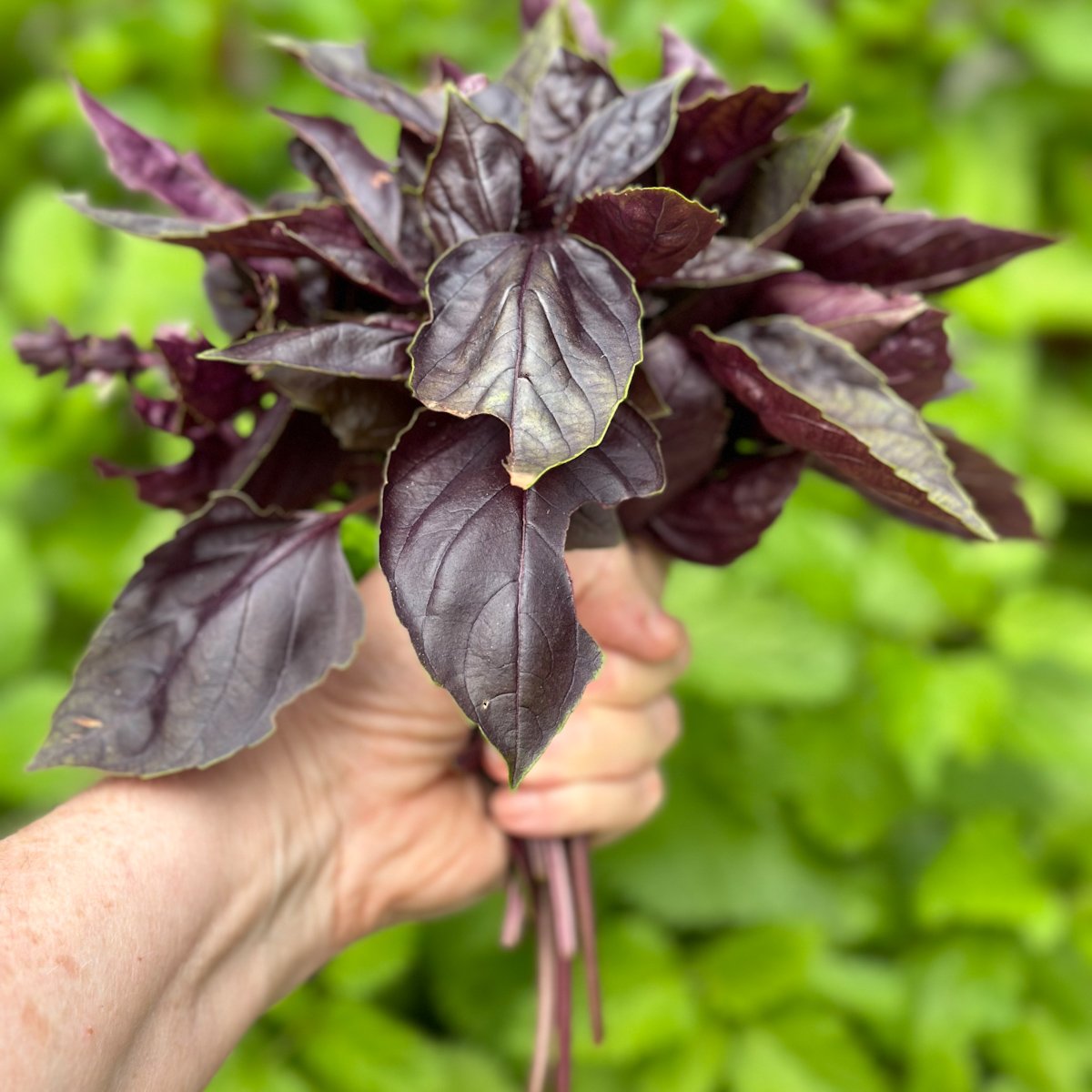
Purple basil gets its deep color from anthocyanins, the same natural pigments that give many purple houseplants their rich tones and help protect the leaves from light and environmental stress.
Purple air plants and succulents are a little different
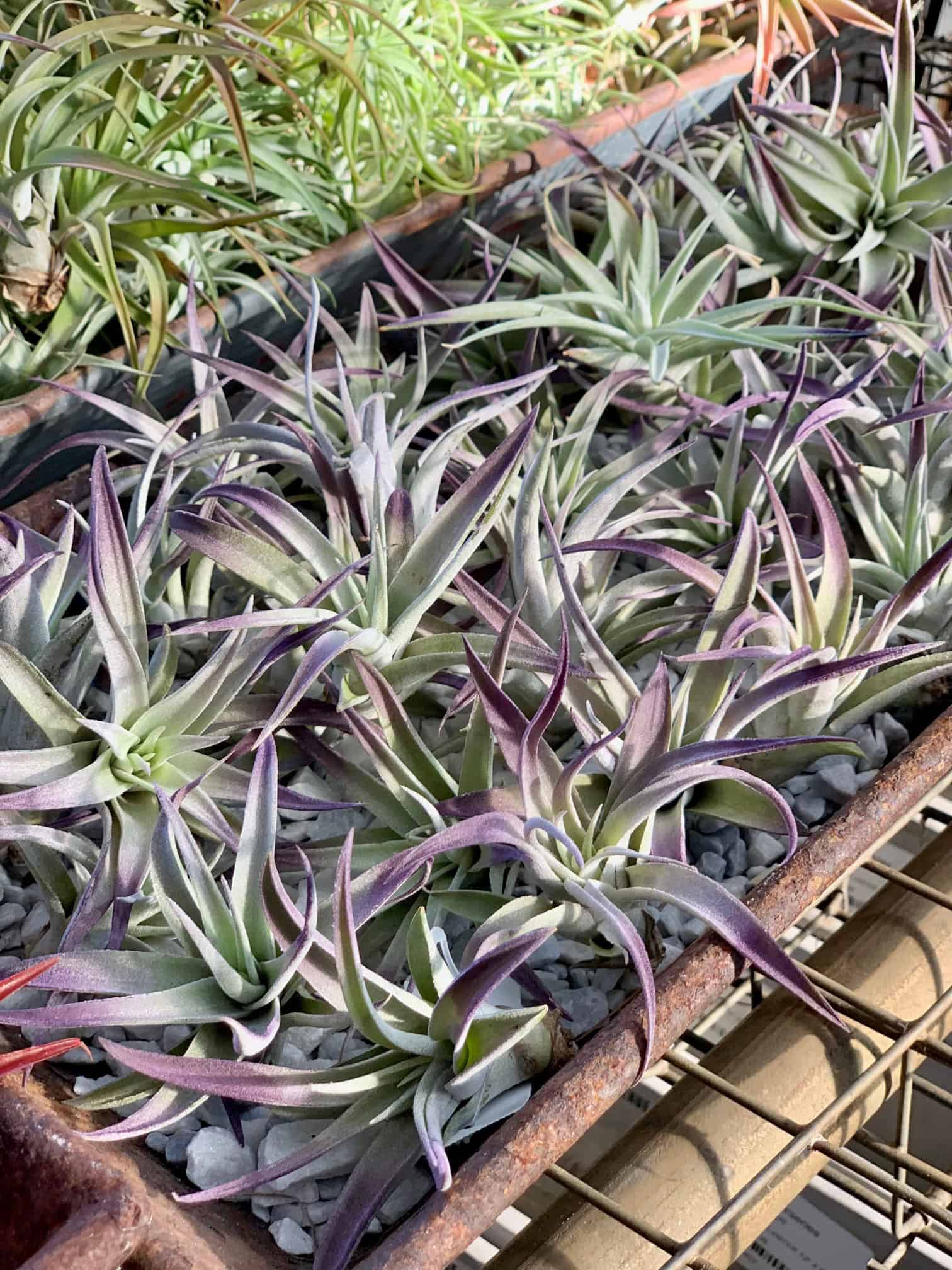
The striking purple color you sometimes see on air plants and succulents is usually not permanent. In most cases, it is a natural stress response, not a fixed leaf color. Both air plants and succulents produce a pigment called anthocyanin, which acts like a natural sunscreen that protects the plant from intense light, temperature swings, and seasonal changes.
With air plants, especially certain Tillandsia varieties, purple tones often appear during blooming, after strong sun exposure, or when the plant is adapting to a new environment. The color can fade back to green once conditions stabilize. This is why purple air plants can look dramatically different from one month to the next.
Succulents behave the same way. Many green succulents will blush purple, red, or burgundy when exposed to brighter light or cooler temperatures. Popular genera like Echeveria, Kalanchoe, Sedum, and Crassula all shift color in response to their environment. In lower light, they often return to solid green.
This type of purple coloring is usually a sign of adaptation, not distress. It becomes a concern only if the color turns dull, brown, mushy, or is paired with soft or collapsing leaves. Bright, clear purple tones generally indicate a healthy response to light.
Indoor plants with purple on the underside of the leaves
Plants with purple undersides bring a subtle, unexpected pop of color into a room. From above they may look like classic green houseplants, but when the leaves move with light or air, that rich purple underside steals the show. This coloring is often tied to how the plant processes light and protects its leaves, which is why placement matters more with these varieties.
Popular indoor plants with purple undersides include:
Calathea varieties
Many calatheas are known for deep burgundy or violet backs on their leaves. Standouts include Calathea Medallion and Calathea Rufibarba. These plants love humidity and soft, indirect light, which helps preserve both the green tops and purple undersides.
Tradescantia
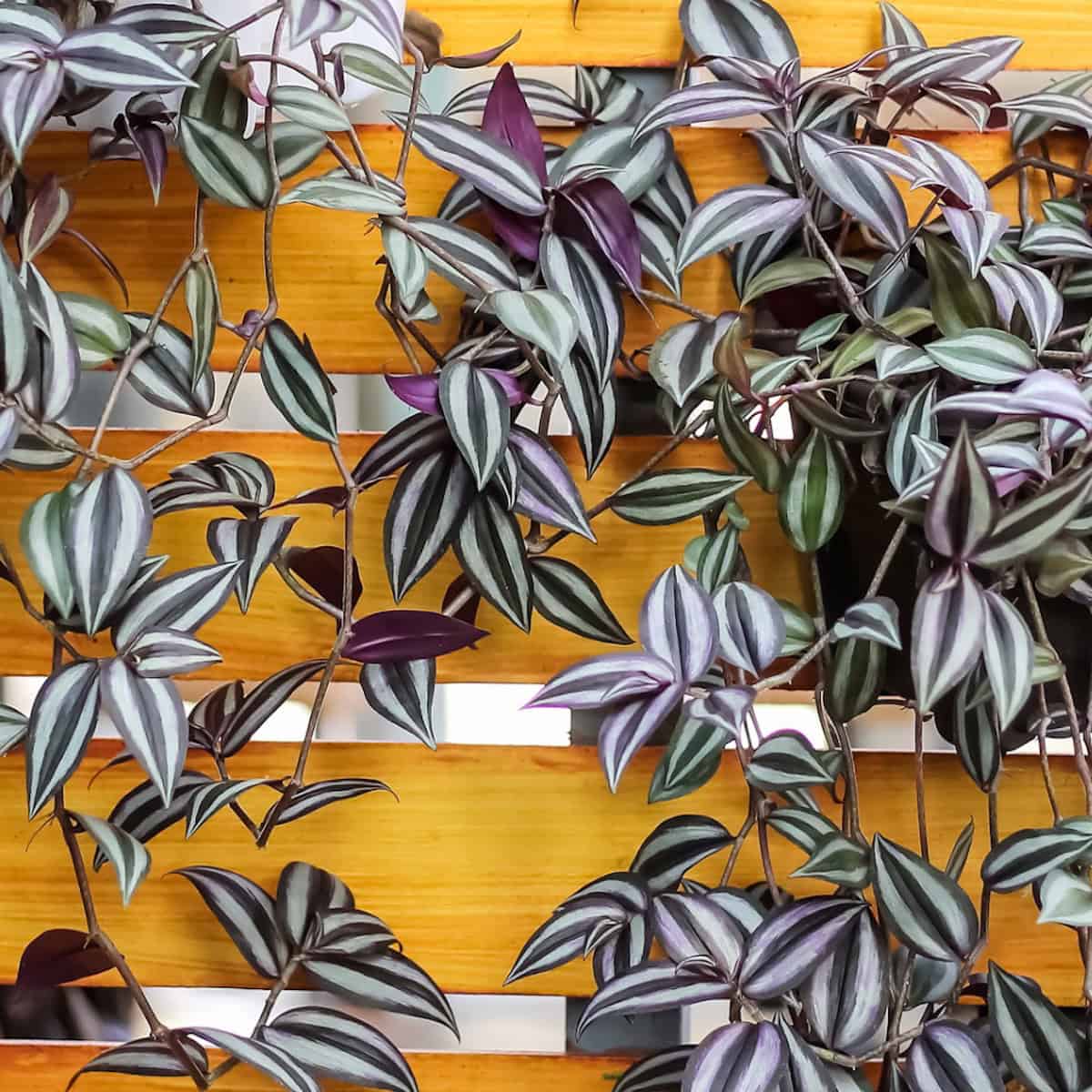
Tradescantia zebrina is one of the easiest plants to grow with a strong purple underside. Its trailing habit makes the color especially noticeable in hanging planters and on shelves where the leaves can cascade.
Purple waffle plant
Hemigraphis alternata has quilted green leaves on top and dramatic purple beneath. It stays compact and does well in medium to bright indirect light with steady moisture.
African violet
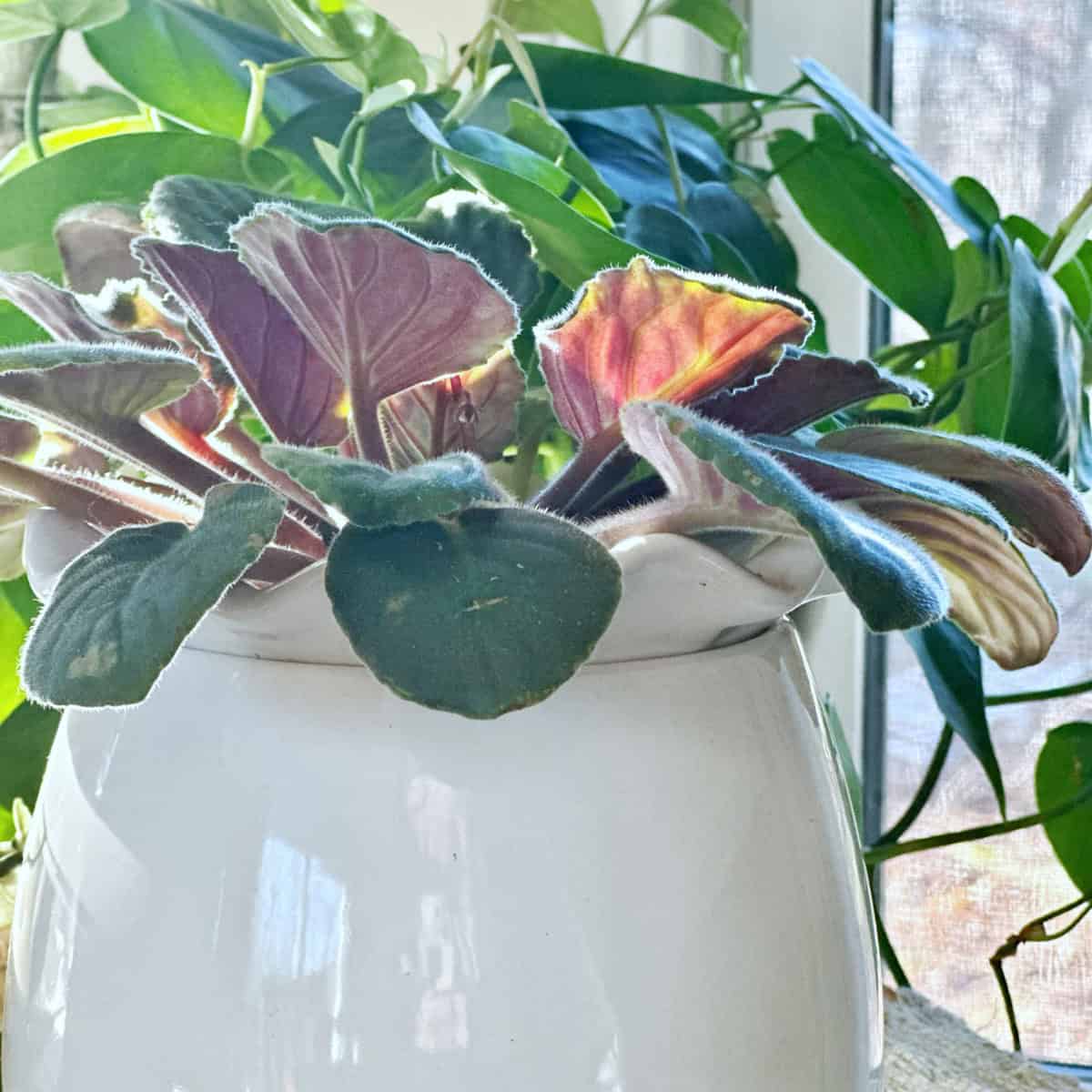
African violet often surprises people with its purple-toned leaf undersides. Even when not in bloom, the plant still carries that soft purple glow underneath the foliage, especially in bright rooms.
How purple undersides affect placement
Plants with purple undersides generally perform best in bright indirect light. Too little light can dull both the green and the purple, while direct sun can scorch the leaves. These plants are ideal for:
- Bathrooms with filtered window light
- East- or north-facing windows
- Shelves where leaves can tilt and reflect light
- Hanging planters where the undersides are naturally visible
If the purple fades significantly, it is often a sign the plant needs slightly brighter light rather than more water.
Intuitive care for purple and green houseplants
One of the things I love most about purple and green houseplants is how clearly they communicate. Their color is not just for show. It is one of the easiest ways to read what the plant needs. When you learn to watch the foliage instead of the calendar, plant care becomes far more intuitive and far less stressful.
Light and color signals
If the purple tones begin to fade and leaves look mostly green, the plant is usually asking for more light. It is trying to produce more chlorophyll to survive. If the leaves look washed out or scorched, the light is likely too strong. Deep, rich color usually means the light level is just right.
Water and leaf texture
Soft, droopy leaves often point to thirst. Limp stems with wet soil usually mean too much water. Purple and green plants tend to show stress through texture before they show it through color. Paying attention to how the leaves feel can tell you far more than a watering schedule ever will.
Humidity and edge damage
Crispy edges, curling leaves, or dull color often signal dry air rather than watering problems. Many of these plants come from humid environments and respond quickly when the air is too dry. A bathroom, kitchen, or room with a humidifier can make a visible difference.
Why I do not water on a schedule
Plants do not drink on a clock. Light changes, seasons change, and growth cycles shift constantly. Purple and green houseplants are especially good teachers because their color intensity, leaf posture, and growth speed all change when something is off. When you learn to read those signs, you stop guessing and start responding. That is the heart of intuitive houseplant care.
This is the same approach I use across all of my plant care. I let the plant tell me what it needs rather than forcing it into a routine that may not fit its environment that week.
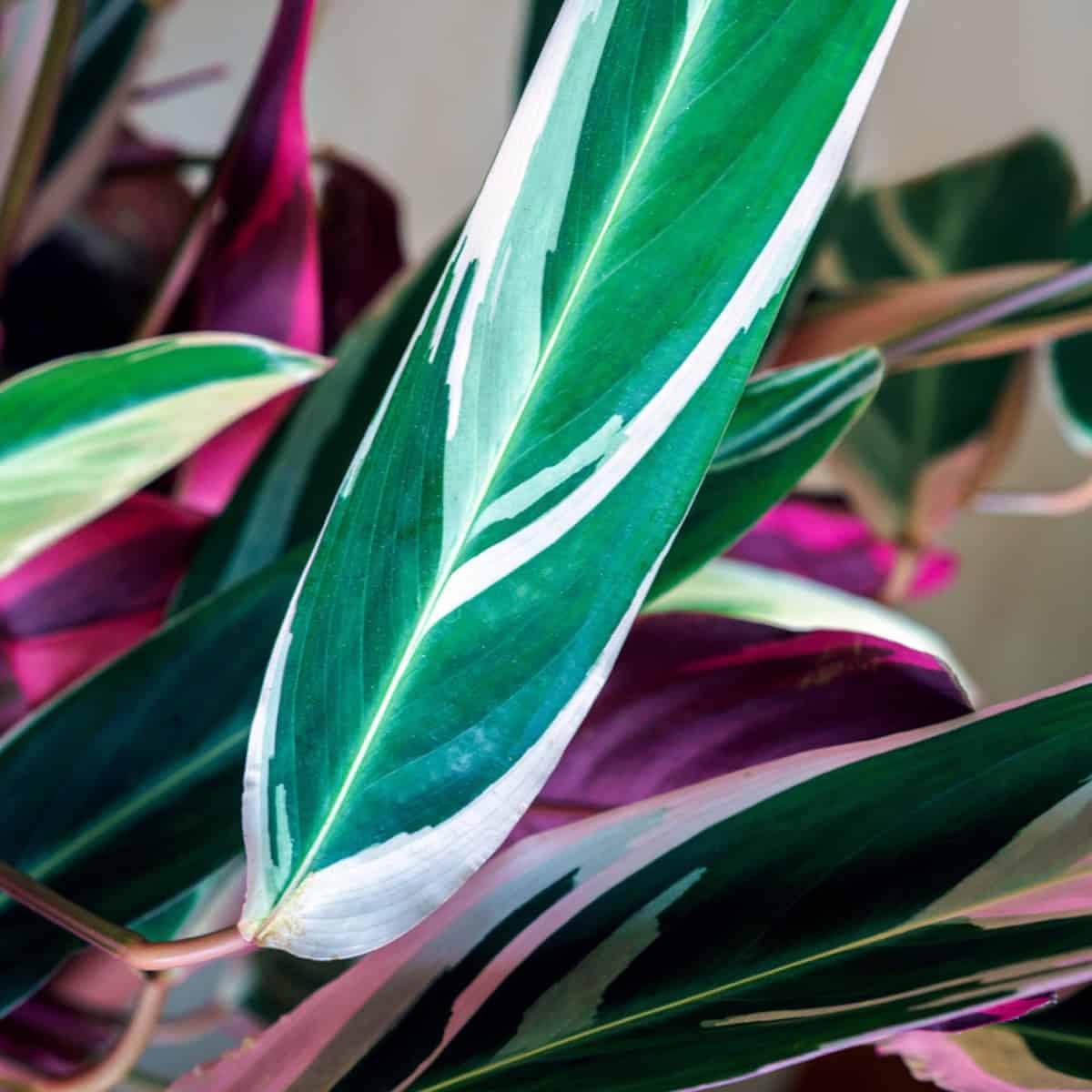
Stromanthe Triostar is a striking tropical houseplant with pink, cream, and green variegated leaves and deep burgundy/purple undersides that add bold color and movement to bright, indirect light spaces.
Did you know? Many indoor plants with purple and green leaves actually need more nutrients than solid-green houseplants. Those rich purple tones come from pigments that take extra energy to maintain, so regular feeding during the growing season helps keep colors vibrant and growth strong. Without fertilizer, purple leaves often fade to green, even when the plant otherwise looks healthy.
Individual indoor plant spotlights
Tradescantia (Inch Plant, Purple Heart, Wandering Dude)
Tradescantia is one of the easiest ways to bring bold purple and green into your home. It grows fast, trails beautifully, and forgives a missed watering here and there. This is a fantastic beginner plant and one that instantly adds color to shelves and windowsills.
Light: Bright indirect light for the strongest purple color
Water: Water when the top inch of soil feels dry
Growth habit: Trailing and fast growing
Why you will love it: Easy to propagate and very expressive when it needs light or water

African Violet
African violets quietly surprise people with the deep purple coloring on the undersides of their leaves. Even when they are not in bloom, the foliage alone is beautiful.
Light: Bright indirect light
Water: Bottom watering works best
Soil: Light, well-draining African violet or peat-based mix
Humidity: Enjoys moderate humidity
Why you will love it: Compact size, blooms indoors, inexpensive

Purple Waffle Plant (Hemigraphis alternata)
The purple waffle plant has one of the most dramatic contrasts of any houseplant, with bright green tops and rippled purple undersides. It thrives in humidity and immediately tells you when it is unhappy.
Light: Bright indirect light
Water: Keep soil lightly moist but not soggy
Humidity: High humidity preferred
Why you will love it: Deep color, textured leaves, and strong visual contrast

Oxalis (Purple Shamrock, Iron Cross)
Oxalis is instantly recognizable for its triangular leaves and striking purple tones. It opens and closes with the light, which makes it feel almost alive in a magical way. This one doubles as a conversation piece.
Light: Bright indirect light to some gentle direct sun
Water: Water when the soil surface dries
Dormancy: May occasionally die back and return
Why you will love it: Movement, color, and easy care

Calathea (Purple Undersides, Patterned Tops)
Many calatheas display rich purple undersides with beautifully patterned green tops. They are more sensitive than some of the others on this list, but their foliage is unmatched.
Light: Medium to bright indirect light
Water: Even moisture with good drainage
Humidity: High humidity is essential
Why you will love it: Dramatic foliage and strong purple contrast on the backs of the leaves

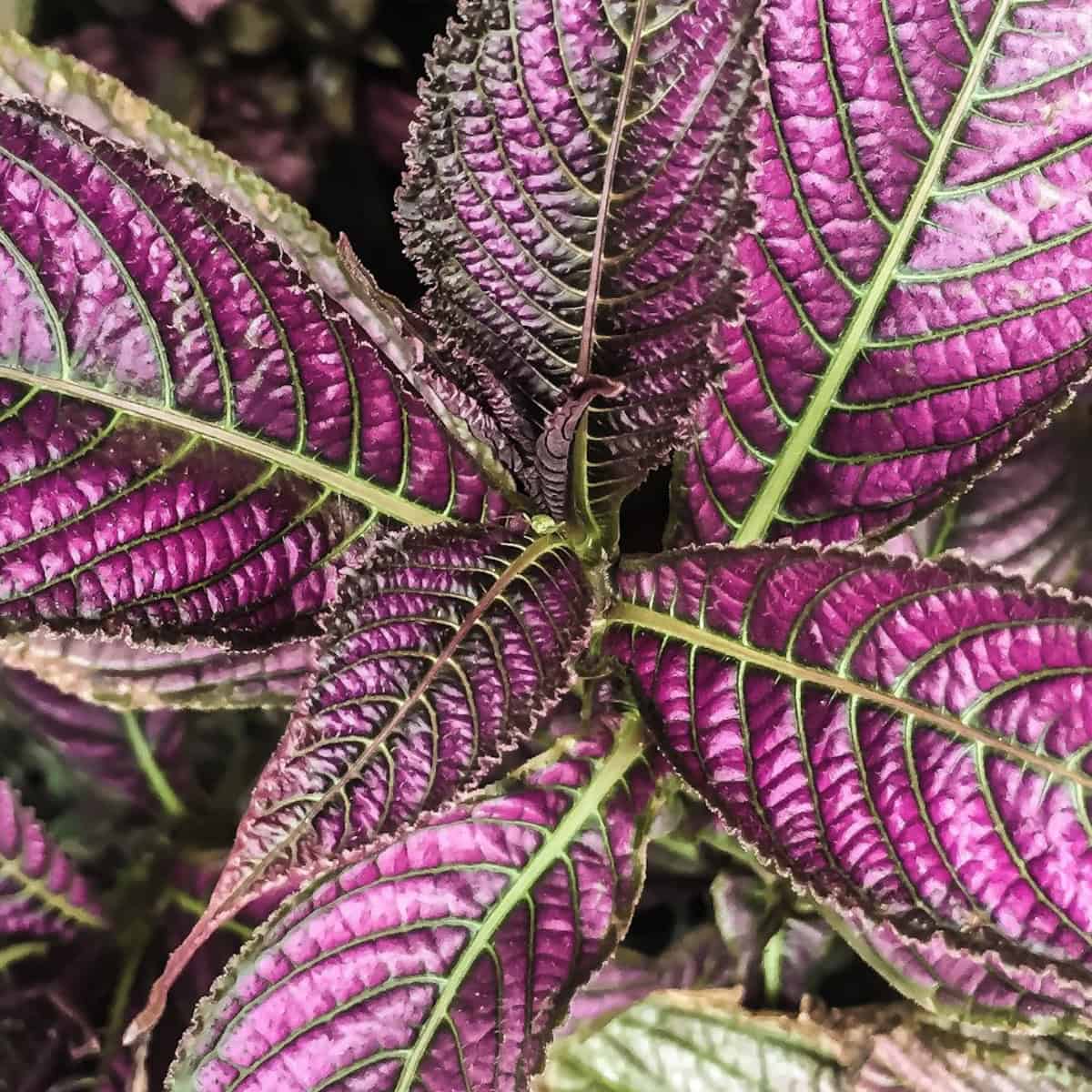
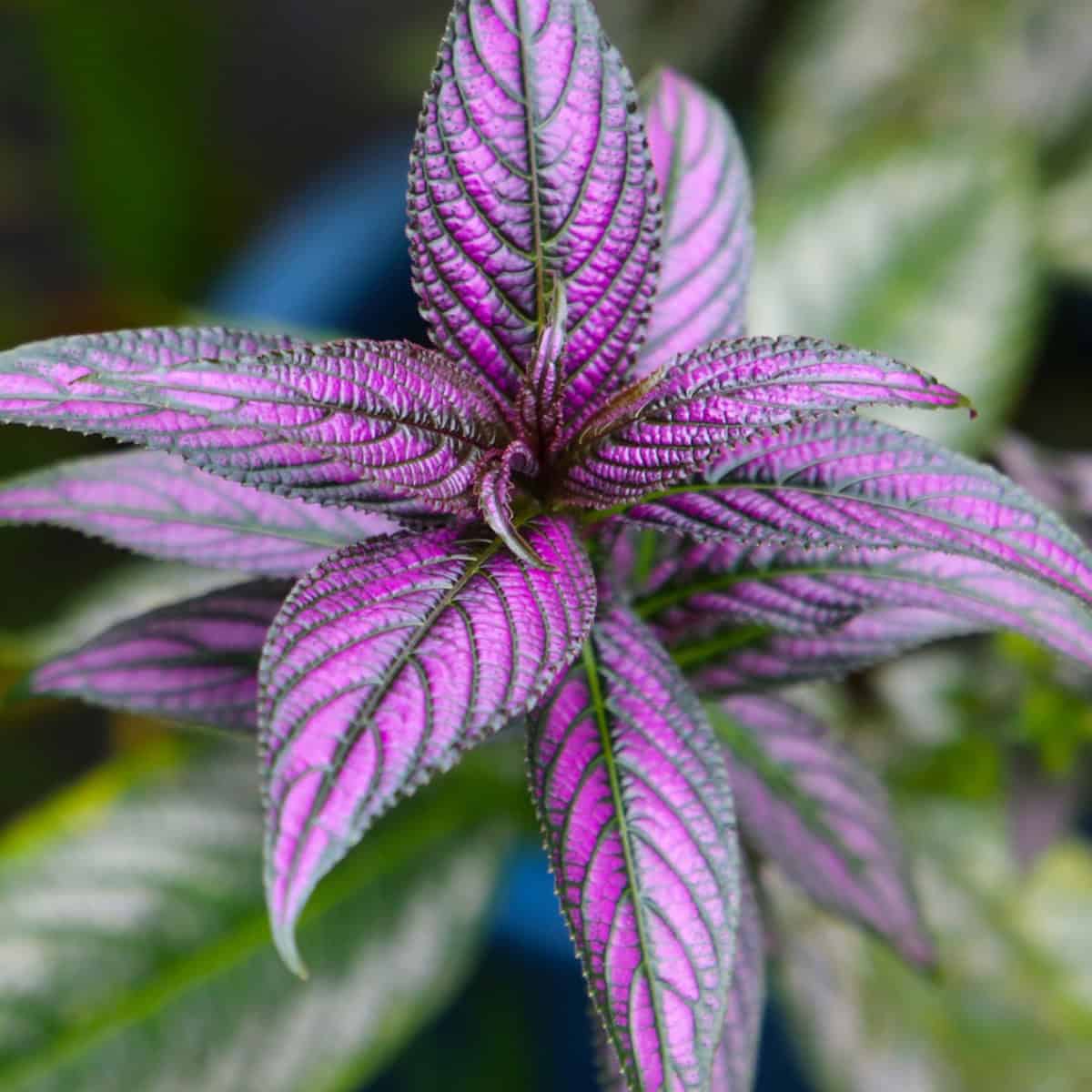
Persian Shield (Strobilanthes dyerianus)
The Persian shield is known for its iridescent purple, green, and silver leaves that almost look metallic. While it is often grown outdoors, it can thrive indoors in bright light and makes a striking statement plant.
Light: Bright light indoors
Water: Consistently moist soil
Mature size indoors: Can reach 18 to 36 inches
Flower color: Purple
Why you will love it: One of the most vivid purple foliage plants you can grow indoors
Where purple and green plants shine indoors
These colorful plants earn their keep when they are placed where their contrast can really be seen. A few favorite spots that always work:
- Living rooms: Let the color pop against neutral furniture and natural light
- Bedrooms: Adds softness and a little drama without feeling busy
- Bathrooms: Many love the extra humidity and feel like spa decor
- Shelves and windowsills: Purple tones glow when backlit by bright indirect light

Common problems with purple leaf plants
Purple and green plants are usually pretty expressive about what they need. These are the most common issues you will see and what they are trying to tell you:
Color fading
When purple tones start turning dull or green, it usually means the plant is not getting enough light. Most need bright indirect light to keep that rich color.
Crispy edges
Dry air, inconsistent watering, or mineral-heavy water can all cause browning edges. This shows up often with calatheas and purple waffle plants.
Root rot
Too much love in the form of overwatering is the fastest way to lose these plants. If the soil stays wet or the pot has poor drainage, roots can rot quickly.
Slow growth
If your plant looks healthy but is barely growing, it may need more light, warmer temperatures, or a little boost of nutrients during the growing season.
Where to find these plants locally and online
You do not need to hunt far and wide to find beautiful purple and green houseplants. Most are easy to find if you know where to look.
Local nurseries
Your best bet for healthy, well cared for plants is always a local nursery. You can see the true color in person, check for pests, and ask questions specific to your home and light conditions. I also love that local shops often carry more unique varieties like calatheas and Persian shield.
Here in Massachusetts, Weston Nurseries in Hopkinton, Massachusetts is always my go to when I am looking for something a little more unusual. Their indoor plant selection goes far beyond the basics, and it is where I regularly find striking foliage plants and statement pieces for our home. Their staff is also incredibly knowledgeable, which makes shopping in person even more valuable.
Big box stores
Stores like Home Depot, Lowes, and even grocery stores often carry Tradescantia, oxalis, purple waffle plants, and African violets. These are usually more budget friendly, but always give the plant a quick inspection for pests, soggy soil, or damaged roots before bringing it home.
Online sellers
If you are looking for something specific or harder to find, online plant shops, Etsy sellers, and specialty growers are a great option. The upside is variety and convenience. The downside is that you cannot see the plant before it arrives, so it is important to read reviews and pay attention to how sellers package and ship their plants.
No matter where you buy, the healthiest plants usually come from sellers who move inventory often and keep their plants in bright, well cared for conditions.


That little girl who once showed up dressed head to toe in purple would be thrilled to see my house now dotted with purple and green plants. Clearly the purple phase never really passed, it just grew roots. Whether you add one trailing tradescantia, a bold calathea, or a soft little African violet to your collection, these plants have a way of pulling you in. Start with one, pay attention to what it tells you, and let the color do the rest. And if your home slowly becomes a little more purple along the way, I am here to say that feels like a very good thing.
Keep growing, friends!