Angel Vine Plant Care: How I Keep Mine Full and Beautiful

Angel vine plant, also known as Muehlenbeckia complexa, is a delicate trailing houseplant with wiry stems and small round leaves. In this post, I'm sharing how I care for mine, including light, watering, pruning tips, and the simple spring routine I use to keep it looking full and healthy.
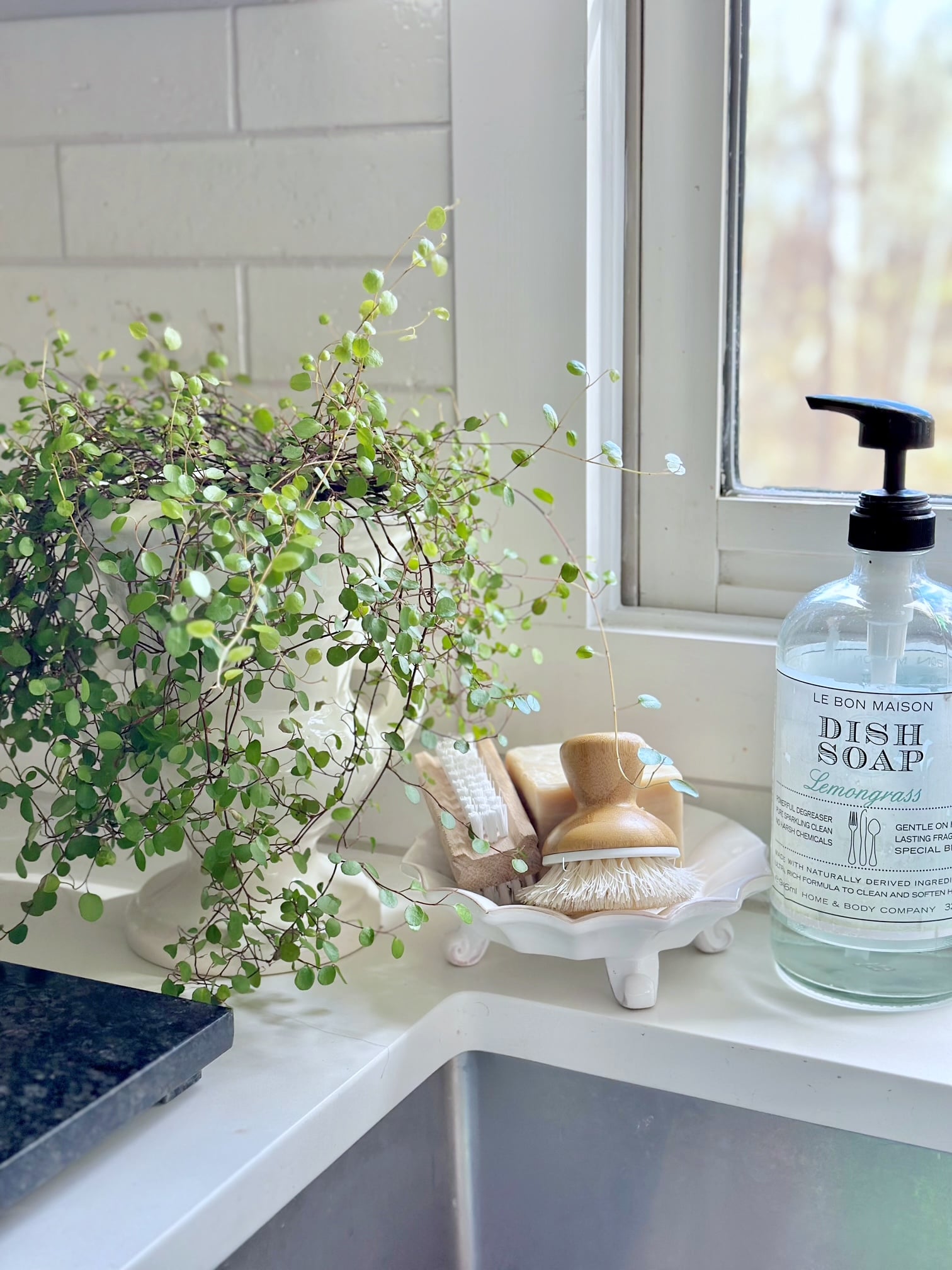
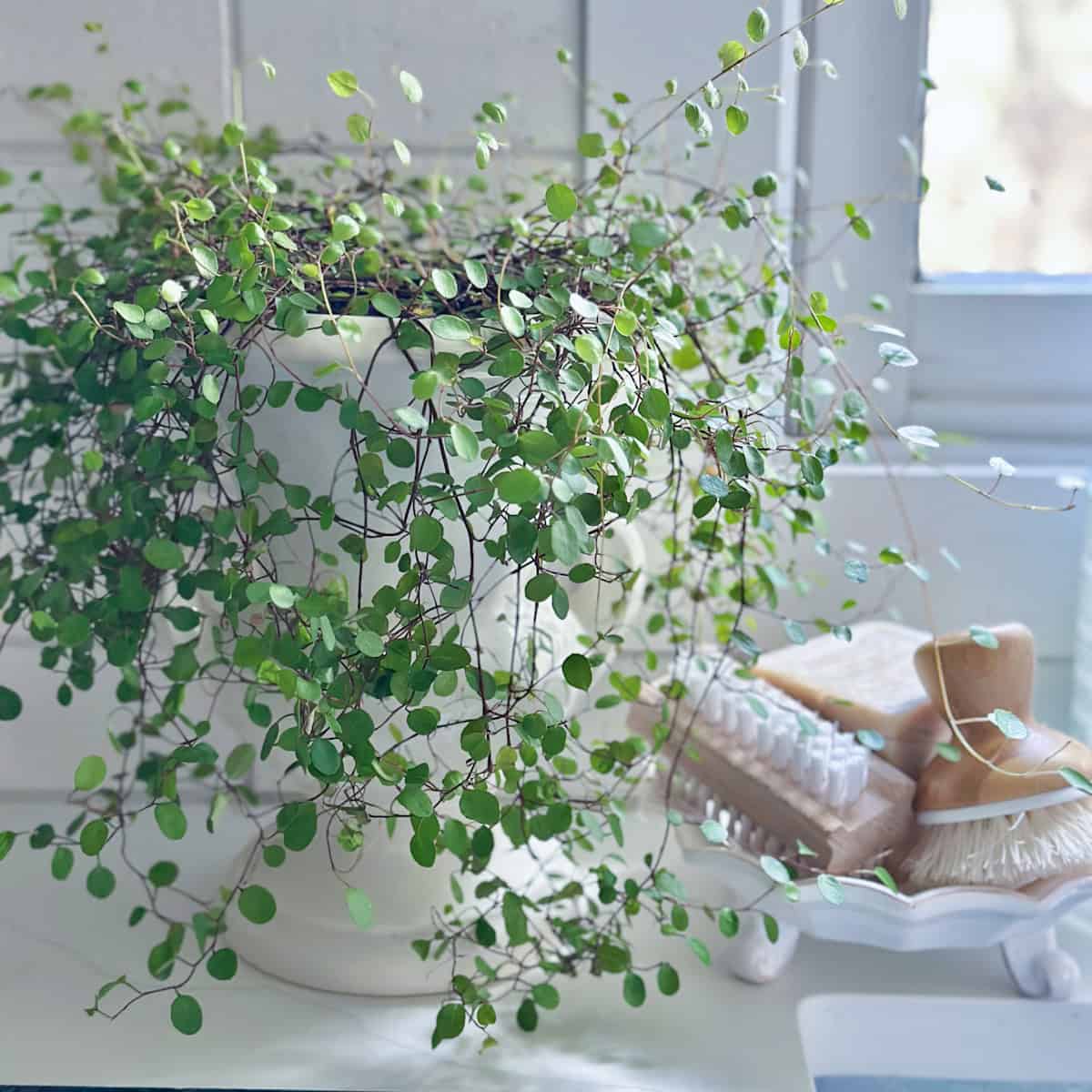
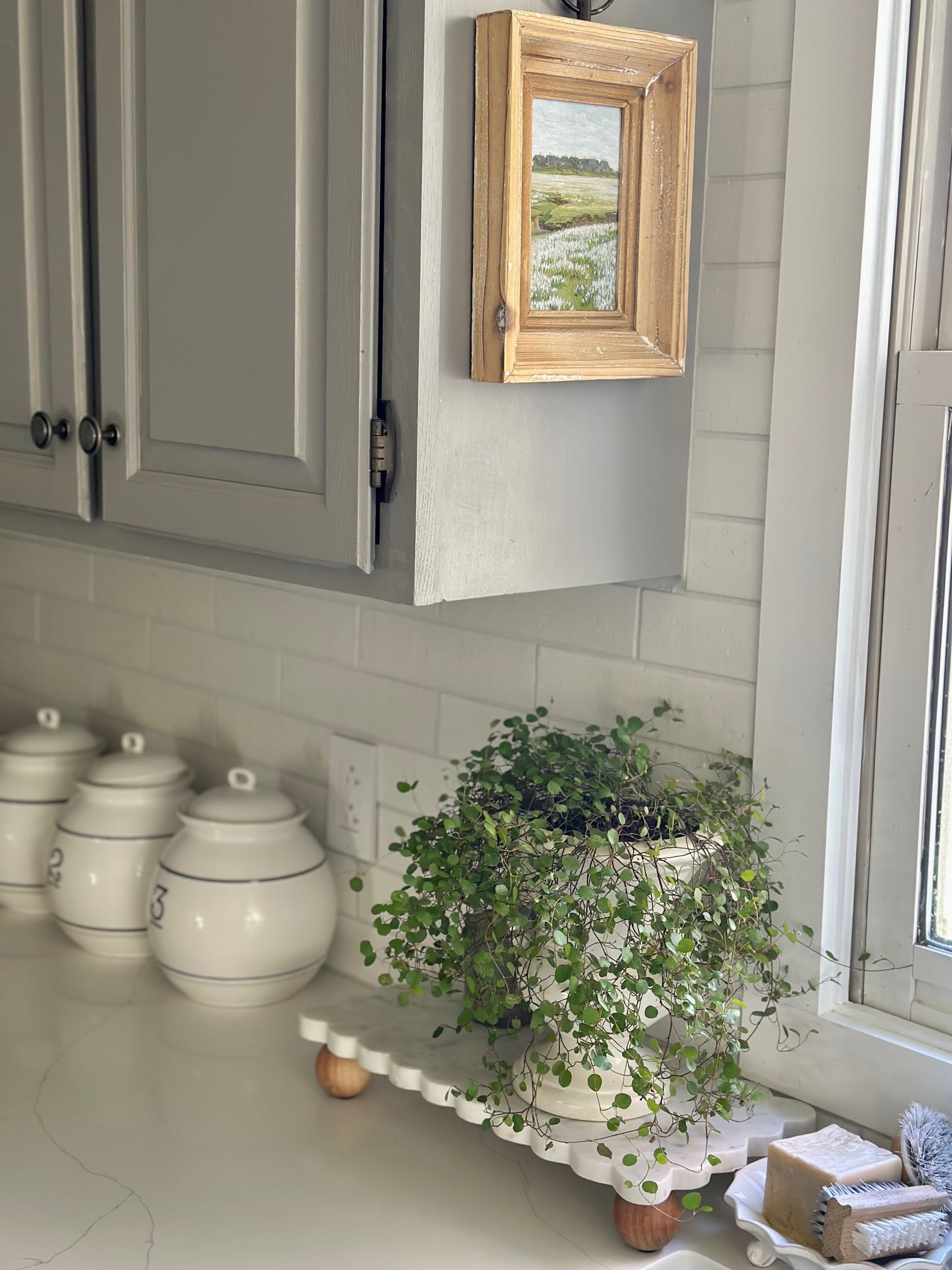
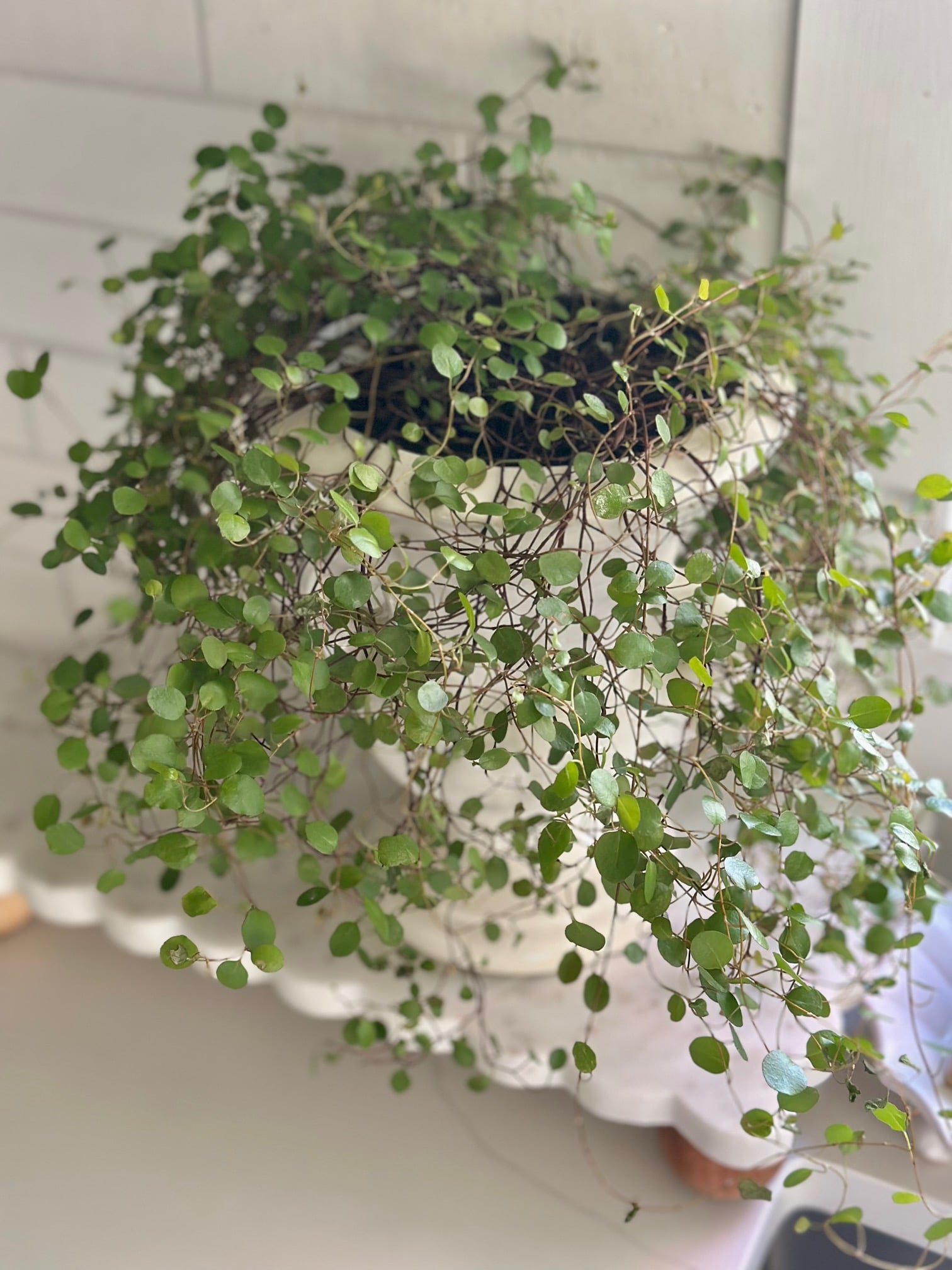
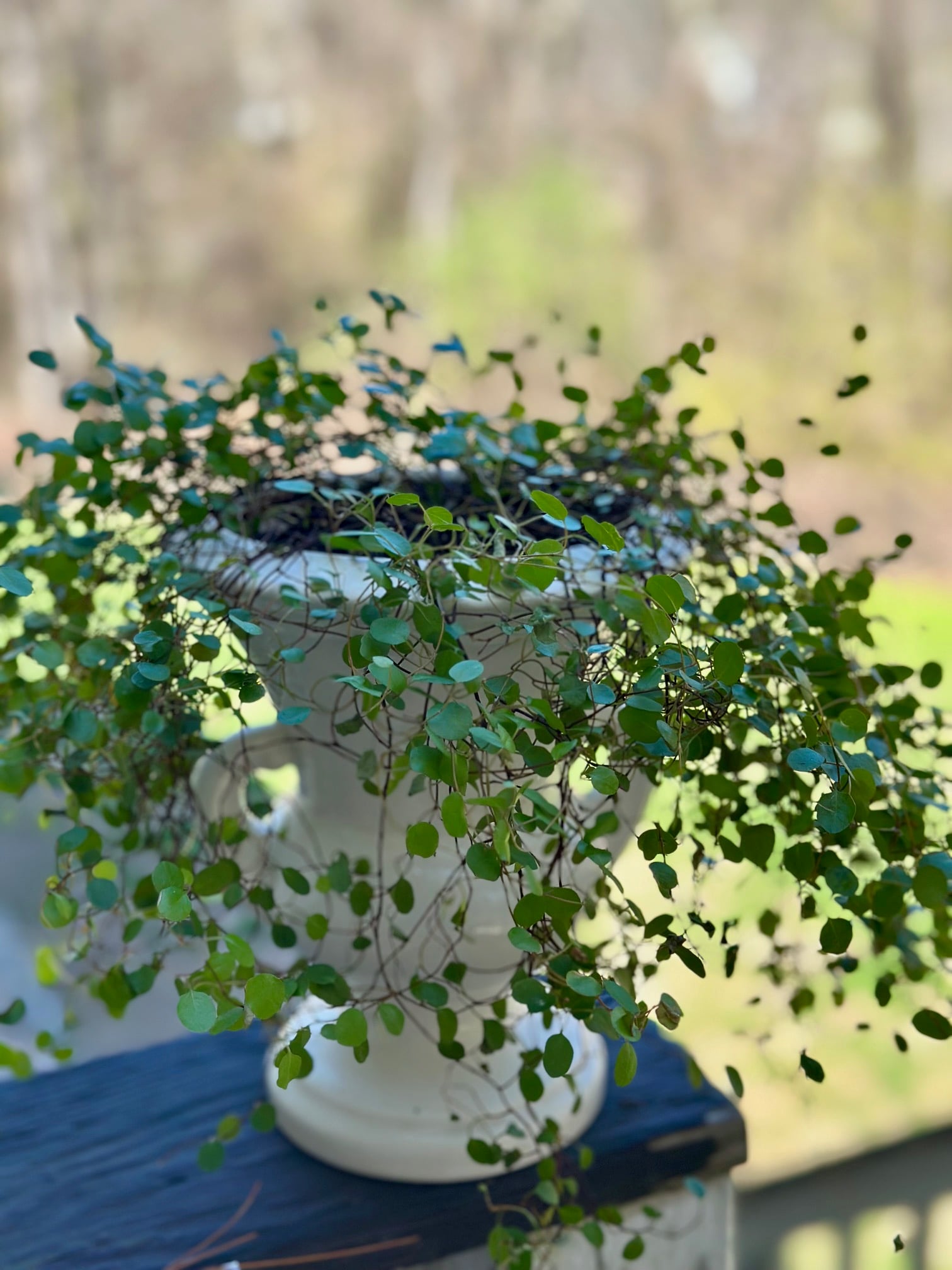
There is something so charming about an angel vine plant. I love the tiny round leaves, the airy trailing vines, and the soft movement it brings to a space. Mine lives in a vintage urn planter near my kitchen sink, where I get to enjoy it every day.
When I first brought it home, I quickly learned that the trickiest part of caring for angel vine, Muehlenbeckia complexa, is often the beginning. Like many houseplants, it may react a bit to a new environment while adjusting to different light, humidity, and watering conditions.
What I have found is that once it settles in and finds the right spot, it becomes a very easy and rewarding plant to grow. If your angel vine looks a little dramatic at first, do not panic. Sometimes it simply needs time to get comfortable.
At a Glance: Angel Vine
_______________________
- Angel vine plant, Muehlenbeckia complexa, is a trailing plant with tiny round green leaves and wiry stems.
- It is native to New Zealand and grows well indoors as a houseplant.
- Bright indirect light is usually the best spot for healthy growth.
- Angel vine may react at first when brought home and moved into a new environment.
- Once settled in, it is often easy to care for and grows quickly.
- Water when the top of the soil feels dry, but avoid soggy roots.
- Light trimming helps keep the plant full and tidy.
- I like giving mine a gentle banana peel water boost in spring as new growth begins.
- Angel vine looks beautiful in urns, hanging planters, and decorative pots.
Summarize and Save this content on:
Jump to:
- At a Glance: Angel Vine
- What is an angel vine plant?
- How I care for my angel vine
- Light, water, and pruning tips
- My spring banana peel water routine
- Common problems (drying out, legginess)
- Can angel vine go outdoors?
- How I know when my angel vine needs water
- Frequently asked questions
- More indoor plant topics to explore
What is an angel vine plant?
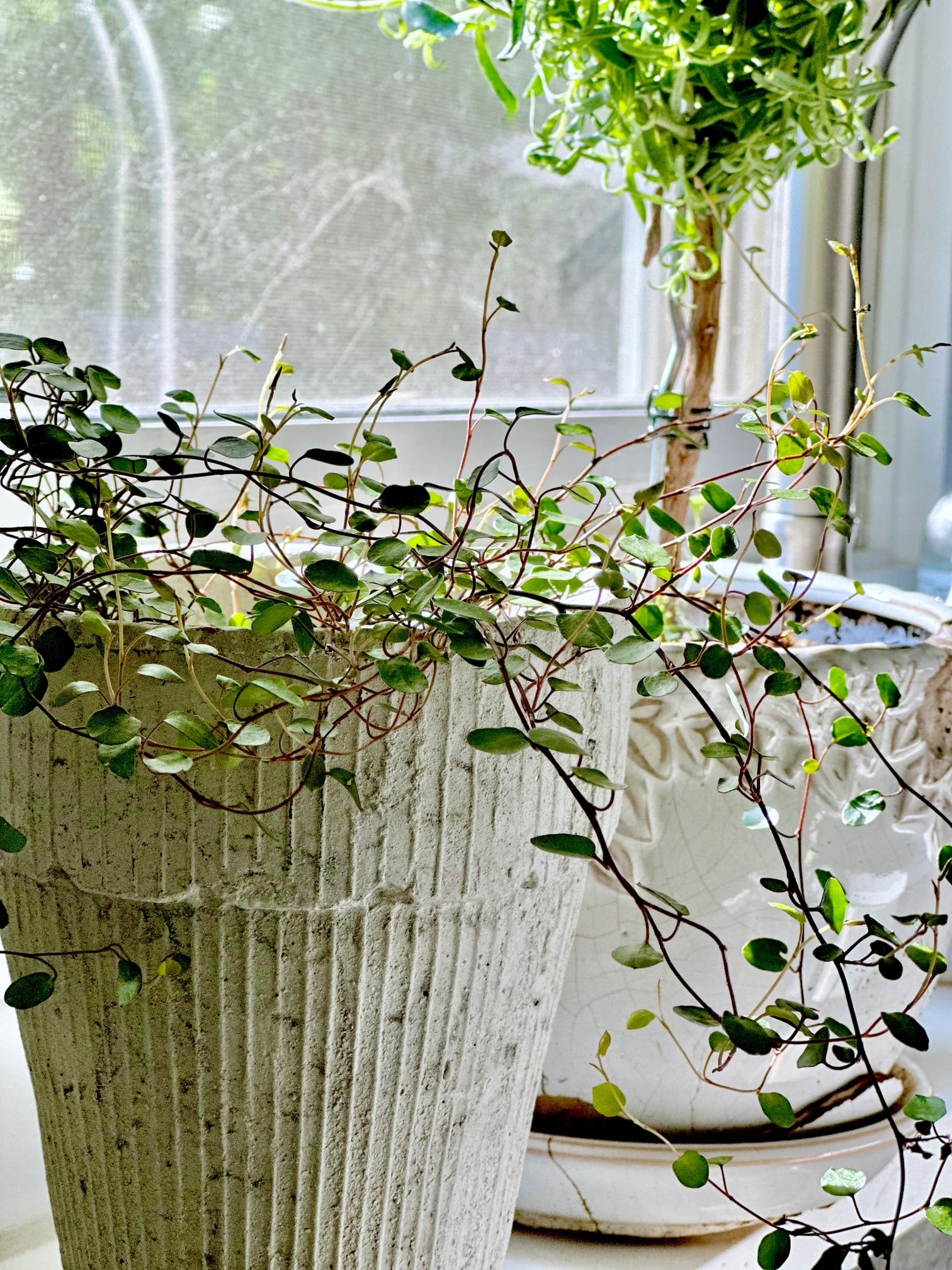
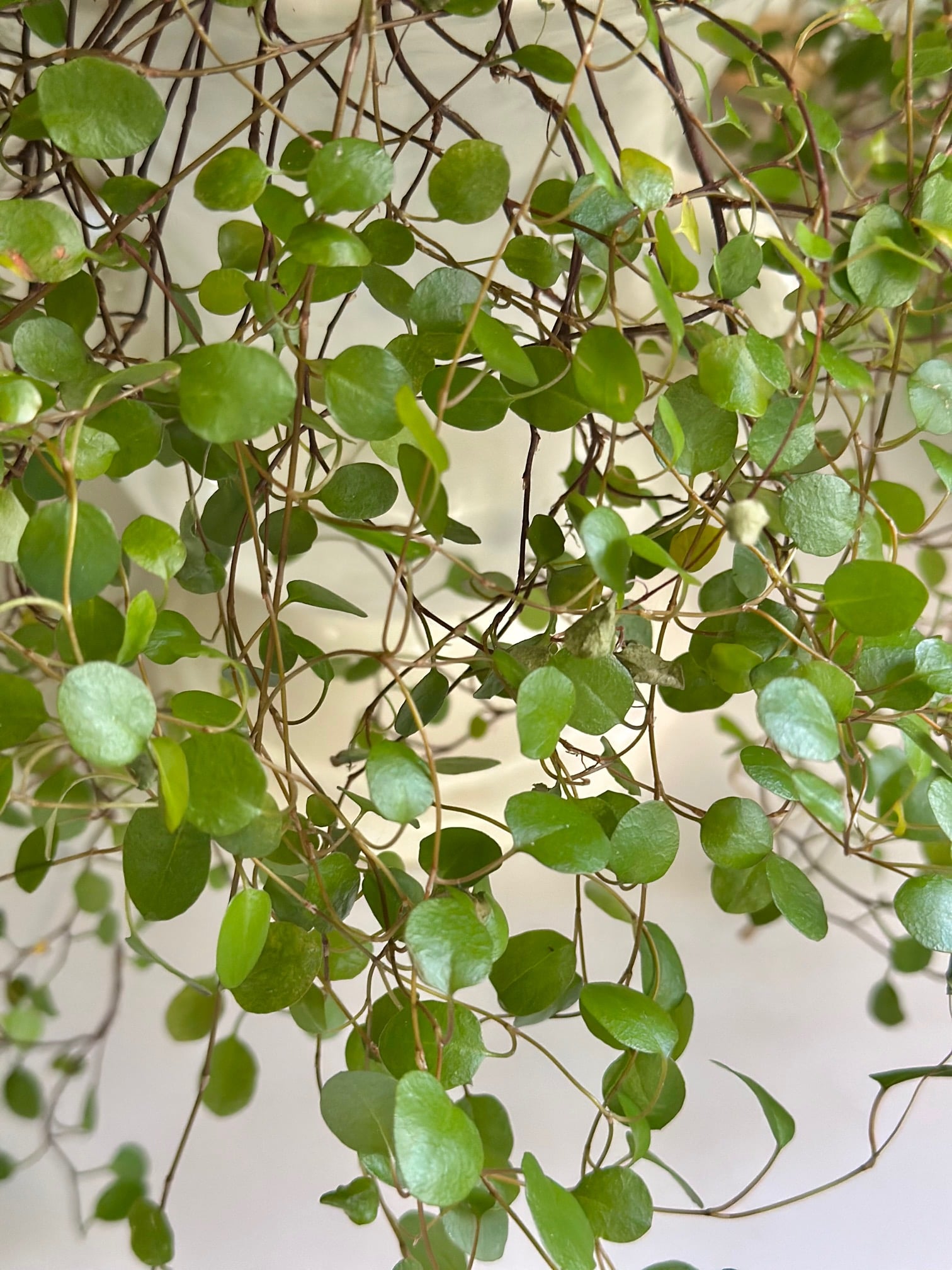
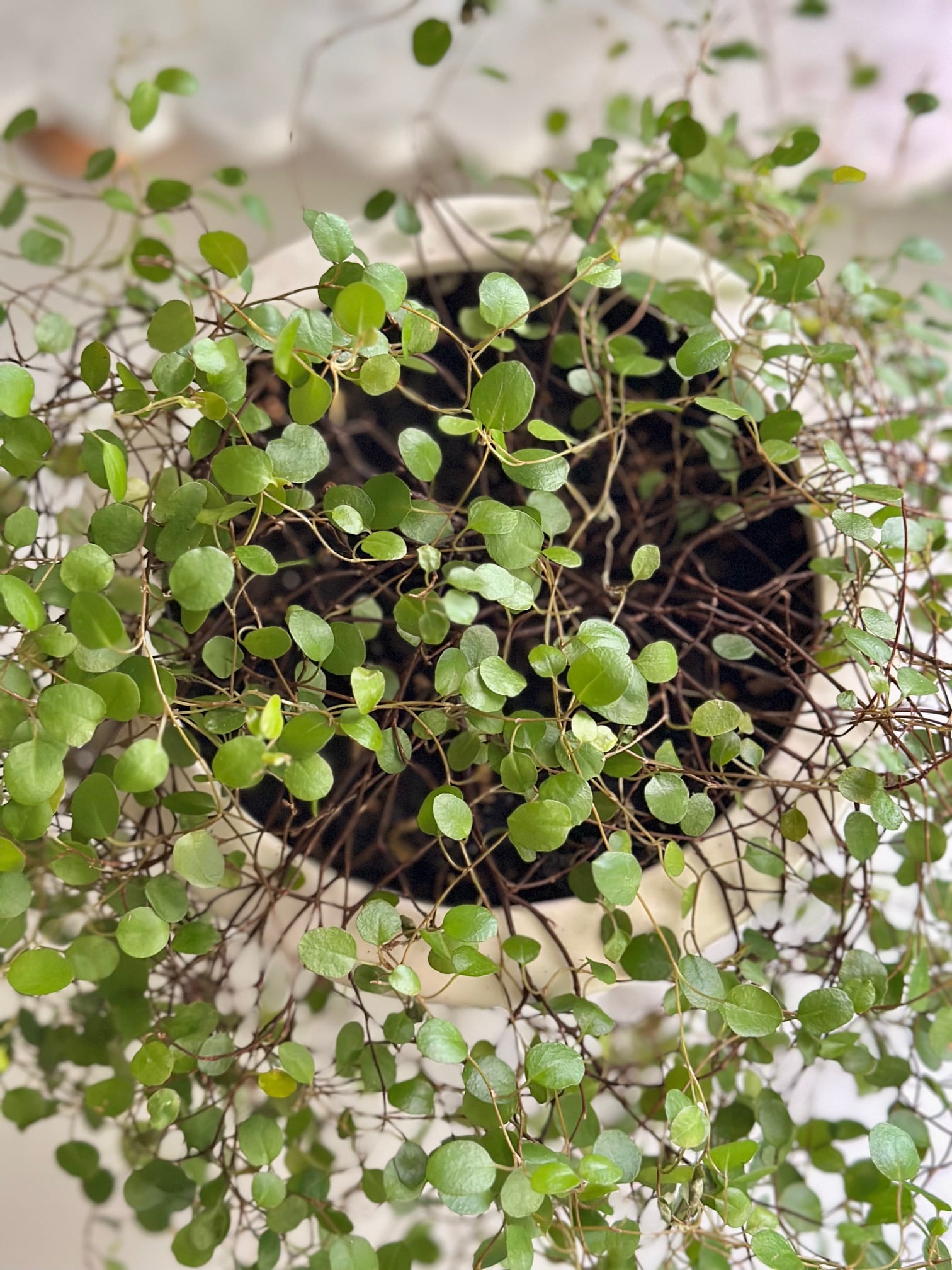
Angel vine plant, Muehlenbeckia complexa, is one of those beautiful houseplants with a soft delicate look. This trailing plant known for its tiny round leaves and thin wiry vines that spill over the edges of pots and planters. It has a light, airy look that adds softness and movement to a room.
This charming plant is native to New Zealand, where it grows in a much milder climate than many of us have indoors. That may be one reason it appreciates a little time to settle in when you first bring it home.
One of my favorite things about angel vine is how flexible the vines are. They make it surprisingly easy to train into a topiary shape. If you enjoy creative plant projects, I especially like using a grapevine wreath as a natural topiary form.
You may also see it sold under names like maidenhair vine or creeping wire vine (not to be confused with a maidenhair fern). Whether styled in a vintage soup tureen or urn, hanging basket, or simple pot, angel vine has a graceful look that makes it easy to love.
How I care for my angel vine
My angel vine has been a fairly easy plant once it settled into the right spot. Mine grows near my kitchen sink where it gets gentle morning sun and bright light through the day. That location seems to suit it well.
I usually water it when the plant lets me know it is ready. For mine, that looks like a very slight droop in the leaves and vines. Once I water, it perks back up quickly. I try not to keep the soil constantly wet, but I also do not let it stay dry for too long.
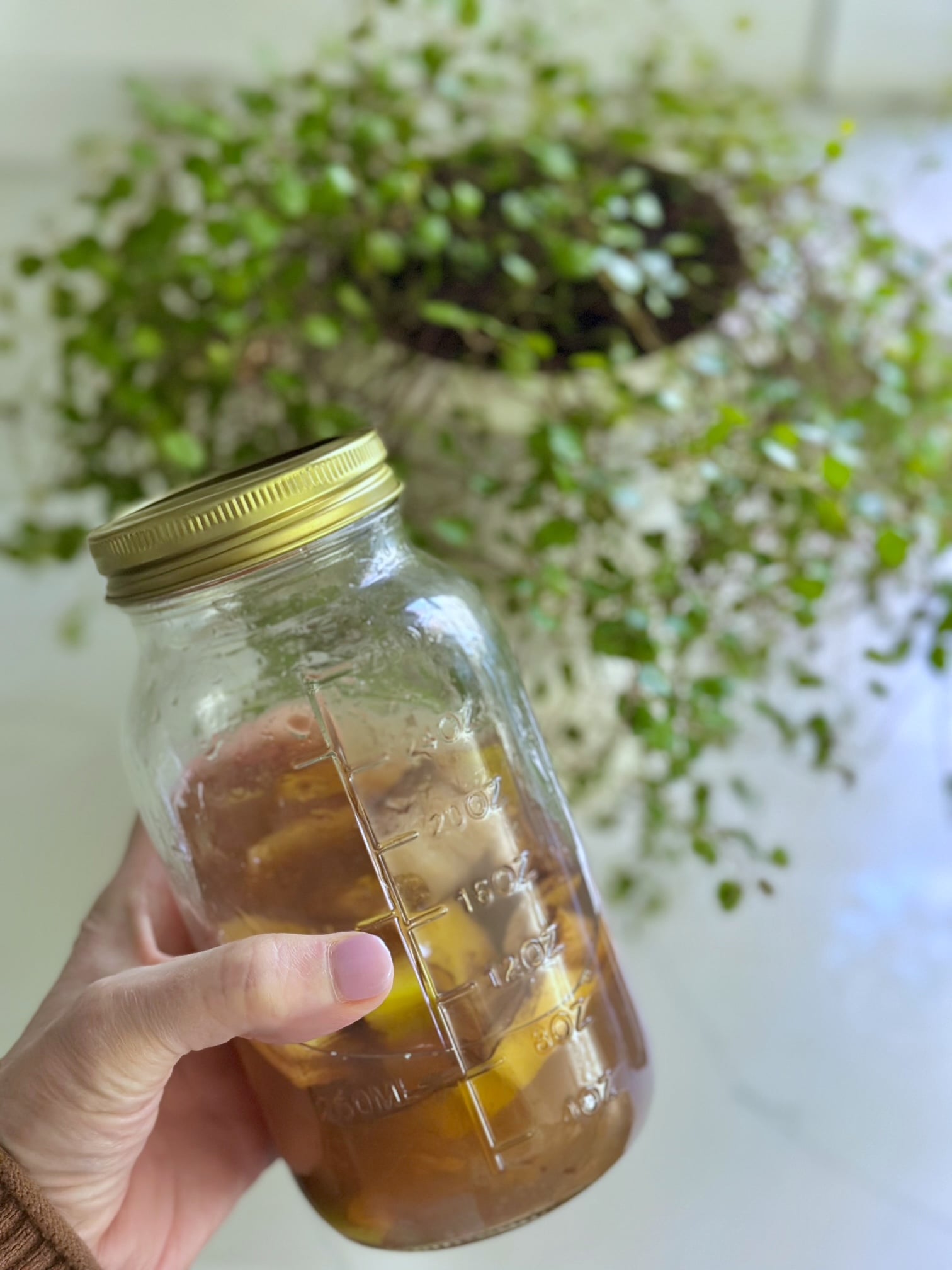
In the spring, when new growth starts to pick up, I sometimes give it a little boost with homemade banana peel water. It is not necessary, but mine seems to respond well to it. I simply chop up a banana peel, place it in a glass jar of water, and let it sit for 24 to 48 hours. Then I strain out the peel pieces and dilute the liquid about 1:1 with fresh water before watering the plant.
If I notice loose or dry leaves, I simply give the plant a gentle shake and let them fall away naturally. Then I clear that debris from the soil surface to keep the pot looking tidy and fresh.
I also trim mine lightly now and then to keep it looking full and tidy. Any gentle haircut usually encourages fresh new growth and helps the vines stay lush.
Light, water, and pruning tips
Angel vine is not a difficult plant, but I do think it looks its best when a few basics are dialed in. Good light, thoughtful watering, and an occasional trim can make a big difference.
Give it bright light with gentle sun
Mine does well with morning sun and bright light through the rest of the day. A spot near an east-facing window or another bright room can work beautifully. Too little light may lead to thinner growth and longer vines.
Water when the plant gives you cues
I have found angel vine is good at letting me know when it is thirsty. The leaves and vines get a very slight droop, which is usually my sign to water. After a drink, it tends to perk back up quickly.
Try to keep the soil evenly moist without leaving the roots soggy for long periods.
Clean away fallen leaves
If I notice loose or dry leaves, I gently shake the plant and let them fall away naturally. Then I remove the debris from the soil surface so the pot stays neat and fresh.
Trim for a fuller shape
A light trim now and then helps keep angel vine tidy and encourages bushier growth. If the vines start looking too long or sparse, a gentle haircut usually helps it fill back in nicely.
My spring banana peel water routine
Each spring, when my angel vine starts putting on fresh new growth, I like to give it a little seasonal boost with homemade banana peel water. This is not something the plant must have, but it is a simple routine I enjoy, and mine seems to respond well to it.
Why I use it in spring
Spring is when many houseplants begin waking up and actively growing again. That makes it a natural time to give them a little extra support as the days get longer and brighter. Banana peel water is often used as a gentle potassium-rich watering option, especially during active growth.
How I make banana peel water
I chop up one banana peel and place it in a glass jar filled with water. Then I let it sit for about 24 to 48 hours.
After that, I strain out the peel pieces and use the liquid.
How I dilute it
Before watering, I mix the banana peel water about 1:1 with fresh water. This creates a gentler solution rather than using it full strength.
How I use it on my angel vine
I water the soil lightly with the diluted mixture, just as I would during a normal watering. I do not use this every week, only occasionally in spring as a little pick-me-up.
If I have extra, I may also use it on a few other actively growing houseplants that enjoy a spring refresh, such as pothos, spider plants, peace lilies, or philodendrons. If you enjoy growing herbs basil absolutely thrives with this homemade fertilizer!
A simple note
If you prefer, a balanced houseplant fertilizer works too. This is simply one homemade option that has fit nicely into my spring plant care routine.
Common problems (drying out, legginess)
Angel vine is generally easy once settled in, but like many trailing houseplants, it can show stress when conditions are off. Most issues are usually solved with small adjustments to light, watering, or trimming.
If your plant dries out quickly
Thin vines and smaller pots can dry faster than expected. Check soil regularly and water when the top layer feels dry or the leaves begin to soften slightly.
If growth becomes leggy
Long sparse vines often mean the plant wants more light. Move it closer to bright indirect light and trim stems lightly to encourage fuller growth.
If your pot has no drainage holes
Mine grows in a vintage urn planter, which means I need to be extra careful not to overwater. I water slowly and lightly, then monitor the soil closely. In general, houseplants are easier to manage in pots with good drainage, but decorative containers can still work if you water thoughtfully.
If leaves drop after bringing it home
Angel vine may react to a new environment at first. Give new plants time to adjust, keep conditions steady, and avoid overcorrecting too quickly.
Can angel vine go outdoors?
Angel vine can be grown outdoors in mild climates and is often used as a trailing or groundcover plant in suitable zones. In colder climates, many people enjoy it as a houseplant.
I have moved mine outdoors during warm summer weather, avoiding cold nights and intense full sun heat, and it responded beautifully. The fresh air and brighter light seemed to give it a boost.
If moving one outside, introduce it gradually and bring it back in before temperatures cool.
How I know when my angel vine needs water
One of the reasons I love keeping my angel vine near the kitchen sink is that I see it throughout the day. It is easy to glance over, notice how it looks, and catch small changes before they become bigger issues.
I do not water my houseplants on a strict schedule. Watering every Saturday just because the calendar says so has never made much sense to me. Plants do not all dry out at the same pace, and their needs can change with light, temperature, season, and growth.
Instead, I let the plant guide me.
With my angel vine, that usually means watching for a very slight droop in the leaves or vines and checking the soil before watering.
I have found angel vine to be fairly forgiving once it settles into a happy spot. For me, the bigger hurdle is helping it adjust in the beginning. Once it feels at home, caring for it becomes much easier.
The one exception to my intuitive watering style is my maidenhair fern plant. Those plants can be far less forgiving, and if you miss their cue, they tend to let you know in a hurry. I have found maidenhair ferns do much better in a self-watering pot.
If you also prefer a more intuitive approach to plant care, you might enjoy my post on why I do not water houseplants on a schedule.
Frequently asked questions
Angel vine usually does best in bright light with some gentle sun, such as morning sun or bright indirect light. Too much harsh afternoon sun can dry it out quickly indoors.
Once it settles into a good spot, angel vine is often quite easy to grow. In my experience, the adjustment period after bringing it home can be the trickiest part. After that, it has been a forgiving plant.
Angel vine is generally considered toxic to pets if eaten, so it is best to keep it out of reach of curious cats and dogs. If ingestion happens, contacting your veterinarian is the safest next step.
Yes, angel vine can enjoy time outdoors in warm weather. I have placed mine outside during summer in gentler conditions, and it loved it. Just avoid frost and transition it gradually.



Angel vine is one of those plants that brings a lot of charm for a fairly small amount of effort. With its tiny leaves, trailing vines, and soft movement, it adds life and texture wherever you place it.
In my experience, the biggest hurdle is simply helping it settle into the right spot at first. Once it feels at home, it has been an easygoing and rewarding plant to grow. A little light, thoughtful watering, and an occasional trim often go a long way.
Whether you style it in a vintage urn, train it into a topiary, or let it spill naturally from a favorite pot, angel vine is a lovely plant to enjoy. If you are thinking of bringing one home, I would absolutely give it a try.
Keep growing, friends!