Purple Basil: How to Grow, Use, and Cook with This Beautiful Herb

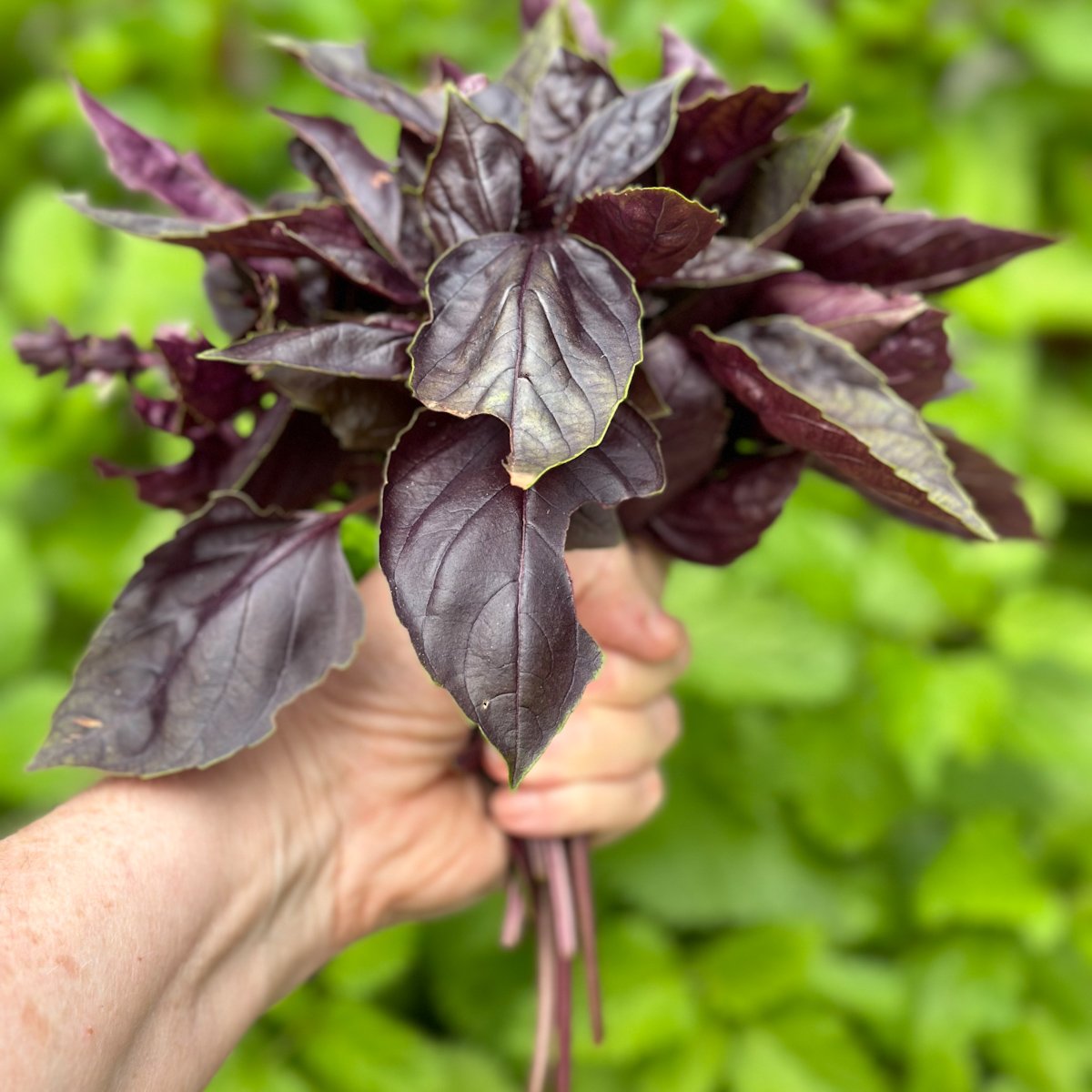
Purple basil is a colorful group of basil varieties within the Ocimum basilicum family, known for deep violet to burgundy leaves and a slightly spicier, clove-like flavor than green basil. These purple tones come from natural anthocyanins, the same pigments found in blueberries and purple cabbage. Purple basil grows best in full sun with well-draining soil and can be used in pesto, salads, herb vinegars, and as a striking ornamental herb in gardens and containers that attracts pollinators. Popular purple basil varieties include Osmin Purple Basil, Dark Opal, and Purple Ruffles.
Best Uses for Purple Basil at a Glance
• Fresh garnish for salads, cocktails, and Caprese
• Purple basil pesto or herb butter
• Infused olive oil or vinegar
• Dried or frozen for winter recipes
• Edible decor for desserts and drinks

With its deep violet leaves and bold, slightly spicy flavor, purple basil is a showstopper in both the garden and the kitchen. Whether you're drawn in by its color or curious how it compares to traditional green basil, this beautiful herb has so much to offer.
In this guide, I'll share everything you need to know about purple basil: how to grow it successfully, how it tastes, how to cook with it, and even how to preserve it for year-round use. I've grown several varieties in my own herb garden, and I'll include the best tips I've learned along the way.
If you're standing in your garden (or grocery store) holding a bundle of purple basil and wondering what to do with it, you're in the right place.
Jump to:
- What is purple basil? (the stunning garden show-off)
- Best purple basil varieties (my tested favorites)
- How to grow purple basil
- When purple basil blooms: What it means and what to do
- Purple basil vs. Green basil
- Culinary uses for purple basil
- How to preserve purple basil
- Frequently asked questions
- More basil goodness
What is purple basil? (the stunning garden show-off)
The first time I saw purple basil, I honestly thought someone had spray-painted their herb garden. I was walking through a local nursery about eight years ago, and there it was - this absolutely gorgeous plant with leaves so dark they were almost black. I had to touch them to make sure they were real!
Purple basil is basically the dramatic cousin of regular sweet basil. Botanically, it's still Ocimum basilicum (same species as green basil), but these varieties have been bred to produce those stunning colored leaves that make everyone do a double-take.
What makes the leaves turn purple?
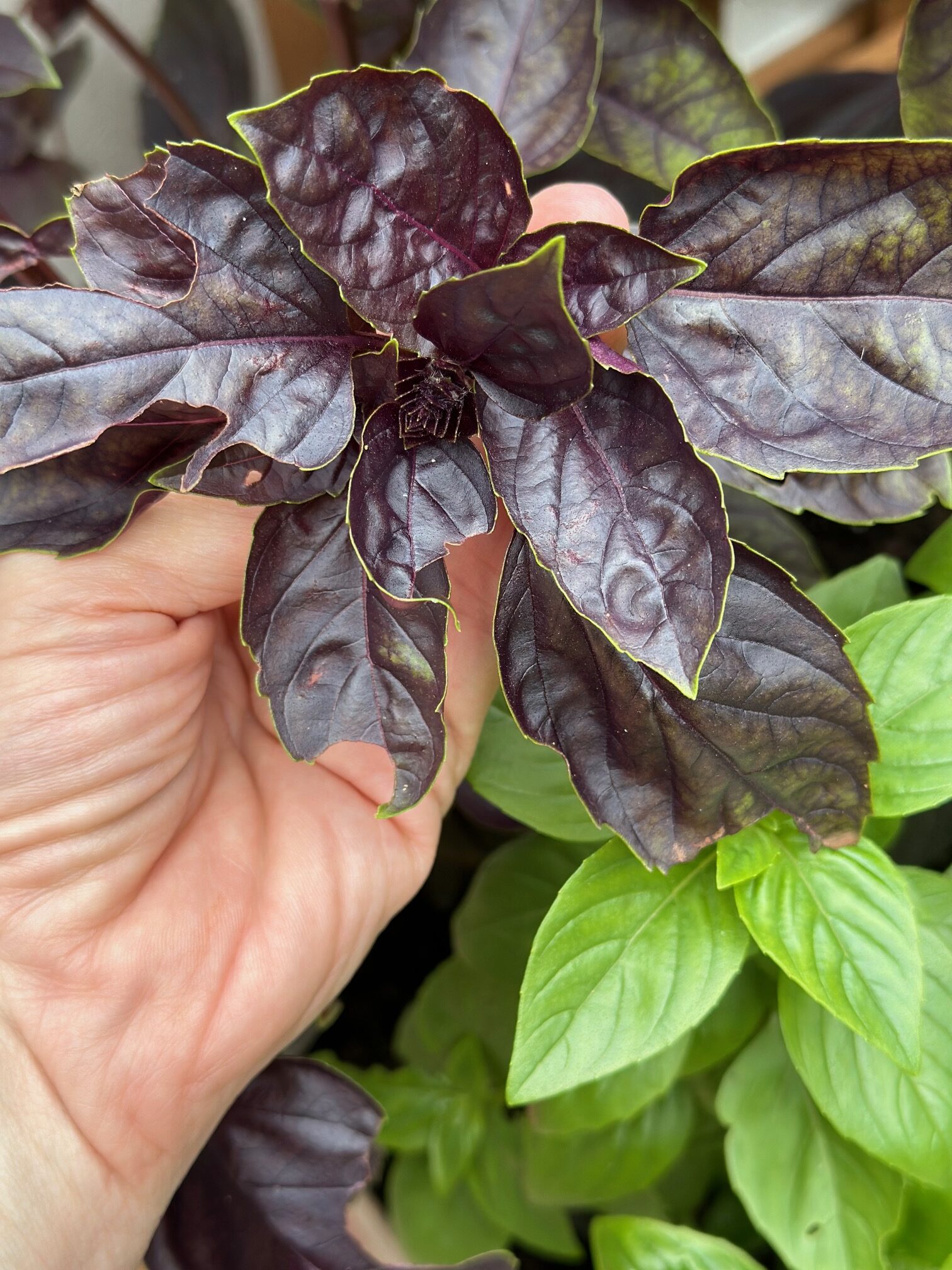
The secret behind those gorgeous colors is something called anthocyanins - the same compounds that make blueberries blue, red cabbage red and plants with purple and green leaves purple!These natural pigments develop in the leaves as a response to sunlight and genetics.
Here's the cool part: the more sun your purple basil gets, the deeper and richer the color becomes. I learned this the hard way when I first tried growing some in what I thought was a perfect spot.
Purple, red, or black basil - What's the difference?
You'll see purple basil called different names depending on who's selling it. "Red basil," "purple basil," and "black basil" are often used interchangeably, but they're really describing the range of colors you can get.
Some varieties like 'Dark Opal' are more of a deep purple-red, while others like 'Amethyst' can look almost black in certain light. I've found that the terminology is pretty loose - what one nursery calls "red basil" might look purple to you and me.
My purple basil placement mistake (and what I learned)
That first plant I bought? I planted it right between two lemon balm plants, thinking it would look great nestled in with other herbs. Big mistake! The lemon balm grew so tall and bushy that my poor purple basil was basically living in shade all day. Not only did the leaves stay more green than purple, but the plant grew tall and leggy instead of bushy.
I moved it to a much sunnier spot and wow - what a difference! The leaves were so dark and glossy they looked like they belonged in a fancy restaurant garden. Needless to say, this year I dug it up completely and moved it away from those aggressive lemon balm plants to give it the sun exposure it really needs.
The garden impact you can't ignore
Purple basil is honestly one of those plants that makes people stop and stare. I've had neighbors literally cross the street to ask about my "purple plants." It creates this incredible contrast against green foliage, especially when planted next to bright green herbs like parsley or regular basil.
I love using it as a border plant in my herb beds because it adds this dramatic pop of color without being overwhelming. Even when it's not flowering, those deep purple leaves catch the light in the most beautiful way.
The best part? It smells just as amazing as it looks. Run your hand over the leaves and you'll get that classic basil fragrance with just a hint of something extra - a little spicier and more complex than regular basil.

Best purple basil varieties (my tested favorites)
I've grown probably a dozen different purple basil varieties over the years, and let me tell you - they each have their own personality! Some are stunning but finicky, others are reliable workhorses, and a few are just pure garden eye candy.
Here are the ones that have earned permanent spots in my herb garden, plus a few others worth considering if you can find them.
Dark Opal (the classic choice)
This is the granddaddy of purple basils. Dark Opal was actually developed back in the 1950s from wild Turkish basil seeds, and it won an All-America Selection award in 1962. That's some serious herb garden history right there!
The flavor is what keeps me coming back - it's got that classic basil taste with a subtle licorice note that's absolutely lovely in summer dishes. The leaves are a beautiful deep purple-red, and the pink flowers are gorgeous too.
I've found Dark Opal to be pretty reliable when grown from good seed, though you might get some variation in color intensity. It grows to about 12-18 inches tall, making it perfect for front-of-the-border planting.
Best uses: This is my go-to for purple pesto (the color is amazing), and those pink flowers make beautiful garnishes for salads and cocktails.
Red Rubin (the reliable performer)
If you're new to purple basil, start here. Red Rubin is basically an improved version of Dark Opal with more consistent coloring and better disease resistance. I've never had a Red Rubin plant disappoint me.
The growth habit is really nice - it stays compact and bushy without getting leggy, and the burgundy-red leaves are gorgeous and uniform. At 18-20 inches tall, it's substantial enough to make a statement but not overwhelming.
Why beginners love it: Red Rubin germinates easily, grows steadily, and the flavor is very similar to sweet basil, so there's no learning curve in the kitchen. Plus, it's usually available at most garden centers, so you don't have to hunt for seeds online.
I planted three Red Rubin plants last year and harvested from them all summer long. They just kept producing beautiful leaves no matter how much I cut them back.
Purple Ruffles (the dramatic beauty)
Talk about a showstopper! Purple Ruffles has these incredible large, glossy leaves with ruffled edges that look almost too fancy to eat. It's like the formal evening gown of the basil world.
The ornamental value is off the charts. This variety grows 18-24 inches tall and wide, creating this dramatic mound of textured purple foliage that stops people in their tracks. The light lavender flowers with dark centers are stunning too.
Flavor-wise, it's milder than Dark Opal - still distinctly basil but without the strong anise notes. I actually prefer this for dishes where I want the visual impact without an overpowering flavor.
One heads up: Purple Ruffles can be a bit more temperamental about watering. Those ruffled leaves seem to show stress faster than smooth-leaved varieties, so keep an eye on soil moisture.
African Blue (the perennial option)
Here's something completely different - African Blue is technically a hybrid between regular basil and another species, and it's actually perennial in warmer zones! I've been growing the same plant for three years now.
The cold hardiness is amazing. While my other basils get knocked back by the first hint of cool weather, African Blue keeps going well into fall. It's survived light frosts that would have killed my other basil plants completely.
The appearance is unique too - the leaves are more blue-purple than red-purple, and it grows into this substantial shrub-like plant. The purple flower spikes are absolutely gorgeous and attract bees like crazy.
Best for: If you live in zones 9-11, this could be your permanent basil solution. In cooler areas, it makes an excellent container plant that you can bring indoors for winter.
Other notable varieties
Amethyst - This is the darkest purple basil I've ever grown. The leaves are so dark they're almost black, which creates incredible contrast in the garden. The flavor is intense, so use sparingly.
Osmin Purple - Known for having some of the deepest purple leaves of all basil varieties, Osmin is compact, aromatic, and excellent for both ornamental and culinary use. It grows about 12-20 inches tall and holds its color beautifully in full sun.
Purple Ball - Perfect for containers! This compact variety forms neat little mounds of small purple leaves. Great for small spaces or herb window boxes.
Deep Purple - Another container favorite with very uniform dark purple leaves and compact growth. More reliable color than some varieties.
Quick Comparison at a Glance:
| Variety | Height | Best For | Flavor Intensity |
|---|---|---|---|
| Dark Opal | 12-18" | Classic purple basil taste | Medium-strong |
| Red Rubin | 18-20" | Beginners, reliable growth | Mild-medium |
| Purple Ruffles | 18-24" | Ornamental impact | Mild |
| African Blue | 24-36" | Perennial growing | Strong |
| Amethyst | 16-20" | Dramatic color | Very strong |
| Purple Ball | 12" | Small spaces | Mild |
My honest recommendation? If you're just starting out, go with Red Rubin. If you want drama, choose Purple Ruffles. And if you're a purple basil addict like me, try them all - each one brings something different to the garden!
Purple basil isn't just a pretty face. It attracts pollinators, looks gorgeous in mixed herb beds, and adds real visual drama to salads and herb-forward dishes.

How to grow purple basil
Planting purple basil is just as straightforward as growing the green varieties, but with a little extra attention to sunlight and soil, you'll be rewarded with deeper color and bold, fragrant leaves.
When and where to plant: Purple basil thrives in full sun, so choose a spot that gets at least 6-8 hours of direct sunlight a day. That sunlight helps deepen the color of the leaves. In shadier spots, the foliage may turn more green than purple.
Wait to plant outdoors until the danger of frost has passed and nighttime temps are consistently above 60°F. You can also start seeds indoors 4-6 weeks before your last frost date. Visit my Basil companion planting post for a complete list of plant that grow well with basil.
Soil and spacing
Like most basil varieties, purple basil does best in well-draining soil with good organic matter. If your garden soil is heavy, amend with compost or use raised beds or containers.
Space your plants about 10-12 inches apart to allow for airflow and bushier growth.
Tip: Purple basil tends to be more compact than green basil, which makes it a great candidate for container gardens and sunny patios.
Watering and fertilizing
Water consistently to keep the soil lightly moist, but not soggy. Basil doesn't love sitting in wet soil, so make sure containers have good drainage and avoid overwatering.
To keep the leaves healthy and vibrant, fertilize lightly every 2-3 weeks. You don't need anything fancy. I often use homemade banana peel water because it's full of potassium and gentle enough for regular feeding.
→ Here's exactly how I fertilize my basil using banana water
Just avoid overfeeding with high-nitrogen fertilizers, which can cause fast, leggy growth and muted flavor.
Pinching and pruning
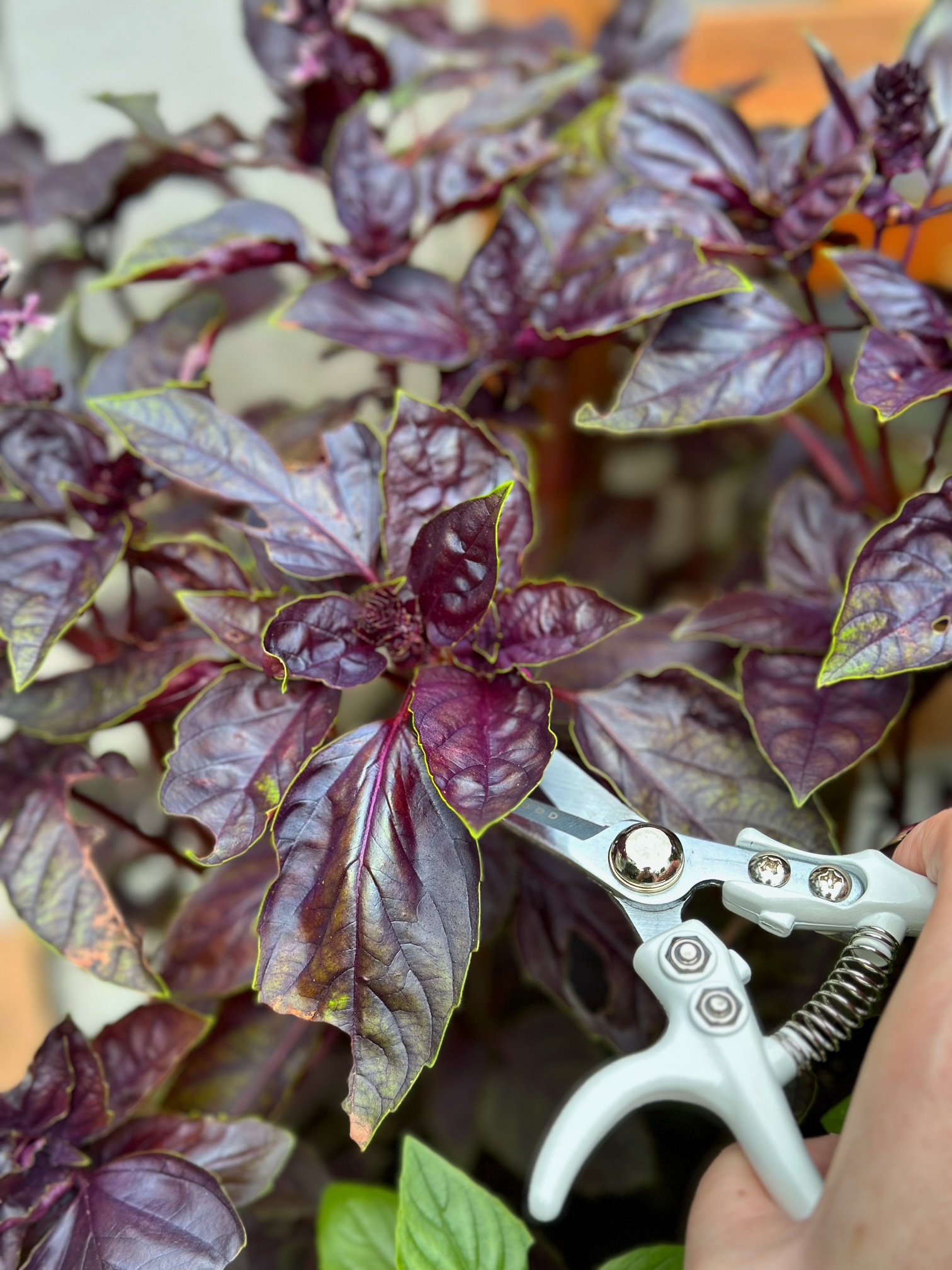
Start pinching back the growing tips once the plant reaches 6-8 inches tall. This encourages branching and creates a fuller, leafier plant. Always prune just above a pair of leaves.
Regular pruning also delays flowering which helps the plant focus its energy on producing more usable leaves. (More on basil blooms coming up!)
When purple basil blooms: What it means and what to do
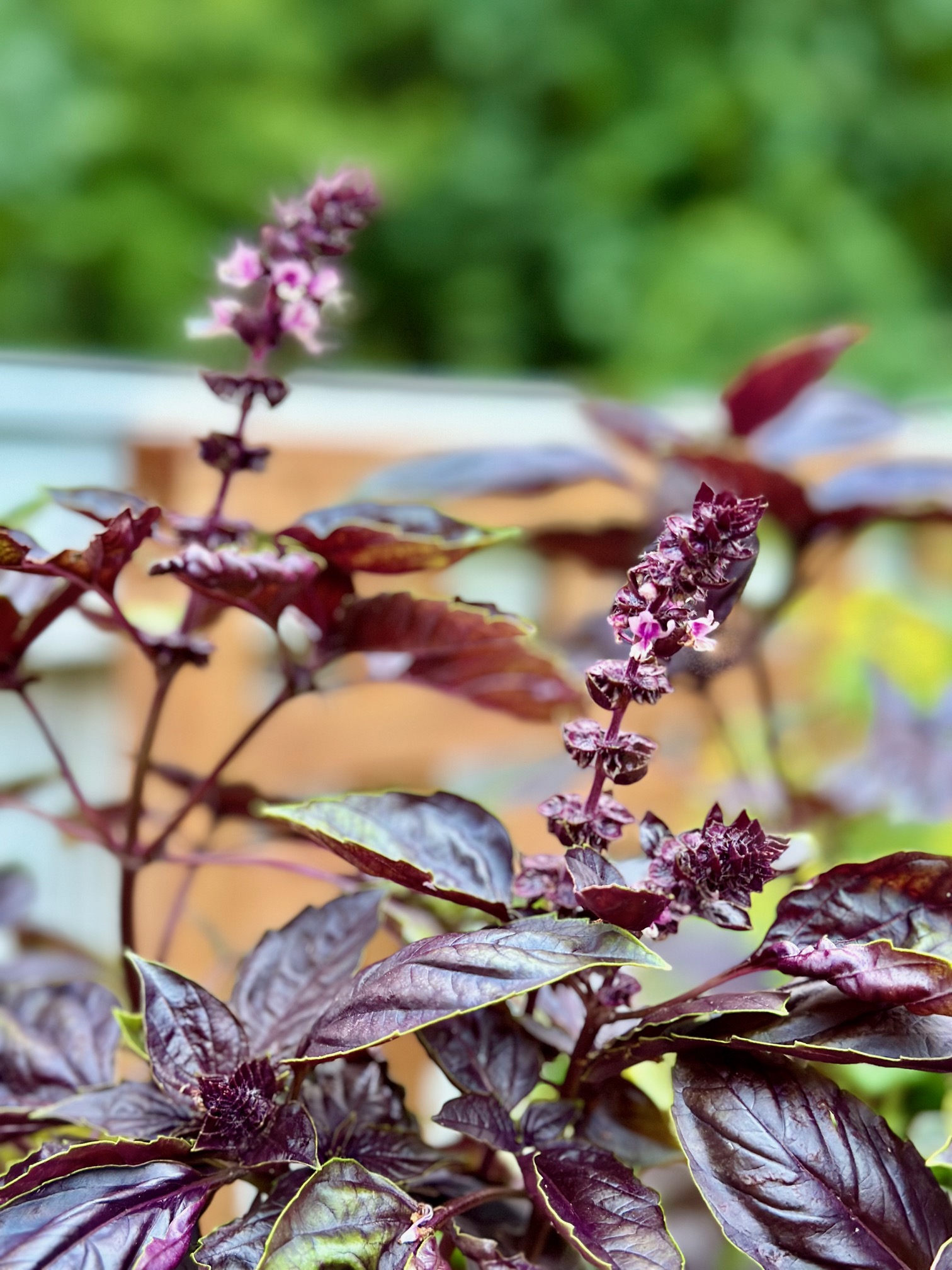
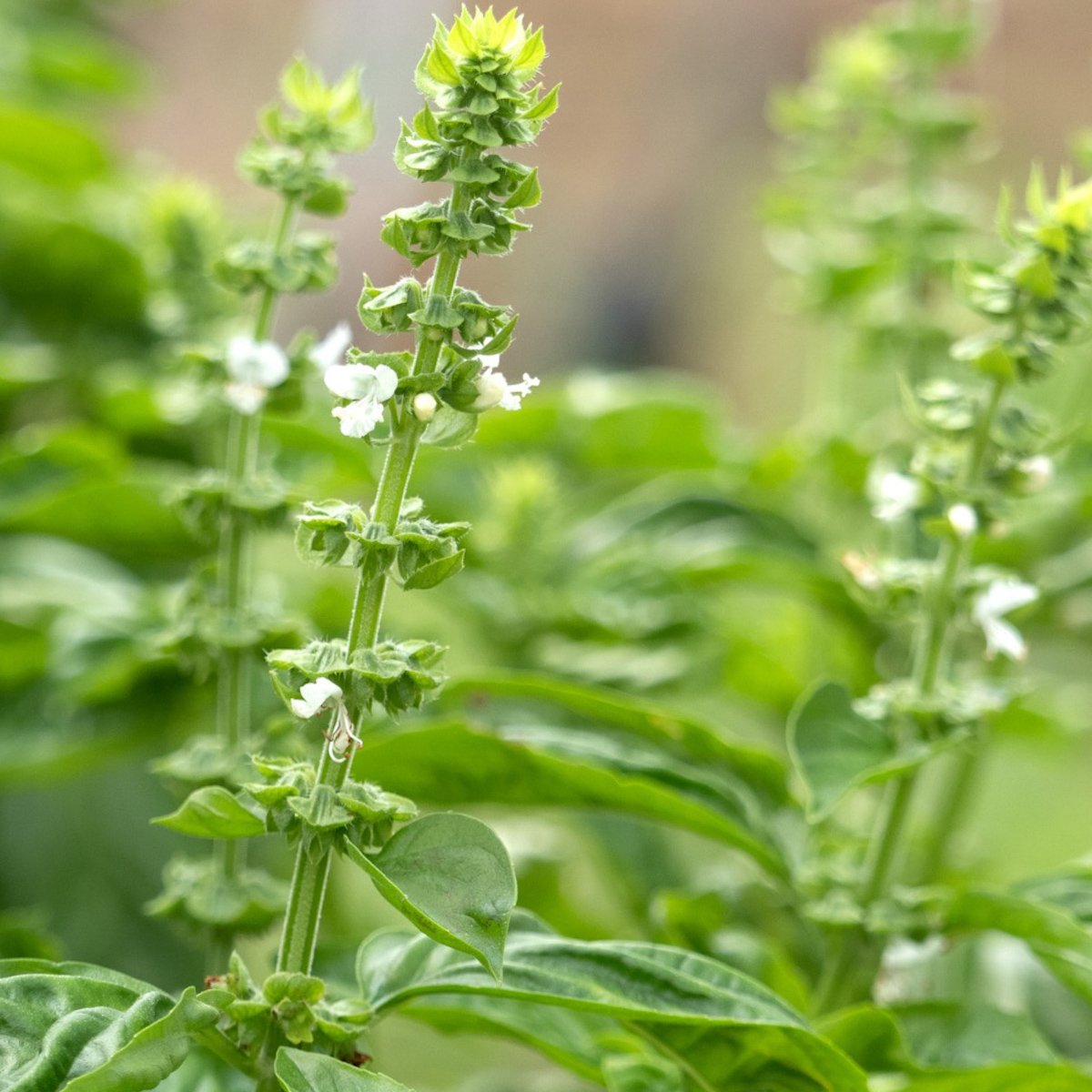
Like all basil plants, purple basil eventually sends up flower spikes: tall, delicate stems dotted with tiny blooms in shades of pink, purple, or white. While beautiful (and a magnet for pollinators!), when herbs flower it usually marks the beginning of the end of the plant's most flavorful phase.
Why basil flowers
When basil blooms, it's shifting from leaf production to reproduction. Once this happens, the leaves often become smaller, slightly bitter, and less fragrant. If your goal is to harvest basil for cooking or preserving, you'll want to keep flowering at bay.
Want to dive deeper? Here's my full guide to what to do when your basil flowers, including whether to pinch them off, save the seeds, or leave them for the bees.
Should you remove the flowers?
It depends on how you're using your plant:
- For culinary basil: Yes - pinch off the flowers as soon as they appear to keep the plant producing tender, flavorful leaves.
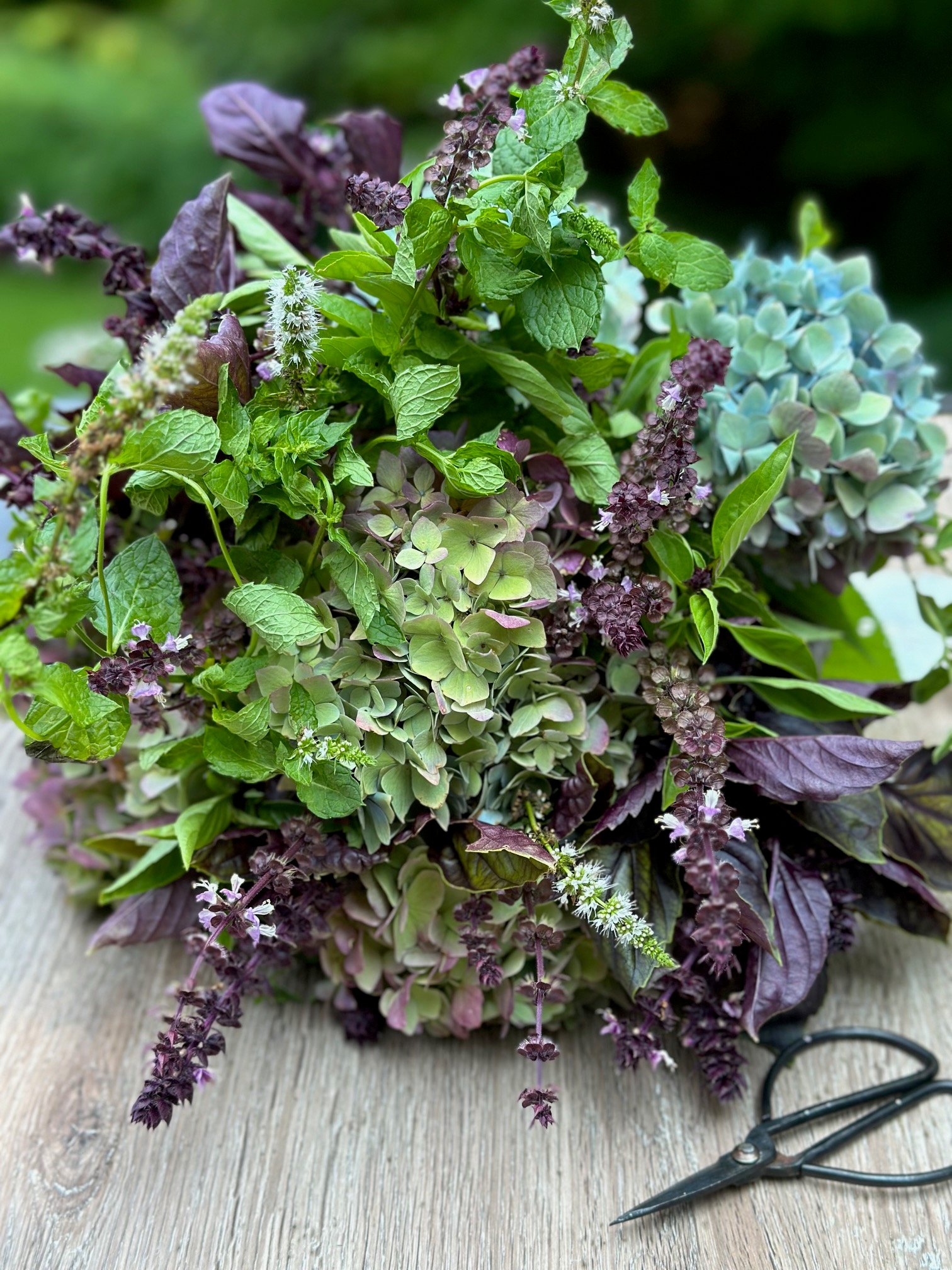
- For ornamental or pollinator use: Let it bloom! Purple basil flowers are lovely in the garden and make great cut stems for bouquets.
- If your basil's nearing the end of the season: Let a few flowers go to seed. You can collect them later and replant next year.
What I do in my garden
When my purple basil starts to bloom, I usually harvest a big bunch of leaves, then let a few plants flower for the bees (and the beauty). The contrast of those deep purple stems and pale blooms is hard to resist, and I've even used them in arrangements.
Purple basil vs. Green basil
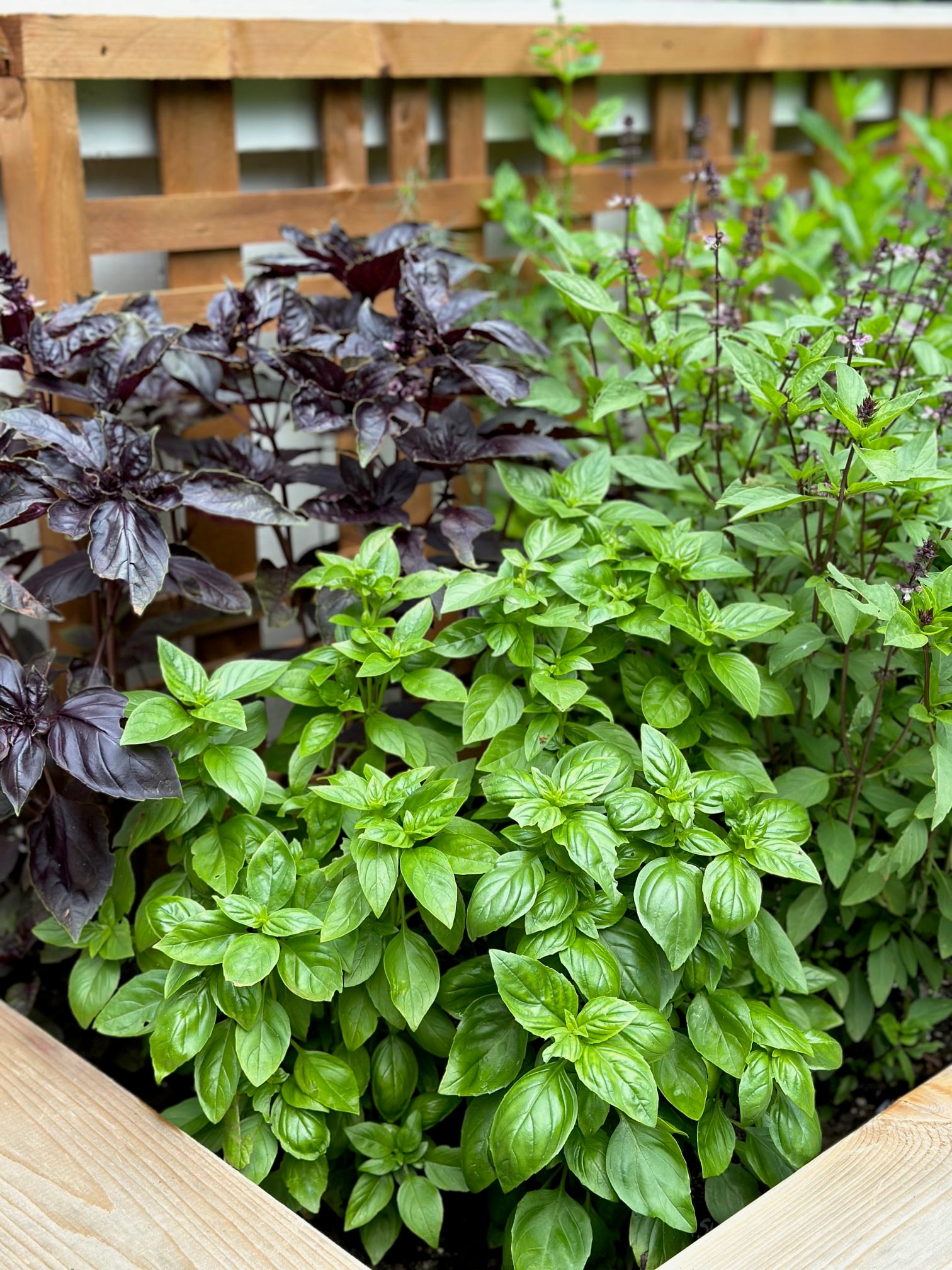
At a glance, the deep, moody tones of purple basil make it feel like an entirely different herb than classic green basil, but they're actually members of the same species (Ocimum basilicum). The differences come down to flavor, appearance, and how they shine in the kitchen.
Flavor differences
Purple basil has a slightly spicier, more clove-like flavor than sweet green basil. Some varieties lean a bit peppery or anise-like. It's bold but not overwhelming - great for dishes where you want basil to stand out rather than blend in.
Green basil (especially Genovese) tends to be sweeter, more familiar, and often more versatile for all-purpose cooking.
If you're new to purple basil, start by substituting it for green basil in small amounts to see what you like especially in uncooked dishes like salads or garnishes.
Growing differences
- Sunlight sensitivity: Purple basil needs more sunlight than green basil to maintain its deep color. In lower light, the leaves may turn burgundy or even green.
- Size and growth habit: Purple varieties often grow more compact, making them perfect for containers or edging.
- Leaves: Purple basil leaves tend to be thicker and sometimes more curled or ruffled than the softer, flatter leaves of green basil.
You may notice your purple basil turning more green as the season goes on. This is usually caused by lower light levels or cooler temps. Purple pigmentation (from anthocyanins) fades without bright sun and warm conditions. This caught me by surprise the first time I grew purple basil!
Kitchen uses
Both types can be used interchangeably in many recipes, but keep in mind:
- Color changes when cooked - purple basil often turns black or muddy green when heated. It's stunning raw but loses visual impact in sauces or sautés.
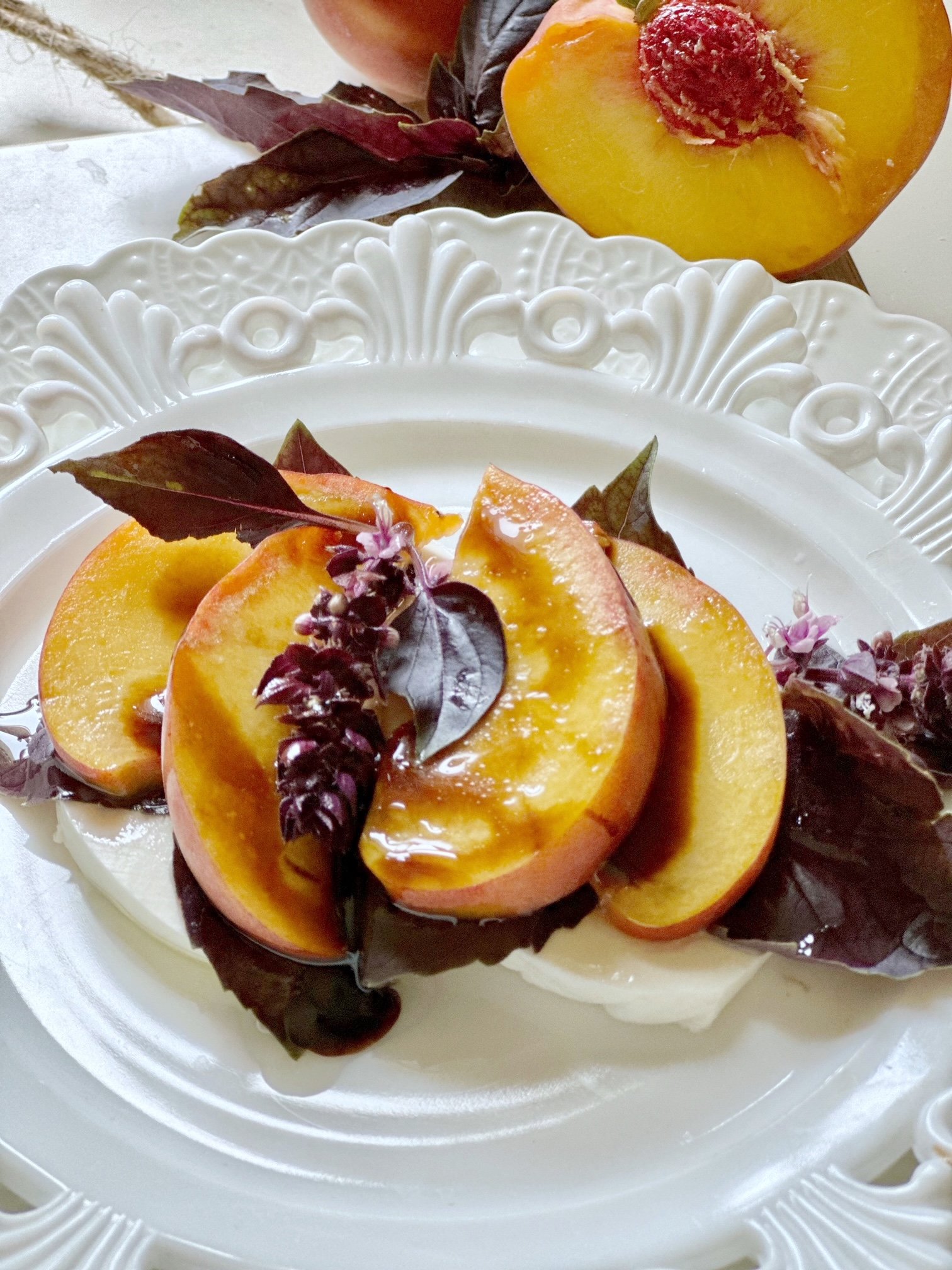
- If you're after visual wow-factor (like in a caprese salad, cocktail garnish, or infused oil), purple basil shines raw.
- Culinary Uses for Purple Basil
Purple basil can be used anywhere you'd use green basil, but it brings a twist of color and a slightly more peppery, clove-forward flavor. It's especially good in dishes where basil is the star.
Culinary uses for purple basil
Purple basil can be used anywhere you'd use green basil, but it brings a twist of color and a slightly more peppery, clove-forward flavor. It's especially good in dishes where basil is the star.
My favorite ways to use purple basil:
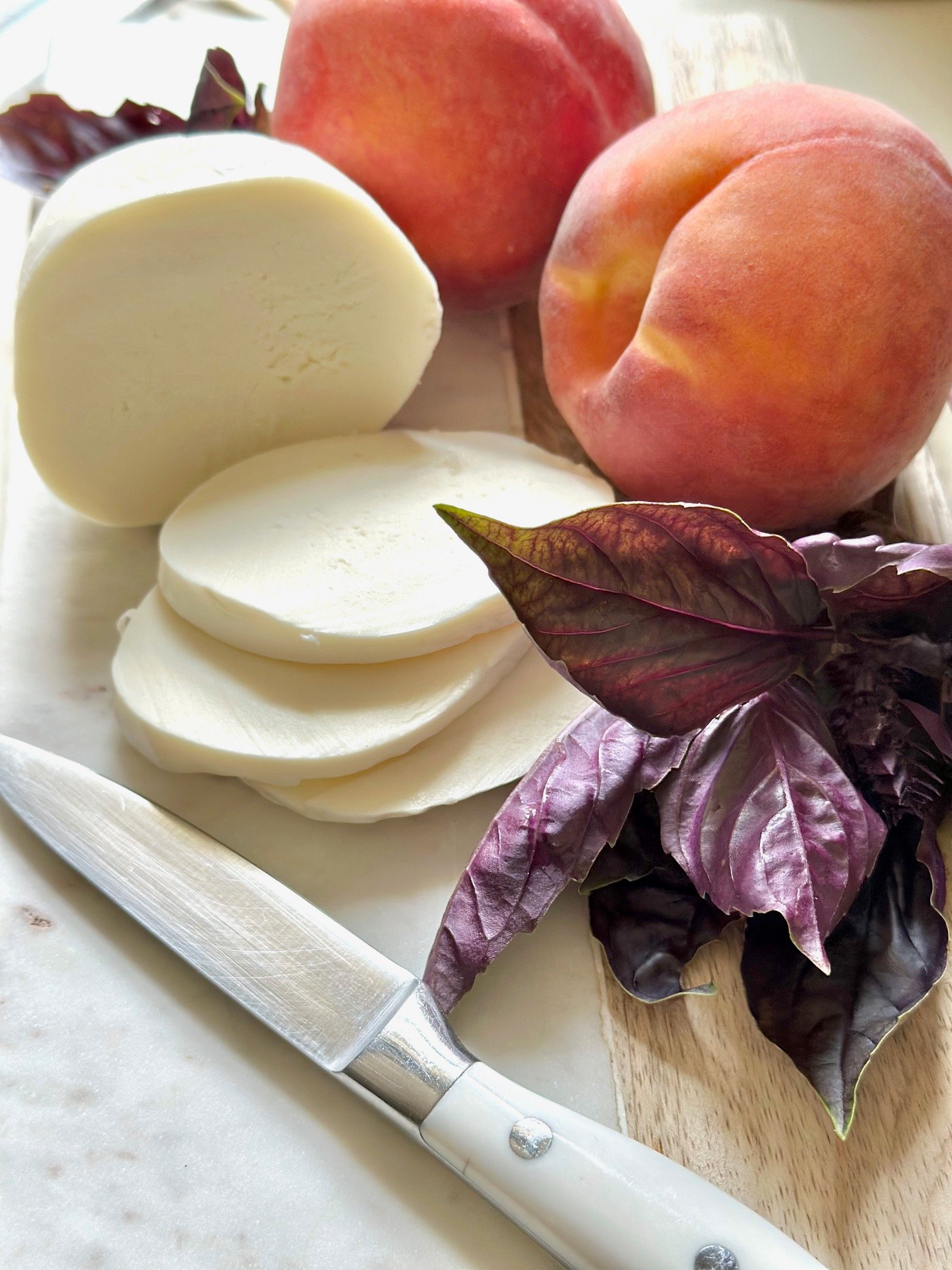
Fresh in Salads: Tear or chiffonade the leaves over tomatoes, cucumbers, or fresh mozzarella.
Purple Basil Pesto: The flavor pops, but just know the color can turn a bit muddy when blended. (Try combining with green basil for a more appetizing hue.)
Herb-Infused Oils: Gorgeous in a bottle of herb-infused oil and great drizzled over roasted veggies or bread.
Cocktails and Garnishes: Muddle into herb-forward drinks or float a leaf on top for visual impact.
Vinegars and Butters: Preserve the aroma in compound butters or infuse apple cider vinegar for salad dressings.
Because heat can dull its color, I usually use purple basil raw or as a final finish rather than cooked into dishes - unless I'm only after flavor, not appearance.
For a recipe that lets purple basil shine, try my Purple Basil Caprese Salad - it's simple, beautiful, and flavorful.
How to preserve purple basil
If your purple basil is thriving, you may find yourself with more than you can use at once, and luckily, it preserves beautifully. The key is to match the method to how you plan to use it later.
Here are the best ways to save that deep purple goodness long after the garden season ends:
1. Freeze it in olive oil
Freezing basil in olive oil is one of my favorite ways to preserve the flavor without sacrificing quality. It's quick, mess-free, and the result is perfect for tossing into soups, pastas, or roasted vegetables.
Just keep in mind that purple basil may lose some of its vibrant color when frozen -totally normal, and the flavor holds strong.
2. Air dry or dehydrate
Purple basil can be air-dried or gently dehydrated. The leaves tend to curl a bit more than green basil when dried, but the spicy scent and flavor remain.
- Bundle stems and hang them upside down in a cool, dry spot with good airflow.
- Or use a dehydrator set to low (95-110°F) until the leaves are brittle.
Crumble and store in an airtight jar away from light.
3. Make purple basil salt or vinegar
To really highlight the color and aroma, infuse purple basil into a finishing salt or a bottle of vinegar. It makes a beautiful gift and elevates simple dishes.
- For salt: Pulse dried purple basil with flaky sea salt in a food processor.
- For vinegar: Steep fresh leaves in apple cider or white wine vinegar for 1-2 weeks, then strain.
4. Compound butter
Mix finely chopped fresh purple basil with softened or whipped butter, then roll into a log and freeze. Slice off pats to melt over corn, potatoes, or pasta year-round.
Frequently asked questions
Purple basil is a variety of sweet basil (Ocimum basilicum). It shares the same growing habits and flavor base but has a slightly spicier, clove-like taste and striking violet leaves thanks to natural pigments called anthocyanins.
Purple basil adds bold flavor and color to dishes. Use it in salads, pestos, infused vinegars, herb butters, or cocktails. It's also high in antioxidants and makes a beautiful ornamental herb.
Yes! Purple basil is completely edible and used the same way as green basil. Its flavor is slightly more peppery, making it perfect for fresh recipes and garnishes.
Not at all. It grows like regular basil with full sun, well-drained soil, and regular pinching for bushy growth. The more sun it gets, the darker the leaves become.
At a Glance: Purple Basil Basics
| Feature | Purple Basil |
|---|---|
| Flavor | Spicy, clove-like, slightly peppery |
| Sun Needs | Full sun (6-8 hours/day) |
| Use Fresh | Best raw for color; cooks like green basil |
| Preservation | Freeze in oil, dry, or make herb butter |
| Varieties | Dark Opal, Purple Ruffles, Red Rubin |

Whether you're growing it for color, flavor, or pollinators, purple basil brings a beautiful twist to your garden and kitchen. From container-friendly compact growth to its slightly spicy kick, it's one of my favorite herbs to grow and use all season long.
With a few simple tips (the right sun, regular pinching, and easy preservation methods), you can enjoy purple basil long past summer.
Happy Purple Basil growing!