9 Common Herb Garden Mistakes (and How to Avoid Them)

Herb garden mistakes are common, especially for beginners, but most are easy to fix once you know what to look for. The biggest issues usually come down to not enough sunlight, overwatering, poor drainage, and planting herbs with different needs together. With a few simple adjustments, your herbs can quickly recover and start growing strong.
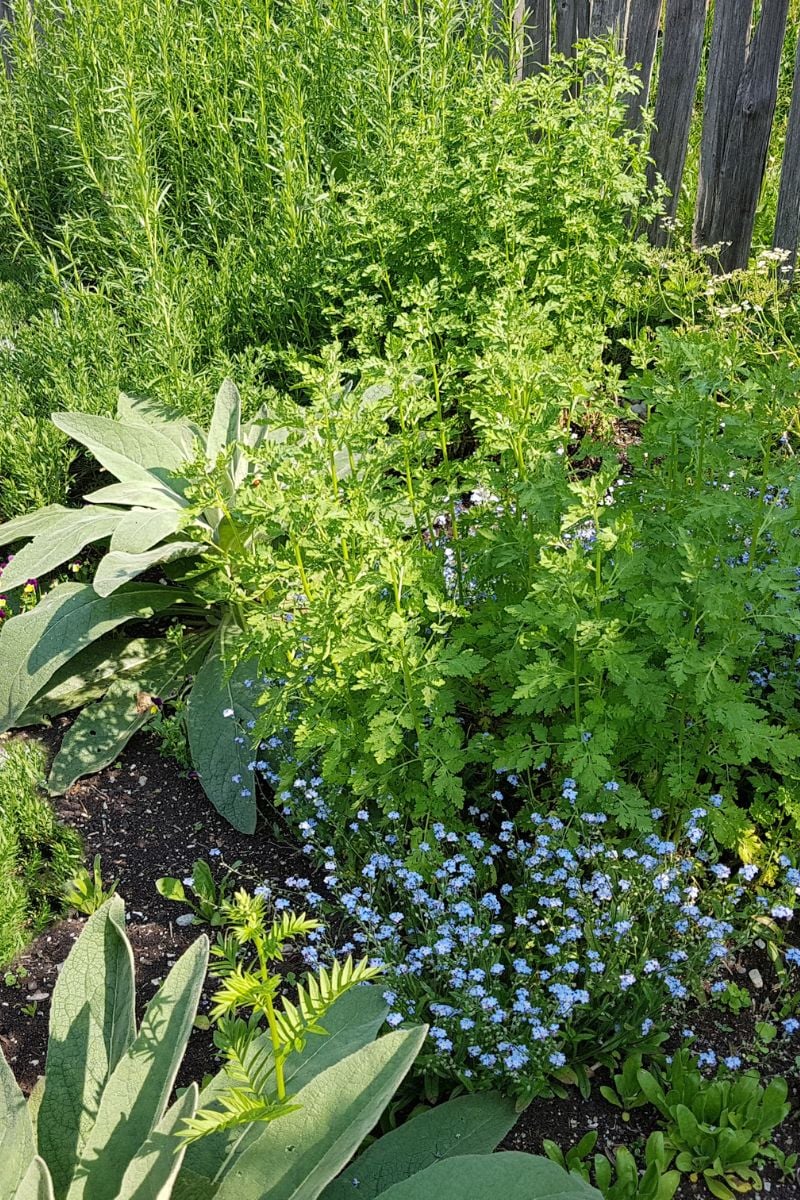
Herb garden mistakes are easy to make, especially when you're just getting started. I've had my share of wilted plants, over-pruned stems, and herbs that just didn't thrive the way I expected, even after building out spaces like our raised herb garden bed, focusing on the best soil and easy-to-grow herbs, and experimenting with different setups over the years.
Most of the time, it comes down to a few simple things. Choosing the right plants (like these culinary herbs), understanding where and how to grow them, whether that's in containers or garden beds, and setting things up from the start. If you're working with pots, my 12 best herbs for containers is a great place to begin, and if you're starting from scratch, I walk through everything step by step in how to start an herb garden.
In this post, I'll share the most common herb garden mistakes and what to do instead so you can grow healthier, more productive herbs (without the frustration) and a beautiful herb garden.
At a Glance: Herb Garden Mistakes
_______________________
- Not giving herbs enough sunlight
- Planting in soil that doesn't drain well
- Overwatering or watering inconsistently
- Using too much fertilizer
- Not pruning or harvesting regularly
- Letting herbs flower too early without managing growth
- Ignoring pests and plant health
- Overcrowding plants and limiting airflow
- Mixing herbs with very different needs
Summarize and Save this content on:
Jump to:
- At a Glance: Herb Garden Mistakes
- Not giving your herbs enough sunlight
- Using the wrong soil for herbs
- Overwatering or watering incorrectly
- Over-fertilizing (or fertilizing when you don't need to)
- Not pruning herbs properly
- Deadheading and managing herb flowers
- Ignoring pests and plant health
- Overcrowding your herb plants
- Not harvesting herbs regularly
- More helpful herb guides
Mistake #1
Not giving your herbs enough sunlight
The first mistake is not giving your herbs enough light. Most herbs need at least six hours of sunlight per day, so if you're growing them indoors, make sure to put them near a south-facing window.
However, some herbs, such as mint and cilantro, don't need as much light. If you're uncertain about the light requirements for specific herbs like mint and cilantro, consulting a gardening expert or conducting online research can provide valuable insights into their optimal growing conditions. Understanding the light preferences of your herbs ensures they receive the right amount of sunlight to thrive indoors or outdoors.
For a list of plants that can survive in shade gardens visit my, The Best Herbs to Grow in Shade (Yes, It's Totally Possible!) post!
Mistake #2
Using the wrong soil for herbs
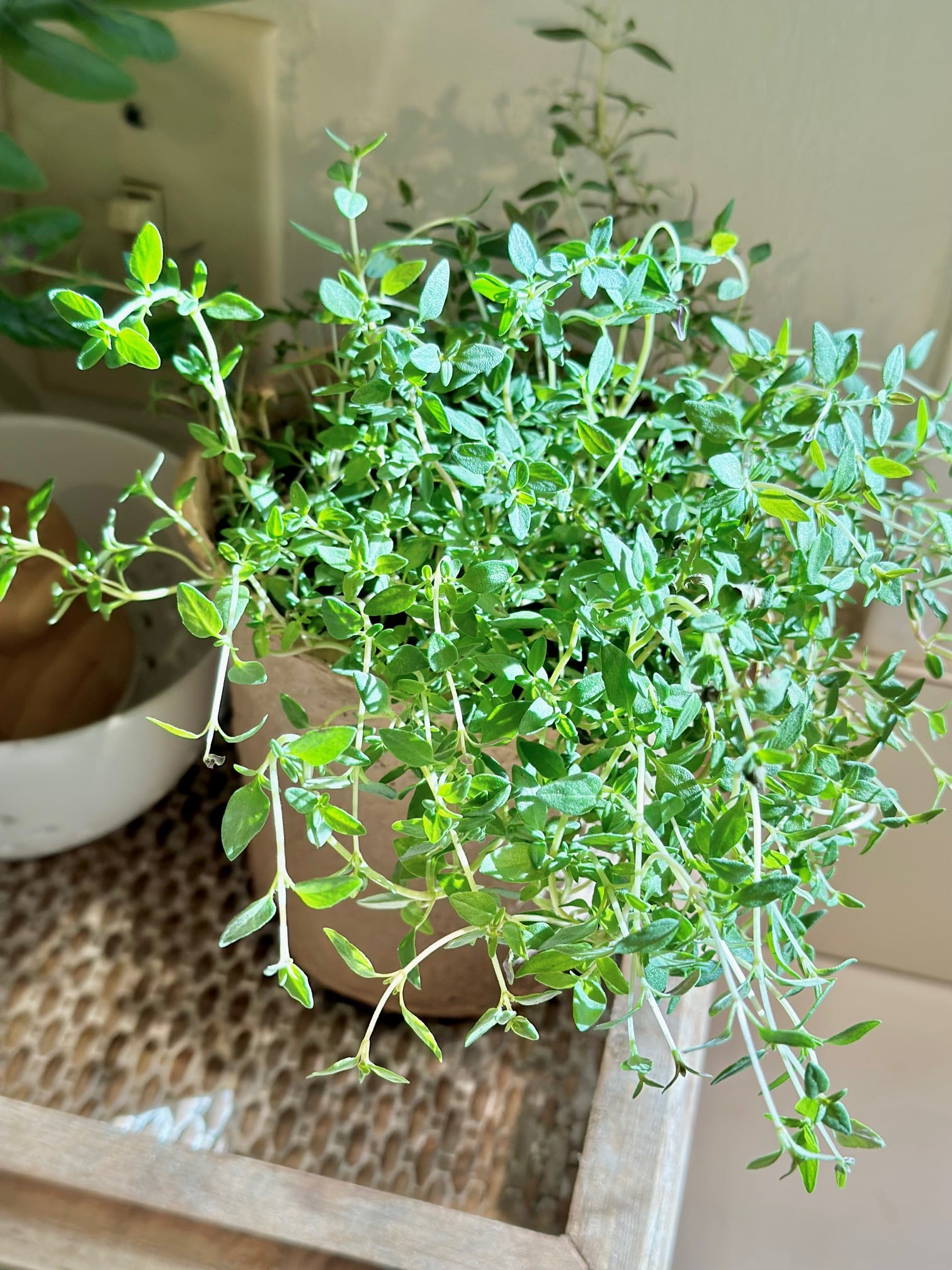
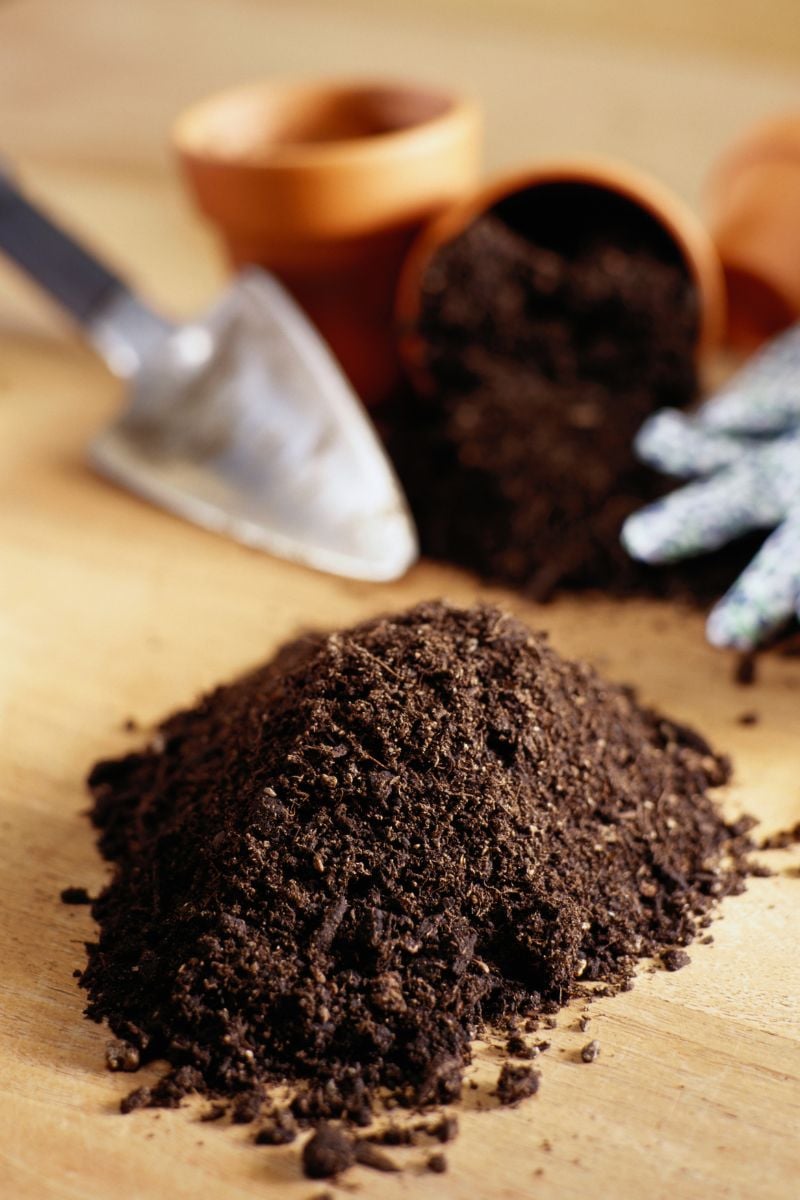
Another big mistake is not preparing the soil correctly. The soil you use can make a big difference in how well your herbs grow. Depending on which herb you're growing, you may need to add some organic matter to the soil. Consider mixing in compost or manure to enrich the bed before planting.
You can also test your soil to see what nutrients it lacks. This will help you know what amendments you need to add. Visit the best soil for lavender to ensure your lavender plants receive the nutrients and drainage they need for optimal growth and fragrance. Visit my post on the best soil for raised beds.
Mistake #3
Overwatering or watering incorrectly
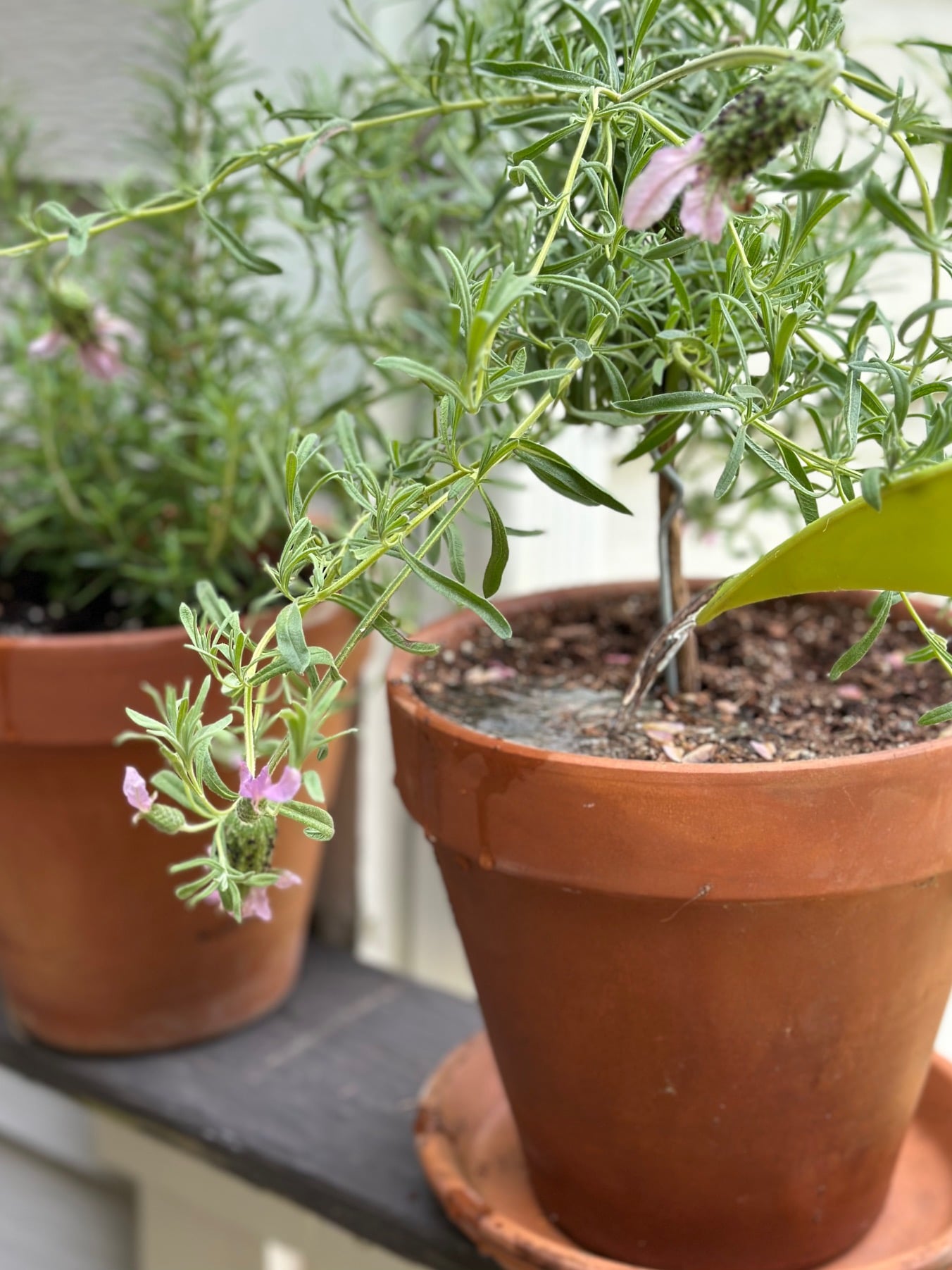
Overwatering is another common mistake people make when herb gardening. Herbs prefer moist but not soggy soil, so water them regularly, but be sure to allow the soil to dry out somewhat between waterings.
Over or under-watering can lead to problems such as root rot or yellow, wilted leaves-plan to water your herbs about once a week or whenever the soil feels dry several inches down. Check out How much water do mint plants need and How often do I water indoor lavender for tailored guidance on caring for these commonly grown herbs.
Mistake #4
Over-fertilizing (or fertilizing when you don't need to)
Fertilizing isn't always necessary for herbs, and in many cases, it's one of the easiest ways to run into problems. Most herbs naturally prefer lean soil, and too much fertilizer can lead to fast, weak growth with less flavor. In some cases, it can even damage the roots.
If your soil is healthy and well-draining, your herbs may not need much added fertilizer at all. I've found that focusing on good soil from the start makes a much bigger difference than trying to "fix" things later with feeding.
When I refresh my beds each spring, I simply amend the soil and reuse what I already have, which has worked really well over time.
If you do choose to fertilize your herbs, keep it light and targeted. Some herbs, like basil, benefit from occasional feeding, while others, like lavender, prefer very little. I share more specifics in my guides on fertilizing herbs, including what works best for basil and what to avoid with lavender.
Tip: I've even used simple options like banana peel water for basil as a gentle boost, but even then, a little goes a long way.

Mistake #5
Not pruning herbs properly
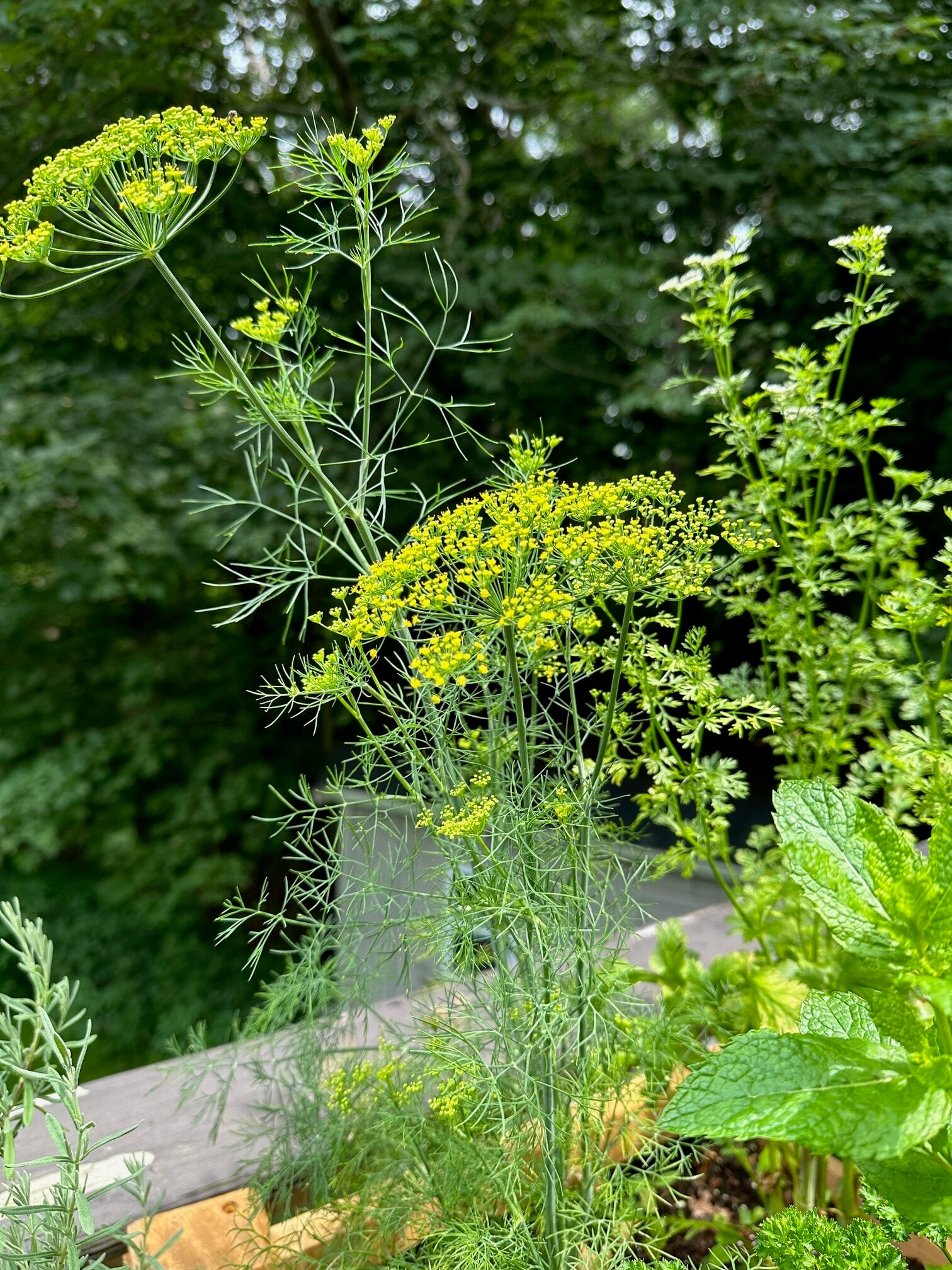
Pruning is essential for keeping your herbs healthy and can help them produce more leaves or flowers, but it's important to do it correctly. You should prune back about one-third of the plant each time. This will encourage new growth and prevent the plant from getting too leggy. Trust me, last year I neglected to prune my dill and it went to flower and stopped producing its feathery leaves.
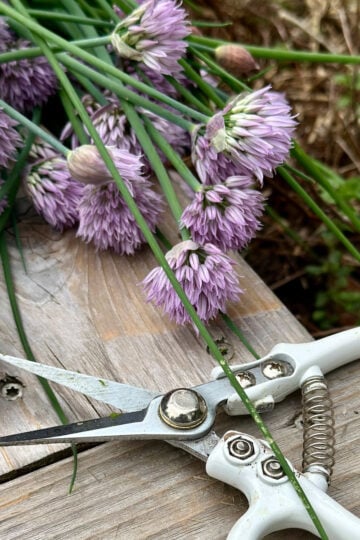
Too long or too short of cuts can damage the plant, so be sure to use sharp pruning shears and make clean cuts.
Mistake #6
Deadheading and managing herb flowers
Deadheading is the process of removing spent flowers from your plants. With many herbs, this helps redirect energy back into leaf production, which is what you want if you're growing them for cooking.
Some herbs, like basil, cilantro, and dill, can lose flavor or become more bitter once they start to flower. In those cases, it's best to pinch back the flower buds early to keep the plant producing fresh, flavorful leaves.
That said, not all herb flowers are a problem. Many are actually beautiful and beneficial in the garden. Flowering herbs attract pollinators like bees and butterflies, and some blooms are even edible or perfect for simple arrangements.
If you enjoy the look of a more natural, slightly wild garden, you can absolutely let some of your herbs flower. I often do a mix of both, keeping a few plants trimmed for cooking while letting others bloom for beauty and pollinators.
If you're curious what different herb flowers look like and when to let them bloom, I share more in my posts on flowering herbs.
Mistake #7
Ignoring pests and plant health
Pests and diseases can be a big problem in herb gardens, but there are ways to control them. The best way to prevent pests and diseases is to start with healthy plants and keep your garden clean.
Remove any dead or dying leaves or stems as soon as you see them, and don't let weeds grow. You can also use organic pest control methods such as companion planting or traps.
If you have a problem with pests or diseases, identify the issue before treating it. Many herbicides will kill beneficial insects like ladybugs, so it's important to know what you're dealing with.
Mistake #8
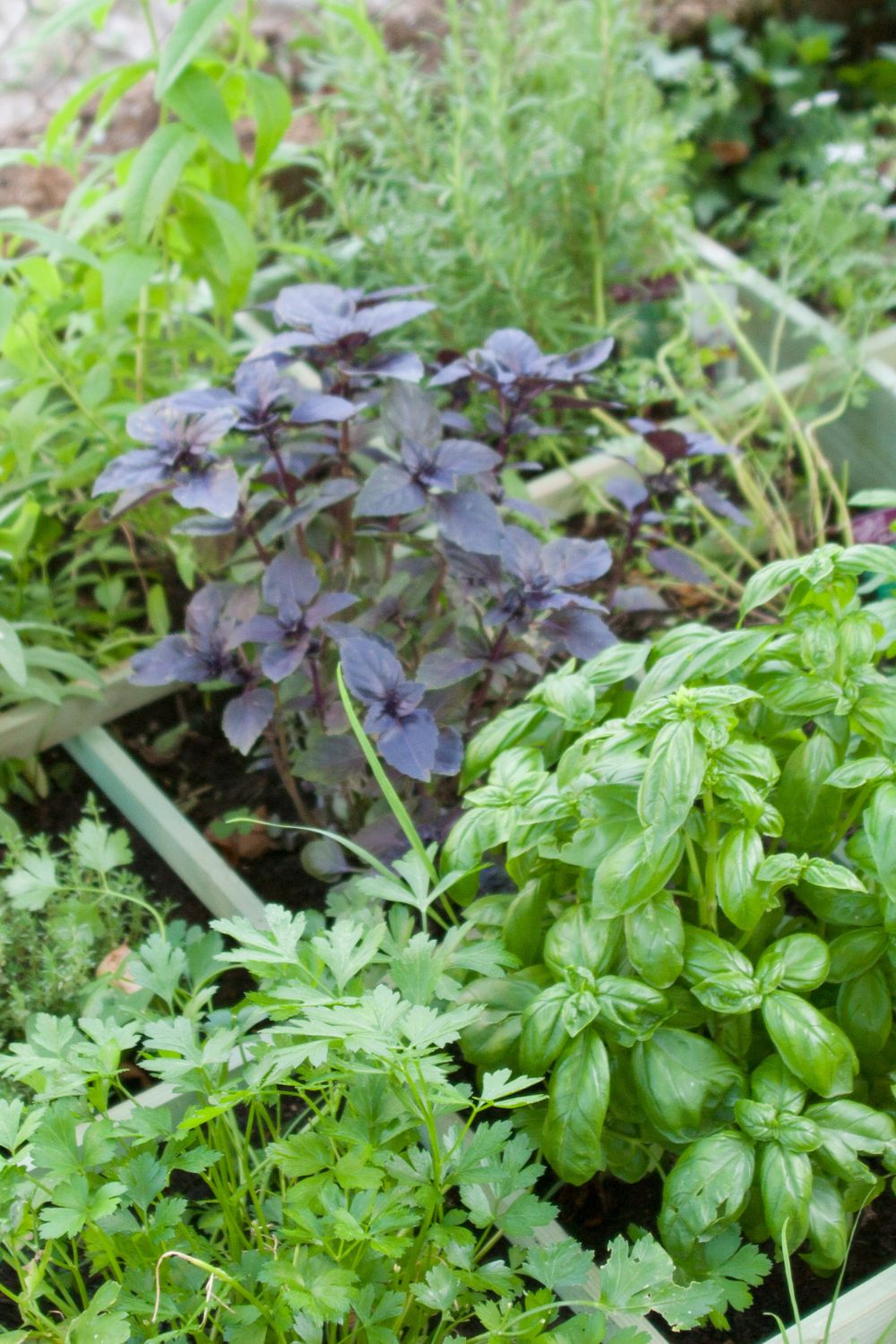
Overcrowding your herb plants
When your herb plants start to crowd each other, it can stunt their growth and make it difficult for them to get the nutrients they need. Thin out your plants every few weeks or so, and transplant the extras into another pot or garden bed.
You can also use herb plants as "sacrificial lambs" to protect your other plants from pests. Simply plant them around the perimeter of your garden, and the pests will go for the herbs instead of your vegetables or flowers.
Mistake #9
Not harvesting herbs regularly
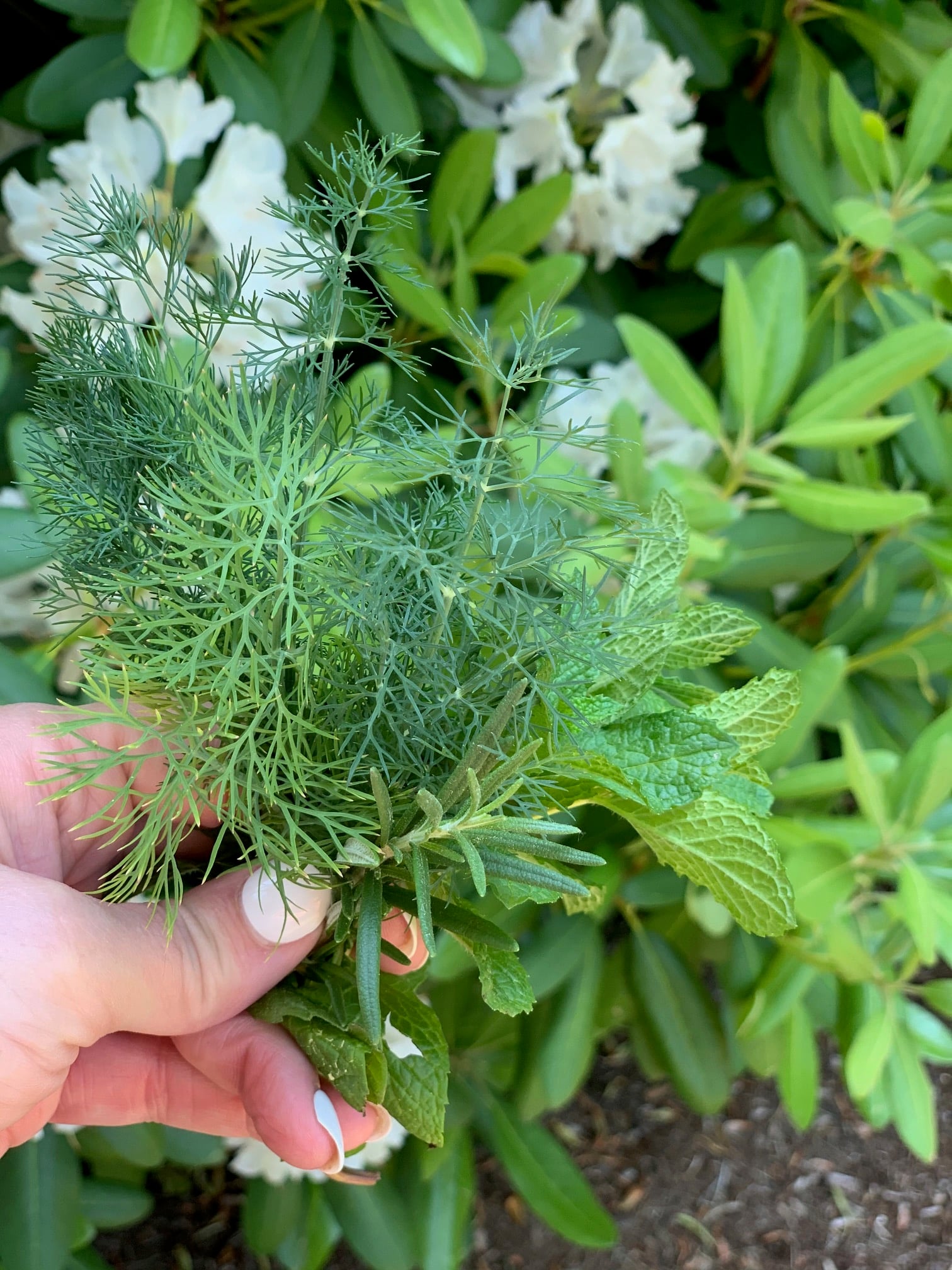
Harvesting is one of the most enjoyable parts of herb gardening, but it's important to do it correctly. Harvesting your herbs properly is vital if you want to use them fresh or dry them for later use. The best time to harvest most herbs is in the morning after the dew evaporates but before the sun gets too hot.
Cut the stems just above a set of leaves, and use sharp pruning shears, so you don't damage the plant. You can also use a knife if necessary, but be careful not to cut yourself.
Drying your herbs is a great way to preserve them for later use, and it's pretty easy. You can air-dry them by tying the stems and hanging them upside down in a cool, dark place. You can also dry them in the oven on a low setting or in a dehydrator. Once they're dry, store them in an airtight container away from sunlight.

Not a Mistake, Just a Garden Upgrade: While not technically an herb gardening mistake, many herb beds are planted with herbs alone. Adding a few flowers can make the space far more beautiful and lively. Many herbs do not bloom until later in the summer, so a few early flowers help fill in the garden with color and attract pollinators. See why I always create an herb garden with flowers and how it transforms the entire space.

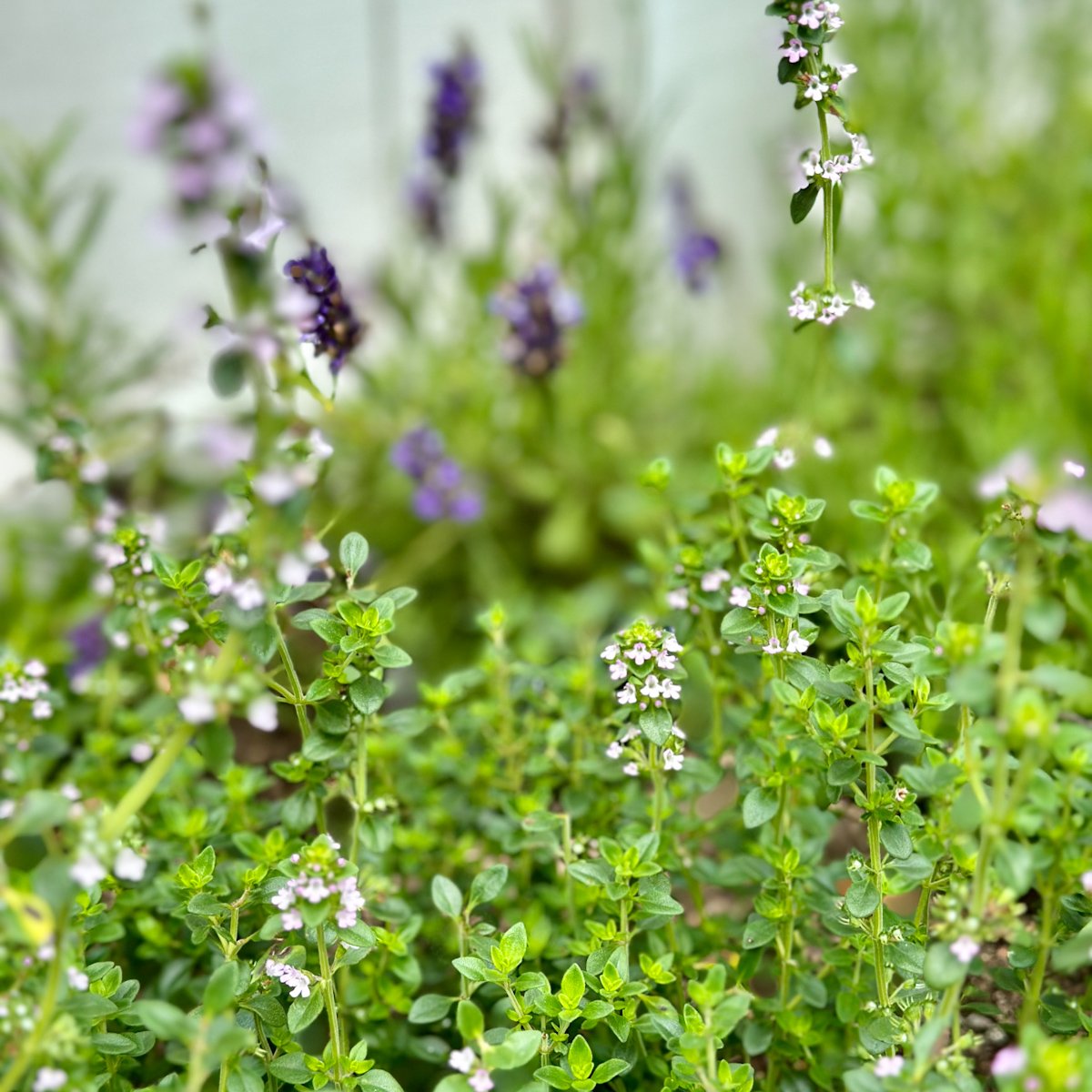
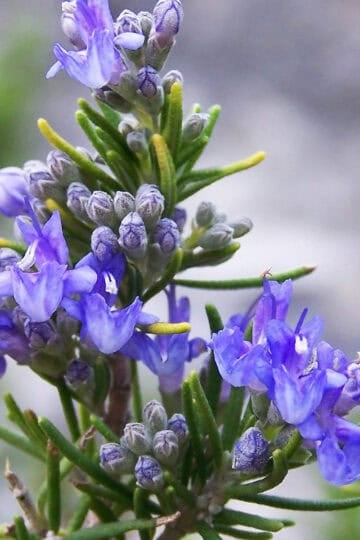
When first diving into herbs, accidental missteps happen easily. But with insight into proper lighting conditions, soil needs, watering frequency, pruning technique, pest prevention, and careful harvesting, your patch can transform quickly from a struggle to bountiful.
Simply avoiding oversights like faded plants begging for appropriate sunny spots or brittle yellow specimens showing underwatering symptoms will make a remarkable difference. Similarly, learning ideal pruning promotion methods compared to haphazard hacking clears up the chaos. Just a little care pays you back tenfold in thriving, gratifying growth!
Soon that first flawless harvest, vivid green landscape, and lack of wilted casualties will have made the learning worth it many times over. Then not only will you reap herbs galore for kitchen endeavors but also the pride of overcoming rookie mistakes. So embrace the problem-solving, gather gardening know-how through resources like this around every herb's needs, adapt as you observe...then get ready to truly enjoy cultivating your own fresh flavor!
Happy gardening!