Companion Plants for Sage: What to Plant (and What to Avoid)

Sage grows best alongside plants that enjoy full sun, well-drained soil, and moderate to low water needs. Some of the best companion plants for sage include rosemary, thyme, lavender, oregano, yarrow, and echinacea. These herbs, flowers, and vegetables share similar growing conditions, attract pollinators, and help create a healthy, low-maintenance garden. Learn what to plant with sage, which plants to avoid, and how to build a thriving herb garden around this versatile culinary herb.
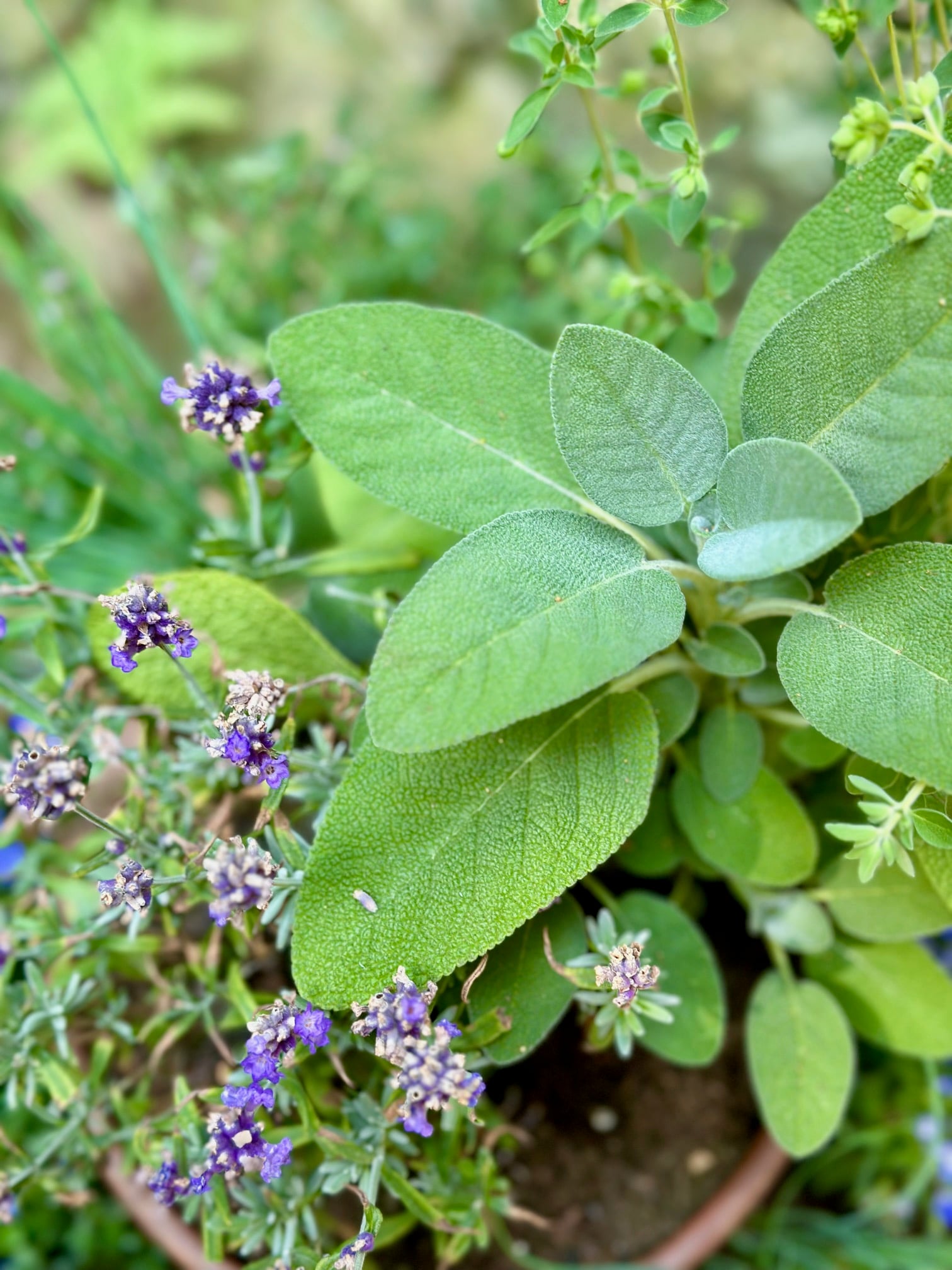
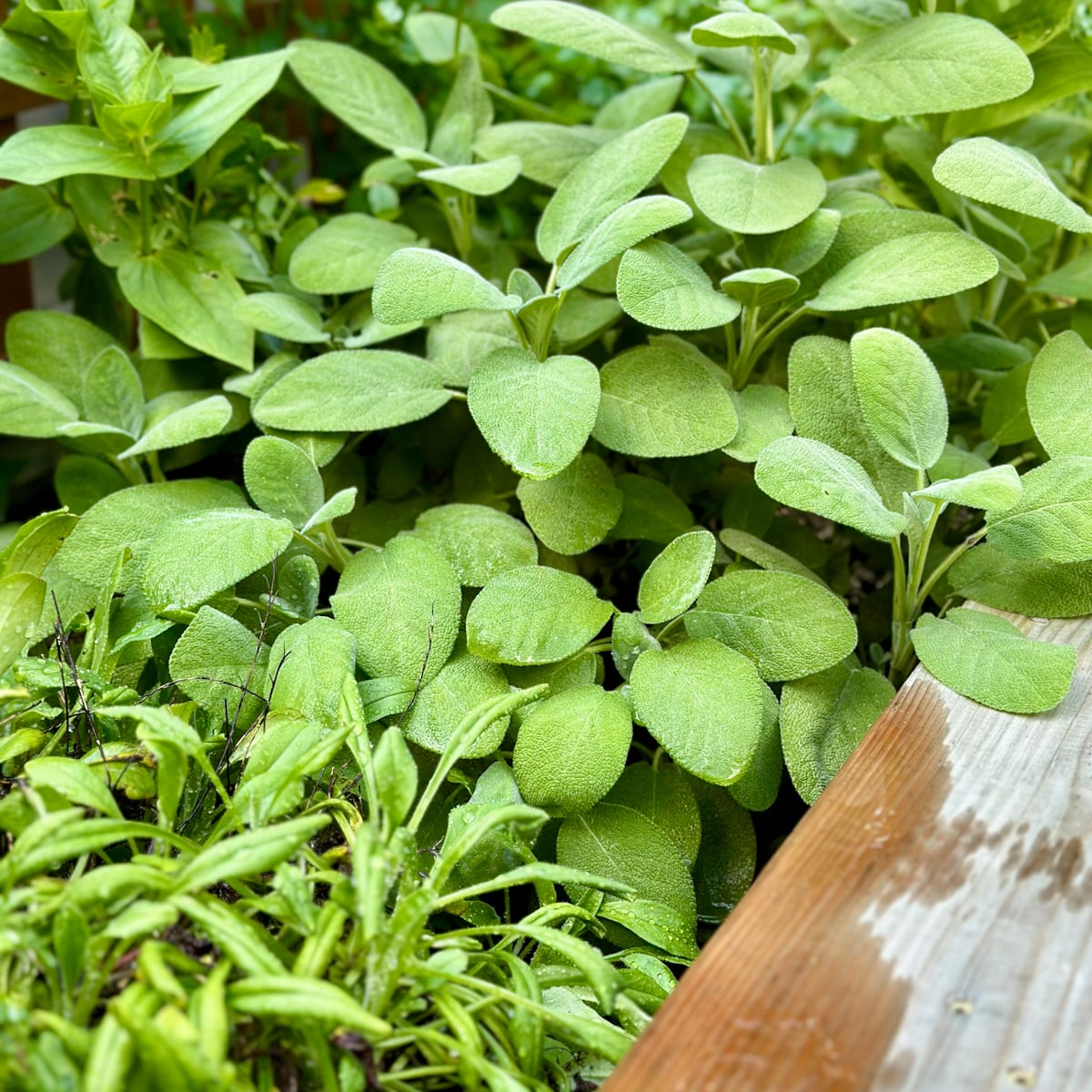
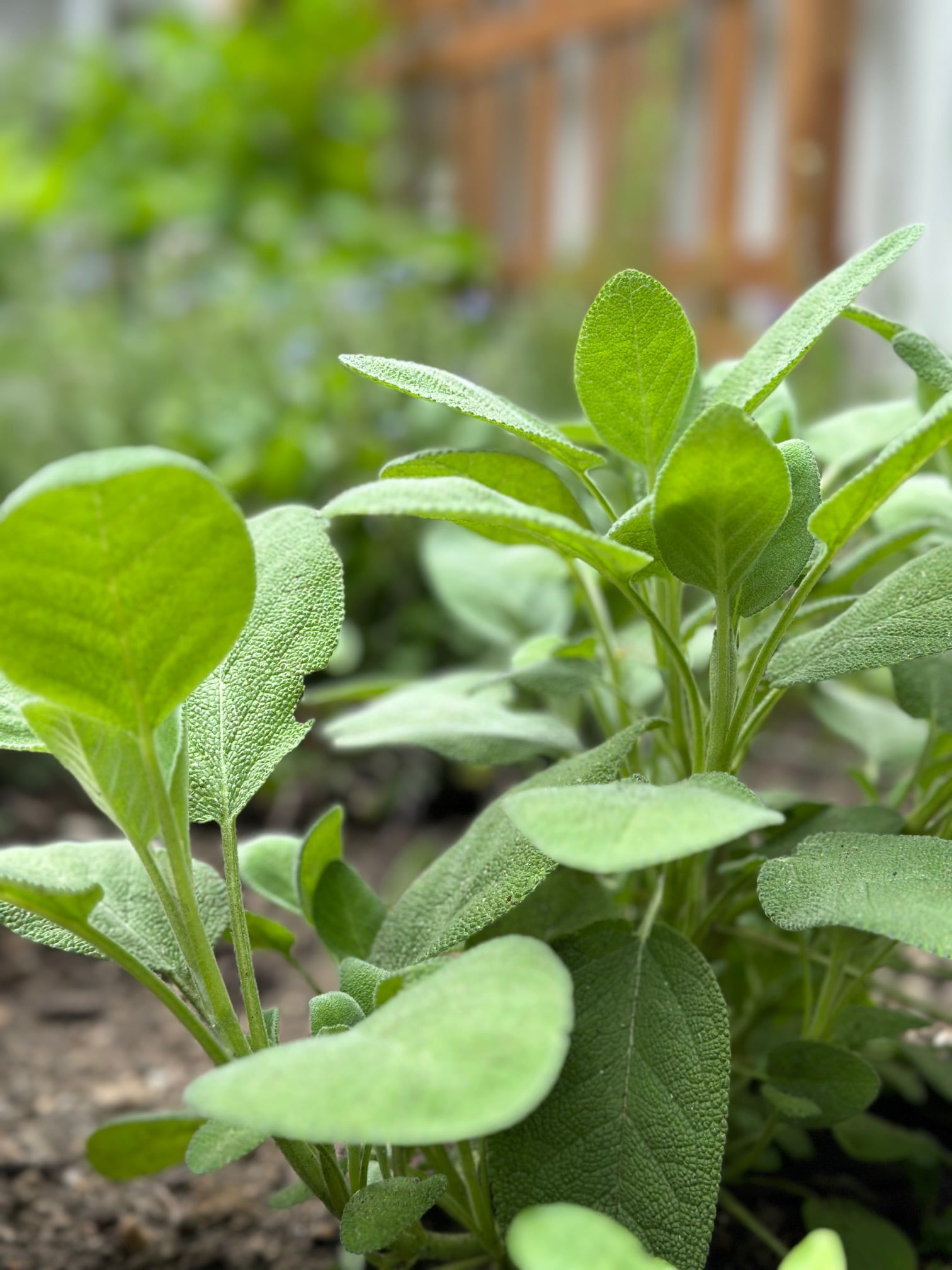
Sage is one of those reliable herbs I find myself growing year after year. As a culinary herb, it's useful in everything from roasted vegetables and poultry dishes to herb-infused olive oils and homemade herb blends. It's also one of the easiest herbs to grow, thriving in sunny gardens with well-drained soil and very little fuss.
Over the years, I've learned that sage grows best when it's surrounded by plants that enjoy the same conditions. Like many Mediterranean herbs, sage prefers full sun, good air circulation, and soil that doesn't stay wet for long. When paired with the right companions, it becomes part of a beautiful, productive garden that attracts pollinators, requires less maintenance, and makes harvesting a little easier.
In my own Massachusetts herb garden, I often grow sage alongside other favorite herbs such as rosemary, thyme, lavender, and oregano. These plants share similar growing requirements and create attractive combinations in raised beds, herb planters, and mixed garden borders. I've also found that certain flowers and vegetables benefit from growing near sage, while others struggle because their water and soil needs are so different.
In this guide, I'll share the best companion plants for sage, which plants to avoid, and how to create a healthier, more successful herb garden using simple companion planting principles.
At a Glance: Companion Plants For Sage
_______________________
Sage grows best with plants that enjoy full sun, well-drained soil, and moderate to low water needs. The best companions share these growing conditions and help create a healthy, low-maintenance garden.
Good companion plants for sage
• Rosemary
• Thyme
• Lavender
• Oregano
• Winter Savory
• Yarrow
• Purple Coneflower (Echinacea)
• Salvia
• Catmint
• Creeping Thyme
• Sedum
• Lamb's Ear
• Cabbage
• Broccoli
• Kale
• Carrots
• Strawberries
Plants to avoid near sage
• Mint
• Basil
• Parsley
• Cilantro
• Hostas
• Impatiens
• Ferns
Why the right companions matter
• Sage prefers full sun and well-drained soil
• Similar water needs make garden care easier
• Flowering companions attract pollinators
• Compatible plants help maximize garden space
• Healthy plant combinations create a more productive garden
Summarize and Save this content on:
Jump to:
- At a Glance: Companion Plants For Sage
- What's a companion plant?
- Why plant companions with sage?
- What makes a good sage companion?
- Mediterranean herbs: The best companions
- Flowering plants that grow well with sage
- Ground covers and border plants
- Sage companions for the vegetable garden
- Can sage be planted with lavender?
- What not to plant with sage
- What to do with your sage harvest
- Frequently asked questions
- Time to get growing! More companion planting guides
What's a companion plant?
Companion planting is the practice of growing different plants near each other to create a healthier, more productive garden. Gardeners often use companion planting to maximize space, attract pollinators, support beneficial insects, and create plant combinations that are easier to maintain.
Some companion plants are grown together because they attract bees and butterflies, while others are paired because they help fill different layers of the garden, reduce weeds, or make harvesting more convenient. In herb gardens, companion planting can also create beautiful combinations of textures, colors, and fragrances.
While some companion planting advice is based on tradition and generations of gardening experience, one of the biggest benefits comes from simply grouping plants that grow well together and thrive in similar garden conditions.
Why plant companions with sage?
Companion planting helps you create a healthier, more productive garden by grouping plants that grow well together.
Attract pollinators
Sage flowers attract bees and other beneficial insects. Pairing sage with other pollinator-friendly plants can help bring even more activity to the garden.
Make better use of space
Growing sage alongside compatible herbs, flowers, and vegetables allows you to maximize garden space without overcrowding plants.
Create beautiful garden combinations
The soft gray-green foliage of sage pairs beautifully with lavender, rosemary, yarrow, and other sun-loving plants.
Simplify garden care
When plants have similar growing requirements, watering, fertilizing, and general maintenance become much easier.
What makes a good sage companion?
The best companion plants for sage share a few important characteristics:
- Full sun (at least 6 hours daily)
- Well-drained soil
- Moderate to low water needs
- Good air circulation
- Drought tolerance once established
Plants that prefer consistently moist soil, heavy shade, or frequent watering are usually poor companions for sage and may struggle when grown together.
Mediterranean herbs: The best companions
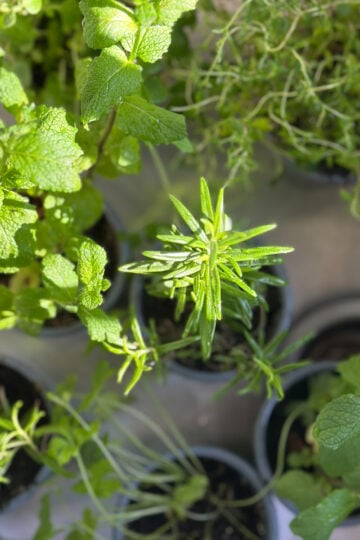
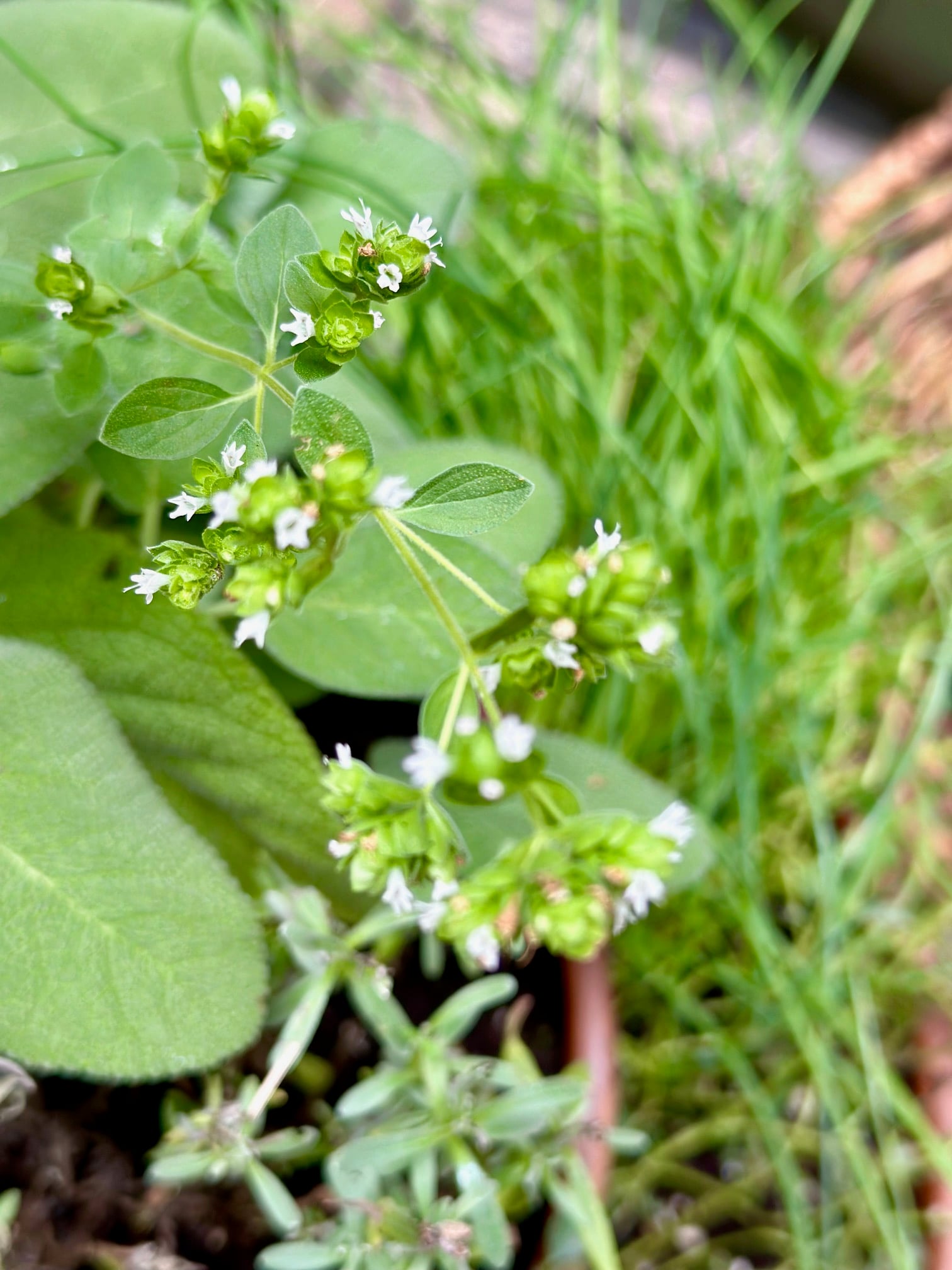
In my raised bed herb garden, I cluster most of my Mediterranean herbs together at one end of the bed. Sage, rosemary, thyme, oregano, and lavender all prefer similar growing conditions, so grouping them together makes watering and maintenance much easier. Over the years, I've found this to be one of the simplest ways to create a healthy, productive herb garden.
These herbs thrive in full sun, appreciate well-drained soil, and generally don't require much attention once established. If you're looking for the best companion plants for sage, this group is where I would start.
Rosemary
Rosemary is one of the best companion plants for sage because it thrives in the same sunny, well-drained conditions. Both herbs are drought tolerant once established and require very little maintenance. I often grow rosemary and sage near each other in containers and raised beds, making it easy to harvest both for cooking.
Thyme
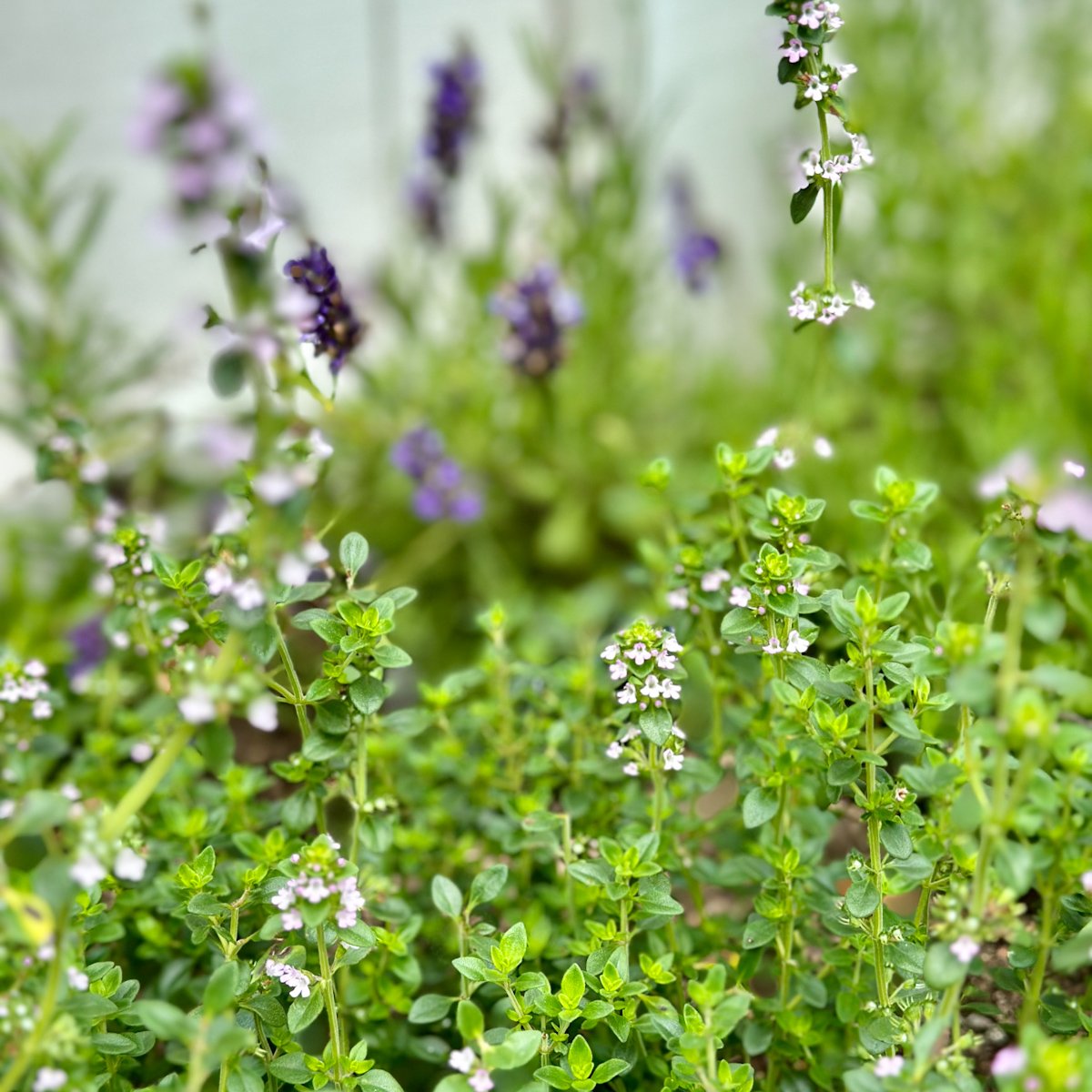
Low-growing thyme is another natural companion for sage. It enjoys full sun, tolerates dry soil, and helps fill empty spaces between larger herbs. I especially like planting thyme near sage because it creates a beautiful mix of textures while making the most of limited garden space.
Oregano
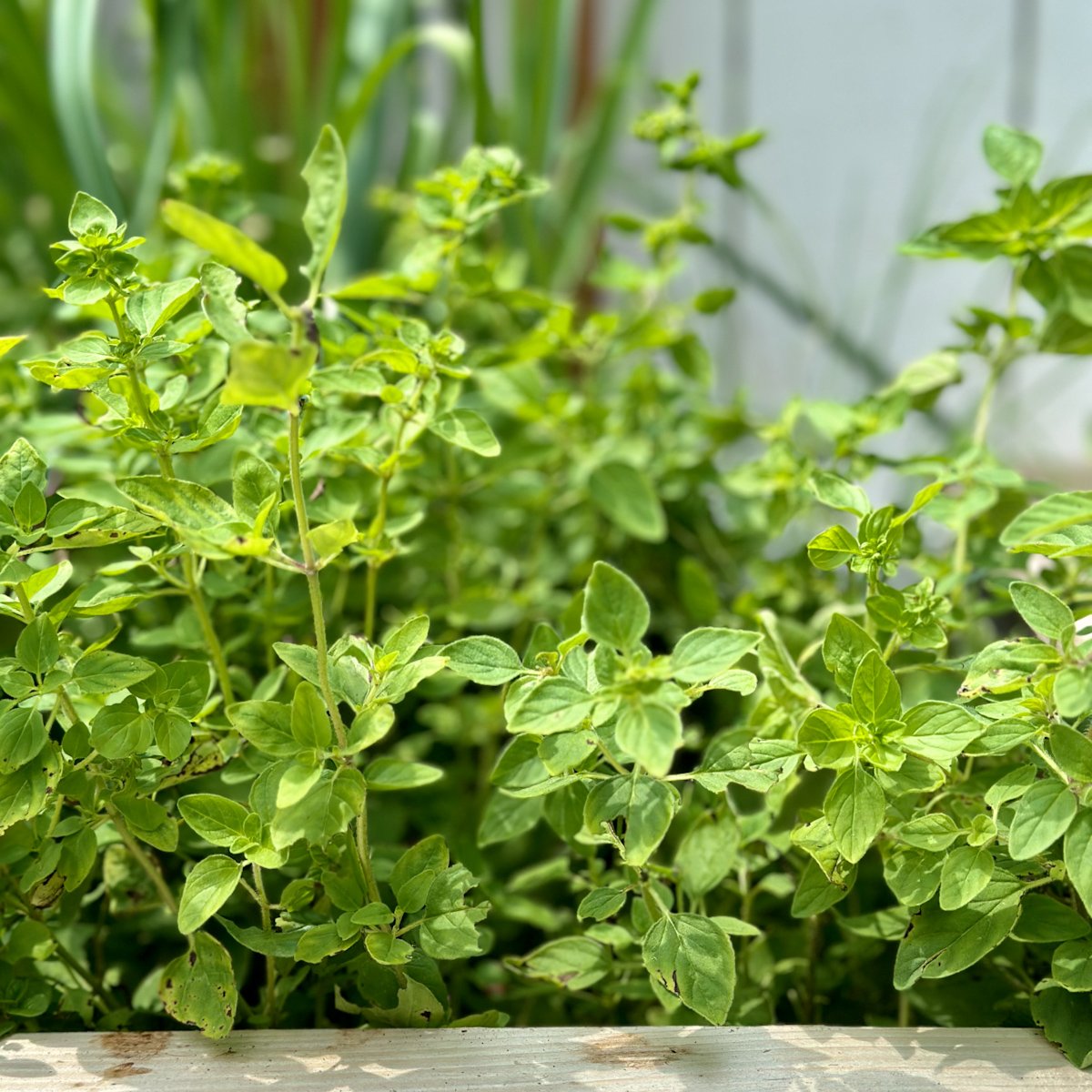
Oregano grows happily alongside sage and shares many of the same growing requirements. Both herbs attract pollinators to the garden and are staples in my kitchen throughout the growing season. Oregano's spreading habit can also help fill gaps between larger plants.
Winter Savory
Winter savory is often overlooked, but it makes an excellent companion for sage. This hardy perennial herb thrives in sunny locations and well-drained soil. Like sage, it is easy to grow, drought tolerant, and useful in a variety of savory dishes.
Lavender
Lavender and sage are classic Mediterranean companions. Both prefer excellent drainage, plenty of sunshine, and relatively dry conditions. The soft gray-green foliage of sage looks especially beautiful planted near lavender's fragrant purple blooms.
Flowering plants that grow well with sage
I rarely plant an herb garden without adding a few flowering plants. Not only do they attract bees, butterflies, and other pollinators, but they also add color, texture, and interest throughout the growing season. Some of my favorite flowering companions for sage share its love of sunshine and well-drained soil, making them easy additions to herb beds and garden borders.
Yarrow
Yarrow is one of my favorite companion plants for sage. It handles dry conditions beautifully, attracts pollinators, and blooms for weeks during the summer. The fern-like foliage also creates a nice contrast with sage's broader leaves.
Salvia
Ornamental salvia is a natural partner for sage. Despite the similar name, these plants offer different textures and flower forms while sharing similar growing requirements. The colorful flower spikes attract pollinators all season long.
Catmint
Catmint is one of the easiest perennials to grow alongside sage. Its long-lasting blue-purple blooms complement sage beautifully and provide a steady source of nectar for bees and butterflies.
Black-Eyed Susan
These cheerful yellow flowers bring bright color to herb gardens and mixed borders. Black-Eyed Susans tolerate full sun and are relatively drought tolerant once established, making them a good match for sage.
Coreopsis
Coreopsis produces masses of sunny yellow blooms throughout the summer. It's low maintenance, pollinator friendly, and thrives in the same sunny conditions that sage prefers.
Purple Coneflower (Echinacea)
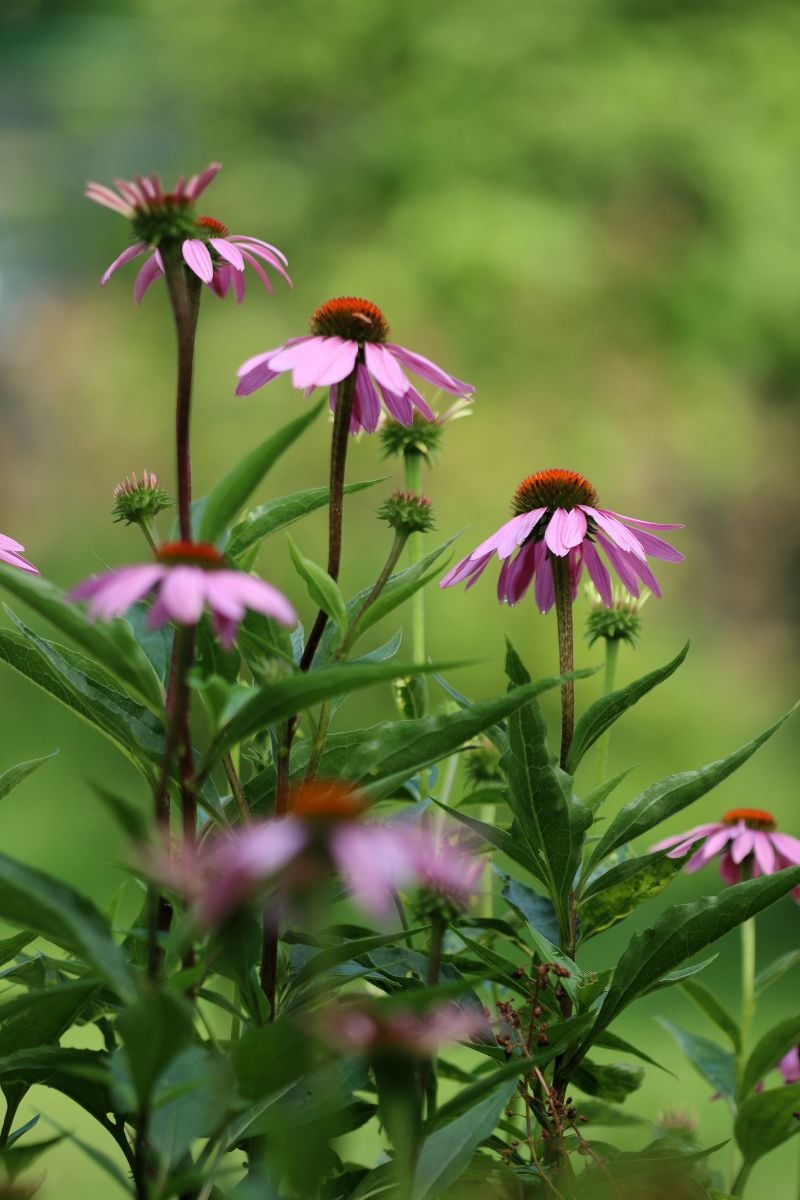
Echinacea is a tough native perennial that thrives in sunny gardens. Its daisy-like flowers attract bees and butterflies while adding vibrant color alongside sage. Once established, it tolerates dry conditions well.
Ground covers and border plants
Ground covers and low-growing border plants help fill empty spaces around sage while reducing weeds and adding visual interest. When choosing plants for this role, look for varieties that enjoy full sun and well-drained soil.
Sedum
Sedum is an easy-care perennial that handles drought conditions with ease. Its succulent foliage adds a different texture to the garden, and many varieties produce late-season flowers that attract pollinators.
Lamb's Ear
The soft, silvery foliage of lamb's ear pairs beautifully with sage. Both plants share a similar color palette and prefer dry, sunny locations. I like using lamb's ear along the front edge of garden beds where its fuzzy leaves can be appreciated up close.
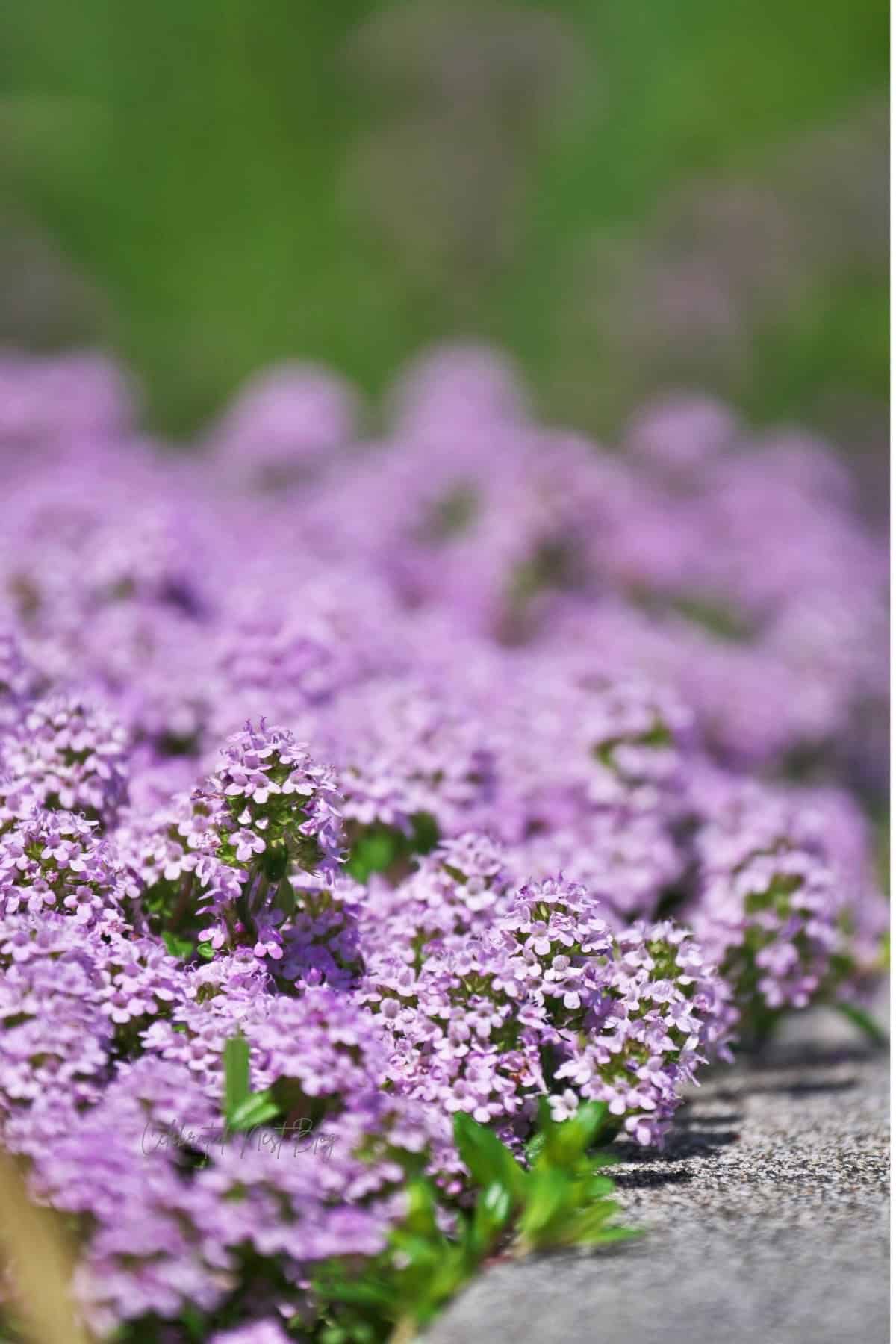
Creeping Thyme
Creeping thyme is my favorite ground cover to grow near sage. It stays low, spreads slowly between plants, and thrives in the same sunny, dry conditions. When it blooms, it creates a beautiful carpet of tiny flowers that attracts pollinators and adds another layer of fragrance to the herb garden.
Sage companions for the vegetable garden
While sage is often associated with herb gardens, it can also be a valuable companion plant in the vegetable garden. Its fragrant foliage attracts pollinators and beneficial insects while fitting easily into sunny garden beds.
Cabbage
Sage is traditionally planted near cabbage because its strong scent may help confuse or deter some common garden pests. Both plants also appreciate full sun, making them easy companions in the vegetable garden.
Broccoli
Like cabbage, broccoli belongs to the brassica family and grows well near sage. The combination can help create a more diverse garden space while attracting pollinators and beneficial insects.
Kale
Kale and sage can happily share a garden bed, especially during cooler parts of the growing season. The contrasting foliage textures also create an attractive planting combination.
Brussels Sprouts
Brussels sprouts benefit from many of the same companion planting principles as other brassicas. Planting sage nearby can help support a healthy and productive vegetable garden.
Carrots
Carrots and sage make good neighbors because they occupy different levels of the garden. Sage grows above ground while carrots develop below the soil, allowing both plants to make efficient use of garden space.
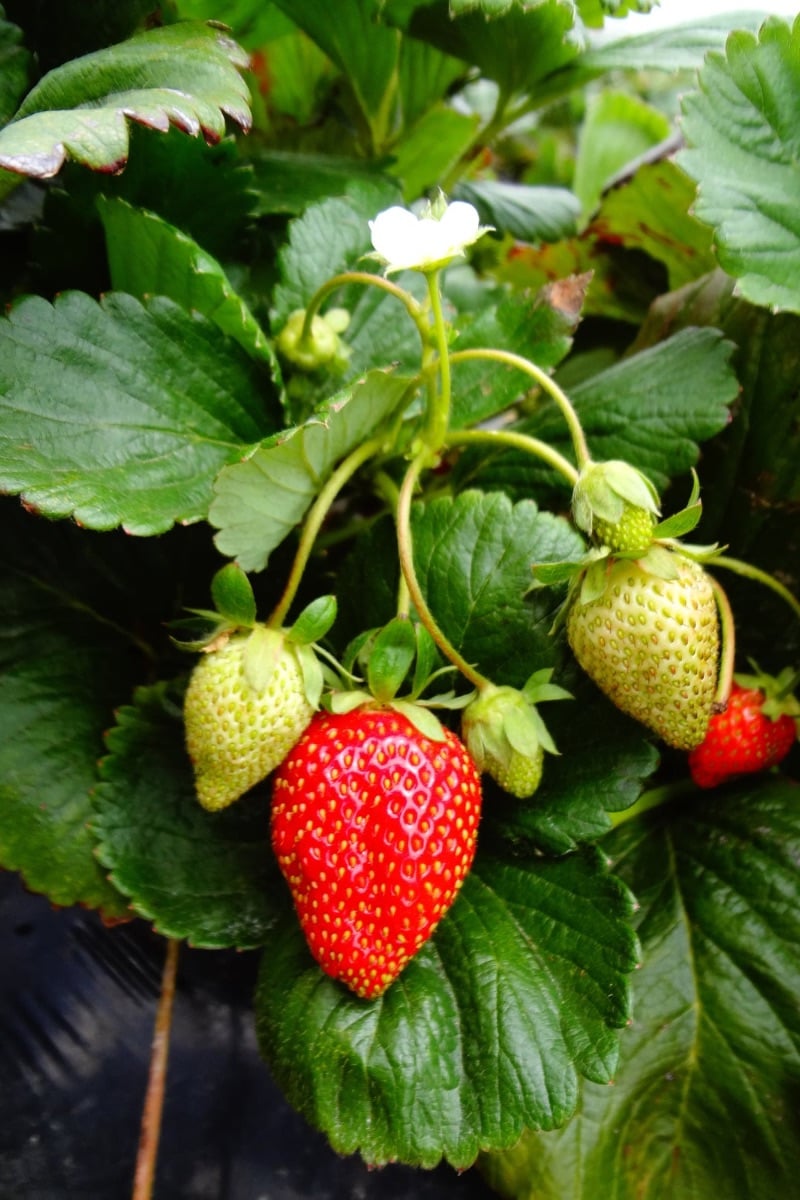
Strawberries
Strawberries grow well alongside sage and enjoy similar sunlight requirements. I especially like this combination because the low-growing strawberry plants help fill space beneath taller herbs while creating a productive and attractive planting bed.
Can sage be planted with lavender?
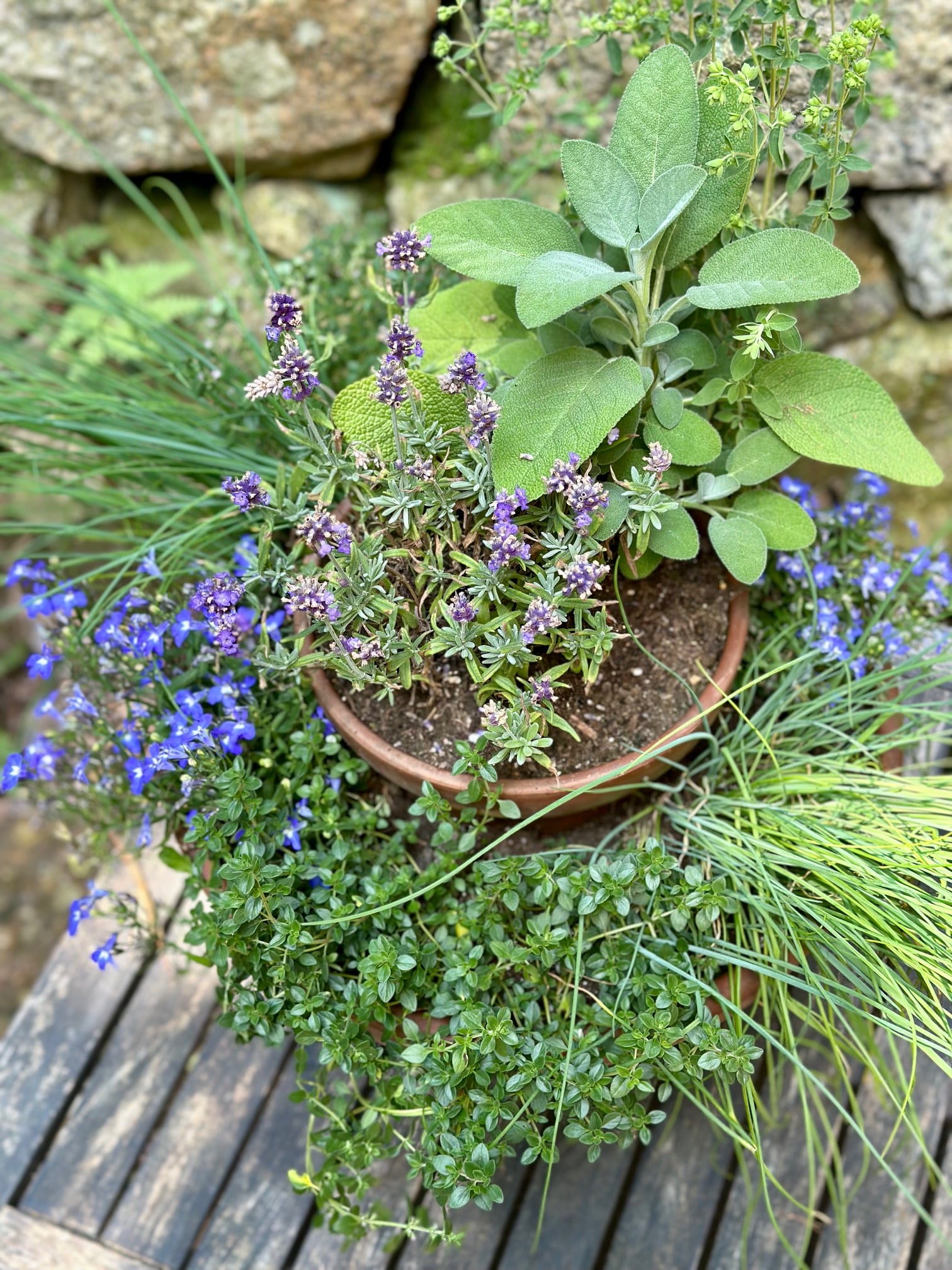
Yes! Sage and lavender are one of my favorite herb garden combinations. In my own garden, the lavender is planted directly behind the sage in the same raised bed. Since lavender grows taller, it creates a beautiful backdrop for the sage while allowing both plants to receive plenty of sunlight.
These two Mediterranean herbs share many of the same growing requirements. Both prefer:
- Full sun
- Well-drained soil
- Good air circulation
- Moderate to low water needs
Beyond their similar growing habits, I also love the way they look together. The soft gray-green foliage of sage complements lavender's fragrant purple blooms, creating a combination that is both beautiful and practical.
If you're planning a Mediterranean-style herb garden, sage and lavender are excellent companions and one of the first pairings I would recommend.
What not to plant with sage
I've found that most companion planting mistakes happen when plants have very different water, sunlight, or soil requirements. Sage prefers full sun and well-drained soil, so plants that need consistently moist conditions often struggle when grown nearby.
Water-loving herbs
Some popular herbs simply need more moisture than sage prefers.
Basil
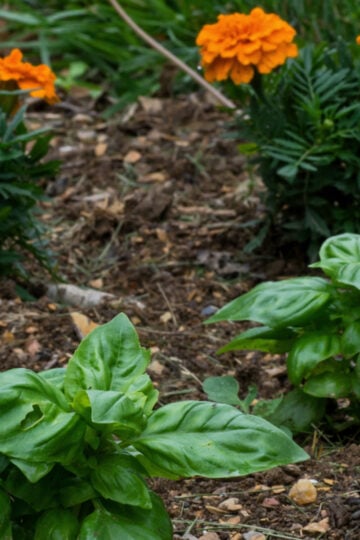
Basil grows best with regular watering and richer soil than sage. While they can be grown in the same garden, they're usually happier in separate beds or containers.
Parsley
Parsley prefers consistently moist soil and may struggle if planted in the drier conditions that sage enjoys.
Cilantro
Cilantro appreciates more frequent watering, especially during warm weather, making it a less-than-ideal companion for sage.
Aggressive spreaders
Mint
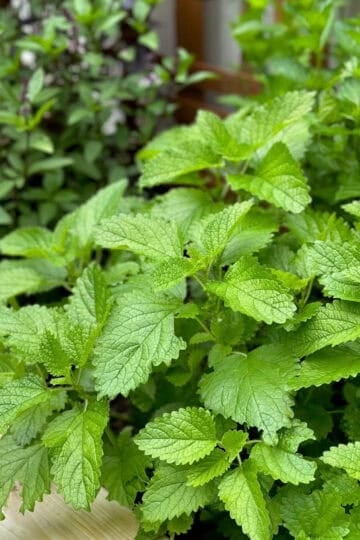
Mint is one of the few herbs I never recommend planting directly next to sage. Its vigorous growth can quickly crowd out neighboring plants and take over a garden bed. If you grow mint, keep it in a separate container.
Shade-loving plants
Hostas
Hostas thrive in shade and moist soil, the opposite of what sage prefers.
Impatiens
These colorful annuals need more water and protection from intense afternoon sun than sage typically receives.
Ferns
Most ferns prefer rich, moist soil and shady conditions, making them poor companions for sage.
Quick tip: If a plant prefers consistently moist soil or significant shade, it's usually a sign that it won't be a good companion for sage. When in doubt, choose plants that enjoy the same sunny, well-drained conditions that help sage thrive.
What to do with your sage harvest
One of the reasons I continue to grow sage year after year is that it's incredibly useful in the kitchen and around the home. Whether you're harvesting a few sprigs or cutting back an entire plant, there are plenty of ways to put fresh sage to good use.
Dry sage for later use
Drying sage is one of the easiest ways to preserve your harvest. Once dried, the leaves can be stored in jars and used throughout the year in soups, stuffing, roasted vegetables, and savory dishes.
Make herb-infused olive oil
Fresh sage creates a wonderfully savory infused olive oil that's perfect for dipping bread, drizzling over roasted vegetables, or whisking into homemade salad dressings.
Create herb gift jars
Sage blends beautifully with other culinary herbs in homemade seasoning mixes and herb gift jars. These simple projects make thoughtful gifts for gardeners and home cooks.
Craft a fresh herb garland
If you're harvesting larger amounts of sage, consider incorporating it into a fresh herb garland. The silvery foliage adds beautiful texture and fragrance to seasonal displays.
Make sage butter
Fresh sage can be chopped and mixed into softened butter for a flavorful spread that's delicious on bread, vegetables, potatoes, and poultry dishes.
One of my favorite things about growing herbs is finding new ways to use the harvest. Sage is a versatile herb that continues to earn its place in my garden year after year.

Frequently asked questions
Sage grows well with plants that enjoy full sun, well-drained soil, and moderate to low water needs. Some of the best sage companion plants include rosemary, thyme, lavender, oregano, yarrow, echinacea, salvia, catmint, and creeping thyme.
Avoid planting sage near herbs and flowers that prefer consistently moist soil or shade. Basil, parsley, cilantro, mint, hostas, impatiens, and ferns are usually not the best companions for sage because their growing needs are so different.
Yes, sage and rosemary can be planted together. Both are Mediterranean herbs that prefer full sun, well-drained soil, and relatively dry conditions, making them excellent companions in raised beds, containers, and herb gardens.
Yes, sage can grow near certain vegetables, especially cabbage family crops like cabbage, broccoli, kale, and Brussels sprouts. It can also be grown near carrots and strawberries in sunny garden beds.
Time to get growing! More companion planting guides
Sage is one of the easiest herbs to grow, and choosing the right companion plants can make it even more successful. By pairing sage with other Mediterranean herbs, drought-tolerant flowers, and compatible vegetables, you can create a garden that is productive, beautiful, and easy to maintain.
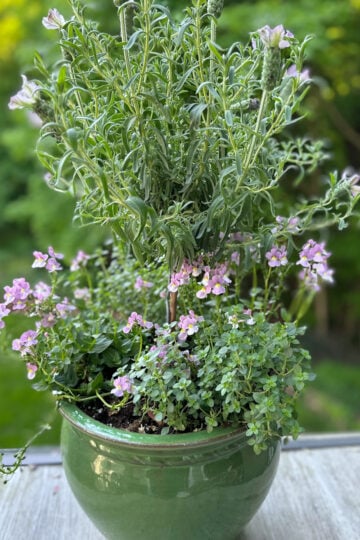
In my own garden, sage is often surrounded by lavender, thyme, rosemary, and oregano, along with a few flowering plants to attract pollinators and add color to the beds. These combinations not only look beautiful together but also thrive under the same growing conditions.
Whether you're planting a dedicated herb garden, filling a raised bed, or tucking sage into a vegetable garden, choosing the right companions will help your plants stay healthier and make the most of your growing space.
Have a favorite sage companion plant? Let me know in the comments. I'd love to hear what's growing in your garden!
Happy gardening, friends!