How to Grow Parsley (Simple Steps That Actually Work)

Parsley is an easy-to-grow herb that thrives in full sun to partial shade with consistently moist, well-draining soil. You can grow parsley from seed or nursery plants in garden beds, containers, or indoors. With regular watering, light feeding, and frequent harvesting, parsley will continue producing fresh leaves for months and can even overwinter in many climates.

How to grow parsley (Quick answer): Parsley is easy to grow in full sun to partial shade using moist, well-draining soil. Start from seeds or small plants, keep the soil consistently watered, and harvest regularly to encourage new growth. This culinary herb grows well in garden beds, containers, and even indoors with enough light.
Parsley is easy to grow indoors or outdoors with steady moisture, good light, and regular harvesting.
I used to think parsley was just that curly green garnish restaurants put on the side of the plate. Boy, was I wrong. After decades of growing herbs, parsley has become the MVP of my garden. I use it almost daily in my cooking, and it is one of the easiest herbs to grow. If you have ever wondered how to grow parsley, you will be happy to know it is simple, rewarding, and requires very little maintenance.
The best part about parsley? It grows pretty much anywhere. I started with a pot on my kitchen windowsill, and now I have patches in my raised garden bed too. In summer, I grow it outside in full sun. When winter hits, I keep a pot going indoors. My curly parsley makes a beautiful border in the garden, and the flat-leaf variety is always ready for cooking.
Here's something that surprised me: parsley actually helps other plants grow better. I plant it near my tomatoes and roses - they seem to do better with parsley as a neighbor. And those white flower clusters it produces in its second year? The beneficial insects love them.
Ready to start growing your own parsley? Let's talk about the basics you'll need to get started.
At a Glance: How to Grow Parsley
_______________________
- Best for: Beginner gardeners
- Plant type: Biennial herb (grown as annual for leaves)
- Sun: Full sun to partial shade
- Soil: Moist, well-draining, rich in organic matter
- Water: Keep soil consistently moist, not soggy
- Start from: Seeds (slow to germinate) or nursery plants
- Indoor growing: Yes, bright window or grow light needed
- Spacing: 8-10 inches apart
- Feeding: Light, regular feeding for best growth
- Growth time: 2-3 weeks to germinate, ready to harvest in ~3 months
- Harvest: Cut outer stems at the base to encourage new growth
- Companion plants: Tomatoes, roses, asparagus
Summarize and Save this content on:
Jump to:
- At a Glance: How to Grow Parsley
- Types of parsley (which one should you grow?)
- How to start growing parsley (seeds vs plants)
- Perfect growing conditions for parsley
- When to plant parsley
- Indoor vs outdoor growing
- Companion planting
- Common problems and solutions chart
- Harvesting and using
- Year-round success tips
- How to use fresh parsley
- More herb gardening tips to explore
Types of parsley (which one should you grow?)
Types in your garden
After years of growing herbs, I've seen so much confusion about parsley types. People often grab the first variety they see without knowing the differences. There are actually distinct types, each with their own best uses. Let me break it down from my years of growing experience.
Flat-leaf (Italian) parsley
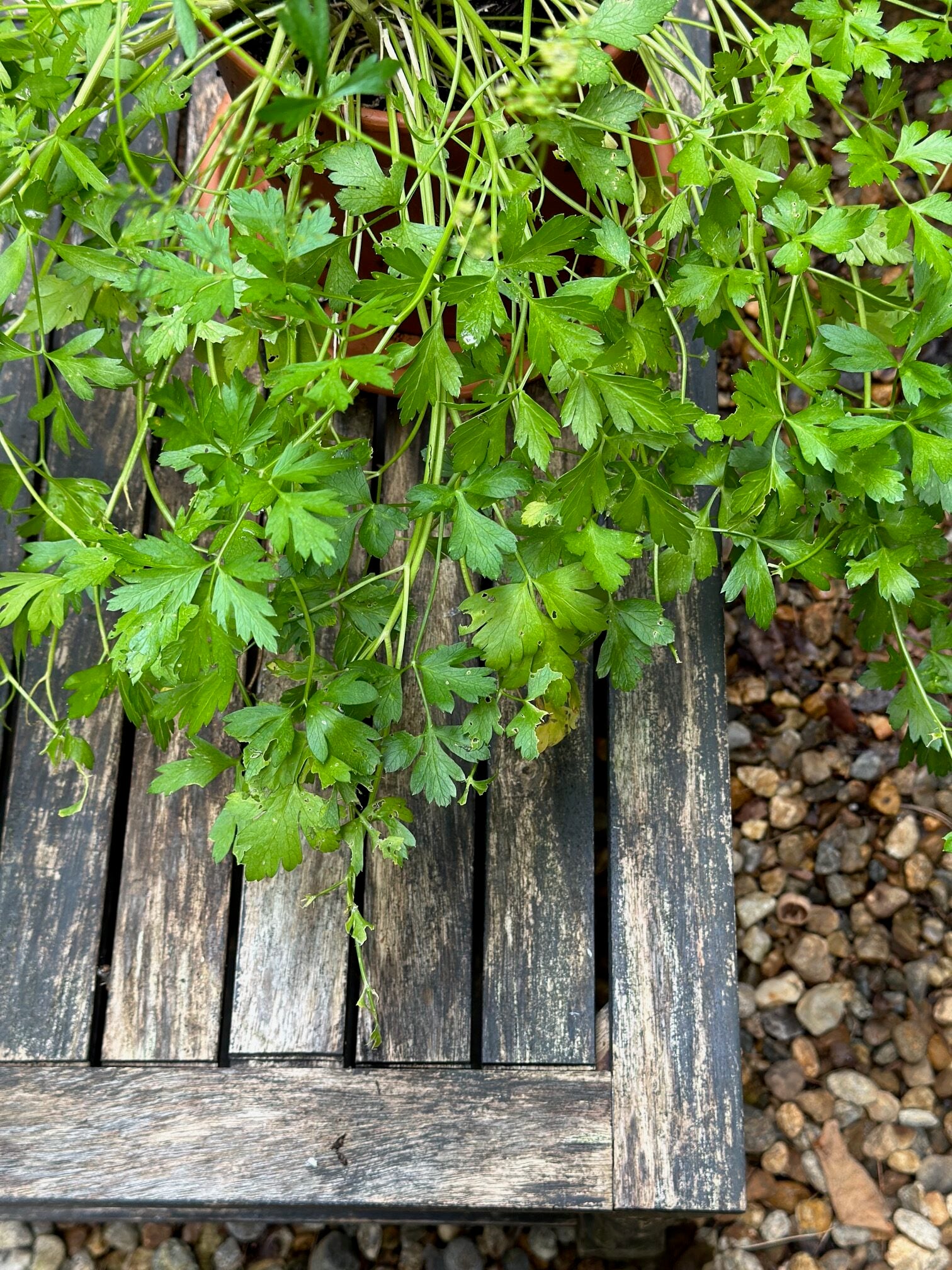
This is my go-to for cooking. Italian parsley packs a stronger flavor and is super easy to chop up. If you're growing parsley mainly for your kitchen, start with this variety. The leaves are dark green, flat, and look a bit like their cousin - carrot tops.
Curly parsley
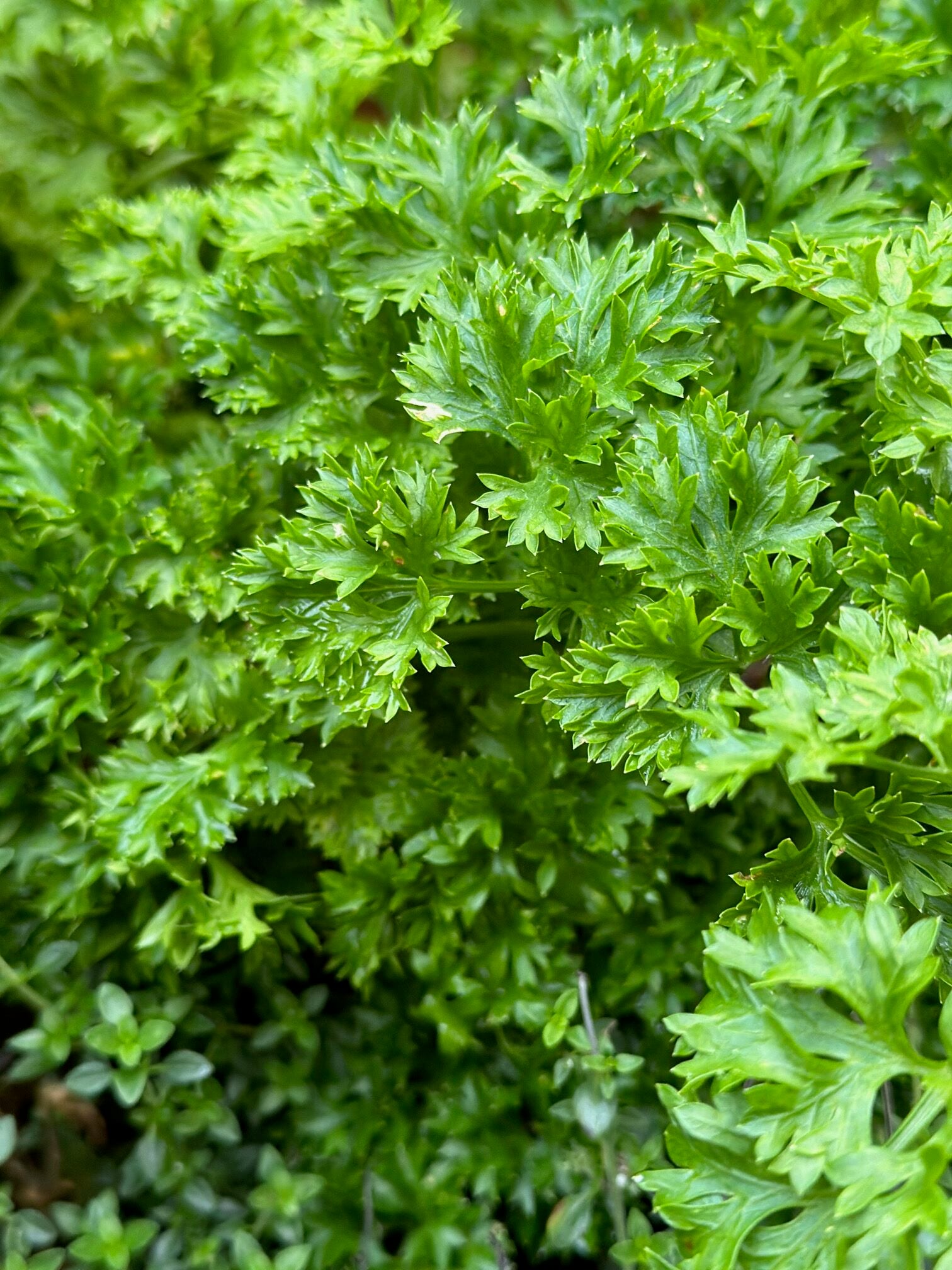
Those forest green ruffles you see as garnishes? That's curly parsley. It has a milder taste but makes beautiful borders in herb gardens. I grow both types because curly holds up really well in soups and stays bright green longer than flat-leaf.
Hamburg parsley
Here's one most people don't know about - hamburg parsley is grown for its root. It looks like a white carrot underground, which makes sense since parsley belongs to the carrot family.
Tip: I always like to place my DIY butterfly bath near parsley because parsley is a host plant for swallowtail butterflies, making that area of the garden an especially natural and welcoming spot for butterfly visitors.
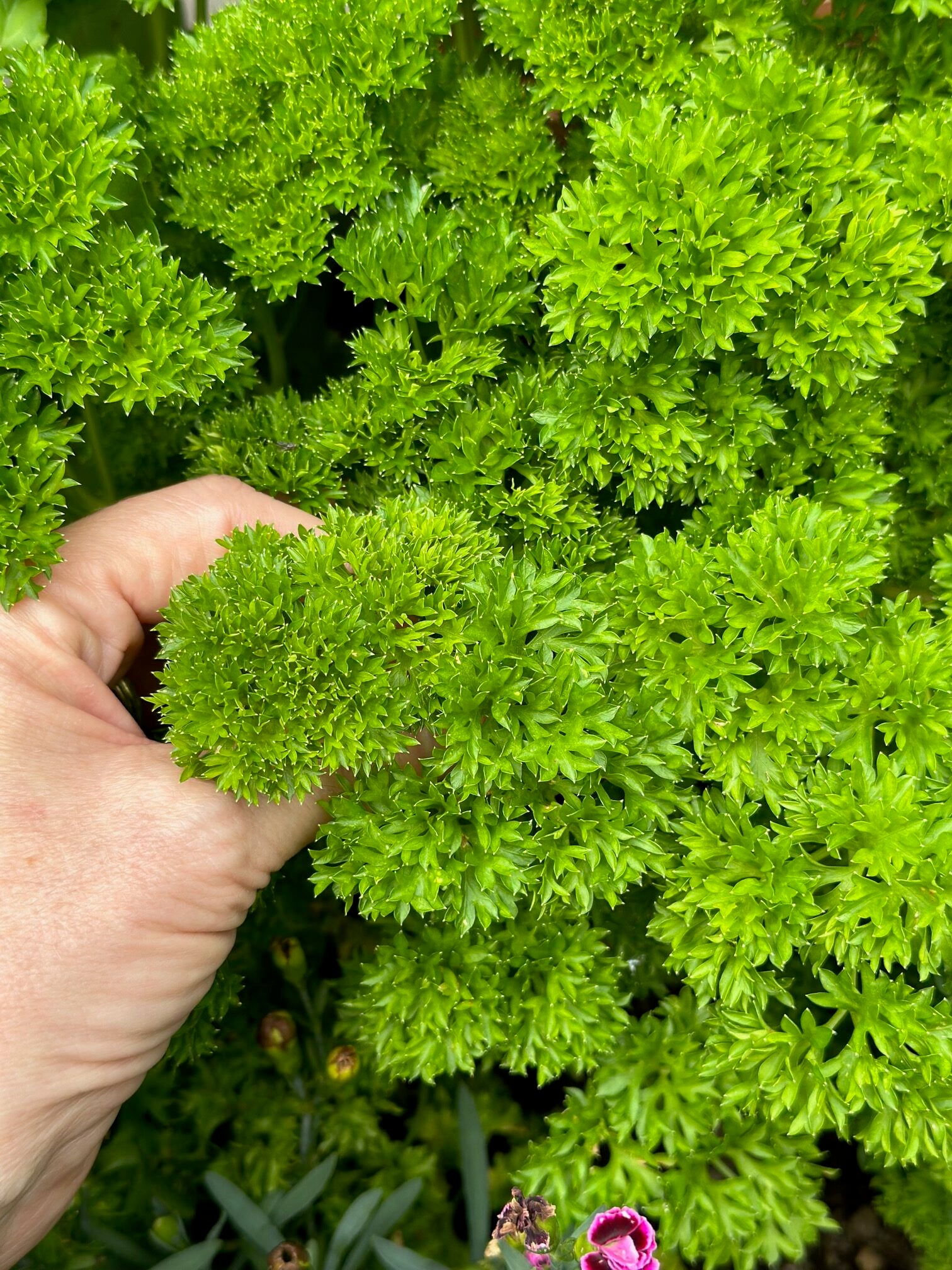
Life cycle of parsley: Parsley is what we call a biennial plant - it lives for two years. First year? Lots of leaves for your kitchen. Second year? It flowers and makes seeds. I plant new parsley each spring for cooking but always let a few plants flower - the beneficial insects love them.
How to start growing parsley (seeds vs plants)
Timing matters
Spring is parsley planting time in my garden. Here in Massachusetts I start seeds indoors 6-8 weeks before the last frost For direct seeding outdoors, wait until 3-4 weeks before the last frost. Parsley seedlings can handle a bit of cold, but they need warm soil to sprout.
Seeds vs. young plants
Here's the truth about starting parsley: seeds are cheap but slow. Young plants from garden centers give you a head start but cost more. I do both - start some seeds early indoors and grab a few plants for instant gratification. My first few years, I only used young plants until I got more comfortable with seed starting.
Getting started
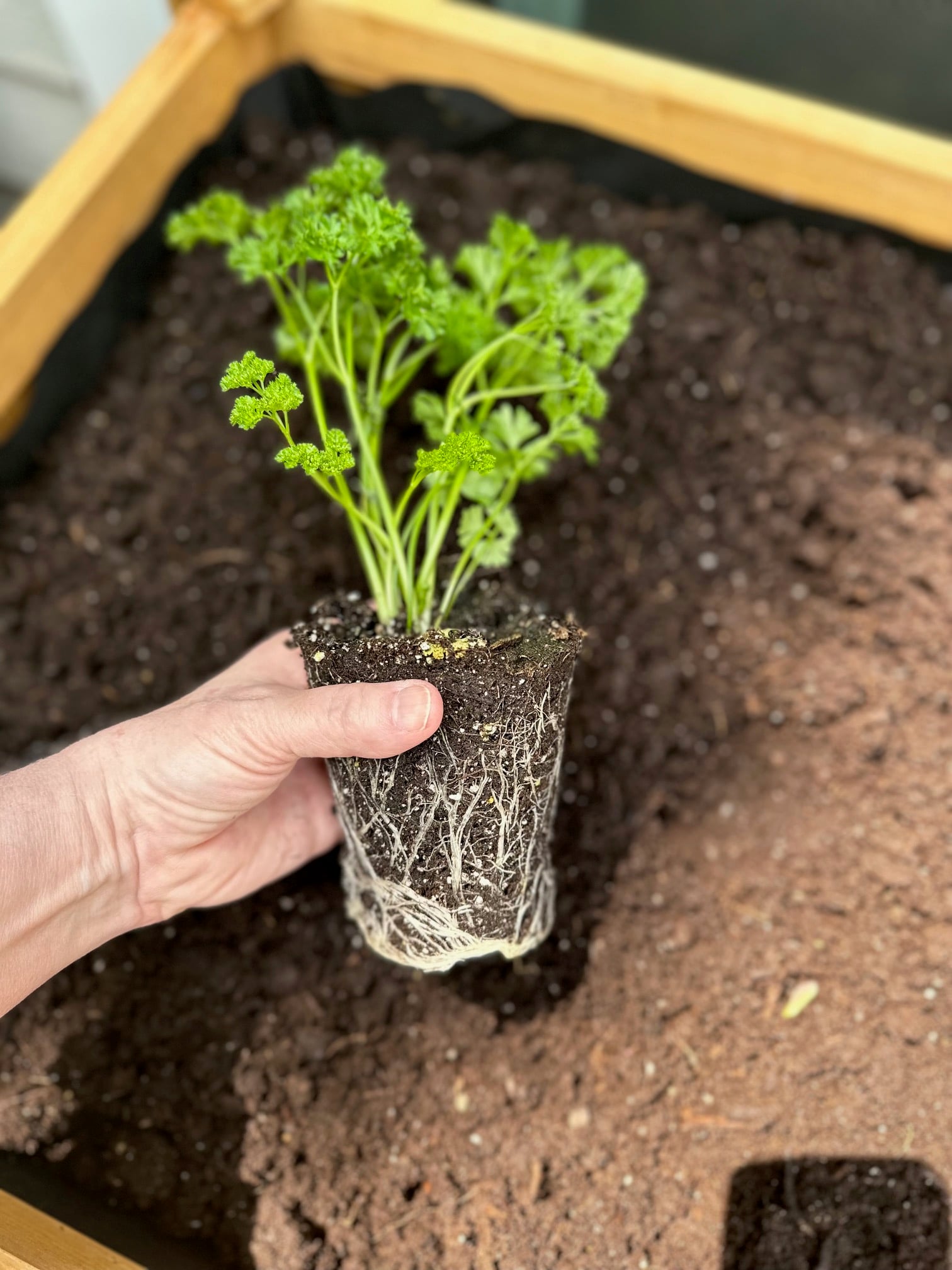
The easiest way I've found to grow parsley? Start with one or two plants from your local garden center. Plant them in a sunny spot with good drainage, or pop them in a container near your kitchen door. Once you've had success with plants, try seeds next season.
Seed starting tricks
Parsley seeds can be stubborn to sprout. After many failed attempts, here's what works for me: soak seeds in warm water overnight before planting. Barely cover them with soil - they need light to germinate. Keep soil moist but not soggy. Be patient - it can take 2-3 weeks to see those first sprouts.
Perfect growing conditions for parsley
Light requirements
After moving my parsley patch three times, I've figured out the sweet spot. It grows best in full sun but doesn't mind afternoon shade, especially in hot climates. My best-performing plants get morning sun and a break from the intense afternoon heat. If you're growing indoors, a sunny windowsill works great - just keep it away from heat vents.
Best soil for parsley
Parsley grows best in moist, well-draining soil that is rich in organic matter. Unlike Mediterranean herbs that prefer dry, sandy conditions, parsley thrives in soil that holds some moisture while still draining well. A mix of garden soil and compost works beautifully, giving the plant the nutrients it needs for steady, leafy growth.
If you're planting in containers, use a high-quality potting mix and consider adding a bit of compost to boost fertility. The goal is soil that feels light and crumbly, not compacted or soggy. Good drainage is still important, but parsley will perform best when the soil stays evenly moist rather than drying out completely.
Watering
Unlike some herbs that like it dry, parsley needs steady moisture. I check the soil with my finger - if the top inch feels dry, it's time to water. I also find that parsley is one of those plants that will let you know it needs water by drooping its leaves slightly. The nice thing about parsley is that it bounces back quickly once watered - within an hour or two, those droopy leaves will perk right up. Just don't make a habit of letting it get that thirsty, or your plant will start to weaken over time.
Spacing tips
Don't crowd your parsley - it needs room to spread out. I plant mine about 8-10 inches apart. One healthy plant can grow pretty big - about a foot wide. In containers, I stick to one plant per 8-inch pot or three plants in a larger 15-inch container. My window box has room for two plants with other herbs mixed in.
Feeding tips
Best organic options for parsley
- Homemade compost
- Aged manure
- Worm castings
- Compost tea
- Fish emulsion
My basic feeding schedule
I start with rich soil by mixing in compost when planting. After that, I feed monthly during the growing season. Parsley is a heavy feeder compared to other herbs, so don't skip the feeding if you want bushy plants.
Quick application tips
- Spread a thin layer of compost (about ½ inch) around plants
- Keep material away from stems
- Water well after applying
- For container plants, top with fresh compost monthly
Making compost tea
Here's my simple method:
- Fill a bucket ⅓ with finished compost
- Add water to fill
- Let steep for 24-48 hours
- Strain and apply to soil around plants
- Use leftover compost in garden
Problem Signs Watch your plants - they'll tell you if they need feeding:
- Yellow leaves = needs nitrogen
- Slow growth = time for general feeding
- Thin stems = needs more nutrients
Remember: With organic feeding, less is more. Start light and add more if needed. Over-fertilizing can actually harm your parsley's flavor.
When to plant parsley
Parsley is a cool-season herb that grows best when planted in early spring or early fall. You can sow seeds outdoors about 3-4 weeks before your last expected frost, as parsley seedlings can tolerate light cold once established. For an earlier start, begin seeds indoors 6-8 weeks before your last frost date and transplant them outside when temperatures begin to warm.
In warmer climates, parsley can also be planted in fall for a long, productive growing season through winter. Because parsley grows slowly at first, planting early gives it plenty of time to establish and produce a steady harvest.
Indoor vs outdoor growing
Indoor growing success
My kitchen windowsill has become a year-round parsley spot. South-facing windows work best, but east or west windows do fine. The trick? Rotate your pot weekly so the plant grows evenly. I've also had great results growing parsley in my hydroponic setup - it grows faster than soil-grown plants and gives me fresh herbs all winter. Just keep indoor plants away from cold drafts and heating vents.
Garden bed growing
Nothing beats parsley in a garden bed for sheer production. I plant mine near my tomatoes since they're good companions. Pick a spot with good drainage - parsley hates wet feet. My best harvests come from raised beds where I can control the soil quality. The plants grow bigger outdoors and seem to have stronger flavor.
Container growing tips
Containers give you the best of both worlds. I use 8-inch pots with drainage holes for single plants, larger containers for groups. The key is good potting soil and consistent moisture. My self-watering containers have been game-changers for busy weeks. Dark colored pots heat up fast though, so watch the watering in summer.
Choose your method
- Indoor growing: Best for year-round herbs and small spaces
- Hydroponic: Fast growth, clean herbs, perfect for winter
- Garden beds: Biggest harvests, strongest plants
- Containers: Most flexible, easy to move with the seasons
Pick what works for your space and schedule. I do all four because I'm a bit obsessed, but starting with one container is a perfect way to learn what works for you.

Companion planting
Companion planting means growing different plants close together because they help each other thrive Try growing your parsley near:
- Tomatoes: They love having parsley nearby
- Asparagus: Parsley helps repel asparagus beetles
- Roses: Brings in beneficial insects
- Carrots: Family connection seems to help both
Common problems and solutions chart
Here's what I've learned about parsley problems after years of growing it - most issues are pretty easy to fix once you spot them. Take a look at this chart of common problems I've run into and the solutions that have worked in my garden:
| Problem | Symptoms | Solution |
|---|---|---|
| Leaf Spots | Dark spots on leaves | Remove affected leaves, improve air circulation |
| Yellow Leaves | Leaves turning yellow | Check drainage, reduce watering |
| Wilting | Droopy despite wet soil | Check for root rot, improve drainage |
| Leggy Growth | Thin, stretchy stems | More light, trim regularly |
| Powdery Mildew | White powder on leaves | Space plants better, morning watering only |
| Aphids | Tiny bugs, curled leaves | Spray with soapy water, invite ladybugs |
| Not Growing | Stunted plants | Check soil nutrients, adjust sun exposure |
| Seeds Not Sprouting | No growth after 3 weeks | Soak seeds first, keep soil warmer |
Pro Tip: Most parsley problems come from overwatering or poor drainage. When in doubt, check the roots - they should be white and firm, not brown and mushy.
Harvesting and using
When to harvest
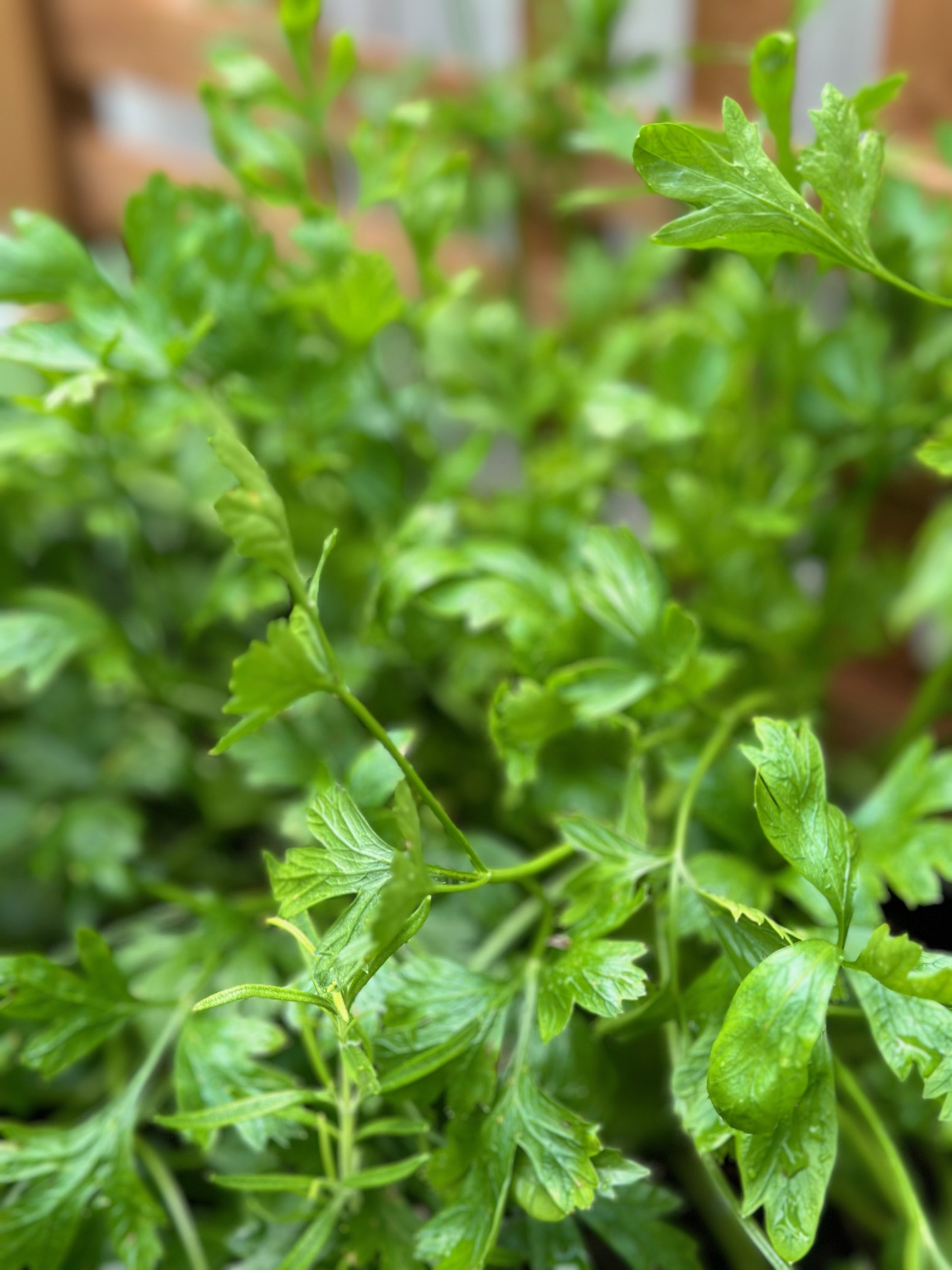
My rule for parsley: wait until stems have at least three leaf segments before the first harvest. This usually takes about 3 months from seed. Like most herbs, morning harvesting gives you the best flavor - I learned this trick from my Dad. The oils are strongest before the day heats up.
Picking for continuous growth
Cut outer leaves at the base near the soil - don't just pinch off the tops. I always leave the center of the plant to keep producing new growth. After a big harvest, give your plant about 2-3 weeks to bounce back. Cutting this way keeps plants bushy and productive.
Smart storage
Fresh parsley keeps about two weeks if stored right. Here's what works in my kitchen:
- Trim stems and stand them in a glass of water (like flowers)
- Cover loosely with a plastic bag
- Keep in the fridge
- Change water every couple days
For longer storage, I freeze parsley in three ways:
- Chop and freeze in ice cube trays with water
- Roll whole sprigs into logs in wax paper
- Make parsley butter and freeze in small portions
Winter supply tips
By late fall, I bring a few plants indoors for winter use. For the rest:
- Dry some for cooking (though fresh tastes better)
- Make a big batch of parsley pesto to freeze
- Start new indoor plants in late summer
- Keep a plant under grow lights or in a sunny window
Pro Tip: If you have a hydroponic setup, winter growing is super easy - no soil, no mess, just fresh herbs all season. Highly recommend!
Year-round success tips
Extending your season
After years of trial and error, here's what keeps my parsley growing longer:
- Plant in stages every few weeks through spring
- Add row covers when frost threatens
- Move container plants to protected spots
- Cut back flowering stems to encourage leaf growth
- Use afternoon shade in hot summer months
Winter indoor growing
I keep fresh parsley coming all winter by:
- Starting new plants in late summer
- Using a sunny windowsill or grow light
- Maintaining good air flow with a small fan
- Keeping plants away from cold windows
- Watering less but monitoring soil moisture
Second year surprises
Parsley does something interesting in year two. Instead of the bushy leaves you got the first year, it:
- Grows taller and lankier
- Produces flower stalks
- Makes seeds you can collect
- Develops a stronger root
- Has more intense leaf flavor
Getting big harvests
My best harvests come from:
- Regular cutting (at least weekly)
- Feeding every 6 weeks
- Never taking more than ⅓ of the plant
- Removing flower stalks early
- Keeping soil consistently moist
Remember: Even if your parsley bolts (goes to flower), don't pull it up right away. Those flowers attract beneficial insects that help your whole garden.
How to use fresh parsley
Kitchen uses
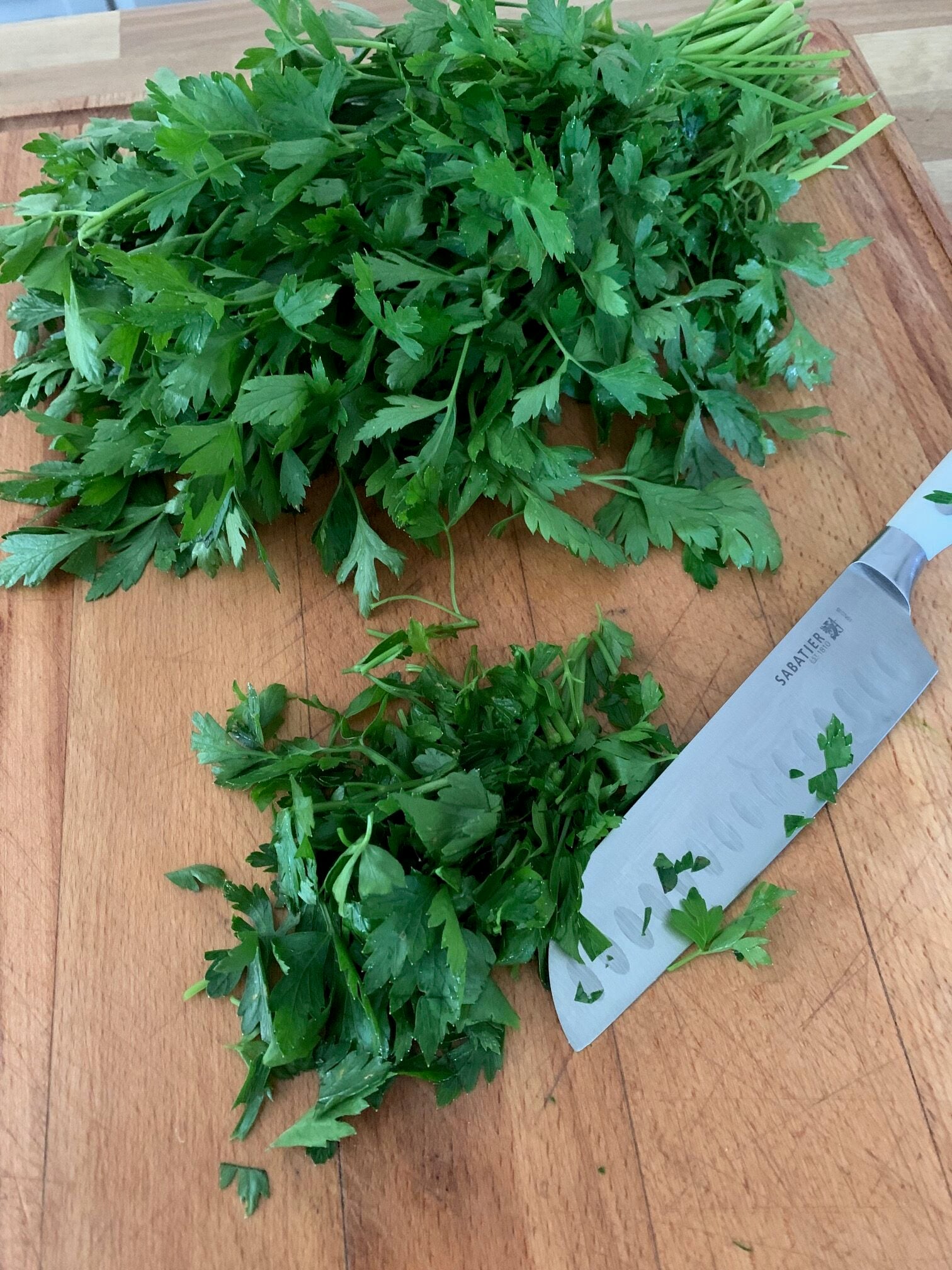
After growing parsley for years, I've moved way beyond just garnishing plates. I add handfuls to salads, blend it into pestos, and stir it into soups right before serving. The stems pack even more flavor than the leaves - I chop them finely for potato salads or add them to stocks.
Best Flavor Pairings Fresh parsley brightens up:
- Roasted potatoes and root vegetables
- Grain bowls and rice dishes
- Fish and chicken
- Egg dishes of all kinds
- Fresh summer salads
- Homemade salad dressings
Quick Tip: Keep the flavor fresh by adding parsley at the end of cooking. Throwing it in too early - heat dulls its bright taste.
Waste-Free Cooking Don't toss those stems! They're perfect for:
- Adding to stock pots
- Blending into smooth sauces
- Flavoring roasted veggies
- Making herb butter
- Freezing for winter use
The real secret to great parsley flavor? Growing your own means you can harvest just what you need, when you need it.
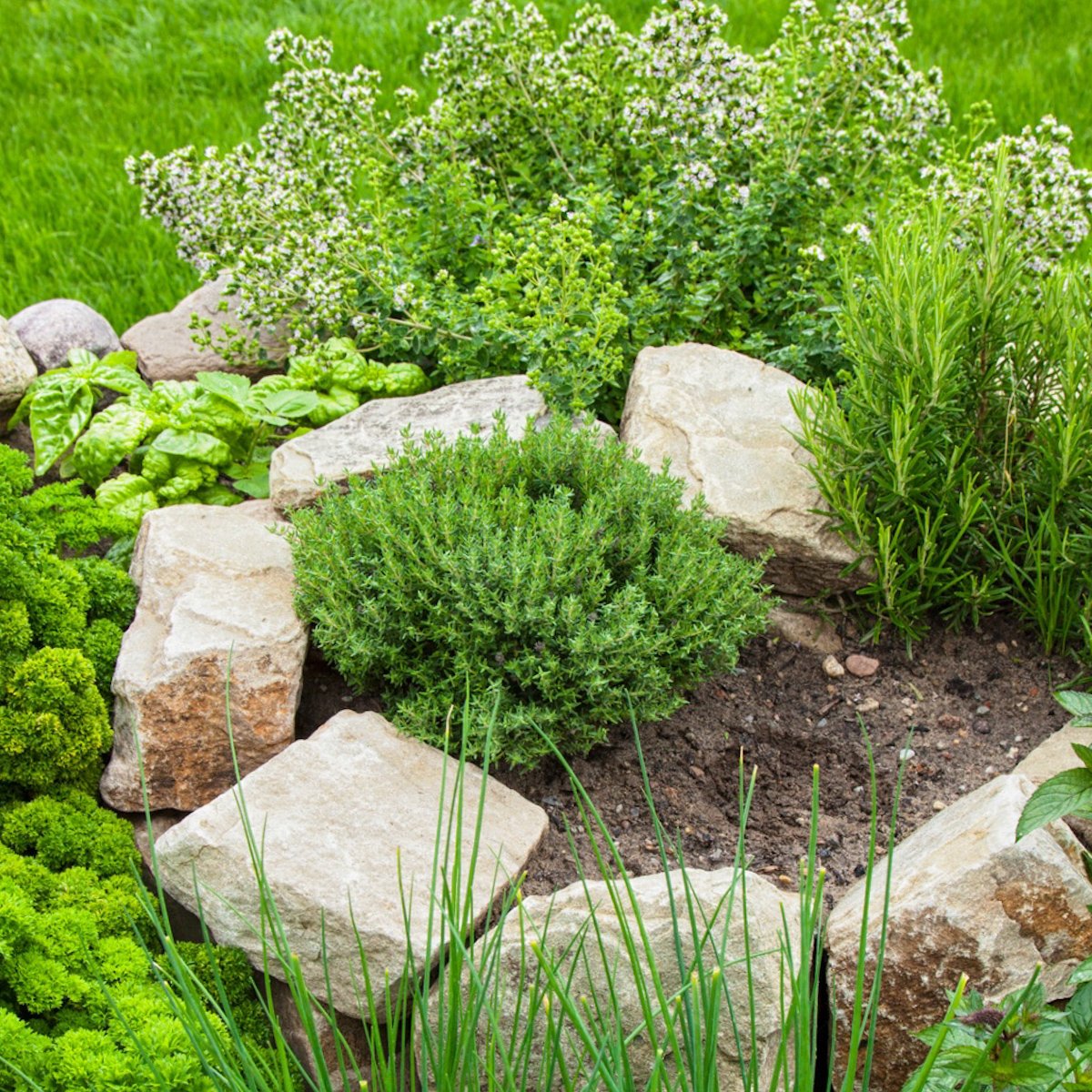
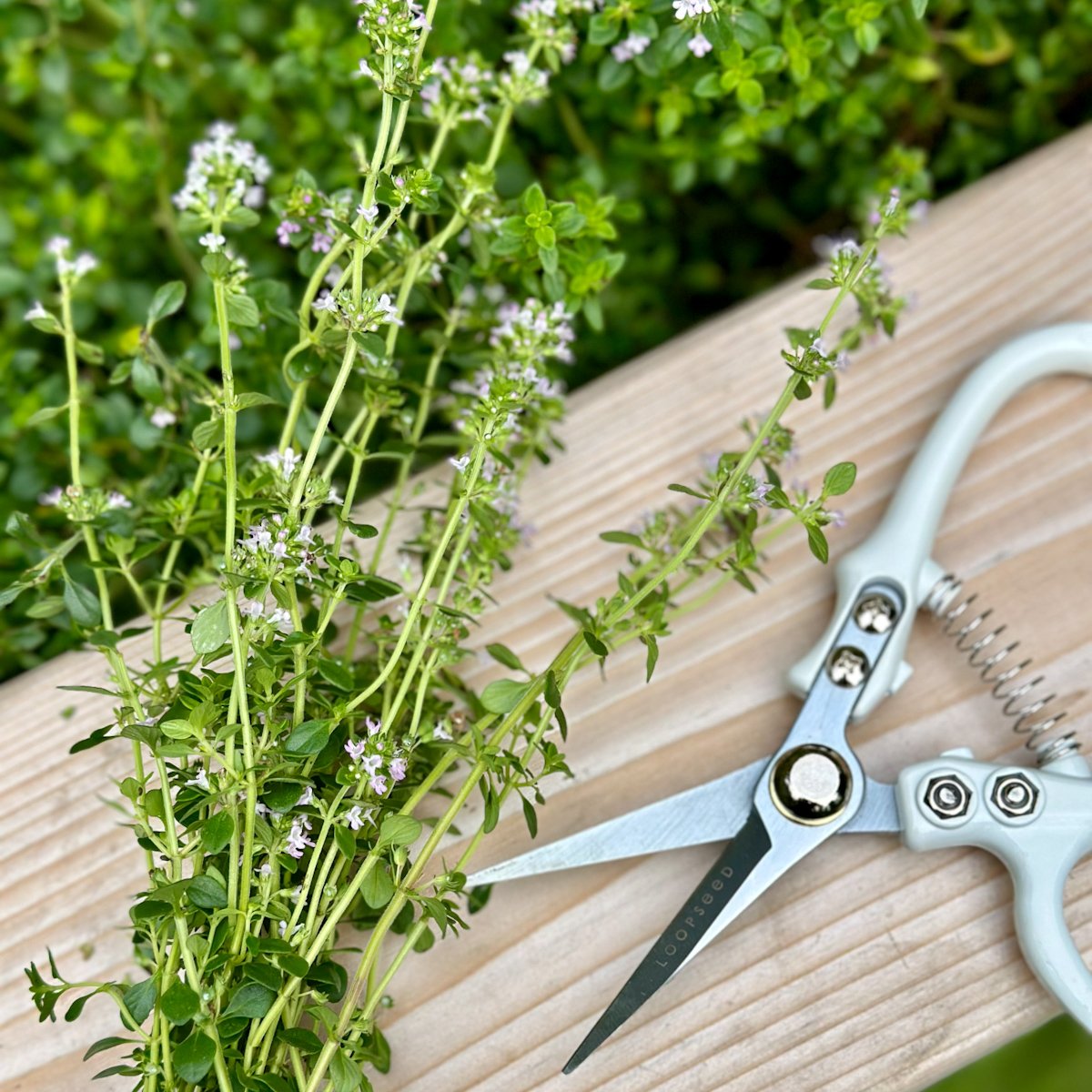
Whether you choose curly leaf parsley or flat-leaf parsley, this biennial herb deserves a spot in your herb garden. After growing it for years, I can say it's the most popular herb in my kitchen for good reason - it's easy to grow and incredibly versatile.
Start with one plant and you'll soon want more. There's nothing like stepping outside to snip fresh leaves for cooking, or having a windowsill plant ready for culinary use year-round. Plant parsley once, and you might just find yourself, like me, becoming a bit obsessed with this amazing herb.
Remember, good soil, consistent water, and regular harvesting are your keys to success. Thanks for visiting, How to Grow Parsley: A Complete Growing Guide for Beginners! Want to grow more herbs like this one? Be sure to check out my Herb Index.
Happy growing!