Rosemary Companion Plants: What Grows Well (and What to Avoid)

Companion plants for rosemary are those that thrive in the same dry, sunny conditions and well-drained soil, including herbs like thyme, sage, and oregano, vegetables such as carrots, beans, and cabbage, and flowers like marigolds and nasturtiums that help attract pollinators and deter pests, while moisture-loving plants like basil, mint, and cucumbers should be avoided since they require more water and can lead to root rot when planted nearby.
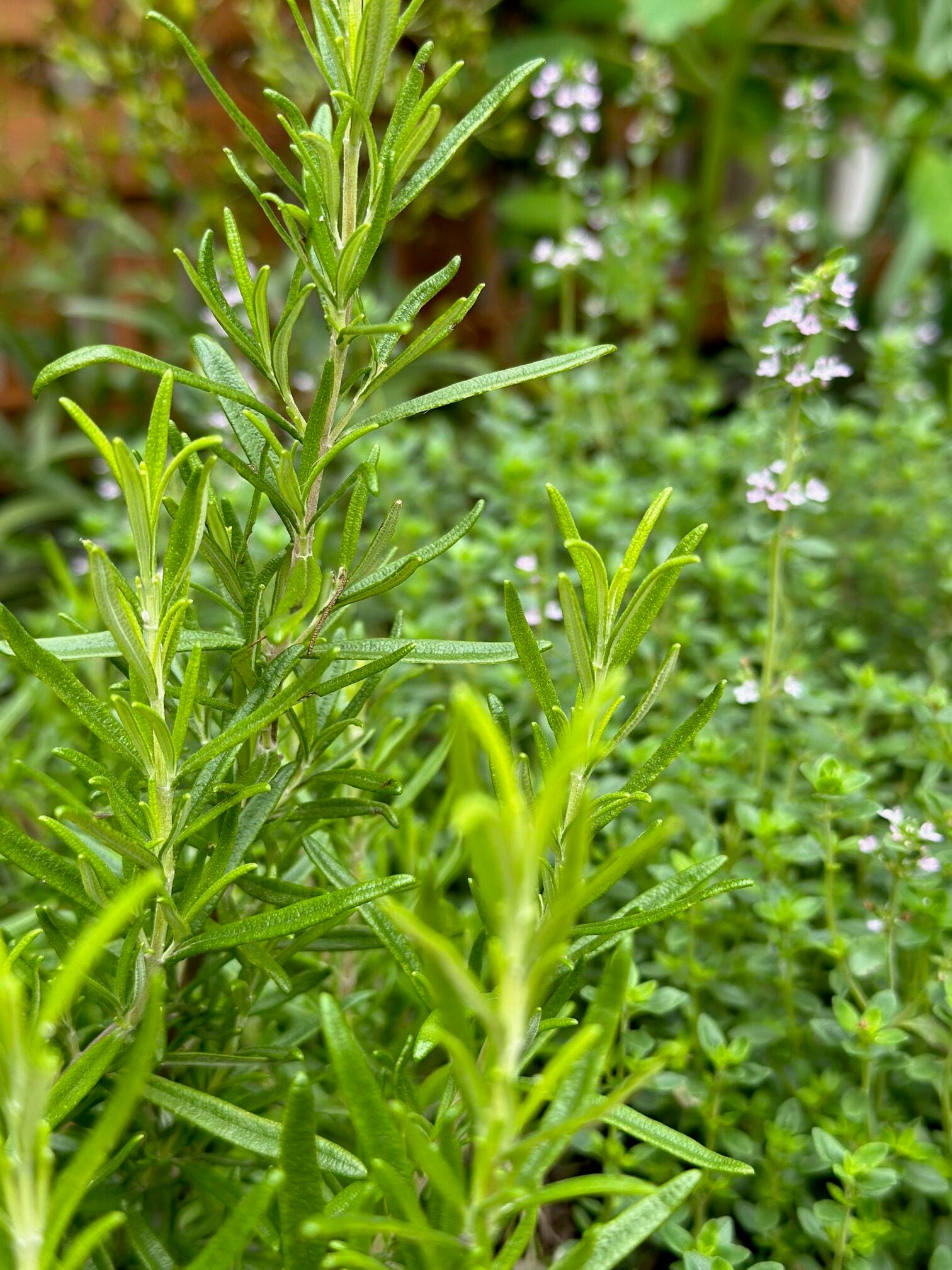
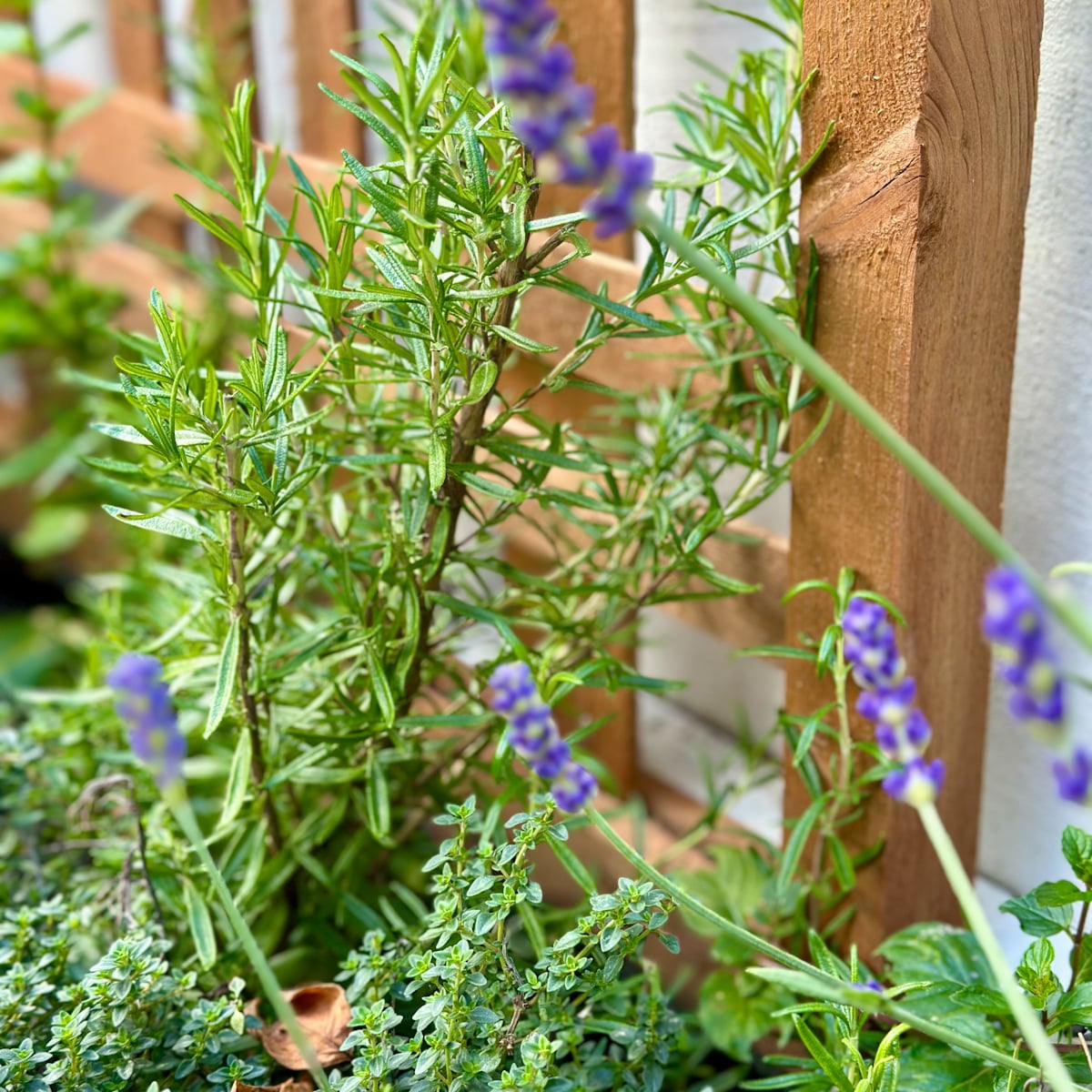
If you've been exploring companion planting, you already know it's all about pairing plants that actually help each other grow, whether that's improving flavor, deterring pests, or simply sharing the same growing conditions. I've seen this work beautifully across my herb garden, from thyme and oregano to lavender and sage, and rosemary fits right into that same rhythm.
Rosemary is a little particular though, and that's where companion planting really matters. It thrives in full sun, prefers dry soil, and needs excellent drainage to stay healthy. That's true whether you're growing it in the garden or in containers. When you pair it with plants that need constant moisture or richer soil, it can struggle quickly, which is why choosing the right companions makes such a difference.
It's also one of those herbs that gives a lot back when it's happy. Healthy rosemary can help repel certain pests and attract pollinators, especially once it produces rosemary blooms. If you've ever seen rosemary flowers in the garden, you know how much activity they bring in, and that's something your surrounding plants benefit from too.
Getting these pairings right helps you build a garden that feels balanced, easy to manage, and actually works together instead of competing for space and water.
At a Glance: Rosemary Companion Plants
_______________________
- Best companion plants for rosemary: thyme, sage, oregano, carrots, beans, cabbage, marigolds, nasturtiums
- What not to plant with rosemary: basil, mint, cucumbers, and other moisture-loving plants
- Ideal growing conditions: full sun, dry soil, excellent drainage
- Best planting locations: raised beds, herb gardens, and containers with drought-tolerant plants
- Rosemary companion plants in containers: thyme, sage, oregano, and lavender all grow well together in pots with similar dry, well-drained soil
- Why companion planting matters: helps prevent overwatering issues, improves plant health, and supports pollinators
Summarize and Save this content on:
Jump to:
Best rosemary companion plants
The best rosemary companion plants are those that thrive in the same dry, sunny conditions and well-drained soil, so instead of one long list, it helps to group them by vegetables, herbs, and flowers to see what naturally grows well alongside rosemary.
Vegetables that grow well with rosemary
Rosemary pairs well with a variety of vegetables that prefer full sun and don't require consistently moist soil, making it a good fit for many traditional garden beds where drainage is a priority.
- Carrots: Rosemary can help deter carrot flies, while both plants do well in loose, well-drained soil.
- Beans: Bush beans in particular work well near rosemary, as they don't require heavy watering and won't compete aggressively for space.
- Cabbage family (cabbage, broccoli, kale): Rosemary may help repel cabbage moths and other pests, making it a helpful companion for these crops.
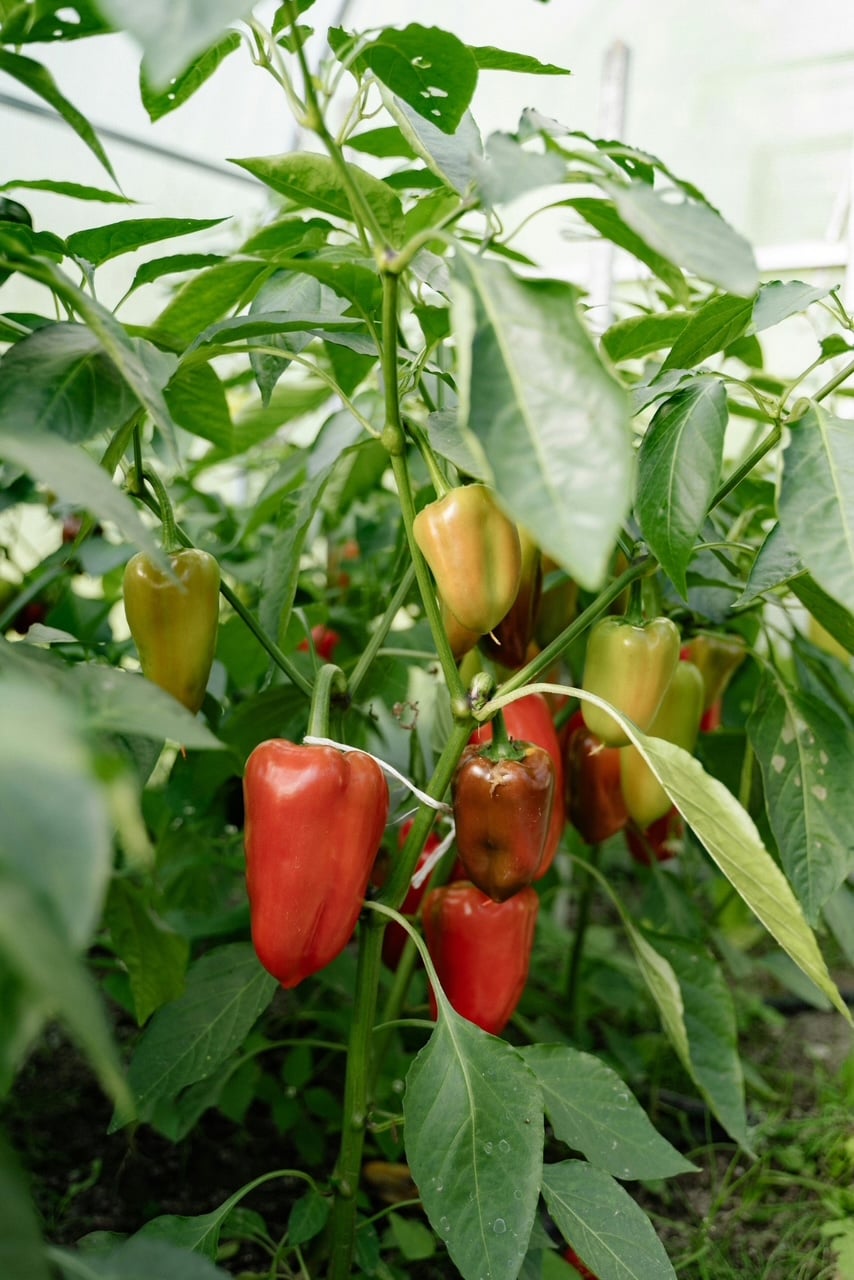
- Peppers: Like rosemary, peppers enjoy warm, sunny conditions and can thrive in similar soil without needing constant moisture.
When planting vegetables with rosemary, the key is to avoid anything that needs frequent watering or rich, moisture-retentive soil, since too much water is one of the quickest ways to damage rosemary roots.
Herbs that grow well with rosemary
Rosemary grows best alongside other Mediterranean herbs that prefer full sun, dry soil, and excellent drainage, which makes these pairings some of the easiest and most reliable in the garden.
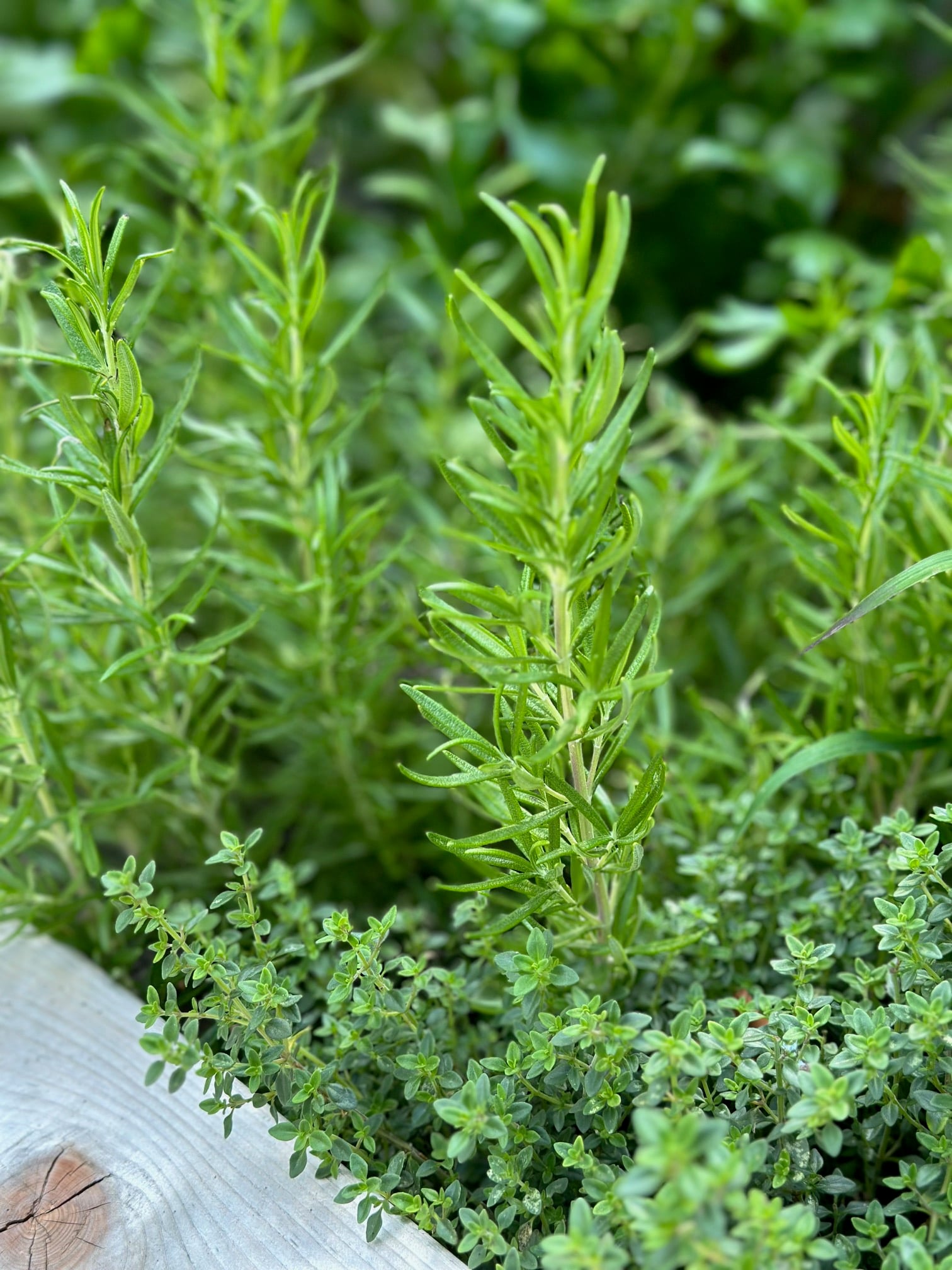
- Thyme: A natural companion for rosemary, thyme thrives in the same dry, well-drained conditions and won't compete for water.
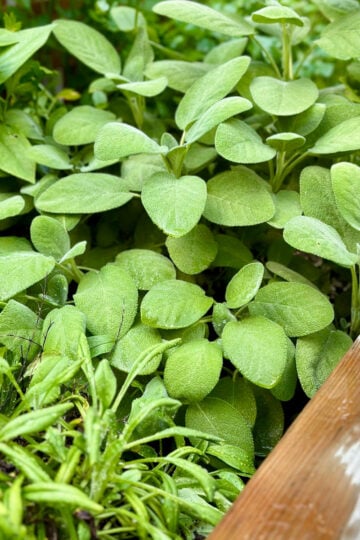
- Sage: Another Mediterranean herb, sage shares similar sunlight and soil preferences, making it an ideal planting partner.
- Oregano: Oregano is low-maintenance and drought-tolerant once established, so it can grow well near rosemary without creating moisture issues.
Grouping rosemary with herbs that have similar growing needs helps prevent overwatering and creates a more balanced, low-maintenance herb garden.
Flowers that pair well with rosemary
Adding flowers alongside rosemary is one of my favorite ways to bring the whole herb garden together, especially in a raised bed where everything is growing close together. I almost always mix flowers in with my herbs, not just for how it looks, but because they actually help support the health of the plants around them.
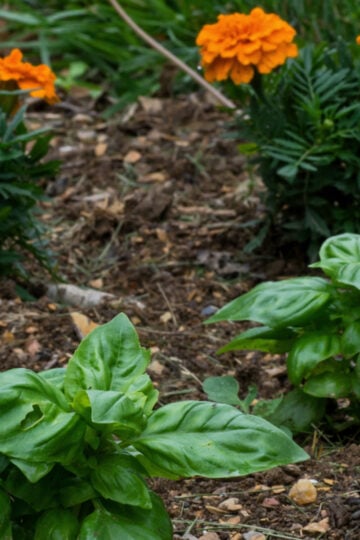
- Marigolds: A classic companion plant, marigolds are known for helping deter pests while attracting beneficial insects, making them a great addition near rosemary.
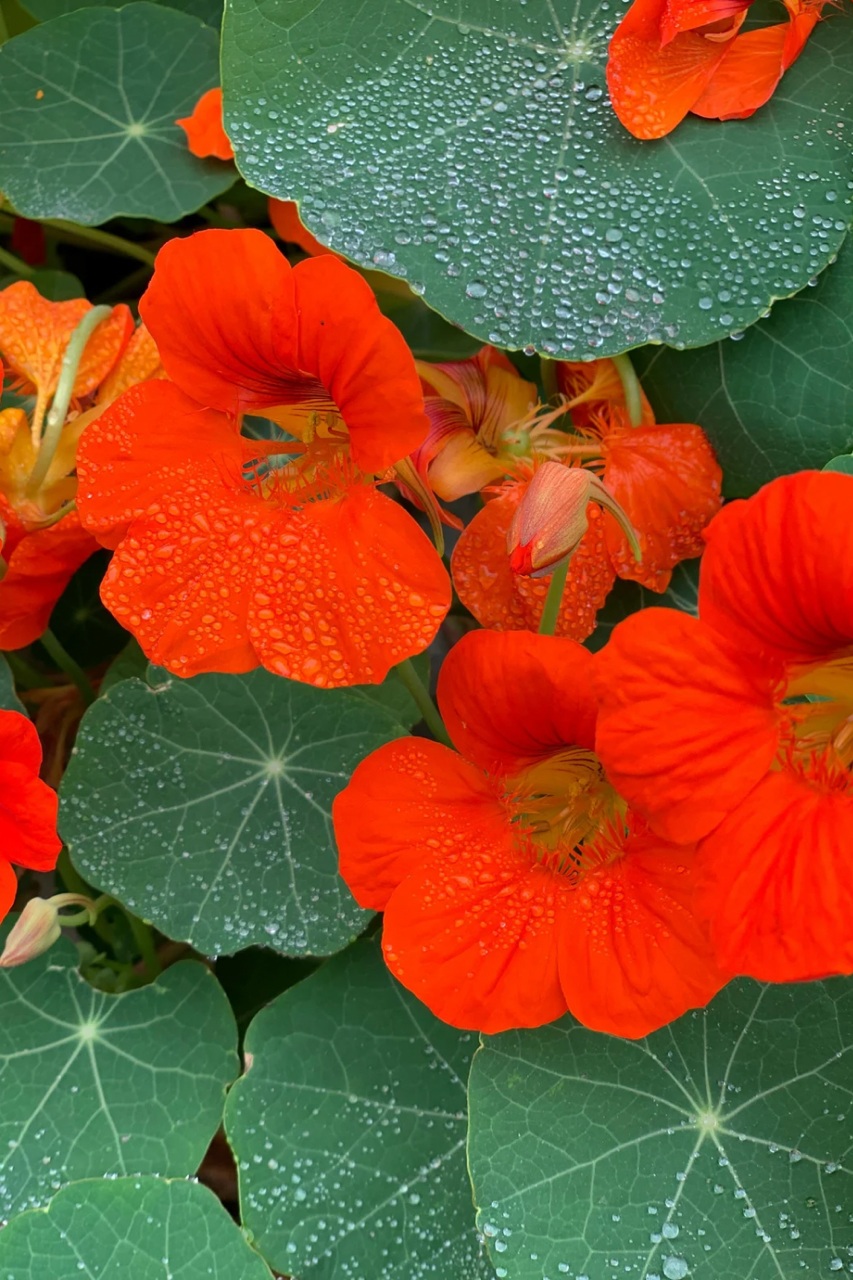
- Nasturtiums: These are especially helpful for drawing aphids away from other plants, and they also attract pollinators, which benefits the entire garden.
Planting flowers with rosemary helps create a more balanced garden by bringing in pollinators and beneficial insects, while also adding color and texture to your herb beds.
What not to plant with rosemary
Rosemary does not do well when planted next to plants with very different growing needs, especially those that require more water or tend to spread aggressively, since these differences can quickly lead to stress, poor growth, or root problems.
Plants that need more water than rosemary
Rosemary prefers to dry out between waterings, so pairing it with moisture-loving plants often leads to overwatering, which can cause root rot and quickly damage the plant.
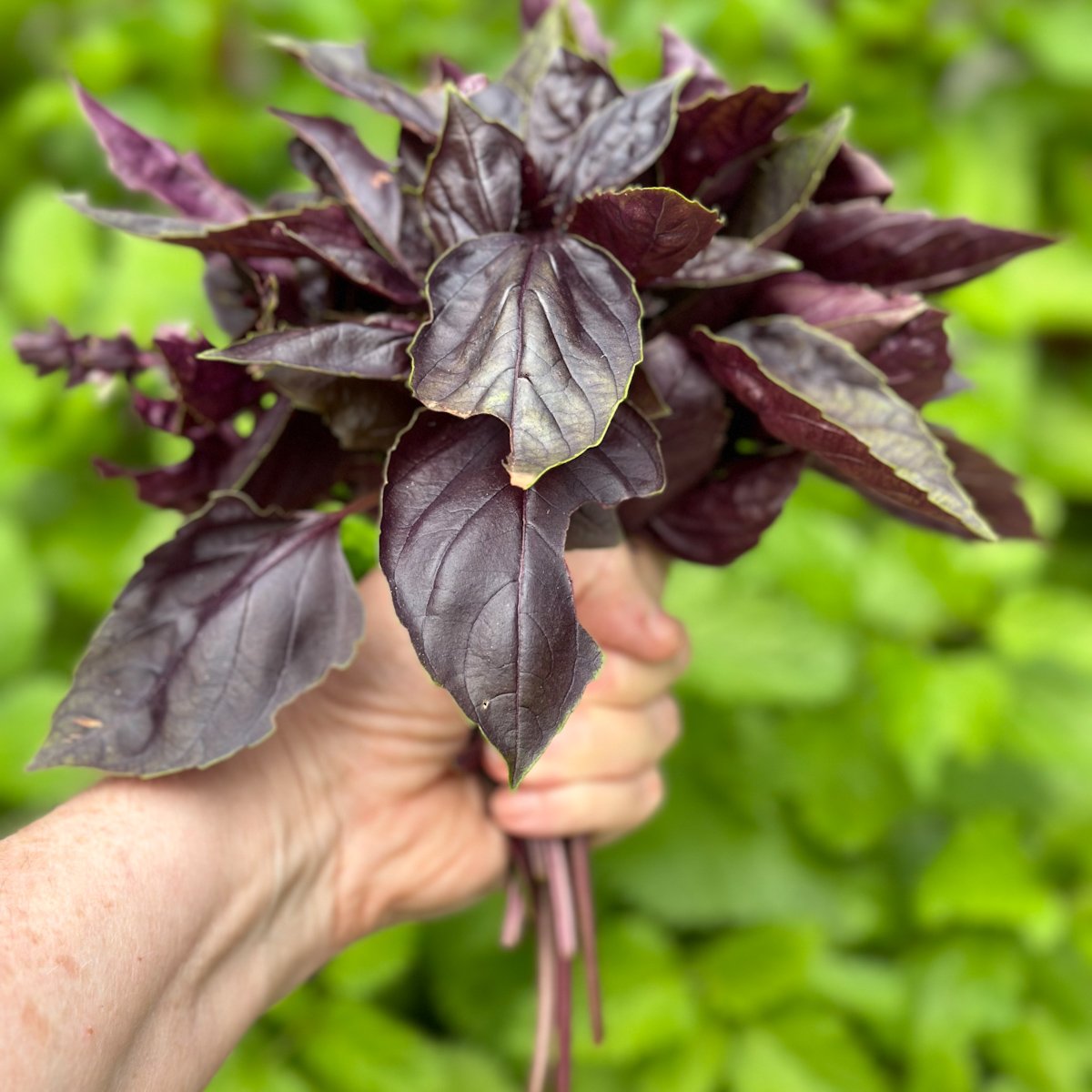
- Basil: Basil needs consistent moisture to thrive, which is the opposite of what rosemary prefers, making them difficult to grow successfully together.
- Mint: Mint also prefers more frequent watering and richer soil, which can create conditions that are too damp for rosemary.
- Cucumbers: Cucumbers require regular watering and nutrient-rich soil, and their needs can easily overwhelm rosemary in a shared space.
Fast-spreading or aggressive plants
Some plants compete too aggressively for space and resources, which can crowd rosemary and limit airflow around the plant.
- Mint: In addition to its higher water needs, mint spreads quickly and can take over garden beds, competing with rosemary for space, nutrients, and sunlight.
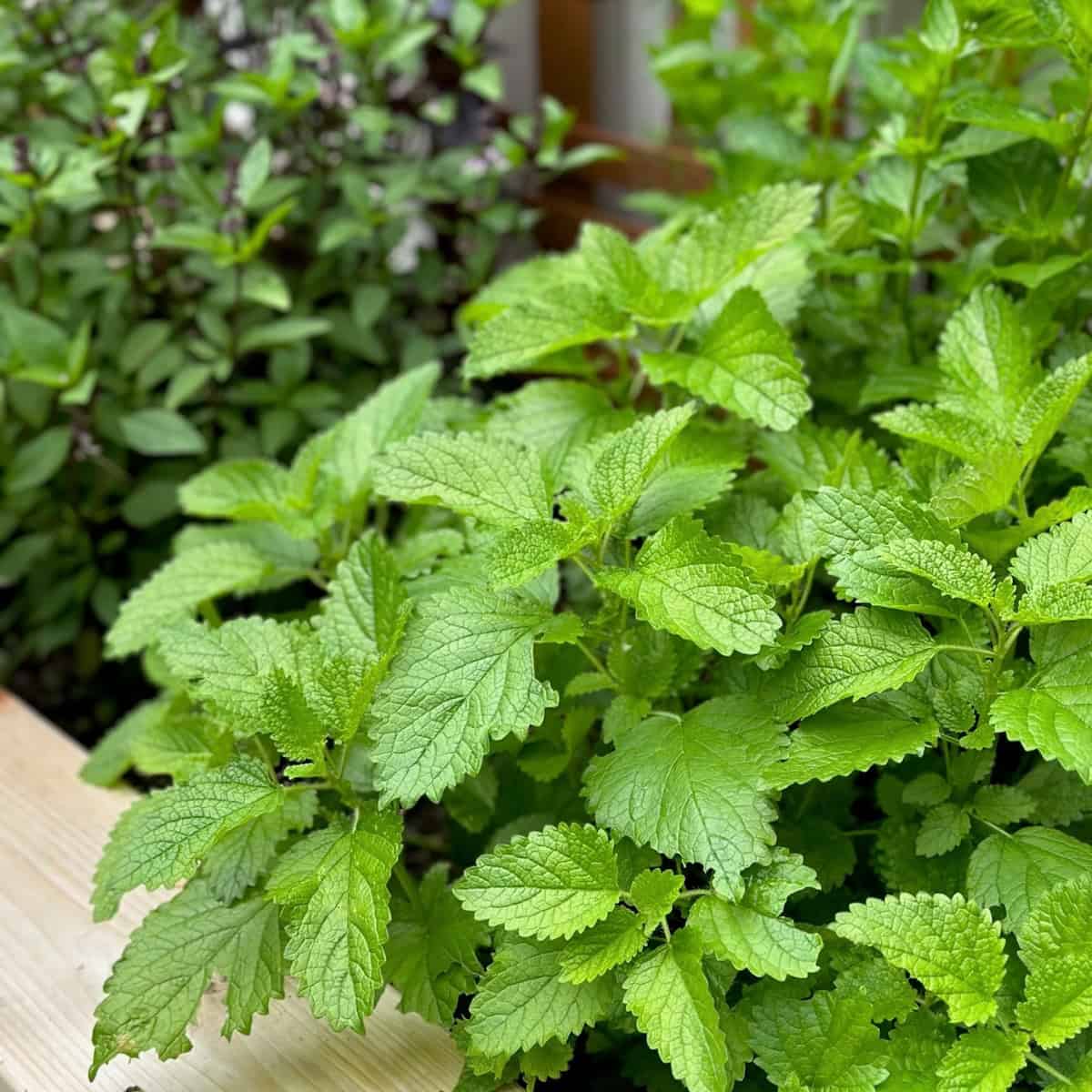
- Lemon balm: Like mint, lemon balm spreads easily and can quickly overtake a planting area, crowding out rosemary and making it harder to maintain good airflow and spacing.
Rosemary companion plants in containers
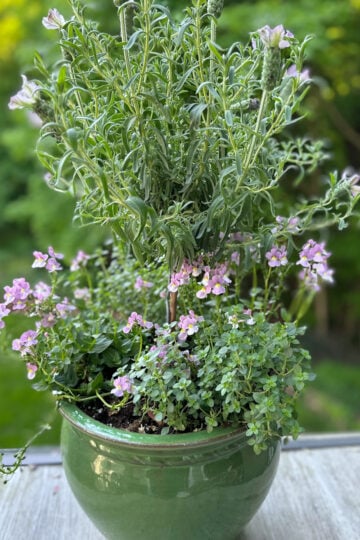
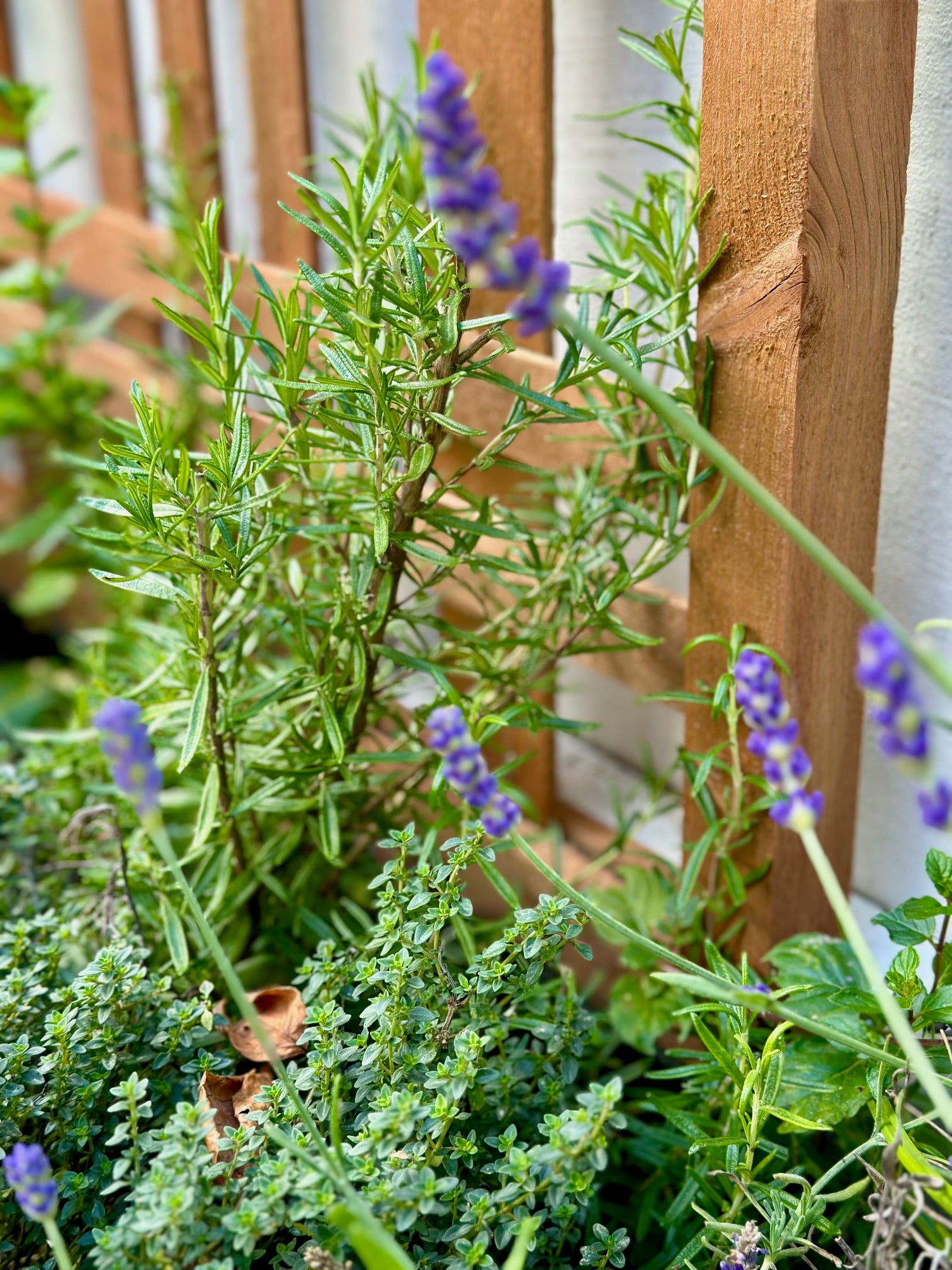
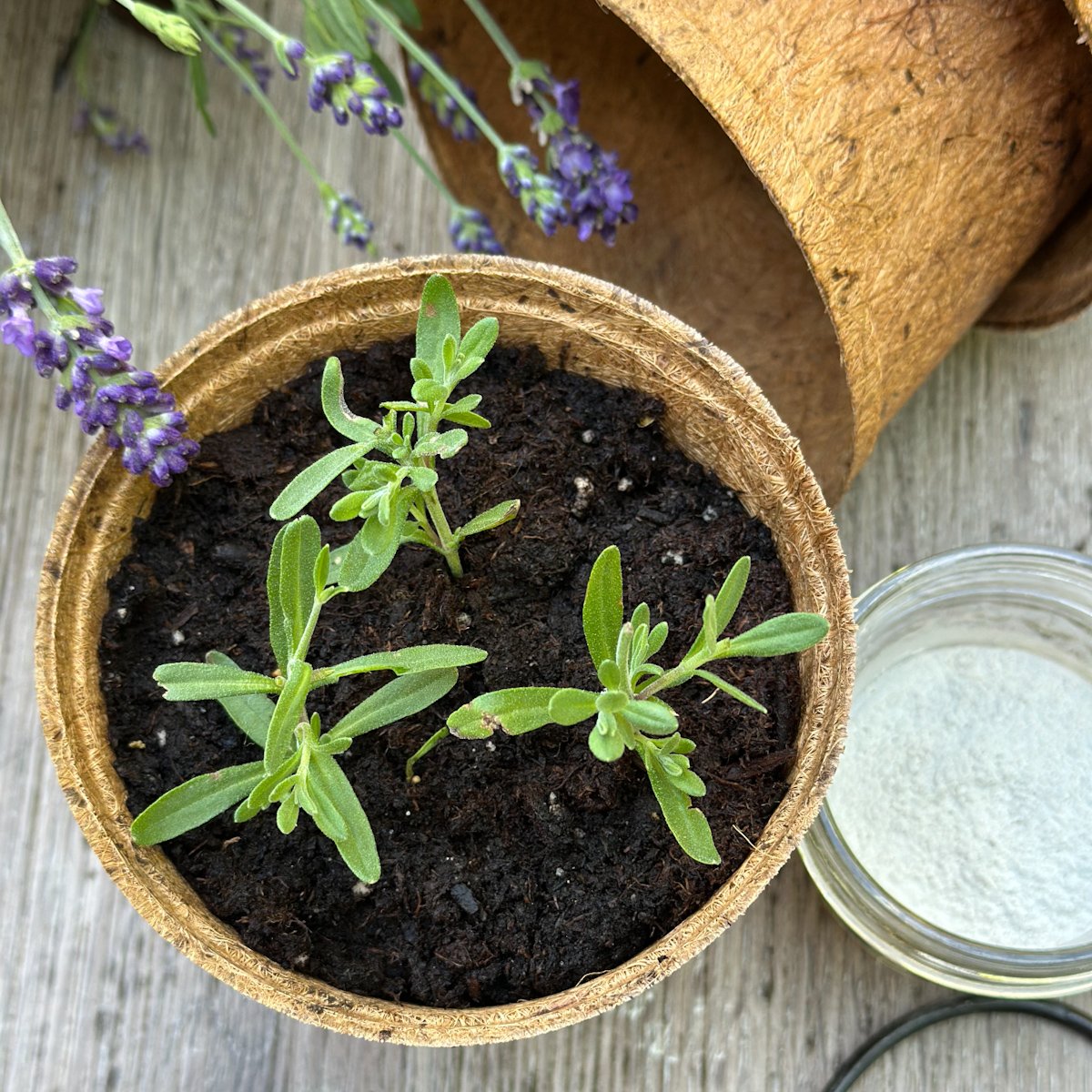
Growing rosemary in containers makes companion planting a little more specific, since space is limited and watering needs matter even more. Whether you're planting a mixed herb pot or growing rosemary on its own, the goal is to pair it with plants that won't require frequent watering or heavy, moisture-retentive soil. This is especially important if you're using the right soil mix for rosemary in pots or growing an indoor rosemary tree where drainage and airflow are key. You'll often see rosemary planted alongside thyme and lavender, even a small lavender tree, since all three prefer full sun, dry soil, and excellent drainage, making them one of the easiest and most reliable herb combinations for containers.
Best pairings for pots include herbs that share the same Mediterranean growing conditions and won't compete for moisture.
- Thyme: A natural fit for containers, thyme thrives in dry soil and won't need frequent watering.
- Sage: Sage does well in similar light and soil conditions, making it easy to grow alongside rosemary in a pot.
- Oregano: Once established, oregano is fairly drought-tolerant and adapts well to container growing with rosemary.
Containers also make watering conflicts more noticeable, since there's less soil to buffer moisture levels. Even one plant that needs frequent watering can create conditions that are too damp for rosemary.
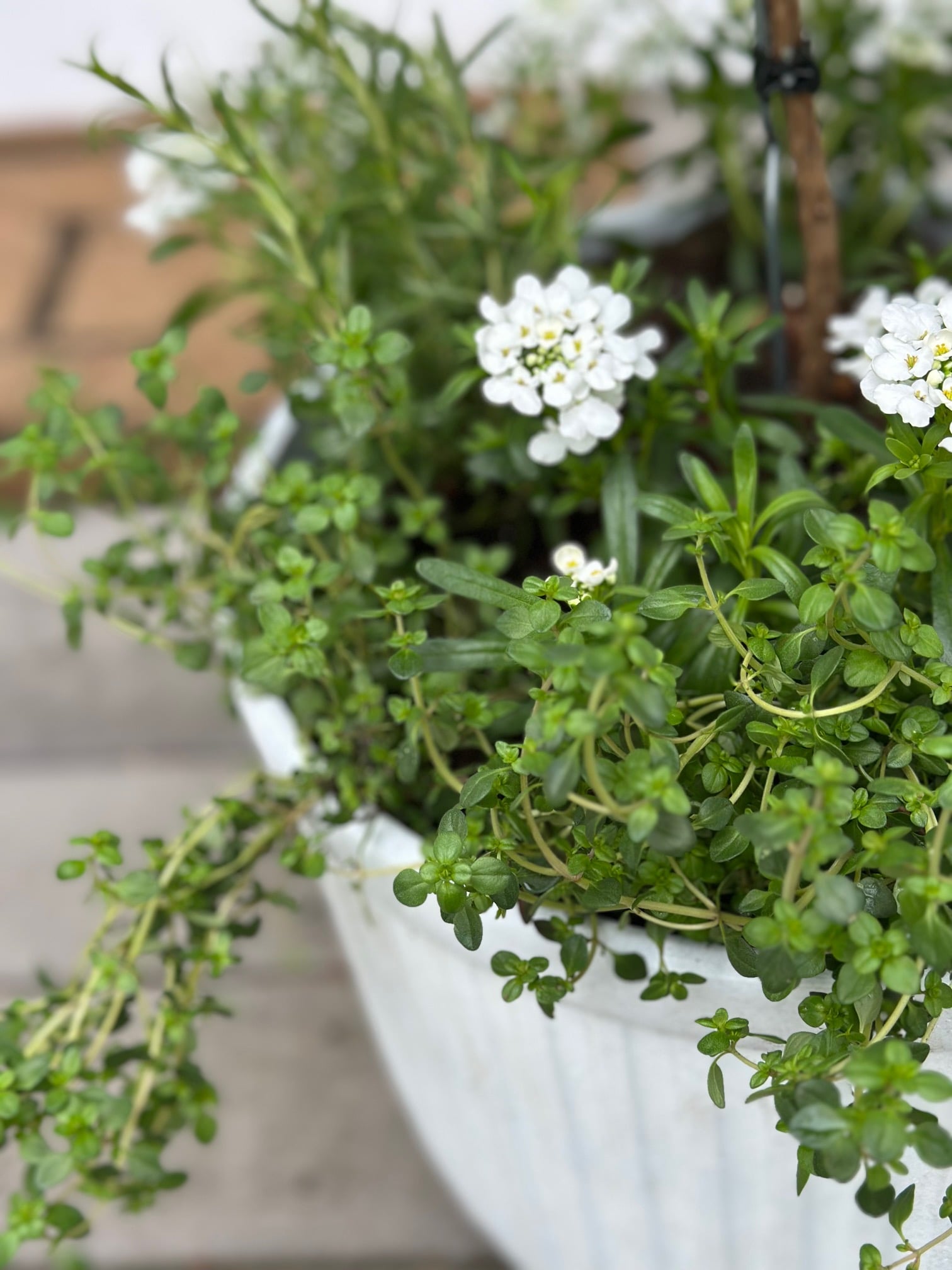
What to avoid in containers includes any herbs or plants that require consistently moist soil or tend to grow aggressively.
- Basil: Needs regular watering and can quickly create overly damp soil conditions.
- Mint: Spreads quickly and prefers more moisture, making it difficult to manage in a shared container.
- Lemon balm: Like mint, it can take over a container and compete for space while also requiring more water than rosemary prefers.
Where to plant rosemary for the best results
Choosing the right location for rosemary makes a big difference in how well it grows, especially when you're pairing it with other plants. When its basic needs are met first, companion planting becomes much easier and more successful.
Full sun requirements
Rosemary needs full sun to thrive, ideally six to eight hours of direct sunlight each day. Without enough light, it can become leggy, lose its shape, and produce weaker growth.
Soil and drainage needs
Well-drained soil is essential for rosemary. It prefers dry conditions and does not tolerate sitting in moisture, so heavy or compacted soil can quickly lead to root rot. Amending soil or choosing the right planting location can make a big difference.
Raised beds versus in-ground planting
Raised beds are often ideal for rosemary because they naturally improve drainage and give you more control over soil conditions. In-ground planting can work just as well if your soil drains easily and does not stay wet after rain.
Spacing and airflow
Rosemary benefits from good air circulation, especially in warmer months. Give it enough space so it is not crowded by nearby plants, which helps reduce the risk of fungal issues and keeps the plant healthy.
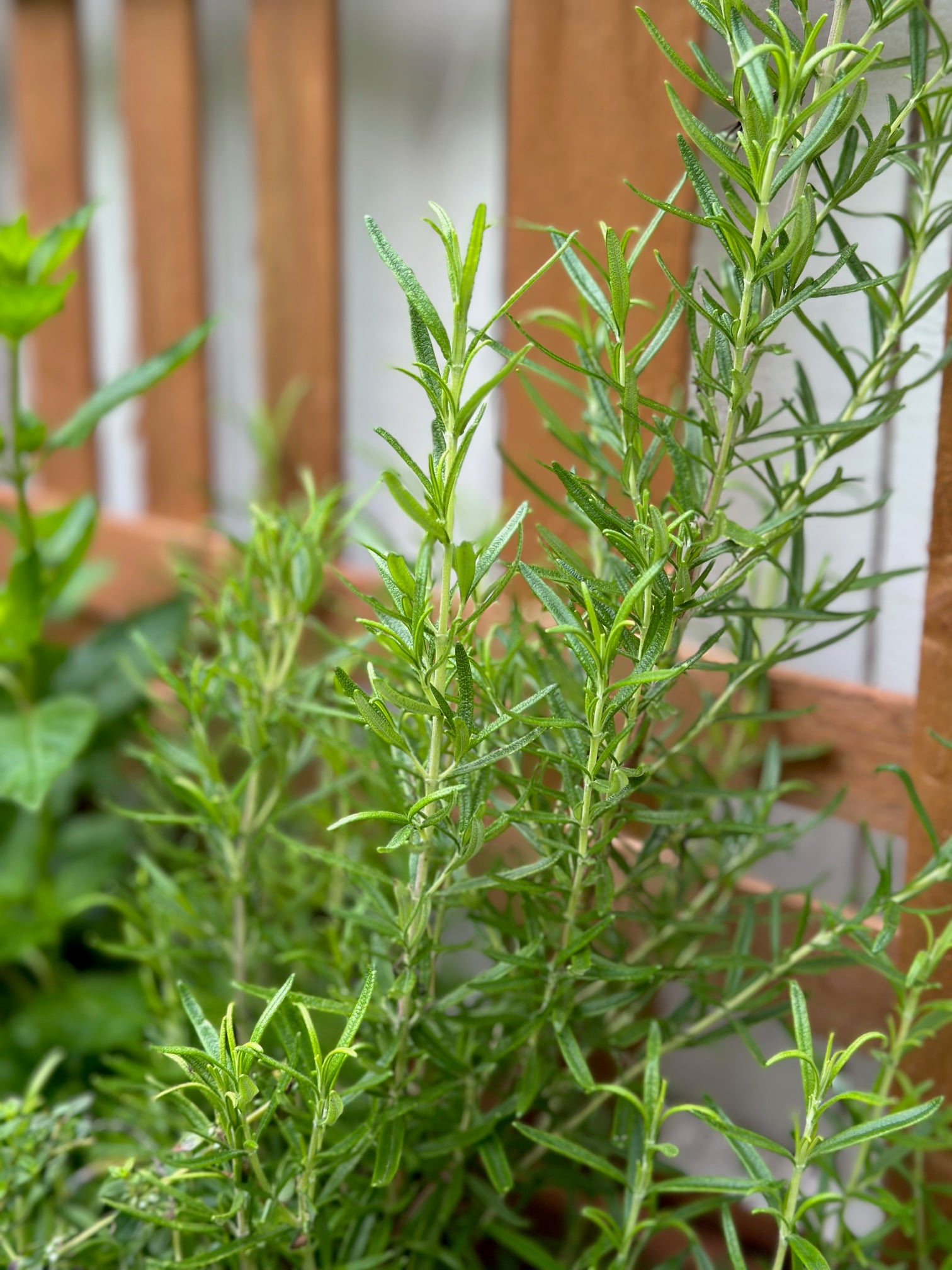
Tips for planting rosemary with other plants
After growing rosemary in both raised beds and containers, I've found that it does best when you focus on its natural growing conditions first, then build your plant pairings around that. These simple tips can make a big difference in keeping rosemary healthy and avoiding common problems.
Group plants by water needs
The most important rule is to group rosemary with plants that prefer dry soil. Pairing it with drought-tolerant herbs like thyme, sage, and oregano makes watering much easier and helps prevent stress on the plant.
Avoid overwatering shared beds
Rosemary is very sensitive to excess moisture, so avoid planting it next to anything that needs frequent watering. In mixed garden beds, it's often better to water deeply but less often, rather than trying to meet the needs of moisture-loving plants nearby.
Use containers when necessary
If you want to grow rosemary alongside plants with different needs, containers are often the best solution. Keeping rosemary in its own pot or grouping it with similar herbs allows you to control soil and watering more easily.
Keep spacing in mind
Give rosemary enough room to grow and allow for good airflow around the plant. In my experience, crowding is one of the quickest ways to run into issues, especially in humid weather or tightly planted beds.
Frequently asked questions
Avoid planting rosemary with moisture-loving plants like basil, mint, and cucumbers, since they require more frequent watering and can lead to root rot. Rosemary prefers dry, well-drained soil, so pairing it with plants that need similar conditions is key.
Rosemary and basil are not ideal companions because they have different watering needs. Basil prefers consistently moist soil, while rosemary needs to dry out between waterings, which makes it difficult to keep both plants healthy in the same space.
Rosemary grows best next to drought-tolerant plants like thyme, sage, and oregano, along with vegetables such as carrots and cabbage. These plants thrive in similar full sun and well-drained soil conditions.
Yes, rosemary can grow in containers with other herbs, as long as they share similar growing conditions. The best choices are herbs like thyme, sage, and oregano, which prefer dry soil and full sun, while moisture-loving herbs should be avoided.
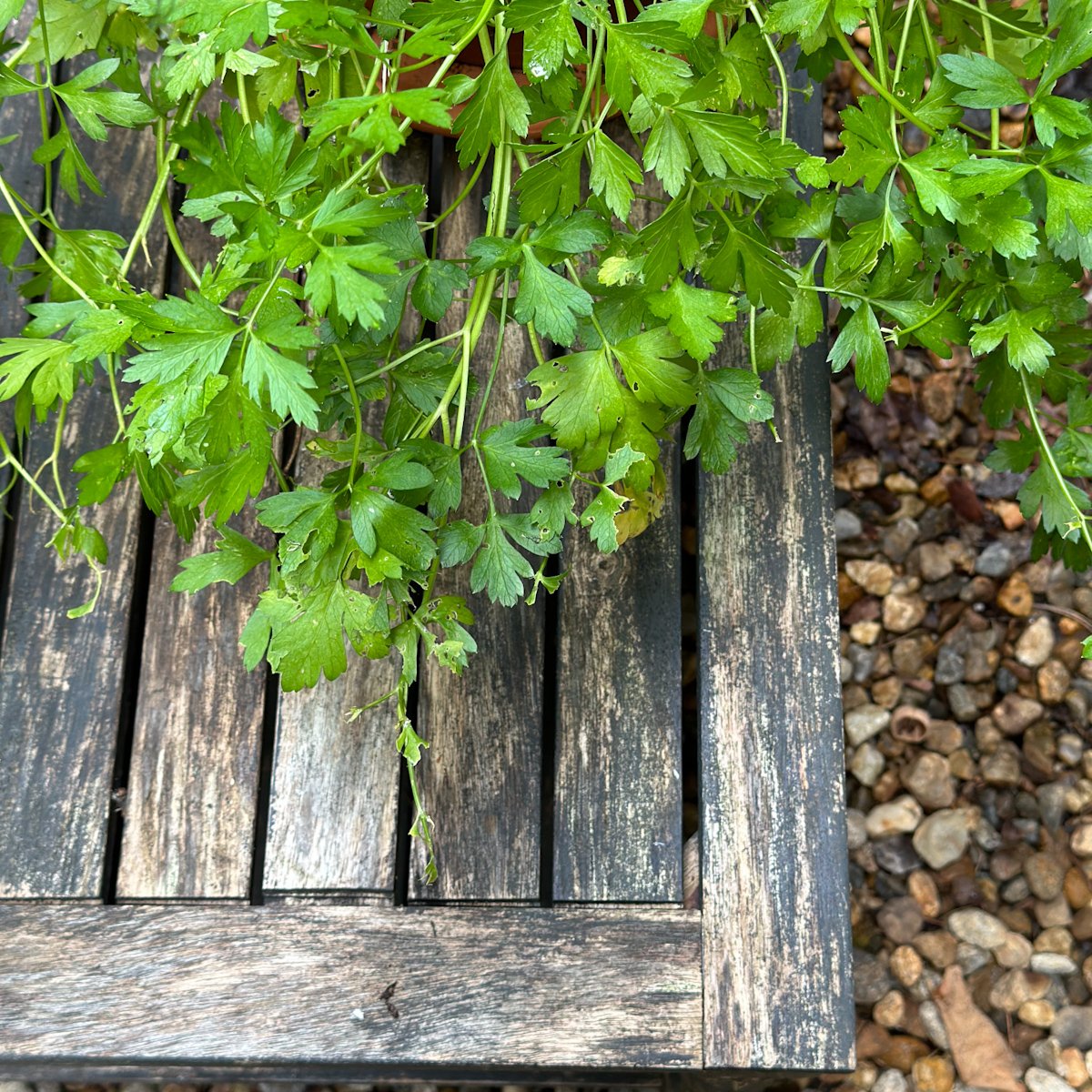

Companion planting with rosemary is actually pretty simple once you understand what it needs. Focus on full sun, dry soil, and good drainage, then build your plant pairings around those conditions. When you do that, everything tends to fall into place.
Start with a few reliable companions like thyme, sage, or oregano, and don't be afraid to mix in vegetables and flowers that share similar needs. If something doesn't seem like the right fit, containers are always a great option to give each plant exactly what it needs.
If you're new to growing rosemary, just take it one step at a time. You don't have to get everything perfect right away. Pay attention to how your plants respond, make small adjustments as you go, and you'll quickly find what works best in your garden.
And if you ever have questions or want help figuring out what to plant together, I'm always here to help.
Keep growing, friends!