Are Rosemary Flowers Edible? What to Know Before You Use Them

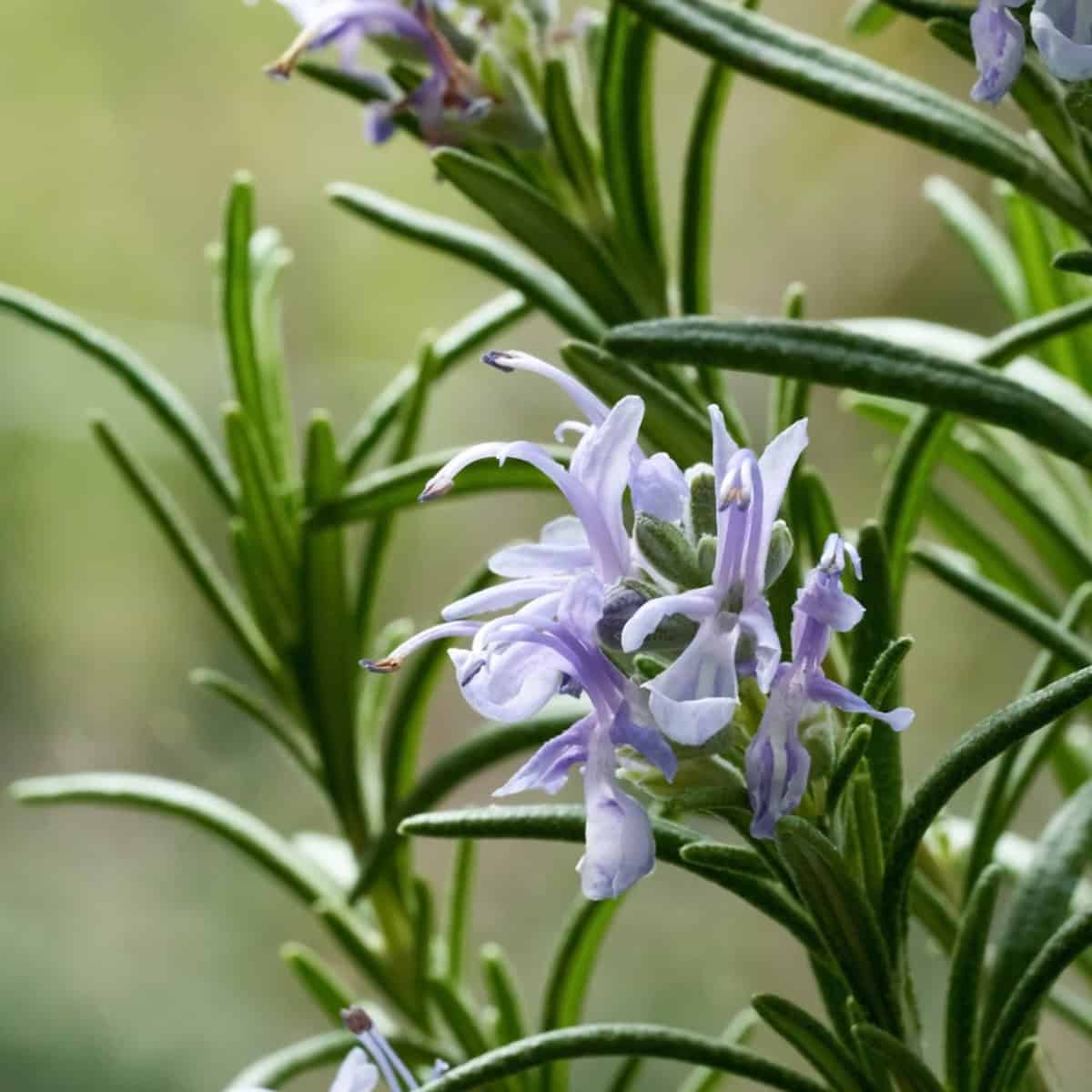
Rosemary flowers are edible and safe to use in both cooking and simple herbal preparations. They have a milder, slightly sweet flavor compared to the leaves and can be used as a garnish, infused into honey, or added to teas and baked dishes. While the plant is best known for its aromatic leaves, the flowers offer a softer version of the same flavor and can be enjoyed fresh or dried.
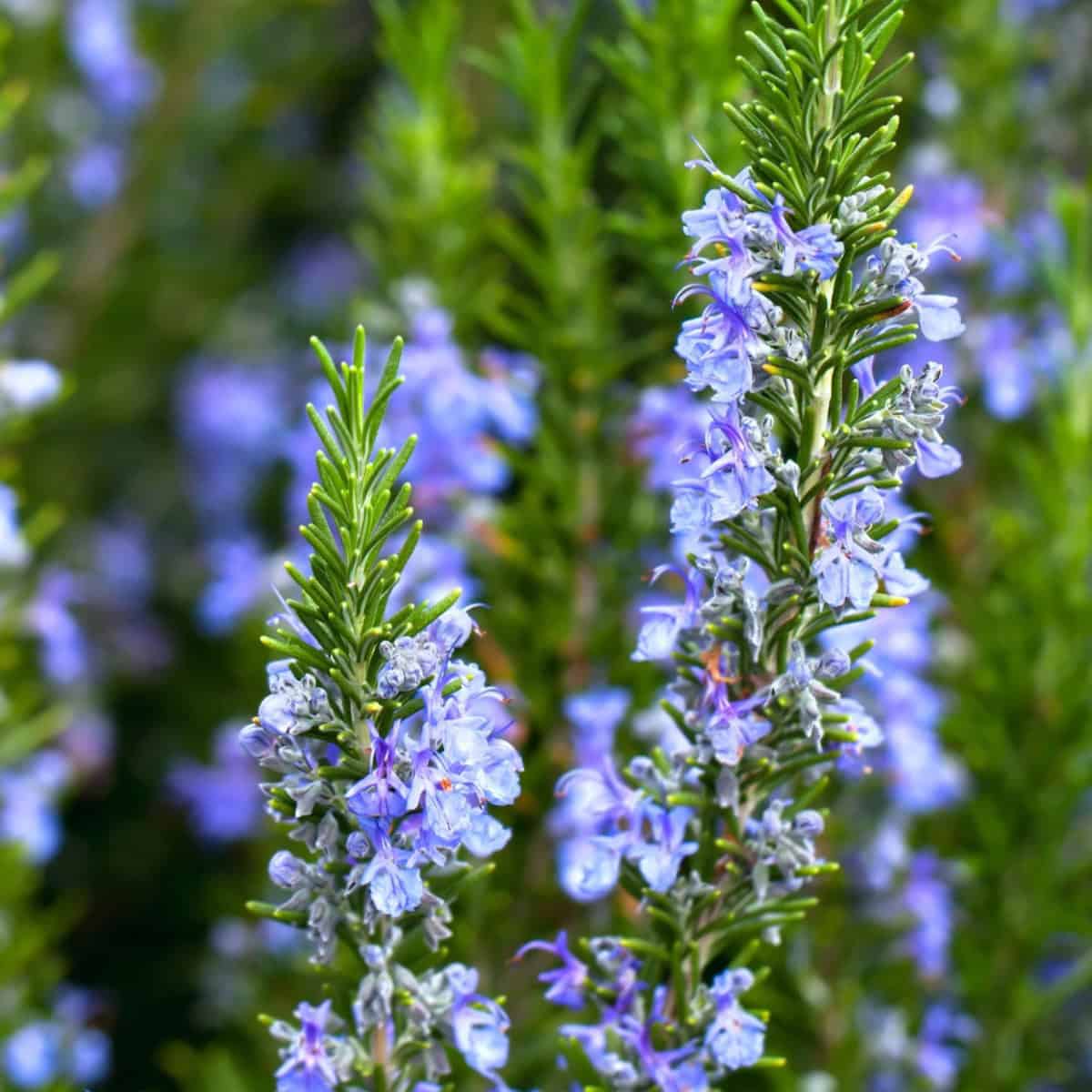
I grow rosemary every year in my raised herb bed, and one thing I always look forward to is when rosemary begins to bloom. Those small blue or violet flowers are not just pretty, they are completely edible and a natural part of the plant's growth. When rosemary flowers, it is a sign the plant is well-established, healthy, and thriving.
Here at Celebrated Nest, we celebrate herbs at every stage. Rosemary flowers are not only beautiful in the garden, but they are also useful in the kitchen and beneficial for pollinators. If you have only thought of rosemary as a sturdy cooking herb, the flowers may come as a surprise.
In this post, we will take a closer look at whether rosemary flowers are edible, how they taste, and a few simple ways you can use them once your plant starts to bloom.
At a Glance: Are Rosemary Flowers Edible?
_______________________
- Rosemary flowers are edible and safe to use in cooking
- The blooms have a milder, slightly sweet flavor compared to the leaves
- You can use them fresh or dried in both sweet and savory dishes
- Flowers make a simple garnish for salads, meats, and baked goods
- Rosemary blooms can be infused into honey, butter, or tea
- The plant remains fully usable while flowering
- Flowers also attract bees and beneficial pollinators to the garden
Summarize and Save this content on:
Jump to:
- At a Glance: Are Rosemary Flowers Edible?
- Rosemary blooms are a sign of a healthy, mature plant
- Flowering rosemary helps attract pollinators
- Sun and light pruning encourage more blooms
- Bloom color varies by rosemary variety
- Rosemary flowers are edible and add gentle flavor
- More herbs that flower beautifully in the garden
Rosemary blooms are a sign of a healthy, mature plant
If your rosemary is flowering, that's a good sign. Rosemary blooms when the plant is well-established, receiving plenty of sunlight, and settled into its growing conditions. Flowering is the plant's natural way of saying it feels at home.
There is a common belief that herbs should be stopped from flowering, or that blooms mean the herb is past its prime. And while that can be somewhat true for soft annual herbs like basil, rosemary is different. Rosemary is a perennial woody herb. When it flowers, it isn't bolting or signaling stress. It's simply completing a natural growth cycle.
The flavor of this Mediterranean herb remains the same when the plant is in bloom. The sprigs still have their familiar pine-like aroma and savory depth, so you can harvest and cook with them just as you always have. The flowers are simply an added bonus.
So instead of trimming off the blooms quickly, let them stay. They are beautiful, they support pollinators, and they tell you your rosemary is thriving.
Those same blooms are also edible, which surprises many gardeners the first time they see rosemary in flower.
Flowering rosemary helps attract pollinators
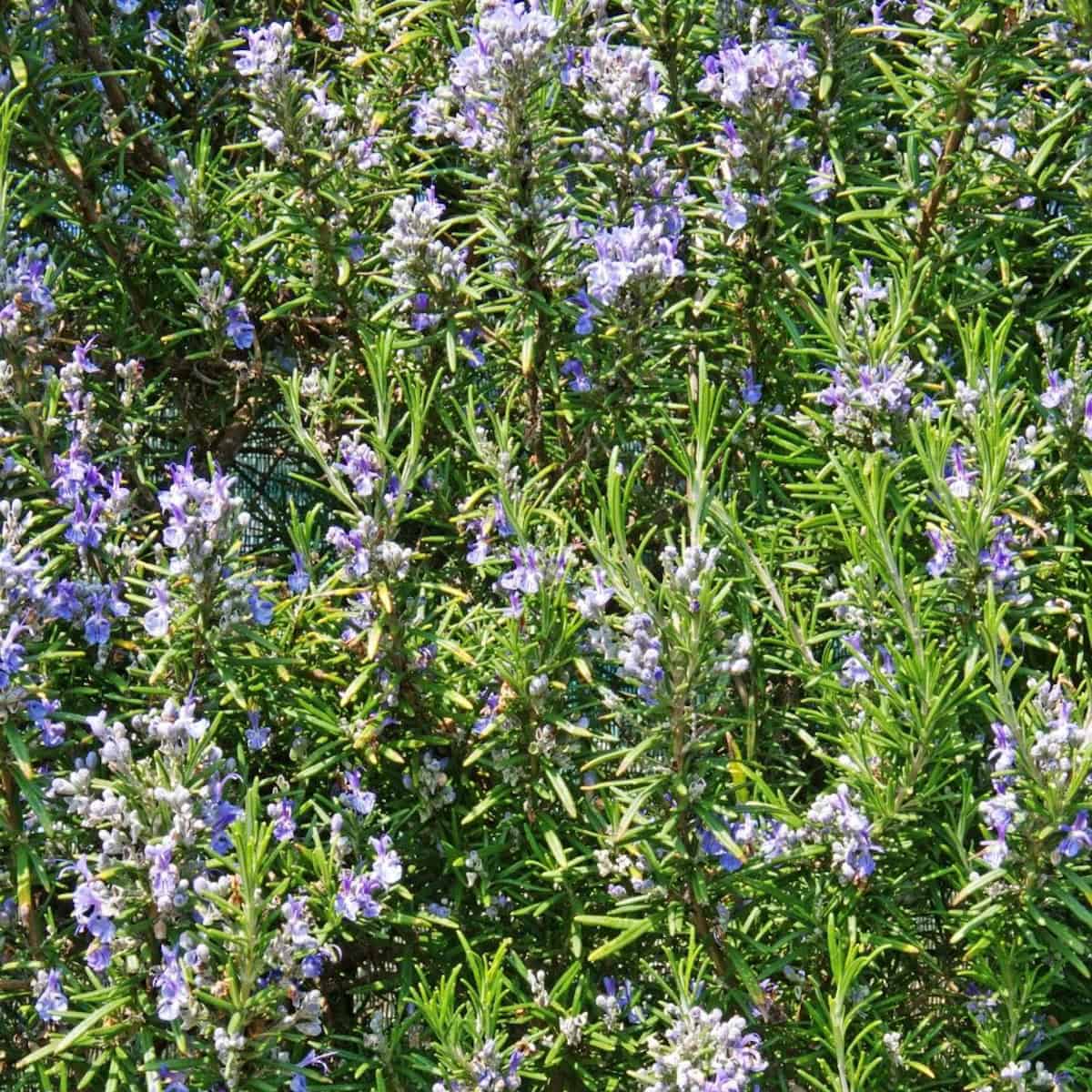
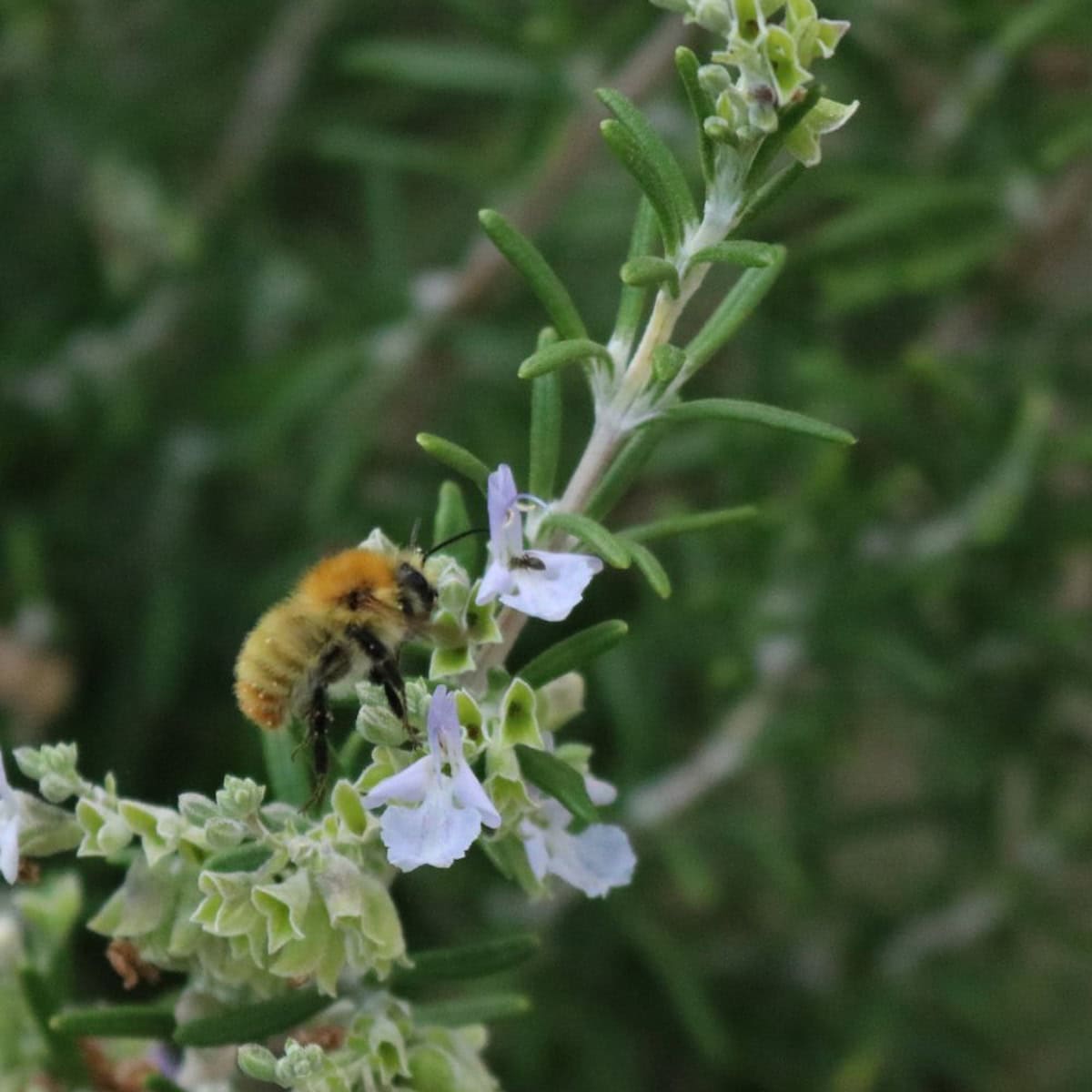
Those soft blue or violet blossoms are more than just pretty. Rosemary flowers produce nectar that draws bees, butterflies, and other helpful pollinators into your garden. It's one of the reasons I always encourage rosemary to bloom rather than cutting the flowers off the moment they appear.
When pollinators visit your rosemary, they increase the overall health of your garden. They help fruit trees set fruit, they support vegetable and flower production, and they contribute to a more balanced outdoor ecosystem. Even if your herb garden is small, a flowering rosemary plant becomes a tiny source of food and habitat.
If you've ever paused to watch a bee tuck itself into a rosemary blossom, you know how charming and gentle these visits are. It adds movement, sound, and life to the garden, especially early or late in the season when many other plants aren't blooming.
So, if your rosemary flowers, let it. You're not just growing herbs for your kitchen. You're creating a welcome place for the pollinators that help everything else grow.
Sun and light pruning encourage more blooms
Rosemary really loves the sun. If you've ever tried to tuck it into a spot that's partly shaded, you've probably noticed it stays a little more small and compact, and it may not flower at all. But when rosemary gets several hours of direct sunlight each day, the plant tends to grow fuller, stronger, and more willing to bloom.
Light pruning also plays a part. I don't mean a heavy haircut or shaping it into something formal. Just the gentle kind of trimming you do when you go out to gather a few sprigs for dinner, or to keep the plant from getting too woody or leggy. That small bit of regular trimming encourages new growth, which is where future flowers will form.
I like to think of rosemary as a "use me" plant. The more I cook with it, snip it, and enjoy it, the more it rewards me. That rhythm of light pruning, full sun, and occasional deep watering is usually all it needs to bloom again year after year.
So if your rosemary hasn't flowered yet, try moving it to a sunnier spot or giving it a little trim here and there. Sometimes the smallest adjustments are all it takes to encourage those charming blooms.
Bloom color varies by rosemary variety
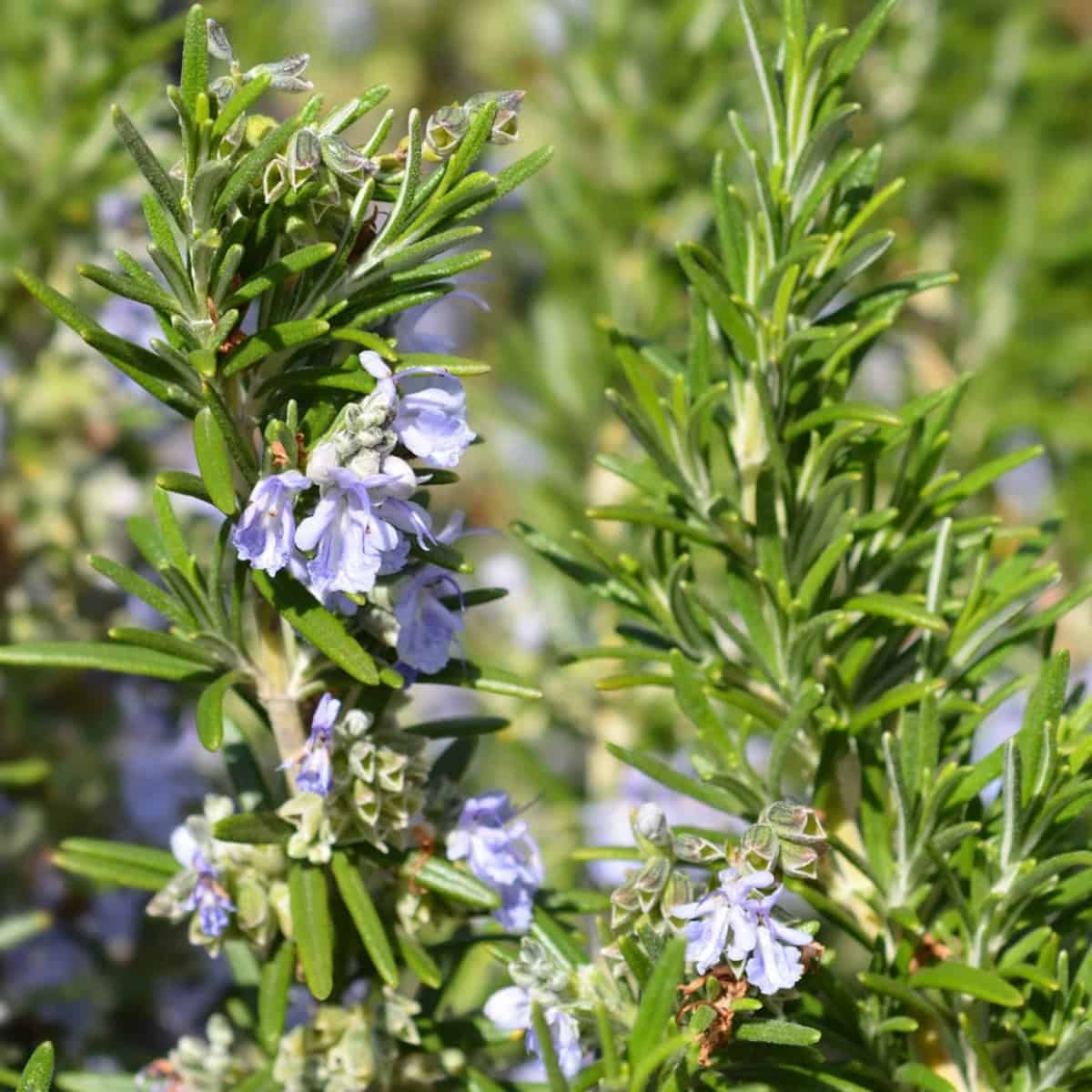
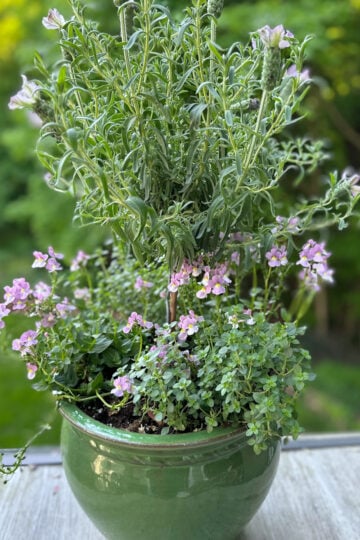
Most rosemary blooms are that familiar soft blue or lavender tone, but not all rosemary flowers look the same. Some varieties produce deeper violet blossoms, while others have pale pink blooms, similar to the soft pink flowers you sometimes see on mint. If you've ever seen a rosemary plant in bloom and thought it looked a little different than the one you grow, you were probably noticing the variety, not the health of the plant.
The color doesn't change the flavor of the rosemary itself, and the flowers all carry that same gentle herbal note. But the color can add a subtle mood to your garden. Blue and violet blooms feel cool and soothing. Pink varieties look delicate and romantic. White blooms feel a bit unexpected and elegant, especially against rosemary's deep green foliage.
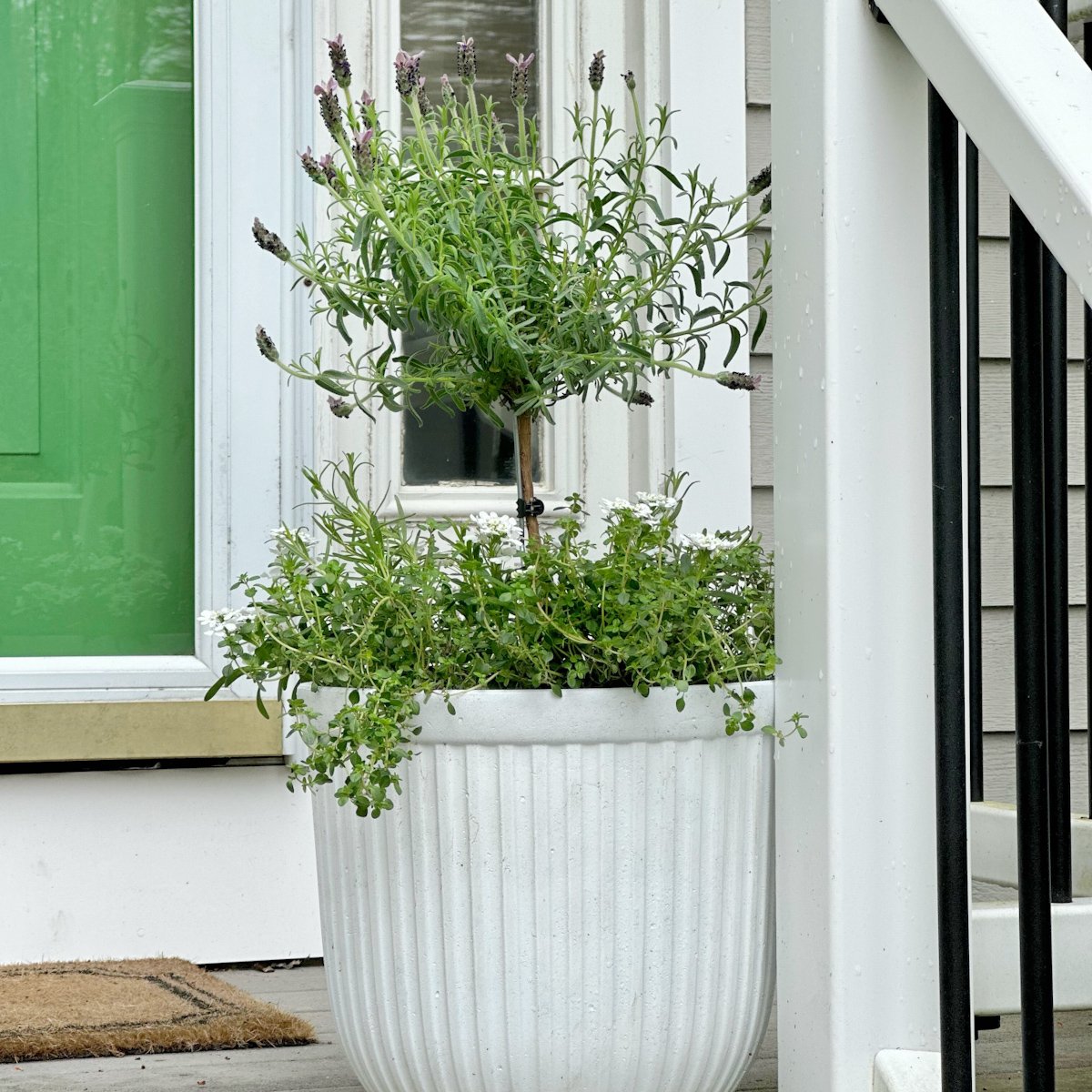
If you're growing rosemary in a container garden or on a patio, playing with different varieties can add interest without requiring any extra care. And if you've only ever grown one type, it's a lovely surprise to see how different the flowers can be.
The key is simply to let your rosemary reach a mature size and settle into its space. Once it does, the blooms reveal themselves in their own time. It's one of those quiet gardening joys that you don't rush and can't predict - it just happens when the plant feels ready.

Rosemary flowers are edible and add gentle flavor
Rosemary flowers are edible and carry a soft version of the same herbal flavor you get from the leaves. It is light and a little piney, with a freshness that works beautifully as a finishing touch.
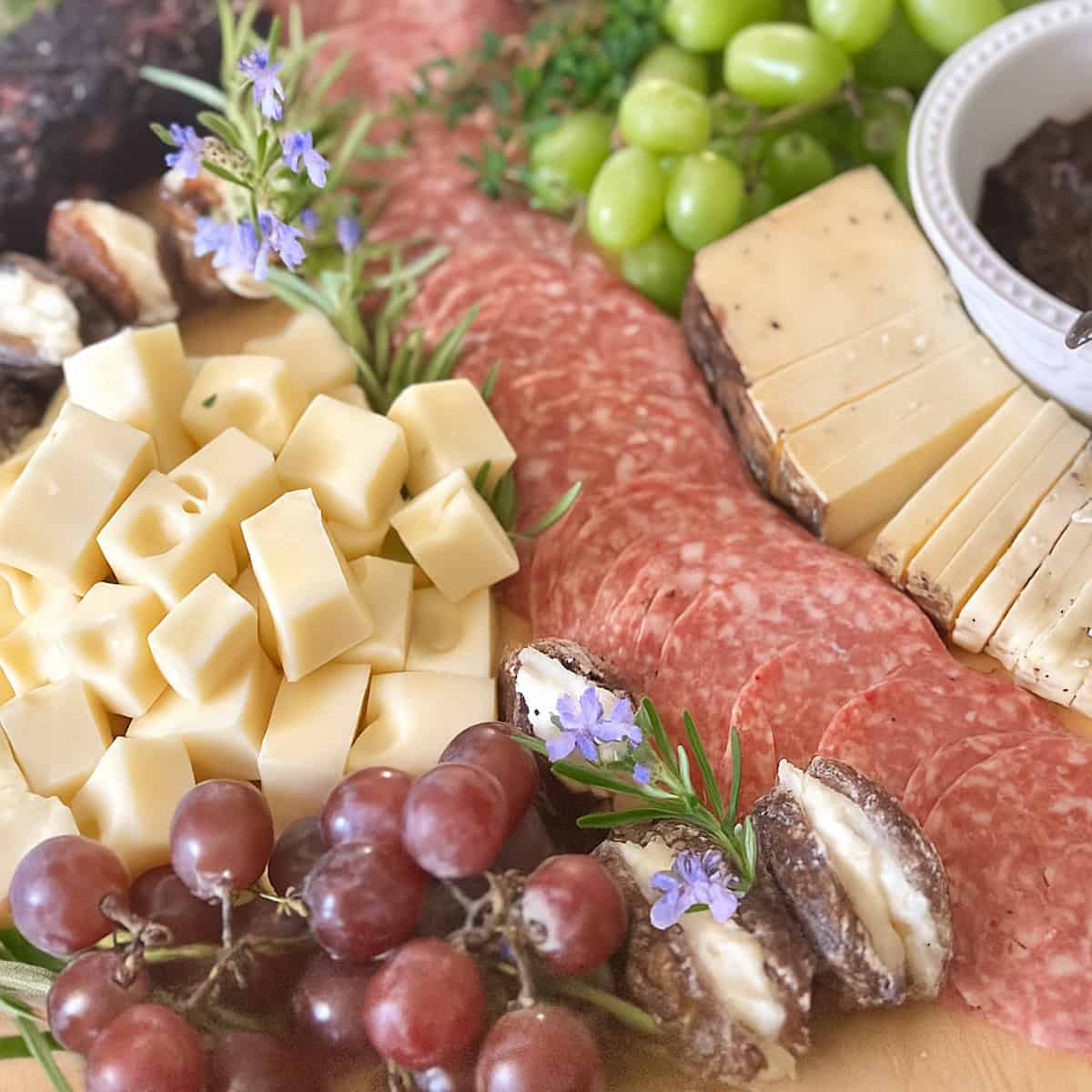
I like to use the flowers the same way I use fresh herbs for garnish. Sprinkle them over a charcuterie board, especially if you already have rosemary tucked in with cheeses and olives. They add just the right hint of color and look like something you would find in a small European kitchen garden.
The flowers are lovely with honey too. You can stir a few blooms into a small dish of honey before serving, or let them sit in a jar of honey for a day or two for a subtle flavor. It is simple and special, and it pairs beautifully with baked brie. My baked brie has rosemary in it already, so a scattering of rosemary flowers on top feels like a thoughtful finishing detail rather than decoration for decoration's sake.
They also work well in simmer pots, where their fragrance lifts the whole room. And if you make rosemary salt or rosemary-infused olive oil, adding just a few flowers can make the jar look beautiful on your counter or as a gift.
These small touches are quiet, but they feel intentional. Rosemary flowers invite you to slow down and enjoy the herbs you grow, not just for cooking, but for beauty and pleasure too.

A blooming rosemary plant usually means it has settled in and is thriving. It's a reminder that the plant is doing exactly what it should. The flowers add a little softness to a plant we usually think of as sturdy and practical. And they are useful too, which makes them even better.
If your rosemary starts to flower, you do not need to rush to cut them off. Let the plant go through its natural rhythm. Keep using the sprigs in your cooking, enjoy the flowers for garnish or add them to a herb gift jar, and let the pollinators have their moment with it in the garden. It is simple, low-maintenance, and a small pleasure to watch happen.
Keep blooming, friends!




Fun post Stephanie, love the 5 tips!
Thank you Ann< I appreciate your visit to the blog!