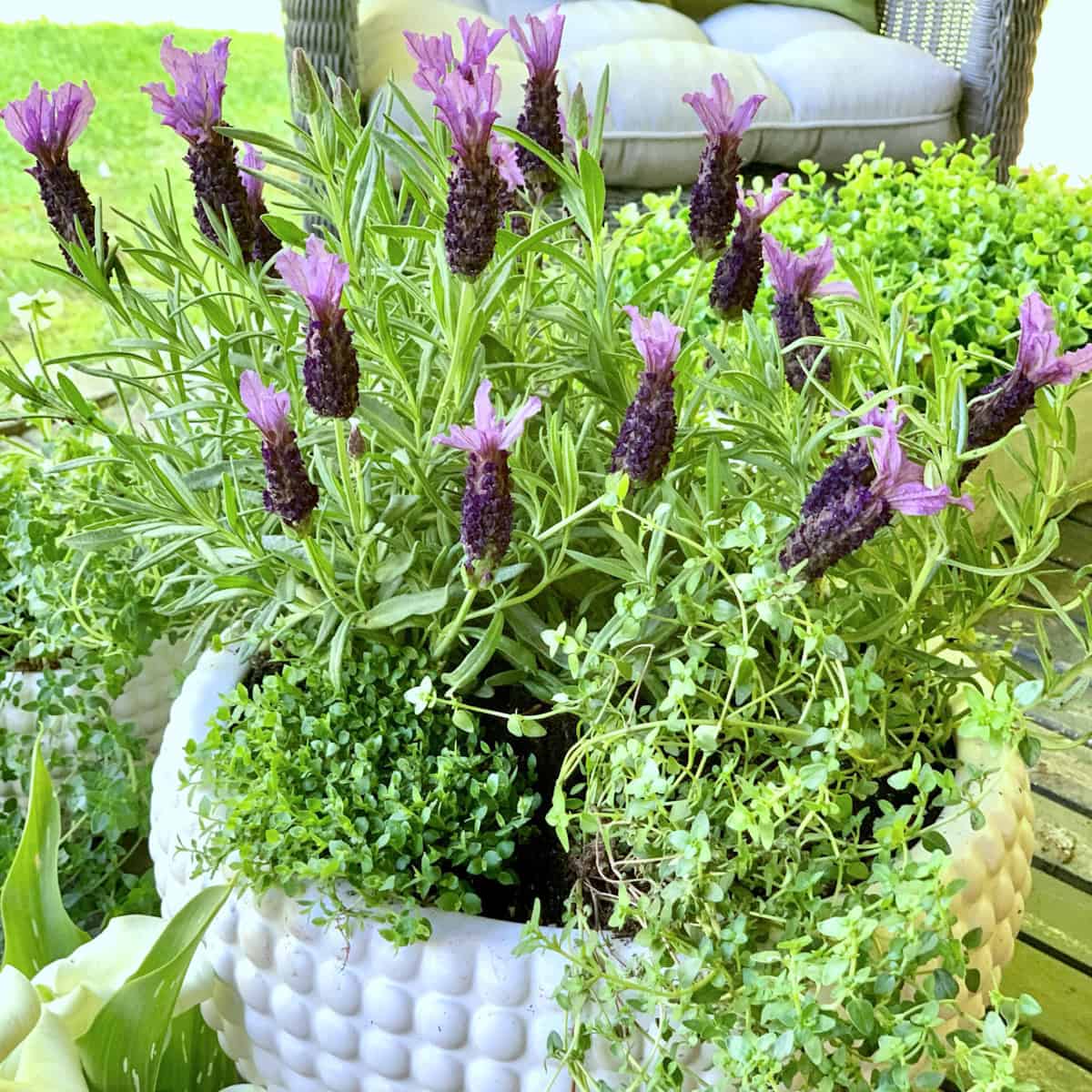
Companion Planting with Herbs: What Herbs Grow Well Together

Companion planting with herbs is a simple way to improve garden health by pairing herbs with other plants that benefit each other. Many herbs grow well together when they share similar sunlight, water, and soil needs, while also helping repel pests and attract beneficial insects. Popular herb pairings include basil and parsley, rosemary and thyme, and cilantro and dill, making it easy to create a more productive and balanced garden.
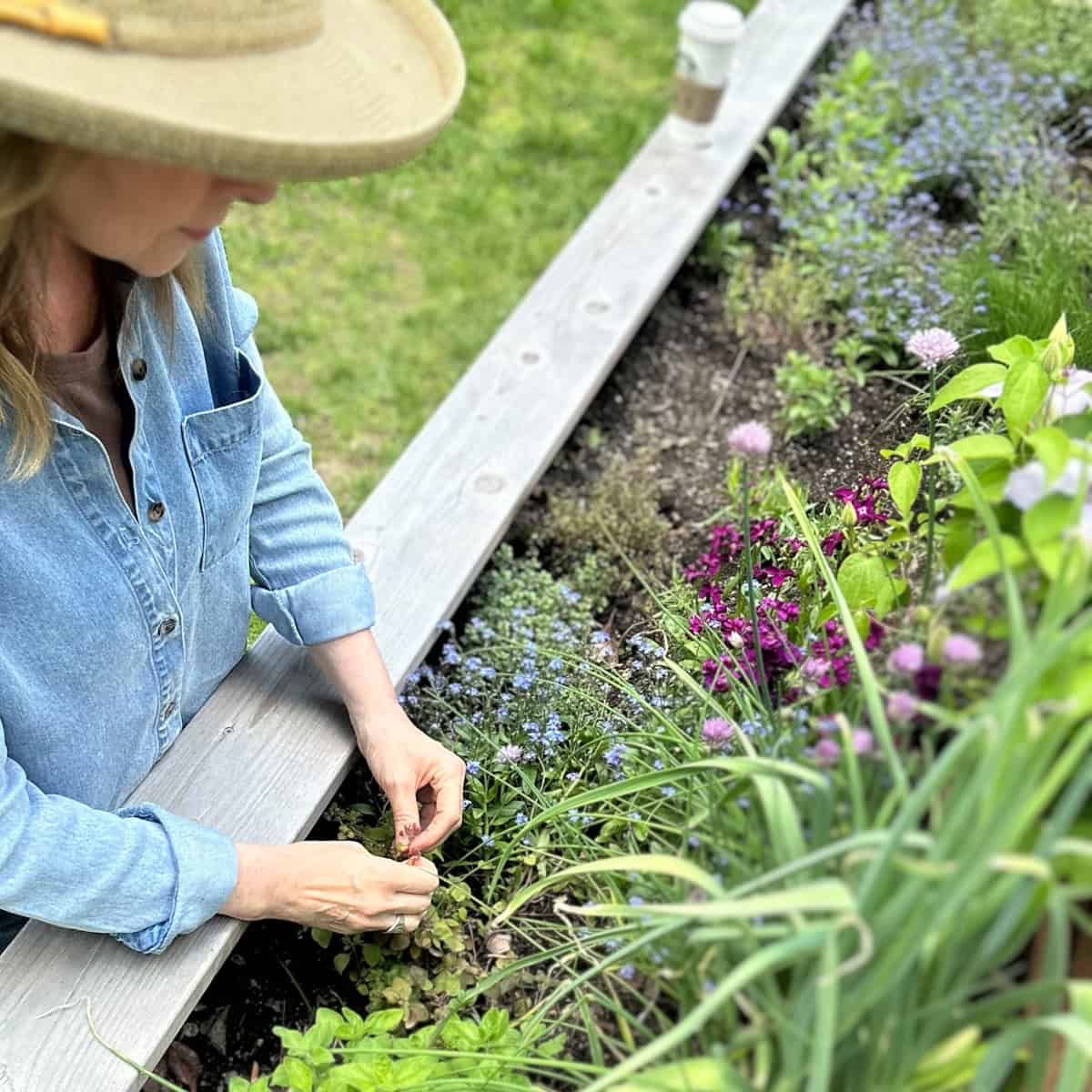
Companion planting with herbs is one of the simplest ways to create a healthier, more productive garden. Over the years, I've found that pairing the right herbs together, and alongside vegetables and flowers, not only adds beauty and fragrance but helps everything grow better.
I first learned about companion planting as a kid, watching my dad plant marigolds around his vegetable garden. He used them to protect his crops from pests and encourage growth. Even though a few bunnies still managed to sneak in, I saw how thoughtful planting could make a real difference.
In this guide to companion planting with herbs, I'll walk you through which herbs grow well together, how to use them in your garden, and simple tips to get started.
At a Glance: Companion Planting with Herbs
_______________________
Companion planting with herbs pairs plants to improve growth and garden health
• Many herbs grow well together when they share similar light and water needs
• Popular pairings include basil and parsley, rosemary and thyme, and cilantro and dill
• Herbs can help repel pests and attract beneficial insects
• Group herbs by growing conditions for easier care and better results
• Avoid planting aggressive herbs like mint directly in garden beds
Summarize and Save this content on:
Jump to:
- At a Glance: Companion Planting with Herbs
- What herbs grow well together?
- Companion planting with herbs
- Benefits of companion planting with herbs
- Examples of herbs used in companion planting
- Companion planting chart: Enhance your garden with herb pairings
- Herbs to avoid planting together
- Tips for successful companion planting with herbs
- Frequently asked questions
- Companion planting guides for your herb garden
- More helpful herb guides
What herbs grow well together?
Many herbs grow well together because they share similar sunlight, watering, and soil needs. Pairing compatible herbs makes your garden easier to care for and helps plants thrive.
Some of the best herb combinations include:
• basil and parsley
• rosemary and thyme
• sage and oregano
• chives and parsley
• cilantro and dill
Grouping herbs with similar growing conditions is one of the easiest ways to start companion planting successfully. Once you have a basic setup, companion planting becomes much easier to understand. If you're new, you can start with my guides designed to building an herb garden step by step.
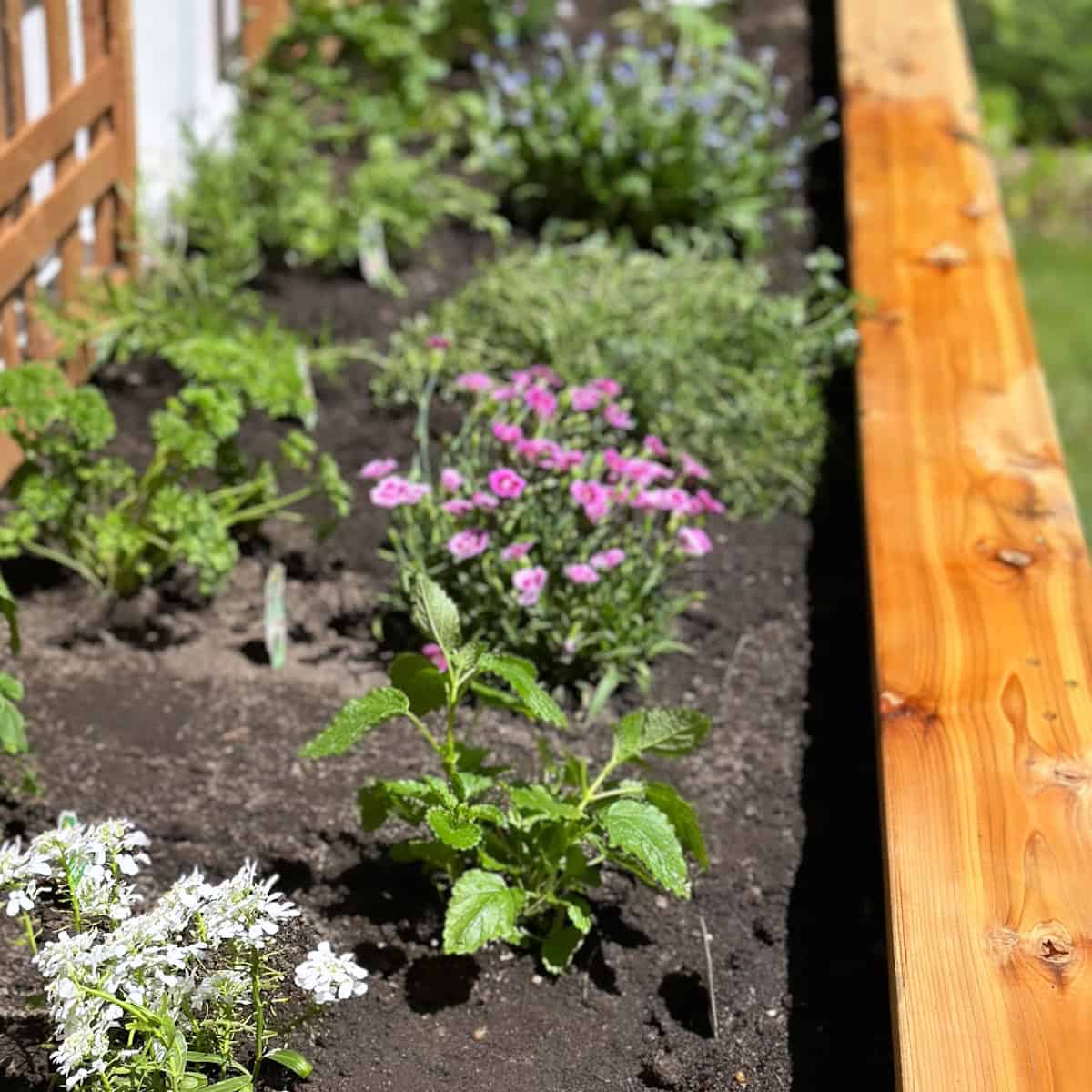
Companion planting with herbs
Companion planting with herbs is a gardening method where herbs are grown alongside other plants to support healthier growth, repel pests, and improve overall garden performance. By selecting specific herbs known for their pest-repelling or nutrient-enhancing properties, gardeners create symbiotic relationships that promote healthier, more abundant growth throughout the garden.
For example, aromatic herbs like basil and rosemary can help deter pests that might otherwise damage neighboring plants, while herbs like chamomile and dill attract beneficial insects that aid in pollination and pest control.
Overall, companion planting with herbs offers a natural and holistic approach to gardening, fostering a balanced and thriving ecosystem in the garden. Sounds good, right?
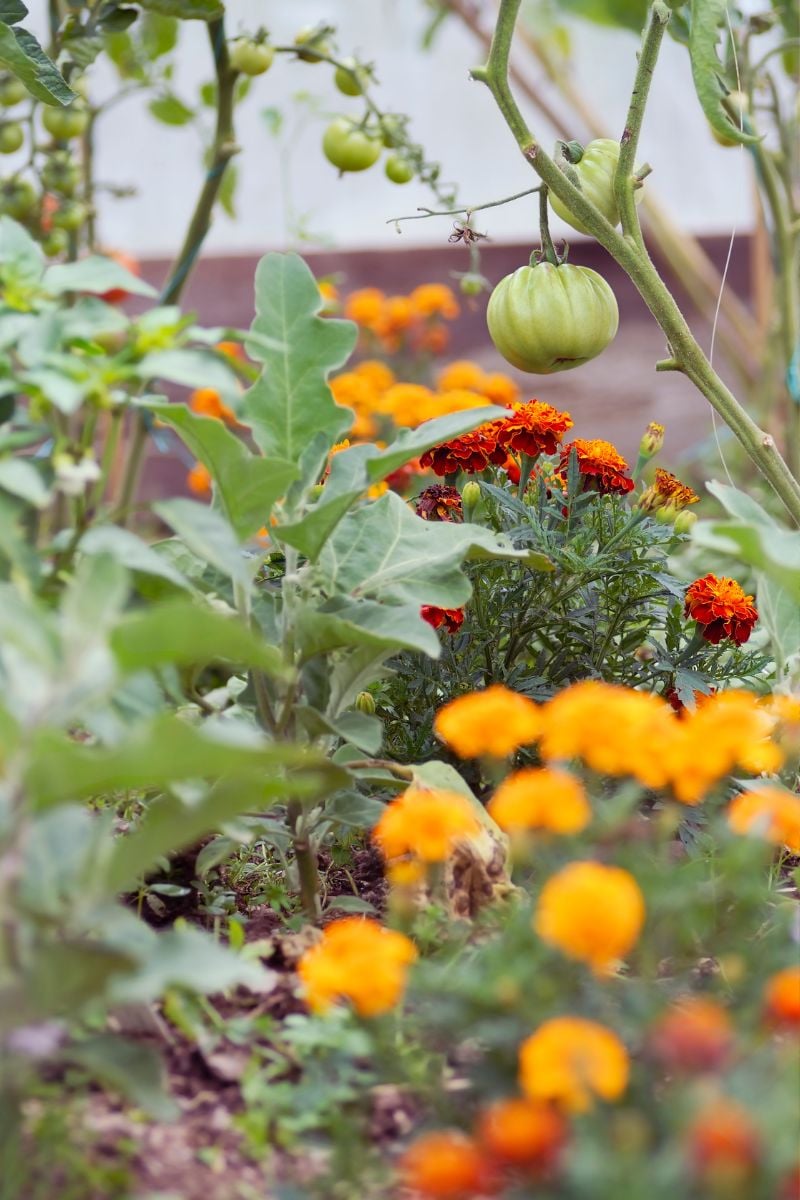
Benefits of companion planting with herbs
Let's dive deeper! As I've experimented with companion planting in my own garden, I've discovered several key benefits that have made a noticeable difference. Here are four major advantages of companion planting with herbs:
Natural pest control
One of the most significant benefits of companion planting with herbs is their ability to repel pests naturally. Many herbs emit strong scents that deter pests from munching on your precious plants. For instance, when I planted basil next to my tomatoes, not only did it help keep aphids and tomato hornworms away, but it also enhanced the flavor of my tomatoes. Creeping thyme is known for keeping deer and rabbits in check and can be used strategically to protect more vulnerable plants in your garden by planting it around their perimeter or interspersing it throughout flower beds and vegetable patches.
Improving soil health
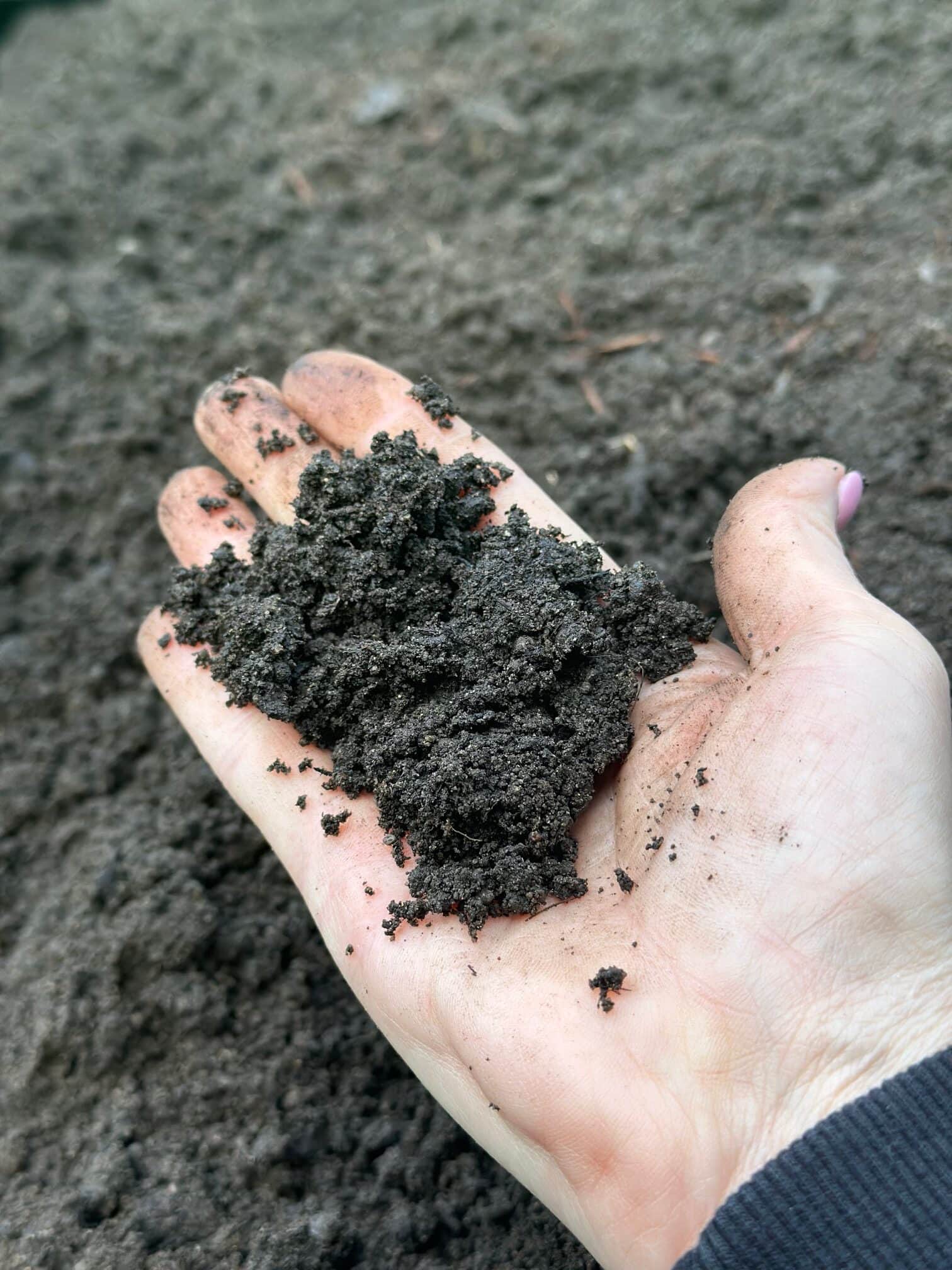
While herbs don't fix nitrogen like legumes, they still improve soil health by attracting beneficial insects and supporting a balanced growing environment. They help improve the overall health of the soil, making it more fertile and nutrient-rich. In my garden, I've found that planting beans and peas alongside other plants has helped them grow stronger and healthier.
Enhancing flavor of harvest
Herbs can also have a positive impact on the flavor of your fruits and vegetables. By planting certain herbs close to your crops, you can influence their taste. I've noticed that planting dill near my cucumbers has given them a subtle, yet delightful, flavor boost.
Providing habitat for beneficial insects
Herbs can attract pollinators and other beneficial insects to your garden, ultimately improving its overall health. For example, by planting lavender and fennel, I've been able to attract more bees and butterflies, which has led to better pollination and increased yields.

Examples of herbs used in companion planting
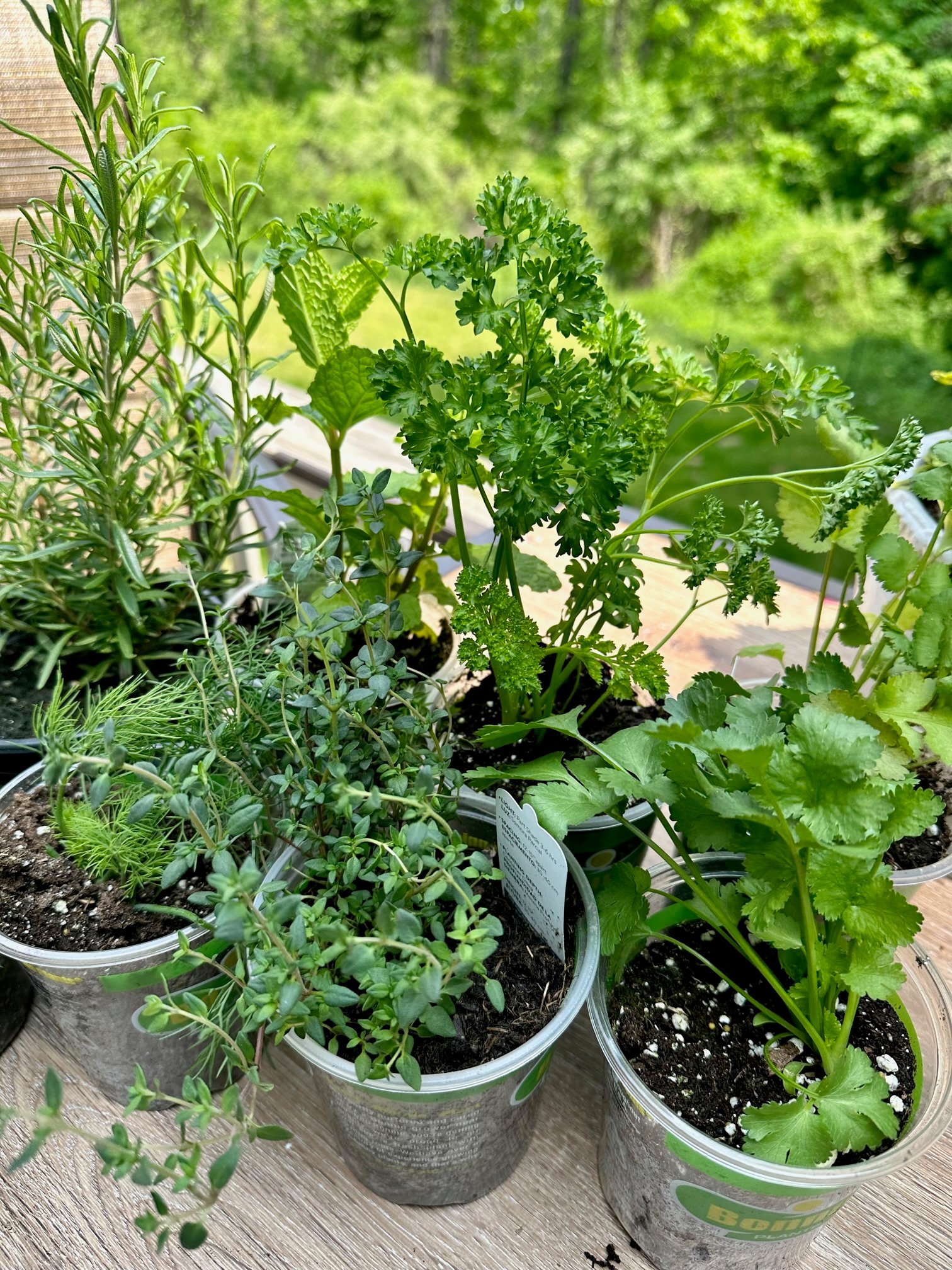
As you can see, companion planting with herbs offers numerous benefits for your garden. Here are some herbs I've had success with in my own raised herb garden bed, and I'm sure they'll work wonders for you too:
Basil
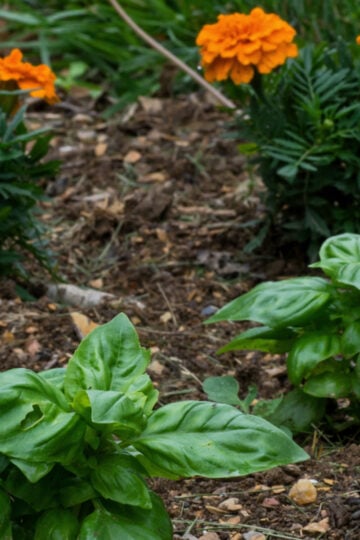
As I mentioned earlier, basil is excellent for repelling pests like aphids and tomato hornworms. Basil plants are also believed to improve the flavor of tomatoes, making it a perfect companion plant for your tomato garden.
Mint
Mint can help deter pests like ants, aphids, and flea beetles. However, it's important to note that mint is an aggressive grower, so it's best to plant it in containers to prevent it from overtaking your garden.
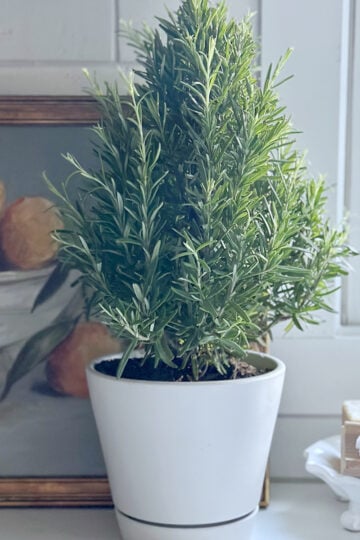
Rosemary
Rosemary is an aromatic herb that is great for repelling various pests such as cabbage moths and carrot flies. Plus, it can attract beneficial insects like bees and butterflies. I've found that planting these culinary herbs near my brassicas and root vegetables has been particularly helpful.
Thyme
Thyme is another herb that can help keep pests at bay. It's known to repel whiteflies, cabbage loopers, and cabbage maggots. I love planting thyme near my cabbage, kale, and broccoli to protect them from these pesky insects.
These are just a few examples of herbs that you can use in companion planting. There are many more options out there, so don't be afraid to experiment and find the best combinations for your garden.

Companion planting chart: Enhance your garden with herb pairings
Here's a simple companion planting chart including some common herbs:
| Plant | Companions | Benefits |
|---|---|---|
| Basil | Tomatoes, peppers, oregano | Deters pests like aphids, mosquitoes |
| Rosemary | Beans, cabbage, carrots | Repels cabbage moths, carrot flies |
| Thyme | Cabbage, potatoes, tomatoes | Controls cabbage worms, enhances tomato flavor |
| Sage | Cabbage, carrots, rosemary | Deters pests, enhances growth |
| Oregano | Cucumbers, peppers, tomatoes | Repels pests, improves flavor |
| Mint | Cabbage, tomatoes, peppers | Repels pests, attracts beneficial insects |
| Lavender | Cabbage, lettuce, onions | Deters garden pests, attracts pollinators |
| Chives | Carrots, tomatoes, strawberries | Deters pests, improves growth |
| Parsley | Asparagus, tomatoes, roses | Attracts beneficial insects, improves flavor |
| Dill | Cabbage, cucumbers, lettuce | Attracts beneficial insects, repels pests |
Herbs to avoid planting together
Some herbs don't grow well together due to different needs:
• basil and rosemary (different watering needs)
• mint with other herbs (spreads aggressively)
• fennel near most plants (can inhibit growth)
Tips for successful companion planting with herbs
To help you get started on your own companion planting journey, I'd like to share some tips that have worked well for me in my garden:
Choosing the right herbs for your garden
The first step in successful companion planting is selecting the appropriate herbs for your specific plants and garden conditions. Research which herbs work best with the vegetables and fruits you're growing, and consider factors like climate, sunlight, and soil type when making your choices.
Proper placement of herbs in relation to other plants
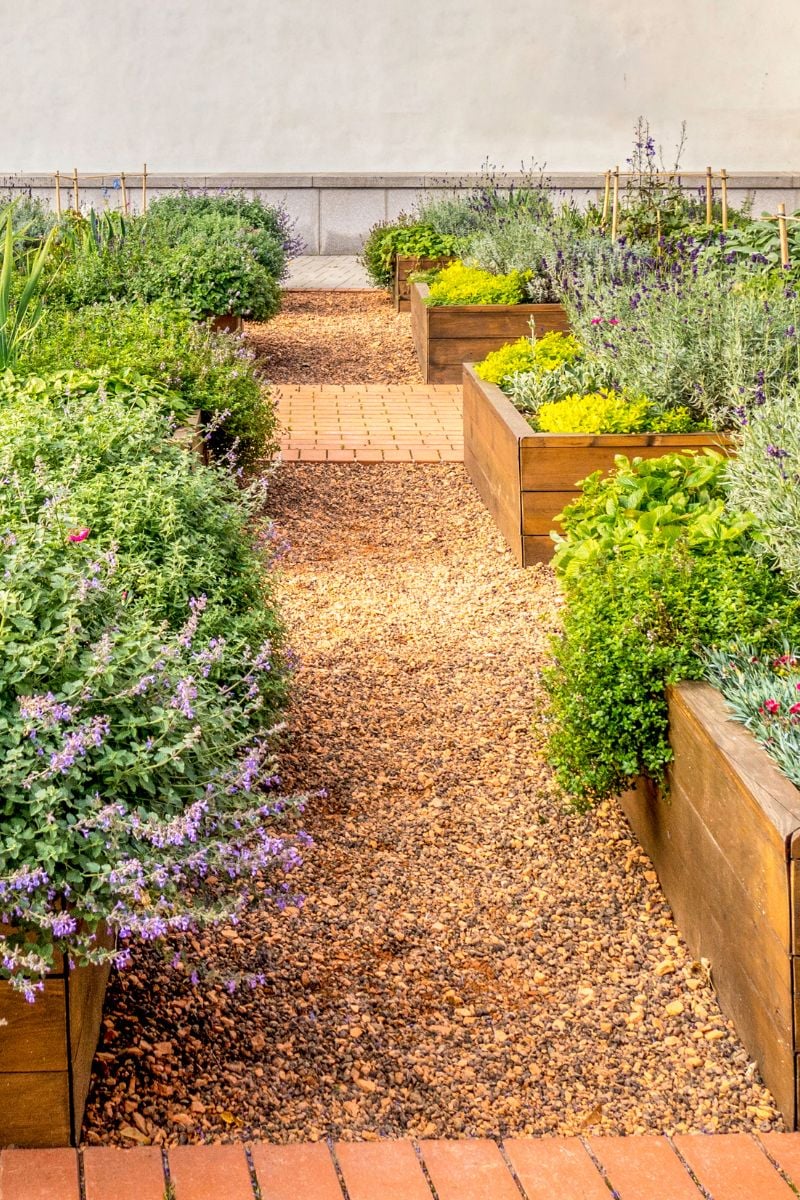
Once you've decided on the herbs you want to plant, it's crucial to place them strategically within your garden. For example, some herbs can provide shade for sun-sensitive plants, while others can act as a barrier against pests. Be mindful of the unique characteristics of each herb and how they can complement the surrounding plants.
Maintaining proper spacing and soil conditions
Just like any other plants, herbs need adequate space to grow and thrive. Be sure to follow the recommended spacing guidelines for each herb you plant, and make sure they have access to the necessary nutrients and water. A well-maintained garden will ensure that your herbs and other plants flourish together.
Rotate your crops
Rotating your crops can help prevent the build-up of pests and diseases in your garden. By changing the location of your plants each season, you can disrupt the life cycle of pests and keep them from becoming a persistent problem. This practice also promotes good soil health by preventing nutrient depletion.
Be patient and observe
Companion planting is a learning process, and it may take some time to see the full benefits of your efforts. Observe your garden closely and take note of what works and what doesn't. Over time, you'll gain valuable insights that will help you refine your companion planting strategies.
Frequently asked questions
Herbs that share similar sunlight and watering needs grow well together. Good combinations include basil and parsley, rosemary and thyme, and chives with cilantro or dill.
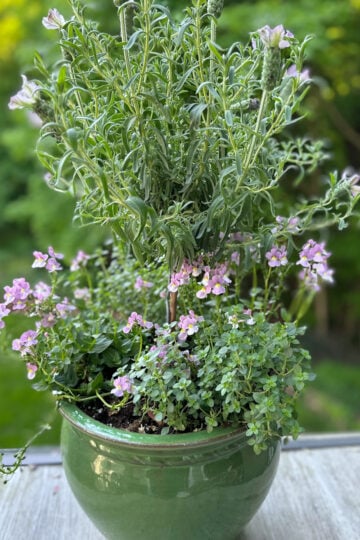
Yes, you can plant herbs together in one container as long as they have similar needs. For example, rosemary, thyme, and oregano work well together, while basil prefers more water and should be grouped with parsley or chives instead.
Some herbs do not grow well together due to different care needs. For example, basil and rosemary prefer different watering conditions, and mint should be planted separately because it spreads aggressively.
Yes, many herbs naturally repel pests or attract beneficial insects. For example, basil can help deter aphids, while dill and parsley attract pollinators and helpful insects to the garden.
Companion planting guides for your herb garden
Explore more companion planting guides to find the best pairings for specific herbs:
- Learn which vegetables and herbs make ideal companions for oregano to enhance pest control and improve flavor
- Find out how thyme companion plants benefit from its aromatic oils that naturally repel common garden pests
- Explore the perfect neighbors for lavender that respect its Mediterranean needs while benefiting from its presence
- Discover how lemon balm companion plants benefit from its ability to attract valuable pollinators to your garden
Each guide draws from my decades of hands-on gardening experience rather than garden theory, giving you practical advice that actually works!


Companion planting with herbs has been a game-changer for my garden, and I'm confident it can do the same for yours. By incorporating herbs into your garden design, you can enjoy the benefits of natural pest control, improved soil health, enhanced flavor of harvest, and a habitat for beneficial insects.
Remember to choose the right herbs for your garden bed, place them strategically, maintain proper spacing and soil conditions, and be patient as you learn and observe. With time and practice, you'll be well on your way to creating a thriving, sustainable garden that's bursting with flavor and life.
Good luck, and enjoy the growing season!